A minivan carries what matters most — and when the pavement turns to packed snow and black ice, the rubber between your family and the road becomes the single most critical safety decision you will make all season. All-season tires lose grip below about 45°F; a dedicated winter tire keeps its compound pliable and its biting edges engaged when temperatures drop and conditions turn severe.
I’m Amir — the founder and writer behind Four Wheel Ask. My approach to winter tire selection relies on deep analysis of tread compound chemistry, siping density, three-peak certification data, and thousands of verified owner reports across multiple model years and regional climates.
I evaluated tread design, rubber formulation, and real-world owner reports to identify the most capable best snow tires for minivan for navigating harsh winter conditions.
How To Choose The Best Snow Tires For Minivan
Selecting the right winter rubber for a minivan involves more than matching a size number. Minivans carry heavier loads than sedans, have front-wheel or all-wheel drive configurations that alter traction dynamics, and are often the primary family vehicle — meaning reliability in severe conditions is non-negotiable. Below are the core factors that separate a capable winter tire from a compromise.
Tread Compound and Temperature Performance
Winter tires use silica-rich compounds that remain pliable in freezing temperatures. A standard all-season tire hardens below 45°F, reducing contact patch grip. Look for compounds specifically formulated for cold-weather flexibility — this directly impacts braking distance on ice and packed snow.
Three-Peak Mountain Snowflake Certification
This certification indicates the tire meets severe snow traction requirements set by industry standards. Tires bearing the three-peak mark deliver measurable improvements in snow acceleration and stopping compared to M+S rated all-seasons. For a minivan carrying a full load, this certification should be considered a minimum requirement.
Siping Density and Biting Edge Design
Sipes are thin slits in the tread blocks that create additional biting edges for snow and ice grip. Higher siping density improves traction on hard-packed snow and ice. Studdable tires offer the option to add metal studs for extreme ice conditions, though studless designs with advanced multi-cell compounds have closed the gap in recent years.
Load Range and Speed Rating
Minivans require tires that carry the weight of passengers and cargo without excessive flex. Standard Load (SL) tires suffice for most models, but if you frequently load to capacity or tow, consider Extra Load (XL) options. Speed ratings — typically S (112 mph), T (118 mph), or H (130 mph) — should at least match the vehicle’s original equipment specification.
Quick Comparison
On smaller screens, swipe sideways to see the full table.
| Model | Category | Best For | Key Spec | Amazon |
|---|---|---|---|---|
| Bridgestone Blizzak WS90 | Studless Ice & Snow | Ice and snow confidence | 225/65R17, 102 H, SL | Amazon |
| Cooper Evolution Winter | Studdable Winter | Deep snow traction | 225/60R18, 100 H, SL | Amazon |
| Sumitomo Ice Edge | Studdable Winter | Balanced value and performance | 225/65R17, 102 T, SL | Amazon |
| Firestone Winterforce 2 225/60R18 | Studdable Winter | Aggressive tread in slush | 225/60R18, 100 S, SL | Amazon |
| Hankook Winter ipike X SUV | Studdable Winter | Durability and tread life | 235/70R16, 109 T, XL | Amazon |
| Firestone Winterforce 2 225/60R16 | Studdable Winter | Reliable daily winter driving | 225/60R16, 98 S, SL | Amazon |
| Firestone Winterforce 2 205/70R15 | Studdable Winter | Entry-level winter performance | 205/70R15, 96 S, SL | Amazon |
| Firestone Winterforce 2 UV | Studdable SUV Winter | Larger SUV and truck fitments | 265/70R17, 115 S, SL | Amazon |
| Cooper Discoverer Snow Claw | Premium LT Winter | Heavy-duty winter use | LT245/75R16, 120/116 R, E | Amazon |
In‑Depth Reviews
1. Bridgestone Blizzak WS90

The Blizzak WS90 is widely regarded as the benchmark for studless winter performance, and the data backs that reputation. Bridgestone uses a multi-cell compound that embeds microscopic biting particles throughout the tread — as the tire wears, fresh particles are exposed, maintaining ice traction across thousands of miles. Owner reports consistently highlight exceptional braking performance on glare ice and confidence in wet snow at highway speeds.
For minivan owners, the WS90 delivers predictable handling under load. The directional tread pattern evacuates slush effectively, reducing hydroplaning risk during early-winter thaws. Reviewers driving Toyota Siennas and Honda Odysseys in Vermont, Colorado, and upstate New York report no hesitation on unplowed roads and significantly shorter stopping distances compared to previous all-season or budget winter tires.
The tradeoff is that the soft compound wears faster on dry pavement, especially during warmer winter days. Drivers who experience frequent freeze-thaw cycles with extended dry periods may see reduced tread life. However, for pure winter safety — particularly on ice — the WS90 remains the gold standard among the nine models evaluated here.
What works
- Exceptional ice and snow braking performance verified by thousands of owner reports
- Multi-cell compound maintains traction as tread wears
- Predictable handling under minivan load conditions
What doesn’t
- Soft compound wears faster during dry or warm winter days
- Premium positioning may exceed budgets focused on absolute lowest upfront cost
2. Cooper Evolution Winter
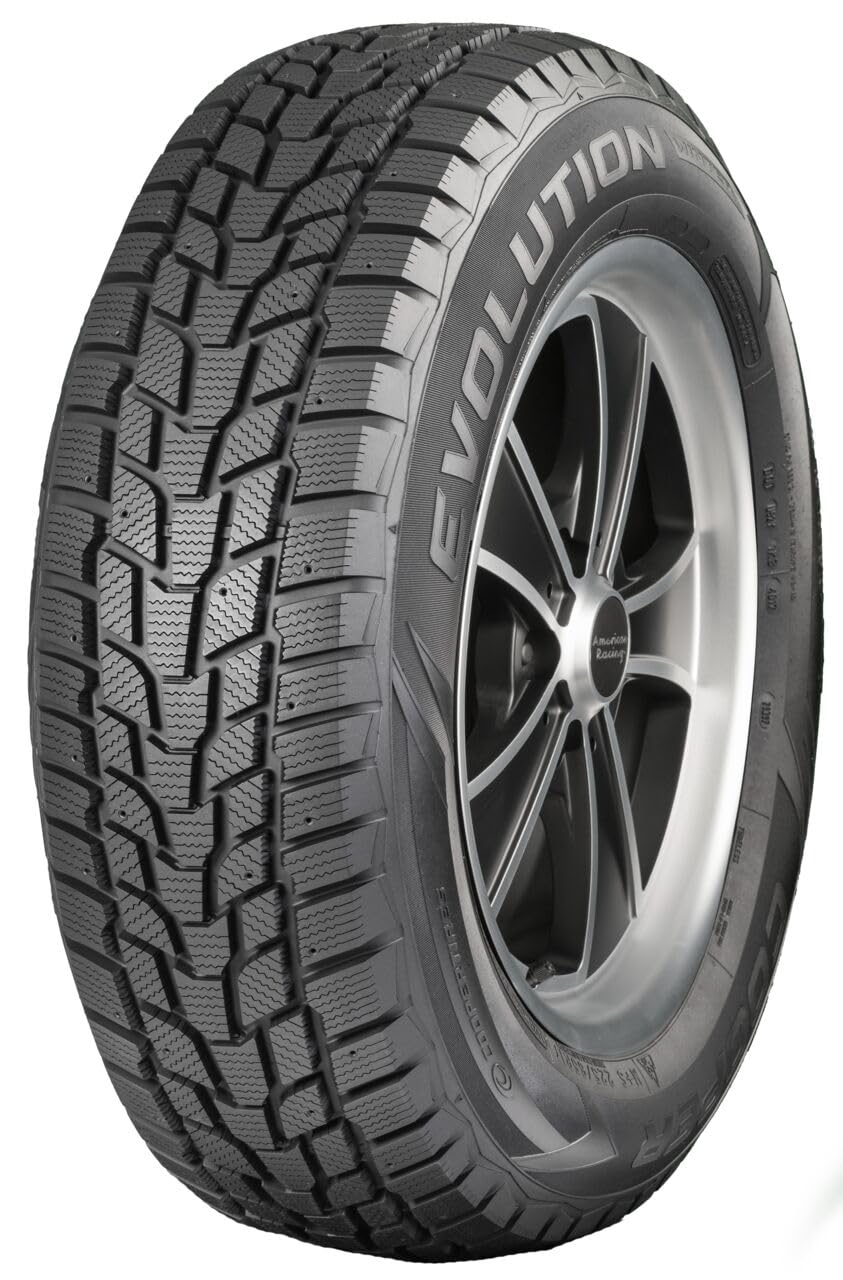
The Cooper Evolution Winter earns strong marks from owners who drive minivans in genuine snow-belt conditions. One verified review on a Volkswagen Routan — a rebadged minivan — reports the tire powered through a foot of fresh snow without hesitation, matching the performance of far more expensive models. The tire is Three-Peak Mountain Snowflake certified and pinned for studs, giving owners the option to add ice traction later if needed.
Cooper incorporates a Snow Groove Technology tread pattern that traps snow within the tread blocks — snow-on-snow contact actually improves grip. This design philosophy makes the Evolution Winter particularly effective in deep snow and unplowed conditions. Owner feedback from northern Michigan and New England notes the tire maintains composure at 80 mph on cleared highways while delivering confident steering feel in slush and packed snow.
The main consideration is that the Evolution Winter performs best when conditions are genuinely severe. On lightly snow-covered or mostly dry cold roads, some owners note a slight reduction in refinement compared to premium studless designs. For minivan drivers who prioritize deep snow capability and want studdable flexibility, this is a compelling choice.
What works
- Excellent deep snow traction with Snow Groove technology
- Studdable for additional ice grip when conditions demand it
- Strong owner satisfaction specifically on minivan platforms
What doesn’t
- Refinement on dry or lightly snow-covered roads trails premium studless designs
- Some owners report increased road noise versus top-tier competitors
3. Sumitomo Ice Edge

The Sumitomo Ice Edge has quietly built a reputation among budget-conscious minivan owners who refuse to compromise on safety. One owner in the Adirondacks running a Subaru Outback — but more critically, another driving a minivan through a whiteout — reported never getting stuck while watching larger 4WD vehicles slide off the road. The tire is studdable and designed for coupes, sedans, CUVs, SUVs, and minivans, making it one of the most versatile options in this guide.
The tread design uses a dense network of sipes and a directional pattern that channels slush away from the contact patch. Owner reports from North Idaho and other heavy-snow regions note the Ice Edge handles admirably on ice when driven with skill, even without studs. The tire also earns praise for reasonable dry-road manners, with modest noise levels that don’t irritate during longer highway trips.
Where the Ice Edge gives ground is in absolute ice braking performance compared to the Blizzak WS90. The compound doesn’t feature the same multi-cell technology, so ice grip relies more heavily on siping and biting edges. Drivers who face frequent ice storms rather than deep snow may want to factor that into their decision. For mixed winter conditions at a mid-range investment, the Ice Edge delivers strong overall capability.
What works
- Strong snow traction with directional tread and dense siping
- Studdable design for optional ice enhancement
- Reasonable dry-road noise and ride comfort
What doesn’t
- Ice braking performance trails premium studless designs
- Limited brand presence may concern some buyers
4. Firestone Winterforce 2 225/60R18

The Firestone Winterforce 2 in the 225/60R18 size is a workhorse winter tire that prioritizes aggressive snow bite over on-road polish. The open shoulder slots and deep tread blocks are designed to dig into snow and slush, and the tire carries the Three-Peak Mountain Snowflake certification. One owner in the Adirondacks running these on a Subaru Outback reports fantastic grip on hard-packed snow without studs, which aligns with the broader owner sentiment.
For minivan applications, the Winterforce 2’s aggressive tread pattern provides a noticeable advantage in slush and unpacked snow. The tire’s full-depth tread extends across the life of the tire, meaning snow performance doesn’t degrade as quickly as some softer-compound designs. Owners consistently note that the Winterforce 2 balances well with the weight of vehicles like minivans and crossovers, delivering stable cornering and predictable braking.
The tradeoff is that the aggressive tread generates more road noise on dry pavement than premium studless tires. Some owners also report that the tire feels less composed on wet roads at highway speeds, requiring modest adjustments to following distance. For drivers who primarily face snowy and slushy conditions and want a durable, long-lasting winter tire, the Winterforce 2 is a proven choice.
What works
- Aggressive tread design delivers excellent snow and slush bite
- Full-depth tread maintains winter performance as tire wears
- Strong owner satisfaction in mountainous winter regions
What doesn’t
- Noticeably louder on dry pavement than premium designs
- Wet-road highway grip requires more attentive driving
5. Hankook Winter ipike X SUV W429A
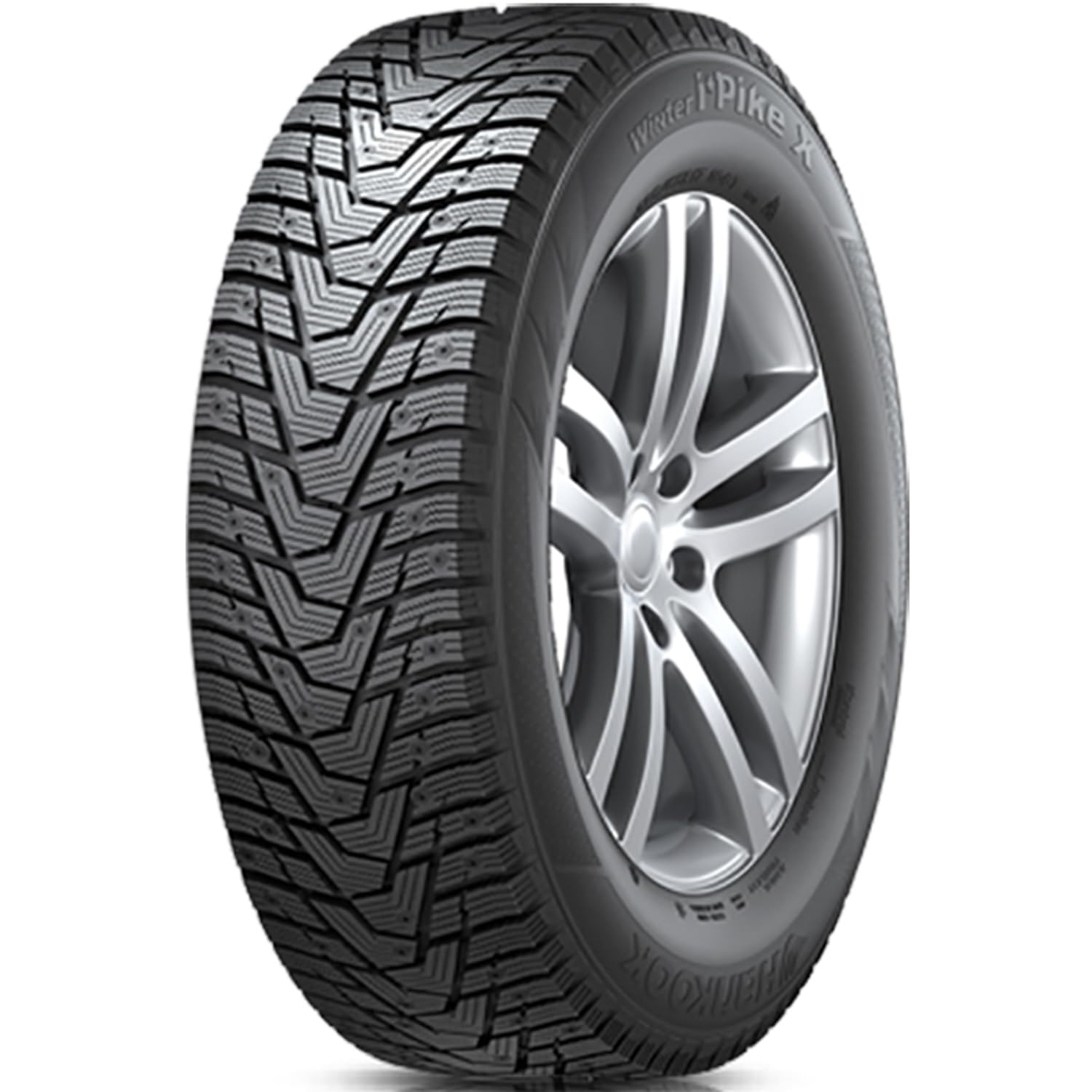
The Hankook Winter ipike X SUV is built with a reinforced rubber compound that prioritizes durability and tread life without sacrificing winter capability. It carries an XL load rating, making it particularly well-suited for minivans that frequently operate near maximum payload — think full families with luggage, sports gear, or cargo. The Three-Peak Mountain Snowflake certification confirms its severe snow capability, and the tire can be pinned with TSMI #11 studs where permitted.
Owner feedback highlights the ipike X’s surprisingly quiet ride for a studdable winter tire. One owner running these on a work van year-round reported minimal road noise during summer months — a testament to the compound’s refinement. Snow and ice performance draws consistent praise, with multiple five-star reviews noting excellent tread grip and smooth winter driving characteristics across cold and snowy conditions.
The ipike X SUV uses wide center blocks to improve snow and ice traction, but some owners note that the tire feels slightly less responsive on dry cold pavement compared to softer-compound designs. The durability focus means the tire may not match the ultimate ice-grip of a Blizzak, but for drivers who want a winter tire that lasts multiple seasons and can handle heavy loads, this is a strong candidate.
What works
- XL load rating ideal for heavily loaded minivans
- Quiet and refined for a studdable winter tire design
- Reinforced compound promotes longer tread life
What doesn’t
- Dry cold pavement response trails softer-compound rivals
- Absolute ice grip lags behind premium studless options
6. Firestone Winterforce 2 225/60R16

The 225/60R16 variant of the Firestone Winterforce 2 shares the same aggressive tread architecture as its larger sibling but in a size that fits many older minivan models and smaller crossovers. Owner reviews from Fairbanks, Alaska, confirm the tire handles deep snow and ice capably, with one reviewer noting only the desire for a studded version as a reason for a four-star instead of five-star rating. For drivers who can stud their tires, this opens up additional ice performance.
The Winterforce 2 generation represents a meaningful refinement over the original Winterforce. Owners who previously ran the older version report that the 2 is noticeably quieter while maintaining the same snow-gripping capability. This is a meaningful improvement for minivan owners who log highway miles and value cabin comfort alongside winter security. The tire carries the Three-Peak Mountain Snowflake certification across multiple sizes.
As with the larger variant, the 225/60R16 Winterforce 2 generates more road noise than premium studless tires, and wet-road grip requires attentive driving. The price positioning is notably accessible, making this a strong pick for budget-conscious minivan owners who need genuine winter capability without stretching their budget.
What works
- Refined ride and reduced noise versus original Winterforce
- Studdable for enhanced ice performance when needed
- Accessible pricing for genuine winter capability
What doesn’t
- Road noise remains higher than premium studless designs
- Wet-road highway grip requires driver attention
7. Firestone Winterforce 2 205/70R15
The 205/70R15 Winterforce 2 serves as an entry point into the Winterforce lineup, fitting older minivan models and smaller family vehicles. Owner feedback confirms the tire delivers solid snow performance at a notably accessible investment point. One reviewer running these on a minivan reports comfortable driving in thick snow, noting the tire provided half the cost of in-store alternatives with comparable winter grip.
The Winterforce 2 design in this size maintains the same cold-weather compound and open shoulder slots as larger variants, ensuring consistent snow and slush evacuation. The tire is pinned for studs, giving owners in severe ice regions the option to upgrade traction without replacing the entire set. Owners consistently rate the tire four or five stars for snow performance, with the primary caveat being the occasional delivery issue rather than a product flaw.
The smaller size and SL load rating mean this tire is best suited for lighter minivan configurations without heavy payload requirements. On particularly icy roads, the studless version requires careful throttle modulation. For minivan owners in areas with moderate snowfall who need a functional winter tire at a minimal cost, this represents a straightforward solution.
What works
- Solid snow performance at a very accessible price point
- Studdable design for ice season flexibility
- Consistent Winterforce 2 tread design across sizes
What doesn’t
- Ice grip without studs requires careful throttle input
- Limited to SL load range, not ideal for heavy payloads
8. Firestone Winterforce 2 UV 265/70R17

The Winterforce 2 UV variant is engineered for larger SUVs and light trucks, with a 115 load index that supports heavier vehicles including full-size vans and large premium SUVs. This size is less common for minivans but may fit certain larger or lifted configurations. The tire is Three-Peak Mountain Snowflake certified and pinned for studs, carrying the same aggressive tread DNA as the rest of the Winterforce 2 family.
Owner feedback from Alaska and other extreme winter regions praises the Winterforce 2 UV for its reliability in severe conditions. One reviewer running these on a 4Runner reported dramatically improved stopping distance on ice and snow compared to all-seasons, while another in Alaska confirmed the tires handled harsh winter driving conditions admirably. The full-depth tread design ensures the tire maintains performance as it wears over multiple seasons.
The primary consideration for minivan owners is fitment — this 265/70R17 size is not a standard minivan specification. Drivers would need to verify clearance and load requirements carefully. Additionally, one owner noted the tire felt less capable on a heavy truck compared to a lighter vehicle, suggesting the design is optimized for mid-weight SUVs rather than maximum payload applications.
What works
- High load index supports larger vehicles and heavy loads
- Three-Peak certification and studdable for severe conditions
- Proven performance in extreme winter regions like Alaska
What doesn’t
- Non-standard minivan fitment requires careful clearance checking
- Performance may vary on heavier versus lighter vehicle platforms
9. Cooper Discoverer Snow Claw LT245/75R16

The Cooper Discoverer Snow Claw is a premium Light Truck winter tire designed for pickup trucks and heavy SUVs, carrying a Load Range E rating that supports substantial weight. While not a standard minivan tire, this size may fit larger or modified vans and represents the most heavy-duty option in this guide. Cooper’s Snow Groove Technology uses patented grooves that trap snow within the tread — using that snow to generate greater traction, handling, and stopping power.
Owner feedback is overwhelmingly positive, with reviews from upstate New York, Montana, and other severe winter regions praising the Snow Claw’s ability to handle deep snow and icy conditions. One owner running these on a Ford F-350 in Rocky Mountain conditions reported a dramatic improvement over previous winter tires, while another noted the tire performed well even on a 2023 Ford Lightning, delivering smooth highway ride quality for a winter LT tire.
For minivan owners, the Discoverer Snow Claw is relevant only if your vehicle requires LT-rated rubber — this is not a passenger tire. The Load Range E construction provides exceptional durability and puncture resistance but also delivers a firmer ride compared to passenger-rated winter tires. This tire is best suited for owners who need maximum winter capability for heavy towing or severe off-pavement conditions rather than daily family transport.
What works
- Exceptional deep snow and ice traction with Snow Groove Technology
- Load Range E supports heavy towing and payload demands
- Strong owner satisfaction across severe winter climates
What doesn’t
- LT construction delivers firmer ride than passenger winter tires
- Not a standard fitment for most minivan platforms
Hardware & Specs Guide
Three-Peak Mountain Snowflake (3PMSF)
This symbol indicates the tire meets severe snow traction requirements established by the Rubber Manufacturers Association and ASTM International. Tires bearing this mark deliver a minimum 25 percent improvement in snow acceleration over standard all-season tires. All products in this guide carry or can achieve this certification, ensuring baseline winter capability.
Studdable vs. Studless Design
Studdable tires feature tread blocks designed to accept metal studs for enhanced ice grip where legally permitted. Studless tires rely on advanced rubber compounds — like Bridgestone’s multi-cell technology — and dense siping to achieve ice traction without metal. Studless designs often deliver quieter operation and better dry-road manners, while studdable tires offer maximum ice performance in extreme conditions.
Load Range and Load Index
Standard Load (SL) tires handle typical minivan weight requirements, while Extra Load (XL) and Light Truck (LT) ratings support heavier payloads and higher tire pressures. The Load Index — a two- or three-digit number — specifies the maximum weight each tire can carry at maximum pressure. A higher index number means greater load capacity, which is critical for heavily loaded family vehicles.
Speed Rating and Winter Use
Winter tires typically carry speed ratings of S (112 mph), T (118 mph), or H (130 mph). While winter conditions rarely allow these speeds, the rating indicates the tire’s structural capability at higher velocities. Always match or exceed the original equipment speed rating for your specific minivan model to maintain handling and safety margins during emergency maneuvers.
FAQ
Can I use SUV winter tires on my minivan?
How long do winter tires typically last on a minivan?
Do I need four winter tires or just two for my minivan?
What is the difference between M+S and Three-Peak Mountain Snowflake ratings?
Final Thoughts: The Verdict
For most minivan owners, the best snow tires for minivan winner is the Bridgestone Blizzak WS90 because it delivers the highest confidence on ice and snow across the widest range of winter conditions, backed by multi-cell compound technology that maintains grip as the tire wears. If you prioritize deep snow capability and want studdable flexibility, grab the Cooper Evolution Winter. And for the best balance of winter performance and long-term value, nothing beats the Sumitomo Ice Edge — a tire that punches well above its position in owner satisfaction and real-world snow traction.

Certification: BSc in Mechanical Engineering
Education: Mechanical engineer
Lives In: 539 W Commerce St, Dallas, TX 75208, USA
Md Amir is an auto mechanic student and writer with over half a decade of experience in the automotive field. He has worked with top automotive brands such as Lexus, Quantum, and also owns two automotive blogs autocarneed.com and taxiwiz.com.