Overheating a Ford Ranger is rarely a sudden failure. It creeps in as coolant ages, cores clog, and plastic tanks develop hairline cracks that only reveal themselves under load. Choosing a replacement radiator means understanding core dimensions, tank materials, transmission cooler integration, and row count before you buy.
I’m Amir — the founder and writer behind Four Wheel Ask. My work focuses on analyzing aftermarket cooling system specifications, comparing build quality across brands, and aggregating real owner feedback to help Ranger owners make informed replacement decisions.
Through detailed market research and owner feedback, identifying the best ford ranger radiator requires matching your engine year and cooling demands.
How To Choose The Best Ford Ranger Radiator
Ford Ranger radiators vary significantly by generation, engine displacement, and transmission type. Choosing blindly leads to fitment issues, inadequate cooling, or premature failure. Focus on four key areas before purchasing.
Confirm Core Dimensions Against Your Model Year
Ranger radiators are not interchangeable across all years. The 1983–1994 models use a narrower core, while 1995–1997 trucks require the 1726-style radiator. From 1998 onward, the 2173-style core became standard for 3.0L and 4.0L engines. Measuring core width, height, and thickness against your factory unit ensures a direct bolt-in fit.
Evaluate Tank Construction Materials
Budget radiators use PA66 nylon tanks crimped onto an aluminum core. These reduce cost but are prone to cracking at the tank-to-core seam after several heat cycles. Premium all-aluminum radiators use TIG-welded tanks that handle higher pressure and thermal expansion better. For trucks used for towing or off-road duty, all-aluminum construction provides a meaningful durability advantage.
Check Transmission Oil Cooler Integration
Automatic Ford Rangers route transmission fluid through a cooler built into the radiator tank. If your truck has an automatic, the replacement radiator must include an integrated transmission oil cooler (TOC). Manual transmission models can skip this feature. Installing a radiator without a TOC on an automatic truck will cause transmission overheating and eventual failure.
Match Row Count to Driving Conditions
Single-row cores are adequate for stock daily drivers in moderate climates. Two-row and three-row cores increase coolant volume and surface area for heat exchange, making them better suited for towing, off-road use, or hot climates. The tradeoff is added weight and sometimes tighter fitment in the engine bay.
Quick Comparison
On smaller screens, swipe sideways to see the full table.
| Model | Category | Best For | Key Spec | Amazon |
|---|---|---|---|---|
| ZING KING All-Aluminum | Premium | Maximum Cooling | 3-Row, 30-38% Improved Efficiency | Amazon |
| Klimoto KLI2470 | Premium | Thick Core Design | 26mm Core, Folded Fin | Amazon |
| Readair Engine Coolant Radiator | Performance | TIG-Welded Build | PA66 GF30 Tanks, Brass TOC | Amazon |
| Alpaspare 2173 Radiator | Premium | Wide Year Coverage | 1998-2011, TOC Included | Amazon |
| Readair Bronco II/Ranger Radiator | Specialty | Early Model Fitment | 1983-1984, 2″ Core Thickness | Amazon |
| Alpaspare 1726 Radiator | Mid-Range | 1995-1997 Direct Fit | 1-Row, TOC, OEM Spec | Amazon |
| TRQ RDA82724 | Mid-Range | DIY Installation | 1-Row, Manual Transmission | Amazon |
| YITAMOTOR OE Radiator | Value | Budget-Minded Buyers | 1985-1994, High-Density Fins | Amazon |
| DWVO DWRD1086 | Mid-Range | Multi-Vehicle Compatibility | PA66 Tanks, Multi-Louvered Fins | Amazon |
| SCITOO 1726 | Budget | Entry-Level Replacement | 1-Row, 2.3L Fitment | Amazon |
| Auto Dynasty AD-OEM-RA-1726 | Budget | Cost-Sensitive Build | T-6061 Core, 1-Row | Amazon |
In‑Depth Reviews
1. ZING KING All-Aluminum Radiator
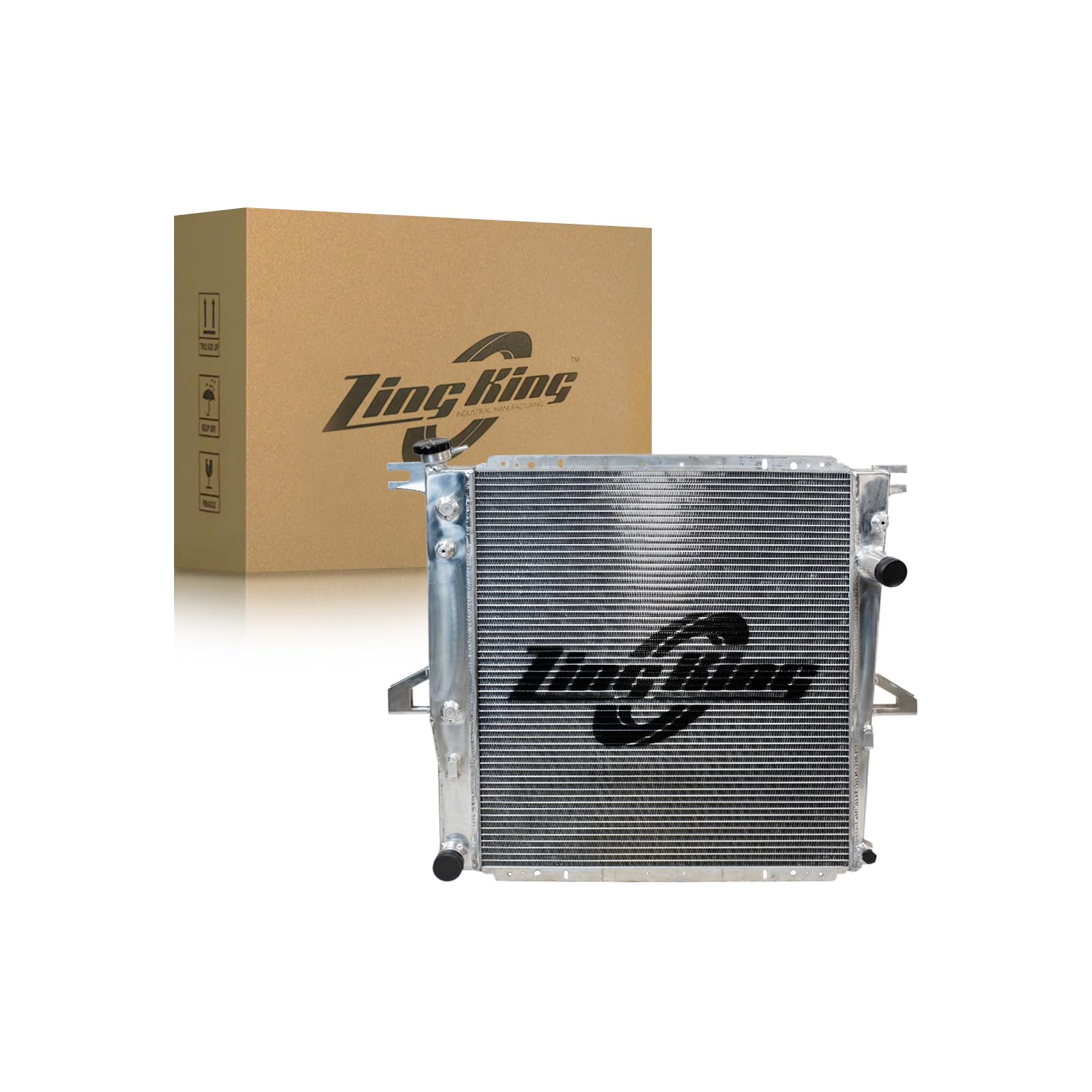
The ZING KING radiator uses a fully welded all-aluminum core with a 3-row design that delivers 30 to 38 percent improved cooling efficiency over standard replacements. It is manufactured under ISO TS16949 quality system certification and features zero-leakage core welding technology. The polished exterior and brass transmission oil cooler reflect a build standard aimed at high-performance and towing applications.
Fitment spans the 1998 to 2011 Ford Ranger with 3.0L and 4.0L V6 engines, including Edge, FX4, Sport, STX, XL, and XLT trims. It also covers the Explorer, Explorer Sport Trac, Mazda B3000, B4000, and Mercury Mountaineer from the same era. Core dimensions measure 23.54 inches wide by 20.87 inches tall by 1.57 inches thick, with 1.50-inch inlet and outlet diameters for standard hose connections.
The 15-month warranty and 24/7 support provide additional peace of mind for buyers who plan to keep their Ranger for years. This radiator is best suited for owners who demand maximum heat rejection for towing, off-road use, or hot-climate driving.
What works
- Exceptional 30-38% cooling efficiency improvement
- Wide vehicle and trim coverage across 1998-2011
- 15-month warranty with round-the-clock support
What doesn’t
- Premium price point relative to basic replacements
- Overkill for stock daily drivers in mild climates
2. Klimoto KLI2470 Radiator
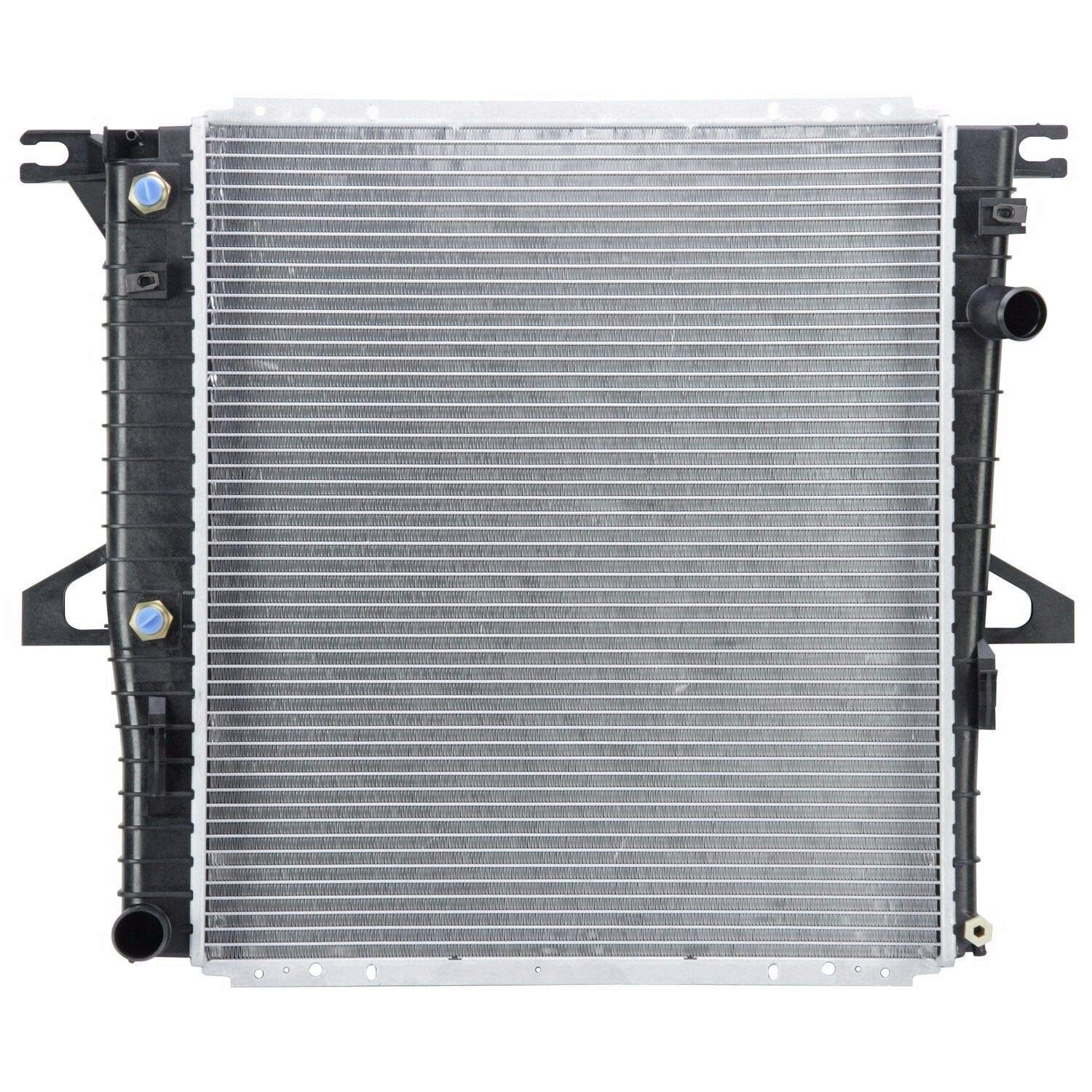
The Klimoto KLI2470 stands out for its 26-millimeter core thickness, a substantial increase over the standard 16-millimeter cores found in many budget replacements. This added thickness increases coolant volume and improves heat rejection, particularly during sustained low-speed driving or heavy load conditions. The folded fin design further expands surface area for better thermal transfer without increasing the overall external footprint.
This radiator fits the 2001 to 2012 Ford Ranger and the 2001 to 2010 Mazda B2300 with the 2.3L L4 engine. It also covers the 2001 F-100 Ranger. OEM reference numbers include 1L5H8005HA-SS, 1L5Z8005GA, 1L5Z8005HA, 6L5Z8005BA, MA3010198, and MA3010199. The unit includes thermal expansion cuts that allow the core to expand and contract with temperature changes, reducing the risk of stress fractures over time.
A corrosion-resistant protective coating is applied to the exterior to prevent rust and extend service life. Owners looking for a thicker core that fits the 2.3L Ranger without modifications will find this a strong mid-premium option.
What works
- 26mm core significantly improves cooling capacity
- Folded fin design enhances heat transfer
- Thermal expansion cuts reduce stress fractures
What doesn’t
- Limited to 2.3L engine compatibility
- Painted exterior may show wear over time
3. Readair Engine Coolant Radiator (2310/2173)
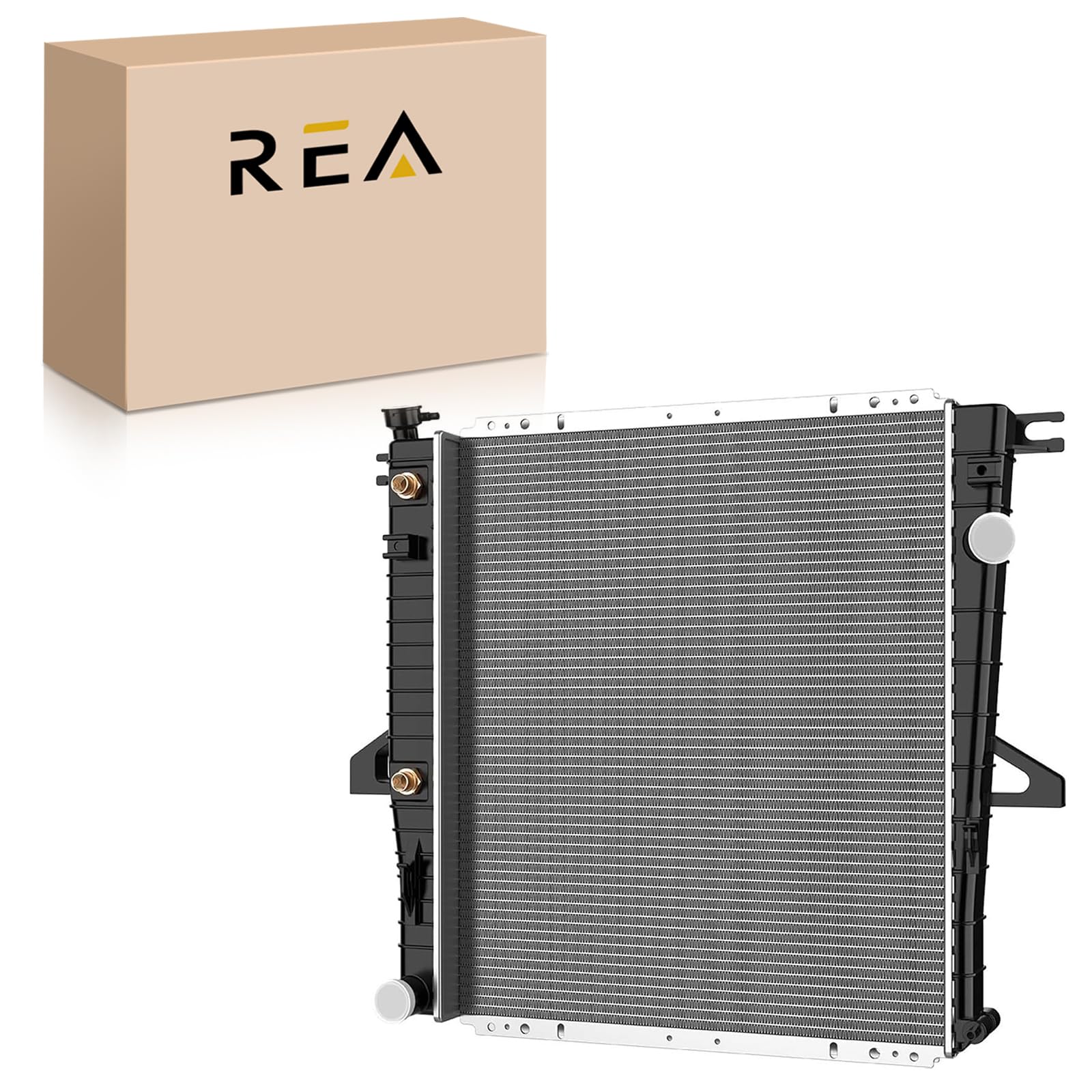
The Readair radiator features a TIG-welded aluminum core mated to PA66 GF30 inlet and outlet tanks, combining the thermal performance of an aluminum core with the crack resistance of reinforced nylon end tanks. The brass transmission oil cooler is integrated into the tank assembly, making this unit suitable for automatic transmission Rangers. A treated coating on the core helps resist corrosion from road salt and coolant additives.
Compatibility covers the 1998 to 2001 Ford Explorer 4.0L, 1998 to 2008 Ranger 3.0L, 1998 to 2011 Ranger 4.0L, 2001 to 2005 Explorer Sport Trac 4.0L, plus the Mazda B3000 and B4000 and Mercury Mountaineer through 2001. OEM cross-references include 2310, 2173, CU2310, 1L5Z8005JA, 1L5Z8005MA, 5L5Z8005A, 6L5Z8005DA, and F67H8005AB. Core height is 20.8 inches with a 1-inch thickness.
The two-year unlimited-mileage warranty reflects confidence in the build quality. This radiator strikes a balance between all-aluminum performance and plastic-tank affordability, making it a solid choice for owners who want reliability without the highest price.
What works
- Two-year unlimited-mileage warranty
- TIG-welded core with PA66 reinforced tanks
- Broad compatibility across 3.0L and 4.0L models
What doesn’t
- Nylon tanks less durable than all-aluminum
- No engine oil cooler option
4. Alpaspare 2173 Radiator
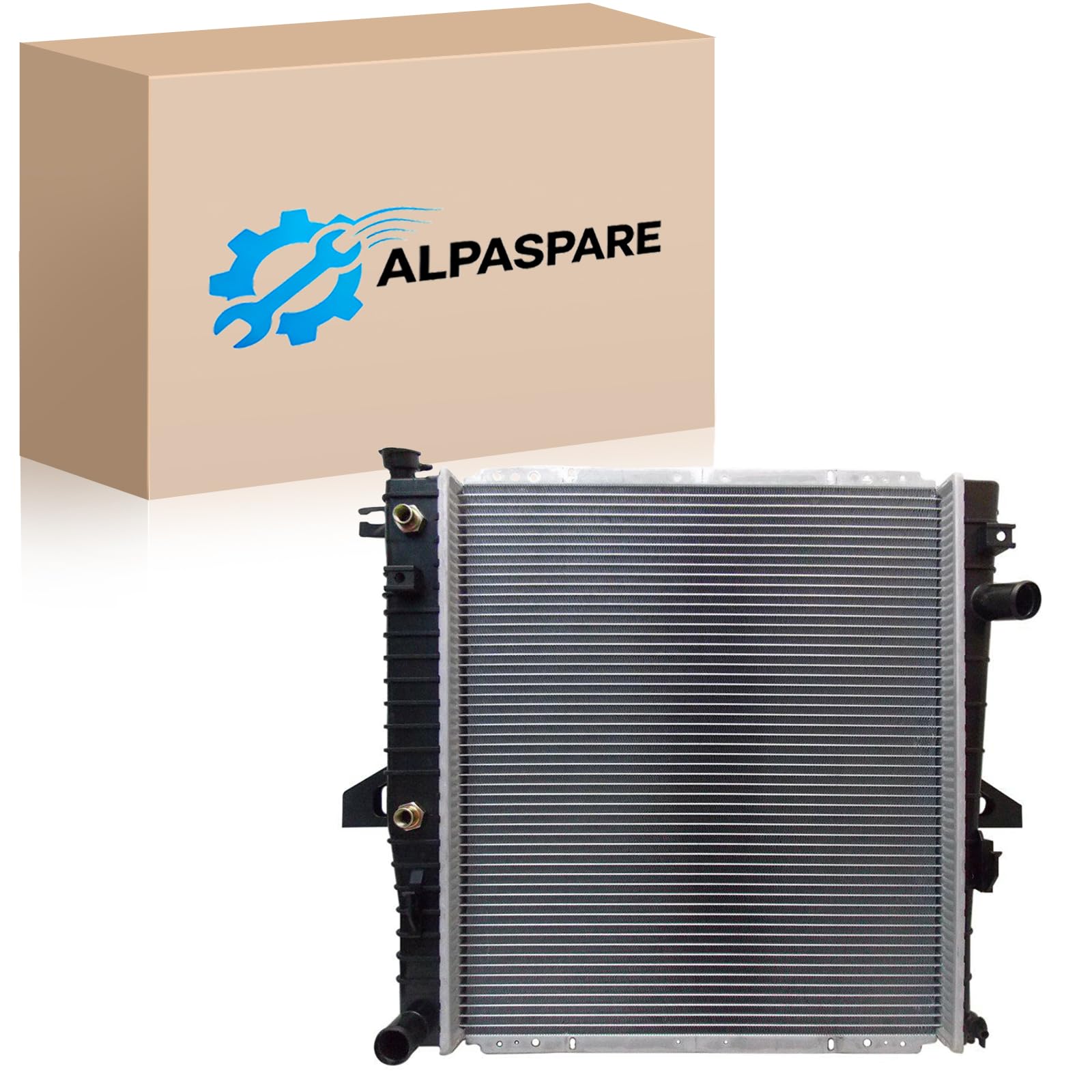
The Alpaspare 2173 radiator is engineered as a direct 1:1 drop-in replacement for the factory unit, aligning with all original mounting points, hose connections, and hardware. No cutting, drilling, or modifications are required. The aluminum core is paired with PA66 GF30 tanks and a brass transmission oil cooler, matching OEM specifications for fitment and performance.
Fitment covers the Ford Ranger from 1998 to 2011 with 3.0L and 4.0L engines, plus the Explorer, Explorer Sport, Explorer Sport Trac, F-100 Ranger, Mazda B3000, B4000, and Mercury Mountaineer from the same production window. Core dimensions are 20.78 inches wide by 23.54 inches tall by 1.02 inches thick, with 1.49-inch inlet and outlet diameters. OEM part number cross-references include 1L5Z8005MA, ZZP115200, 5L5Z8005A, 6L5Z8005DA, F67H8005AB, and 2173.
Each unit undergoes pressure, leak, and thermal cycle testing before shipping. For owners who want OEM-level fitment without the dealership price, this radiator delivers a hassle-free installation experience backed by strict quality control.
What works
- True 1:1 drop-in fitment with zero modifications
- Extensive OEM cross-reference coverage
- Pressure and leak tested before shipping
What doesn’t
- PA66 tanks not as robust as all-aluminum
- Limited to automatic transmission models
5. Readair Radiator for Bronco II / Ranger 1983-1984
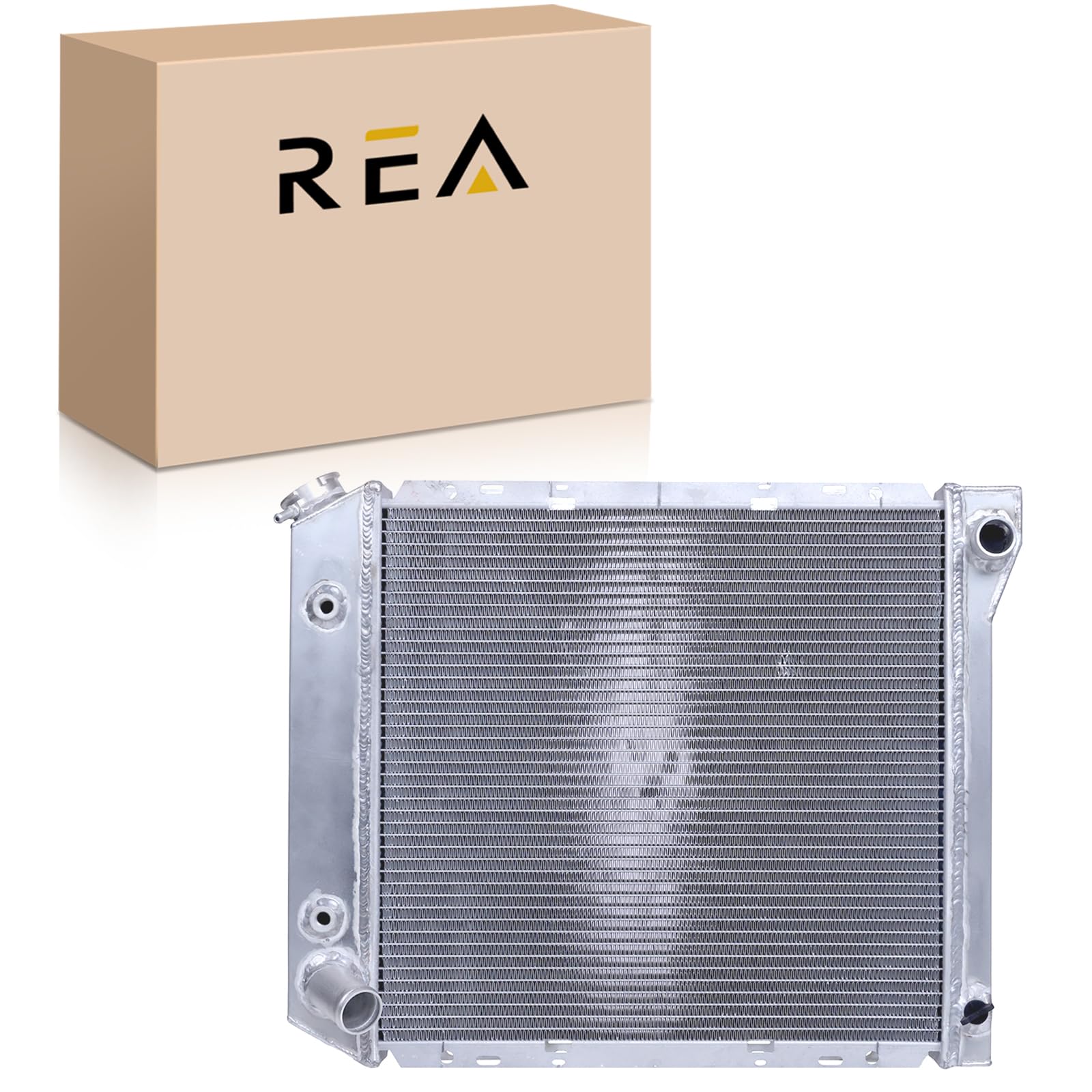
This Readair radiator targets the earliest generation of Ford Rangers and Bronco IIs, specifically the 1983 to 1984 Ranger with the 2.8L V6 and the 1984 Bronco II with the same engine. It replaces OEM part numbers E3TH8005G, E3TZ8005G, E3TZ8005H, E478005GC, and E47H8005A. The core measures 18.2 inches tall by 17.2 inches wide with a notably thick 2-inch depth, providing substantial coolant capacity for a compact engine bay.
Construction uses an aluminum core with TIG-welded PA66 GF30 tanks and a brass transmission oil cooler. The 2-inch core thickness is unusual for this era and offers additional heat absorption for vehicles that may be used for light towing or off-road recreation. Inlet diameter is 1.3 inches with a 1.5-inch outlet.
A two-year unlimited-mileage guarantee backs this unit. Owners of early Rangers often struggle to find quality direct-fit radiators, making this a rare and well-executed option for first-generation trucks.
What works
- Thick 2-inch core for early-model cooling
- Covers rare 1983-1984 Ranger and Bronco II
- Two-year unlimited-mileage warranty
What doesn’t
- Limited to 2.8L V6 engine only
- Nylon tanks rather than all-aluminum
6. Alpaspare 1726 Radiator
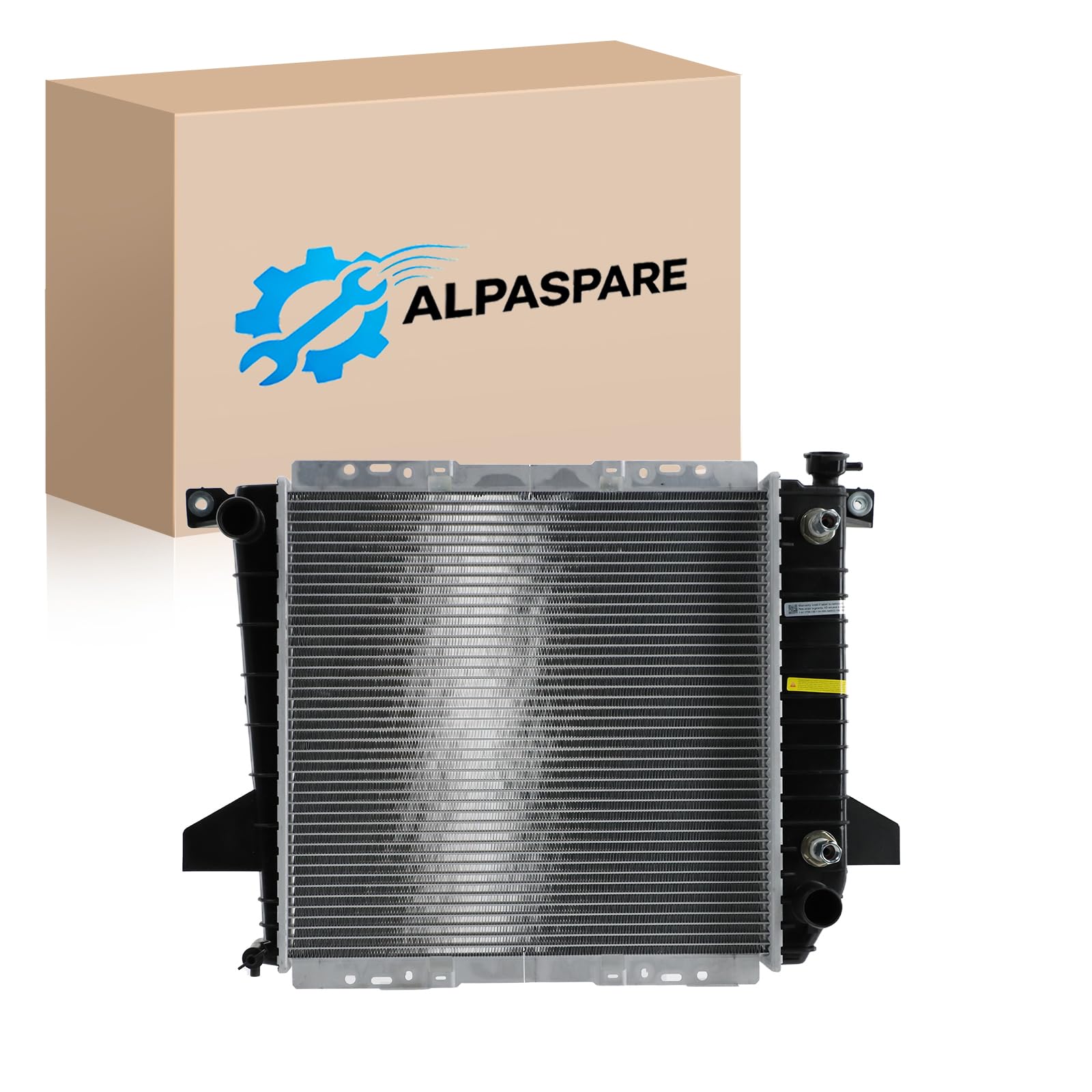
The Alpaspare 1726 radiator is a direct-fit replacement for the 1995 to 1997 Ford Ranger and the 1995 to 1997 Mazda B2300 with the 2.3L four-cylinder engine. It also fits the 1996 to 1997 F-100 Ranger. OEM cross-references include ZZM615200A, ZZM6152000, F57Z8005A, F57H8005BC, and the widely used 1726 reference number. The core measures 17.99 inches wide by 17.63 inches tall by 1.02 inches thick.
This unit includes an integrated transmission oil cooler for automatic models but does not include an engine oil cooler. The aluminum core is constructed with corrosion-resistant materials, and each unit passes pressure, leak, and thermal cycle testing. Inlet and outlet diameters are both 1.49 inches for standard hose connections.
For owners of the second-generation Ranger with the 2.3L engine, this radiator offers a fresh 2025 manufacturing date and a drop-in installation experience. The direct-fit design eliminates guesswork for DIY installers.
What works
- Fresh 2025 manufacturing with modern QC
- Direct 1:1 fitment for 2.3L Rangers
- Includes transmission oil cooler for AT models
What doesn’t
- Limited to 1995-1997 model years
- No engine oil cooler option
7. TRQ RDA82724 Radiator
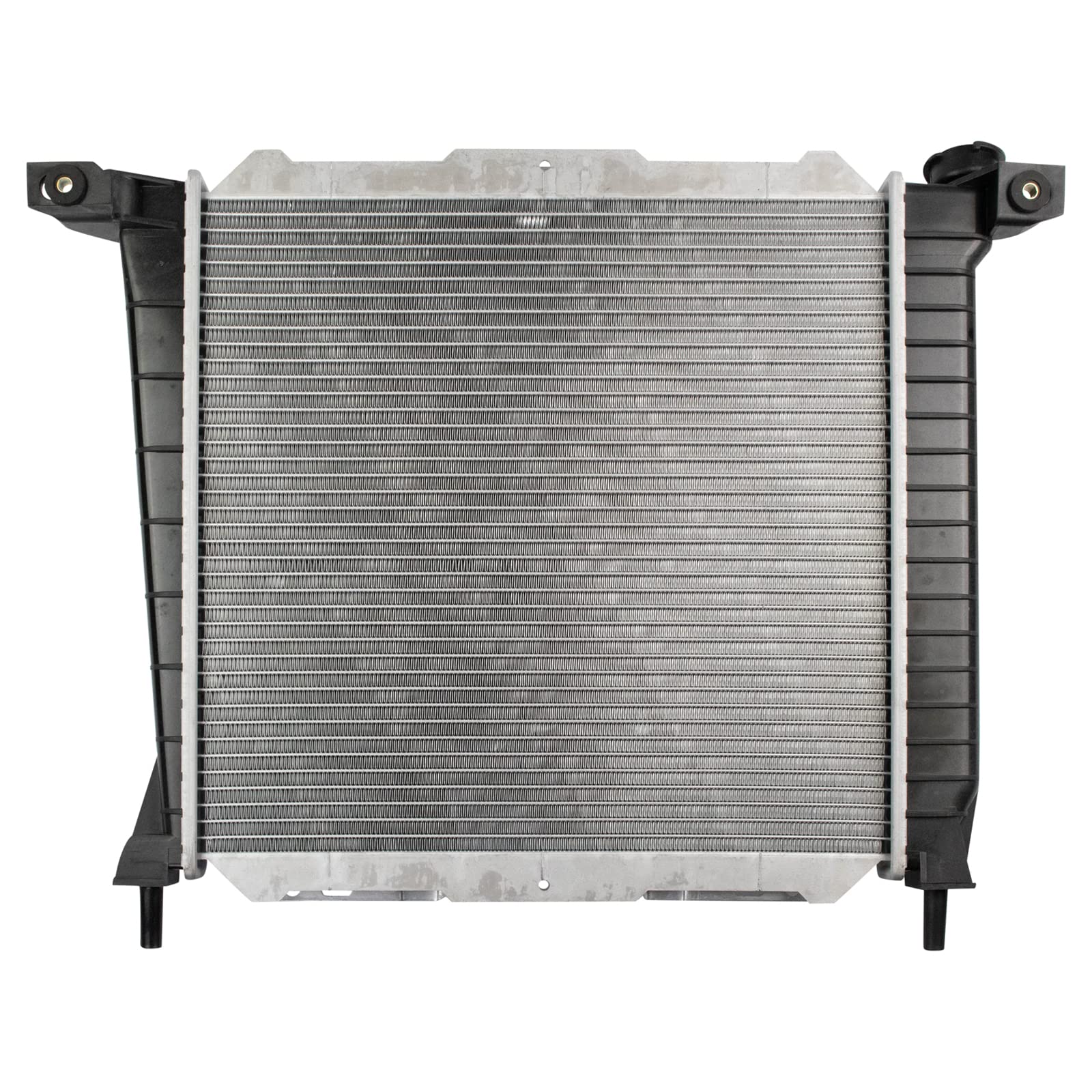
TRQ has been producing direct-fit replacement parts for over 25 years, and the RDA82724 reflects that experience with a straightforward design aimed at DIY installers. This single-row radiator is compatible with the 1985 to 1994 Ford Ranger 2.9L with manual transmission, the 1990 to 1994 Ranger 4.0L with manual transmission, the 1991 to 1994 Explorer 4.0L manual, and the 1985 to 1990 Bronco II 2.9L manual. Reference numbers include 8010897, 897, and CU897.
The radiator comes pre-assembled as a direct replacement for the original equipment, requiring no modifications for installation. The core is built with an aluminum structure, and the unit includes a transmission oil cooler. TRQ provides one of the largest catalogs of DIY installation videos, which is a distinct advantage for owners handling the replacement themselves.
This radiator weighs 8.58 pounds, making it one of the lighter options in this lineup. It is best suited for manual transmission Rangers where simplicity and ease of installation are the top priorities.
What works
- Extensive DIY video support for installation
- Lightweight design at 8.58 pounds
- 25-year brand reputation for direct-fit parts
What doesn’t
- Only for manual transmission models
- Single-row core limits extreme cooling capacity
8. YITAMOTOR OE Radiator
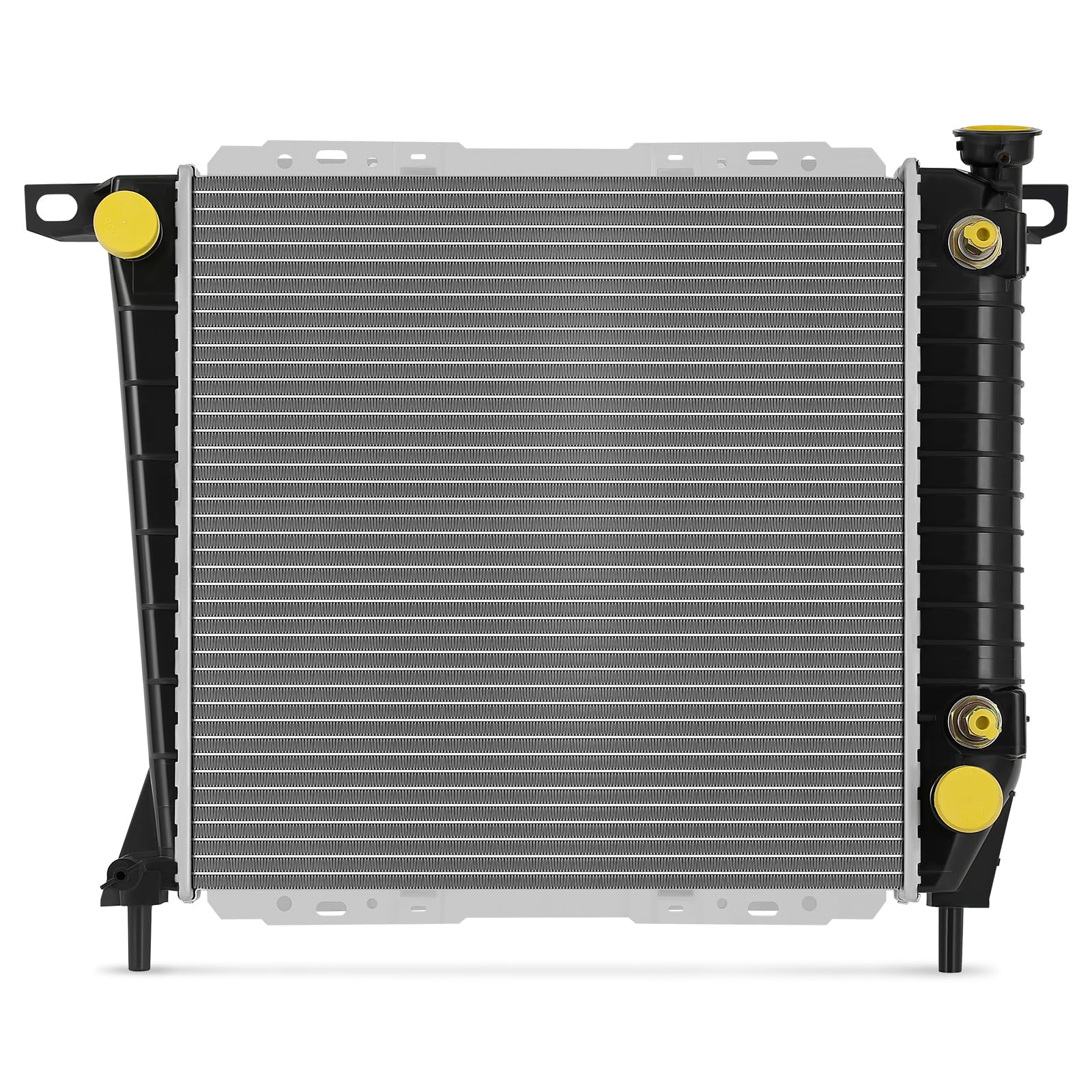
The YITAMOTOR OE radiator provides an affordable replacement for first-generation Ford Rangers and the 1994 Mazda B2300 with 2.0L and 2.3L four-cylinder engines. Core dimensions are 17.99 inches wide by 18.03 inches tall, with a header size of 18.03 by 1.02 inches. OEM cross-references include E57H8005JA, E57H8005MA, F07H8005JH, F07H8005NA, and F27H8005CA. Radiator cap is not included.
The core uses high-density aluminum tubes and fins for maximum heat dissipation, with an aluminum oil cooler integrated for transmission cooling. The inlet and outlet tanks are made from high glass fiber reinforced nylon PA66, welded seamlessly to the core to resist cracking under thermal stress. Each unit is leak-tested before packaging and protected with PE foam and multi-layer cardboard during shipping.
At just 9 pounds, this is a lightweight option that still delivers adequate cooling for daily-driven Rangers in the 1985 to 1994 range. It represents the best value for owners who need a reliable replacement without over-spending.
What works
- Excellent value for 1985-1994 Rangers
- High-density fin design improves heat dissipation
- Lightweight at 9 pounds
What doesn’t
- Radiator cap not included
- PA66 tanks less durable than all-aluminum
9. DWVO DWRD1086 Radiator

The DWVO DWRD1086 uses high-density multi-louvered aluminum fins to maximize cooling efficiency, with a design that performs reliably in extreme cold weather conditions. The aluminum core is assembled with TIG-welded end tanks made from PA66 GF30 reinforced nylon, paired with a brass transmission oil cooler. A treated coating is applied to the exterior to protect against corrosion and extend product life.
Fitment covers the 1998 to 2001 Ford Explorer 4.0L, 1999 to 2008 Ford Ranger 3.0L, 1999 to 2011 Ford Ranger 4.0L, 2001 to 2005 Explorer Sport Trac 4.0L, plus the Mazda B3000, B4000, and Mercury Mountaineer. OEM part numbers include FD37071A and 6L5Z8005DA. Radiator cap is not included. The package uses fixed foam in all four corners to prevent shipping damage.
Professional installation is recommended, and the included user manual provides fitting guidance. This radiator is a reliable mid-range choice for owners who want a balance of price and performance across multiple Ford and Mazda models.
What works
- Multi-louvered fins for maximum cooling efficiency
- Broad compatibility across multiple Ford and Mazda models
- Secure foam packaging prevents shipping damage
What doesn’t
- Radiator cap not included
- Some users prefer all-metal tank construction
10. SCITOO 1726 Radiator
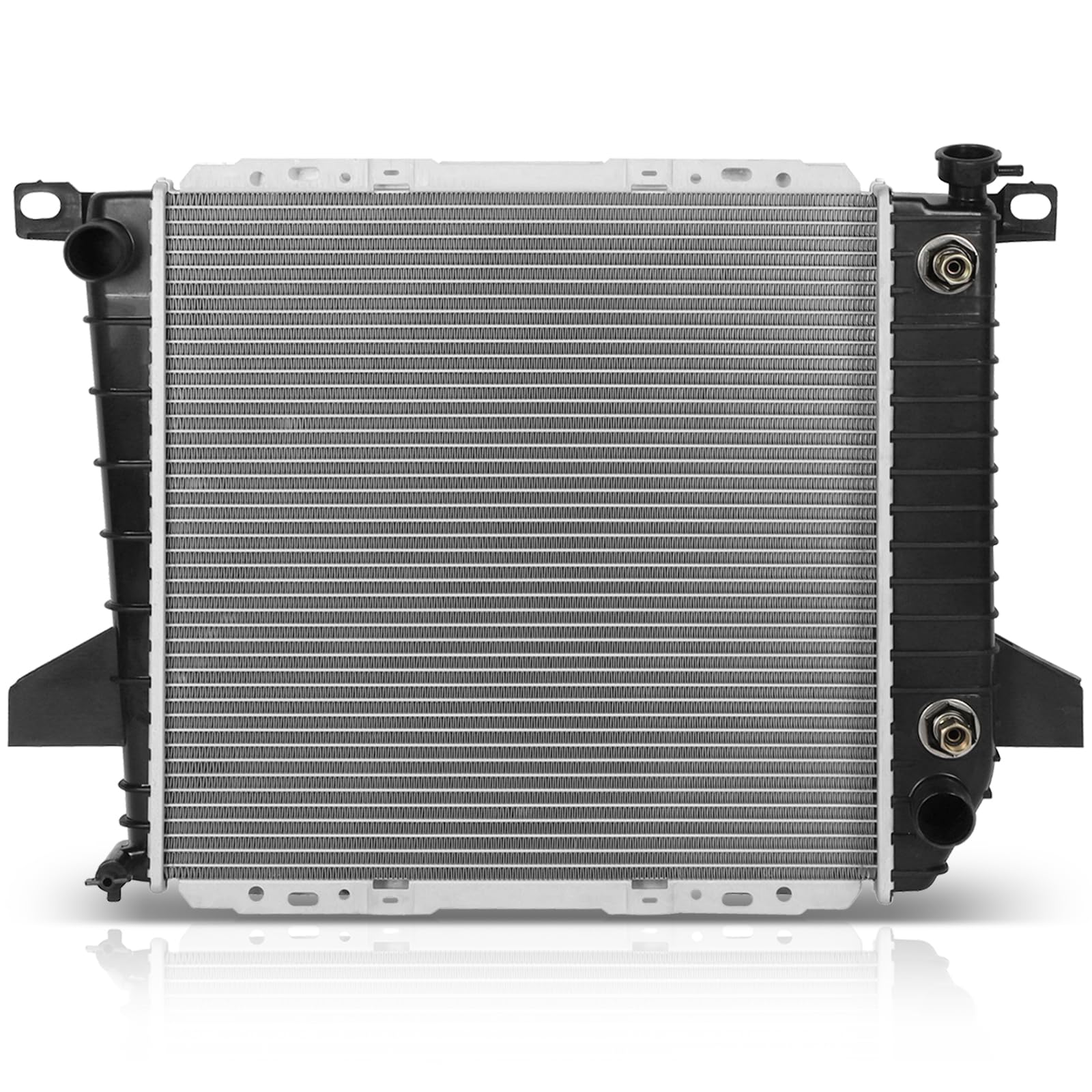
The SCITOO 1726 radiator covers the 1995 to 1997 Ford Ranger and Mazda B2300 with the 2.3L four-cylinder engine. Reference numbers include 1726, DPI1726, and CU1726. This single-row unit includes a transmission oil cooler but does not include an engine oil cooler. Core length is 29.33 inches, core height is 22.24 inches, and the outlet diameter is 1.5 inches.
The cooling design uses a high-density multi-layer approach to maximize efficiency and prevent coolant leakage. The SCITOO brand focuses on delivering an entry-level price point while maintaining leak-proof construction through precise fitting. The painted exterior provides basic corrosion protection.
Owners comfortable with DIY installation can find video guides online for the 1726-style replacement. This is a budget-conscious option for 2.3L Ranger owners who need a functional replacement without premium features.
What works
- Entry-level price for budget-conscious buyers
- Includes transmission oil cooler for AT models
- Leak-proof multi-layer cooling design
What doesn’t
- Painted exterior less durable than machined finish
- Only fits 2.3L engine applications
11. Auto Dynasty AD-OEM-RA-1726 Radiator

The Auto Dynasty radiator uses a full T-6061 aluminum core construction, a step above the mixed-material designs found at similar price points. This lightweight 13-pound unit fits the 1995 to 1997 Ford F-100 Ranger and Ranger 2.3L, as well as the 1995 to 1997 Mazda B2300 2.3L with automatic or manual transmission. Core dimensions are 18 inches wide by 18.375 inches tall by 1 inch thick, with a 1.5-inch inlet and 1.625-inch outlet.
The PVC material used for the tanks is heat and wear resistant, though it remains a plastic rather than all-metal design. OEM part numbers include F57H8005AB, F57H8005BC, F57Z8005A, and F57Z8005B. This radiator includes a transmission oil cooler but no engine oil cooler.
For owners who want T-6061 aluminum core quality at an entry-level investment, this radiator delivers the core construction of a more expensive unit while keeping the overall cost accessible. It is best suited for budget builds where core quality matters more than tank material.
What works
- T-6061 aluminum core for better heat transfer
- Lightweight at 13 pounds
- Direct bolt-on fitment with no modifications
What doesn’t
- PVC tanks instead of all-aluminum construction
- Only compatible with 1995-1997 2.3L models
Hardware & Specs Guide
Core Construction: Aluminum vs. PA66 Tanks
Radiator cores are almost universally aluminum due to its superior thermal conductivity and light weight. The key difference lies in the tank material. All-aluminum radiators use welded aluminum tanks that expand and contract uniformly with the core, reducing stress at the seams. PA66 nylon tanks reinforced with glass fiber (GF30) are lighter and cheaper but can develop cracks at the crimp joint after repeated thermal cycling. For daily-driven Rangers in moderate climates, PA66 tanks perform adequately. For trucks that see towing, off-road, or extreme heat, all-aluminum construction is the more durable choice.
Row Count and Cooling Capacity
Single-row radiators have one core with a single set of coolant tubes. They are sufficient for stock engines in normal driving conditions. Two-row and three-row radiators stack additional tube rows, increasing the total coolant volume and surface area for heat exchange. A three-row design can improve cooling efficiency by 30 percent or more compared to a single-row unit of the same core dimensions. The tradeoff is added weight, slightly reduced airflow at low speeds, and sometimes tighter fitment. For Rangers with the 4.0L V6 or those used for towing, a multi-row core provides meaningful headroom against overheating.
FAQ
How do I confirm a radiator fits my specific Ford Ranger year and engine?
Is an all-aluminum radiator better than one with plastic tanks?
Do I need a radiator with a transmission oil cooler for my Ranger?
What does the 1726 or 2173 reference number mean on a radiator?
Final Thoughts: The Verdict
For most buyers, the best ford ranger radiator winner is the ZING KING All-Aluminum Radiator because it delivers the highest cooling efficiency with a 3-row core and extensive 1998-2011 coverage. If you want a thick core for the 2.3L engine and a thoughtful design, grab the Klimoto KLI2470. And for a budget-friendly replacement that still uses a quality T-6061 aluminum core, nothing beats the Auto Dynasty AD-OEM-RA-1726.

Certification: BSc in Mechanical Engineering
Education: Mechanical engineer
Lives In: 539 W Commerce St, Dallas, TX 75208, USA
Md Amir is an auto mechanic student and writer with over half a decade of experience in the automotive field. He has worked with top automotive brands such as Lexus, Quantum, and also owns two automotive blogs autocarneed.com and taxiwiz.com.