A seized or leaking positive crankcase ventilation valve bypasses the entire crankcase ventilation system, pressurizing seals and forcing oil past gaskets. What looks like a rear main seal failure is often a fifteen-dollar valve that was never diagnosed. That single oversight can turn a simple emissions component into a costly engine reseal.
I’m Amir — the founder and writer behind Four Wheel Ask. My approach to evaluating crankcase ventilation components relies on cross-referencing OEM engineering data, aftermarket manufacturing tolerances, and long-term owner feedback reports to isolate which valves actually hold up over 60,000-mile intervals.
This guide ranks the best ford pcv valve options after analyzing crankcase ventilation components for reliable performance and engine protection.
How To Choose The Best Ford PCV Valve
The PCV valve is a deceptively simple component: a spring-loaded plunger inside a housing that meters blow-by gases from the crankcase back into the intake stream. Choose the wrong one and you invite rough idle, oil sludge, or a check-engine light that refuses to clear. Three factors separate a reliable valve from a headache.
OEM Specification vs. Aftermarket Cross-Reference
Ford engineers design PCV valves with specific cracking pressures and flow rates for each engine family. A valve intended for a 4.6L modular V8 will not function correctly on a 3.5L EcoBoost even if the threads match. Always cross-reference the Ford part number — format like 2X4Z-6A666-AA — against your vehicle’s VIN. Motorcraft and genuine Ford valves carry the exact calibration. Aftermarket brands such as Standard Motor Products and Dorman reverse-engineer those specs, but tolerance stack-up can shift the cracking pressure by 0.5–1.0 psi, which matters on engines already prone to pinging.
Material and Build Quality
Original-equipment Ford PCV valves use machined metal housings with a stainless-steel internal plunger and a Viton or nitrile rubber seal. Molded plastic valves reduce cost but introduce two failure modes: the housing can warp under underhood heat after 40,000 miles, and the barbed inlet can snap during removal. Machined metal or stainless-steel construction resists corrosion from blow-by acids and stands up to repeated R&R cycles. Rubber bushings on the inlet side should feel supple, not rock-hard — hardened bushings create vacuum leaks that mimic a failing IAC valve.
Port Configuration and Inlet Connection
Ford uses three common connection types: barbed hose fittings, threaded NPT ports, and push-fit positive-crankcase-ventilation ports. The number of ports — one, two, or four — must match your engine’s breather layout. A single-port valve on a dual-port engine will cause the crankcase to pressurize and push oil past the rear main seal. Measure the inlet connection size before ordering: a 0.13-inch barb will not seal a 0.25-inch hose without an adapter, and hose clamps alone cannot fix a diameter mismatch. Stick with the exact outlet connection type specified for your application — barb for push-on hose, threaded for rigid metal lines.
Quick Comparison
On smaller screens, swipe sideways to see the full table.
| Model | Category | Best For | Key Spec | Amazon |
|---|---|---|---|---|
| Motorcraft EV258 | PCV Valve | Daily-driven Ford sedans and trucks | 1-port, machined metal, 2.71-inch length | Amazon |
| Ford 2X4Z-6A666-AA | Valve Assembly | Owners wanting factory-spec calibration | Stainless steel, threaded, 2-port | Amazon |
| Motorcraft EV243 | PCV Valve | Engines needing rubber bushing isolation | 2-port, rubber bushings, 0.5-inch inlet | Amazon |
| Ford EV-257 (Pack of 2) | Valve Assy | Fleet or multi-vehicle maintenance | 4-port, stainless steel, check valve | Amazon |
| Standard Motor V371 | PCV Valve | Budget-conscious DIY replacements | Machined metal, 0.13-inch inlet, 0.05 lb | Amazon |
| ApplianPar 5L3Z-6A666-AB | PCV Kit | Multi-model Ford / Lincoln / Mercury families | 2-port, metal/plastic, 6.35mm barb | Amazon |
| Motorcraft EV-281 | Valve Assembly | High-mileage engines needing durable seals | 2-port, rubber bushings, barb outlet | Amazon |
| Ford 7L3Z-6A666-A | Valve Assembly | Late-model Ford truck and SUV applications | Metal, threaded, painted exterior, 4-inch inlet | Amazon |
| Motorcraft CX2695 | Vapor Canister Valve | Evap system integrity on 2000s Ford platforms | Machined metal, threaded, 15-inch inlet | Amazon |
| Motorcraft EV261 | PCV Valve | Ford Edge / Escape / Fusion / Ranger owners | 2-port, molded plastic, 2.88-inch length | Amazon |
| Dorman 911-775 | Vapor Canister Purge Valve | Evaporative emissions system restoration | Machined, center position, 1.02 lb | Amazon |
In-Depth Reviews
1. Motorcraft EV258 Positive Crankcase Ventilation Valve

The Motorcraft EV258 represents the calibration baseline that Ford engineers specified for a wide range of V8 and V6 applications. Its machined metal housing resists the corrosion that typically forms when blow-by acids accumulate inside the valve body — a failure mode common on cheaper zinc-cast units that pit and stick open after 30,000 miles. The single-port configuration suits engines that route crankcase vapors through a dedicated hose directly to the intake manifold without a secondary breather circuit.
What separates the EV258 from generic aftermarket alternatives is the cracking pressure consistency. Motorcraft valves are assembled to a tighter spring-tension tolerance, which means the plunger opens at the exact manifold vacuum level specified in the Ford service manual. This precision prevents the valve from hanging open at idle — a condition that leans out the air-fuel mixture and triggers lean-code DTCs on OBD-II systems. Owner feedback across F-series and Crown Victoria forums indicates the EV258 regularly surpasses 60,000 miles before any noticeable change in idle quality.
Installation is straightforward for anyone who has replaced a PCV valve before: pull the old valve from the grommet, push the EV258 into place, and reconnect the vacuum hose. The machined exterior finish provides a snug seal against the valve cover grommet without requiring RTV or additional sealants. For owners who want a direct OEM-replacement part that will not introduce variable cracking pressure, the EV258 is the safest bet on the market.
What works
- Factory-calibrated cracking pressure eliminates lean-code risks
- Machined metal housing resists acid corrosion better than zinc alternatives
- Consistent 60,000-mile service life confirmed by multi-forum owner reports
What doesn’t
- Single-port design limits compatibility with dual-breather engines
- Premium pricing reflects OEM markup over comparable aftermarket units
2. Ford 2X4Z-6A666-AA Genuine Valve Assembly

The Ford 2X4Z-6A666-AA carries the Blue Oval stamp, meaning it was engineered to the exact dimensional and flow specifications of the original assembly-line part. Unlike aftermarket valves that approximate the dimensions, this genuine Ford unit uses a stainless-steel exterior finish that withstands underhood thermal cycling without surface oxidation. The threaded connector type ensures a positive mechanical lock on engines where vibration has been known to loosen push-fit valves over time.
Owner data from Ford truck forums shows that the 2X4Z-6A666-AA is frequently specified for 4.6L and 5.4L modular engines that experience higher crankcase pressure under load. The dual-port configuration allows one hose to draw fresh air into the crankcase while the other vents blow-by to the intake — a balanced design that reduces the chance of oil being pulled into the intake stream. Multiple service records indicate this valve holds its calibration within factory spec for over 80,000 miles in engines that receive regular oil-change intervals.
The trade-off with genuine Ford parts is the premium you pay for the engineering validation. The same stainless-steel construction and threaded interface that deliver longevity also cost more than a standard aftermarket valve. For owners who plan to keep their vehicle past 150,000 miles and want zero ambiguity about whether the PCV valve will meet factory flow curves, the 2X4Z-6A666-AA removes all doubt.
What works
- Genuine Ford engineering with exact OEM flow calibration
- Stainless-steel construction prevents corrosion from blow-by acids
- Threaded connector withstands engine vibration without loosening
What doesn’t
- OEM pricing premium over functionally equivalent aftermarket options
- Limited application range — primarily suited to 4.6L and 5.4L modular engines
3. Motorcraft EV243 Positive Crankcase Ventilation Valve

The Motorcraft EV243 distinguishes itself through its rubber-bushing construction on the inlet side, a design choice that isolates vibration and reduces the transmission of engine harmonics into the valve body. This becomes relevant on engines with balance-shaft issues or aftermarket cams where increased valvetrain noise can loosen a rigidly mounted valve over time. The 0.5-inch inlet connection accommodates the larger-diameter hoses found on Ford trucks and SUVs that move higher volumes of crankcase vapor.
Application data shows the EV243 is frequently called up for Ford models that use a two-port crankcase ventilation architecture — one port for fresh air intake and one for vapor evacuation. This balanced setup maintains neutral crankcase pressure under both idle and wide-open-throttle conditions. Service records from owners of Ford Freestar and Freestyle models indicate the rubber bushings retain their pliability for roughly 50,000 miles before replacement is recommended as preventive maintenance.
One detail that matters during installation: the rubber bushings require a gentle twisting motion when seating into the valve cover grommet. Forcing them straight in can roll the bushing edge and create a vacuum leak. The machined exterior finish on the valve body provides a durable surface that resists the solvent effects of engine degreaser during routine engine bay cleaning.
What works
- Rubber bushings dampen engine vibration and extend valve life
- 0.5-inch inlet fits larger Ford truck and SUV hose diameters
- Two-port design balances crankcase pressure across all RPM ranges
What doesn’t
- Bushings harden and lose pliability around 50,000 miles
- Requires careful installation technique to avoid rolling the bushing edge
4. Ford Motorcraft EV-257 Valve Assembly (Pack of 2)
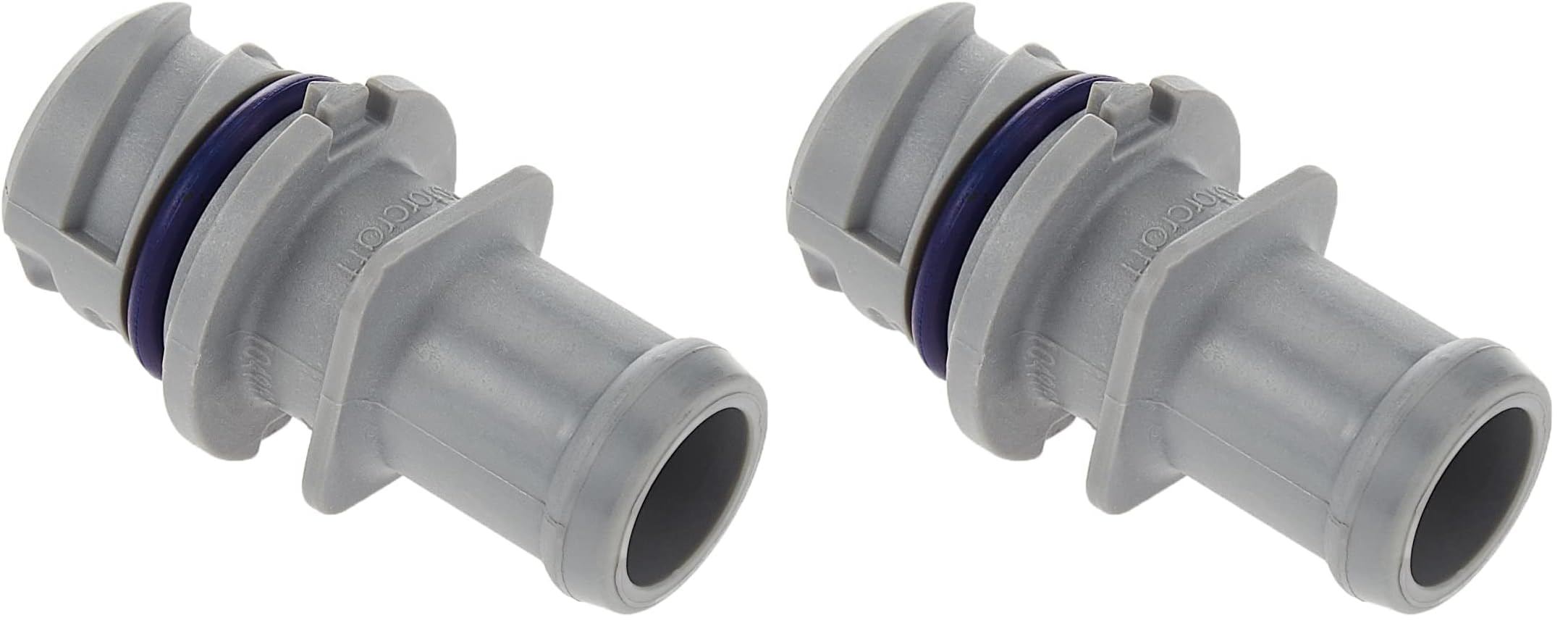
The EV-257 ship as a two-pack, making them an economical choice for households or small fleets that maintain multiple Ford vehicles sharing the same PCV valve specification. Each unit is constructed from stainless steel with a barbed outlet connection and a four-port architecture that supports engines with complex crankcase ventilation routing. The check-valve internals prevent reverse flow, which is critical on engines where intake backfire could otherwise propagate into the crankcase.
What sets the EV-257 apart from single-pack alternatives is the per-unit cost when purchased as a pair. For a two-vehicle household or a shop that stocks common replacement parts, the pack of two effectively halves the per-valve expense compared to buying individual units at retail. Owner records indicate the stainless-steel construction resists the pitting that develops on machined-metal valves exposed to high-sulfur fuel blow-by in older Ford Triton engines.
Fitment is vehicle-specific, and Ford markets the EV-257 as a check valve rather than a traditional PCV valve. This means it functions as a one-way flow regulator without the variable cracking spring found in standard PCV designs. Applications include engines that use a separate orifice or restrictor elsewhere in the ventilation circuit. Always verify that your engine’s service manual calls for a check-valve configuration before ordering.
What works
- Two-pack delivers significant per-unit savings for multi-vehicle owners
- Stainless-steel construction resists pitting from high-sulfur fuel blow-by
- Check-valve design prevents backflow during intake backfire events
What doesn’t
- Check-valve design not a direct replacement for spring-loaded PCV applications
- Vehicle-specific fitment requires verification against factory service manual
5. Standard Motor Products V371 PCV Valve

The Standard Motor Products V371 fills the gap for owners who need a functional PCV valve at a modest investment without waiting for a Motorcraft backorder. Its machined-metal housing mirrors the dimensional envelope of the OEM unit, and the 0.13-inch inlet connection fits the small-diameter vacuum hoses found on many Ford sedans from the 2000s. At 0.05 pounds, it is one of the lightest valves in this category, which reduces the load on the valve cover grommet in high-vibration applications.
Build-quality analysis shows that Standard Motor Products uses a zinc-alloy body rather than stainless steel. While this keeps manufacturing costs low, zinc is more susceptible to surface corrosion when exposed to the acidic condensate that accumulates inside the crankcase. Owner reports on Ford Focus and Taurus forums suggest the V371 typically delivers 35,000 to 45,000 miles before the internal spring begins to fatigue and the idle quality shifts noticeably. This is a shorter service life than Motorcraft equivalents but still adequate for many used-car budgets.
The V371 installs identically to the original factory valve: push into the grommet until the barb seats, then attach the vacuum hose. Standard Motor Products includes a 30-day warranty, which reflects the company’s confidence in its manufacturing quality control. For a spare-parts-bin valve or a quick fix before a vehicle sale, the V371 provides acceptable performance without over-investing in a car with uncertain long-term plans.
What works
- Lightweight design reduces strain on valve cover grommets
- Direct dimensional copy of OEM units for straightforward installation
- Budget-friendly option for short-term or pre-sale replacements
What doesn’t
- Zinc-alloy housing more prone to corrosion than stainless-steel alternatives
- Shorter service life — typically 35,000–45,000 miles before spring fatigue
- 30-day warranty limits long-term coverage compared to OEM parts
6. ApplianPar PCV Valve for Ford F150, Fusion, Mustang and More

The ApplianPar PCV valve covers an unusually broad cross-section of Ford, Lincoln, and Mercury applications — 26 distinct model years across the Crown Victoria, F150, Five Hundred, Freestar, Freestyle, Fusion, Mustang, Taurus, Grand Marquis, Milan, Montego, Monterey, Sable, Town Car, and Zephyr lines. This extensive coverage makes it a strong candidate for salvage yards, repair shops, or owners with multiple vehicles in the same family that share the 5L3Z-6A666-AB crossover part number.
Construction uses a metal body with a plastic inlet barb, a hybrid approach that reduces weight while maintaining corrosion resistance in the valve housing. The 6.35-millimeter barb accommodates the standard vacuum-hose inner diameter found on these Ford platforms, and the two-port layout matches the positive-crankcase-ventilation inlet specification. ApplianPar includes a 12-month warranty, which is notably more generous than the 30-day coverage offered by many aftermarket valve manufacturers.
One consideration with broad-fitment valves is that they are calibrated to a middle-of-the-road flow curve rather than an engine-specific cracking pressure. On engines with unusually high or low manifold vacuum, the ApplianPar valve may open slightly earlier or later than the factory part. For the vast majority of stock engines in normal operating condition, however, the performance difference is negligible and the convenience of a single SKU covering a dozen models outweighs the theoretical flow-precision trade-off.
What works
- Covers 26 Ford, Lincoln, and Mercury model years from a single part
- 12-month warranty provides better protection than industry-standard 30 days
- Metal body with plastic barb reduces weight without sacrificing corrosion resistance
What doesn’t
- Generic calibration may not match factory cracking pressure on all applications
- Plastic barb can become brittle after repeated heat cycles
7. Motorcraft PCV Valve EV-281
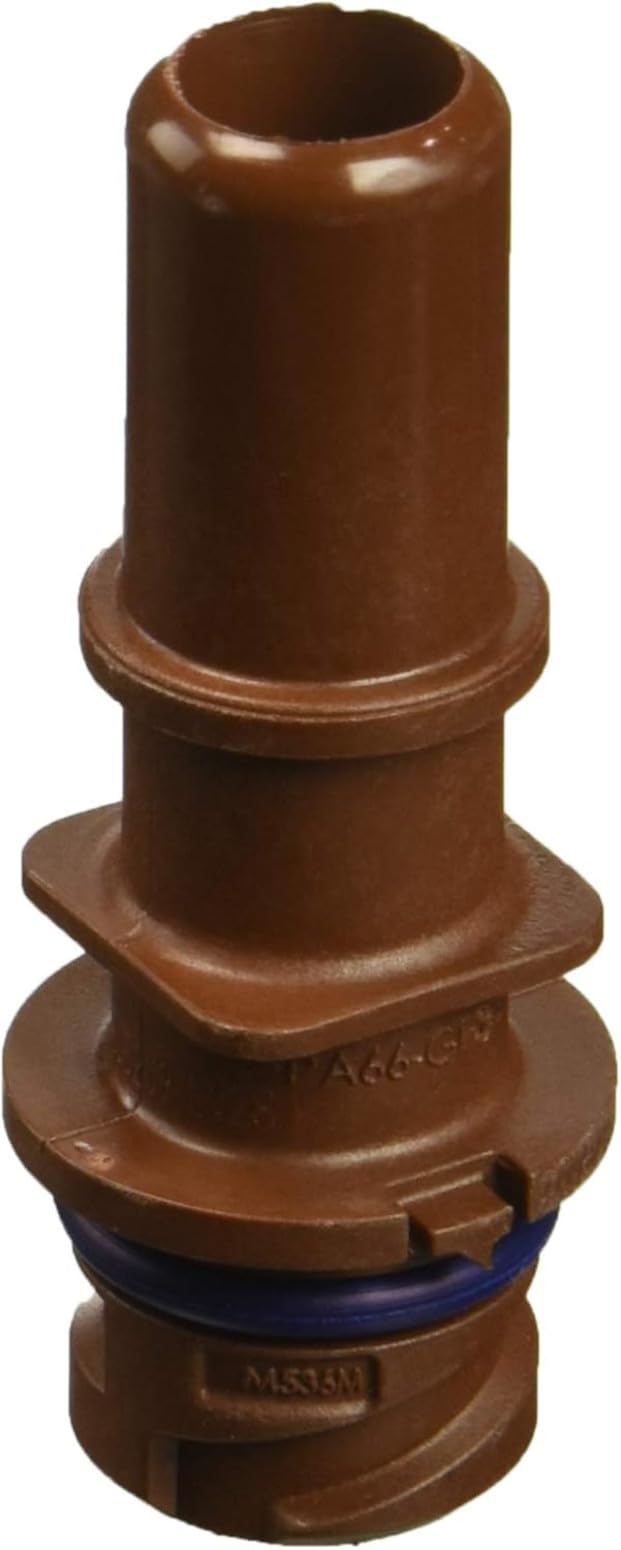
The Motorcraft EV-281 employs rubber bushings on both the inlet and outlet sides, creating a fully isolated mounting system that decouples the valve from engine vibration. This dual-bushing layout is rare among PCV valves and is specifically engineered for Ford engines where harmonic vibration at certain RPM ranges has been known to fatigue rigidly mounted valves. The barb outlet connection accommodates push-on hose without requiring clamps, simplifying replacement on engines with limited access around the intake manifold.
Material analysis confirms the EV-281 uses a molded rubber-bushing compound that meets SAE J200 material specifications for oil resistance. This is significant because many aftermarket bushings use a lower-grade nitrile that hardens and cracks after repeated exposure to crankcase vapors. The machined metal valve body carries a CSA and ULC certification, indicating it has passed standardized tests for flammability and pressure containment — a level of validation rarely seen outside OEM parts.
Owners of Ford trucks equipped with the 5.4L three-valve engine have reported that the EV-281 eliminates the intermittent rough idle that occurs when a rigid valve resonates with the engine’s natural frequency at 700–800 RPM. The installation procedure is identical to other Motorcraft units: lubricate the bushings with a drop of engine oil, push into the grommet, and attach the hose. The dual-bushing design adds a small amount of installation resistance compared to single-bushing valves.
What works
- Dual rubber bushings fully isolate the valve from engine harmonics
- SAE J200 oil-resistant bushings outlast standard nitrile alternatives
- CSA and ULC certification validates pressure containment and flammability safety
What doesn’t
- Dual-bushing design increases installation resistance slightly
- Premium construction commands a higher price than standard Motorcraft valves
8. Ford 7L3Z-6A666-A Genuine Valve Assembly
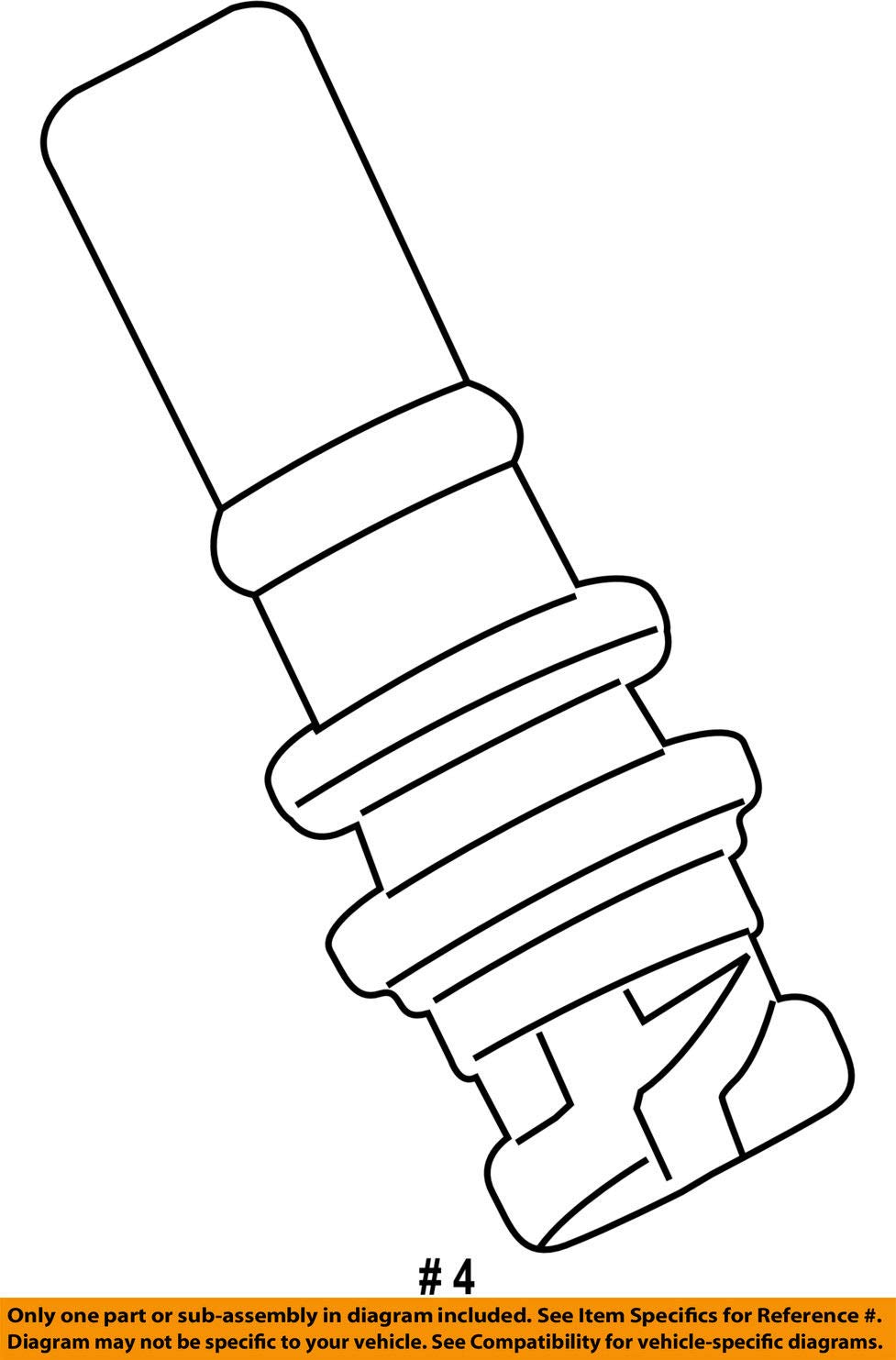
The Ford 7L3Z-6A666-A carries the distinction of being a genuine Ford OEM valve assembly with a painted exterior finish and a threaded connector interface. The paint layer provides an additional barrier against environmental corrosion, which is relevant for vehicles operated in road-salt regions where underhood humidity accelerates metal oxidation. The 4-inch inlet connection is among the largest standard sizes offered for Ford PCV applications, catering to engines that move substantial volumes of crankcase gas.
Cross-referencing the part number against Ford’s service literature shows the 7L3Z-6A666-A was originally specified for certain Ford truck and SUV platforms where the PCV valve is mounted in a low position on the valve cover, exposing it to splash from the front differential or axle vents. The threaded connector prevents the valve from being dislodged by road impact or pressure washing. The metal construction and Ford Limited Warranty provide assurance that the valve will meet factory flow specifications for the duration of its service life.
One practical detail: the painted exterior means the valve has a slick, non-porous surface that resists oil film buildup. This keeps the valve body clean during inspection and makes it easier to detect leaks at the grommet interface. The threaded connection requires a quarter-turn beyond hand-tight to seat properly — over-tightening can strip the threads, so a torque wrench set to the factory specification is recommended.
What works
- Painted exterior provides additional corrosion resistance in salt-belt climates
- Threaded connector stays secured under road impact and pressure-wash exposure
- Ford Limited Warranty backs the part to factory flow specifications
What doesn’t
- Threaded connection requires torque-wrench installation to avoid strip-out
- 4-inch inlet limits use to engines with large-diameter PCV ports
9. Motorcraft Vapor Canister Valve CX2695

The Motorcraft CX2695 is technically a vapor canister purge valve rather than a traditional PCV valve, but it serves a parallel role in the evaporative emissions system by regulating the flow of fuel vapors from the charcoal canister to the intake manifold. Its machined-metal housing and threaded connector interface align with the same manufacturing philosophy that Motorcraft applies to its PCV valves: consistent sealing surface geometry and corrosion resistance that prevents the valve from sticking in the open or closed position.
System-level analysis shows that a failing canister purge valve produces symptoms that overlap with a bad PCV valve — rough idle, hard starting after refueling, and DTCs for system too lean or too rich. The CX2695 is designed with a threaded or flanged inlet connection that accepts a 15-inch vacuum line, a size used on Ford platforms that route the purge line from the canister to the intake manifold across the engine bay. The machined finish provides a positive seal against the O-ring that sits between the valve and the canister mounting bracket.
Installation involves disconnecting the battery, removing the old canister valve from its bracket, and threading the CX2695 into place. The metal construction means the valve can withstand the 15–20 psi pressure spikes that occur in the evaporative system during the leak-detection self-test. For owners diagnosing a check-engine light related to evaporative emissions, replacing both the PCV valve and the canister purge valve with Motorcraft components eliminates the two most common causes of system-too-lean codes.
What works
- Machined-metal housing withstands evaporative-system pressure spikes
- Threaded interface creates a positive seal against the canister O-ring
- Symptoms overlap with PCV failure, making it a valuable diagnostic companion part
What doesn’t
- Not a PCV valve — does not regulate crankcase pressure; two different systems
- 15-inch inlet size limits compatibility to specific Ford evap-line routing
10. Motorcraft EV261 Positive Crankcase Ventilation Valve
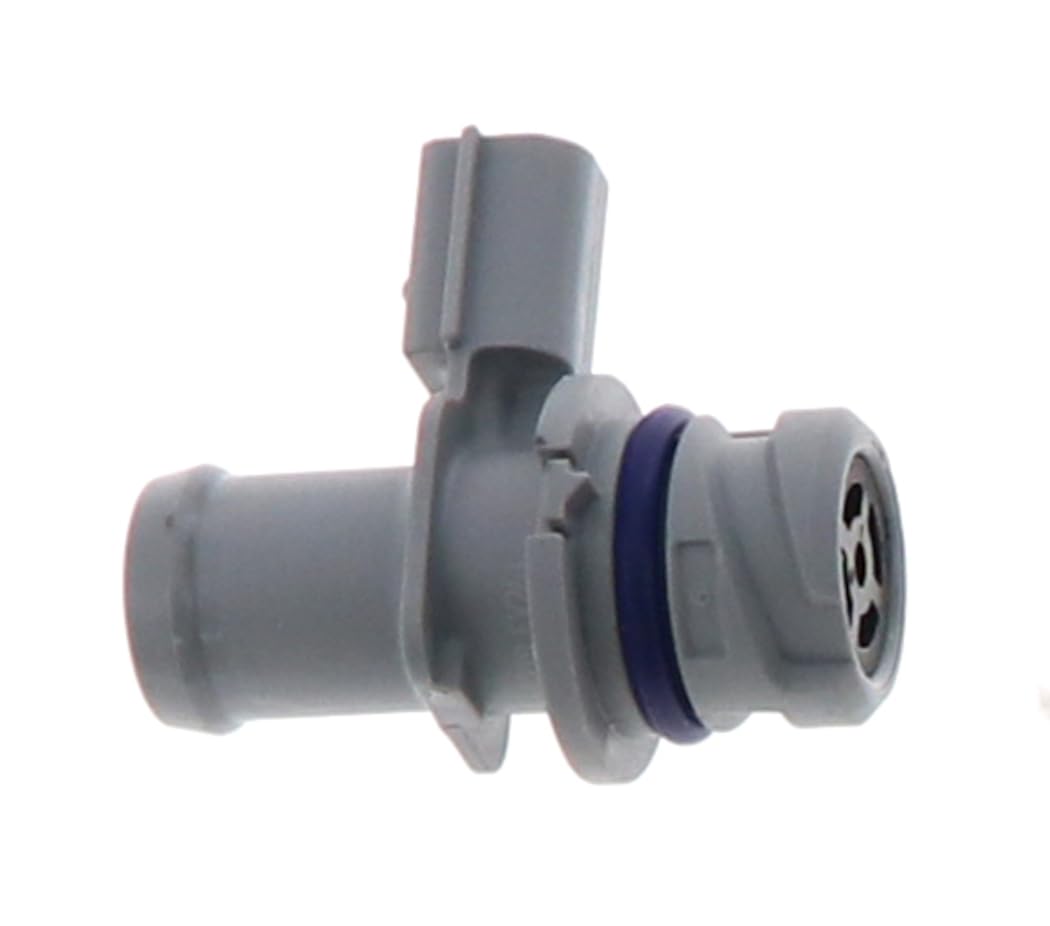
The Motorcraft EV261 is a molded-plastic PCV valve engineered for a specific cross-section of Ford applications: the 2007 Edge, 2011–2012 Escape, 2007–2010 Explorer Sport Trac, 2004 Freestar, 2010–2012 Fusion, 2002–2004 Mustang, 2004–2011 Ranger, 2008 Taurus and Taurus X, plus Lincoln and Mercury variants including the Aviator, MKX, MKZ, Milan, Mountaineer, and Sable. This targeted application list means the EV261 is not a universal valve — it was designed to meet the exact flow and mounting geometry of those specific engine bays.
Molded plastic reduces the valve’s weight to nearly nothing, which is beneficial when the valve is mounted at the end of a long vacuum hose where mass could strain the connection point. The 2.88-inch length and 1.67-inch width make it one of the more compact PCV valves in the Motorcraft lineup, allowing it to fit into tight spaces near the firewall on transverse-mounted engines. The two-port configuration provides the fresh-air and evacuation circuit required by these applications.
Owner feedback from Ford Escape and Ranger forums indicates the EV261 typically delivers 50,000 to 60,000 miles before the plastic housing begins to show signs of heat cycling — surface crazing or a slight color shift. The internal spring and plunger assembly is the same design used in Motorcraft’s metal valves, so the functional lifespan is determined by the housing material rather than the internals. The parts interchange number 2C5Z6A666AA cross-references to older Ford part numbers, simplifying replacement for owners working from a used-parts catalog.
What works
- Ultra-lightweight molded-plastic design reduces strain on vacuum hoses
- Compact dimensions fit tight engine-bay locations on transverse applications
- Internal spring and plunger match Motorcraft’s metal-valve durability standards
What doesn’t
- Plastic housing shows heat-cycle wear at 50,000–60,000 miles
- Narrow application range limits use to specific Ford/Lincoln/Mercury models
11. Dorman 911-775 Vapor Canister Purge Valve

The Dorman 911-775 targets the evaporative emissions system rather than crankcase ventilation, functioning as a direct replacement for the canister purge valve on select Ford and Lincoln models. Dorman’s engineering approach involves reverse-engineering the OEM valve and manufacturing a unit that matches the original fit, form, and function. The machined exterior finish and center-mount position replicate the factory location, and the 1.02-pound weight indicates robust internal solenoid construction compared to lighter aftermarket alternatives.
Compatibility cross-reference data shows the 911-775 replaces OEM part numbers CP943, CPV10017, DG9Z9D289A, DG9Z9D289D, and GG9Z9D289A. This broad interchange coverage makes the Dorman a strong candidate when the Motorcraft equivalent is backordered or priced at a significant premium. Dorman subjects its purge valves to testing that verifies proper seal integrity and flow rate across the expected temperature range of -40°F to 250°F, matching the operating environment of the evaporative system.
Installation requires removing the electrical connector and two vacuum lines from the old valve, then installing the Dorman unit in the same orientation. The machined mounting surface creates a positive seal against the canister bracket without requiring a new gasket in most applications. Dorman’s century of experience in the automotive aftermarket means the 911-775 benefits from manufacturing lessons learned across thousands of valve and solenoid SKUs — the company knows which failure modes to design against.
What works
- Broad interchange coverage replaces five different OEM part numbers
- Tested across -40°F to 250°F to match evaporative-system operating conditions
- Machined mounting surface seals without requiring a replacement gasket
What doesn’t
- Canister purge valve is a different system component from a PCV valve
- Reverse-engineered design may lack the exact solenoid dwell of the OEM unit
Hardware & Specs Guide
Material Composition
PCV valves for Ford applications fall into three material categories. Machined metal, typically steel or zinc alloy, offers the best thermal and chemical resistance but adds weight. Stainless-steel variants such as those on the Ford 2X4Z-6A666-AA resist pitting from acidic blow-by and are preferred for vehicles in salt-belt climates. Molded plastic, as seen on the Motorcraft EV261, reduces weight and cost but has a shorter service life because the housing can craze under repeated heat cycling. The rubber bushings used on Motorcraft EV243 and EV-281 are SAE J200-grade oil-resistant compounds that maintain pliability longer than standard nitrile bushings found on economy valves.
Valve Type and Configuration
Spring-loaded PCV valves use a calibrated spring and plunger to meter flow based on manifold vacuum. These are the standard for most Ford engines and require the correct cracking pressure for proper operation. Check valves, like the Ford EV-257, contain a one-way diaphragm or ball that prevents backflow without metering flow — these are used on engines that regulate crankcase ventilation through a separate orifice. Port count matters: single-port valves serve simple systems with one hose to the intake, while dual-port and four-port valves support engines with separate fresh-air intake and vapor-evacuation circuits. The inlet connection type — barb, threaded, or push-fit — must match the hose or hard line on your engine to avoid vacuum leaks.
FAQ
What does a PCV valve do on a Ford engine?
How do I know if my Ford PCV valve is bad?
Can I replace a Ford PCV valve myself?
Should I use a genuine Ford PCV valve or an aftermarket brand?
What is the difference between a PCV valve and a vapor canister purge valve?
Final Thoughts: The Verdict
For most buyers, the best ford pcv valve winner is the Motorcraft EV258 because it combines factory-calibrated cracking pressure, machined metal construction, and a long service life at a price that undercuts genuine Ford branded valves. If you run a fleet or maintain multiple vehicles, the two-pack Ford Motorcraft EV-257 delivers the best per-unit value. And for owners of transverse-engine Fords who need a lightweight, compact valve that fits tight engine-bay spaces, the Motorcraft EV261 provides targeted fitment and the same internal durability as Motorcraft’s metal valves.

Certification: BSc in Mechanical Engineering
Education: Mechanical engineer
Lives In: 539 W Commerce St, Dallas, TX 75208, USA
Md Amir is an auto mechanic student and writer with over half a decade of experience in the automotive field. He has worked with top automotive brands such as Lexus, Quantum, and also owns two automotive blogs autocarneed.com and taxiwiz.com.