A check engine light tied to oil pressure sends a clear signal — either the sensor is failing or the engine has a real lubrication issue. Sorting the two without guesswork is where the right part and a solid diagnostic approach make all the difference.
I’m Amir — the founder and writer behind Four Wheel Ask. I spend my time researching product specifications, comparing build quality across brands, and analyzing owner feedback to separate lasting solutions from short-term fixes.
When your oil pressure warning light appears, choosing the best ford explorer oil pressure sensor delivers accurate monitoring and dependable long-term engine protection.
How To Choose The Best Ford Explorer Oil Pressure Sensor
Selecting the correct oil pressure component for a Ford Explorer comes down to three factors: the part type (switch vs. sensor), the build materials, and whether the vehicle requires an OEM-grade unit to avoid repeat failures. Many Explorers use a simple on-off switch that grounds the warning circuit when pressure drops below a threshold, while others use a variable-resistance sensor that sends a continuous pressure reading to the PCM. Using the wrong type can trigger false codes or leave you blind to a genuine lubrication problem.
OEM vs. Aftermarket Construction
Ford engines, particularly the 3.5L and 5.0L units found in later Explorer models, generate both heat and vibration that can degrade cheaper plastic or potted sensors over time. OEM-licensed brands like Motorcraft use higher-temperature-rated housings and corrosion-resistant terminals. Aftermarket sensors that skip these material specifications often fail prematurely, leaking oil through the connector or giving erratic readings after a few thousand miles. Checking for a metal housing and a sealed electrical connector is a fast way to gauge durability.
Diagnostic Confirmation Before Replacement
Not every oil pressure warning points to a bad sensor. Low oil level, a worn oil pump, or a clogged pickup screen can all produce the same dash light. A mechanical oil pressure test kit (like the DKwoeshg unit reviewed below) provides a direct reading from the engine block and confirms whether actual oil pressure is within specification. If mechanical pressure is healthy, the sensor or switch is the likely culprit. This two-step approach prevents replacing good parts and wasting time on a false diagnosis.
Quick Comparison
On smaller screens, swipe sideways to see the full table.
| Model | Category | Best For | Key Spec | Amazon |
|---|---|---|---|---|
| Motorcraft SW-5267 | Oil Pressure Switch | OEM direct replacement | Plunger actuator, 1-way circuit | Amazon |
| Dorman 926-188 | Oil Pressure Sensor | Durable metal build | Digital output, 12V supply | Amazon |
| BOSCH 0261230093 | Fuel Pressure Sensor | Fuel rail diagnostics | Flange mount, digital output | Amazon |
| DKwoeshg Tester Kit | Diagnostic Tool | Mechanical pressure verification | 0-140 PSI, 9 adapters | Amazon |
| OHP FORScan ELM327 | OBD2 Scanner | Code reading & module access | HS-CAN/MS-CAN switch | Amazon |
In-Depth Reviews
1. Motorcraft Engine Oil Pressure Switch SW-5267
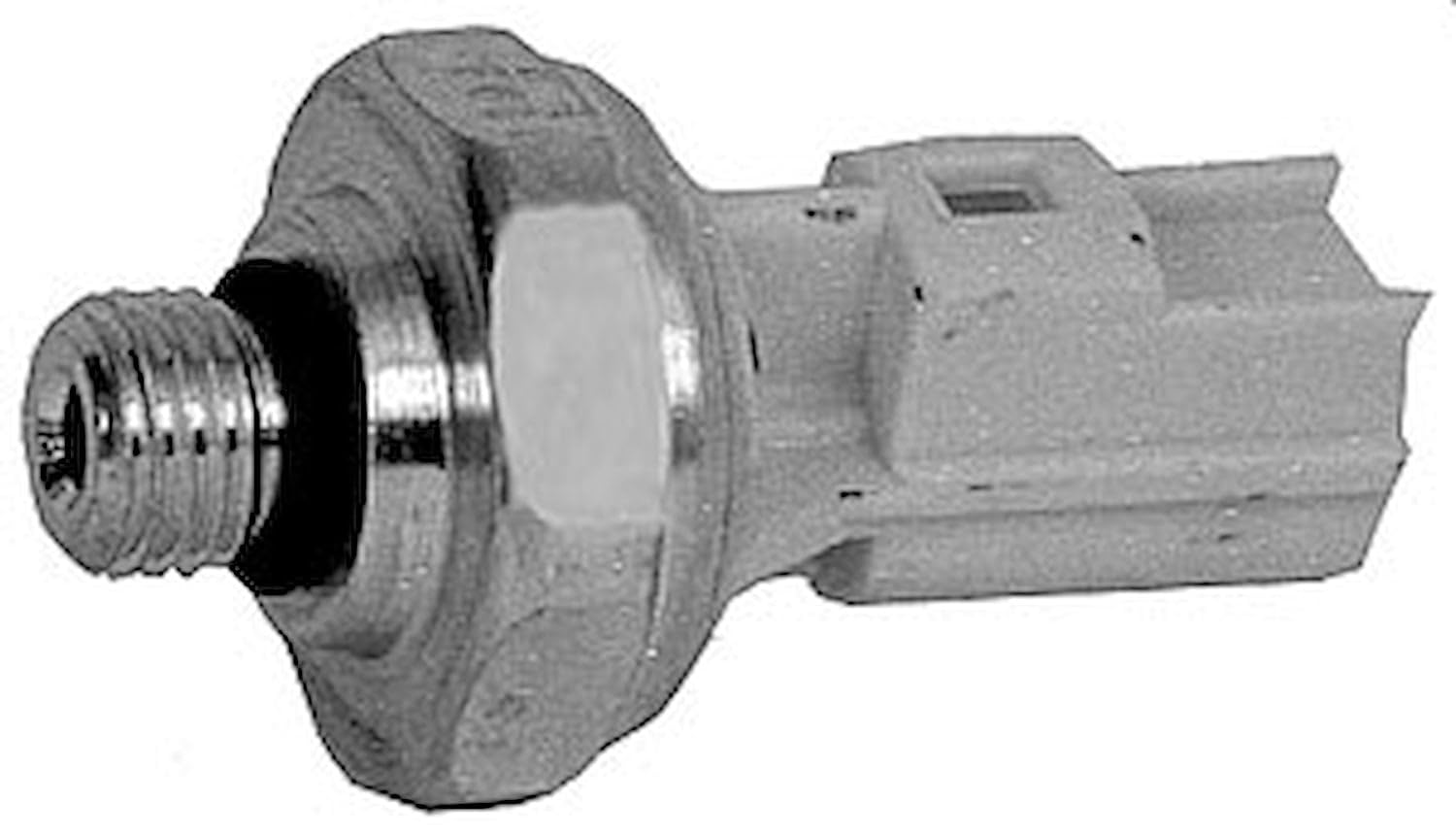
The Motorcraft SW-5267 is the same oil pressure switch that ships from the factory on many Ford trucks and SUVs, including the Explorer. It uses a plunger-style actuator rather than a diaphragm, which tends to hold up better against the high-vibration environment of a V6 or V8 engine bay. Owner reports consistently describe this as a direct, no-modification fit that clears the low-oil-pressure warning immediately when the original part has failed.
What sets the SW-5267 apart from budget alternatives is the material quality. The housing resists corrosion from road salt and engine heat, and the electrical connector maintains a tight seal even after repeated thermal cycling. Several users noted that generic sensors caused intermittent false alarms or leaked through the terminal ends — problems that essentially disappear with this Motorcraft unit. For anyone who values a single replacement over trial-and-error, this part justifies its mid-range price through reliability alone.
Installation is straightforward on most Explorer powertrains. The switch threads into the block near the oil filter adapter, and access usually requires only a shallow socket or wrench. One owner did caution against over-tightening, as the aluminum threads in the block can strip if excessive torque is applied. An inch-pound torque wrench is a smart addition for anyone tackling this swap.
What works
- Factory-grade fit and material quality eliminate repeat failures
- Plunger design is more durable than diaphragm-based switches
- Consistently resolves oil pressure warning lights on first install
What doesn’t
- Requires careful torque to avoid stripping block threads
- Not compatible with variable-pressure gauge systems that need a sensor
2. Dorman 926-188 Engine Oil Pressure Sensor

The Dorman 926-188 is designed as a direct replacement for vehicles that use a variable-resistance oil pressure sensor rather than a simple on-off switch. It outputs a digital signal that the PCM interprets as a precise pressure reading, which means the dashboard gauge and any computer-driven oil pressure logic will reflect real-time conditions. Build quality here is noticeably higher than entry-level options, with a full metal housing and a sealed connector rated for under-hood temperatures.
What makes the Dorman a smart mid-range pick is the engineering behind the sensing element. The internal components are rated to withstand the heat soak that occurs after engine shutdown — a common failure point for sensors that use cheaper polymer internals. Reviewers who installed this on Chrysler 3.6L engines, where the sensor sits close to the exhaust manifold, reported that it held up without drifting readings or leaking. Fitment on Ford Explorers with the 3.5L or 5.0L engines is also confirmed by multiple users.
One practical note: the sensor sits low on some Explorer engine blocks, making access tight without removing the intake or the oil cooler housing. A few owners recommended applying a small amount of thread sealant to the tapered pipe threads, as the metal-to-metal seal can weep if not torqued evenly. Taking the extra time to clean the mounting surface pays off in a dry engine bay long-term.
What works
- All-metal construction resists heat-related failures
- Digital output provides accurate PCM readings for gauge display
- Direct fit for multiple Ford and Chrysler engines
What doesn’t
- Installation access is tight on some Explorer configurations
- Thread sealant recommended to prevent minor weeping
3. BOSCH 0261230093 Fuel Pressure Sensor

While this BOSCH unit is a fuel rail pressure sensor rather than an engine oil pressure switch, it belongs in this guide because many Ford Explorer owners encounter the P0193 code (fuel rail pressure circuit high) and initially mistake it for an oil pressure issue. The BOSCH 0261230093 is the same sensor Ford used on the 4.6L, 5.4L, and 3.5L engines from the factory, and it addresses fuel pressure faults that can cause rough idle, hard starting, and stalling — symptoms that overlap with oil pressure problems.
Build quality here reflects BOSCH’s role as a Tier 1 OE supplier. The titanium construction and built-in circuit protection prevent the electrical spikes that sometimes damage aftermarket fuel pressure sensors. Owners consistently report that this single swap clears the P0193 code permanently, whereas generic parts often fail again within months. For anyone diagnosing a Ford Explorer that runs poorly and throws fuel-system codes, this is the sensor to trust before chasing oil pressure parts.
Installation is simple on most Ford engines because the sensor bolts to the top of the fuel rail with two fasteners. The electrical connector clips in without special tools. Just be certain the engine is cool and the fuel system has been depressurized before breaking the fuel rail seal. A few reviewers noted that the sensor’s o-ring should be lightly lubricated during install to prevent pinching.
What works
- Genuine OE-spec part that permanently resolves P0193 codes
- Titanium build and circuit protection outlast cheap alternatives
- Easy top-of-engine access on most Ford powertrains
What doesn’t
- Not an oil pressure sensor — only for fuel rail diagnostics
- Requires fuel system depressurization before installation
4. DKwoeshg Oil Pressure Tester Kit 0-140 PSI

The DKwoeshg Oil Pressure Tester Kit is the correct first step before replacing any sensor. Instead of guessing whether the oil pressure switch or sensor is lying, this mechanical gauge threads into the same port and gives a direct PSI reading from the engine gallery. The kit covers 0-140 PSI and 0-10 bar, which is more than enough range for any Ford Explorer — even the 5.0L Coyote engine idles around 25-35 PSI and peaks near 75 PSI under load.
The included adapter set is the standout feature here. Nine different fittings cover the metric and NPT thread patterns found on Ford, GM, Chrysler, and import engines, so the same kit can serve multiple vehicles in a home garage. The 50-inch high-pressure hose reaches the gauge to a spot where you can read it from the driver seat during testing. The quick-disconnect coupler makes swapping adapters fast, which matters when you’re working in a tight engine bay.
One owner summed it up well: the kit verified that his engine’s oil pressure was healthy and saved him from replacing a pump unnecessarily. For anyone chasing an oil pressure code on an Explorer, having this kit removes the ambiguity. The only minor drawback is that the gauge face is not backlit, so reading it in dim conditions requires a shop light. Still, at this price point, it delivers professional-grade diagnostic capability.
What works
- Mechanical reading removes guesswork from oil pressure diagnosis
- Wide adapter set covers Ford and most other domestic engines
- Quick-disconnect coupler speeds up adapter swaps
What doesn’t
- Gauge face has no backlight for low-light use
- Not a permanent sensor — intended for diagnostic use only
5. OHP FORScan ELM327 OBD2 to USB Diagnostic Tool
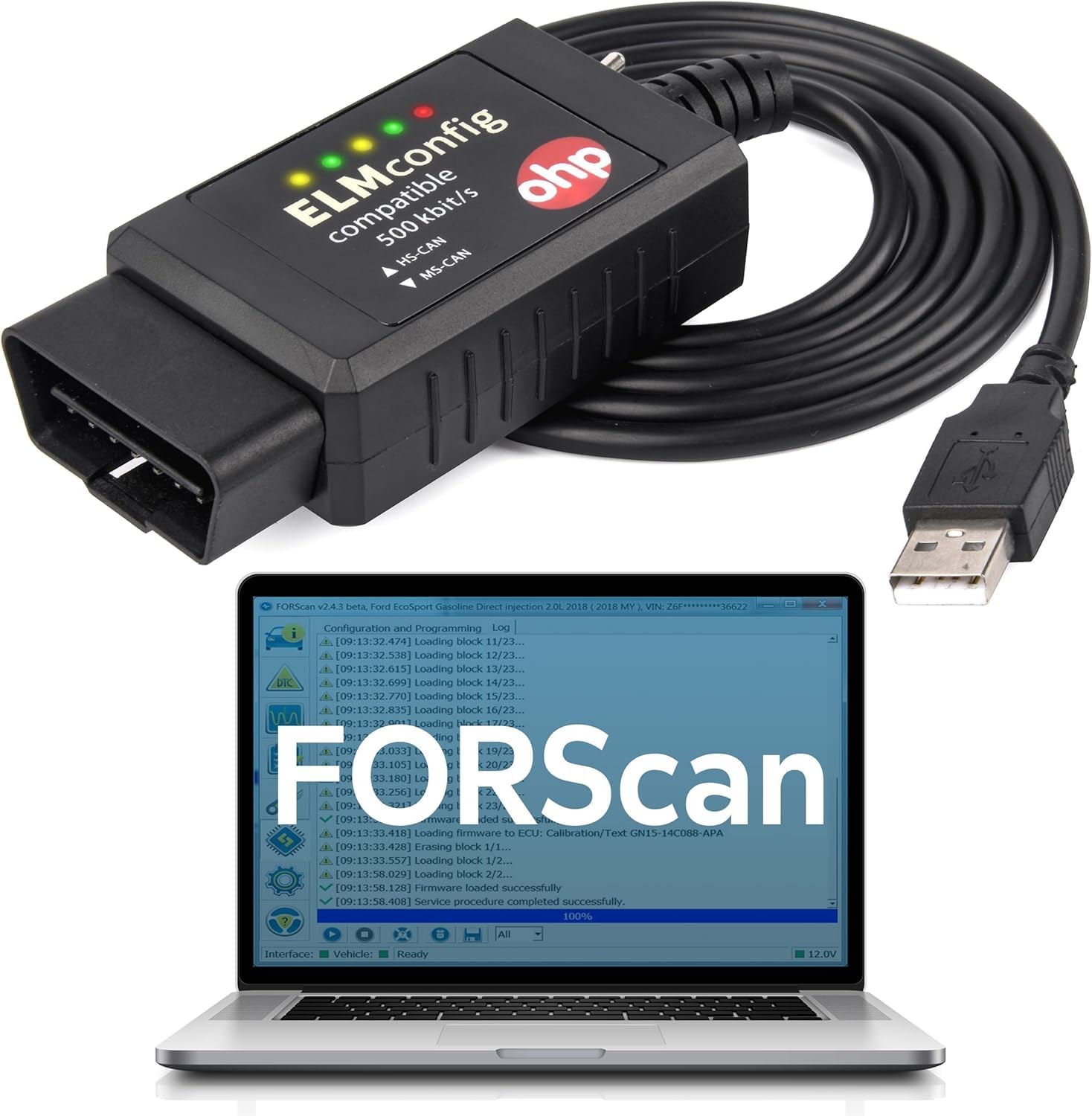
The OHP FORScan adapter is the software companion you need if your Explorer is throwing oil-pressure-related diagnostic trouble codes (DTCs) like P0520, P0522, or P0523. Rather than swapping parts based on a generic code reader, this USB interface connects to the FORScan software (free download) and reads Ford-specific data from every module — including real-time oil pressure PID values, sensor voltage, and circuit integrity. That level of detail tells you exactly whether the sensor output is within range or the PCM is receiving noise.
Compared to generic ELM327 dongles that cost nearly the same, the OHP unit uses a genuine FTDI chipset and includes an MS-CAN/HS-CAN switch. This is critical for Ford vehicles because many Explorer modules (including the instrument cluster and body control module) communicate on the medium-speed CAN bus. Without the switch, a standard adapter cannot see those modules. The cable also supports bus speeds up to 500 kbit/s, which covers all modern Ford protocols.
Setup requires a Windows laptop or a tablet running full Windows — no macOS or Chromebook support. The FTDI driver must be installed manually if Windows Update does not pull it automatically. Once connected, FORScan displays live sensor data, allows actuator tests, and can even program certain modules with an extended license. Several owners reported using this tool to confirm a bad oil pressure sensor within minutes, saving hundreds in dealer diagnostic fees.
What works
- MS-CAN/HS-CAN switch provides full Ford module access
- Reads live oil pressure PID data to confirm sensor failure
- Genuine FTDI chipset ensures reliable data transfer
What doesn’t
- Windows-only — not compatible with macOS or Chromebook
- Drivers may require manual installation on some systems
Hardware & Specs Guide
Oil Pressure Switch vs. Sensor
A switch is a binary component — it either completes the circuit (pressure above threshold, light off) or opens it (pressure low, light on). A sensor, by contrast, uses a variable-resistance element or piezoelectric crystal to produce a voltage signal that the PCM translates into a specific PSI value. Ford Explorers with a simple warning light on the dash use a switch; models with an actual oil pressure gauge require a sensor. Installing the wrong type results in either a permanently lit gauge or no warning at all. Always verify which system your Explorer has before ordering — a 5-minute check with the VIN or a parts catalog prevents a return.
Diagnostic Tools for Verification
A mechanical oil pressure test kit provides the ground truth. It replaces the sensor or switch with a direct-reading gauge that shows actual pump output. If the mechanical reading is within spec but the dash light stays on, the sensor or switch is faulty. If the mechanical reading is low, the problem is in the oil pump, pickup tube, or engine bearings. An OBD2 scan tool like the OHP FORScan adapter adds a second layer: it reads the sensor’s electrical output in real time and can flag circuit faults (open, short, or out-of-range voltage) that a mechanical gauge cannot detect. Using both tools together eliminates guesswork entirely.
FAQ
What are the symptoms of a failing oil pressure sensor on a Ford Explorer?
Can a bad oil pressure sensor cause engine damage?
How do I know if my Ford Explorer uses a switch or a sensor?
Final Thoughts: The Verdict
For most buyers, the best ford explorer oil pressure sensor winner is the Motorcraft SW-5267 because it delivers factory-grade fitment and durability at a price that beats the dealer counter without sacrificing quality. If you need a variable-pressure sensor for a gauge-equipped Explorer, the Dorman 926-188 offers a robust metal body and accurate digital output. And for anyone still diagnosing the problem, the DKwoeshg Oil Pressure Tester Kit provides the mechanical verification that prevents unnecessary part swaps.

Certification: BSc in Mechanical Engineering
Education: Mechanical engineer
Lives In: 539 W Commerce St, Dallas, TX 75208, USA
Md Amir is an auto mechanic student and writer with over half a decade of experience in the automotive field. He has worked with top automotive brands such as Lexus, Quantum, and also owns two automotive blogs autocarneed.com and taxiwiz.com.