Winter driving demands confidence, but the price of premium snow tires can leave anyone questioning their options. The reality is that affordable winter rubber has come a long way, with several manufacturers delivering genuine cold-weather grip without the flagship price tag. The challenge is separating the few that actually perform from the many that just look the part.
I’m Amir — the founder and writer behind Four Wheel Ask. I’ve spent years analyzing tread compound data, studying directional pattern engineering, and cross-referencing owner reports across thousands of winter miles to understand which budget-friendly snow tires deliver where it counts.
After extensive owner feedback and spec analysis, this guide identifies the most reliable best cheap snow tires for winter driving conditions.
How To Choose The Best Cheap Snow Tires
Selecting a budget-friendly winter tire comes down to understanding what trade-offs actually affect safety and which ones simply trim branding costs. The key is knowing which technical features matter most for your specific driving environment — and how to spot them regardless of the price point.
Tread Compound and Winter Grip
The rubber compound is the single most important factor in a winter tire’s performance. Cheap snow tires often use harder rubber to extend tread life, but that compromises grip below 45°F. Look for compounds that remain pliable in cold temperatures, even if that means slightly faster wear. Owner reports consistently show that soft-compound budget tires outperform harder premium models in actual snow and ice.
Siping and Tread Pattern Design
Siping — the tiny slits cut into tread blocks — creates biting edges that grip ice and packed snow. More siping generally means better ice traction, but excessive siping can lead to tread squirm on dry pavement. Directional tread patterns with wide grooves excel at evacuating slush and water, while asymmetrical patterns balance dry handling with winter bite. Budget tires that pack dense siping into a directional pattern often punch far above their price.
Load Rating and Speed Rating Considerations
Many budget winter tires carry lower speed ratings (T or H) than their all-season counterparts, which is perfectly acceptable for winter use since you shouldn’t be driving at extreme speeds in snow anyway. However, never compromise on load rating — match or exceed the vehicle manufacturer’s specification. A tire that can’t support your vehicle’s weight is dangerous regardless of price.
Studdability and 3PMSF Certification
The Three-Peak Mountain Snowflake symbol indicates the tire meets severe snow service standards. Not all budget tires carry this certification, and those that don’t should be treated as all-season tires with winter marketing. If you live in an area with frequent ice, a studdable tire offers second-stage traction that can transform a budget tire’s performance. Check local regulations before purchasing studdable models.
Quick Comparison
On smaller screens, swipe sideways to see the full table.
| Model | Category | Best For | Key Spec | Amazon |
|---|---|---|---|---|
| Bridgestone Blizzak WS90 | Winter | Severe Winter Grip | 225/65R17, Asymmetrical | Amazon |
| Cooper Evolution Winter | Winter | Variable Conditions | 225/65R17, Studdable | Amazon |
| Sumitomo Ice Edge 225/65R17 | Winter | Ice & Deep Snow | 225/65R17, Directional | Amazon |
| Hankook Winter ipike X | Winter | Studdable Ice Traction | 205/55R16, Studdable | Amazon |
| NEXEN Winguard Winspike 3 | Winter | Deep Snow Confidence | 195/65R15, Directional | Amazon |
| Firestone Winterforce 2 | Winter | Reliable Winter Value | 195/65R15, Directional | Amazon |
| Cooper Discoverer Snow Claw | Winter | Truck & SUV Snow | LT245/75R16, Snow Groove | Amazon |
| Sumitomo Ice Edge 195/65R15 | Winter | Entry-Level Winter | 195/65R15, 3D Sipe | Amazon |
| Crossmax SUV CHTS-1 | All-Season | Budget SUV Commute | 225/65R17, Directional | Amazon |
| Armstrong Ski-Trac | Winter | Budget Winter Grip | 215/55R16, Directional | Amazon |
| Evoluxx Capricorn | All-Season | Budget Passenger Use | 225/60R16, Symmetrical | Amazon |
In‑Depth Reviews
1. Bridgestone Blizzak WS90

The Bridgestone Blizzak WS90 sits at the top of the budget-conscious winter tire conversation for a simple reason — it delivers the ice and snow traction that made the Blizzak name legendary, without forcing buyers into extreme pricing. The Nano-Pro Tech multicell compound uses microscopic biting particles embedded throughout the tread to maintain grip on ice even as the tire wears. Owner reports from Vermont and Pennsylvania consistently describe confident stopping power on frozen slush and glare ice that rivals tires costing significantly more.
What separates the WS90 from cheaper alternatives is its asymmetrical tread pattern, which balances snow evacuation with dry-road stability. Unlike directional winter tires that can feel vague on clear highways, the Blizzak tracks straight and responds predictably in dry conditions. The 12/32nds tread depth provides a solid foundation for multiple seasons, and several owner accounts confirm the tire maintains its icy grip well past the first season of wear. For a FWD Sienna at high altitude, one owner reported it noticeably outperformed a Hankook M+S tire on frozen slush.
The trade-off comes in ultimate tread life — the soft compound that makes the WS90 so effective on ice will wear faster than harder budget alternatives. Owners in regions with frequent freeze-thaw cycles report that the Nano-Pro Tech compound begins to lose peak ice performance after the first 50% of tread wear. This is the price of premium winter grip at an accessible price point, and for most drivers, the safety advantage justifies the shorter service life.
What works
- Exceptional ice and packed snow traction for the price
- Asymmetrical tread provides stable dry-road handling
- Nano-Pro Tech compound maintains grip as tire wears
- Consistent owner feedback across multiple winter environments
What doesn’t
- Soft compound wears faster than harder budget alternatives
- Peak ice performance declines after roughly half tread life
- Does not accept studs for extreme ice conditions
2. Cooper Evolution Winter
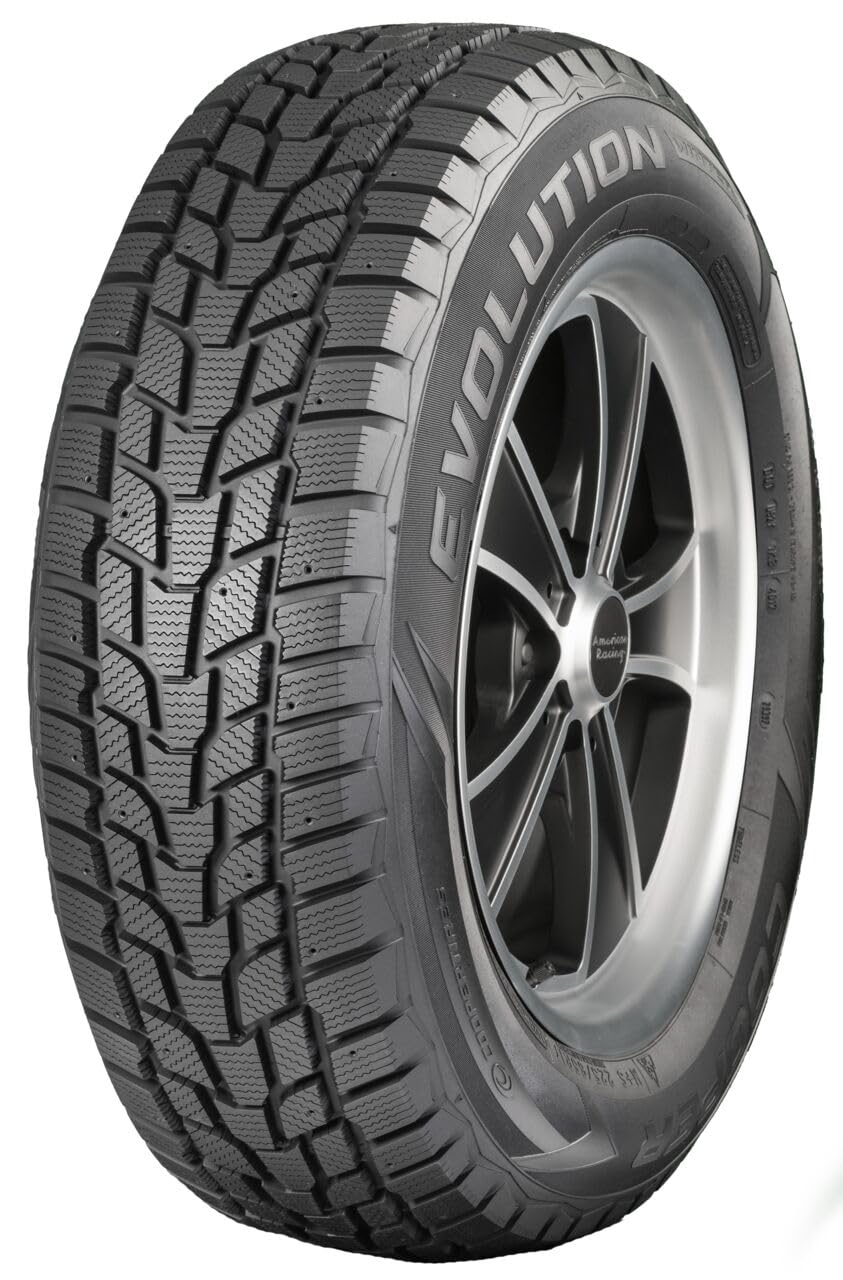
Cooper’s Evolution Winter earns its reputation as a performance-oriented budget winter tire through a tread compound that stays flexible in bitter cold and a directional pattern engineered for deep snow. Owner reports from northern Michigan and New England describe a tire that powers through snow depths that stop other vehicles cold — one account of a manual Ford Focus passing stuck trucks during a severe snowstorm captures the capability this tire brings to the table. The 3PMSF certification confirms it meets severe snow service standards rather than just wearing a winter label.
The studdable design adds versatility for drivers who face prolonged ice conditions. Owners who added studs report excellent grip on frozen lakes and steep icy driveways. Even without studs, the Evolution Winter delivers strong performance on packed snow and slush, with several owners noting it handled 13% grade driveways covered in a foot of snow without drama. The tread depth of 12/32nds provides ample rubber for multiple seasons, and the directional pattern efficiently channels slush and water away from the contact patch.
Where the Evolution Winter falls short of premium winter tires is in ultimate ice traction — the compound doesn’t match the microscopic biting technology found in the Blizzak or comparable premium studless designs. Owners on icy roads will still benefit from the tire’s cold-weather pliability, but those facing frequent glare ice should consider studding this tire. Highway noise is moderate for a directional winter tire, and several owners noted the ride quality remains comfortable even at interstate speeds.
What works
- Excellent deep snow traction and flotation
- Studdable for enhanced ice performance
- Consistent performance across multiple winter seasons
- Strong owner satisfaction in severe snow conditions
What doesn’t
- Ice traction without studs is good but not best-in-class
- Directional tread produces moderate highway noise
- Tread wear accelerates with aggressive driving on dry pavement
3. Sumitomo Ice Edge 225/65R17

The Sumitomo Ice Edge in the 225/65R17 sizing represents a compelling intersection of winter engineering and sensible pricing. Sumitomo’s 3D sipe technology — which uses serrated interlocking sipes — creates thousands of biting edges that maintain grip as the tire wears, addressing the common budget tire complaint of rapid performance degradation. Owner reports from Subaru Outback drivers navigating steep, curved private roads covered in up to five inches of snow describe confidence that rivals premium winter tires at a fraction of the price.
The 12.9/32nds tread depth exceeds what most competitors offer at this price point, providing extra rubber for wear resistance without sacrificing winter grip. The directional tread pattern with wide serrated channels efficiently evacuates slush and water, reducing hydroplaning risk during wet winter conditions. Owners in North Idaho report the tire handles great on snow and ice while remaining quiet and composed on wet and dry roads — a combination that’s difficult to achieve at any price. The studdable design adds an extra layer of traction for severe ice conditions.
The primary limitation is wet-road behavior at high speeds. Multiple owners noted a slight pull through standing water, suggesting the tread channels could be more aggressive for total water evacuation. Additionally, the tire is not designed for year-round use — running it in warm temperatures accelerates wear and compromises the compound’s effectiveness. Some owners also note that while the tire is excellent in deep snow, it can feel slightly vague on hard-packed ice compared to premium studless designs.
What works
- Deep 12.9/32nds tread depth for extended service life
- 3D serrated siping maintains grip as tire wears
- Excellent deep snow and slush evacuation
- Quiet and composed on dry pavement for a winter tire
What doesn’t
- Slight pulling sensation through standing water at speed
- Not suitable for year-round use
- Ice traction good but not premium-class without studs
4. Hankook Winter ipike X W429
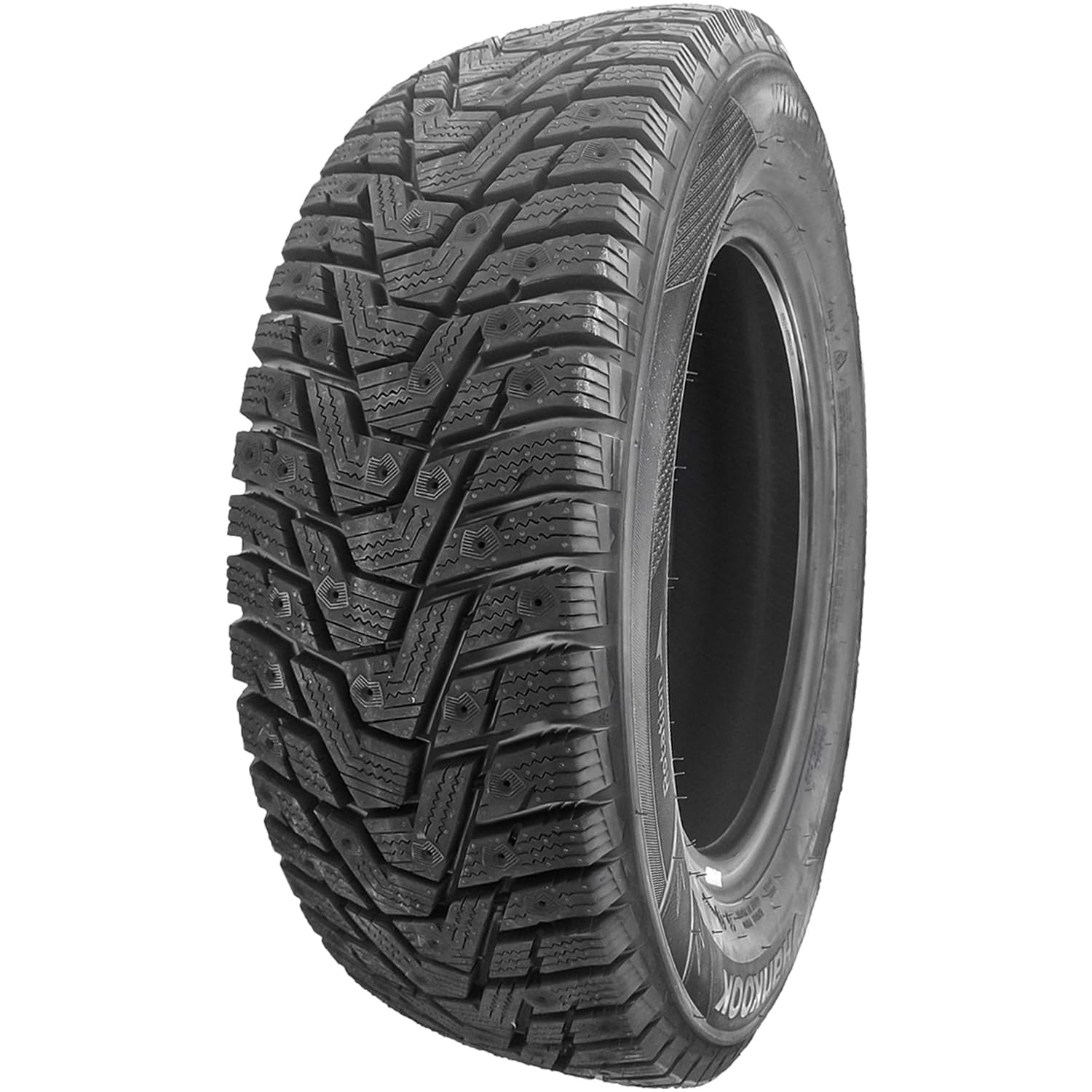
The Hankook Winter ipike X W429 brings Korean engineering to the budget winter tire segment with a directional tread pattern and a compound optimized for low-temperature grip. The 3PMSF certification confirms its severe snow service capability, and the ability to accept TSMI #11 studs makes it a genuine option for extended ice seasons. Owners in Minnesota and Alaska report this tire handles the extreme cold and packed snow conditions of northern winters with authority, with several describing it as a solid second set that performs well below zero.
The wide center blocks improve snow and ice traction by increasing the contact patch footprint, while the directional pattern efficiently clears the tread of slush and water. Owners driving in Michigan winters describe the tire as quiet for a winter model, with smooth ride quality that makes daily commuting comfortable. The load index of 94 provides adequate capacity for compact sedans and coupes, and the speed rating of T is appropriate for winter driving conditions. Several owners noted this is their second set of Hankook winter tires, indicating strong brand loyalty within the product line.
However, not all owner experiences are positive. One report identified significant tread wear after under 10,000 miles — nearly half the tread consumed — with a complaint about weak traction. This suggests batch variability or sensitivity to driving conditions that prospective buyers should note. The compound that delivers excellent cold-weather grip may wear quickly if subjected to warm temperatures or aggressive driving. Additionally, the 205/55R16 sizing limits availability for larger SUV applications, making this primarily a passenger car tire.
What works
- Strong cold-weather compound for sub-zero conditions
- Studdable for enhanced ice performance
- Quiet ride quality for a directional winter tire
- Wide center blocks improve contact patch stability
What doesn’t
- Some owner reports of rapid tread wear
- Batch variability may affect performance consistency
- Limited sizing primarily for passenger cars
- Warm weather operation accelerates compound wear
5. NEXEN Winguard Winspike 3
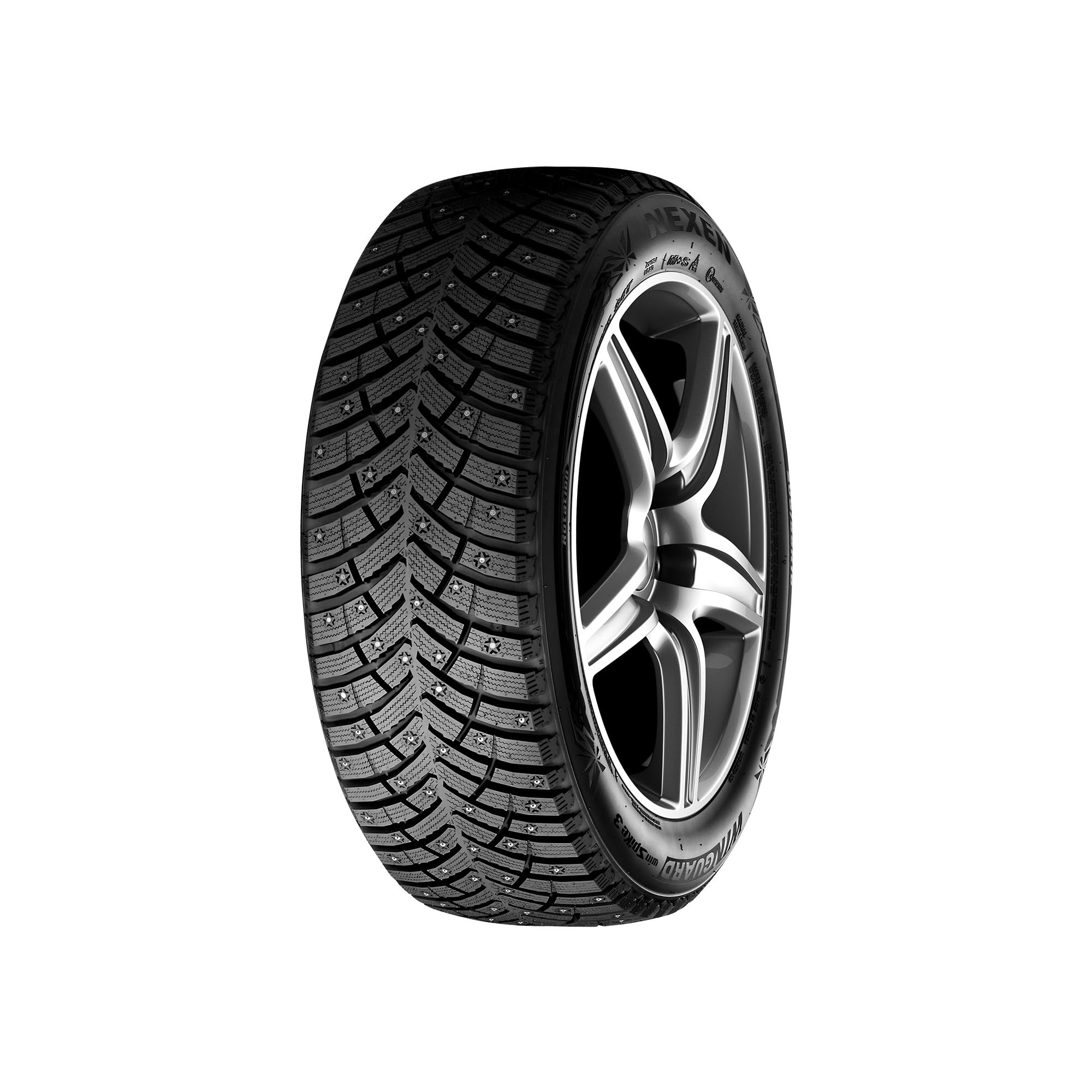
The NEXEN Winguard Winspike 3 delivers a compelling value proposition for drivers who need genuine winter capability without the premium price. The 3PMSF certification confirms it meets severe snow service standards, and the dense siping pattern provides the biting edges necessary for ice and packed snow traction. Owner reports from Michigan rural carriers driving in deep snow describe confidence that allows them to push snow with the bumper without getting stuck — real-world validation that this tire’s directional tread pattern delivers on its promise.
The optional TSMI #12 stud compatibility adds a layer of ice traction that transforms this budget tire into a serious winter weapon. Owners who chose not to install studs still report high confidence in snow conditions, with one noting the tire performed at 90% of top-tier winter tires while costing significantly less. The deep grooves efficiently evacuate water and slush, reducing hydroplaning risk during wet winter conditions. The directional pattern also contributes to straight-line stability at highway speeds, with owners reporting comfortable interstate cruising.
Wet-road performance is the Winspike 3’s primary compromise. Multiple owners noted mediocre wet traction, with the tire feeling less secure on rain-soaked pavement compared to its snow performance. This is a common trade-off with aggressive winter tread patterns, but it’s worth noting for drivers in regions with frequent freeze-thaw cycles where wet roads are common. Additionally, one owner reported two tires going mysteriously flat with no detectable leak, raising questions about bead seating or sidewall consistency in some production batches.
What works
- Excellent deep snow traction at a budget price point
- Studdable for severe ice conditions
- 3PMSF certified for genuine winter performance
- Good highway stability and comfort
What doesn’t
- Wet-road traction is mediocre compared to snow performance
- Some reports of unexplained air loss
- Not designed for warm weather operation
6. Firestone Winterforce 2

Firestone’s Winterforce 2 is designed with a straightforward mission — keep vehicles moving through winter weather at an accessible price. The directional tread pattern with deep grooves provides solid snow and slush evacuation, and the 12/32nds tread depth offers a reasonable foundation for multiple seasons. Owner reports from VW Jetta drivers in snowy regions describe a world of difference compared to all-season tires, with the ability to navigate steep dirt roads the day after a snowfall that would have been impassable on standard rubber.
The Winterforce 2’s strength lies in its predictable performance in mild to moderate snow conditions. Owners driving 4,000 miles per month for food delivery in a Toyota Corolla report the tire provides the winter grip needed to maintain operations through snow season. The tire’s design prioritizes snow traction over ice performance, with the directional pattern channeling snow through the tread rather than trying to bite into ice. This makes it an excellent choice for drivers who primarily encounter snow-covered roads rather than glare ice.
The quality control record raises concerns that potential buyers should weigh carefully. Multiple owners report sidewall blowouts within the first few months of use, with two of four tires failing in one account. While these failures may represent a small percentage of total production, they appear in owner feedback more frequently than expected for a budget tire. Additionally, the tire lacks the comprehensive warranty support that some competitors offer, leaving owners responsible for replacement costs if failures occur. The Winterforce 2 works well when it works, but the risk profile is higher than alternatives in this range.
What works
- Solid snow traction for mild to moderate winter conditions
- Reasonable tread depth for multiple-season use
- Predictable performance in snow-covered conditions
- Significant improvement over all-season tires in snow
What doesn’t
- Multiple owner reports of sidewall failures
- Lacks comprehensive warranty support
- Not designed for severe ice conditions
- Quality control appears inconsistent
7. Cooper Discoverer Snow Claw

The Cooper Discoverer Snow Claw brings legitimate truck and SUV winter engineering to the budget conversation. Designed specifically for pickup trucks and SUVs, this LT-metric tire features Cooper’s patented Snow Groove Technology, which uses strategically placed grooves that trap snow within the tread — using that captured snow to enhance traction against packed snow surfaces. Owner reports from Ford Lightning owners in upstate New York describe exactly the traction needed for severe lake-effect snow conditions, with smooth ride quality that surprises for a winter truck tire.
The 16.5/32nds tread depth is massive compared to passenger car winter tires, reflecting the heavier demands of truck and SUV applications. The non-directional tread pattern allows for tire rotation across all positions without concern for directional mounting, simplifying maintenance and extending service life. The 3PMSF certification confirms severe snow capability, and the tire is pinned for studs, offering an extra layer of ice traction for the most demanding conditions. Owners of 4Runners and F-350s in Rocky Mountain winters report excellent performance on snow and ice, with one Montana owner specifically noting it outperformed a failed set of Wintercat SSTs.
The premium pricing positions the Snow Claw at the upper end of the budget spectrum, and the moderately soft tread compound means faster wear than harder all-terrain tires. Owners who use their trucks for daily commuting on dry pavement will see accelerated tread consumption compared to those who only mount them for dedicated winter use. The LT245/75R16 sizing is specific to trucks and SUVs, limiting availability for passenger car applications. Additionally, while the Snow Groove Technology is effective in snow, the tire’s ice traction without studs is adequate but not exceptional compared to dedicated studless ice tires.
What works
- Massive 16.5/32nds tread depth for extended service life
- Snow Groove Technology enhances packed snow traction
- Non-directional pattern simplifies rotation
- Excellent performance on trucks and heavy SUVs
What doesn’t
- Premium pricing within the budget category
- Soft compound wears faster on dry pavement
- Limited to truck and SUV sizing applications
- Ice performance without studs is adequate but not best
8. Sumitomo Ice Edge 195/65R15
The 195/65R15 Sumitomo Ice Edge brings the same 3D sipe technology found in the larger Ice Edge models to a compact car sizing that opens up genuine winter capability for economy vehicles. The 12/32nds tread depth is generous for the price point, and the directional tread pattern with wide serrated channels provides effective slush and water evacuation. Owners in Alaska running these tires on a RWD Mercedes diesel report performance on par with Blizzaks on ice and slush — a strong endorsement for a tire at this price level.
The studdable design is a major advantage for drivers in severe ice regions. Owners in Idaho report that studding the Ice Edge transforms its ice performance dramatically, with night-and-day improvement over all-terrain tires on icy roads. The 3D serrated siping pattern maximizes tread bite by creating interlocking edges that remain effective as the tire wears. Several owners describe running multiple sets over several years on front-wheel-drive vehicles, with consistent performance on snow, ice, and even nasty mud. The tire’s ability to maintain stability at highway speeds on ice — though not recommended — speaks to its composure in challenging conditions.
The Ice Edge’s primary limitation is noise on dry pavement. The aggressive directional tread pattern generates a noticeable hum at highway speeds that some owners find tiresome on long trips. Additionally, the tire must be removed when temperatures consistently rise above 40°F to prevent accelerated wear and compound degradation. Some owners also note that while the tire is excellent on snow and ice, its wet-road performance on cold but snow-free pavement is merely adequate rather than exceptional.
What works
- 3D sipe technology maintains grip as tread wears
- Studdable for severe ice conditions
- Strong snow and ice traction at a budget price
- Good highway stability in winter conditions
What doesn’t
- Noticeable road noise on dry pavement
- Must be removed above 40°F to preserve compound
- Wet-road performance adequate but not class-leading
9. Crossmax SUV CHTS-1
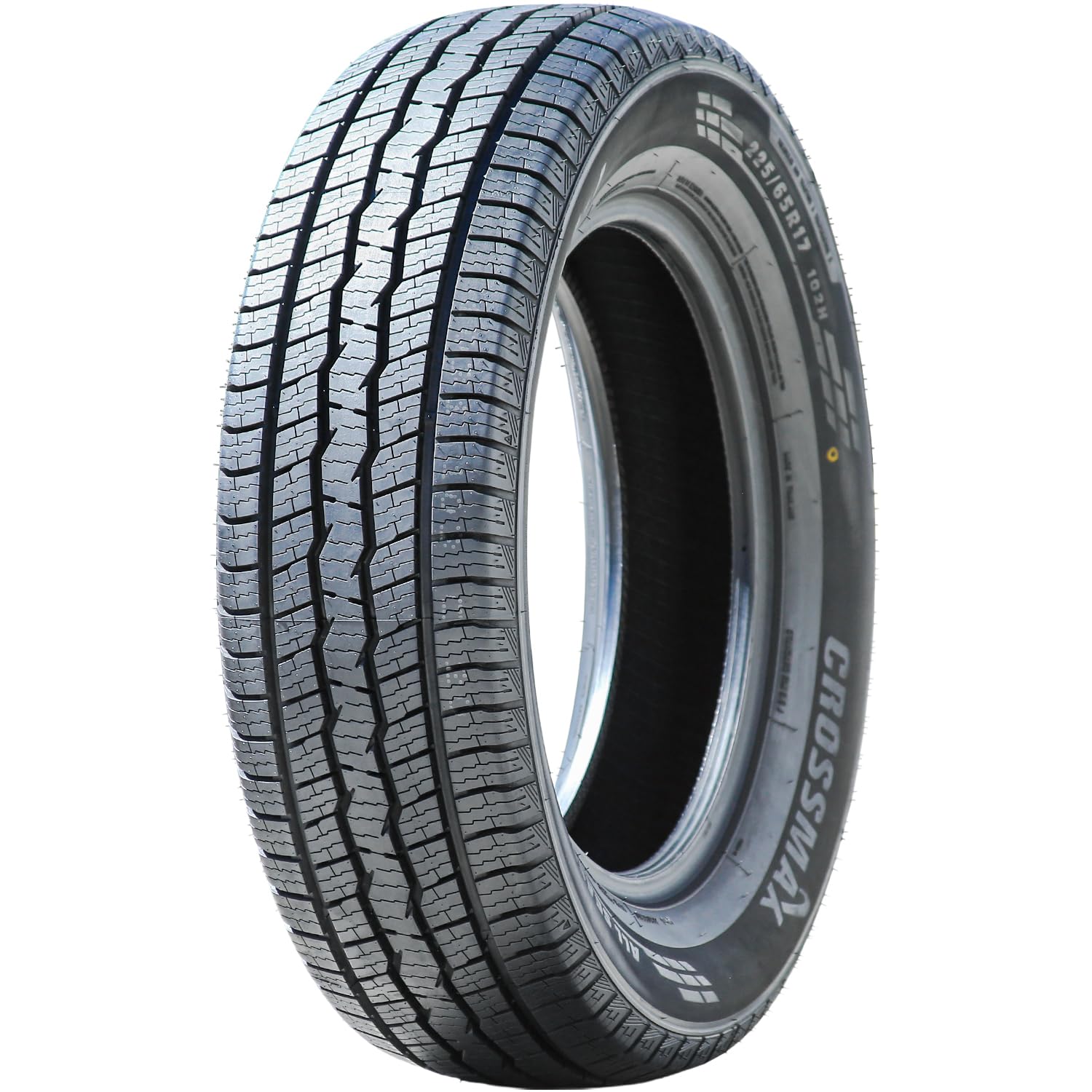
The Crossmax SUV CHTS-1 occupies a different category than dedicated winter tires — it’s an all-season tire with a tread pattern that handles light snow better than typical all-season rubber. The directional tread design with multi-pitch pattern reduces noise levels while providing reasonable slush evacuation. Owner reports from Hyundai Santa Fe and Mazda CX5 drivers describe a smooth, quiet ride that works well for daily commuting. The 60,000-mile treadwear rating suggests the compound prioritizes longevity over aggressive winter grip.
For drivers in regions with mild winters who only occasionally encounter snow, the CHTS-1 offers a compelling balance. Owners report good balance at highway speeds, with reasonable wet and dry handling characteristics. The 640 treadwear rating indicates a harder compound that will resist wear but sacrifices the low-temperature pliability that defines true winter tires. The tire works well as an affordable all-season option that can handle light snow, but it is not a substitute for a dedicated winter tire in areas with consistent snow and ice.
The primary limitation is that this tire lacks 3PMSF certification and is not designed for severe winter conditions. Owners who attempted to use it as a winter tire in regions with significant snow report that while initial traction is acceptable, the harder compound becomes less effective as temperatures drop below freezing. The tire is best understood as a budget-friendly all-season with light snow capability, not as a true winter tire. For drivers who need genuine winter performance, the Crossmax is a compromise that may leave them wanting when conditions turn serious.
What works
- Excellent treadwear warranty for long service life
- Quiet and comfortable ride for daily driving
- Reasonable light snow capability for mild winters
- Good value as a budget all-season tire
What doesn’t
- Not 3PMSF certified for severe snow
- Hard compound loses grip in freezing temperatures
- Not a substitute for dedicated winter tires
- Limited performance on ice and packed snow
10. Armstrong Ski-Trac HP
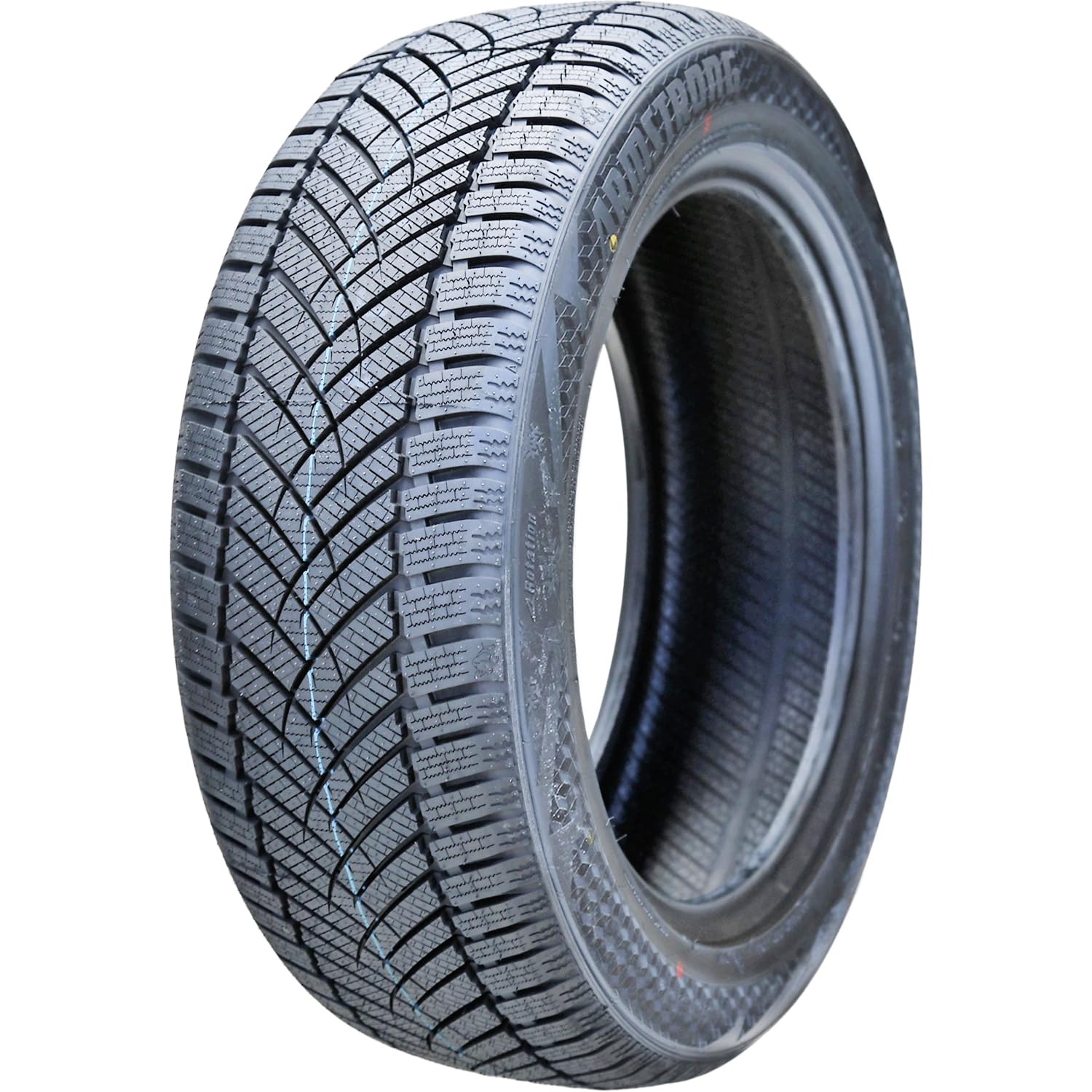
The Armstrong Ski-Trac HP is a winter-rated performance tire designed for drivers who need snow capability at the lowest possible entry price. The directional tread pattern provides the basic architecture for snow and slush evacuation, and the 7.94mm tread depth is sufficient for a season or two of winter driving. Owner reports describe a tire that does a solid job in snow and ice, with several repeat buyers confirming they purchased a second set after a positive first experience. The H-speed rating is higher than many winter tires, offering better dry-road handling capability.
The Ski-Trac excels as an entry point into winter tire ownership. Owners report excellent traction in heavy snow and ice, with one describing how the tire stopped their car from sliding on ice and slush where all-season tires had failed. The Load Range XL construction provides additional load-carrying capacity for heavier passenger cars and small crossovers. Several owners specifically note the value proposition — the tire performs well enough for winter driving without requiring the investment of premium winter rubber, making it an accessible option for budget-conscious drivers.
The trade-offs are significant. The tread depth of 7.94mm is shallow compared to purpose-built winter tires that typically start at 11-12/32nds, meaning the Ski-Trac will have a shorter useful life as a winter tire. Owners also note that the tread grooves lack the space between channels that more expensive winter tires use to evacuate slush, which can lead to reduced performance in wet snow conditions. Additionally, the tire lacks the advanced siping technology of dedicated winter tires, limiting its ice traction compared to models with 3D or serrated siping.
What works
- Very accessible entry price for winter tire ownership
- Good snow and ice traction for the price point
- H-speed rating provides good dry-road handling
- Load Range XL construction for heavier vehicles
What doesn’t
- Shallow tread depth limits winter service life
- Tread channels lack space for effective slush evacuation
- Limited siping technology compared to dedicated winter tires
- Best suited for moderate winter conditions only
11. Evoluxx Capricorn HP
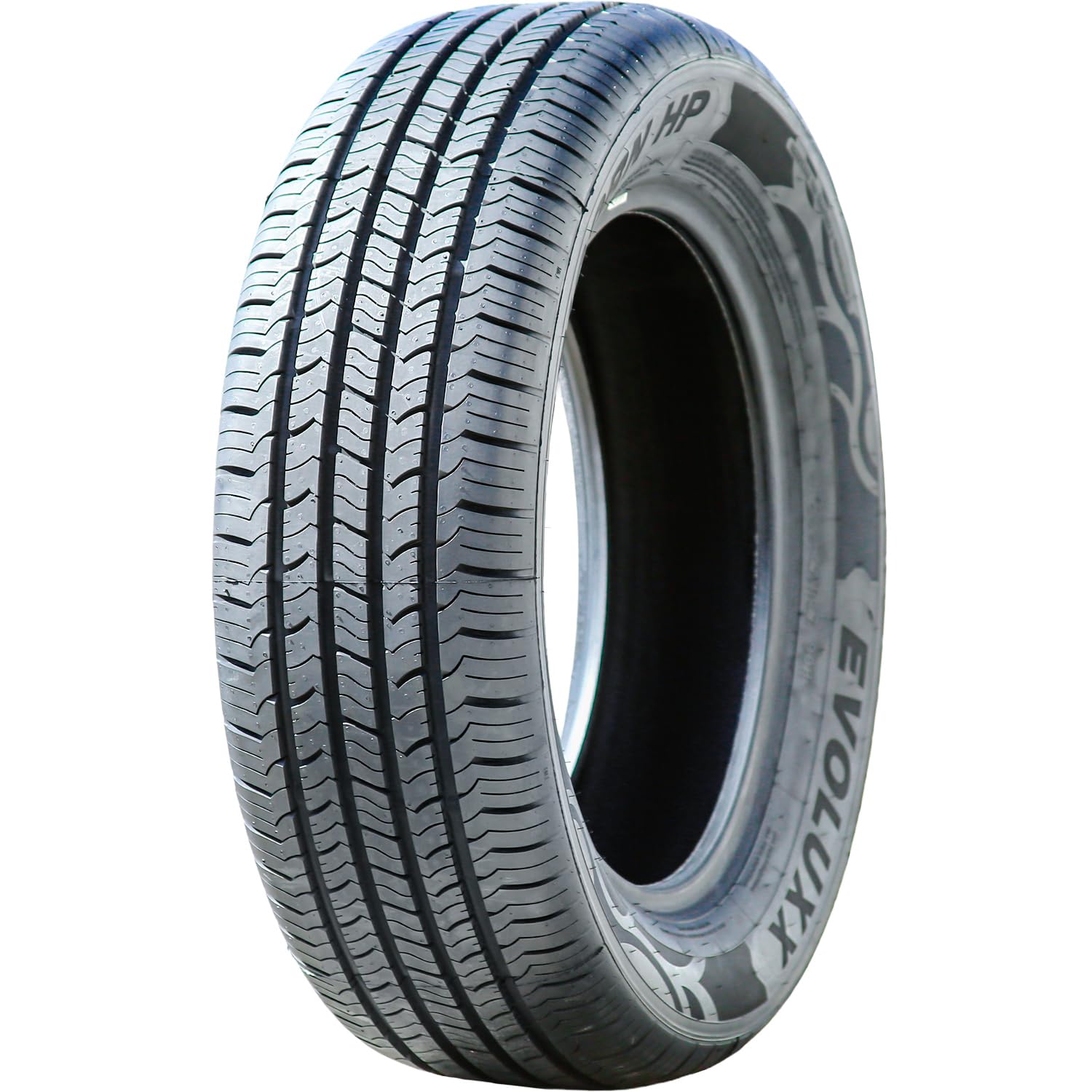
The Evoluxx Capricorn HP is an all-season tire that serves as a bare-bones budget option for drivers who simply need black, round rubber that meets minimum traction requirements. The symmetrical tread pattern is a basic design that prioritizes even wear and road comfort over any specific winter capability. Owner reviews are surprisingly positive for such an inexpensive tire — with repeated mentions of good grip, smooth ride quality, and quiet operation. Several owners with high-mileage vehicles describe the tire as a solid value for daily commuting.
The 700AA UTQG rating indicates a very hard tread compound designed for maximum wear life rather than any form of performance grip. The 45,000-mile treadwear warranty reflects this focus on longevity over traction. Owners who have driven these tires in heavier snow conditions report they work acceptably, with one specifically noting they worked great in heavier snow. However, this likely reflects the owner’s modest expectations rather than genuine winter capability. The tire’s symmetrical tread pattern lacks the directional channels and siping that make dedicated winter tires effective in snow and ice.
The fundamental limitation is that the Evoluxx Capricorn is an all-season tire, not a winter tire. It lacks 3PMSF certification, its compound hardens in cold temperatures, and its tread pattern is not designed for snow evacuation. Owners who need winter performance should view this tire as a temporary solution or a budget option for regions with very mild winters where snow is rare. The positive owner reviews reflect the tire’s value as a basic all-season, not its winter capability. For genuine snow and ice conditions, a dedicated winter tire remains essential.
What works
- Extremely accessible entry price point
- Surprisingly good ride quality for budget rubber
- Quiet operation on dry pavement
- 45,000-mile treadwear warranty
What doesn’t
- All-season tire, not designed for winter conditions
- Hard compound loses grip below freezing
- Lacks snow-specific tread pattern features
- No 3PMSF certification for severe snow
Hardware & Specs Guide
Tread Depth and Winter Performance
Tread depth is measured in 32nds of an inch, with dedicated winter tires typically starting at 11 to 13/32nds. The deeper tread allows the tire to bite into snow and provide flotation, while the larger voids between tread blocks evacuate slush and water. Budget winter tires often use 12/32nds as a standard depth, while high-end options like the Cooper Discoverer Snow Claw push to 16.5/32nds for extended service life. As tread wears below 6/32nds, winter performance degrades significantly regardless of the tire’s initial price point.
3PMSF Certification vs. M+S Rating
The Three-Peak Mountain Snowflake symbol indicates the tire has passed standardized severe snow traction tests. This certification is the only reliable indicator that a tire is genuinely designed for winter conditions. The older M+S (Mud and Snow) rating is a self-certification that any all-season tire can use and does not guarantee winter performance. Several tires in this guide lack 3PMSF certification and should be understood as all-season tires with winter marketing, not as genuine winter rubber.
Directional vs. Asymmetrical Tread Patterns
Directional tread patterns have V-shaped grooves that channel water and slush outward from the center of the tire, providing excellent hydroplaning resistance and snow evacuation. The trade-off is increased road noise and the requirement that tires be rotated front-to-back on the same side. Asymmetrical patterns combine different tread block shapes across the tire face, balancing dry handling with winter grip. The Bridgestone Blizzak WS90 uses an asymmetrical design that provides better dry-road stability than most directional winter tires.
Studdability and Ice Traction
Studdable winter tires feature molded holes that accept metal studs for enhanced ice traction. Studs provide mechanical biting action on ice that no compound technology can match, making them ideal for regions with prolonged ice coverage. However, studs increase road noise, accelerate pavement wear, and are restricted or prohibited in some states and provinces. Tires like the Sumitomo Ice Edge and Cooper Evolution Winter offer studdable designs, while the Bridgestone Blizzak WS90 is a studless design that relies entirely on compound technology for ice grip.
FAQ
Can I use cheap snow tires year-round?
What does 3PMSF certification actually mean?
Are studded winter tires better than studless?
How long should cheap snow tires last?
Can I install just two winter tires instead of four?
Final Thoughts: The Verdict
For most buyers, the best cheap snow tires winner is the Bridgestone Blizzak WS90 because it delivers premium-level ice and snow grip at a price that undercuts the competition. If you want a studdable tire for severe ice conditions, grab the Cooper Evolution Winter for its deep snow capability and studding flexibility. And for truck and SUV owners who need a dedicated winter tire without overspending, nothing beats the Cooper Discoverer Snow Claw with its massive tread depth and Snow Groove Technology.

Certification: BSc in Mechanical Engineering
Education: Mechanical engineer
Lives In: 539 W Commerce St, Dallas, TX 75208, USA
Md Amir is an auto mechanic student and writer with over half a decade of experience in the automotive field. He has worked with top automotive brands such as Lexus, Quantum, and also owns two automotive blogs autocarneed.com and taxiwiz.com.