A loose or misrouted harness introduces unnecessary risk during every ride. Whether the original clip snapped, the strap keeps slipping off a child’s shoulder, or the buckle release mechanism has grown stiff from daily use, finding the right replacement requires more than grabbing the first option on the shelf. Harness geometry, material strength, and installation method all affect how well a replacement performs over months of buckling and unbuckling.
I’m Amir — the founder and writer behind Four Wheel Ask. I’ve spent years analyzing product specifications, reviewing owner-reported durability data, and comparing build quality across hundreds of child safety components to separate well-engineered solutions from accessories that look similar on a product page but fail under real-world tension loads.
A good replacement restores the original safety envelope without introducing new failure points. I’ve analyzed specs, build quality, and owner feedback to find the best car seat harness replacement options that keep children secure and parents at ease.
How To Choose The Best Car Seat Harness Replacement
A harness replacement is a safety-critical purchase, not a convenience add-on. The wrong clip or belt can shift during a sudden stop, allow a child to slip a shoulder free, or fail under the load of a collision. Focus on three factors — material integrity, compatibility, and installation method — to narrow the field to options that actually reinforce the restraint system rather than just appearing to do so.
Material and Build Quality
Plastic-steel composites and polyoxymethylene (POM) offer significantly better impact resistance and temperature stability than standard ABS plastic. Lower-grade materials become brittle after repeated sun exposure or cold-weather use, which increases the risk of cracking at the clip or buckle interface. Look for replacements that specify their material composition rather than using vague terms like “durable plastic.” The latch mechanism should also feel positive and click into place without excessive force — a mushy engagement indicates poor mold tolerances that can loosen over time.
Compatibility With Your Car Seat
Not every clip works with every harness width or buckle geometry. Measure the existing strap width and examine the buckle tongue shape before ordering. Universal-fit products generally accommodate standard 1.5-inch straps, but some European or compact travel seats use narrower webbing. The ZARPMA 2-point belt, for example, only fits chairs and strollers with a tie rod — it will not work on a standard 5-point car seat harness. Always cross-reference the product’s stated application range against your specific seat model.
Ease of Installation
Snap-on designs install without removing the existing harness, which makes them ideal for quick replacement or for parents who rotate seats between vehicles. Thread-through options provide a more permanent attachment but require unthreading the original straps. The trade-off is straightforward: snap-on saves time and frustration, while thread-through typically offers a lower-profile fit that reduces the chance of snagging on clothing or seat padding. Consider how often you will need to remove and reinstall the replacement before choosing between the two approaches.
Quick Comparison
On smaller screens, swipe sideways to see the full table.
| Model | Category | Best For | Key Spec | Amazon |
|---|---|---|---|---|
| Child Car Seat Chest Harness Clip | Clip Guard | All-around safety upgrade | Polyoxymethylene construction | Amazon |
| Baby Car Seat Harness Clips (2-Pack) | Harness Holder | Preventing twisted straps | 2-pack with locking pin | Amazon |
| Anti Escape Car Seat Buckle Guard | Buckle Lock | Escape prevention | Plastic-steel snap-on clip | Amazon |
| UnbuckleMe Release Tool | Buckle Tool | Easy one-handed unbuckling | Reduces force by 50% | Amazon |
| ZARPMA 2-Point Safety Belt | Safety Belt | High chairs and strollers | 1.4m polyester strap | Amazon |
In-Depth Reviews
1. Child Car Seat Chest Harness Clip Universal Replacement
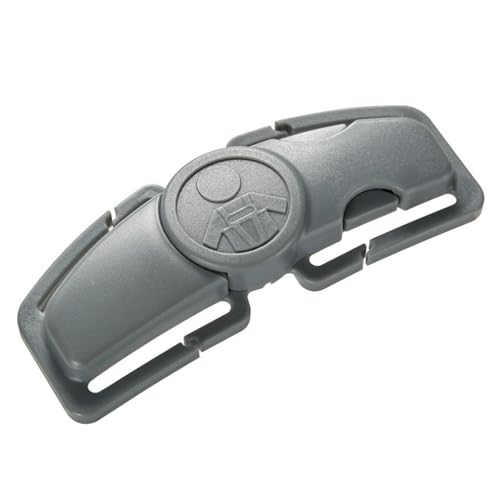
The universal chest harness clip uses polyoxymethylene (POM) — a plastic-steel composite that outperforms standard ABS in both impact strength and thermal stability. Owner feedback consistently highlights how the material resists cracking after extended sun exposure inside parked vehicles, a common failure point among cheaper clips. The side-mounted latch is the standout engineering decision: it places the release mechanism away from a child’s direct reach, reducing the odds of accidental unbuckling during the ride.
Installation takes under thirty seconds with no harness removal required. The two halves snap directly onto the existing strap, and the click engagement feels crisp and secure right out of the package. Multiple customer reports note that the clip holds strap position firmly even during sharp turns and sudden braking, keeping the chest harness at the correct height without slipping toward the neck or face. The 5-point compatibility is another strength — the clip integrates cleanly with most convertible, combination, and travel car seats.
The only real consideration is that the side latch, while child-resistant, can take a moment for adults to locate by feel in a dark vehicle. This is a minor ergonomic trade-off given the clear safety benefit. For parents looking for a single replacement that upgrades both security and durability without complicating daily use, this clip represents the strongest value proposition in the segment.
What works
- Superior POM plastic-steel composite resists cracking and heat deformation
- Side latch reduces accidental unbuckling by curious children
- Snap-on installation takes seconds with no tools required
What doesn’t
- Side latch can be tricky to locate by touch in low light
- Only available in a single color option
2. Baby Car Seat Harness Clips (2-Pack)

This 2-pack solves a very specific frustration: holding the buckle tongues open while you place a baby into the carrier. Anyone who has wrestled a squirming infant into a 5-point harness knows how quickly the metal tongues slide back into the shell, forcing you to dig them out one-handed. These clips lock the tongues in the open position, freeing both hands to position the child properly before engaging the harness. The locking pin mechanism is simple but effective — it inserts through the tongue slots and holds everything in place until you pull the release.
The secondary benefit is strap management. Tangled and twisted harness webbing is a common source of slack that compromises chest clip positioning. By keeping the tongues aligned during loading, these clips prevent the webbing from twisting and ensure the harness lays flat across the child’s shoulders every time. Owner accounts from parents of toddlers who fight the buckling process report a noticeable reduction in loading time and frustration. The clips fit all standard car seats and carriers regardless of brand because they interface only with the buckle tongues, not the shell or strap width.
The only limitation is scope: these clips assist with loading but do not serve as a harness replacement or anti-escape device. They are a loading aid, not a restraint upgrade. Some users also note that the clips can be misplaced between uses since they are separate pieces not tethered to the seat. The 2-pack mitigates this by providing a spare, but a tether point on each clip would eliminate the risk entirely.
What works
- Holds buckle tongues open for hands-free child positioning
- Prevents strap twisting and tangling during loading
- Universal fit across all car seats and carriers
What doesn’t
- Functions as a loading aid only — not a restraint replacement
- Loose clips are easy to misplace without a tether
3. Anti Escape Car Seat Buckle Guard & Chest Harness Clip Lock
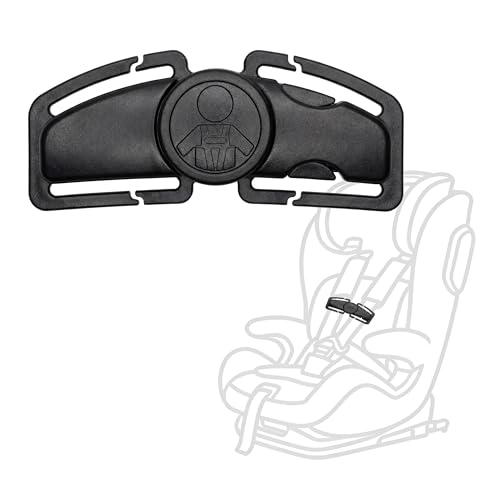
This buckle guard targets the specific scenario where a child has learned to unbuckle themselves or slip a shoulder free. The plastic-steel composite body clips over the existing chest harness and adds a deterrent layer that most toddlers cannot defeat. The snap-on installation is genuinely tool-free — no threading, no webbing removal, just a firm press until both halves seat around the strap. The material choice matters here: plastic-steel resists the flexing and prying that a determined child can apply to standard ABS clips over time.
Beyond the obvious safety benefit, the design keeps the harness positioned correctly across the chest during motion. Owner reports describe children who previously shrugged the shoulder strap down toward the arm now staying properly restrained through entire trips. The buckle guard also works across multiple platforms — car seats, strollers, high chairs — which makes it useful for families who move the child between different seating positions throughout the day. The single-pack format covers one seat, so parents with multiple vehicles may want to purchase additional units.
The trade-off is that the guard adds a layer adults must also navigate. While the mechanism is easy enough for any parent to operate, caregivers with significant arthritis or limited hand strength may find the release slightly stiff compared to an unprotected chest clip. The guard is also visible and adds a small amount of bulk at the chest area, which some parents find visually distracting even though it does not affect comfort.
What works
- Plastic-steel construction withstands bending and prying attempts
- Snap-on install works with existing harness — no disassembly needed
- Compatible with car seats, strollers, and high chairs
What doesn’t
- Release may feel stiff for users with limited hand strength
- Single pack requires multiple purchases for multi-car families
4. UnbuckleMe Car Seat Buckle Release Tool

The UnbuckleMe is not a harness component — it is an assistive tool that addresses the ergonomic pain point of releasing a tightly engaged 5-point buckle. Designed by an occupational therapist and a certified child passenger safety technician, the small plastic lever clips over the buckle face and reduces the force required to depress the release button by more than half. The Shark Tank exposure brought this tool into the mainstream, but the engineering reasoning behind it deserves the attention: the lever arm multiplies hand input so that caregivers with arthritis, carpal tunnel, or long nails can unbuckle without joint pain or broken nails.
The tool works with every major car seat brand that uses a 5-point harness buckle, as well as many strollers and high chairs that employ similar push-button releases. The soft-touch surface provides a stable gripping point even when hands are sweaty or wet. Owner accounts from grandparents and nannies consistently describe the UnbuckleMe as the difference between struggling with the buckle for several seconds and releasing it immediately with one hand. The compact size (roughly the dimensions of a small matchbox) means it stores easily in a diaper bag, glove compartment, or seat-back pocket.
The limitation is that the UnbuckleMe solves only the unbuckling part of the car seat equation. It does not improve harness retention, prevent escape, or replace a worn clip. Some users also report that the tool fits less securely on buckles with unusually wide or recessed buttons, though this is the exception rather than the rule. For caregivers who physically struggle with the release motion, this tool removes a genuine daily obstacle without altering the safety of the restraint system.
What works
- Lever mechanism reduces buckle release force by over 50%
- Developed by an occupational therapist and a CPST
- Compatible with virtually all 5-point harness buckles
What doesn’t
- Addresses only unbuckling — no harness retention benefit
- Fit can be inconsistent on unusually shaped buckle housings
5. ZARPMA Baby 2 Point Safety Belt

The ZARPMA 2-point safety belt serves a different use case than the other products on this list. It is not a car seat harness replacement in the traditional sense — it functions as a secondary restraint for high chairs, pushchairs, and strollers that lack integrated harness systems or have a tie rod for belt attachment. The 1.4-meter length provides enough webbing to wrap around most chair back structures and secure a child in the seat. High-strength polyester construction gives the belt good abrasion resistance and maintains its tensile strength after repeated machine washing.
Owners who use this belt for travel or restaurant high chairs appreciate the adjustability and the quick-release buckle. The belt slides easily through chair slots and tightens down without the excess slack that some universal straps leave after installation. Several customer accounts mention using the ZARPMA as a backup for older strollers where the original harness has been lost or damaged. The material does not absorb moisture readily, which helps maintain hygiene in food-adjacent environments where spills are inevitable.
The critical limitation is application range. This is strictly a 2-point system — it provides a waist belt only, not a full 5-point harness with shoulder straps. It is not appropriate as a replacement for a car seat harness and should not be used in a moving vehicle. The belt also requires a physical tie rod or slot on the chair to anchor around; it will not work on solid-back seats without pass-through points. Buyers need to verify that their specific chair or stroller has the necessary attachment points before purchasing.
What works
- High-strength polyester resists fraying and maintains tension
- Adjustable 1.4m length fits most high chairs and strollers
- Quick-release buckle simplifies removal and cleaning
What doesn’t
- 2-point design offers less upper-body restraint than a 5-point harness
- Requires tie-rod or slot anchors — not compatible with solid-back chairs
Hardware & Specs Guide
Material Composition
Three main material grades appear across harness replacement products. Standard ABS plastic is the most economical but suffers from UV embrittlement and impact cracking after extended use. Plastic-steel composites blend polymer with metallic reinforcement to improve impact resistance and thermal stability — ideal for clips that remain in a parked car through seasonal temperature swings. Polyoxymethylene (POM) sits at the top of the hierarchy, offering exceptional hardness, low friction, and resistance to creep under continuous load. For buckle guards and chest clips that must withstand repeated prying from children, POM or plastic-steel grades provide a measurable safety margin over raw ABS. Always check the listed material composition rather than relying on marketing terms like “heavy-duty plastic.”
Installation Methods
Snap-on and thread-through represent the two dominant installation approaches. Snap-on designs split into two halves that click around the existing harness strap without requiring removal from the seat shell. This method prioritizes convenience and speed, making it ideal for parents who want a quick upgrade or who rotate seats between vehicles. Thread-through designs require the user to unfasten the harness at the seat, thread the webbing through the clip slots, and reassemble the restraint system. The result is a more permanent attachment with reduced profile and less risk of the clip shifting along the strap during use. Some premium products use a locking pin mechanism that combines elements of both approaches, offering tool-free installation with a positive mechanical lock that prevents unintended dislodging. Choose based on how frequently you anticipate removing and reinstalling the replacement component.
FAQ
Are car seat harness replacements universal across all brands?
How do I know if a replacement clip is safe for use in a moving vehicle?
Can a buckle release tool replace a broken harness clip?
How often should I inspect or replace a harness clip?
Final Thoughts: The Verdict
For most buyers, the best car seat harness replacement winner is the Child Car Seat Chest Harness Clip Universal Replacement because it blends POM material quality, a child-resistant side latch, and tool-free installation into a single package that works across multiple seat types. If you want to eliminate the daily frustration of digging out buckle tongues while holding a baby, grab the Baby Car Seat Harness Clips (2-Pack) . And for caregivers who struggle physically with the buckle release motion, nothing beats the UnbuckleMe for preserving hand comfort without compromising the restraint system.

Certification: BSc in Mechanical Engineering
Education: Mechanical engineer
Lives In: 539 W Commerce St, Dallas, TX 75208, USA
Md Amir is an auto mechanic student and writer with over half a decade of experience in the automotive field. He has worked with top automotive brands such as Lexus, Quantum, and also owns two automotive blogs autocarneed.com and taxiwiz.com.