Selecting a camera for automotive photography means balancing sensor performance, autofocus speed, and lens ecosystem against your specific shooting style—whether that’s static showroom shots, rolling highway compositions, or detail work on paint and carbon fiber. The right body makes the difference between a keeper and a missed opportunity.
I’m Amir — the founder and writer behind Four Wheel Ask. My approach is rooted in deep market research, cross-referencing technical specifications with thousands of owner-reported experiences to identify what truly holds up in automotive shooting conditions.
After researching dozens of cameras for automotive work, the best camera for auto photography delivers fast autofocus and exceptional detail capture.
How To Choose The Best Camera For Auto Photography
Automotive photography places unique demands on a camera: fast-moving subjects, reflective paint surfaces, low-light garage environments, and the need for crisp detail at distance. Understanding a few core specs helps narrow the field to bodies that genuinely deliver.
Sensor Size and Dynamic Range
Full-frame sensors offer the widest dynamic range and best low-light performance, which matters when shooting black paint against asphalt or preserving highlight detail in chrome reflections. APS-C and Micro Four Thirds sensors trade some range for a smaller body and lighter lenses, often at a lower entry price.
Autofocus and Subject Tracking
For rolling shots or action sequences, phase-detection AF with subject recognition is critical. Some newer bodies include specific car or vehicle detection, which locks onto moving automobiles rather than requiring the photographer to constantly reframe. Look at AF point coverage and burst rate as well.
Lens Ecosystem and Mount Flexibility
A camera body is only as good as the glass in front of it. Full-frame mirrorless mounts from Sony, Canon, and Nikon offer fast primes and telephoto zooms suited to automotive work. Micro Four Thirds provides compact options but a smaller aperture range for low-light scenarios.
Quick Comparison
On smaller screens, swipe sideways to see the full table.
| Model | Category | Best For | Key Spec | Amazon |
|---|---|---|---|---|
| Nikon Z5 II | Full Frame Mirrorless | Car Detection AF | 24.5MP, EXPEED 7, 30fps | Amazon |
| Sony a6400 | APS-C Mirrorless | Fast AF Speed | 24.2MP, 0.02s AF, 11fps | Amazon |
| Canon EOS RP | Full Frame Mirrorless | Full Frame Entry | 26.2MP, RF Mount, 4K | Amazon |
| Sony a7 III | Full Frame Mirrorless | Versatile All-Rounder | 24.2MP BSI, 693 AF Points | Amazon |
| Panasonic GH7 | Micro Four Thirds | Video-First Shooting | 25.2MP, ProRes RAW, 32-bit Audio | Amazon |
| Fujifilm X100VI | APS-C Compact | Street & Show Style | 40MP, Fixed 23mm, IBIS | Amazon |
| Nikon D610 | Full Frame DSLR | Budget Full Frame | 24.3MP, 6fps, Dual SD | Amazon |
In‐Depth Reviews
1. Nikon Z5 II
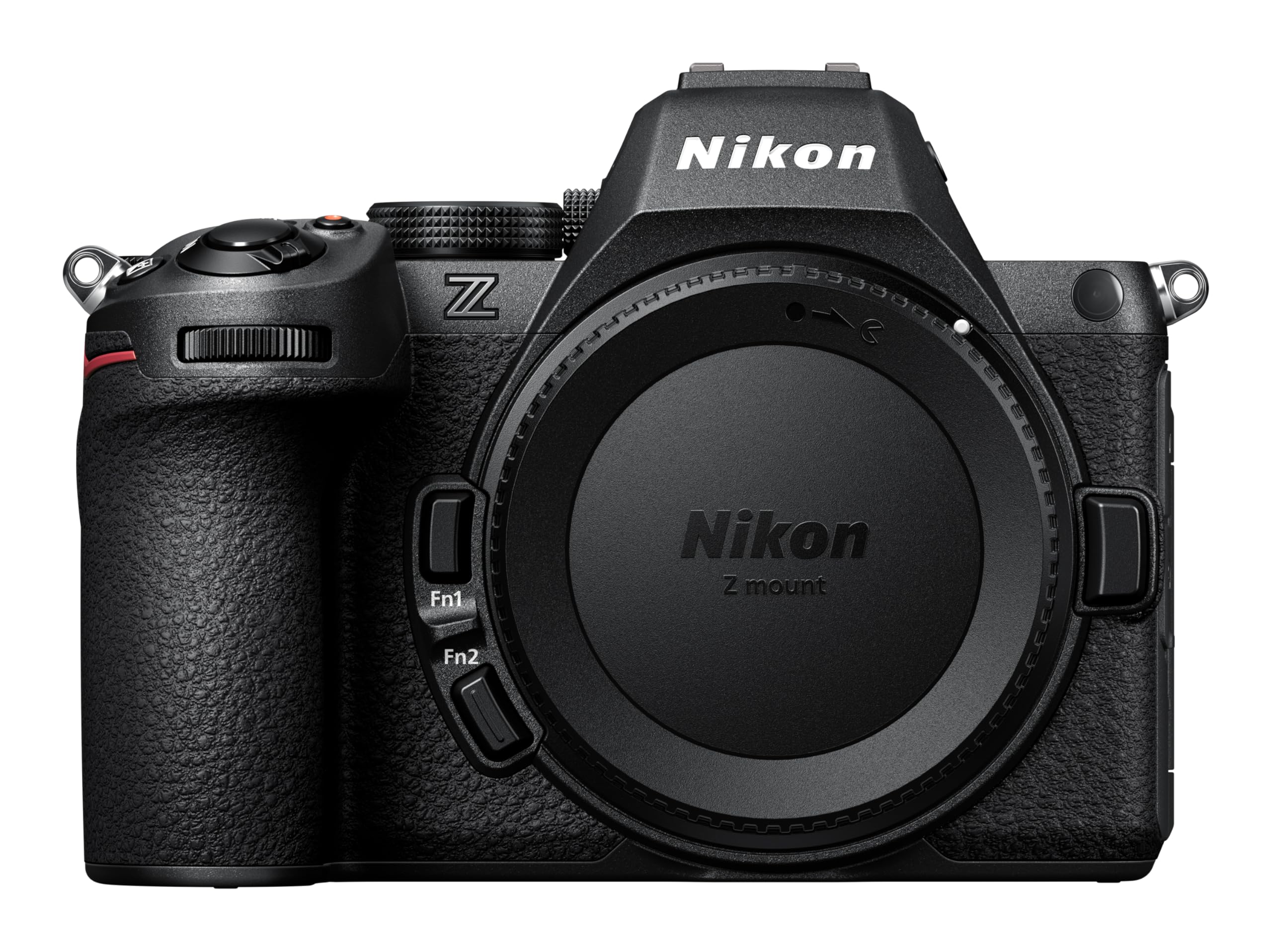
The Nikon Z5 II pairs a full-frame sensor with the EXPEED 7 processor, enabling 30fps burst shooting and autofocus detection for nine subjects including cars, motorcycles, and trains. This makes it one of the few bodies specifically optimized for automotive tracking right out of the box.
The build quality is a clear step above entry-level mirrorless options, with a deep grip that balances larger telephoto zooms well. Owners consistently report a smooth transition from DSLR ergonomics and praise the bright 3000-nit electronic viewfinder for shooting in harsh sunlight at outdoor meets.
Low-light AF down to -10EV means evening garage shoots remain reliable, and the 7.5-stop in-body stabilization allows handheld detail work on interiors or badges without a tripod. Dual UHS-II SD slots provide redundancy for pro workflows.
What works
- Dedicated car detection AF performs exactly as needed for rolling and static auto shots
- Exceptional build quality with weather sealing for outdoor events
- Bright EVF and deep grip improve handling in variable conditions
What doesn’t
- No built-in flash, requiring a hotshoe unit for fill light
- Learning curve from DSLR to mirrorless menu structure
2. Sony a6400

The Sony a6400 is a compact APS-C body that punches above its weight with Real-Time Eye AF and object tracking. Its 0.02-second autofocus acquisition is among the fastest in the segment, making it well suited for capturing vehicles entering the frame or tracking detail shots during a drive.
With 425 phase-detection and 425 contrast-detection points covering 84% of the sensor, the camera keeps focus locked on moving cars without hunting. The flip-up touchscreen helps compose low-angle bumper or wheel shots, though the menu system has a learning curve that owners frequently note.
4K video capability with slow and quick motion modes adds versatility for behind-the-scenes clips or rolling cinematic sequences. While the Micro USB port feels dated, the overall value proposition for a compact body with this AF speed is strong.
What works
- Blazing-fast autofocus with reliable subject tracking for moving vehicles
- Compact and lightweight design ideal for carrying to shows and meets
- 4K video with slow-motion modes for mixed content creation
What doesn’t
- Rolling shutter in 4K is noticeable for fast panning shots
- Menus are complex and touchscreen responsiveness is limited
3. Canon EOS RP

The Canon EOS RP provides a full-frame sensor at a price point that undercuts most competitors, bundled with the RF 24-105mm f/4-7.1 IS STM lens. For automotive photographers transitioning from crop-sensor DSLRs, the jump in dynamic range and low-light performance is immediately visible.
The kit lens offers optical stabilization up to five stops, which helps when shooting handheld at dusk events or in dimly lit garages. Owners highlight the comfortable ergonomics and intuitive menu system, noting that the RP is a lightweight travel companion for long show days.
While the 4K mode introduces a crop and lacks Dual Pixel AF, the 1080p video output is excellent for editorial content. The RF mount also opens access to Canon’s growing lens lineup, including the fast primes that complement automotive detail work.
What works
- Affordable entry to full-frame sensor benefits for auto photography
- Lightweight body with ergonomic handling for extended use
- IBIS in the lens provides useful stabilization for handheld shots
What doesn’t
- 4K video has a significant crop and no DPAF
- Kit lens is slow at f/4-7.1, limiting low-light performance
4. Sony a7 III

The Sony a7 III is a benchmark full-frame mirrorless body that balances resolution, speed, and battery life in a compact package. Its 24.2MP back-illuminated sensor delivers 15 stops of dynamic range, capturing the full tonal range of glossy paintwork and deep shadow areas under a chassis.
The 693-point phase-detection array covers 93% of the sensor, keeping moving cars in focus across the frame during panning shots. Owners frequently cite the excellent battery life as a major advantage for all-day shoot events, with the NP-FZ100 lasting through thousands of frames.
4K video output requires a UHS-II card for full quality, but the results are stunning with the right lens. The kit 28-70mm lens is decent for starting out, though upgrading to a fast prime or telephoto zoom unlocks the sensor’s real potential for automotive work.
What works
- Excellent dynamic range preserves paint and reflection detail
- Industry-leading battery life for extended shoots without swapping
- Reliable AF tracking with wide sensor coverage for moving subjects
What doesn’t
- Menu system remains complex despite improvements
- Weather sealing is less robust than some competitors
5. Panasonic GH7

The Panasonic GH7 is a Micro Four Thirds body designed for video-first creators who need internal ProRes RAW recording and 32-bit float audio. For automotive content producers shooting reviews, walkarounds, or B-roll, the GH7 eliminates the need for external recorders and separate audio meters.
The 25.2MP BSI CMOS sensor delivers 13+ stops of dynamic range, and the open-gate recording allows shooting in multiple aspect ratios from a single capture. Phase-detection AF finally brings reliable tracking to Panasonic’s MFT line, addressing a long-standing complaint from previous generations.
Owner feedback is overwhelmingly positive for event videography, with reports of no overheating during 3-7 hour recording sessions. The main trade-off is battery life—owners recommend a V-Mount solution for all-day shoots, which adds weight and complexity to the kit.
What works
- Internal ProRes RAW and 32-bit float audio simplify video workflows
- No overheating even during extended recording sessions up to 7 hours
- Phase-detection AF finally delivers reliable tracking
What doesn’t
- Battery life is short, requiring external power for long events
- VFR mode on SSD requires a specific Panasonic AC adapter
6. Fujifilm X100VI

The Fujifilm X100VI is a fixed-lens compact built around a 40MP X-Trans CMOS 5 HR sensor and a 23mm f/2 lens. For automotive enthusiasts who prioritize portability and straight-out-of-camera color, this body delivers a distinct shooting experience that many owners describe as inspiring rather than clinical.
The hybrid viewfinder and dedicated exposure dials encourage a more deliberate shooting style, which works well for static show cars and detail compositions. In-body image stabilization provides up to 6 stops of correction, allowing handheld work in low-light garage environments without a tripod.
Subject recognition includes cars, making it one of the few compact cameras with dedicated automotive AF. The fixed 23mm lens is a limitation for close-up detail or wide-angle compositions, and autofocus speed trails Sony’s offerings, but the image character and build quality earn passionate loyalty.
What works
- Exceptional color rendering straight out of camera reduces editing time
- Compact form factor fits in a jacket pocket for impromptu car meets
- Dedicated car subject detection in AF system
What doesn’t
- Fixed 23mm lens limits framing flexibility for different angles
- Autofocus speed is noticeably slower than Sony contemporaries
7. Nikon D610

The Nikon D610 is a full-frame DSLR that offers a 24.3MP CMOS sensor with excellent dynamic range and high-ISO performance up to 6400 natively. For photographers who prefer an optical viewfinder and have existing F-mount glass, this body remains a reliable workhorse for static automotive work.
The 39-point AF system with 9 cross-type sensors is centered in the frame, which owners note as a limitation for tracking moving cars compared to modern mirrorless systems. However, for composition-focused shooting of parked vehicles, the sensor delivers image quality that still competes with newer bodies.
Dual SD card slots provide backup for paid shoots, and the build quality is robust with weather sealing. The 6fps burst rate is modest, and the camera lacks modern features like touchscreen or EVF, but the core image output holds up well against newer competition.
What works
- Full-frame sensor with excellent dynamic range for its price bracket
- Dual SD slots provide backup for professional shooting
- Optical viewfinder and DSLR ergonomics for traditional shooters
What doesn’t
- AF points are centrally clustered, limiting tracking for action shots
- No touchscreen or live view modernizations
Hardware & Specs Guide
Sensor Size & Type
Full-frame sensors (Nikon Z5 II, Canon EOS RP, Sony a7 III, Nikon D610) provide the widest dynamic range and best high-ISO performance for low-light automotive environments. APS-C sensors (Sony a6400, Fujifilm X100VI) offer a good balance of image quality and portability. Micro Four Thirds (Panasonic GH7) trades some range for compact video-centric features.
Autofocus Systems
Phase-detection AF with subject recognition is the key differentiator. The Nikon Z5 II offers dedicated car detection, while Sony’s Real-Time AF and the a7 III’s 693-point array deliver fast, reliable tracking. The Panasonic GH7 now includes PDAF, a major upgrade from prior contrast-detect models.
Lens Mounts & Compatibility
Nikon Z, Canon RF, Sony E, Fujifilm X, and Micro Four Thirds mounts each have unique lens ecosystems. Sony E and Canon RF offer the widest range of fast primes and zooms suited to automotive work. F-mount on the D610 provides access to extensive used glass but lacks native mirrorless advantages.
Dynamic Range & Color Science
Full-frame sensors from Sony, Nikon, and Canon typically offer 13-15 stops of dynamic range, critical for capturing highlight detail in chrome reflections and shadow detail in dark paint. Fujifilm’s X-Trans sensor provides distinct color profiles that many owners prefer for straight-out-of-camera results.
FAQ
What is the most important feature for automotive photography in a camera?
Do I need a full-frame sensor for car photography?
Is a DSLR still viable for automotive work in 2025?
Should I prioritize video capability in a camera for auto photography?
Final Thoughts: The Verdict
For most buyers, the camera for auto photography winner is the Nikon Z5 II because its dedicated car detection AF and robust build quality directly address the unique demands of automotive shooting. If you want a compact body with exceptionally fast autofocus, grab the Sony a6400. And for video-heavy automotive content creation, nothing beats the Panasonic GH7 with its internal ProRes RAW and reliable phase-detection AF.

Certification: BSc in Mechanical Engineering
Education: Mechanical engineer
Lives In: 539 W Commerce St, Dallas, TX 75208, USA
Md Amir is an auto mechanic student and writer with over half a decade of experience in the automotive field. He has worked with top automotive brands such as Lexus, Quantum, and also owns two automotive blogs autocarneed.com and taxiwiz.com.