A rim liner sits between your tire and spoke nipples, yet many riders grab whatever is cheapest and hope for the best. That gamble often ends with a puncture at the worst possible moment, turning a simple ride into a long walk home. The right liner eliminates spoke-bed failures, holds up under heat and pressure, and fits your wheel without bunching or slipping.
I’m Amir — the founder and writer behind Four Wheel Ask. I spend my time studying bicycle component specifications, analyzing owner feedback across dozens of forums, and comparing build quality data so you don’t have to guess which liner actually protects your tube.
Whether you ride road or trail, choosing the right best bike rim liner means balancing reliable protection, weight savings, and wheel compatibility.
How To Choose The Best Bike Rim Liner
Every rim liner has a job: shield the tube from spoke ends and create a smooth bed inside the rim. But material, width, adhesive design, and intended use (tube vs. tubeless) separate a reliable liner from one that causes more flats than it prevents. Understanding these four factors will help you match the liner to your wheel and riding style.
Material: Cotton, PVC, Rubber, or Polyurethane
Cotton liners resist heat from heavy braking and hold shape under high pressure without creeping, making them the top choice for road and touring wheels. PVC strips are lightweight and non-adhesive, ideal for clincher rims where you want easy removal for spoke repairs. Rubber tape (often used for tubeless setups) provides excellent sealing but can be harder to stretch evenly. Polyurethane tapes offer strong adhesion and flexibility, working well for both tube and tubeless applications.
Width and Rim Compatibility
A liner that is too narrow leaves spoke holes exposed; one that is too wide buckles and creates pressure points against the tube. Measure the inner width of your rim bed and choose a liner that matches or slightly exceeds that measurement. Most brands offer sizes from 13 mm to 35 mm, covering everything from skinny road rims to wide mountain bike hoops.
Adhesive vs. Non-Adhesive Designs
Adhesive liners (tape) stay put during tire installation and removal, reducing the chance of shifting. Non-adhesive strips (often called rim strips) are reusable and easier to swap between wheels but can move if the tire is levered off aggressively. For high-pressure road setups, adhesive tape or cotton tape with a glue backing is the safer bet. For casual or vintage wheels, a stretchy PVC strip often works perfectly.
Quick Comparison
On smaller screens, swipe sideways to see the full table.
| Model | Category | Best For | Key Spec | Amazon |
|---|---|---|---|---|
| Velox Deluxe Cotton | Cotton Tape | Tube Protection & High Pressure | 19 mm x 2 m, 2‑Pack | Amazon |
| ZEfal 2 Rim Tapes | Cotton Tape | Premium Build Quality | 13 mm, Cotton Pair | Amazon |
| BUCKLOS Tubeless Tape | Polyurethane Tape | Versatile Tubeless Setup | 28 mm x 10 m, Translucent | Amazon |
| GRAY Clincher Liner | PVC Strip | 700C Clincher Wheels | 16 mm, Non‑Adhesive, Set of 2 | Amazon |
| Schwalbe TL Rimtape | Rubber Tape | Tubeless Sealing | 21 mm x 10 m, Rubber | Amazon |
In‑Depth Reviews
1. Velox Deluxe Cotton Rim Tape 19 mm x 2 m – 2-Pack Box
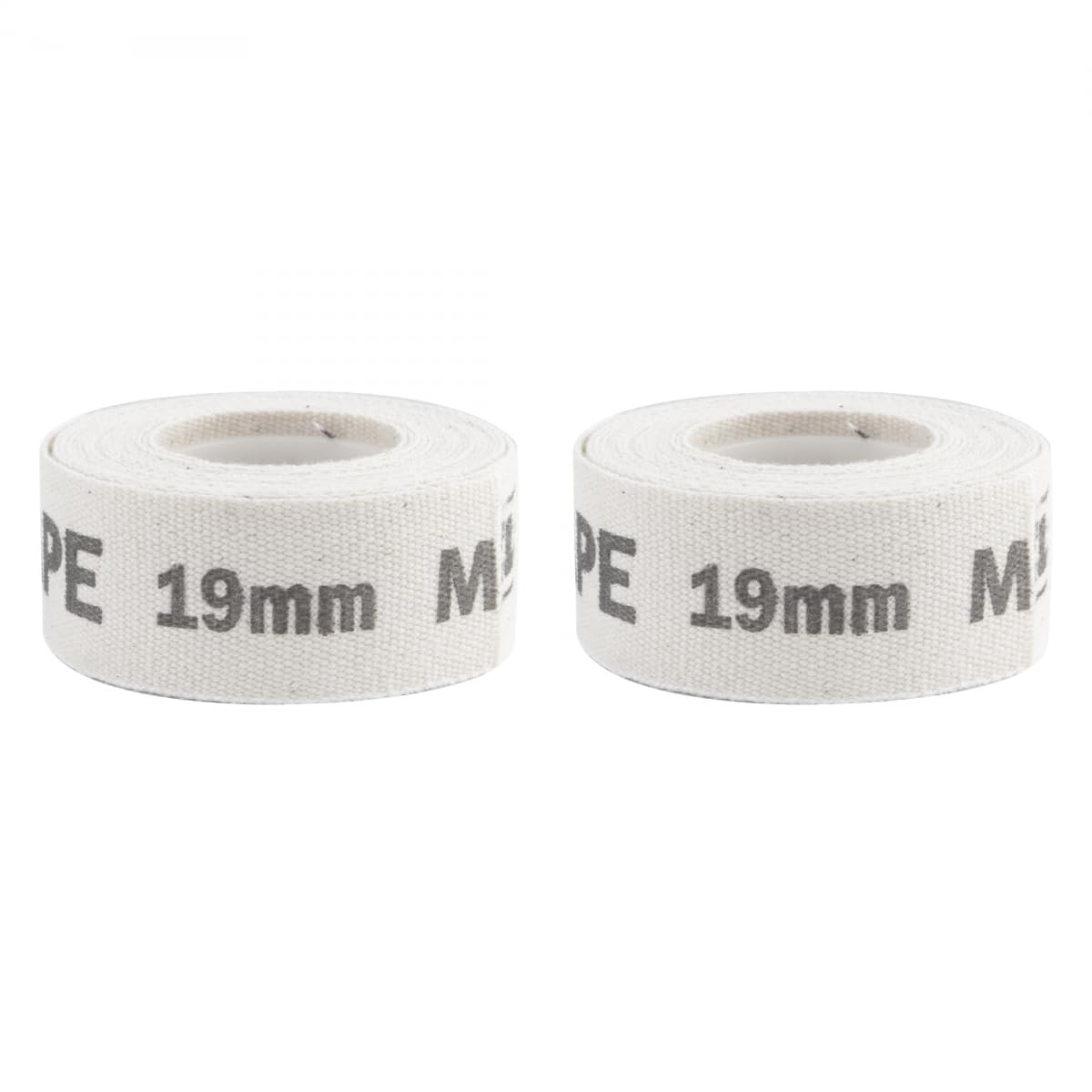
Velox has been making cotton rim tape for decades, and the Deluxe version refines the formula with a high-strength woven backing that resists both heat from braking and pressure from inflated tubes. The pre-cut valve hole aligns cleanly with Presta or Schrader stems, saving a step during installation. Owner reports consistently praise its ability to stay put at pressures above 100 psi without bunching or peeling away from the rim bed.
This is a 2-pack set, each roll measuring 19 mm wide and 2 m long, which covers most road and mountain bike wheels with enough left over for spares. The adhesive backing holds firmly against the rim contour during tire mounting, and the cotton material does not stretch out of shape over time like some plastic-based liners. Riders who switched from cheap rubber or fiberglass tape noted an immediate reduction in spoke-nipple punctures.
One batch report mentioned slightly weaker glue on recent rolls, but the overwhelming majority of users describe the adhesion as excellent and the durability as superior to any other tube-type liner they have tried. For tubed setups that see high mileage or high pressure, this is the benchmark.
What works
- Woven cotton resists puncture and heat better than plastic or rubber alternatives
- Pre-cut valve hole fits both Presta and Schrader without modification
- 2-pack provides enough tape for multiple wheels or a spare set
What doesn’t
- Recent production may have slightly less aggressive adhesive on some rolls
- Cotton can absorb moisture if the wheel is submerged for long periods
2. ZEfal 2 Rim Tapes (Cotton, 13 mm)

ZEfal’s cotton rim tape has been a staple in European bike shops for years, and this 13 mm wide pair is aimed at narrower road rims where precision fit matters. The cotton weave is dense enough to resist spoke-nipple pressure yet flexible enough to conform to the rim contour without lifting at the edges. A pre-cut valve hole speeds up installation, and the self-adhering backing keeps the tape locked in place during tire changes.
Owner feedback highlights that this tape solved persistent flat problems on wheels where cheap plastic or fiberglass liners had failed. Riders running 700c wheels at high pressures reported zero spoke-hole punctures after switching, and the tape remained stuck even after multiple tire swaps. The 13 mm width is ideal for rims with a narrow inner bed; users with wider rims needed to measure carefully to avoid an overhang that could interfere with the bead seat.
Some users noted that the tape is heavier than modern polyurethane alternatives, but the trade-off in durability and heat resistance makes it a solid choice for commuters, tourers, and anyone who prioritizes reliability over a few grams. The pair pack covers two wheels with no waste.
What works
- Dense cotton weave resists tearing and holds up under high tire pressure
- Strong adhesive keeps the tape from shifting during tire installation or removal
- Pre-cut valve hole aligns cleanly with Presta stems
What doesn’t
- 13 mm width may be too narrow for wider rim beds; measure first
- Heavier than polyurethane or PVC liners of similar size
3. BUCKLOS Tubeless Rim Tape (28 mm x 10 m)

BUCKLOS offers a long 10-meter roll of polyurethane tubeless tape that comes in nine width options from 17 mm up to 35 mm, making it one of the most versatile tape choices for riders who own multiple wheel sets or want to experiment with different rim widths. The pressure-sensitive adhesive provides a strong initial bond, and the translucent material lets you see exactly how the tape seats against the rim so you can work out bubbles before adding sealant.
Buyer reports confirm that the tape seals effectively on both road and mountain bike rims when installed carefully. Some users noted that the tape is less flexible than expected, requiring a heat gun or firm pressure to conform to deep-section rim profiles without wrinkles. Once seated, it holds air reliably and withstands tire lever abuse during flat repairs better than thinner alternatives.
The roll includes four sealing patches for the tape ends, a thoughtful extra that helps prevent peel-back near the valve area. For the price per meter, this is a high-value option for tubeless conversions, though riders who prefer a more pliable tape for tricky rim shapes may want to look elsewhere.
What works
- 10-meter roll covers multiple wheel sets with widths from 17 to 35 mm
- Translucent material makes bubble detection and valve-hole alignment easier
- Strong adhesive seals reliably after careful installation
What doesn’t
- Less flexible than some premium tubeless tapes; may wrinkle on deep rims
- Requires patience and firm pressure to achieve a bubble-free seal
4. GRAY Road Bike Clincher Rim Liner (Set of 2, 700C, 16 mm)

GRAY takes a different approach with a non-adhesive PVC rim strip that relies on a tight fit around the rim bed rather than glue to stay in place. This design makes the liner fully reusable and easy to remove for spoke replacement or wheel maintenance — just stretch it off and snap it back on. The matrix-woven PVC material is light (14.9 grams per liner) and flexible enough to conform to the rim contour without curling.
User reviews from owners of older 27-inch and 700C clincher wheels report that this strip replaces crumbling stock liners and paper-thin tape that caused repeated punctures. The 16 mm width fits narrow road rims well, and the stretchy material accommodates slight diameter differences between 700C and 27-inch wheels. It is optimized for Presta valves, but the valve opening can be enlarged for Schrader stems with a small tool.
GRAY explicitly states that this liner is not recommended for tubeless rims, so it is best suited for traditional clincher setups with inner tubes. A few riders noted that the strip can shift slightly during aggressive tire removal, but re-centering it takes only seconds. For riders who value simplicity and repairability, this is a smart pick.
What works
- Reusable non-adhesive design makes wheel maintenance and spoke repairs easy
- Stretchy PVC fits both 700C and some 27-inch rims without bunching
- Lightweight and more robust than stock plastic or paper liners
What doesn’t
- Not compatible with tubeless rim profiles
- Can shift slightly during tire removal if not carefully re-centered
5. Schwalbe TL Rimtape (21 mm x 10 m)
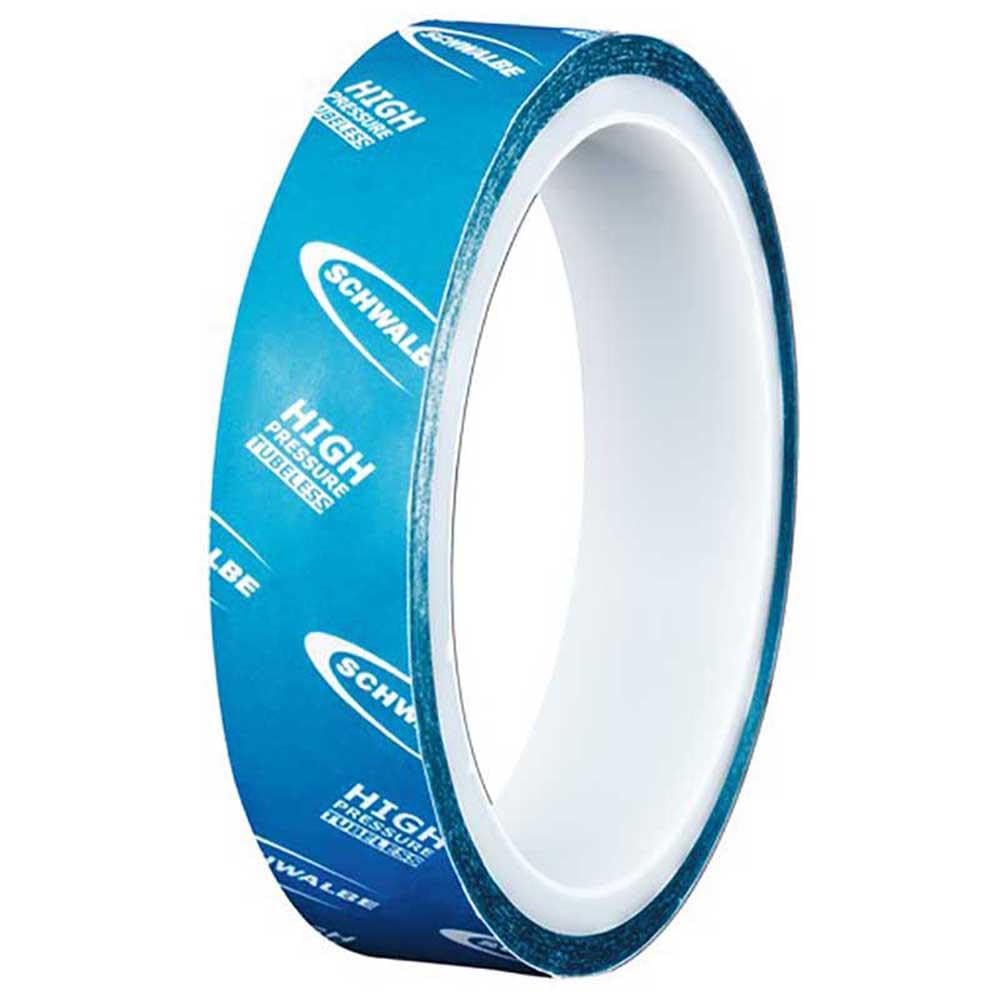
Schwalbe’s TL Rimtape is a rubber-based tubeless tape designed to seal the spoke bed on mountain bike and gravel wheels. The 21 mm width suits modern MTB rims with internal widths in the 20–22 mm range, and the 10-meter roll provides enough length for multiple wheelsets. Rubber tape offers a different feel than polyurethane or nylon options — it stretches less during installation but conforms tightly once pressure is applied.
International buyer feedback indicates that the tape holds air pressure reliably once properly seated, with several users noting that it withstands tire lever action without tearing. The adhesive is robust and flexible enough to handle the tensioning process, though some riders found the tape less elastic than they expected, making it harder to achieve a perfectly smooth lay-up on complex rim profiles. A few users mentioned long shipping times from overseas warehouses, so plan ahead if you need it quickly.
For riders who already trust Schwalbe tires and want a matched sealing system, this tape integrates well with their tubeless setup. The rubber material resists UV and ozone better than some polyurethane tapes, which can become brittle over time. It is a premium-priced option that delivers consistent results when installed with care.
What works
- Rubber formulation resists UV and ozone degradation better than some tapes
- Holds pressure reliably once seated, even with aggressive tire lever use
- 10-meter roll provides good coverage for multiple wheel sets
What doesn’t
- Less stretch than polyurethane tapes; harder to lay smoothly on deep rims
- Shipping delays reported for international orders; longer wait times possible
Hardware & Specs Guide
Cotton vs. Synthetic Rim Liners
Cotton liners (Velox, ZEfal) offer superior heat and pressure resistance, making them the best choice for high-mileage road wheels and heavy-loaded touring bikes. They resist creep and maintain coverage even after years of use. Synthetic tapes made from polyurethane (BUCKLOS) or rubber (Schwalbe) are lighter and seal better for tubeless setups, but they can degrade under UV exposure or become brittle in cold weather. PVC strips (GRAY) occupy a middle ground — they are lightweight and reusable but lack the puncture resistance of woven cotton.
Width Selection and Fit
Choosing the correct width is the single most common mistake when buying a rim liner. The liner should cover the entire spoke-bed channel without extending up the sidewalls. Measure the inner rim width between the bead hooks and select a liner 2–4 mm wider than that measurement. For example, a 19 mm internal width rim works best with a 21–23 mm tape. Using a liner that is too narrow exposes spoke holes; one that is too wide can cause the tube to pinch against the bead seat.
Adhesive vs. Non-Adhesive Designs
Adhesive tape (cotton or polyurethane) bonds directly to the rim and stays in place during tire changes, making it the preferred choice for tubeless setups and high-pressure tubes. Non-adhesive strips like the GRAY PVC liner rely on tension to stay put; they are easier to remove and reuse but can shift if the tire is pried off aggressively. For commuters and casual riders who do not change tires frequently, non-adhesive strips offer simplicity and repairability.
Tubeless Tape vs. Tube Rim Liners
Tubeless tape (BUCKLOS, Schwalbe) must create an airtight seal across the entire spoke bed, which requires a flexible, strongly adhesive material that can conform to rim contours without bubbles. Tube-type liners (Velox, ZEfal, GRAY) only need to protect the tube from spoke nipples and do not need to be airtight. Do not use non-adhesive PVC strips or standard cotton tape for tubeless conversions — they will leak air through the spoke holes. Stick to purpose-made tubeless tape for sealant-based setups.
FAQ
What width rim liner should I choose for my bike?
Can I reuse a rim liner after removing the tire?
Does rim liner material affect ride quality?
Final Thoughts: The Verdict
For most buyers, the best bike rim liner winner is the Velox Deluxe Cotton Rim Tape because it combines proven puncture resistance with high-pressure stability and easy installation in a two-pack that covers both wheels. If you want a reusable non-adhesive strip for classic clincher wheels, grab the GRAY Road Bike Clincher Rim Liner. And for a tubeless setup that needs a long versatile roll, nothing beats the BUCKLOS Tubeless Rim Tape for value and width options.

Certification: BSc in Mechanical Engineering
Education: Mechanical engineer
Lives In: 539 W Commerce St, Dallas, TX 75208, USA
Md Amir is an auto mechanic student and writer with over half a decade of experience in the automotive field. He has worked with top automotive brands such as Lexus, Quantum, and also owns two automotive blogs autocarneed.com and taxiwiz.com.