An ADV helmet must bridge two worlds: off-road ventilation and on-road aerodynamics. Too much peak drag and highway miles punish your neck; too little flow and singletrack climbs become a sauna. The wrong choice adds fatigue or compromises safety. Getting the balance right is the difference between a tool you forget you’re wearing and a liability you curse every time you saddle up.
I’m Amir — the founder and writer behind Four Wheel Ask. I’ve spent hundreds of hours comparing helmet shell constructions, impact liner densities, ventilation channel layouts, and owner-reported real‑world behavior across the adventure segment.
This guide focuses on nine helmets that span entry‑level value to premium carbon builds, scored on build quality, feature set, and long‑term owner feedback to help you pick the right best adv helmet for your riding style.
How To Choose The Best ADV Helmet
An adventure helmet needs to manage three conflicting demands: low weight for off‑road maneuverability, aerodynamic stability for highway cruising, and enough ventilation to dump heat during slow trail work. Every design decision is a trade‑off.
Shell Construction & Safety Certifications
Polycarbonate shells (common at entry‑level) offer decent impact resistance at a low weight penalty but can feel less refined over time. Fiberglass and carbon fiber shells reduce weight significantly and often carry better noise damping. The current gold standard is ECE 22.06, which adds oblique‑impact testing. Many helmets also carry DOT (FMVSS 218) or SNELL certification.
Ventilation & Shield Systems
ADV helmets typically have a peak visor that channels airflow when riding upright, but it can also create lift at speed. Look for adjustable peaks that can be raised or removed. A Pinlock‑ready shield prevents fogging during cold‑weather transitions. Modular designs offer flip‑up convenience but add weight and potential wind noise compared to fixed full‑face shells.
Fit, Weight & Noise Isolation
Weight directly affects neck fatigue during long days. A premium carbon helmet can shave over a pound compared to a budget polycarbonate option. Intermediate oval head shape is the most common for ADV helmets, but brands vary. Pay attention to cheek pad thickness and crown profile. Noise reduction depends on shield seal, chin curtain, and overall shell aerodynamics.
Quick Comparison
On smaller screens, swipe sideways to see the full table.
| Model | Category | Best For | Key Spec | Amazon |
|---|---|---|---|---|
| Bell MX-9 Adventure MIPS | Full Face | Best Overall | MIPS, polycarbonate, 3.75 lbs | Amazon |
| ScorpionEXO AT960 | Modular | Premium Modular | ECE 22.06, polycarbonate, drop‑sun visor | Amazon |
| KLIM Krios Pro | Full Face | Lightweight Carbon | Carbon fiber, Koroyd, 3.3 lbs | Amazon |
| LS2 Advant X | Modular | Tech‑Loaded Modular | KPA shell, 180° rotation, 1.6 kg | Amazon |
| Shoei RF-1400 | Full Face | Street‑Focused Premium | SNELL, fiberglass, 3.6 lbs | Amazon |
| Bell Super DH MIPS | Convertible | Trail/Enduro Hybrid | Flex Spherical+MIPS, removable chin bar | Amazon |
| Fox Racing V Core MIPS | Motocross | Budget Dirt Focus | MIPS, magnetic visor, 5 lbs | Amazon |
| ScorpionEXO AT950 | Modular | Cold Weather Modular | Dual pane shield, breath box | Amazon |
| ILM MF509 | Full Face | Value Dual Visor | DOT/ECE, Pinlock70, ABS shell | Amazon |
In‑Depth Reviews
1. Bell MX-9 Adventure MIPS

The Bell MX-9 Adventure MIPS strikes the best balance of off‑road readiness and highway comfort in this test group. Its polycarbonate shell keeps weight manageable at just under 4 pounds, while MIPS adds rotational impact protection at a price point where many competitors omit it. The adjustable peak works well with goggles and still cuts acceptable airflow for street riding.
Owner feedback consistently praises the MX-9’s secure fit and good ventilation across a range of head shapes. The large eye port accommodates most goggles without pressure points. Noise levels are moderate — better than pure motocross shells but not as quiet as premium touring lids. The chin curtain and breath box are optional but help reduce buffeting on highway pulls.
Where the MX-9 really earns its spot is versatility. It’s comfortable enough for a full day of mixed terrain, passes both DOT and ECE 22.05, and the price leaves budget for a good communication system or extra visors. The only consistent complaint is the shield mechanism feels slightly plasticky compared to more expensive options.
What works
- Excellent value for MIPS + adventure fit
- Good ventilation, works well with goggles
- Secure, confidence‑inspecting retention
What doesn’t
- Shield actuation feels less refined
- Wind noise rises above 65 mph
- Peak can lift at very high speeds
2. ScorpionEXO AT960 Modular Adventure

The AT960 is ScorpionEXO’s flagship modular ADV helmet, carrying the newer ECE 22.06 certification that requires oblique impact testing. The advanced polycarbonate shell is lightweight for a modular, and the aero‑tuned ventilation system includes a large top intake and dual‑position mouth vent. The retractable Speedview sun visor is a huge convenience for variable light conditions.
Real‑world reports highlight the AT960’s quiet interior compared to other modular ADV helmets — the chin curtain and breath deflector do a good job sealing out turbulence. The KwikWick liner is plush and easily removable for washing. Speaker pockets are generously sized for Bluetooth communicators. The flip‑up chin bar uses a single‑lever mechanism that operates smoothly with one hand, even with gloves on.
The removable external peak is a smart touch: take it off for long highway tours to reduce drag, then reattach for weekend trail work. The only notable drawback is that the shield latch can be stiff when new, and the overall shell is slightly wider than some riders prefer for off‑camber sections.
What works
- ECE 22.06 certified modern safety
- Very quiet for a modular
- Drop‑down sun visor works perfectly
What doesn’t
- New shields can be stiff to operate
- Wider shell profile catches crosswinds
- Peak removal requires tools
3. KLIM Krios Pro

The KLIM Krios Pro is the lightest helmet on this list thanks to a hand‑laid full carbon fiber shell. At around 3.3 pounds, it reduces neck fatigue dramatically over a full day of mixed riding. The Koroyd tubular impact structure crushes homogeneously to manage energy, and the FID‑LOCK strap system is fast and secure.
Owners who log serious miles appreciate the Krios Pro’s low‑noise environment by ADV standards. The included dark shield and clear shield handle day‑to‑night transitions, though there is no built‑in sun visor. Ventilation is ample without being drafty, and the chin vent directs air up to reduce shield fogging. The shell’s aerodynamic shaping minimizes buffeting even without the peak installed.
The premium price is justified for riders who prioritize weight and build quality above all else. The main trade‑off is that the internal EPS is not removable for washing (though the liner is). Also, the fit leans toward long‑oval head shapes, so riders with rounder heads should test before committing.
What works
- Extremely light — 3.3 lbs
- Koroyd offers unique energy management
- Competent aerodynamics for an ADV shell
What doesn’t
- Long‑oval fit not universal
- No built‑in sun visor
- Internal padding not fully removable
4. LS2 Advant X
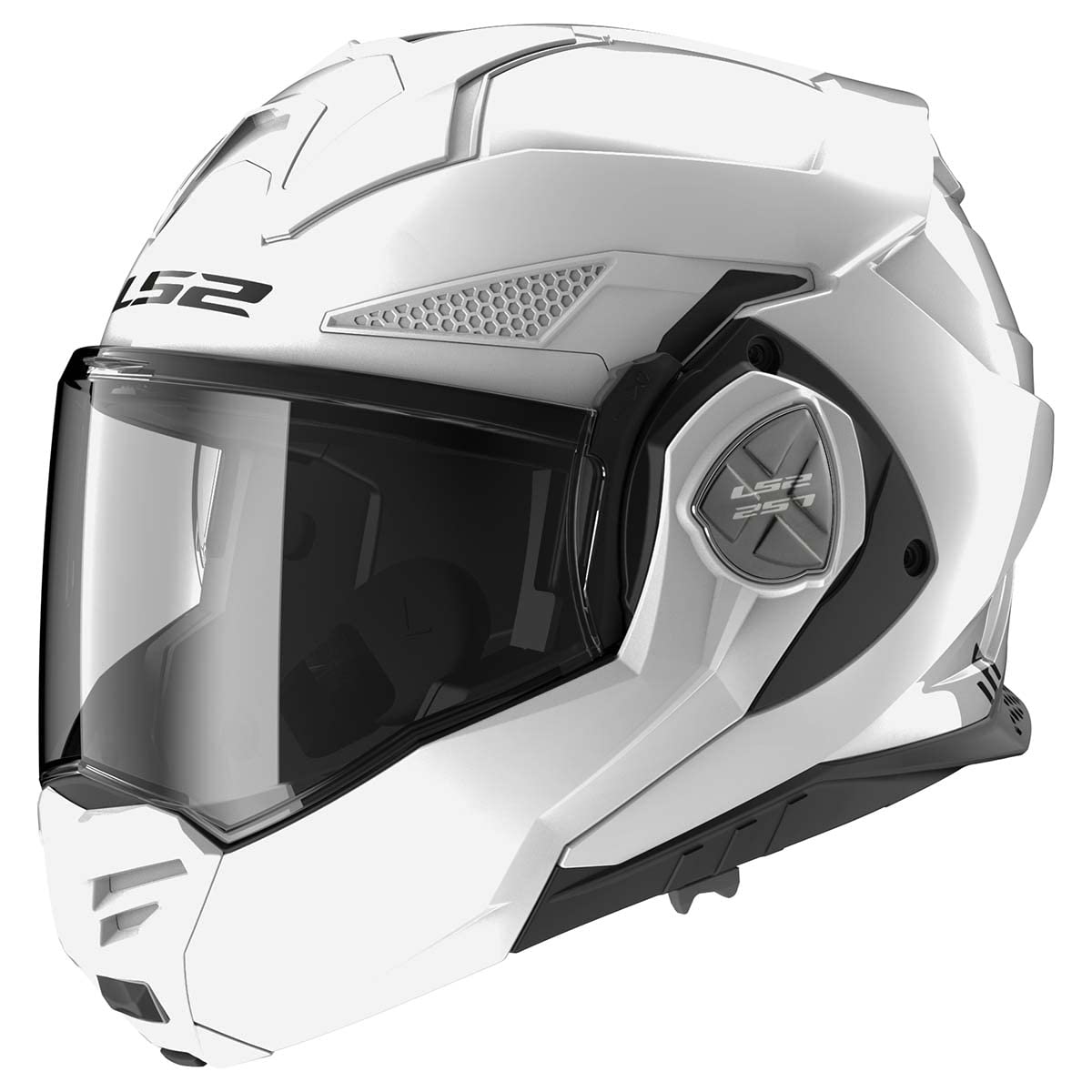
LS2’s Advant X redefines what a modular ADV helmet can do with a 180‑degree rotating chin bar that tucks out of the way behind the peak. This makes transitions between open‑face and full‑face modes extremely intuitive — and it passes both ECE 22.06 “P” and “J” certifications. The Kinetic Polymer Alloy (KPA) shell keeps weight around 1.6 kg, impressive for a modular.
The built‑in sun shield is operated by a slider on the left side, and the main shield includes a Pinlock Max insert right out of the box. LS2’s 3D laser‑cut cheek pads eliminate hot spots, and the emergency release system is a welcome safety detail. Ventilation is robust: two brow vents, a top vent, and a large exhaust channel at the back.
Rider feedback emphasizes the Advant X’s versatility: you can flip the chin bar up for slow technical sections or stops, then lock it back for highway cruising. The only common complaints are that the rotating mechanism adds slight side‑to‑side heft, and the sizing runs small — most buyers need to go one size up from the chart.
What works
- Unique 180° rotation for quick mode change
- Pinlock included, excellent anti‑fog
- Good weight for a modular ADV
What doesn’t
- Size up one from chart
- Rotating mechanism adds slight bulk
- Not all visors available aftermarket
5. Shoei RF-1400

The Shoei RF-1400 is a full‑face street helmet that many ADV riders use for long distance touring due to its exceptional aerodynamics and low noise. The multi‑ply fiberglass shell is Shoei’s lightest SNELL‑approved design, and the CWR‑F2 shield with center lock mechanism provides an airtight seal. Six shell sizes and five EPS densities ensure a nearly custom fit.
Owner reports consistently rank the RF-1400 as the quietest helmet in its class, thanks to advanced wind-tunnel shaping and new window beading. Ventilation is effective without being overpowering, and the dual‑stage top vent can be easily operated with gloves. The included Pinlock EVO lens keeps the shield clear in wet conditions.
This helmet is ideal for the street‑biased ADV rider who spends 80% of their time on pavement and values noise isolation and long‑term durability. The fit is intermediate oval, which suits many riders. The downside for pure adventure use is the lack of a peak and more restricted peripheral vision compared to true ADV shells.
What works
- Excellent noise reduction
- Lightweight SNELL certification
- Superb shield and vent quality
What doesn’t
- No peak — not suited for off‑road
- Less goggle‑friendly than ADV models
- Premium price with no MIPS
6. Bell Super DH MIPS
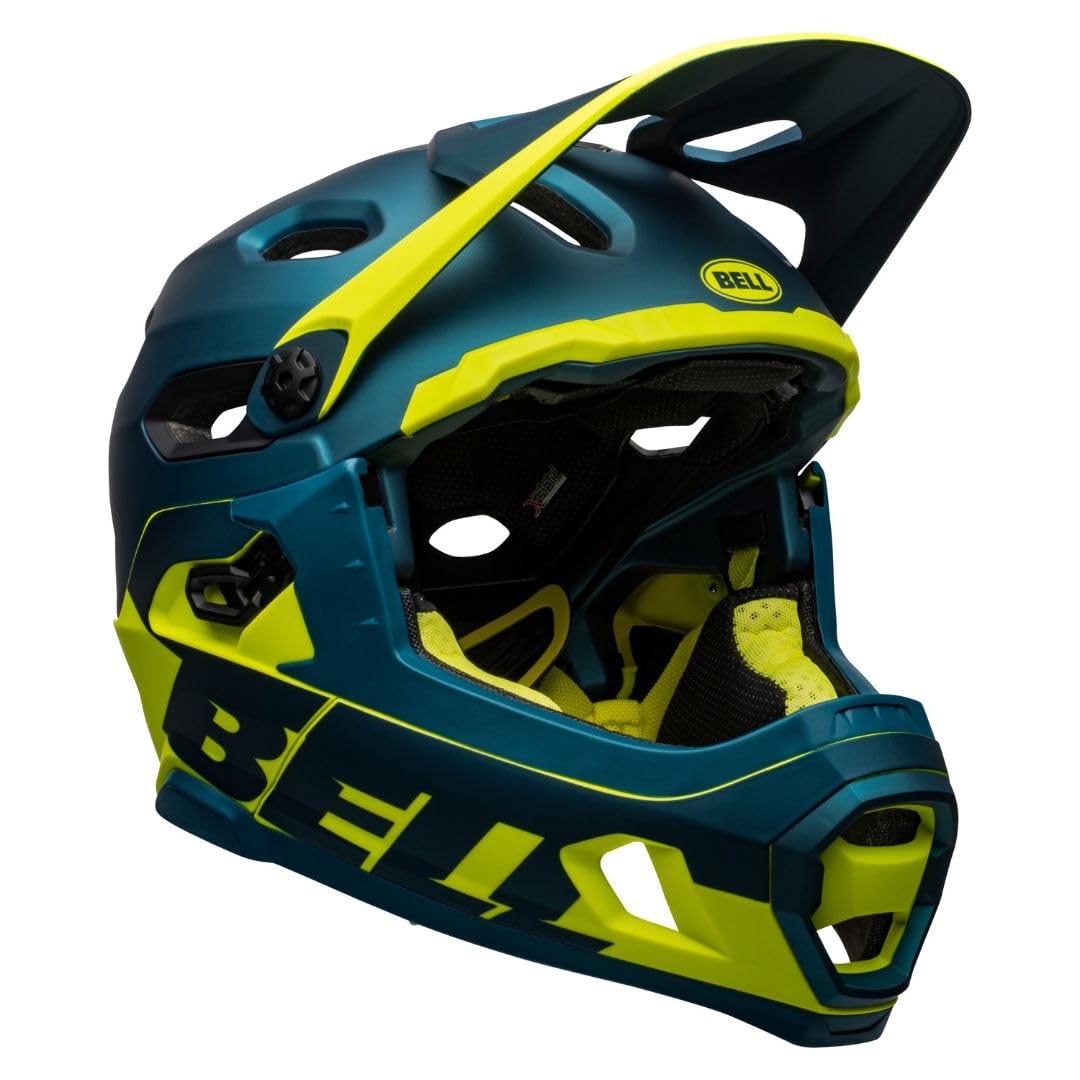
The Bell Super DH MIPS blurs the line between full‑face and open‑face with a removable chin bar that requires no tools. Flex Spherical+MIPS combines two layers of foam that rotate independently to address rotational impacts while still handling low‑speed and high‑speed crashes. The Float Fit DH system with Fidlock buckle makes adjustment quick and secure.
This helmet is built for trail and enduro but has found a following among light ADV riders who want the ability to remove the chin bar for hot climbs. The 19 vents, plus overbrow intake, deliver serious airflow. GoggleGuide visor system works with or without the visor, and the integrated breakaway camera mount is a nice touch for GoPro users.
Fit is intermediate oval with generous cheek pad options. The chin bar is protective but adds front weight when installed. Riders report that the DH shell is slightly heavier than pure ADV options, and the lack of a clear shield (goggle‑optimized) means you’ll need a separate anti‑fog setup for wet roads.
What works
- Quick chin bar conversion
- Excellent ventilation
- Flex Spherical+MIPS is state‑of‑the‑art
What doesn’t
- No face shield included
- Heavier than competing full‑face ADV
- Not optimized for street aerodynamics
7. Fox Racing V Core MIPS

Fox Racing’s V Core MIPS brings the brand’s motocross expertise into an affordable package with both DOT and the newer ECE 22.06 certification. The injection‑molded polycarbonate/ABS shell is light for its class, and the magnetic visor release is a safety feature that reduces neck loading in a crash. MIPS integration is seamless.
With nine intake and four exhaust vents, this helmet flows air aggressively — great for hot, aggressive riding but less ideal for cold days. The double‑ring closure is traditional and secure. Owner feedback highlights the comfortable fit for round‑oval heads and the excellent field of view through the large eye port.
This is a pure off‑road/motocross helmet, not an ADV lid. It lacks a shield, so you must wear goggles. For ADV riders who already have goggles and want a budget‑friendly MIPS helmet for the dirt half of their rides, it works. But for mixed riding, it’s limited due to the lack of a face shield and high wind noise at speed.
What works
- Affordable MIPS + ECE 22.06
- Great ventilation for riding hard
- Magnetic visor release for safety
What doesn’t
- No face shield — goggles required
- High wind noise on pavement
- Not comfortable for all‑day street
8. ScorpionEXO AT950 Cold Weather Modular

The ScorpionEXO AT950 is a modular ADV helmet that packs a dual‑pane shield and breath box to combat cold and fogging, making it a favorite for snowmobile cross‑use or late‑fall adventure rides. The advanced polycarbonate shell is both DOT and ECE approved, and the drop‑down sun visor adds day‑to‑night flexibility.
Owner reviews note that the AT950 is relatively quiet for an ADV modular when the shield is fully closed. The breath box effectively directs exhaled air downward, preventing fog even in near‑freezing temperatures. The shield system uses the same Everclear anti‑scratch coating as the AT960, and the KwikWick liner is easy to maintain.
The flip‑up chin bar isn’t as smooth as the newer AT960, and the overall weight is on the higher side. However, at a very competitive price point, the AT950 offers exceptional cold‑weather performance and modular convenience for the budget‑conscious ADV rider.
What works
- Excellent cold/fog management
- Drop‑down sun visor included
- Affordable modular entry
What doesn’t
- Heavier than newer modulars
- Flip‑up operation is a bit stiff
- Peak is less adjustable
9. ILM MF509

The ILM MF509 is a value‑driven full‑face helmet that wears dual‑role as a street‑oriented ADV option thanks to its dual visor system (clear + tinted) and included Pinlock70 anti‑fog insert. The ABS shell with EPS liner meets both DOT and ECE standards, and the Italian design gives it a distinctive, aggressive look. Two sets of interior headliner pads let riders dial in fit.
Riders on a tight budget appreciate the MF509’s reasonable weight and the included tinted visor, which eliminates the need to buy a separate dark shield. Ventilation is decent with multiple intake and exhaust ports; the flow is enough for commuting but trails behind dedicated ADV helmets in hot weather. The micro‑ratchet buckle is convenient.
The main compromises are lower overall noise isolation — wind noise becomes prominent above 60 mph — and less premium shield sealing. The fit is intermediate oval but can feel snug in the crown for some. For the price, it’s a perfectly functional helmet for light adventure riding and daily commuting, but serious off‑road or all‑day touring riders will want to invest more.
What works
- Very affordable with dual visors
- Pinlock70 included for anti‑fog
- DOT and ECE certified
What doesn’t
- Noisy at highway speeds
- Shield lock could be sturdier
- Ventilation limited for hot work
Hardware & Specs Guide
Shell Materials & Impact Absorption
ADV helmets use three main shell types: polycarbonate (budget to mid‑range), fiberglass composite (mid to premium), and carbon fiber (top tier). Polycarbonate is durable and affordable but heavier. Fiberglass offers better weight and damping. Carbon fiber is the lightest, often paired with advanced foams like Koroyd or multi‑density EPS. MIPS (Multi‑Directional Impact Protection System) is now common and reduces rotational forces. Some helmets also carry ECE 22.06, which mandates oblique impact testing.
Ventilation & Shield Technology
Look for adjustable brow vents, chin vent, and top vent that close fully. Exhaust vents at the rear extract hot air. Pinlock‑ready shields prevent fogging; some helmets include the Pinlock insert. Drop‑down sun visors are popular in modular helmets but add weight. Peaks (visors) should be adjustable or removable to reduce lift at speed. The quality of the shield seal directly affects wind noise and water ingress.
Weight & Fit Considerations
Weight directly impacts neck fatigue. A premium carbon ADV helmet can weigh around 3.3 lbs, while budget modulars can exceed 4.5 lbs. Most ADV helmets fit an intermediate oval head shape, but brand‑specific variations exist. Cheek pads and crown padding are often available in different thicknesses. Emergency release cheek pad systems are a safety feature to look for.
Closure Systems & Communication Readiness
Double‑D rings are the most secure but less convenient. Fidlock magnetic buckles are quick and easy with gloves. Micro‑ratchet systems offer a good compromise. For Bluetooth intercoms, check for speaker pockets (typically 40‑50 mm) and enough room in the chin bar for a microphone. Some helmets have recessed areas for speakers to avoid pressure points.
FAQ
What does ECE 22.06 mean for an ADV helmet?
Can I use a motocross helmet for adventure riding?
Should I choose a modular or full‑face ADV helmet?
How important is MIPS in an ADV helmet?
What size should I buy if I’m between sizes?
Final Thoughts: The Verdict
For most buyers, the best adv helmet winner is the Bell MX-9 Adventure MIPS because it delivers MIPS, good ventilation, and versatile fit at a fair price without sacrificing safety certifications. If you want the premium modular experience with the latest safety tech, grab the ScorpionEXO AT960. And for riders who prioritize minimum weight and maximum build quality, nothing beats the KLIM Krios Pro.

Certification: BSc in Mechanical Engineering
Education: Mechanical engineer
Lives In: 539 W Commerce St, Dallas, TX 75208, USA
Md Amir is an auto mechanic student and writer with over half a decade of experience in the automotive field. He has worked with top automotive brands such as Lexus, Quantum, and also owns two automotive blogs autocarneed.com and taxiwiz.com.