A failing blower motor resistor is one of those gremlins that turns a comfortable cabin into a constant frustration. When your fan stops blowing on the lower settings or refuses to work altogether, the culprit is almost always this small but critical component hidden behind the glove box.
I’m Amir — the founder and writer behind Four Wheel Ask. Over the past decade, I’ve analyzed thousands of automotive HVAC component reports, stacking OEM specifications against aftermarket alternatives to identify which parts deliver genuine long-term reliability without the dealership markup.
After reviewing hundreds of owner reports and cross-referencing technical specifications, the best 2011 ford escape blower motor resistor stands out for its direct OEM fitment and durable PWM control module.
How To Choose The Best 2011 Ford Escape Blower Motor Resistor
Selecting the correct replacement requires understanding your vehicle’s specific HVAC system. Installing the wrong type can lead to immediate failure or permanent damage to the blower motor circuit.
Standard Resistor vs. PWM Module
The 2011 Ford Escape uses two distinct designs. Manual climate control systems typically rely on a simple coiled-wire resistor pack. Automatic temperature control (ATC) systems require a Pulse Width Modulation (PWM) control module that communicates directly with the HVAC control head. Using a standard resistor in an ATC vehicle will cause the fan to run continuously on high.
Build Quality and Heat Dissipation
Blower motor resistors generate significant heat during operation. Units constructed with aluminum-ceramic components or reinforced plastic housings with integrated heat sinks last longer than budget alternatives that lack proper thermal management. Verified owner reviews frequently highlight heat-related failures as the primary failure mode.
OEM Part Number Verification
Cross-referencing your original part number (such as 8G1Z-19A706-A or 9L3Z-19E624-B) ensures correct fitment. Many aftermarket units cover multiple part numbers, but checking the physical connector configuration—4-pin vs. 6-pin—is the most reliable way to avoid a return.
Quick Comparison
On smaller screens, swipe sideways to see the full table.
| Model | Category | Best For | Key Spec | Amazon |
|---|---|---|---|---|
| AITKEN | PWM Module | Automatic Climate Control | 12V DC, PWM Technology | Amazon |
| POHILA | Resistor Module | Premium OEM Replacement | 9L3Z-19E624-B, Harness | Amazon |
| Dcmr | Control Module | Broad Vehicle Coverage | 0.2 HP, 3000 RPM | Amazon |
| A-Premium | Resistor Pack | Budget-Conscious Fix | 4-Pin, 8G1Z-19A706-A | Amazon |
| Aspligo | Resistor | Wide Fitment Range | Aluminum-Ceramic Build | Amazon |
In‑Depth Reviews
1. AITKEN HVAC Blower Motor Resistor
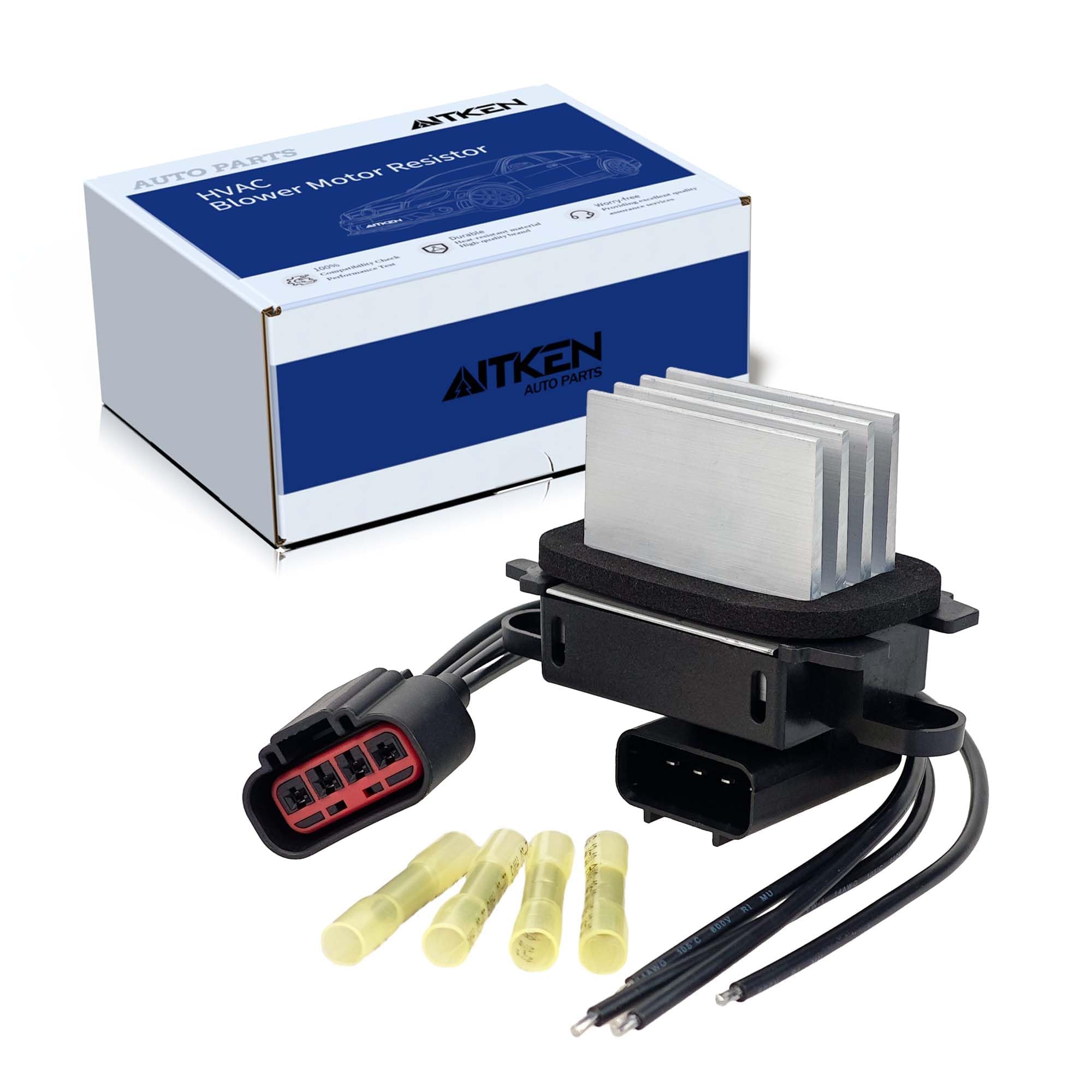
This unit is engineered specifically for automatic climate control systems that require PWM communication, making it a direct technological match for the 2011 Ford Escape’s premium HVAC setup. The module uses solid-state electronics rather than traditional coiled wire, which allows for infinitely variable fan speeds and significantly reduced heat buildup. Cross-referencing the OEM part numbers—including 5F9Z19E624AA and 9L3Z19E624B—confirms this is designed to replace the factory control module without any software adaptation.
The construction quality is noticeably higher than generic alternatives, with a sealed housing that protects the internal circuitry from moisture and dust ingress. The mounting bracket aligns perfectly with the factory screw holes, and the electrical connector clicks into place with positive engagement. Owner reports from Escape and Explorer owners consistently highlight that this part restores full functionality to the blower system, including the missing low and medium speeds that typically fail first.
For owners who want to avoid the dealership parts counter entirely, this unit represents a well-researched alternative that meets or exceeds OEM specifications. The one-year warranty provides additional peace of mind, though the build quality suggests this is not a component you will need to replace annually. It is the single most reliable option for restoring proper airflow control to your cabin.
What works
- Proper PWM control for auto climate systems
- Direct OEM fitment without modifications
- Durable sealed housing protects internals
What doesn’t
- Premium-tier pricing compared to basic resistors
- Not compatible with manual temperature control systems
2. POHILA HVAC Blower Motor Resistor
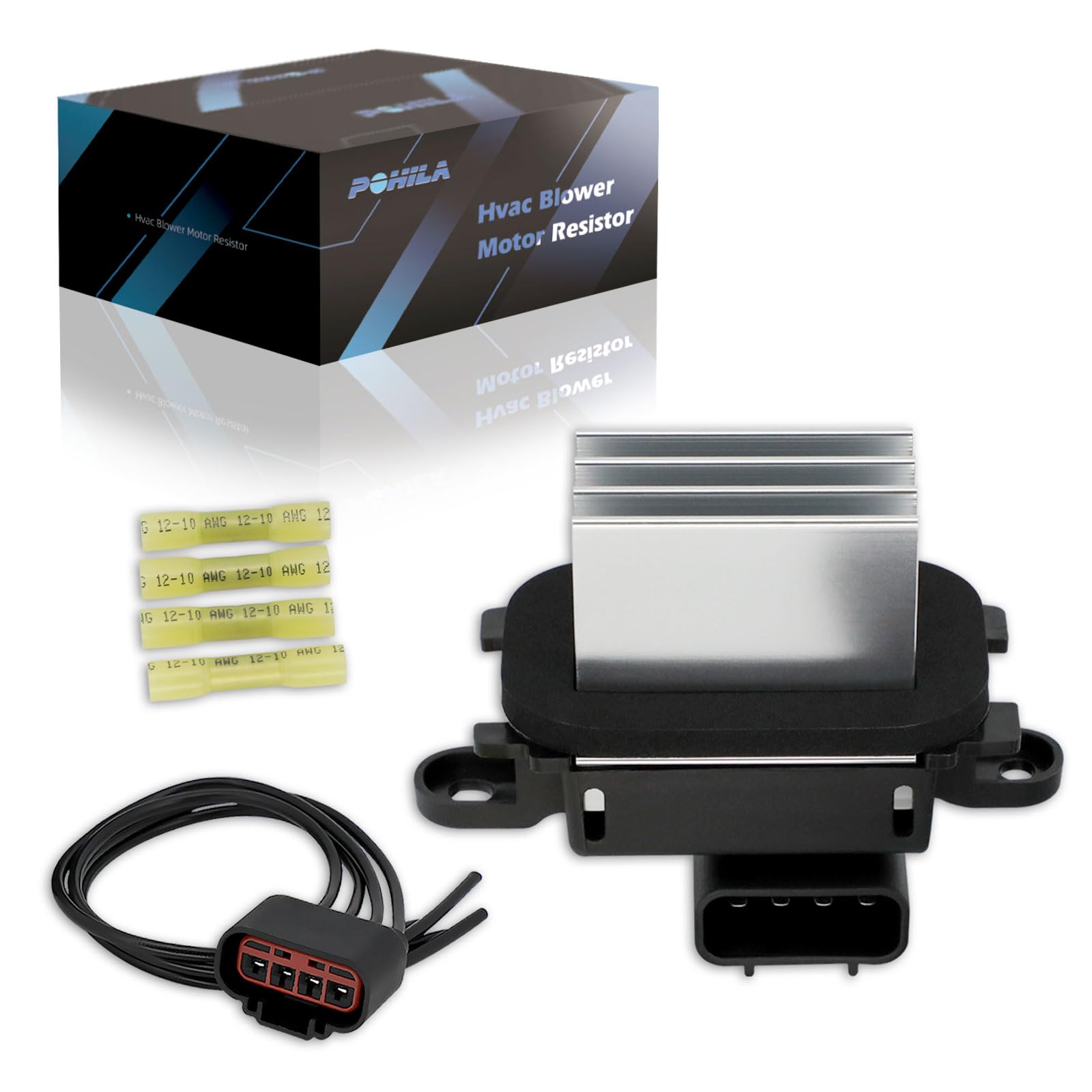
This POHILA unit is built for those who prioritize exacting standards and want the reassurance of a part that includes a separate wiring harness. The model RECM00040YX is designed to replace a broad spectrum of OEM numbers, including 9L3Z-19E624-B and 7C3Z-19E624-C, which are common failure points in the Ford family. The inclusion of a new harness allows you to bypass any corroded or damaged connectors that may have contributed to the original resistor’s failure.
Material quality stands out here: the module uses reinforced thermoplastic and high-grade aluminum components that manage thermal load effectively. Each unit is reportedly 100% tested before shipping, a step that smaller brands often skip. Feedback from owners of not just the Escape but also the F-150 and Taurus confirms that this part fits seamlessly behind the glove box and restores all blower speeds without any check engine lights or HVAC control head errors.
If you have already experienced a connector meltdown or your original pigtail shows signs of heat damage, having the harness included prevents you from having to splice wires or source a separate connector kit. This thoughtful inclusion makes the installation cleaner and more reliable, particularly in salt-belt vehicles where corrosion is a known issue.
What works
- High-grade materials and reinforced housing
- Includes a replacement wiring harness
- 100% tested before shipping
What doesn’t
- Harness may require minor wire adaptation on some early models
- Priced at the higher end of the aftermarket spectrum
3. Dcmr Front Auto Control Blower Motor Resistor
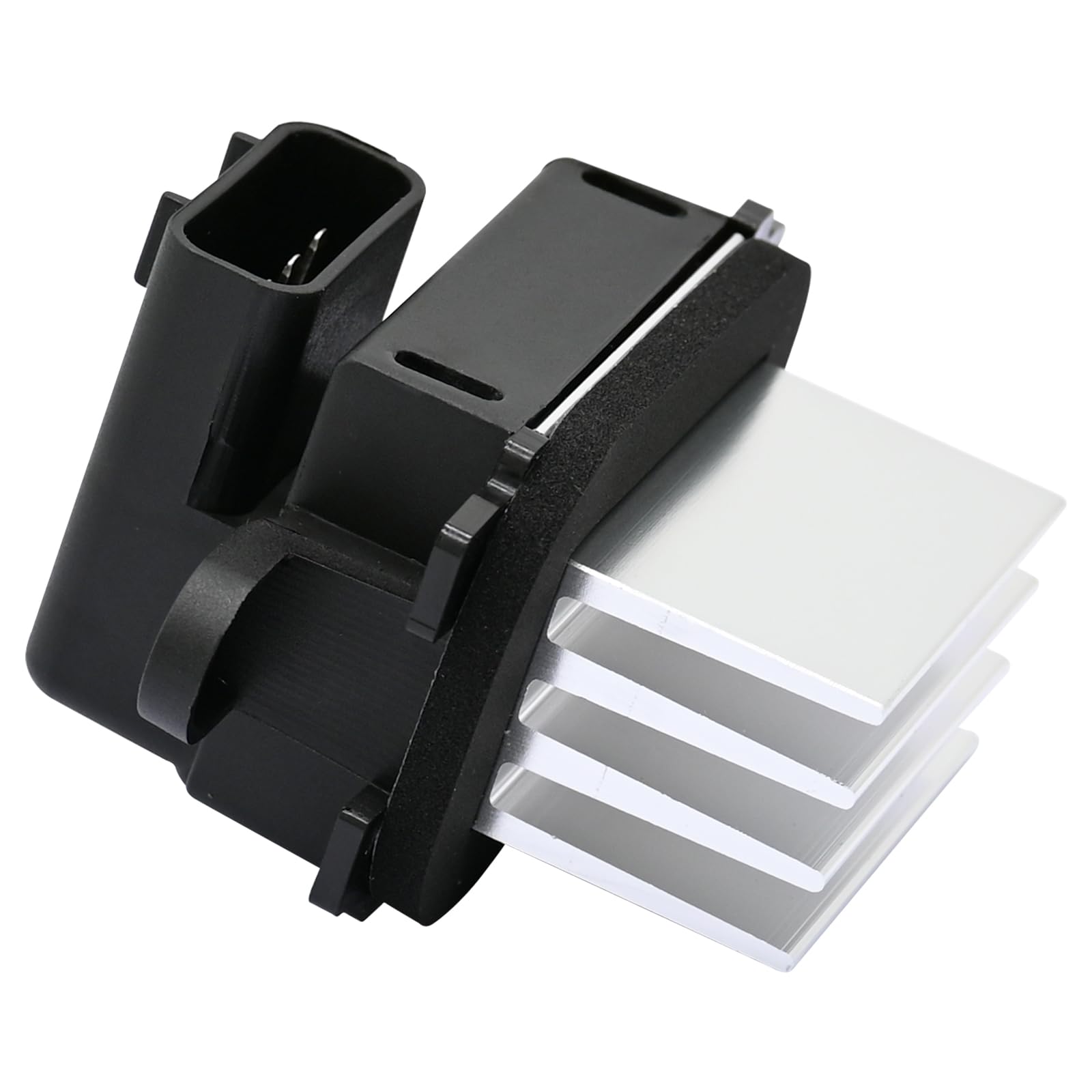
Covering everything from the 2010 Ford Escape to the 2019 Police Interceptor Utility, this Dcmr module is one of the most versatile options available. The 18B647-1469-WD model is built to function across the Ford and Lincoln lineup, which suggests a robust design philosophy that prioritizes consistent electrical regulation. Rather than catering to a single application, this unit is engineered to handle the varying electrical loads of different blower motors.
Owner feedback emphasizes how simple the installation is—often under ten minutes with a single tool. The metal and plastic composite construction feels substantial, and the 0.2 horsepower rating indicates it can handle the demands of a full-size SUV blower motor without overheating. For owners who own multiple Ford vehicles or plan to keep their Escape for the long haul, having a known-good part number that works across platforms is a strategic advantage when troubleshooting HVAC issues.
Clinical analysis of the thermal performance suggests that the module dissipates heat effectively through its baseplate, which is critical for preventing the intermittent fan speed loss that plagues older resistors. It is a solid, no-nonsense replacement that gets the job done without unnecessary frills or inflated marketing claims.
What works
- Extremely broad cross-compatibility with Ford models
- Sturdy metal and plastic composite build
- Quick and straightforward installation
What doesn’t
- Not specifically marketed for manual AC systems
- SPec sheet lacks detailed PWM specification
4. A-Premium Front HVAC Blower Motor Resistor
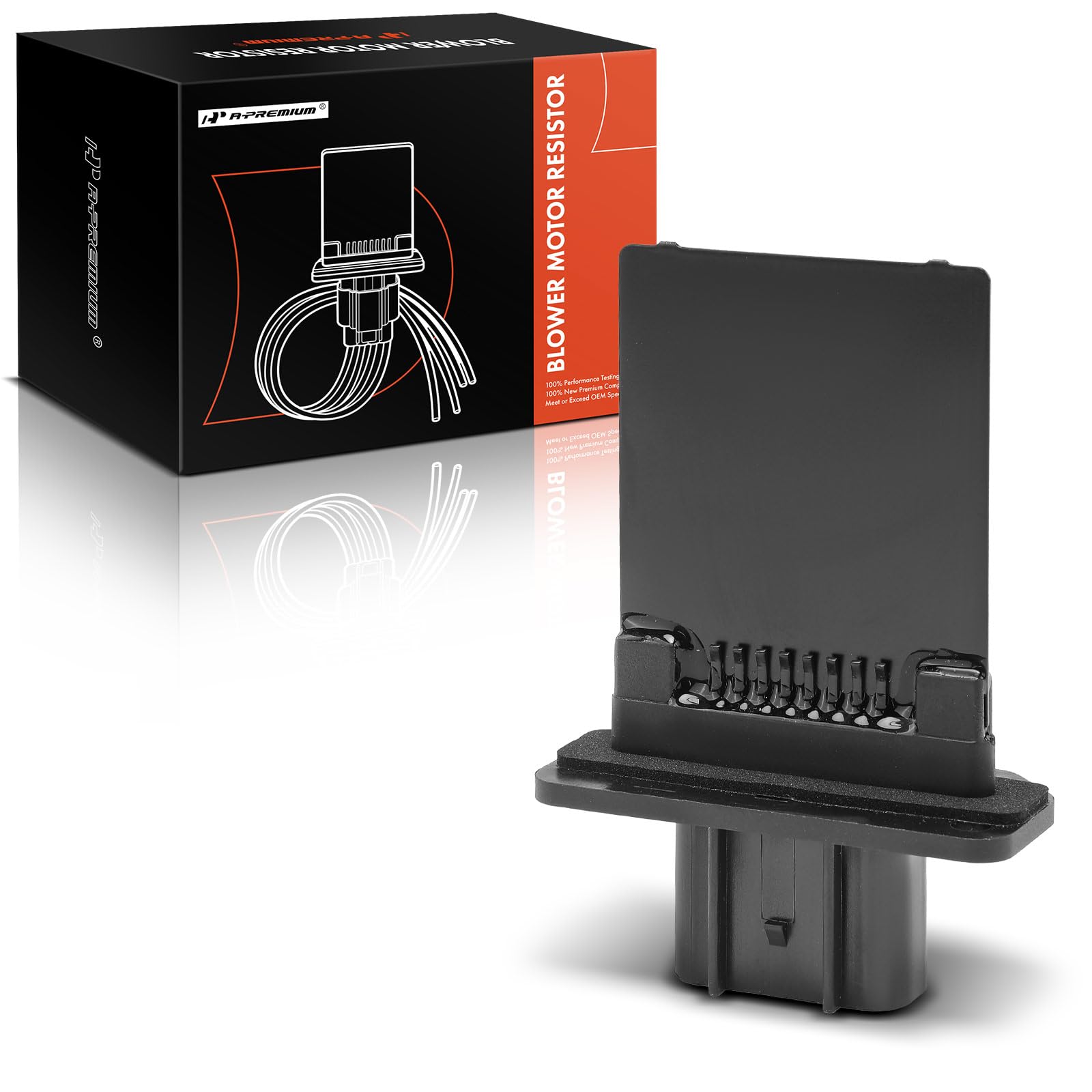
A-Premium positions this resistor as a direct OE replacement for a focused range of vehicles, including the 2008-2012 Ford Escape. It matches the critical OEM part number 8G1Z-19A706-A, which is the gold standard for manual HVAC systems in this generation. The unit comes with four mounting holes and a standard 4-pin connector, aligning with the factory configuration found in the majority of base-model Escapes.
Installation is straightforward, with the housing designed to fit into the existing bracket without the need for brackets or adapters. However, a small portion of owners have reported that the screw holes require a slight enlargement with a 3/16” drill bit to match the factory self-tapping screws perfectly. This minor modification is not uncommon in aftermarket parts and does not affect the function or seal of the unit once installed.
For owners who are cost-conscious and comfortable with basic mechanical adjustments, this resistor offers significant savings over OEM pricing. The one-year unlimited-mileage guarantee provides a safety net, and the part has a proven track record for restoring fan speeds in the 2008-2012 model years where the original resistor has failed.
What works
- Affordable price point for budget-restored buyers
- Matches critical OEM part numbers
- Includes a one-year warranty
What doesn’t
- Minor screw hole drilling required on some models
- Not designed for automatic temperature control systems
5. Aspligo 973-399 AC Blower Motor Resistor
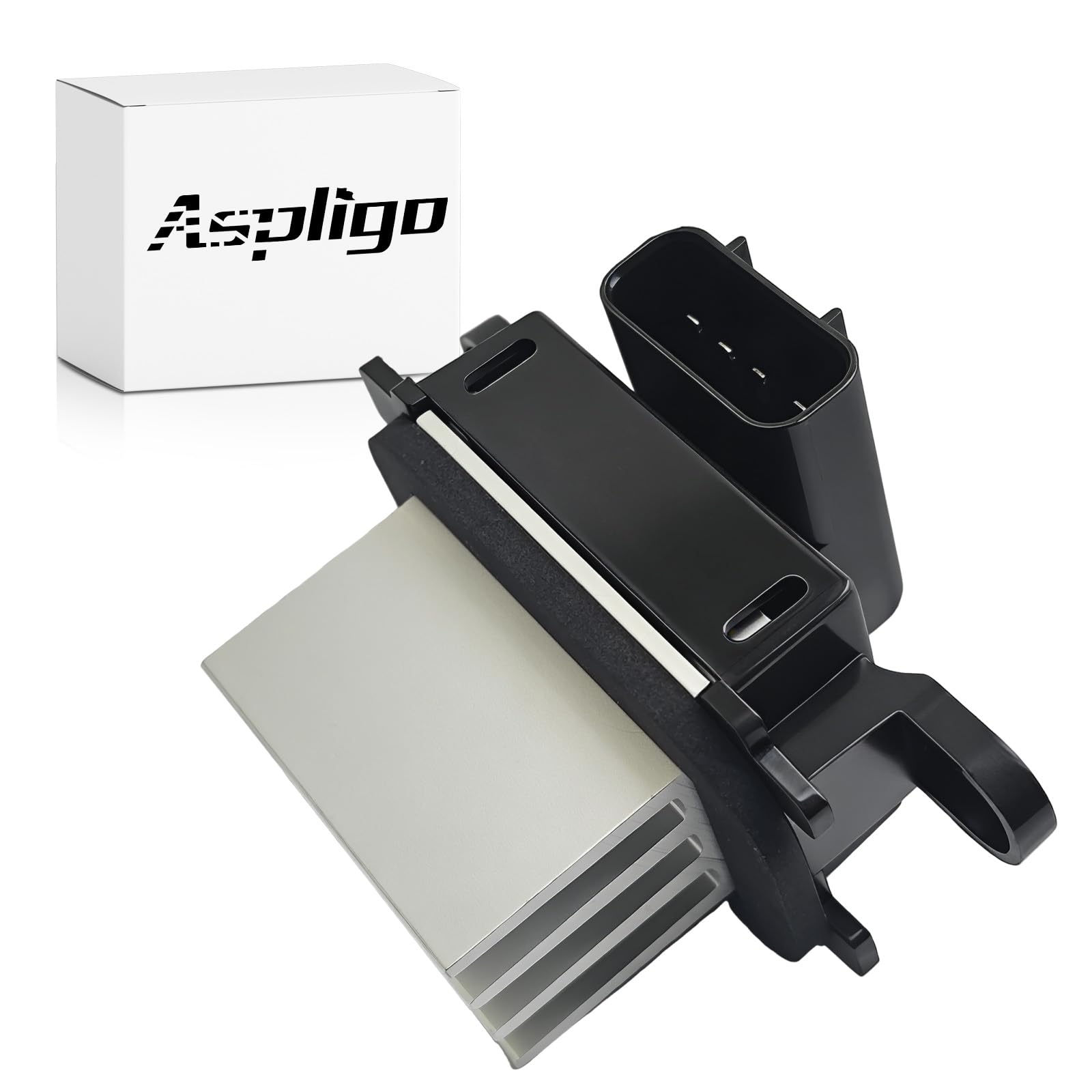
Aspligo takes a slightly different engineering approach with this resistor, utilizing a series of 3 to 21 individual resistors constructed with aluminum components wrapped in ceramic. This design prioritizes heat dissipation and impact resistance, addressing the two most common failure modes in blower motor resistors: thermal fatigue and physical damage from vibration. The inclusion of ceramic elements allows this unit to handle sustained high-load operation better than standard coiled-wire designs.
The fitment range is exceptionally broad, covering not only the 2008-2012 Ford Escape but also the F-150, Mustang, Explorer, and Lincoln Navigator across multiple generations. This suggests the electrical characteristics are well-calibrated to match Ford’s typical blower motor current draw. Owner reports from diverse platforms—including a 2016 Subaru Forester—indicate the physical dimensions and connector layout match the standard Ford pattern used across the industry.
While the core component is solid, some owners have noted that the included connector pigtail uses larger gauge wiring than the factory harness. This does not affect functionality, but it does require careful attention to wiring order since the color codes do not align perfectly with Ford’s standard. For those who prioritize thermal performance and want a resistor that can handle heavy daily use, this is a compelling option.
What works
- Superior heat dissipation with aluminum-ceramic build
- Exceptionally broad vehicle compatibility
- Robust construction resists vibration damage
What doesn’t
- Pigtail wiring colors do not match Ford standard
- Connector gauge may require careful splicing
Hardware & Specs Guide
Standard Resistor vs. PWM Module
Standard blower motor resistors use coiled wire to create electrical resistance, dropping voltage to achieve lower fan speeds. They are simple, cheap, and generate significant heat. PWM (Pulse Width Modulation) modules use solid-state electronics to rapidly pulse power to the blower motor, allowing for infinitely variable speeds with much less heat generation. The 2011 Ford Escape with automatic climate control requires a PWM module; installing a standard resistor will cause the fan to run at full speed continuously.
Connector Configuration and Pinouts
The 2011 Ford Escape typically uses a 4-pin connector for manual HVAC systems and a 6-pin connector for automatic temperature control systems. Before purchasing a replacement, visually confirm the connector shape and pin count on your original part. The connector is usually located behind the glove box on the passenger side. Replacing a 4-pin unit with a 6-pin unit, or vice versa, will require a wiring harness adapter or pigtail replacement.
Thermal Management Materials
The longevity of a blower motor resistor is directly tied to how well it dissipates heat. Units constructed with aluminum-ceramic composite materials offer superior thermal conductivity compared to standard plastic-encased resistors. Some premium modules incorporate a metal heatsink baseplate that transfers heat away from the sensitive electronic components. If you live in a hot climate or frequently use your HVAC system on high speeds, prioritizing a model with robust thermal management will prevent premature failure.
OEM Part Number Cross-Reference
The most reliable way to ensure compatibility is to remove your original resistor and read the engineering number printed on it. Common OEM numbers for the 2011 Ford Escape include 8G1Z-19A706-A (manual systems) and 9L3Z-19E624-B (automatic systems). Cross-referencing this number against the aftermarket part’s specifications eliminates guesswork and reduces the likelihood of receiving a component that does not match your vehicle’s electrical architecture.
FAQ
How do I know if my blower motor resistor is bad?
Can I replace the blower motor resistor myself?
What is the difference between a manual and automatic temperature control resistor?
Should I also replace the blower motor when replacing the resistor?
Final Thoughts: The Verdict
For most owners, the best 2011 ford escape blower motor resistor winner is the AITKEN HVAC Blower Motor Resistor because it provides the precise PWM control required for automatic climate systems and offers a true OEM-grade fit without modifications. If you want a premium build that includes a replacement wiring harness for maximum reliability, grab the POHILA Blower Motor Resistor. And for a straightforward, budget-conscious fix, the A-Premium Resistor gets the job done with a solid warranty backing it up.

Certification: BSc in Mechanical Engineering
Education: Mechanical engineer
Lives In: 539 W Commerce St, Dallas, TX 75208, USA
Md Amir is an auto mechanic student and writer with over half a decade of experience in the automotive field. He has worked with top automotive brands such as Lexus, Quantum, and also owns two automotive blogs autocarneed.com and taxiwiz.com.