A dirt bike crash at 30 mph transfers enough energy to shatter a non-rated shin bone through a pair of jeans. The wrong helmet can turn a low-side slide into a traumatic brain injury. The line between a day of roost and a trip to the ER is drawn entirely by the quality of your gear—the boots, the jersey and pant combo, the helmet with rotational impact protection, and the body armor that stays put when the bike lands on you. Choosing this equipment is a decision riders cannot afford to get wrong.
I’m Amir — the founder and writer behind Four Wheel Ask. I spend my time digging into off-road safety certification standards, comparing abrasion resistance across textile blends, and cross-referencing real owner reports on impact protection and long-term durability.
Whether you’re hitting motocross nationals or single-track after work, the right setup keeps you riding another day. This guide breaks down the top picks for gear for dirt bikes based on real protection specs and verified rider feedback.
How To Choose The Best Gear For Dirt Bikes
Building a dirt bike kit means balancing impact protection, abrasion resistance, and comfort across a range of riding conditions. The wrong choice in any layer—from the helmet down to the boots—can compromise safety or make a day on the trail miserable. Focus on the specs that actually prevent injury, not marketing claims.
Helmet Certification and Fit System
A dirt bike helmet must carry at least DOT certification, but ECE 22.06 provides a more rigorous test regimen that includes rotational impact testing. Look for models with MIPS (Multi-directional Impact Protection System) to reduce rotational forces on the brain during angled falls. A double-ring closure system offers the most secure fit, and multi-density EPS foam in multiple shell sizes ensures the helmet matches your head shape without pressure points.
Boot Stiffness and Protection Zones
Motocross boots are defined by their lateral stiffness and the height of the shin plate. A boot that flexes easily under side load offers less ankle and tibia protection during a foot-plant crash. Look for a hinged ankle design or a full-length inner brace that allows forward flex for shifting but locks out lateral twisting. Leather microfiber uppers provide better abrasion resistance than synthetic textile panels, and replaceable sole and buckle systems extend the boot’s usable life significantly on rocky terrain.
Protection Jacket and Armor Coverage
A motocross protection jacket should cover the shoulders, elbows, chest, and back with CE-certified armor. Level 1 armor is standard for trail riding, while Level 2 offers higher impact absorption for aggressive track use. The jacket must stay in place during a slide—look for a harness-style fit with adjustable straps that keep the armor panels positioned correctly over your joints. Mesh construction is essential for airflow in hot weather, but the mesh must be ripstop-grade to survive a brush with branches or a slide on gravel.
Quick Comparison
On smaller screens, swipe sideways to see the full table.
| Model | Category | Best For | Key Spec | Amazon |
|---|---|---|---|---|
| Fox Racing V Core MIPS Helmet | Helmet | Dual-sport and track use | MIPS + DOT/ECE 22.06 | Amazon |
| SiDI CROSSFIRE 3 Boots | Boots | Technical enduro and rock riding | Replaceable hinge + Flex System | Amazon |
| Alpinestars Bionic Action V2 Jacket | Armor | Warm-weather trail protection | CE Level 1 armor + mesh chassis | Amazon |
| Gaerne Fastback Boots | Boots | Wide-foot and large-calf riders | Adjustable calf + full shin plate | Amazon |
| Alpinestars Tech 3 Enduro Boots | Boots | Entry-level motocross | Waterproof + CE-certified | Amazon |
| O’Neal Sierra PRO WP Boot | Boots | Adventure and light off-road | Waterproof membrane + comfort | Amazon |
| Fly Racing Kinetic Center Set | Jersey/Pant | All-day ride comfort | Adjustable waist + padded hip | Amazon |
| Fox Racing Comp Boots | Boots | Budget-friendly motocross | Thick outer shell + firm fit | Amazon |
| Havoc Racing Frameless Goggles | Goggles | Fog-free vision in mud and dust | Magnetic lens + UV blocking | Amazon |
In‑Depth Reviews
1. Fox Racing V Core MIPS Motocross Helmet

The Fox Racing V Core MIPS helmet brings premium-level safety features to a price point that undercuts many competitors. It carries both DOT FMVSS 218 and ECE 22.06 certification, meaning it passes the rigorous European rotational impact test that many sub- helmets do not attempt. The MIPS liner sits between the EPS foam and the comfort padding, allowing a low-friction slip plane that redirects rotational energy during an angled impact—the kind that causes concussions.
Ventilation is a standout here: nine intake ports at the front and four exhaust vents at the rear create serious airflow that pulls heat away from the scalp even during slow technical climbs. The injection-molded polycarbonate and ABS shell is paired with four shell sizes and five EPS sizes, so riders with smaller or larger head shapes get a precise fit without a bobble-head effect. The magnetic visor release is another smart touch—it stays clamped under roost but detaches cleanly in a crash to reduce neck leverage.
Some riders report the fit runs snug out of the box, particularly across the cheek pads, but the break-in period is short—typically five rides before the liner compresses to match your face shape. The double-ring closure is secure and familiar to any motocross veteran, though first-time owners should practice cinching it before hitting the track. This helmet gives you the safety architecture of units costing twice as much without the flashy graphics premium.
What works
- Dual DOT and ECE 22.06 certification for proven impact protection
- MIPS liner reduces rotational forces during angled falls
- Exceptional ventilation with 13 total intake and exhaust vents
What doesn’t
- Fit can feel tight on the temples before break-in
- Limited colorway options compared to Fox’s higher-end models
2. SiDI CROSSFIRE 3 Boots

The SiDI CROSSFIRE 3 is the boot that professional enduro and motocross riders choose when the terrain turns unforgiving. It features a mechanical ankle hinge system that provides full forward flexion for operating the shifter but locks out lateral movement—exactly what your ankle ligaments need during a high-speed foot plant. The microfiber upper is both abrasion-resistant and surprisingly supple once broken in, and every single component from the buckles to the sole plates is designed to be replaceable.
Riders with large calves or wide feet often find themselves excluded from premium boots, but the CROSSFIRE 3 accommodates them with an adjustable calf plate and a generous toe box. The Hyper Extension Block at the rear prevents the ankle from bending backward beyond its natural range during a crash—a common mechanism for Achilles tendon injuries. The sole uses a replaceable rock-compatible tread pattern that grabs slippery ledges without being too aggressive for peg placement.
The break-in period is real, taking up to a full day of riding before the boots feel like an extension of your legs rather than armored tubes. Once broken in, the articulation is unmatched—you can walk pits and load the bike onto a stand without the clunking feeling of lesser boots. A rider who hit a deer at 50 mph walked away with zero leg injuries wearing these, which is the kind of field-test evidence that justifies the investment for serious off-roaders.
What works
- Mechanical hinge prevents lateral ankle injury while allowing forward flex
- All components are replaceable for multi-season longevity
- Accommodates wide feet and large calves without pinch points
What doesn’t
- Long break-in period before full comfort is achieved
- Premium price point puts them out of reach for casual riders
3. Alpinestars Bionic Action V2 Protection Jacket
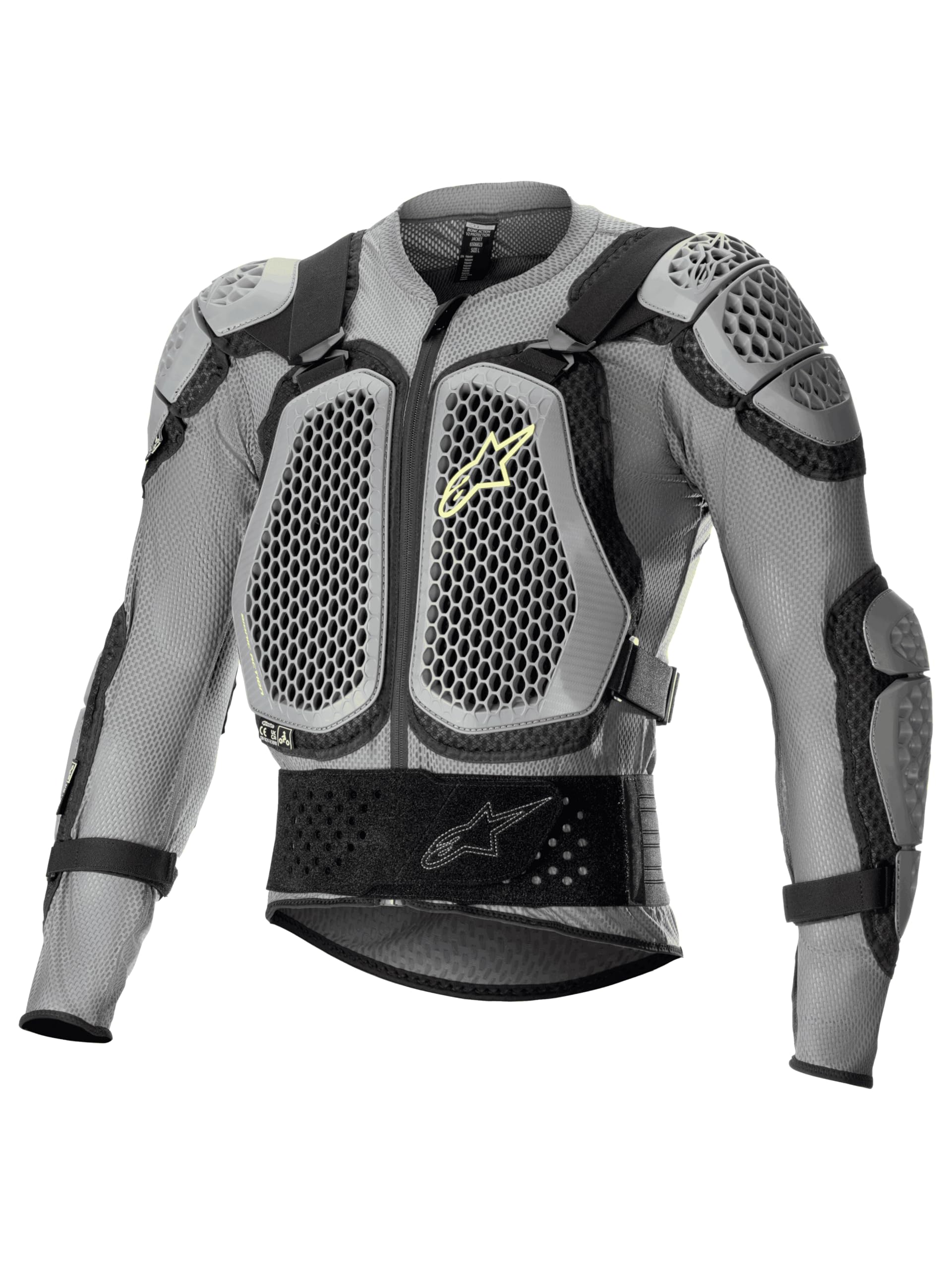
When the summer heat makes a traditional chest protector feel like a convection oven, the Alpinestars Bionic Action V2 shines. Its open mesh chassis maximizes airflow across the torso while carrying integrated CE Level 1 armor at the shoulders and elbows and a contoured back protector. The armor panels are molded from a viscoelastic polymer that stays pliable during normal movement but hardens instantly on impact to absorb force.
The jacket uses a harness-style fit with adjustable straps at the chest and sides, keeping the armor positioned correctly even when you’re leaned forward over the bars. Riders have reported wearing this under a jersey on 90-degree days without overheating, which is critical for staying hydrated and focused on long rides. The seams are sewn with the stitching on the outside to reduce chafing, a detail that shows Alpinestars thought about how the jacket interacts with a jersey and hydration pack.
Size up if you’re between sizes—this jacket runs snug, especially across the chest for riders with broader shoulders. The Level 1 armor is suitable for trail riding and motocross practice, but aggressive racers may want to swap the back panel for a Level 2 insert for higher impact absorption. For warm-weather trail riders and enduro enthusiasts who prioritize breathability without sacrificing coverage, this is the top pick.
What works
- Extremely breathable mesh chassis for hot-weather riding
- CE Level 1 armor at shoulders, elbows, and back
- Adjustable harness fit keeps armor panels in place
What doesn’t
- Runs small—order one size larger than your usual fit
- Back armor is Level 1; Level 2 upgrade required for racing
4. Gaerne Fastback Boots
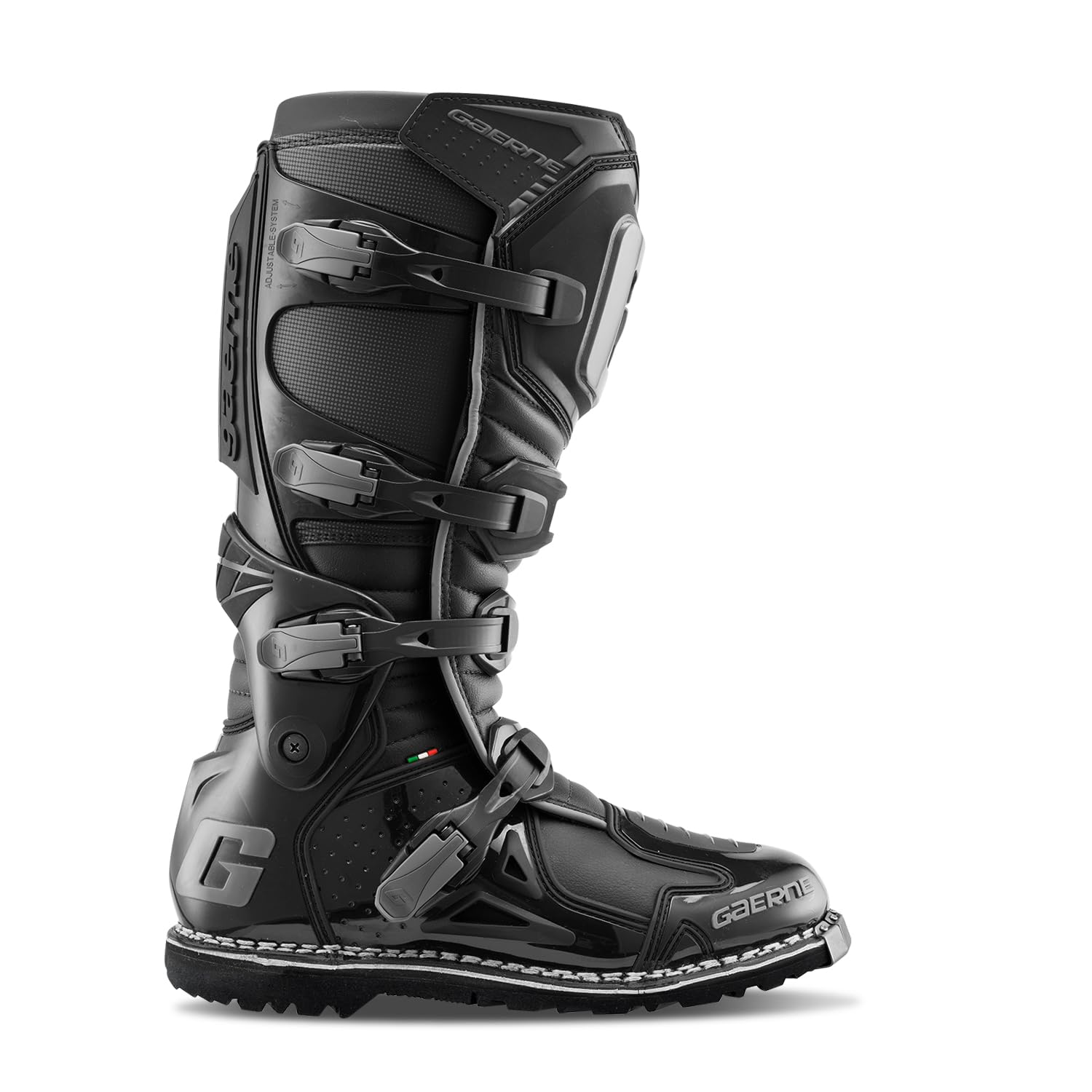
The Gaerne Fastback boot is the answer for riders who have been told their feet are too wide or their calves too thick for off-road boots. The toe box is noticeably roomier than the industry standard, and the calf plate adjusts through a wide range via a ratcheting buckle system that doesn’t pinch. The full-length shin plate is sculpted from a thick polyurethane blend that deflects rocks and roost without transferring the impact straight to the tibia.
The ankle area features an articulated inner brace that allows natural forward movement for shifting while blocking lateral collapse. Riders with 4E wide feet have reported these boots fit without the sides squeezing the midfoot, a rare finding in the motocross boot world. The sole uses a grippy rubber compound that works well on both metal pegs and rocky trail surfaces, and the internal lining is plush enough for all-day comfort without blistering.
The Fastback’s buckles are robust but some riders find the lower straps require more effort to close than competing designs. The boot is also on the heavier side compared to pure race boots from Alpinestars or Sidi, though that weight translates directly into durability. For adventure riders and enduro enthusiasts who need a boot that fits non-standard foot shapes without compromising protection, the Gaerne Fastback is the clear choice.
What works
- Wide toe box accommodates 4E feet without pinching
- Adjustable calf closure fits larger leg circumferences
- Articulated inner brace protects ankle without restricting movement
What doesn’t
- Heavier than comparable race-boot options
- Lower buckles can be difficult to fasten securely
5. Alpinestars Tech 3 Enduro Boots

The Alpinestars Tech 3 Enduro boot represents the entry point into CE-certified motocross protection without forcing a massive jump in budget. The boot features a one-piece injected foot shell that resists crushing forces, a contoured shin plate, and a waterproof internal membrane that keeps feet dry during creek crossings and wet track conditions. The TPR (thermoplastic rubber) upper provides good abrasion resistance for the price tier.
Riders moving up from MX boots will notice the Tech 3 offers decent sole flexibility for walking, with a tread pattern that grips well on loose trails. The closure system uses three polymer buckles with a strap and hook-and-loop fastener at the top, making entry and exit straightforward even with gloved hands. The internal lining is comfortable enough for a full day of riding without hotspots, and the boots break in relatively quickly compared to stiffer race models.
The ankle protection is adequate for trail riding and light enduro, but aggressive riders will find the lateral support less substantial than the Tech 7 or the Sidi CROSSFIRE. Some owners have reported the waterproof membrane can delaminate after a season of heavy use, though this is not universal. For a first pair of dedicated motocross boots or a budget-conscious upgrade from work boots, the Tech 3 delivers reliable protection.
What works
- Waterproof membrane keeps feet dry in wet conditions
- CE-certified impact protection at an accessible price point
- Quick break-in period for all-day comfort
What doesn’t
- Lateral ankle support is lower than premium-tier boots
- Waterproof liner durability is inconsistent after heavy use
6. O’Neal Sierra PRO WP Boot

The O’Neal Sierra PRO WP boot sits at the intersection of motocross protection and adventure touring comfort. It uses a full-grain leather and microfiber upper with a waterproof-breathable membrane that rivals dedicated rain boots in wet-weather performance. The mid-calf height offers more protection than a standard adventure boot while remaining less bulky than a full MX race boot, making it ideal for riders who split time between pavement and dirt.
Comfort is the Sierra PRO’s standout feature. The interior uses a padded mesh lining that breathes well, and the sole incorporates a shock-absorbing EVA midsole that makes walking at fuel stops or trailside breaks genuinely comfortable—something few MX boots can claim. The closure system uses three adjustable aluminum buckles with a micro-adjustable strap at the top, providing a secure fit without pressure points across the instep.
Riders tackling aggressive rock gardens or high-speed motocross will find the shin and ankle protection less substantial than dedicated race boots. The Sierra PRO is built for the adventure rider who needs protection for light off-road trails and the occasional drop, not for hard-core enduro racing. The waterproof membrane holds up well against creek crossings, and the sole offers excellent feel on the pegs even with thick socks.
What works
- Excellent waterproof performance for wet-weather riding
- Comfortable EVA midsole for walking off the bike
- Aluminum buckles provide secure, adjustable closure
What doesn’t
- Shin and ankle protection is lighter than MX-specific boots
- Not stiff enough for aggressive enduro or rock-crawling terrain
7. Fly Racing Kinetic Center Set

The Fly Racing Kinetic Center Set bundles a motocross jersey and pant combo that focuses on fit adjustability and rider comfort. The pants feature a ratcheting waistband system with a rear adjustment knob that lets you dial in the fit without removing your gloves—a small but meaningful convenience during a long ride. The knees are pre-curved with a stretch panel that accommodates knee braces, and the seat area has integrated padding that absorbs vibration and minor impacts.
The jersey uses a moisture-wicking polyester mesh that pulls sweat away from the skin and dries fast between motos. The collar is cut low to avoid interfering with chest protectors or neck braces, and the sleeves are pre-curved for a natural riding posture. Riders who size up report a better fit through the shoulders and chest without the jersey flapping at speed.
The pants lack full leather inner-leg panels for grip against the bike, relying on silicone print instead, which can wear faster on bikes with aggressive frame textures. The hip padding is basic foam rather than CE-certified armor, so riders wanting impact-rated hip protection will need to add separate shorts. For a complete kit that balances comfort, style, and functional features at a reasonable price, the Kinetic Center Set is a solid foundation.
What works
- Ratchet waistband adjusts easily with gloved hands
- Pre-curved knees and stretch panels work well with braces
- Moisture-wicking jersey dries fast between motos
What doesn’t
- Silicone knee grip wears faster than leather panels
- Hip padding is basic foam, not CE-certified armor
8. Fox Racing Comp Boots

The Fox Racing Comp Boot offers a thick outer shell and a firm fit that provides solid impact protection for its price tier. The boot uses a full-grain leather and microfiber upper with an injected TPU shin plate that deflects roost and brush without cracking. The sole is stitched and glued to the upper for durability, and the footbed is supportive enough for standing on the pegs all afternoon.
Riders with wide feet have reported a surprisingly accommodating fit through the midfoot, though the toe box is average width. The boot breaks in faster than many competitors at the same price, requiring about two full rides before the ankle area loosens up. The closure system uses four buckles with a strap-and-ratchet design that holds securely even after repeated mud caking.
The buckle pivot design has drawn criticism from some owners who find the mechanism finicky to operate with thick gloves. The ankle support is adequate for trail riding but lacks the lateral rigidity that aggressive riders need for technical terrain. For the rider who needs a durable boot for weekend track days and light trail riding without spending into the premium tier, the Fox Comp Boot delivers dependable performance.
What works
- Thick TPU shin plate protects against roost and rocks
- Faster break-in than many boots at the same price level
- Accommodates wider feet without pinching the midfoot
What doesn’t
- Buckle mechanism can be tricky to latch with gloves
- Lateral ankle support is limited for aggressive terrain
9. Havoc Racing Magnetic Frameless Goggles

The Havoc Racing Magnetic Frameless Goggles solve the most annoying problem on a dusty track—swapping lenses between sun and cloud cover. The magnetic retention system uses strong neodymium magnets embedded in the frame that hold the lens securely during rough landings but release with a gentle tug for quick changes. The frameless design reduces overall weight and provides a wider field of view compared to traditional framed goggles.
The lens is treated with an anti-fog coating that performs well in humid conditions and blocks 100% of UVA and UVB rays. The triple-layer foam sits flush against most helmet face openings, and the adjustable silicone strap keeps the goggles in place even at high speed. Riders with smaller helmet sizes have reported the goggles fit without leaving gaps at the top of the eye port.
The magnetic hold is strong enough for roost and tree branch contact, but some riders have reported the lens can pop off if the goggles are dropped on a hard surface while the lens is being swapped. The foam density is comfortable for long wear but may compress faster than premium brands after a season of heavy use. For riders who value quick lens changes mid-session and want frameless clarity without paying premium-tier prices, the Havoc goggles deliver.
What works
- Magnetic lens system allows quick swaps between clear and tinted
- Lightweight frameless design improves peripheral vision
- Effective anti-fog coating and full UV protection
What doesn’t
- Lens can pop off during rough handling on hard surfaces
- Foam density may compress faster than premium competitors
Hardware & Specs Guide
Helmet Safety Standards
The two primary certifications for dirt bike helmets are DOT FMVSS 218 and ECE 22.06. DOT is the minimum US standard, testing impact energy absorption and penetration resistance. ECE 22.06 is a more demanding global standard that adds oblique impact testing, simulating the rotational forces common in real-world motorcycle crashes. Riders should prioritize helmets with both certifications and look for MIPS (Multi-directional Impact Protection System) or equivalent rotational-management technology.
Boot Protection Layers
A motocross boot’s protection comes from its shin plate material, ankle brace design, and sole stiffness. TPU and microfiber uppers offer abrasion resistance, while an injected foot shell protects against crushing forces from the bike landing on the rider. Hinged ankle systems allow natural forward flex for operating controls while preventing lateral hyperextension. The best boots include replaceable soles, buckles, and hinge components for extended service life.
Armor Level Ratings
CE-certified armor for motocross protection jackets is rated Level 1 or Level 2. Level 1 armor transmits a maximum of 35 kN of force through the protector, while Level 2 reduces that to 20 kN, meaning it absorbs more impact energy. Level 1 is suitable for trail riding and amateur racing, while Level 2 is recommended for professional-level motocross where crash forces are higher. Armor must be positioned correctly to function—adjustable harness systems prevent panel migration during a slide.
Goggle Lens Technology
Dirt bike goggles use either a single-pane or dual-pane lens construction. Dual-pane lenses create a thermal barrier that reduces fogging far better than single-pane designs. Anti-fog coatings are standard, but their effectiveness degrades over time with cleaning. Magnetic retention systems allow faster lens swaps than traditional post-and-lock designs, which is valuable when light conditions change mid-ride. Look for UV 400-rated lenses that block 99-100% of UVA and UVB rays to protect eyes from high-altitude sun exposure.
FAQ
Which safety certification should I prioritize between DOT and ECE for my helmet?
How do I determine the correct boot size when my shoe size varies between brands?
Can I wear a motocross protection jacket under my jersey without restricting movement?
Final Thoughts: The Verdict
For most buyers, the gear for dirt bikes winner is the Fox Racing V Core MIPS Helmet because it combines MIPS rotational protection with dual DOT/ECE certification at a price that doesn’t cut corners on safety. If you want the best ankle and foot protection for technical enduro riding, grab the SiDI CROSSFIRE 3 Boots. And for hot-weather trail protection that won’t leave you drenched in sweat, nothing beats the Alpinestars Bionic Action V2 Jacket.

Certification: BSc in Mechanical Engineering
Education: Mechanical engineer
Lives In: 539 W Commerce St, Dallas, TX 75208, USA
Md Amir is an auto mechanic student and writer with over half a decade of experience in the automotive field. He has worked with top automotive brands such as Lexus, Quantum, and also owns two automotive blogs autocarneed.com and taxiwiz.com.