A gas pump hose that kinks, cracks, or leaks under a diesel tank’s weight turns a routine refuel into a hazardous, slow mess. Choosing a hose with the wrong inner diameter or pressure rating means restricted flow, premature wear, and the constant risk of spills. Serious operators need a hose built with a nitrile rubber tube, stainless steel braid reinforcement, and proper NPT threading to handle gasoline, diesel, biodiesel, and the extreme temperature swings of outdoor use.
I’m Amir — the founder and writer behind Four Wheel Ask. I’ve spent years analyzing fuel transfer hardware, cross-referencing burst pressures, material compositions, and real-world owner feedback to separate hoses that deliver consistent flow from those that fail prematurely.
Whether you are equipping a farm tank, a service truck, or a shop pump, understanding core specs like working pressure, inner diameter, and static grounding separates a smart investment from a recurring headache. This guide evaluates seven contenders to identify the best gas pump hose for reliable, safe, and long-term fuel dispensing.
How To Choose The Best Gas Pump Hose
A fuel transfer hose is a critical link between your pump and the tank. Selecting the wrong one can restrict flow, create a static hazard, or fail under pressure. Focus on these factors to match the hose to your equipment and environment.
Inner Diameter and NPT Fitting Size
The inner diameter (ID) determines flow volume. A 3/4-inch ID hose works well with standard electric transfer pumps up to roughly 15 gallons per minute (GPM). A 1-inch ID hose supports higher flow rates, often 20 GPM or more, and is the preferred choice for larger farm tanks or bulk fueling. The NPT thread size must match your pump outlet and nozzle — 3/4-inch NPT and 1-inch NPT are the two dominant standards in this category.
Working Pressure and Burst Pressure Rating
Working pressure is the continuous pressure the hose can handle during normal fuel transfer. Budget hoses often sit around 50 PSI, while mid-range models offer 150 to 232 PSI, and premium builds push past 300 PSI. Burst pressure — typically three to four times the working pressure — is your safety margin against sudden pressure spikes. A higher working pressure usually correlates with thicker walls, better reinforcement, and longer service life under demanding use.
Material Construction and Static Safety
The best gas pump hoses use a nitrile rubber (NBR) inner tube paired with a stainless steel braid reinforcement and a PVC/nitrile outer cover. This three-layer construction resists fuel degradation, abrasion, and ozone cracking. For static electricity dissipation, look for an embedded copper or stainless steel ground wire that connects the fittings. This feature is non-negotiable when dispensing flammable fuels like gasoline to prevent spark ignition.
Quick Comparison
On smaller screens, swipe sideways to see the full table.
| Model | Category | Best For | Key Spec | Amazon |
|---|---|---|---|---|
| Groz 44089 | Premium | Professional farm & fleet fueling | 50 PSI working / 300 PSI burst, 1″ ID, anti-static wire | Amazon |
| EVIL ENERGY 20FT 1″ | Mid-Range | High-flow extended reach | 150 PSI working / 435 PSI burst, 20-foot length | Amazon |
| caqeg 20FT 1″ | Mid-Range | Heavy-duty burst safety margin | 232 PSI working / 696 PSI burst, 20-foot length | Amazon |
| EVIL ENERGY 12FT 1″ | Mid-Range | Compact high-flow applications | 150 PSI working / 435 PSI burst, 12-foot length | Amazon |
| Boltigen 12FT 3/4″ | Mid-Range | Pressure-rated 3/4-inch hose | 232 PSI working / 696 PSI burst, 3/4″ NPT | Amazon |
| GIAYOGO 14FT 3/4″ | Value | Budget 300 PSI rated hose | 300 PSI working / 435 PSI burst, 360° swivel connector | Amazon |
| Fill-Rite FRH07512 | Entry-Level | Basic electric pump pairing | 50 PSI working, anti-kink spring guard, neoprene cover | Amazon |
In‑Depth Reviews
1. Groz 44089 1″ x 20FT Anti-Static Fuel Transfer Hose

The Groz 44089 is a professional-grade fuel transfer hose built with a heavy-duty NBR rubber tube reinforced with braided steel threads. It is engineered for safe dispensing of gasoline, diesel, kerosene, and oil through electric pumps. The built-in anti-static wire grounds static electricity during flow, meeting critical safety requirements for flammable fuel handling. With a 50 PSI working pressure and a 300 PSI burst rating, it is designed for sustained daily use in demanding environments, not intermittent light-duty tasks.
The 1-inch inner diameter paired with 1-inch NPT male zinc die-cast fittings supports flow rates up to 20 GPM, making it a strong match for bulk fueling operations on farms, construction sites, and fleet yards. The 20-foot length provides generous reach around trucks, storage drums, and equipment without requiring repositioning of the pump. Groz rates the hose for extreme temperature operation from -22°F to 131°F, ensuring flexibility and sealing integrity year-round.
Where this hose stands apart is its professional safety integration. The anti-static wire is embedded directly into the hose construction, not added as an aftermarket accessory. The zinc fittings resist corrosion better than standard brass in outdoor exposure. For operators who prioritize regulatory compliance and long-term durability over upfront cost, the Groz delivers a complete, safety-first solution that lower-priced hoses cannot match.
What works
- Built-in anti-static wire for spark-safe dispensing
- Steel-reinforced NBR construction withstands abrasion and weather
- Zinc die-cast 1″ NPT fittings resist corrosion
What doesn’t
- Working pressure of 50 PSI is lower than some competitors
- Premium price point may exceed budget for occasional users
2. EVIL ENERGY 1″ x 20FT Fuel Transfer Hose
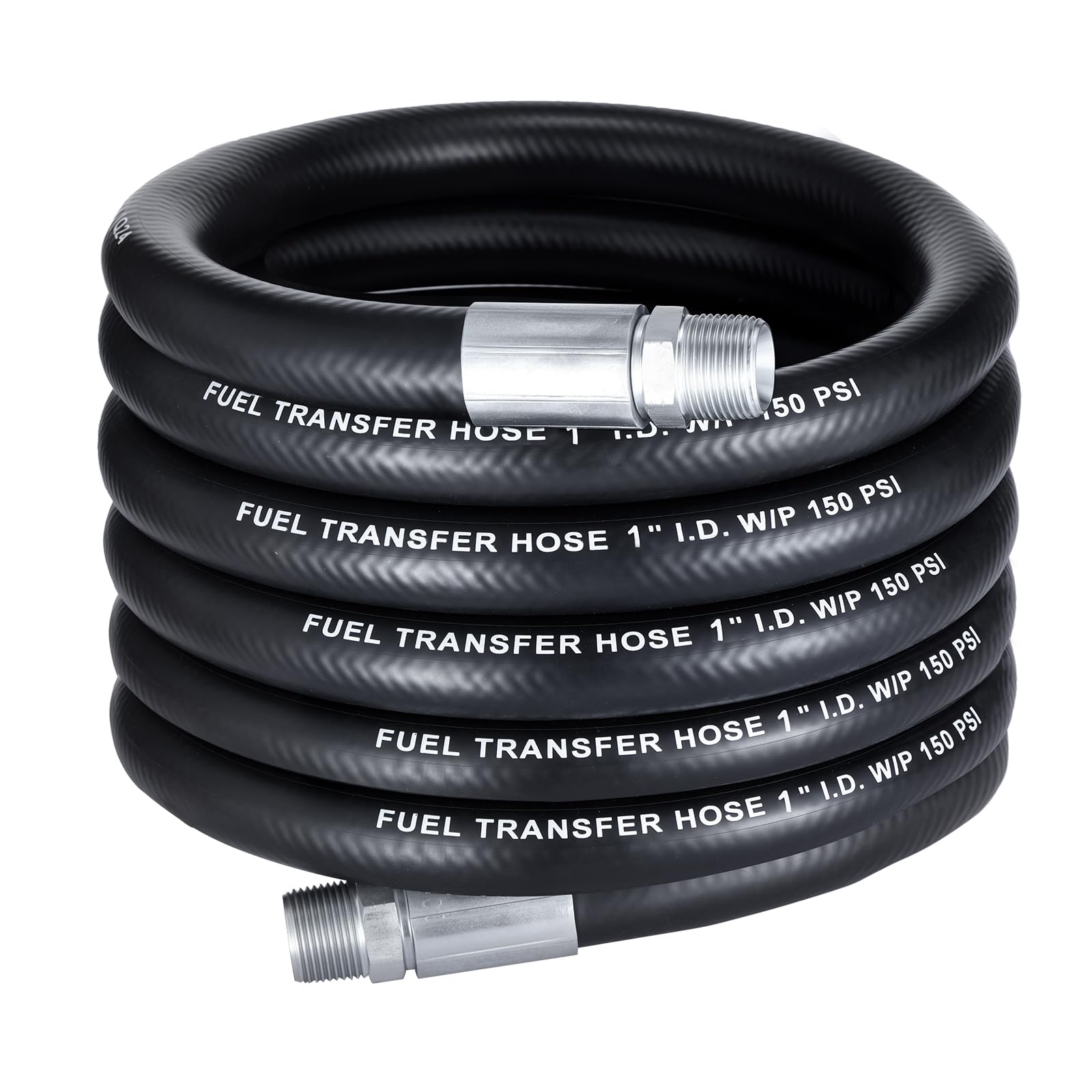
EVIL ENERGY brings a 1-inch ID fuel transfer hose that prioritizes high-volume flow and extended reach. The 20-foot length gives operators the flexibility to fuel multiple pieces of equipment from a stationary pump without dragging the setup. With a working pressure of 150 PSI and a burst rating of 435 PSI, it sits comfortably above the entry-level 50 PSI class while remaining within a practical mid-range budget.
The three-layer construction uses a nitrile rubber inner tube, a stainless steel braid middle layer, and a PVC/nitrile blended outer cover. This combination resists fuel degradation from diesel, gasoline, kerosene, B-20 biodiesel, E15 ethanol, and mineral spirits. The minimum bend radius of 300mm helps prevent kinking during tight routing around tank corners or pump heads.
Operators moving large volumes of fuel daily will appreciate the reduced transfer time the 1-inch bore provides over a 3/4-inch hose. The lack of an integrated grounding wire means users must rely on pump-side grounding or add their own static dissipation method. For those who need a long, wide-diameter hose at a reasonable cost and can manage grounding separately, this EVIL ENERGY hose is a practical high-flow workhorse.
What works
- 1-inch ID supports faster fuel transfer rates
- 20-foot length reduces pump repositioning
- Stainless steel braid reinforcement adds tear resistance
What doesn’t
- No built-in anti-static grounding wire
- Working pressure of 150 PSI is moderate, not best-in-class
3. caqeg 1″ x 20FT Fuel Transfer Hose
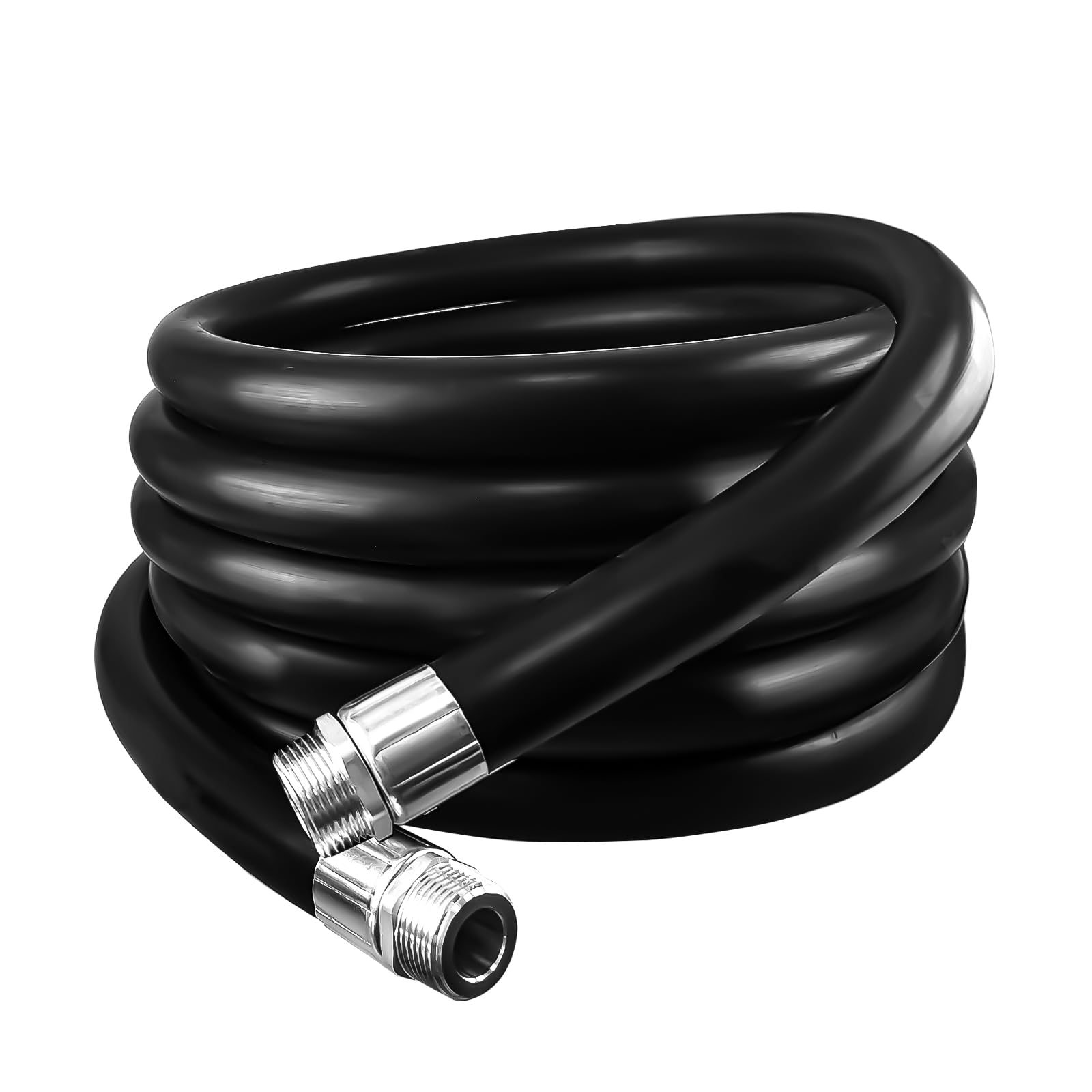
The caqeg 1-inch x 20-foot fuel transfer hose stands out for its exceptionally high burst pressure rating of 696 PSI paired with a 232 PSI working pressure. This safety margin is roughly double that of many mid-range hoses, making it a strong candidate for transfer pump setups that occasionally experience backpressure or thermal expansion. The 20-foot length and 1-inch NPT connector support high-flow applications on farms and in industrial settings.
The hose uses the same three-layer architecture found on premium models: a nitrile rubber inner tube, a stainless steel braid reinforcement, and a PVC/nitrile outer cover. It handles gasoline, diesel, biodiesel, kerosene, propane, and ethanol blends. The temperature range of -40°F to 212°F matches the industry standard for outdoor fueling in varied climates.
The main trade-off for the high burst rating is weight — at 5.48 kilograms, this hose is heavier than some comparable 20-foot models. Operators who mount this hose on a fixed pump setup will not mind, but those who frequently coil and move the hose between locations should account for the added heft. For anyone prioritizing a large safety burst margin above all else, this caqeg hose delivers exceptional headroom.
What works
- 232 PSI working pressure with 696 PSI burst rating
- Wide chemical compatibility including propane
- Stainless steel braid for durability
What doesn’t
- Heavier than average 20-foot hoses
- No integrated anti-static grounding wire
4. EVIL ENERGY 1″ x 12FT Fuel Transfer Hose
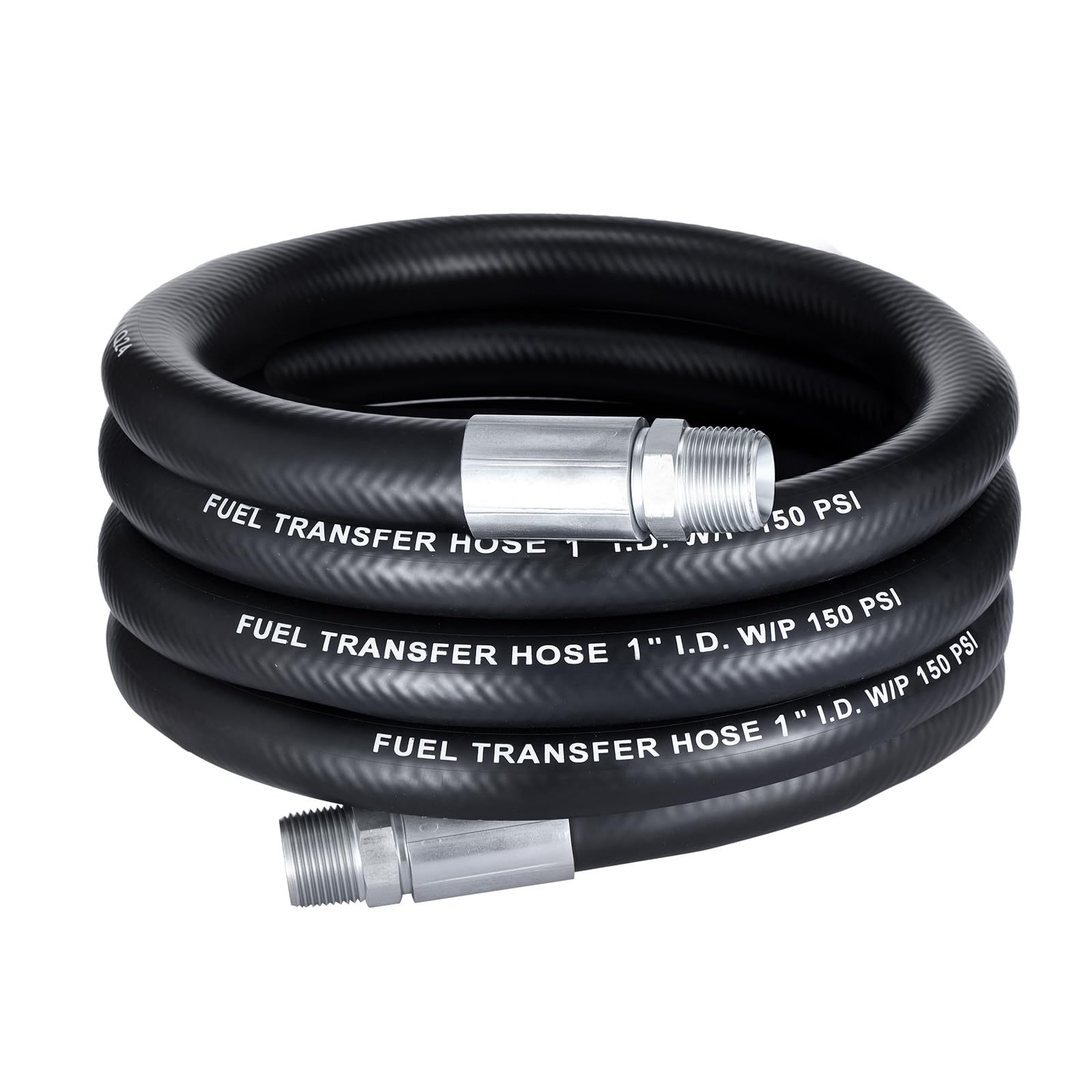
This 12-foot variant from EVIL ENERGY delivers the same 1-inch inner diameter and three-layer construction as its 20-foot sibling, but in a shorter, more manageable package. The working pressure of 150 PSI and burst pressure of 435 PSI are identical, ensuring consistent performance regardless of length. The shorter hose is ideal for operators who fuel equipment close to a stationary pump or need to minimize coiled hose occupying floor space.
The nitrile rubber inner tube and stainless steel braid handle diesel, gasoline, kerosene, B-20 biodiesel, and E15 ethanol. The minimum bend radius of 300mm is the same as the longer version, so the hose retains flexibility in tight spaces around pump heads and tank openings. Operators with short-run installations will appreciate that the 12-foot length creates less pressure drop than a longer hose of the same diameter.
This hose is a sensible choice for dedicated pump stations where the distance from pump to tank inlet is under 10 feet. The shorter length also makes it easier to drain and store between uses. As with the 20-foot model, there is no integrated grounding wire, so users must verify their pump setup provides adequate static dissipation. For a compact, high-flow solution at a moderate cost, this EVIL ENERGY 12-footer fits the bill.
What works
- 1-inch ID in a compact 12-foot length
- Three-layer build resists fuel degradation
- Lighter and easier to store than 20-foot versions
What doesn’t
- Same moderate 150 PSI working pressure
- No anti-static wire included
5. Boltigen 3/4″ x 12FT Fuel Transfer Hose
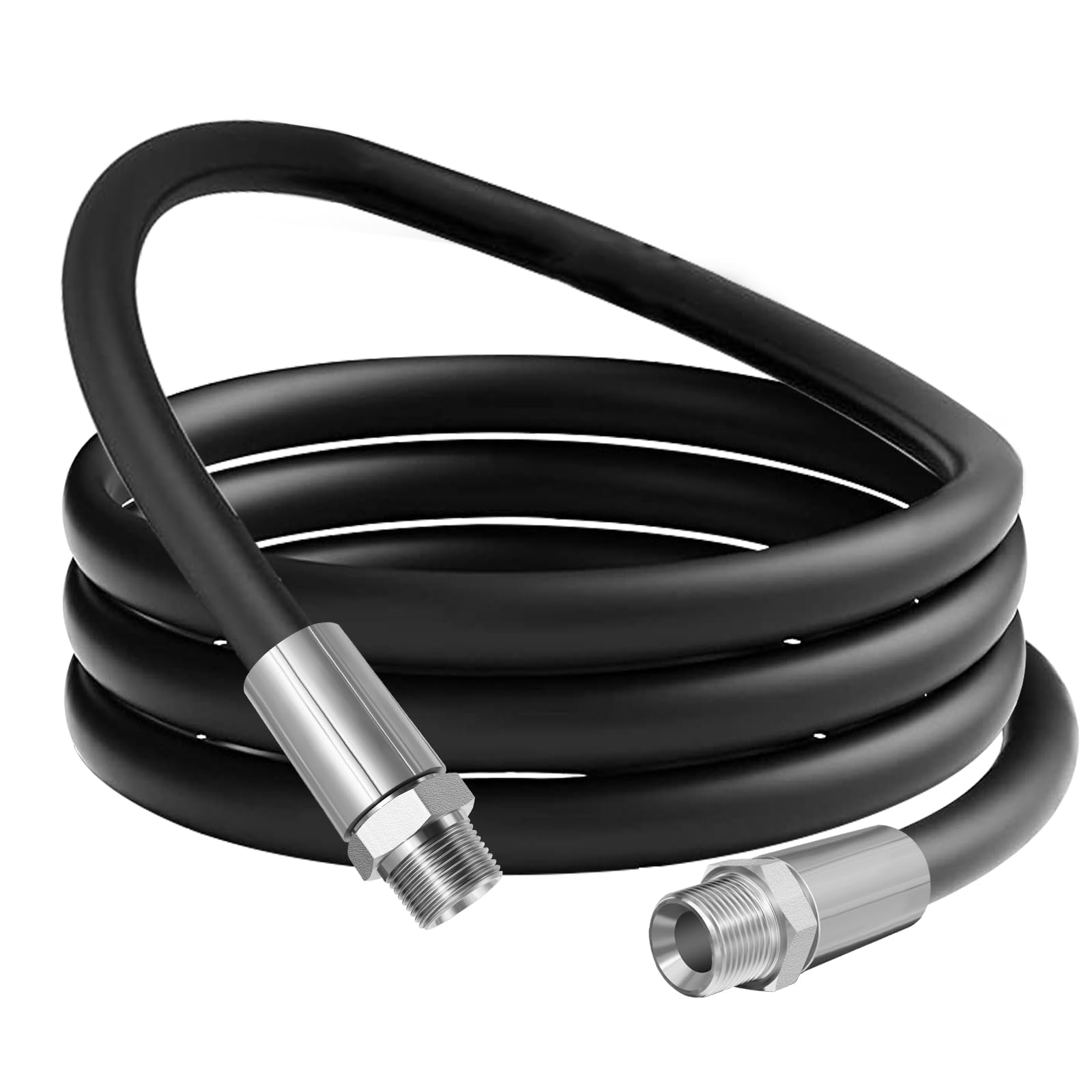
The Boltigen 3/4-inch x 12-foot fuel transfer hose punches well above its price tier in pressure ratings. With a working pressure of 232 PSI and a burst pressure of 696 PSI, it matches the burst safety margin of premium hoses while using the more common 3/4-inch NPT size. This makes it a strong candidate for standard electric transfer pumps that output up to roughly 15 GPM and need a hose that can handle unexpected pressure spikes.
The three-layer construction mirrors higher-end designs: a nitrile rubber inner tube for fuel compatibility, a stainless steel braid for reinforcement, and a PVC/nitrile blended outer cover for abrasion resistance. It handles gasoline, diesel, biodiesel, and kerosene. The working temperature range of -40°F to 212°F ensures reliable performance in both cold winter starts and hot summer fueling sessions.
Where this hose excels is delivering near-premium burst protection at a mid-range cost. The 12-foot length is practical for most farm and shop pump installations without the excess coil bulk of a 20-foot hose. The 3/4-inch diameter means it pairs directly with standard 3/4-inch NPT pump outlets and nozzles without adapters. For anyone running a 3/4-inch system who wants maximum safety margin, the Boltigen is a smart value pick.
What works
- Exceptional 696 PSI burst rating for a 3/4-inch hose
- 232 PSI working pressure handles demanding pumps
- Stainless steel braid adds structural strength
What doesn’t
- No integrated anti-static grounding wire
- Heavier than some entry-level 3/4-inch hoses
6. GIAYOGO 3/4″ x 14FT Fuel Transfer Hose with 360° Swivel
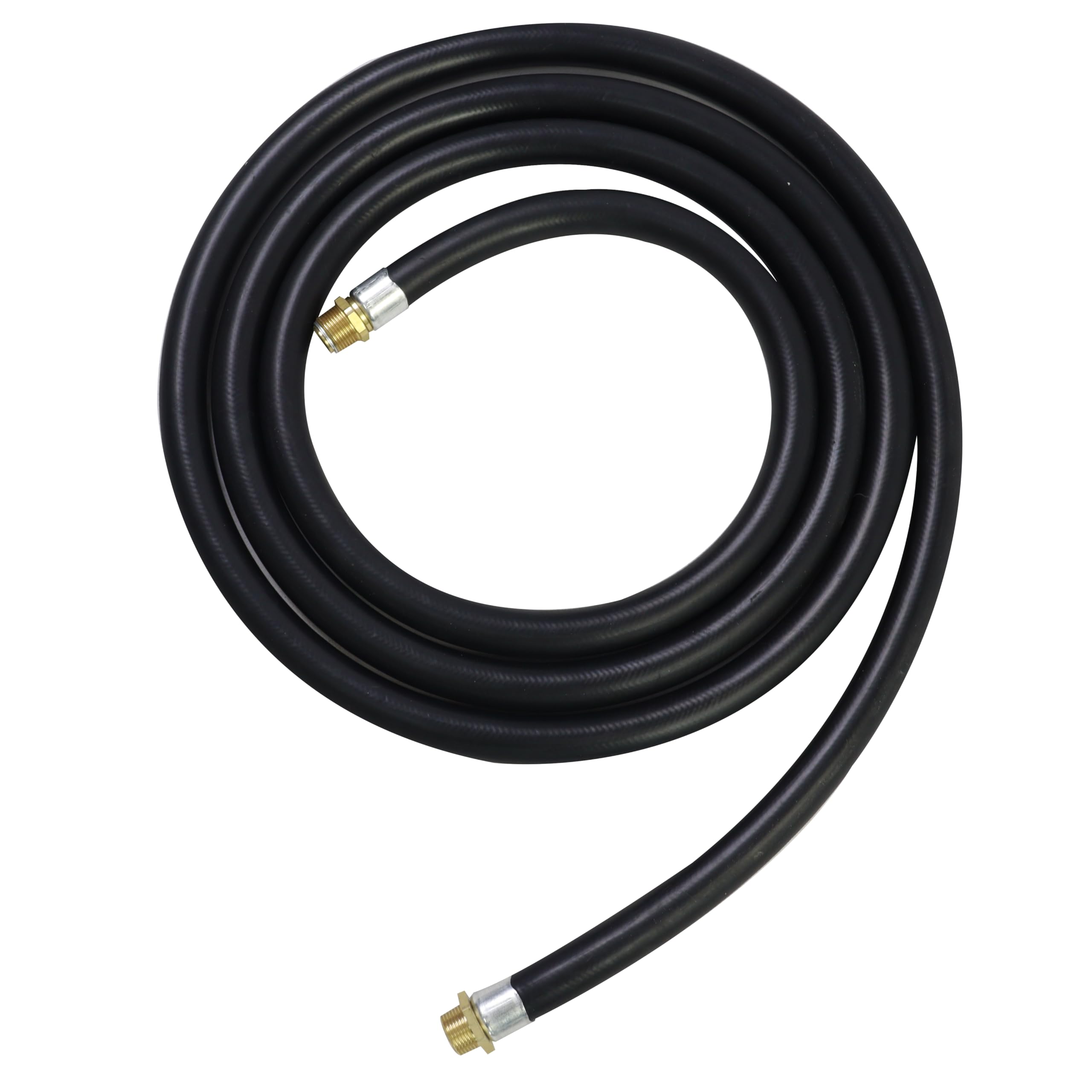
The GIAYOGO 14-foot fuel transfer hose offers the highest working pressure of any 3/4-inch hose in this lineup at 300 PSI, with a burst pressure of 435 PSI. It uses a nitrile rubber inner layer reinforced with a stainless steel braid and a PVC/nitrile outer cover. The standout feature is the copper 360° fuel swivel connector on the nozzle end, which prevents kinking and binding when the hose is twisted during fueling.
The 3/4-inch NPT threading is compatible with standard fuel nozzles, transfer pumps, and tank connections. The hose handles gasoline, diesel, biodiesel, and kerosene across a temperature range of -40°F to 212°F. At 8 pounds for a 14-foot hose, it is moderately heavy, reflecting the dense rubber construction and the copper swivel fitting. The 14-foot length splits the difference between standard 12-foot and longer 20-foot hoses, offering extra reach without excessive coiling.
The copper swivel connector is a genuine functional advantage — it reduces strain on the hose end and makes one-handed nozzle operation smoother in tight quarters. The 300 PSI working pressure provides a wide safety margin even with higher-output pumps. For operators who want a robust 3/4-inch hose with a premium swivel feature and high pressure rating at a budget-friendly cost, the GIAYOGO is a compelling option.
What works
- 300 PSI working pressure — highest in class for 3/4-inch
- 360° copper swivel connector prevents kinks
- Stainless steel braid throughout
What doesn’t
- No anti-static grounding wire
- 14-foot length is an uncommon size for some installations
7. Fill-Rite FRH07512 3/4″ x 12FT Fuel Transfer Hose
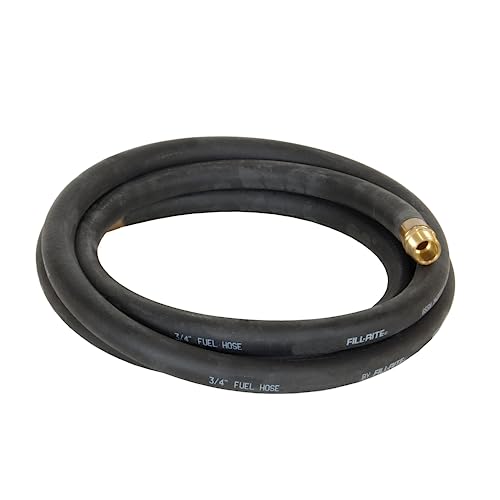
The Fill-Rite FRH07512 is a purpose-built hose for electric fuel transfer pumps, designed specifically to pair with the brand’s own pump systems. It uses a nitrile inner tube for fuel resistance and a durable neoprene outer cover that stands up to outdoor exposure, abrasion, and weather. The working pressure is 50 PSI, which aligns with the output of most standard-duty 12V and 115V transfer pumps.
A key differentiator is the integrated 7-inch anti-kink spring guard at the pump end. This steel spring prevents the hose from collapsing or kinking at the connection point, a common failure area on cheaper hoses. The hose also includes a built-in stainless steel ground wire that dissipates static electricity during fueling, adding a critical safety layer for gasoline dispensing. It is rated for gasoline, diesel, kerosene, B20 biodiesel, E15 ethanol, and petroleum oils.
The 50 PSI working pressure means this hose is not suited for high-pressure transfer systems or continuous commercial use. It is best matched to intermittent fueling on a farm or job site using a standard electric pump. The neoprene cover, while durable, is less flexible in extreme cold compared to PVC/nitrile blended covers. For entry-level applications where pump-to-hose compatibility and basic static safety are the priority, the Fill-Rite delivers reliable, no-surprises performance.
What works
- Anti-kink spring guard prevents pump-end collapse
- Built-in stainless steel grounding wire
- Neoprene cover resists weather and abrasion
What doesn’t
- 50 PSI working pressure limits high-flow applications
- Less flexible than PVC/nitrile blends in cold weather
Hardware & Specs Guide
Working Pressure vs. Burst Pressure
Working pressure is the continuous operating limit the hose can sustain during a typical fueling session. Burst pressure is the point at which the hose fails catastrophically — typically three to four times the working pressure. A hose with a 50 PSI working pressure is fine for low-output electric pumps, while a 150 PSI or 232 PSI rated hose supports high-output transfer pumps and provides a larger safety margin against pressure spikes from thermal expansion or pump deadheading.
Inner Diameter and Flow Rate
A 3/4-inch inner diameter (ID) hose flows roughly 12 to 15 GPM through a standard transfer pump, while a 1-inch ID hose can push 20 GPM or more. The trade-off is flexibility: wider hoses are stiffer and heavier. Always match the ID to your pump’s outlet port — using a hose smaller than the pump outlet creates flow restriction and backpressure. The NPT thread size (3/4-inch or 1-inch) must also match your nozzle and pump fittings.
FAQ
Can I use a gas pump hose for diesel regularly?
What does the anti-static wire in a fuel hose do?
How often should I replace a gas pump transfer hose?
Final Thoughts: The Verdict
For most buyers, the best gas pump hose winner is the Groz 44089 because it combines a built-in anti-static wire, steel-reinforced NBR construction, and zinc die-cast fittings in a professional-grade package that prioritizes safety. If you want the longest reach and highest flow rate at a mid-range cost, grab the EVIL ENERGY 20FT 1-inch hose. And for maximum burst safety margin in a 3/4-inch format, nothing beats the Boltigen 12FT with its 696 PSI burst rating.

Certification: BSc in Mechanical Engineering
Education: Mechanical engineer
Lives In: 539 W Commerce St, Dallas, TX 75208, USA
Md Amir is an auto mechanic student and writer with over half a decade of experience in the automotive field. He has worked with top automotive brands such as Lexus, Quantum, and also owns two automotive blogs autocarneed.com and taxiwiz.com.