Choosing the wrong premix oil can turn crisp throttle response into carbon-fouled plugs and stuck rings before the season ends. The difference between a piston that glides and one that scuffs often comes down to the base stock chemistry and flash point rating of what you pour into the gas can.
I’m Amir — the founder and writer behind Four Wheel Ask. I have spent years analyzing owner-reported data, combustion-chamber deposit photos, and lab-test results across dozens of two-stroke formulations to separate marketing claims from real engine protection.
After analyzing formulations and owner data, the top pick for best two stroke oil for dirt bikes is the factory-spec Yamaha Yamalube Racing 2R oil blend.
How To Choose The Best Two Stroke Oil For Dirt Bikes
Two-stroke oil is not a commodity. The base stock, additive package, and flash point directly determine how much carbon builds up behind your exhaust port and how well the rod bearing survives sustained high-RPM operation. Focus on three variables to narrow the field.
Base Oil Chemistry
Fully synthetic esters offer the highest thermal stability and the leanest burn, which means fewer deposits on the piston crown and power valves. Castor oils deliver unmatched film strength under extreme heat but leave a varnish-like residue that requires more frequent top-end cleaning. Semi-synthetic blends try to balance both, often at a lower cost. Your engine’s operating temperature and maintenance schedule should drive this choice.
Mix Ratio and Engine Requirements
Modern dirt bike engines designed for leaner ratios around 50:1 or 60:1 need an oil that maintains viscosity and film strength at those dilution levels. Older air-cooled motors or high-compression race builds may still call for 32:1 or even 20:1. Always start with the manufacturer’s recommended ratio, then select an oil proven to hold up at that specific mix without shearing down or separating from fuel.
Flash Point and Thermal Stability
The flash point indicates the temperature at which the oil will ignite in the combustion chamber. Higher flash point oils resist burning away too early, keeping a protective film on the cylinder wall and wrist pin bearing through the entire power stroke. Oils with flash points around 240°F or higher generally handle sustained wide-open throttle better than cheaper base stocks that flash off and leave metal-to-metal contact.
Quick Comparison
On smaller screens, swipe sideways to see the full table.
| Model | Category | Best For | Key Spec | Amazon |
|---|---|---|---|---|
| Yamaha Yamalube Racing 2R | Premix | All-around OEM-grade protection | Flash point 124°C | Amazon |
| Klotz BeNOL | Castor | High-RPM race engines | Double film strength | Amazon |
| Motul 800 2T | Synthetic | Road racing and high compression | 100% synthetic ester | Amazon |
| AMSOIL Dominator | Synthetic | Ultra-lean mix ratios | Full synthetic formulation | Amazon |
| Red Line 40603 | Synthetic | Daily riders and value builds | Dyno-proven power gain | Amazon |
In-Depth Reviews
1. Yamaha Yamalube Racing 2R

The Yamalube Racing 2R is the same premix oil used by the Yamaha Factory Race Team, and the formulation reflects decades of two-stroke development data that most aftermarket brands never see. It uses special base stocks engineered to reduce friction for maximum horsepower while keeping carbon deposits low on pistons, rings, and exhaust ports. Owner reports consistently note noticeably less smoke compared to conventional oils, which suggests the burn is cleaner across the entire RPM range.
At the standard 32:1 mix ratio, this oil maintains a flash point of 124°C, giving it enough thermal headroom for aggressive trail riding and motocross pace without flashing off prematurely. Multiple long-term users report running it in ported saws and carving equipment with zero piston scuffing over years of use, which reinforces the formulation’s real-world durability. The purple tint also makes it easy to confirm proper mixing in the fuel can.
For the rider who wants a proven OEM-grade baseline that works across everything from a YZ250 to a lawn saw, the Yamalube Racing 2R delivers predictable protection without the premium price tag of boutique racing oils. It is the best all-around starting point for anyone building a fuel strategy around one trusted bottle.
What works
- Factory race-team formulation with proven deposit control
- Clean burn with noticeably less smoke
- Works across dirt bikes, saws, and power equipment
What doesn’t
- Not optimized for ultra-lean ratios above 60:1
- OEM branding may be overlooked by brand-agnostic buyers
2. Klotz BeNOL Castor Oil
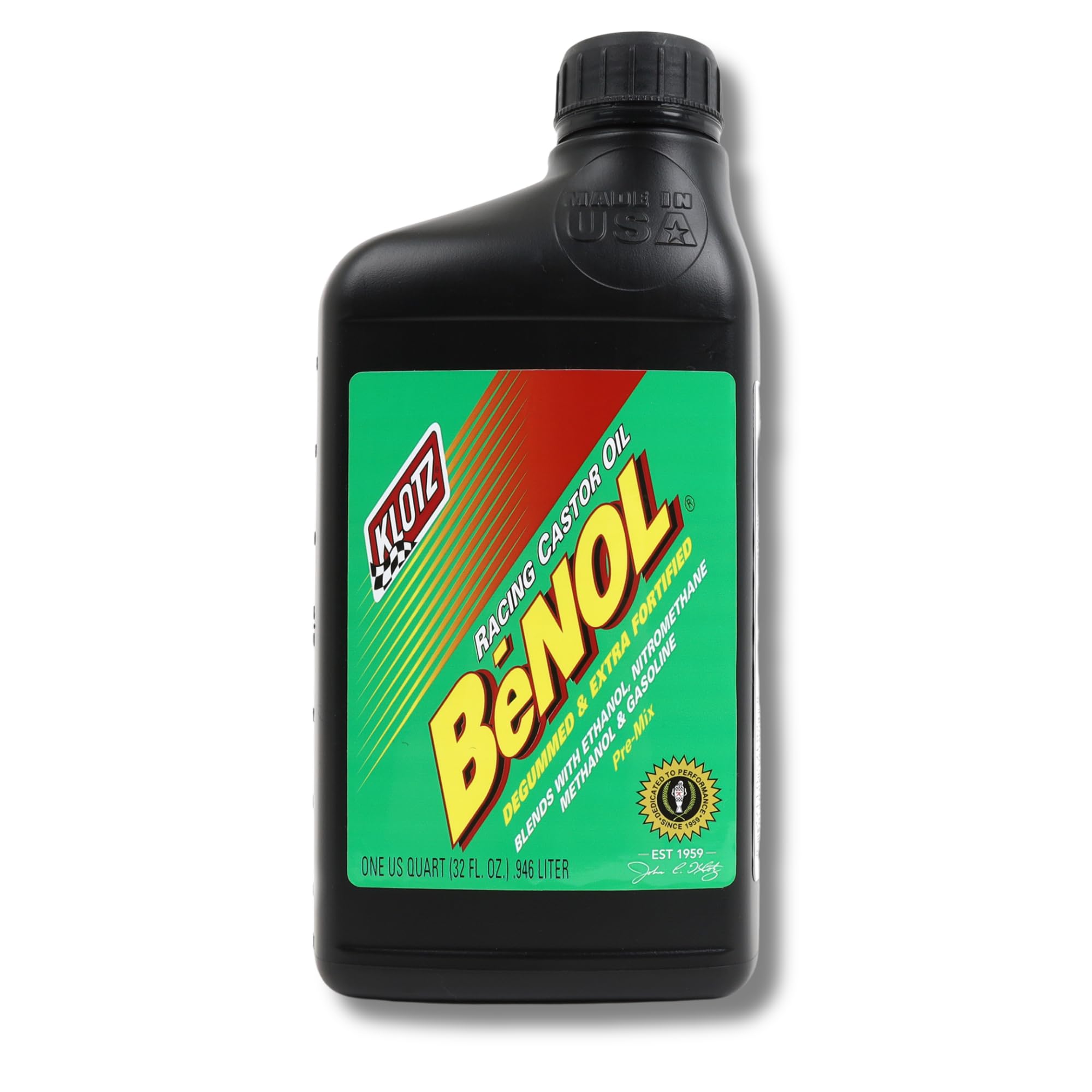
Klotz BeNOL is the benchmark for castor-based premix oils in the dirt bike world. It is made from highly refined, degummed castor base stocks that deliver double the film strength and load-carrying capacity of conventional castor oils. The tenacious lubricating film it leaves on cylinder walls and bearings is what keeps metal-to-metal contact from happening even when coolant temps spike and the engine is screaming past peak power. The trademark aroma that fills the starting line is a side effect of the castor chemistry, and for many riders it is inseparable from race day itself.
This oil is intended for premix only and supports mix ratios ranging from 16:1 for racing karts up to 50:1 for water-cooled dirt bike engines. The additive package includes anti-wear chemistry that prevents scuffing on piston skirts and ring faces while a clean-burn technology keeps carbon deposits lower than traditional castor oils. Long-term owners of bikes like the YZ250 report noticeably cleaner exhaust pipes and silencer media after switching to BeNOL from cheaper semi-synthetics.
Riders who push their engines hard in deep sand, hill climbs, or motocross will benefit most from the film strength that castor provides. The trade-off is slightly more combustion residue than a full synthetic, but for those who prioritize bearing protection over a perfectly clean power valve, BeNOL remains a top-tier choice backed by decades of race history.
What works
- Double film strength for extreme high-RPM protection
- Distinctive castor aroma that signals race readiness
- Proven anti-wear chemistry reduces scuffing
What doesn’t
- Leaves more carbon residue than full synthetics
- Not suitable for oil injection systems
3. Motul 800 2T Road Racing

Motul 800 2T is a 100% synthetic ester oil formulated specifically for premix racing two-stroke engines operating under sustained high load. The ester base provides exceptional thermal stability that prevents carburetor throttle sticking and ensures perfect lubrication even in wet conditions. It is designed to handle standard and unleaded gasolines up to 124 octane, making it a strong match for high-compression builds and engines that live near the redline for extended periods.
Owner feedback from both road racing and off-road use highlights the oil’s higher viscosity at mix ratios around 50:1 compared to other synthetics. This thicker film gives added protection on the upper cylinder wall and wrist pin bearing, especially in motors with tight piston-to-wall clearances. The red dye makes visual confirmation of mixing simple, and users report minimal smoke once the engine reaches operating temperature, which speaks to the complete combustion of the ester base.
Riders running high-performance dirt bikes with elevated compression ratios or those who push motors hard in hare scrambles and enduros will find the Motul 800 2T’s thermal margin gives peace of mind that cheaper oils cannot match. The cost is higher than entry-level synthetics, but the protection ceiling is correspondingly higher for builds that demand it.
What works
- Ester synthetic base handles extreme heat without breakdown
- Higher viscosity provides excellent film strength at 50:1
- Red dye for easy mix verification
What doesn’t
- Premium price point may exceed budget for casual riders
- Thicker viscosity may not suit all injection systems
4. AMSOIL Dominator 2-Cycle Oil

AMSOIL Dominator is a full synthetic premix oil with a long-standing reputation among riders who push mix ratios well past the usual recommendations. Multiple owner reports confirm successful long-term use at ratios as lean as 60:1 with no detectable bearing wear or piston scuffing. This lean-mix capability makes it an attractive option for riders who want to minimize oil consumption and plug fouling without sacrificing protection.
The formulation uses a synthetic base engineered for low-temperature fluidity and high-temperature film strength, meaning it pumps well in cold weather while still protecting at full operating temperature. Users with track-only bikes like the Aprilia RS125 report consistent ring seal and clean combustion chambers after seasons of exclusive Dominator use. The oil also carries the familiar AMSOIL aroma that many long-time users associate with the brand.
For the rider who wants to experiment with leaner ratios or who has a bike that responds better to a 60:1 mix, the Dominator provides a safety margin that conventional oils cannot offer at those dilutions. It is also a good choice for two-stroke power equipment owners who want a single synthetic oil that works across multiple machines.
What works
- Proven reliable at lean ratios up to 60:1
- Full synthetic base resists thermal breakdown
- Clean burn with minimal plug fouling
What doesn’t
- Price has climbed significantly in recent seasons
- Less film strength than castor blends for extreme builds
5. Red Line 40603 Two-Stroke Racing Synthetic
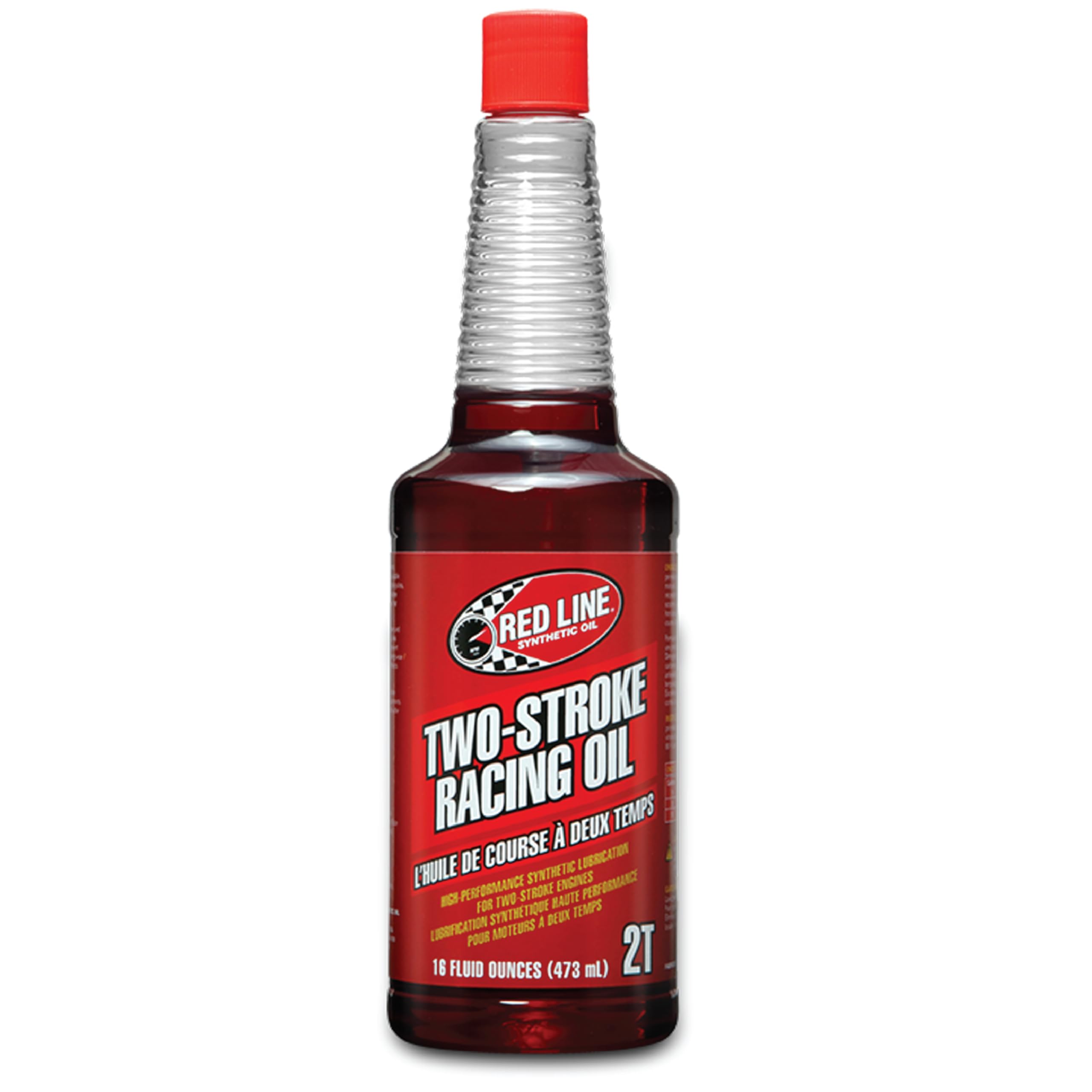
Red Line 40603 is a synthetic racing two-stroke oil that has earned a loyal following over more than a decade of use in motorcycles, marine engines, and snowmobiles. The formulation is dyno-proven to deliver a 3-5% power gain over longer runs compared to baseline synthetic oils, which speaks to the friction-reducing properties of the additive package. It is recommended at a 50:1 mix ratio but remains effective up to 100:1 depending on operating conditions.
High-temperature stability is a standout feature here — the oil resists depositing carbon on combustion chambers, exhaust ports, and piston crowns even under sustained load. Users who have run Red Line for over twelve years report that pistons look nearly new after seasons of service, which is strong evidence of the clean burn the formulation delivers. The 16-ounce bottle size is convenient for single-ride batches, though frequent riders may prefer the quart size.
For the rider who wants proven synthetic performance at a price point that does not strain the maintenance budget, the Red Line 40603 offers long-term reliability backed by extensive owner history. It is especially well-suited to riders who mix fuel in small quantities and value a clean-burning oil that does not require premium spending.
What works
- Dyno-verified power gain from reduced friction
- Exceptional high-temperature deposit control
- Decade-plus track record of clean pistons
What doesn’t
- 16-ounce bottle requires more frequent purchases
- Not as widely stocked in local shops as larger brands
Hardware & Specs Guide
Flash Point and Thermal Resistance
Flash point measures the temperature at which oil vapor ignites in the combustion chamber. Oils with a flash point near 240°F or higher hold a protective film on the cylinder wall longer into the power stroke, reducing ring and piston wear. Oils with lower flash points burn off earlier, which can leave the upper cylinder unprotected during sustained wide-open throttle. Yamaha Yamalube Racing 2R lists a flash point of 124°C, while premium esters typically push even higher for extreme applications.
Viscosity and Film Strength
Viscosity at operating temperature determines how thick the oil film remains between the piston skirt and cylinder bore. A SAE 50 viscosity grade, like that of Red Line 40603, provides a thicker cushion that resists squeeze-out under high combustion pressure. Castor oils like Klotz BeNOL take film strength to another level through their molecular structure, creating a tenacious layer that tolerates momentary losses of liquid lubricant better than synthetics do.
Synthetic vs Castor Base Stocks
Full synthetic esters (Motul 800, AMSOIL Dominator) burn cleanest, leaving minimal carbon on power valves, exhaust ports, and pistons. They are ideal for riders who want to extend top-end intervals and maintain crisp throttle response. Castor oils (Klotz BeNOL) produce higher film strength but deposit a varnish-like residue that requires more frequent mechanical cleaning. Semi-synthetic blends sit in the middle, offering a compromise between deposit control and film strength at a moderate cost.
FAQ
Can I use synthetic two stroke oil in any dirt bike?
What mix ratio should I use for trail riding?
Why does castor oil smell different from synthetic?
Does higher priced oil always mean better engine protection?
Final Thoughts: The Verdict
For most buyers, the best two stroke oil for dirt bikes winner is the Yamaha Yamalube Racing 2R because it delivers factory-level deposit control and friction reduction at a price that makes it a realistic everyday choice. If you want the superior film strength of a castor base, grab the Klotz BeNOL. And for high-compression builds that demand extreme thermal stability, nothing beats the Motul 800 2T.

Certification: BSc in Mechanical Engineering
Education: Mechanical engineer
Lives In: 539 W Commerce St, Dallas, TX 75208, USA
Md Amir is an auto mechanic student and writer with over half a decade of experience in the automotive field. He has worked with top automotive brands such as Lexus, Quantum, and also owns two automotive blogs autocarneed.com and taxiwiz.com.