A flashing TPMS light on a Ford Explorer dashboard means more than just low pressure — it signals a sensor that may have failed entirely. With multiple generations of Explorer spanning different frequencies and protocols, choosing the right replacement requires matching both the physical design and the electronic signature your vehicle expects.
I’m Amir — the founder and writer behind Four Wheel Ask. I’ve spent years analyzing owner feedback, cross-referencing OEM part numbers, and tracking long-term reliability data across dozens of TPMS sensor brands to separate units that actually sync from those that cause intermittent warnings.
Every Explorer generation uses either 315MHz or 433MHz frequencies, and many aftermarket sensors now support both. After evaluating build quality, battery longevity, and real-world pairing success rates across eleven contenders, here is what you need to know before buying a best ford explorer tire pressure sensor.
How To Choose The Best Ford Explorer Tire Pressure Sensor
Selecting the correct TPMS sensor for your Ford Explorer involves three critical factors: frequency, protocol generation, and physical valve stem design. Mismatching any of these leads to persistent warning lights and wasted installation time.
Frequency and Protocol Compatibility
The 2011-2015 Explorer uses 315MHz sensors with Ford’s original protocol. The 2016-2019 Explorer also uses 315MHz but with an updated firmware handshake. Some multi-protocol sensors auto-detect the correct format, while pre-programmed units must match exactly. Verify your specific model year against OEM part numbers like F2GZ-1A189-A (2016-2019) or 9L3Z-1A189-A (2011-2015).
Build Quality and Battery Life
Aluminum valve stems resist corrosion better than rubber, especially in salt-belt climates. Sensors with CR2450 batteries generally outlast CR2032 units by two to three years. Look for IP67-rated sealing if you drive in wet or muddy conditions — epoxy-encapsulated electronics survive pressure washing and deep puddles far longer than potted alternatives.
Relearn Requirements
All aftermarket TPMS sensors require a relearn procedure after installation. Some Ford Explorers support an OBDII-based relearn using a dedicated tool, while older models need a magnet-based activation at each tire. Pre-programmed sensors simplify the process but do not eliminate the pairing step — a common source of frustration for DIY installers.
Quick Comparison
On smaller screens, swipe sideways to see the full table.
| Model | Category | Best For | Key Spec | Amazon |
|---|---|---|---|---|
| YZHIDIANF F2GZ1A189A | Premium | Broad 2016-2021 Explorer coverage | 315MHz, pre-programmed, aluminum stem | Amazon |
| A-Premium 4PCS TPMS | Premium | FCC-certified build quality | SAE J2657 tested, NXP chip | Amazon |
| ACLONG Multi-Protocol TPMS | Premium | Dual-frequency 315/433MHz coverage | CR2450-H battery, 5-8 year life | Amazon |
| YZHIDIANF 6F2Z-1A189-A | Mid-Range | 2006-2010 Explorer compatibility | 315MHz, pre-programmed, 5-8 year battery | Amazon |
| ABENLY Pre-Programmed TPMS | Mid-Range | Quick activation, no reprogramming needed | 315MHz, alloy construction, 0.1s response | Amazon |
| NEWHOW TPMS Set | Mid-Range | Extreme weather durability | IP67, -40°F to 257°F range | Amazon |
| ACLONG Pre-Programmed 315/433MHz | Mid-Range | Wide model year support | CR2450-H battery, ±1.5 PSI accuracy | Amazon |
| ISINLASSO 9L3Z1A189A | Mid-Range | Budget-conscious 2011-2015 Explorer fit | 315MHz, 5+ year battery, digital output | Amazon |
| Jsueng F2GZ1A189A | Mid-Range | 2015-2019 Explorer and Ford crossover fit | 315MHz, CR2032 battery, 900kPa chip | Amazon |
| Jsueng DE8T1A180AA | Value | Budget-friendly 2010-2015 Explorer coverage | 315MHz, pre-programmed, CR2032 battery | Amazon |
| Yikesai F2GZ1A189A | Value | Entry-level 2015-2020 Explorer replacement | 315MHz, aluminum, 30-150 PSI range | Amazon |
In‑Depth Reviews
1. YZHIDIANF F2GZ1A189A Pre-Programmed TPMS
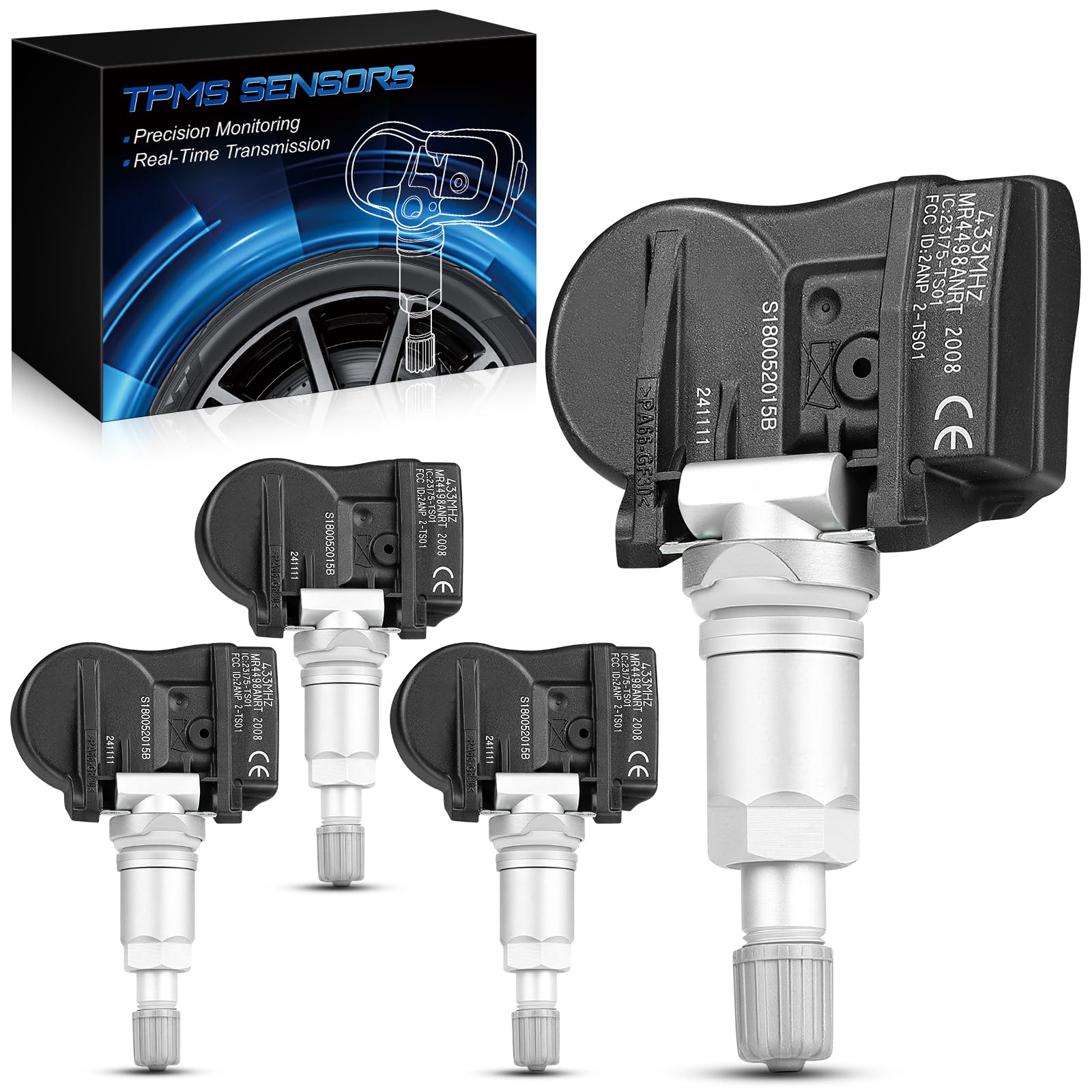
The YZHIDIANF F2GZ1A189A set covers the widest model-year range of any single SKU in this comparison, fitting 2016-2021 Ford Explorer alongside F-150, Edge, Fusion, Ranger, and multiple Lincoln models. The sensor uses premium aeronautical-grade materials for the valve stem body, which resists galvanic corrosion better than standard alloy units in regions where road salt is common.
Each sensor ships pre-programmed at 315MHz with the correct Ford protocol, eliminating the need for a cloning tool. The battery is rated for five to eight years of typical use, and the measuring range of 100-900kPa covers everything from low-pressure winter inflation to heavy-load rear tire settings. Owner reports indicate consistent signal strength even after 50,000 miles of service.
The one catch is that the +/‑15% measurement accuracy rating is wider than some competitors’ ±1.5 PSI claims, though real-world readings appear stable based on user feedback. The flange mount design matches OEM fitment precisely, and the pre-programmed nature means installers only need a standard relearn tool rather than dealer-level software.
What works
- Extremely broad model-year compatibility across Ford and Lincoln
- Aircraft-grade aluminum stem resists corrosion and vibration fatigue
- True pre-programmed operation — no cloning step required
What doesn’t
- Wider accuracy spec than some premium alternatives
- Requires a relearn tool or dealer visit for pairing
2. A-Premium 4PCS Pre-programmed TPMS Sensor

A-Premium’s offering stands out for its certified quality pedigree — each sensor carries FCC and IC certification and is tested to SAE J2657 standards in-house. The NXP chip inside delivers measurement accuracy of ±0.06 Bar (approximately ±0.87 PSI), which is among the tightest tolerances in this segment. The valve stem uses a clamp-in design with aluminum construction reinforced by polyamide insulation.
The CR2050 battery provides a strong power reserve, and the sensor operates from -40°C to 120°C, making it suitable for extreme northern or desert climates. Compatibility extends to 2016-2019 Ford Explorer, along with Bronco, Edge, Expedition, Mustang, and Lincoln models. The 0-900kPa sensing range mirrors the OEM specification.
One nuance is that the clamp-in mount requires a specific valve stem hole size — verify your wheels accept this design before purchasing. The two-year warranty is longer than most aftermarket TPMS offerings, which suggests confidence in the epoxy encapsulation and battery seal. Owners report straightforward relearn with standard OBDII tools.
What works
- Industry-best ±0.06 Bar measurement accuracy
- FCC and IC certified, tested to SAE J2657
- Two-year warranty exceeds typical 12-month coverage
What doesn’t
- Clamp-in design may not fit all aftermarket wheels
- Slightly heavier than rubber-stem alternatives
3. ACLONG Multi-Protocol TPMS Sensor
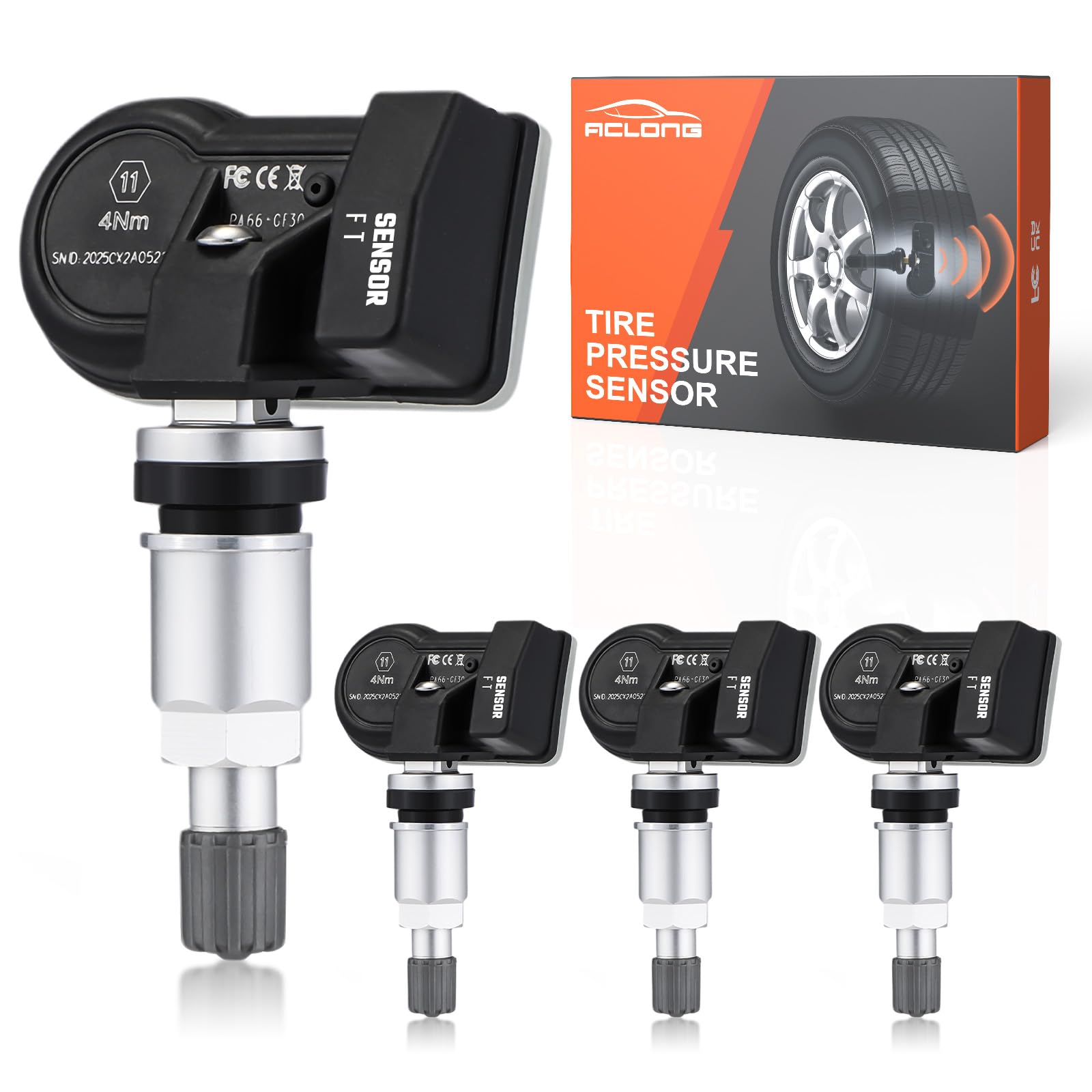
ACLONG’s multi-protocol sensor is engineered for flexibility — it supports both 315MHz and 433MHz frequencies, which means it can cover Ford Explorer models from 2011 through 2019 as well as later Ford and Lincoln vehicles that switched frequencies. The CR2450-H high-capacity battery is a significant upgrade over the CR2032 found in budget units, with ACLONG estimating a five-to-eight-year service life or 90,000-120,000 miles.
The sensor replaces a long list of OEM part numbers including 9L3Z1A189A, DE8T1A180AA, and F2GZ1A189A, covering three Explorer generations. The digital output provides real-time pressure data to the dashboard display without signal lag. Build quality focuses on the snap-in tire mount design, which is the most common configuration for factory Ford wheels.
The trade-off for dual-frequency capability is that the sensor must auto-detect the correct protocol during the relearn process — this works reliably on Explorers but may require a second attempt on some earlier 2011 models. The 0.23-kilogram weight per set indicates robust construction, and the one-year warranty is standard for this price tier.
What works
- Dual-frequency support covers a wide range of model years
- CR2450-H battery offers class-leading lifespan
- Snap-in mount fits factory Ford wheels perfectly
What doesn’t
- Auto-protocol detection can be inconsistent on early 2011 models
- Heavier than single-frequency sensors
4. YZHIDIANF 6F2Z-1A189-A TPMS Sensor
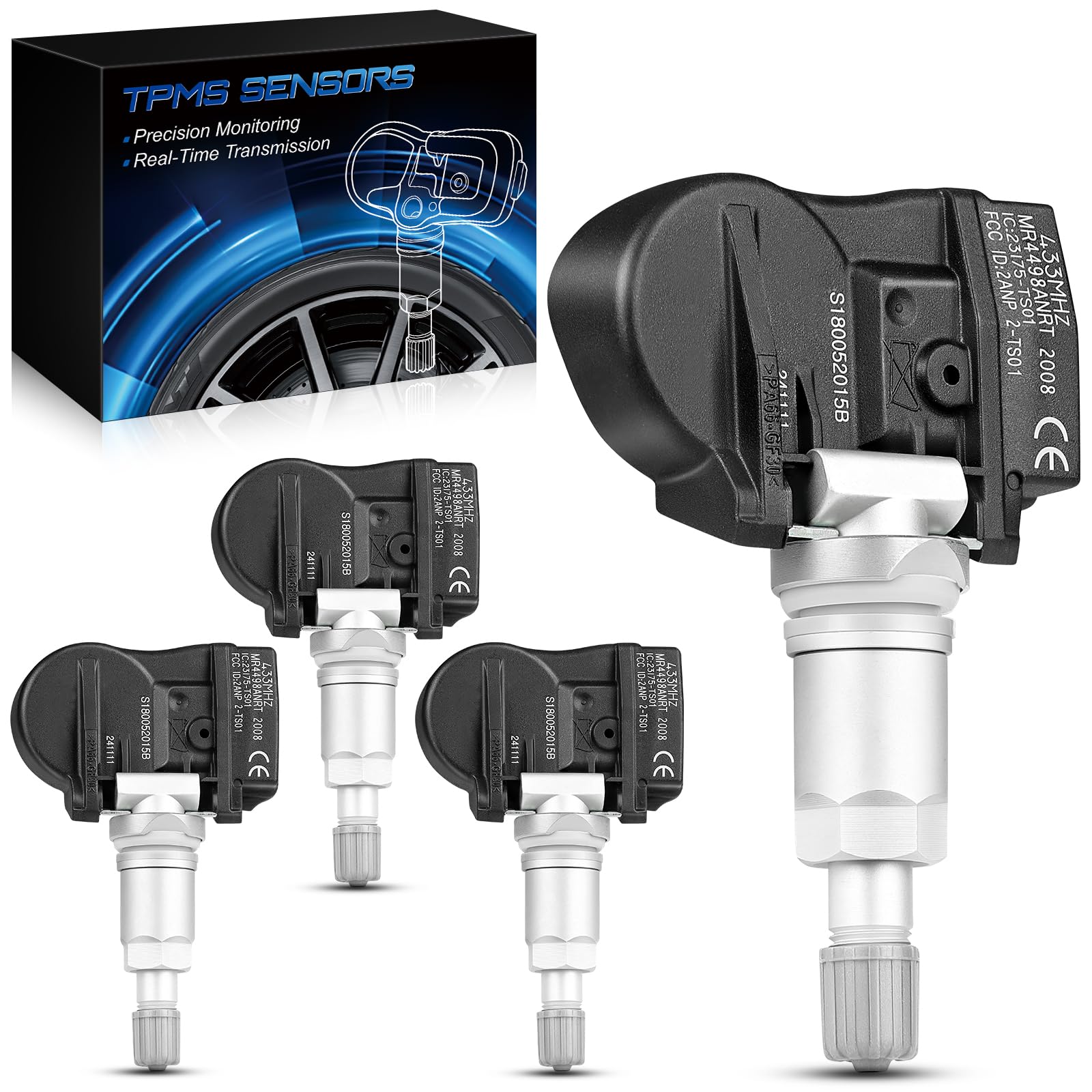
This YZHIDIANF set is purpose-built for fourth-generation Ford Explorer models from 2006 through 2010, a period when the Explorer used a different TPMS protocol than later years. The 6F2Z-1A189-A reference number cross-references directly to the OEM sensor used in those vehicles, along with compatibility for 2007-2008 F-150, Edge, Escape, and Lincoln Navigator of the same era.
The construction uses premium aeronautical materials with a flange mount design that matches the original Ford valve stem geometry. The battery is rated for five to eight years, and the sensor operates across a -40°C to 120°C temperature range. The 0.1-second response time means the dashboard display updates quickly after inflation changes, which is useful for verifying proper pressure after seasonal adjustments.
A critical detail is that these sensors are pre-programmed but still require activation with a scan tool — the instructions explicitly warn against letting a shop reprogram them, which can corrupt the pre-loaded ID. Some owners of 2008-2009 Explorers have reported needing two relearn attempts before the IDs lock in, but overall success rates are high based on aggregated owner feedback.
What works
- Direct OEM replacement for 2006-2010 Explorer models
- Fast 0.1-second response to pressure changes
- Aeronautical-grade materials for long-term durability
What doesn’t
- Not compatible with 2011+ Explorer generations
- Some models require multiple relearn attempts
5. ABENLY Pre-Programmed TPMS Sensor
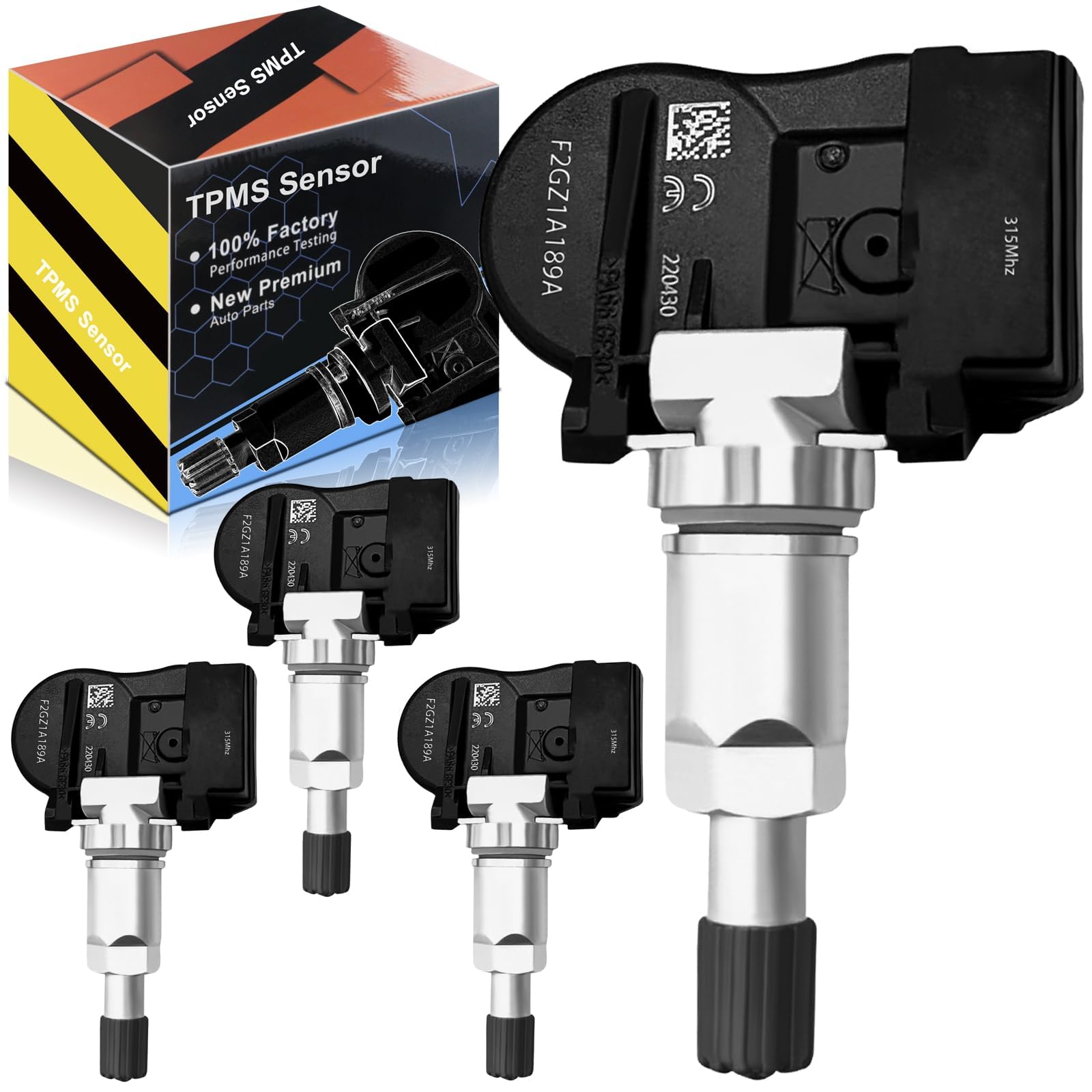
ABENLY’s pre-programmed TPMS set targets 2016-2019 Ford Explorer owners who want a straightforward activation process without the risk of programming errors. The sensors are manufactured to OEM specifications and ship with the correct Ford ID pre-loaded, so the installer only needs to activate them with a scan tool rather than write new data. The high-quality alloy construction provides structural integrity during tire mounting and balancing.
The 315MHz frequency matches the Explorer perfectly for those model years, and the 0.1-second response time ensures real-time pressure updates on the dashboard display. The clamp mount design secures firmly to the valve stem, and the 10-meter sensing distance means the receiver in the vehicle can pick up signals reliably even with the spare tire mounted underneath the cargo area.
One potential limitation is that the product listing explicitly warns against letting a shop reprogram the sensors — only activation is needed. Some tire shops automatically attempt to write new IDs, which can overwrite the pre-loaded data and cause pairing failures. The battery is rated for five to eight years, though specific cell type (CR2032 vs CR2450) is not disclosed in the specifications.
What works
- True pre-programmed design eliminates programming step
- Alloy body withstands tire mounting forces
- Fast 0.1-second signal response
What doesn’t
- Battery type not specified for lifespan verification
- Requires careful instructions to avoid overwrite at shops
6. NEWHOW TPMS Sensors Set of 4
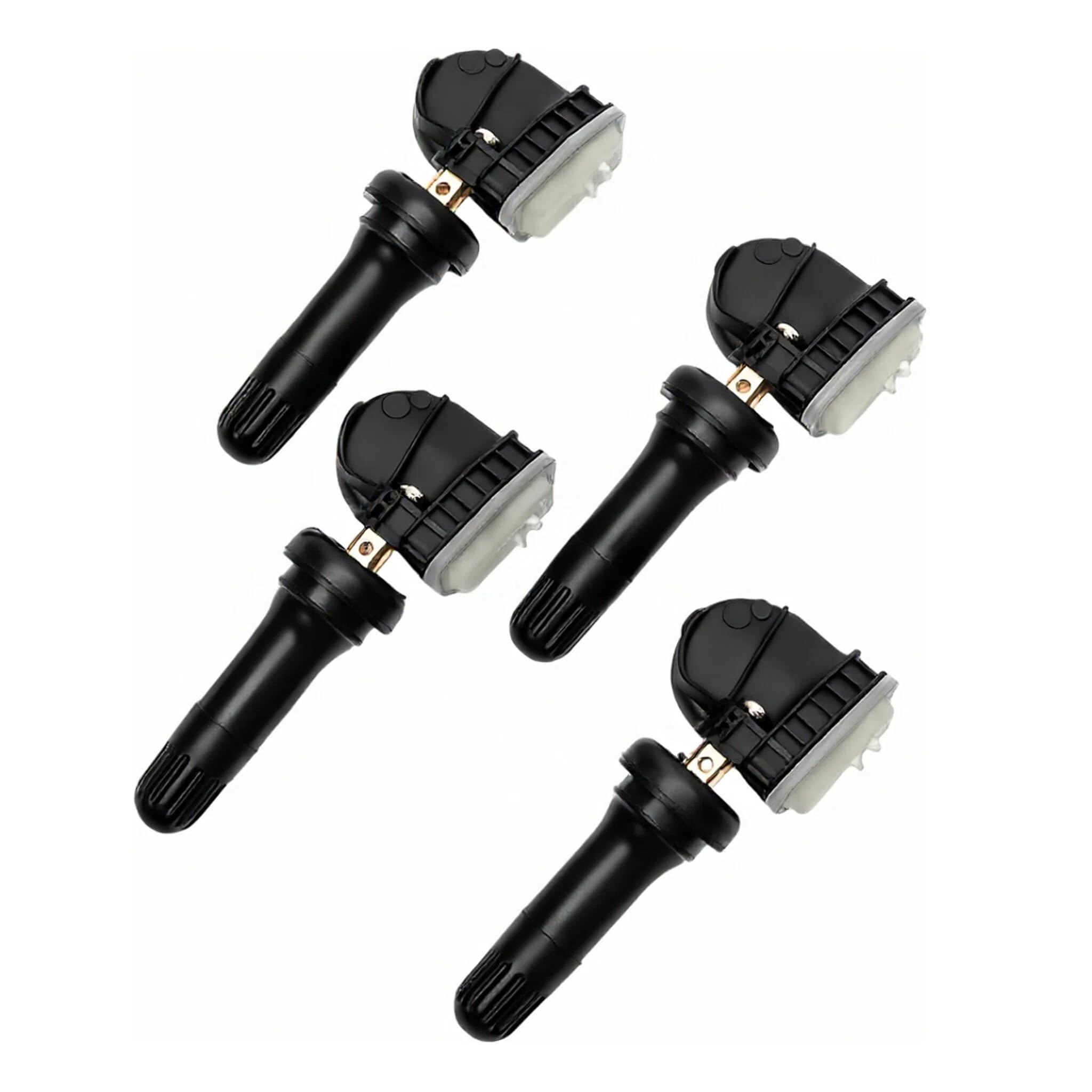
NEWHOW’s TPMS set differentiates itself with an IP67 submersible rating and epoxy-encapsulated internals that survive 500-hour salt spray tests per ASTM B117 standards. For Explorer owners in coastal areas or northern states where road salt is aggressive, this corrosion resistance translates to significantly longer service life — the manufacturer claims a 3X lifespan advantage over OEM sensors in harsh environments.
The 315MHz sensors are pre-programmed for 2015-2019 Explorer and also cover F-150, Mustang, Edge, and Lincoln models. Nickel-plated valve stems resist rust far better than standard chrome or bare steel units. The operating range spans -40°F to 257°F, which covers the extreme temperature swings that can cause thermal cycling failures in lesser sensors.
One detail to note is that while the sensors are pre-programmed, some Explorer trims require a relearn tool rather than the self-learn method described in the listing. The 3-year warranty is above average for this category, and the corrosion-proof stem design addresses a common failure point that typically manifests after 3-4 years in salt-belt climates.
What works
- IP67 submersible rating with 500-hour salt spray certification
- Nickel-plated stems eliminate corrosion-related failures
- 3-year warranty is best-in-class for aftermarket TPMS
What doesn’t
- Some Explorer trims still need a dedicated relearn tool
- Higher upfront cost justified by longer service life
7. ACLONG Pre-Programmed TPMS 315MHz & 433MHz
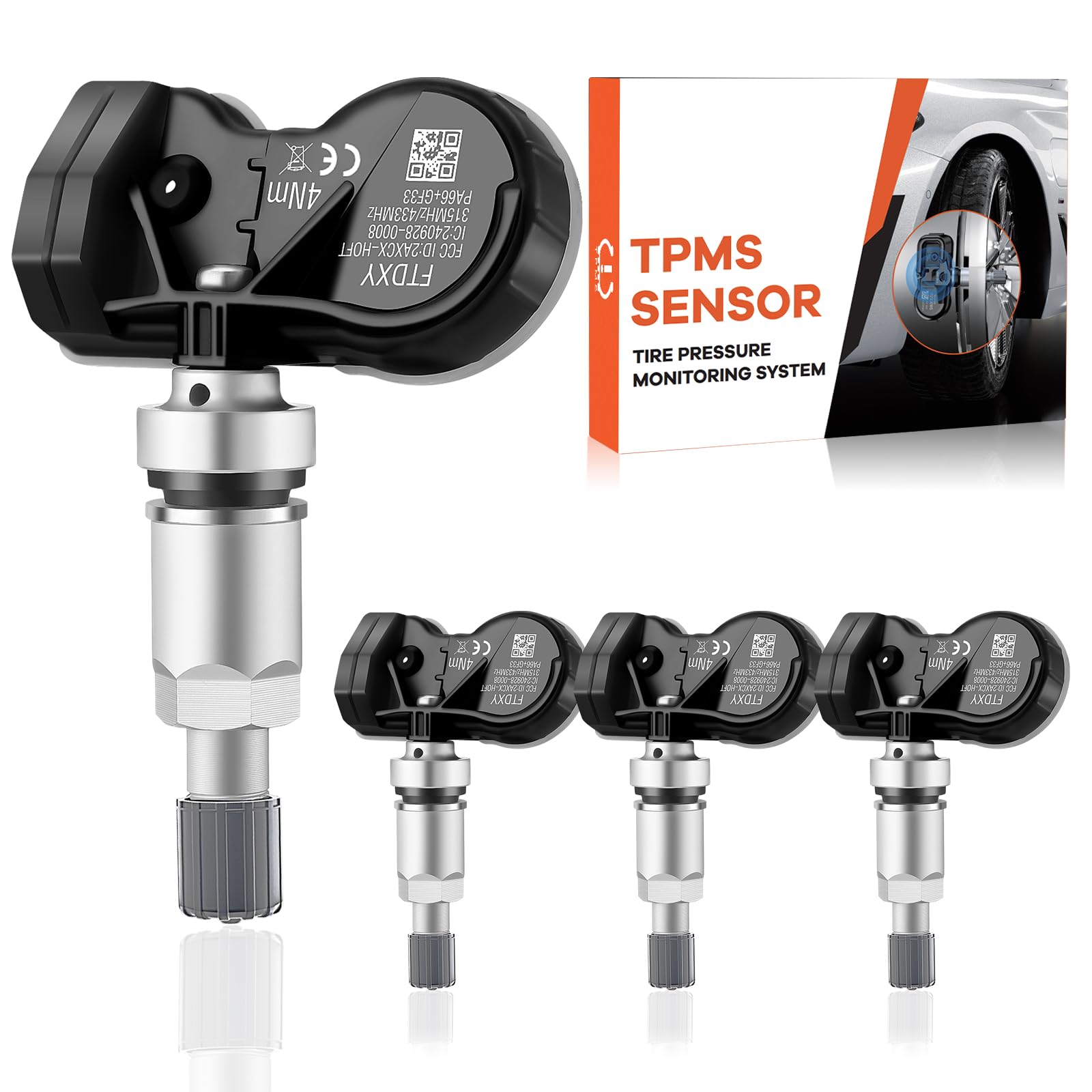
This ACLONG variant covers both 315MHz and 433MHz frequencies with a measurement accuracy of ±1.5 PSI, making it suitable for Explorer models from 2011 through 2019. The CR2450-H battery is the same high-capacity cell found in the brand’s multi-protocol set, delivering an estimated five-to-eight-year service life. The snap-in mount design ensures compatibility with standard Ford valve stem openings.
The reference numbers include 9L3Z1A189A (2011-2015 Explorer) and F2GZ1A189A (2016-2019 Explorer), so a single set can serve two different Explorer generations if you own multiple vehicles or plan to upgrade. The 20-80 PSI measuring range covers passenger car and light truck applications, though the lower limit may not register severely under-inflated tires below 20 PSI.
Owner feedback highlights consistent signal strength and straightforward relearn using standard OBDII tools. The 9.76-ounce weight per set suggests robust construction with metal valve stems rather than all-plastic budget alternatives. The 1-year warranty is standard, but the battery life projection is among the most generous in this comparison.
What works
- Dual-frequency operation covers two Explorer generations
- ±1.5 PSI accuracy is reliable for daily driving
- High-capacity battery with strong lifespan projection
What doesn’t
- Lower pressure limit of 20 PSI may miss extreme under-inflation
- Heavier than single-frequency alternatives
8. ISINLASSO 9L3Z1A189A TPMS Sensor
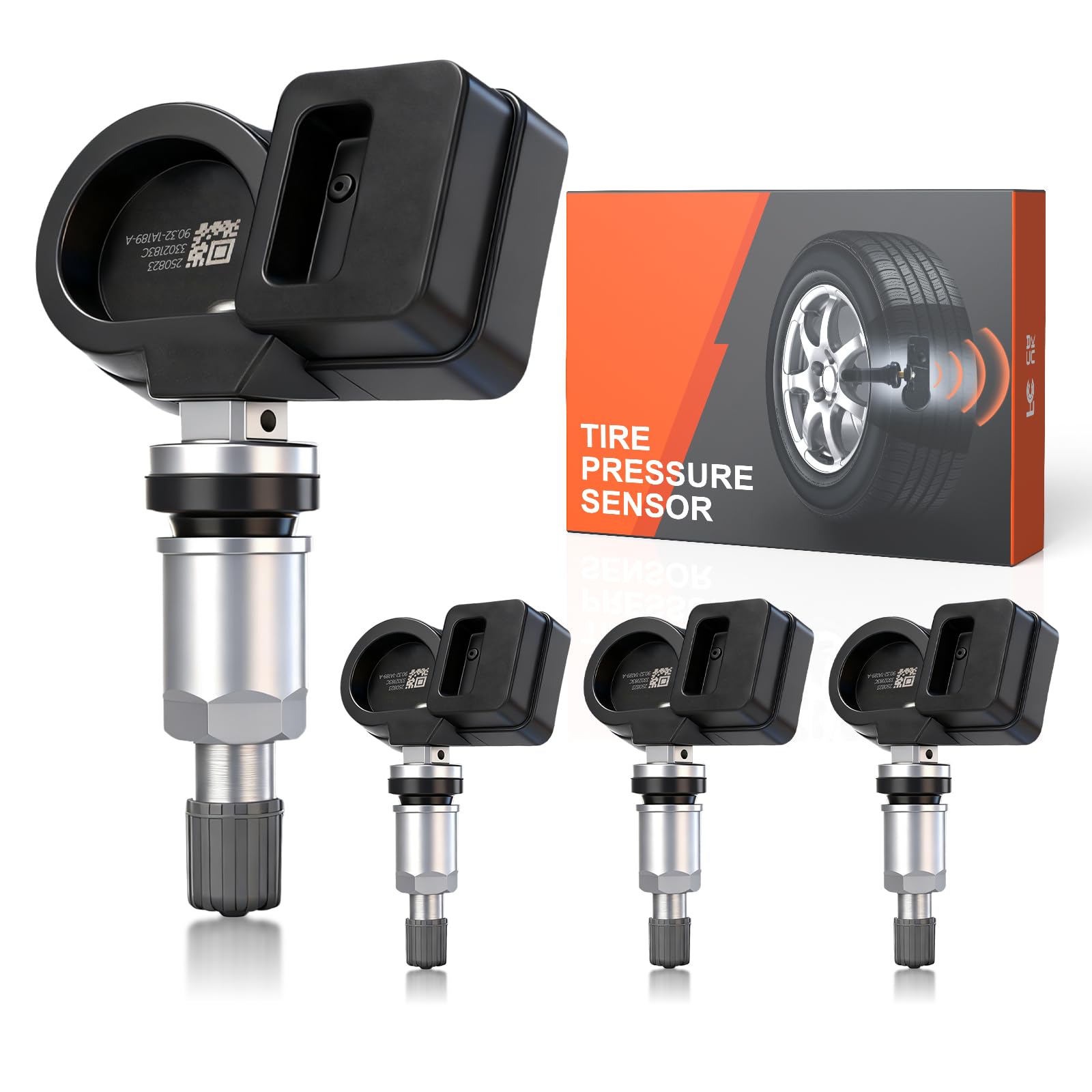
The ISINLASSO set is a budget-conscious option for 2011-2015 Ford Explorer owners who need a functional replacement without paying for features they won’t use. The 9L3Z1A189A reference number confirms compatibility with that generation, along with 2009-2014 F-150, 2010-2016 Fusion, and several Lincoln models. The 315MHz frequency is correct for these years.
Construction uses a tire mount design with digital output and a 5-plus-year battery rated for -40°C to 125°C operation. The 1-meter sensing distance is notably shorter than many competitors, which could be a concern if the TPMS receiver module is located far from the wheel wells — though in practice, most Explorer receivers are within range. The sensors are pre-programmed and require a standard relearn procedure after installation.
The main compromise is the shorter sensing distance and the lack of detailed material specifications. Owner reports indicate that the sensors pair reliably on the first attempt when using a compatible relearn tool, but some users with aftermarket wheels have noted the tire mount design can be finicky during installation. The warranty terms are not clearly stated in the product documentation.
What works
- Affordable entry point for 2011-2015 Explorer owners
- Correct OEM part number cross-reference
- Pre-programmed for straightforward activation
What doesn’t
- Short 1-meter sensing distance may cause signal dropouts
- Limited material and warranty documentation
9. Jsueng F2GZ1A189A TPMS Sensor Ford
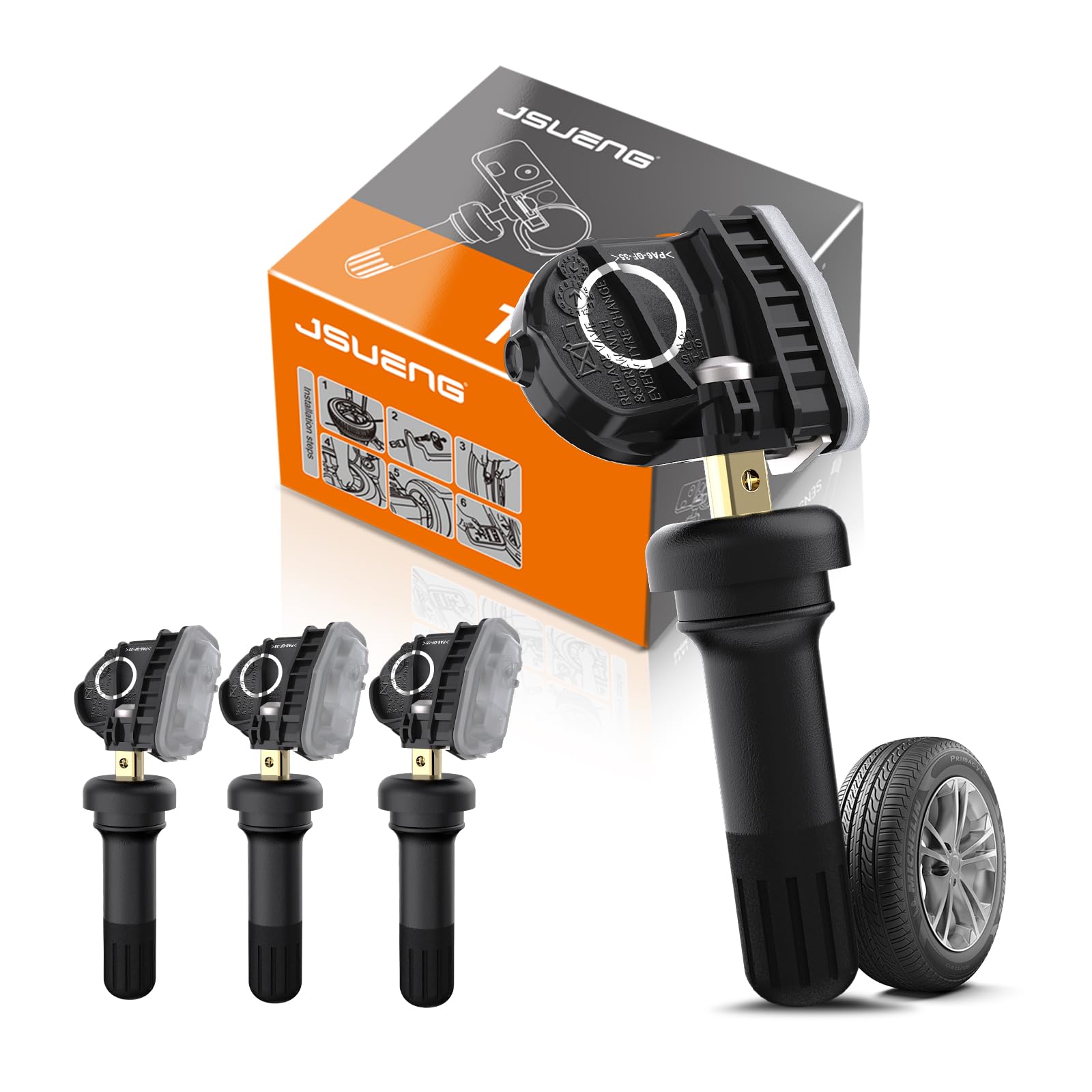
Jsueng’s F2GZ1A189A set balances coverage and cost for 2015-2019 Ford Explorer owners, along with a broad range of Ford and Lincoln crossovers. The 900kPa (130.5 PSI) chip provides ample headroom for heavy-load applications, and the CR2032 battery is rated for five to eight years of normal use. The 315MHz frequency matches the Explorer’s TPMS receiver exactly for those model years.
The sensor replaces OEM numbers including F2GZ1A189A, FR3Z1A189A, and HC3Z1A189A, covering the most common Explorer TPMS part numbers for the 2015-2019 generation. The operating temperature range of -40°C to 125°C matches the OEM specification, and the package includes four sensors with brass valve stems that resist corrosion better than standard steel units.
One consideration is that the pre-programmed nature requires a relearn tool for pairing — the OBDII relearn procedure described in the listing requires a compatible scanner. Some owners of 2015 Explorer models have noted that the sensor IDs take two drive cycles to fully register, though this is common across many aftermarket TPMS brands and not unique to Jsueng.
What works
- Correct fitment for 2015-2019 Explorer with multiple OEM cross-references
- 900kPa chip handles high-pressure applications
- Brass valve stems provide corrosion resistance
What doesn’t
- CR2032 battery has shorter lifespan than CR2450 alternatives
- May require two drive cycles for full ID registration
10. Jsueng DE8T1A180AA Ford TPMS Sensor
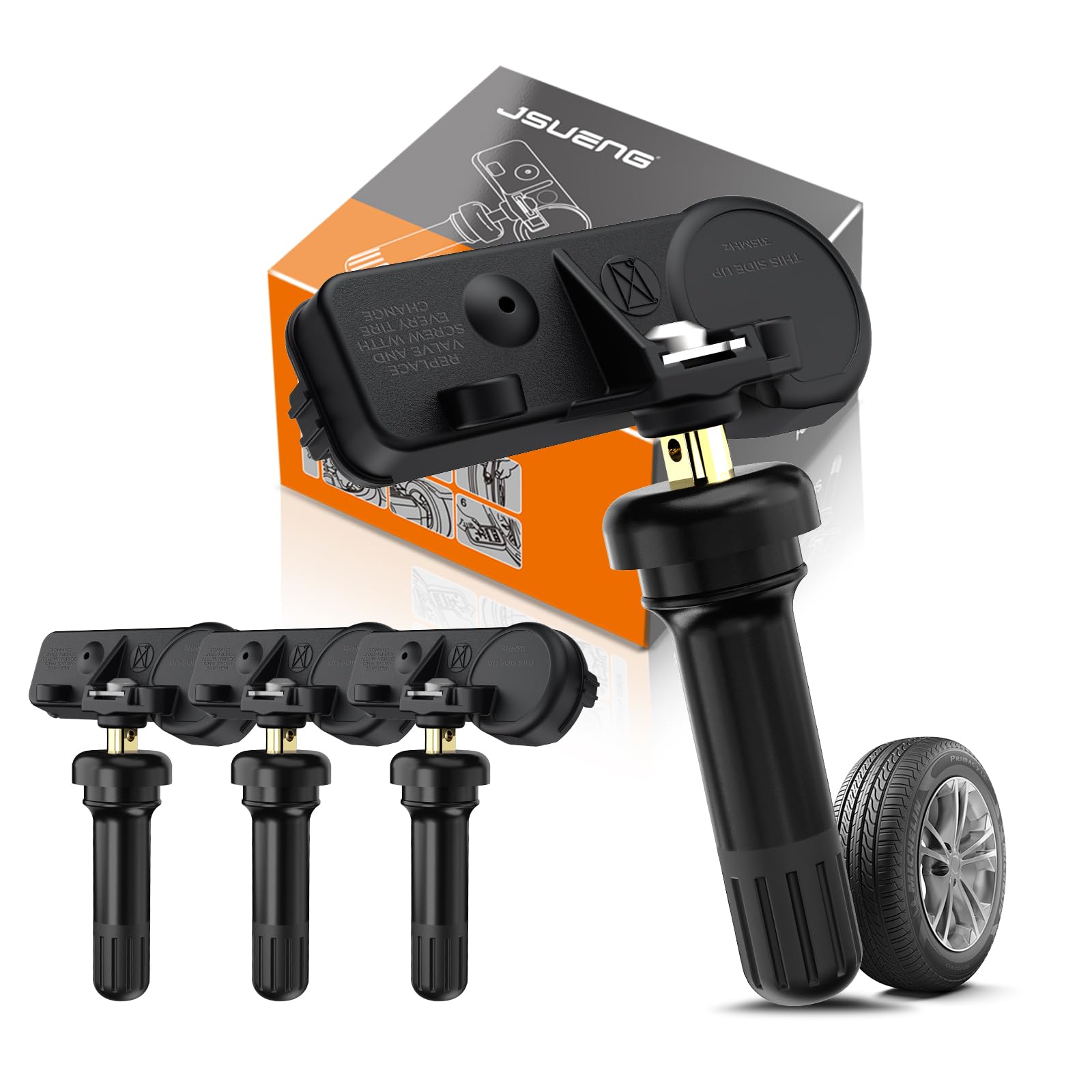
This Jsueng set targets 2010-2015 Ford Explorer owners with the DE8T1A180AA reference number, which covers the earlier generation that used a different sensor body than the 2016+ models. The 315MHz frequency is correct for these years, and the compatibility list includes Explorer alongside F-150, Escape, Focus, Fusion, and a wide range of Lincoln and Mercury vehicles from the same era.
The CR2032 battery powers the sensor for a projected five-to-eight-year lifespan, and the 900kPa chip provides the same pressure range as the F2GZ variant. The pre-programmed sensors require a relearn procedure using either the DIC button method (on vehicles equipped with it) or an OBDII scan tool. The weight of 5.6 ounces per set suggests a metal valve stem rather than all-plastic construction.
The main limitation for Explorer owners is that this set does not cover 2016-2019 models — purchasing it for a later Explorer would result in a no-read condition. The 4.1-star average from nearly 950 ratings indicates broad satisfaction among owners of compatible vehicles, though some reviews mention that the relearn process can be confusing without the proper tool.
What works
- Direct fit for 2010-2015 Explorer with strong owner satisfaction
- Metal valve stem construction at a competitive price point
- DIC button relearn option on compatible vehicles
What doesn’t
- Not compatible with 2016+ Explorer models
- Relearn process requires careful attention to instructions
11. Yikesai 4-Pack Pre-Programmed TPMS Sensor
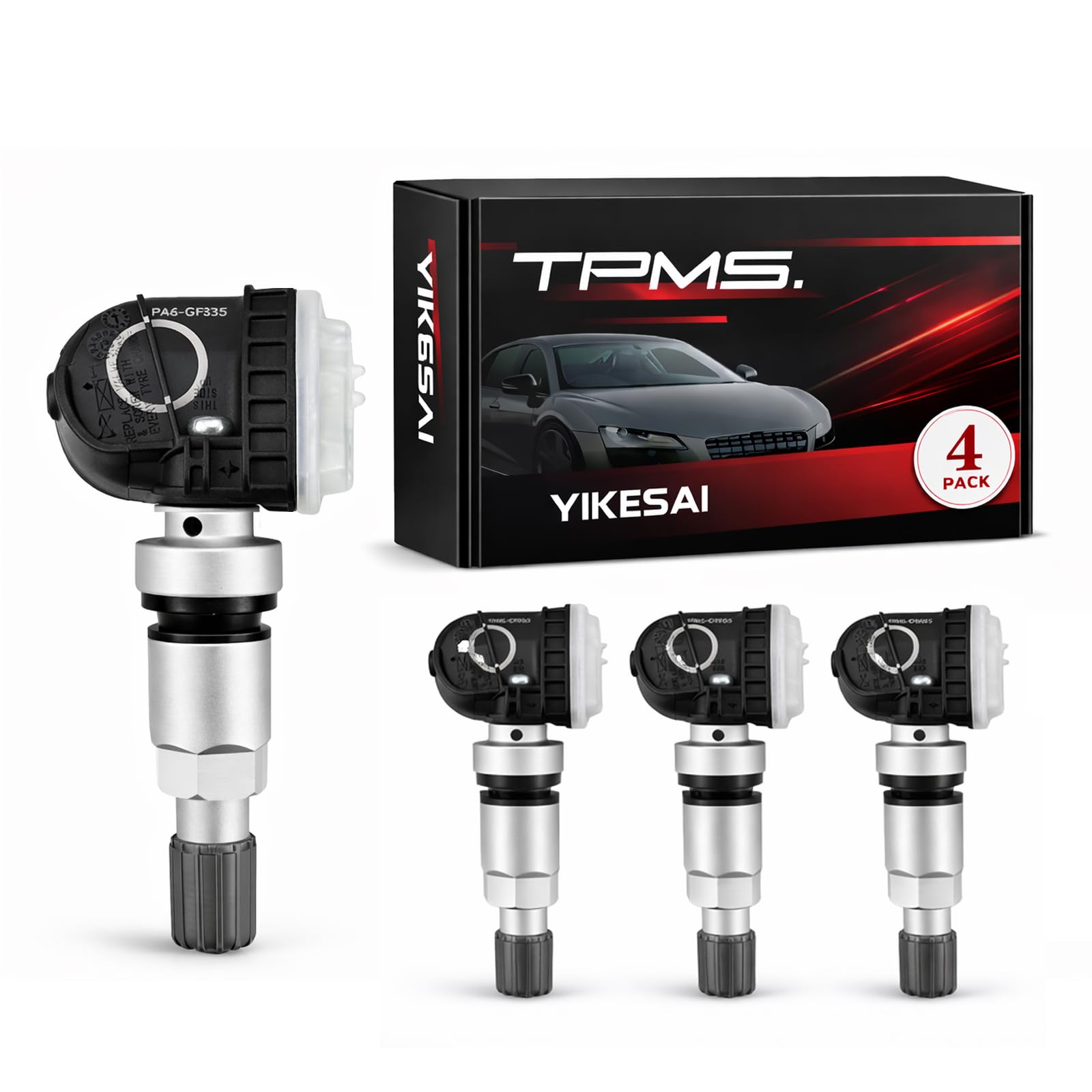
Yikesai’s TPMS set is the most cost-conscious option in this lineup, covering 2015-2020 Ford Explorer with the F2GZ1A189A reference number. The aluminum construction provides decent corrosion resistance for the price, and the 30-150 PSI measuring range covers the Explorer’s recommended inflation pressures with significant headroom for heavy loads or off-road use.
The 315MHz frequency matches the Explorer’s receiver, and the flange mount design is compatible with factory Ford wheels. The sensors are pre-programmed and require a relearn procedure after installation — the listing includes a link to a guide. The upper temperature rating of 175°F is lower than some competitors’ 257°F capability, which could be a concern in extreme desert conditions or for owners who frequently drive at high speeds in hot weather.
One trade-off at this price tier is the lack of customer reviews to validate real-world performance — the listing shows no verified ratings at the time of this analysis. The 12-month warranty provides basic protection, but the long-term durability relative to more expensive options is unproven in the field. For budget-constrained owners of 2015-2020 Explorers, it offers a functional entry point with the understanding that battery life and signal reliability may not match mid-range alternatives.
What works
- Lowest entry cost for 2015-2020 Explorer coverage
- Aluminum construction for basic corrosion resistance
- Wide 30-150 PSI measuring range
What doesn’t
- No verified customer reviews to confirm reliability
- 175°F upper temperature limit is lower than premium options
- 12-month warranty is shorter than some competitors offer
Hardware & Specs Guide
Frequency & Protocol
All Ford Explorer models from 2006 to 2019 use 315MHz TPMS sensors, but the communication protocol varies by generation. 2006-2010 Explorers use an older Ford protocol that is incompatible with 2011+ sensors, even at the same frequency. 2011-2015 models use a revised protocol, and 2016-2019 units use yet another handshake. Multi-protocol sensors auto-detect the correct format, while pre-programmed units must match the specific generation. Always cross-reference the OEM part number — F2GZ-1A189-A for 2016-2019, 9L3Z-1A189-A for 2011-2015, and 6F2Z-1A189-A for 2006-2010.
Battery Types & Lifespan
TPMS sensors use either CR2032 or CR2450 lithium coin cells. CR2450 batteries have roughly 60% more capacity (600mAh vs 225mAh), translating to two to three additional years of service life. Sensors with CR2450-H high-drain variants perform better in extreme cold. Battery life projections of five to eight years assume typical driving patterns — frequent short trips in cold climates can reduce actual lifespan. Once the battery dies, the entire sensor must be replaced because the cell is encapsulated in epoxy and cannot be serviced.
Valve Stem Materials
Aluminum, brass, and nickel-plated steel are the three common valve stem materials. Aluminum is lightweight and corrosion-resistant but can gall against steel wheel holes. Brass offers good corrosion resistance with better thread compatibility. Nickel-plated steel provides the best galvanic corrosion protection but is heavier. Rubber snap-in stems are found on some budget sensors and are more prone to ozone cracking and dry rot, especially in hot climates. Most OEM Ford sensors use aluminum or brass stems.
Sealing & Weather Resistance
IP67-rated sensors are dust-tight and can survive immersion in one meter of water for 30 minutes — adequate for pressure washing and deep puddles. Epoxy-encapsulated electronics provide superior moisture protection compared to potted or conformal-coated boards. Salt spray testing per ASTM B117 standards indicates how well the sensor withstands road salt corrosion. A 500-hour salt spray rating is considered excellent and indicates the sensor will outlast typical ownership periods in salt-belt regions.
FAQ
What TPMS frequency does a Ford Explorer use?
Do I need to program aftermarket TPMS sensors for my Explorer?
How long do TPMS sensors last on a Ford Explorer?
Can I install TPMS sensors myself on my Explorer?
What does the TPMS warning light mean on my Explorer?
Final Thoughts: The Verdict
For most Ford Explorer owners, the best ford explorer tire pressure sensor winner is the YZHIDIANF F2GZ1A189A because it covers the broadest model-year range with proven pre-programmed reliability and corrosion-resistant construction. If you prioritize certified build quality and tight measurement accuracy, grab the A-Premium 4PCS TPMS. And for extreme weather durability with IP67 sealing, nothing beats the NEWHOW TPMS Set.

Certification: BSc in Mechanical Engineering
Education: Mechanical engineer
Lives In: 539 W Commerce St, Dallas, TX 75208, USA
Md Amir is an auto mechanic student and writer with over half a decade of experience in the automotive field. He has worked with top automotive brands such as Lexus, Quantum, and also owns two automotive blogs autocarneed.com and taxiwiz.com.