A pilot valve that leaks, kicks on at the wrong pressure, or fails to unload the head will turn any air compressor into a frustrating paperweight. I have spent countless hours studying owner reports across gas and electric compressor platforms to separate the valves that deliver consistent, repeatable cut-in and cut-out behavior from those that introduce more problems than they solve.
I’m Amir — the founder and writer behind Four Wheel Ask. My approach to evaluating these components relies on cross-referencing technical specifications, material choices, thread compatibility data, and long-term reliability feedback from owners who use their compressors daily in shops, job sites, and home garages.
Whether you are troubleshooting a hard-starting gas compressor or upgrading an electric model for better pressure control, understanding the differences in port configurations, pressure ranges, and build materials makes the difference between a one-and-done repair and a recurring headache. After reviewing thousands of owner reports and specifications, I have identified the best air compressor pilot valve options that deliver reliable performance across every pressure range.
How To Choose The Best Air Compressor Pilot Valve
Selecting the right pilot valve starts with understanding whether your compressor is gas-powered or electric, what pressure range your system requires, and what thread types your existing plumbing uses. A mismatch in any of these areas means returns, adapters, or improvised fittings that compromise safety.
Pressure Range and Adjustability
Every pilot valve has a factory-set cut-in and cut-out window — common ranges include 95-125 PSI, 125-150 PSI, 140-175 PSI, and 145-175 PSI. Some valves offer a 30-40 PSI adjustment range up or down from the factory setting, which provides flexibility for different tank sizes and tool requirements. If your compressor demands a specific differential, look for a model that explicitly supports that window rather than relying on aftermarket tweaks that may drift over time.
Thread Type and Port Configuration
Inlet and outlet threads come in NPT (tapered), flare (inverted or metric), and compression styles. A 1/4″ male NPT inlet is standard on many unloader valves, while gas compressor models often use 5/8″ inverted flare or 1/2″ metric flare inlets. Count the ports: a two-port valve handles basic unloader duty, while three- or four-port configurations integrate check valve, relief, and gauge ports into one assembly, reducing potential leak points.
Build Material and Environmental Tolerance
Brass and stainless steel are the two dominant materials. Brass offers good corrosion resistance and is standard on many direct-replacement valves, but stainless steel handles higher temperatures and more aggressive environments without dezincification. If your compressor lives in a humid or outdoor setting, stainless steel or plated brass provides a longer service life. Also check the temperature rating — most pilot valves operate between -15°F and 350°F, but continuous-run unloaders on gas compressors may see higher sustained heat.
Quick Comparison
On smaller screens, swipe sideways to see the full table.
| Model | Category | Best For | Key Spec | Amazon |
|---|---|---|---|---|
| Square D Pumptrol 9013FHG12J52M1X | Pressure Switch | Reliable electric compressor control | 95-125 PSI, 1 port, unloader & on/off lever | Amazon |
| Ingersoll Rand 49816283C | Pilot Unloader | OEM replacement for T30 gas compressors | 145-175 PSI, 5/8″ flare inlet, solid brass | Amazon |
| Rolair 131B | Pilot Unloader | Direct-fit Rolair compressor replacement | Brass, 2-port, male pipe thread | Amazon |
| Hitachi 885426 EC2510E | Pilot Unloader | All-in-one check/unloader for Hitachi gas | 110-140 PSI, 3-port, metric flare inlet | Amazon |
| 26 AMP H/D Pressure Switch | Pressure Switch | Multi-port upgrade with integrated gauge | 145-175 PSI, 4-port, 26A, 0-200 PSI gauge | Amazon |
| Furnas / Hubbell 69JF9LY2C | Pressure Switch | Industrial-grade electric compressor control | 140-175 PSI, 4-port, 1/4″ compression unloader | Amazon |
| NG-5-M-140-175 | Pilot Unloader | Heavy-duty continuous run unloader | 140-175 PSI, 1/2″ NPT, 30 SCFM, 3-port | Amazon |
| New Pilot Unloader 95-125 PSI | Pilot Unloader | Budget-friendly Emglo-style replacement | 95-125 PSI, 1/4″ MPT, stainless steel, 250 PSI max | Amazon |
| Pilot Unloader Discharge 125-150 PSI | Pilot Unloader | Entry-level manual unloader valve | 125-150 PSI, 1/4″ NPT, stainless steel | Amazon |
| BG-Valve 131B 125-150 PSI w/ Muffler | Pilot Unloader | Quieter operation with integrated muffler | 125-150 PSI, Rolair/Jenny/Emglo compatible | Amazon |
| BG-Valve 131B 95-125 PSI | Pilot Unloader | Adjustable unloader with hand toggle | 95-125 PSI, 1/4″ MPT x 1/8″ FPT, brass | Amazon |
In‑Depth Reviews
1. Square D Pumptrol 9013FHG12J52M1X

The Square D Pumptrol 9013FHG12J52M1X is the most widely recommended pressure switch in the 95-125 PSI category, and the aggregated owner feedback backs that reputation. This single-port switch comes with an integrated unloader valve and a manual on/off lever, making it a straightforward replacement for countless electric compressor setups. The build quality reflects Schneider Electric’s industrial standards, with a NEMA 1 enclosure and UL/CSA certifications that provide peace of mind for continuous shop use.
Owners consistently report that installation is simple and that the switch maintains its cut-in and cut-out setpoints reliably over months of daily operation. The unloader valve performs its function without hesitation, bleeding head pressure cleanly on shutdown. A few users noted that the electrical contact bridges arrived with a weaker spring than expected, which could pose a long-term arcing risk under heavy cycling, though most installations have not encountered problems.
For anyone replacing a failed switch on a residential or light commercial compressor, this unit delivers the most predictable performance for the investment. The adjustment process for cutout pressure is clearly documented, and the included wiring instructions accommodate both single-phase and basic three-phase configurations. It is the benchmark that other pressure switches in this class are measured against.
What works
- Consistent 95-125 PSI hold with minimal drift over time
- On/off lever provides convenient manual control without power disconnect
- Compact footprint fits tight compressor panels without modification
What doesn’t
- Small cover labels can be difficult to read in low-light shop conditions
- Some units arrived with overtightened electrical terminal screws
2. Ingersoll Rand 49816283C

The Ingersoll Rand 49816283C is an OEM-grade in-line piloted unloader check valve combination designed specifically for T30 gas-powered air compressors. It integrates the relief valve, unloader, and check valve into a single brass assembly with a 5/8″ inverted flare inlet and a 1/2″ female NPT tank connection. The factory setpoint window of 145-175 PSI matches the demands of higher-output gas compressors that need reliable head pressure management during startup and continuous run cycles.
Owner reports from T30 operators are overwhelmingly positive, with many describing this as a direct bolt-on replacement that eliminates hard-starting and stalling issues that plagued their original valves. The solid brass construction resists corrosion better than plated alternatives, and the Made-in-USA manufacturing ensures consistent thread quality. One critical detail is that the 5/8″ inverted flare inlet requires specific fittings — standard NPT adapters will not work, and sourcing the correct flare fittings can take time.
For anyone maintaining an Ingersoll Rand T30 gas compressor, this valve represents the path of least resistance to reliable operation. The combination design reduces potential leak points compared to separate check and unloader valves, and the factory pressure settings hold well across temperature swings. It is the right choice when OEM specification and long-term dependability are non-negotiable.
What works
- OEM fit and finish for Ingersoll Rand T30 with zero modification needed
- All-in-one check/unloader/relief design minimizes leak paths
- Solid brass body provides excellent corrosion resistance in humid environments
What doesn’t
- 5/8″ inverted flare inlet is difficult to adapt for non-standard plumbing
- Factory setpoints run slightly higher than advertised on some units
3. Rolair 131B Pilot Unloader Valve
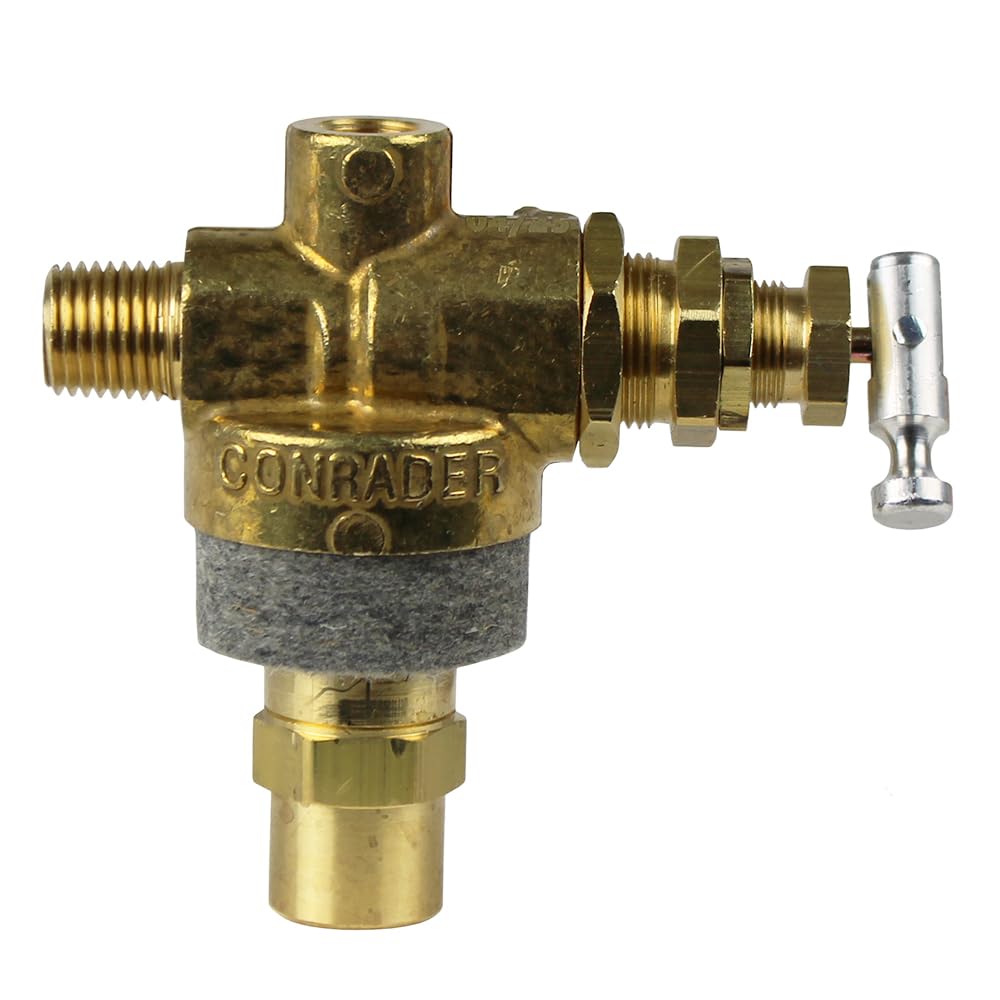
The Rolair 131B is the factory-specified pilot unloader valve for Rolair compressors, and it has also proven to be a reliable cross-platform replacement for other gas-powered units with similar thread configurations. Constructed from solid brass with male pipe thread inlets and outlets, this two-port valve prioritizes simplicity and durability over feature complexity. The compact form factor, measuring roughly 3.5 by 3 by 1.5 inches, fits into tight valve nests without requiring additional clearance.
Feedback from owners who installed this on Rolair and Jenny compressors highlights the 15-minute swap time and immediate resolution of safety valve blow-off and high-RPM surging. The valve maintains consistent unloader action without sticking, even after periods of inactivity. A small number of users noted that the threads can feel tight on certain compressor heads, but proper thread sealant resolved the issue without cross-threading concerns.
This valve earns its place as a top-tier option for owners who want a direct factory replacement without second-guessing compatibility. The price-to-reliability ratio is strong, and the absence of unnecessary adjustments means fewer things to fail over the compressor’s lifetime. For Rolair owners specifically, this is the definitive choice.
What works
- Exact OEM replacement for Rolair compressors with guaranteed fit
- Solid brass construction resists corrosion and thread galling
- Compact size installs easily in tight compressor valve areas
What doesn’t
- Non-adjustable pressure range limits flexibility for non-standard setups
- Thread engagement can feel tight on some compressor heads
4. Hitachi 885426 EC2510E

The Hitachi 885426 is a three-in-one pilot unloader, check valve, and unloader assembly engineered for Hitachi EC2510E gas compressors, though its 110-140 PSI factory setting and 30 SCFM rating make it adaptable to other continuous-run applications. The valve combines a 1/2″ metric flare top inlet with a 3/8″ male pipe thread outlet to the air tank, integrating three functions into a single body to reduce external plumbing and potential leak paths. The stainless steel exterior finish adds a layer of environmental protection that standard brass valves lack.
Owners who sourced this valve after searching multiple outlets report that it fits the Hitachi EC2510E perfectly and resolves the hard-starting and pressure bleed-down issues common with worn original equipment. The pressure adjustment range of 30-40 PSI up or down from the factory setting provides useful flexibility for tuning the compressor to specific tool demands. One consideration is that the metric flare inlet uses a non-standard thread pitch, so adapting to NPT plumbing requires sourcing the correct metric flare fittings rather than using universal adapters.
For Hitachi gas compressor owners, this valve eliminates guesswork. The all-in-one design streamlines installation and reduces the number of threaded connections that can loosen over time. The ability to adjust the pressure window without replacing the valve adds long-term value, making it a premium solution for those who want factory-matched performance with room to fine-tune.
What works
- Combines check valve, unloader, and pilot into one compact assembly
- Adjustable pressure range provides tuning flexibility for varied tool loads
- Stainless steel finish handles outdoor and high-humidity environments well
What doesn’t
- Metric flare inlet requires specialized fittings not found in standard plumbing aisles
- Limited to 140 PSI maximum, which may not suit higher-pressure systems
5. 26 AMP H/D Pressure Switch 145-175 PSI

The I.E.E 26 AMP heavy-duty pressure switch brings a four-port design, an integrated 0-200 PSI gauge, and a 200 PSI pop-off valve together in a single package aimed at users upgrading or rebuilding compressor control systems. The LF10A-L4 series switch supports 145-175 PSI factory cut-in/cut-out, handles up to 26 amps on single-phase or three-phase power, and includes a 1/4″ compression unloader connection. The included gauge allows real-time pressure monitoring without adding a separate tee fitting.
Owner feedback highlights the ease of installation as a direct replacement for Sanborn and similar 5 HP, 80-gallon compressor setups, with several users noting that the copper unloader tube is a notable improvement over plastic alternatives. The adjustable pressure differential, combined with the four-port layout, gives users the flexibility to route additional accessories directly from the switch. A recurring observation is that the internal wiring label is less intuitive than it could be — the adjustment screws affect both cut-in and cut-out simultaneously, which can confuse first-time installers.
This switch delivers strong value for the money by bundling components that would otherwise require separate purchases. The 26-amp rating provides headroom for larger motors, and the UL/CSA certifications indicate compliance with commercial electrical standards. For anyone replacing a failed pressure switch on a mid-size electric compressor, this is a cost-effective upgrade that simplifies the control layout.
What works
- Four-port design accommodates gauge, relief, and accessory connections without extra fittings
- Included 0-200 PSI gauge eliminates separate gauge installation
- Copper unloader tube is more durable than standard plastic versions
What doesn’t
- Wiring label inside the cover is ambiguous and may cause adjustment errors
- Pop-off valve setpoint is factory-fixed and not user-adjustable
6. Furnas / Hubbell 69JF9LY2C

The Furnas / Hubbell 69JF9LY2C is a four-port pressure switch built for industrial-grade electric compressor applications. Rated at 140-175 PSI with a 30-40 PSI differential, it features a manual on/off lever on the side and a 1/4″ compression unloader valve connection. The metal enclosure and Hubbell manufacturing pedigree position this switch as a long-service-life component for compressors that see heavy daily cycling in professional shops.
Multiple owners report that this switch serves as a direct replacement for 80-gallon compressor setups and restores proper cut-in and cut-out behavior without any modifications. The build quality feels substantial compared to budget alternatives, with positive detent action on the on/off lever and clean thread engagement on the compression unloader port. However, a notable number of users experienced units with incorrect differential pressure out of the box, with one owner cycling through three switches before switching brands — a pattern that suggests quality control consistency could be improved.
For buyers who need a four-port switch with a proven brand name and industrial specifications, this model is worth considering if you are prepared to verify the pressure settings immediately after installation. The Hubbell name carries weight in electrical components, and when the unit functions correctly, it delivers reliable performance comparable to the best in this category.
What works
- Robust metal enclosure withstands shop floor impacts and vibration
- Four-port layout allows for multiple accessory connections
- Manual on/off lever provides definitive shutoff without pulling fuses
What doesn’t
- Inconsistent differential pressure calibration from unit to unit
- Adjustment range may not compensate for out-of-spec factory settings
7. NG-5-M-140-175 Metal Piloted Discharge Check Valve

The NG-5-M-140-175 is a continuous-run unloader valve designed for gas and electric compressors that require higher flow capacity, with a 30 SCFM rating that outperforms many standard pilot valves. It features a 1/2″ FPT top inlet and a 1/2″ male pipe thread outlet, along with a factory setting of 140-175 PSI that is adjustable 30-40 PSI in either direction. The three-port design includes a hand unloader and a muffler/silencer to reduce exhaust noise during the unload cycle.
Owners using this valve on 30-gallon gas compressors from Harbor Freight and similar brands report that it resolves the common issue of the relief valve blowing off prematurely by providing a clean, consistent unload action. The metal construction feels durable, and the included muffler noticeably reduces the sharp burst of air that typically accompanies unloader activation. One user noted that outdoor exposure caused the pressure release mechanism to stick after a month, indicating that the valve benefits from weather protection or a cover.
For applications where higher CFM output and quieter operation are priorities, this valve delivers performance characteristics that standard 1/4″ port unloaders cannot match. The 1/2″ plumbing accommodates larger compressors without creating a flow restriction, and the adjustable pressure band provides flexibility for fine-tuning. Just plan to shield it from direct rain and debris if the compressor lives outdoors.
What works
- 30 SCFM rating supports larger compressors without flow restriction
- Integrated muffler reduces unloader exhaust noise significantly
- Adjustable 30-40 PSI band provides tuning flexibility for different pressure needs
What doesn’t
- Exposed mechanism prone to sticking when left in direct weather
- Thread configuration may not match Ingersoll Rand without adapter fittings
8. New Pilot Unloader Valve 95-125 PSI

The Conrader pilot unloader valve offers a 95-125 PSI factory setting with a 30-40 PSI adjustment range in either direction, housed in a stainless steel body with a 1/4″ male NPT inlet and 1/8″ female NPT discharge outlet. With a maximum operating pressure of 250 PSI and a temperature range of -15°F to 350°F, it exceeds the thermal and pressure demands of most residential and mobile compressor applications. The manual hand unloader provides a straightforward mechanical method for relieving head pressure before startup.
Owners report that this valve solved throttle control issues on gas compressors, including Castair 30-gallon units, with smooth operation after installation. The Emglo replacement compatibility is frequently cited as a key advantage, with several users confirming it as a direct fit. The stainless steel construction is a meaningful upgrade over brass at this price point, offering better resistance to dezincification and thermal cycling in mobile compressor environments.
This valve occupies a sweet spot between entry-level pricing and premium material quality. The Conrader brand has a strong reputation in the compressor component space, and the 250 PSI maximum rating provides a safety margin that lower-rated valves lack. For anyone troubleshooting a gas compressor with inconsistent starting or throttle behavior, this is a smart first diagnostic replacement.
What works
- Stainless steel body offers superior corrosion resistance over brass alternatives
- 250 PSI max rating provides generous safety overhead for 95-125 PSI systems
- Confirmed as a direct replacement for Emglo compressors
What doesn’t
- Manual hand unloader requires operator action — not automatic on all setups
- 1/8″ discharge port limits flow compared to larger-port unloaders
9. Pilot Unloader Discharge Valve 125-150 PSI

This Conrader pilot unloader discharge valve operates in the 125-150 PSI range with the same 1/4″ male NPT inlet and 1/8″ female NPT discharge configuration as its 95-125 PSI sibling, but tuned for compressors that need higher cut-in and cut-out pressures. The stainless steel construction mirrors the build quality of the lower-pressure version, with a 250 PSI maximum rating and a wide temperature tolerance that suits both indoor and outdoor installations.
Owner feedback is limited compared to higher-volume products, but those who have purchased it confirm that it matches the factory specifications for their compressors and installs without issues. The valve is essentially identical in construction to other Conrader units, differing only in the spring calibration that determines the pressure window. This consistency means the same material and thread quality expectations apply — stainless steel body, clean NPT threads, and a reliable manual hand unloader.
For users who need the 125-150 PSI window specifically, this valve provides a no-surprises replacement option from a known manufacturer. The absence of reported defects or compatibility problems in the available reviews suggests consistent quality control. If your compressor requires this pressure band, this is a straightforward, reliable choice that will not introduce new variables into your system.
What works
- Consistent Conrader quality with stainless steel corrosion resistance
- 125-150 PSI range fills a specific niche for medium-pressure compressors
- Same proven mechanical design as the widely-reviewed 95-125 PSI version
What doesn’t
- Limited owner review volume makes long-term reliability assessment harder
- 1/8″ discharge port may restrict flow on higher-output compressor heads
10. BG-Valve 131B 125-150 PSI w/ Muffler
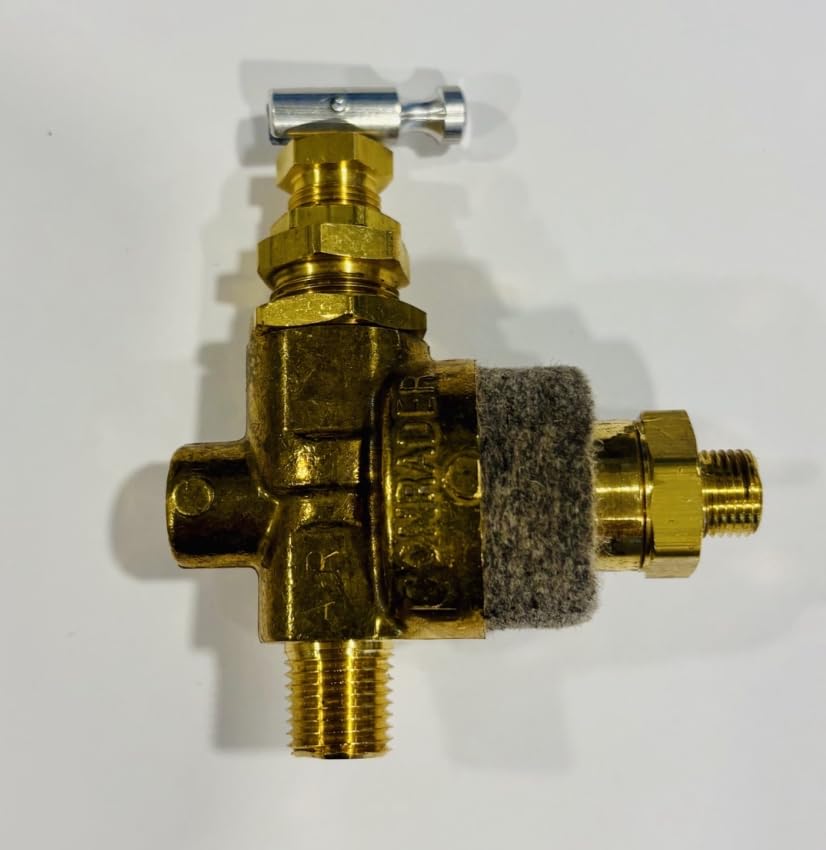
The BG-Valve 131B pilot unloader valve comes factory-set at 125-150 PSI and includes an integrated muffler to quiet the exhaust burst that occurs during the unload cycle. It is marketed as a replacement for Rolair, Jenny, and Emglo compressors, with a design that closely mirrors the OEM configuration of those brands. The automatic shut-off feature ensures that the unloader stops bleeding air once the system reaches equilibrium, reducing unnecessary noise and wear.
Owners who installed this valve on North Star and other gas-powered compressors report that it eliminated the gradual air loss that was causing mid-job delays. The muffler makes a noticeable difference in workplace noise levels, particularly for compressors operating in enclosed shop spaces. Several users noted that the valve required a small adjustment after installation to match their compressor’s exact pressure settings, but the process was straightforward and held reliably afterward.
The inclusion of a muffler at this price point is a thoughtful design choice that addresses a common annoyance with unloader valves — the sharp, loud blast of air that punctuates every compressor cycle. For shop environments where noise reduction is a priority, this valve provides a meaningful improvement without sacrificing pressure accuracy or installation simplicity.
What works
- Integrated muffler significantly reduces unloader exhaust noise
- Compatible with multiple compressor brands (Rolair, Jenny, Emglo)
- Automatic shut-off prevents continuous air bleed during idle periods
What doesn’t
- Factory setting may need fine-tuning to match exact compressor specifications
- Limited pressure range (125-150 PSI) not suitable for higher or lower systems
11. BG-Valve 131B 95-125 PSI

The BG-Valve 131B pilot unloader valve set at 95-125 PSI combines a brass construction with a hand toggle unloader for easy manual startup control. It uses a 1/4″ MPT inlet with a 1/8″ FPT connection for the check valve, and it is designed as a compatible replacement for Rolair, Jenny, Emglo, and Conrader applications. The maximum operating pressure of 200 PSI provides adequate headroom for the intended pressure window.
Owners who purchased this valve for 500-liter compressors and other medium-duty applications confirm that it performs exactly as specified, with no leaks or pressure drift after installation. The hand toggle gives operators positive control during startup, which is particularly useful for gas compressors that need the head pressure relieved before the engine engages. The brass body offers good corrosion resistance for indoor shop use, though it may not match the longevity of stainless steel in outdoor environments.
This valve is a solid mid-range option for anyone who needs the 95-125 PSI window and prefers a manual toggle over an automatic unloader. The compatibility across multiple compressor brands makes it a versatile spare to keep on hand, and the brass construction provides reliable service in typical garage and workshop conditions. Just verify the pressure range matches your system before ordering.
What works
- Hand toggle provides positive manual control for gas compressor startup
- Broad compatibility across Rolair, Jenny, Emglo, and Conrader platforms
- Brass construction offers good corrosion resistance for indoor use
What doesn’t
- 200 PSI max rating is lower than stainless steel alternatives
- Brass may not hold up as well in continuous outdoor or humid exposure
Hardware & Specs Guide
Thread Types and Port Sizes
Air compressor pilot valves use several thread standards that are not interchangeable without adapters. NPT (National Pipe Tapered) threads are the most common on electric compressor components, with 1/4″ male NPT being the standard inlet size for most unloader valves. Inverted flare fittings appear frequently on gas compressor models, often in 5/8″ or 1/2″ metric sizes, and require specific flare nut and sleeve combinations rather than thread sealant. Compression unloader connections, typically 1/4″, use a ferrule to create a seal and are common on pressure switches. Always match the thread type exactly — forcing an NPT fitting into a flare port can damage the threads and create a leak path.
Pressure Range and Differential
The pressure range defines the window between cut-in (when the compressor starts) and cut-out (when it stops). A 95-125 PSI valve starts the compressor at 95 PSI and stops it at 125 PSI. The differential is the difference between these two numbers — typically 30-40 PSI on most pilot valves. Adjustable valves allow you to shift the entire window up or down by 30-40 PSI, but the differential remains fixed. For gas compressors, the pilot valve also manages the throttle control, so the pressure range directly affects engine speed and fuel consumption. Selecting the wrong range can cause short-cycling, continuous running, or failure to reach cut-out pressure.
FAQ
What is the difference between a pilot unloader valve and a pressure switch?
How do I know which pressure range my compressor needs?
Can I replace a pilot unloader valve myself?
Why does my compressor’s unloader valve keep leaking air?
What does the muffler on a pilot unloader valve do?
Final Thoughts: The Verdict
For most buyers, the best air compressor pilot valve winner is the Square D Pumptrol 9013FHG12J52M1X because it combines proven reliability, consistent pressure control, and broad compatibility across electric compressor platforms at a reasonable cost. If you need an OEM-grade solution for a T30 gas compressor, grab the Ingersoll Rand 49816283C. And for a budget-friendly replacement with stainless steel durability, nothing beats the Conrader pilot unloader valve.

Certification: BSc in Mechanical Engineering
Education: Mechanical engineer
Lives In: 539 W Commerce St, Dallas, TX 75208, USA
Md Amir is an auto mechanic student and writer with over half a decade of experience in the automotive field. He has worked with top automotive brands such as Lexus, Quantum, and also owns two automotive blogs autocarneed.com and taxiwiz.com.