A soggy launch from a stoplight or a transmission that feels like it’s slipping through molasses usually points to one tired component: the torque converter. This fluid coupling is the linchpin between your engine’s crankshaft and your transmission’s input shaft, and when it’s worn or mismatched to your camshaft, every shift feels lazy and every acceleration window closes early. Selecting the right stall speed and spline count for your specific engine and transmission combo transforms a sluggish daily driver into a responsive machine that hooks up hard without overheating the fluid.
I’m Amir — the founder and writer behind Four Wheel Ask. I’ve spent years analyzing stall speed curves, friction material compositions, and spline compatibility across dozens of aftermarket converter builds to separate the units that deliver consistent lockup from the ones that leave you second-guessing your cam choice.
Whether you are upgrading a 4L60E for a cammed LS swap or refreshing a TH350 with a small block, finding the right torque converter means matching stall RPM to your engine’s torque peak and ensuring the bolt pattern matches your flexplate without filing holes.
How To Choose The Best Torque Converter
Selecting a torque converter is not a one-size-fits-all game. The unit that works for a 5.3L truck with a mild towing cam will feel dead and overheated in a 383 stroker with 2500-RPM idle. Start with the transmission case, then dial in stall speed, then verify physical dimensions.
Stall Speed and Your Camshaft
The converter’s stall speed is the RPM at which the engine can hold steady without the brakes overcoming the fluid coupling. A cam with a rough idle near 1000 RPM needs a stall at least 500–700 RPM above that idle to prevent the engine from dying when you drop it into gear. For a daily-driven 4L60E or TH350, a mid-range stall around 2200–2500 RPM mates well with a mild towing or truck cam. Anything above 2800 RPM starts to slip more at cruising speeds, building heat and hurting fuel economy unless your transmission has an auxiliary cooler.
Spline Count, Bolt Pattern, and Pilot Diameter
GM small-block transmissions typically use a 30-spline input shaft on the 4L60E/4L65E family while TH350 and TH400 use a different spline count and often a larger pilot. The flexplate bolt circle is equally critical — most aftermarket converters use a 10.75-inch pattern, but some 10-inch units require a specific flexplate. Measure your existing converter’s pilot snout diameter and overall length before ordering; a pilot that is too tight or too loose can damage the front pump or cause internal misalignment that destroys the bushing in a few hundred miles.
Lockup Clutch and Friction Material
Modern transmissions rely on a lockup clutch to eliminate slip at highway speeds, improving fuel economy and reducing transmission fluid temperature. Budget-friendly rebuilds sometimes use standard paper-based friction, but carbon fiber friction materials handle higher heat loads and offer a more consistent lockup feel. If you are pairing the converter with a high-horsepower build or using nitrous, look for upgraded thrust washers, billet hubs, and multi-disc lockup clutches that can survive repeated shock loads without warping.
Quick Comparison
On smaller screens, swipe sideways to see the full table.
| Model | Category | Best For | Key Spec | Amazon |
|---|---|---|---|---|
| TTC GM92SS1-4L60E | Rebuilt OEM | Stock daily driver 4L60E | 1400-1600 stall / 30-spline | Amazon |
| B&M 400000 | Universal | Multi-fit mild upgrade | 2200-2600 stall / 11-inch | Amazon |
| JEGS 555-60401 | Street/Strip | TH350/TH400 350 SBC | 2700-3000 stall / 10.75in BC | Amazon |
| TTC GM92-2200-2500 | Rebuilt High-Stall | 4L60E cammed LS trucks | 2200-2500 stall / carbon fiber | Amazon |
| B&M 20400 Tork Master | Street Mild | TH350/TH400 327-350 | 1900-2100 stall / 10.75in BC | Amazon |
| JEGS 555-60400 | Stage 2 Street/Strip | Small block 300-500 HP | 2300-2700 stall / 10.75in BC | Amazon |
| Allstar ALL26900 | Track Oriented | SBC/ BBC track use | 2700-3000 stall / 10-inch | Amazon |
| Hughes GM25 | Premium Street/Strip | TH350/TH400 350-400 HP | 2500 stall / alloy steel | Amazon |
| TTC 2800-3200 High Stall | Race/High-HP | 4L60E 4L65E LS builds | 2800-3200 stall / 300mm | Amazon |
In‑Depth Reviews
1. JEGS 555-60400 (2300-2700)
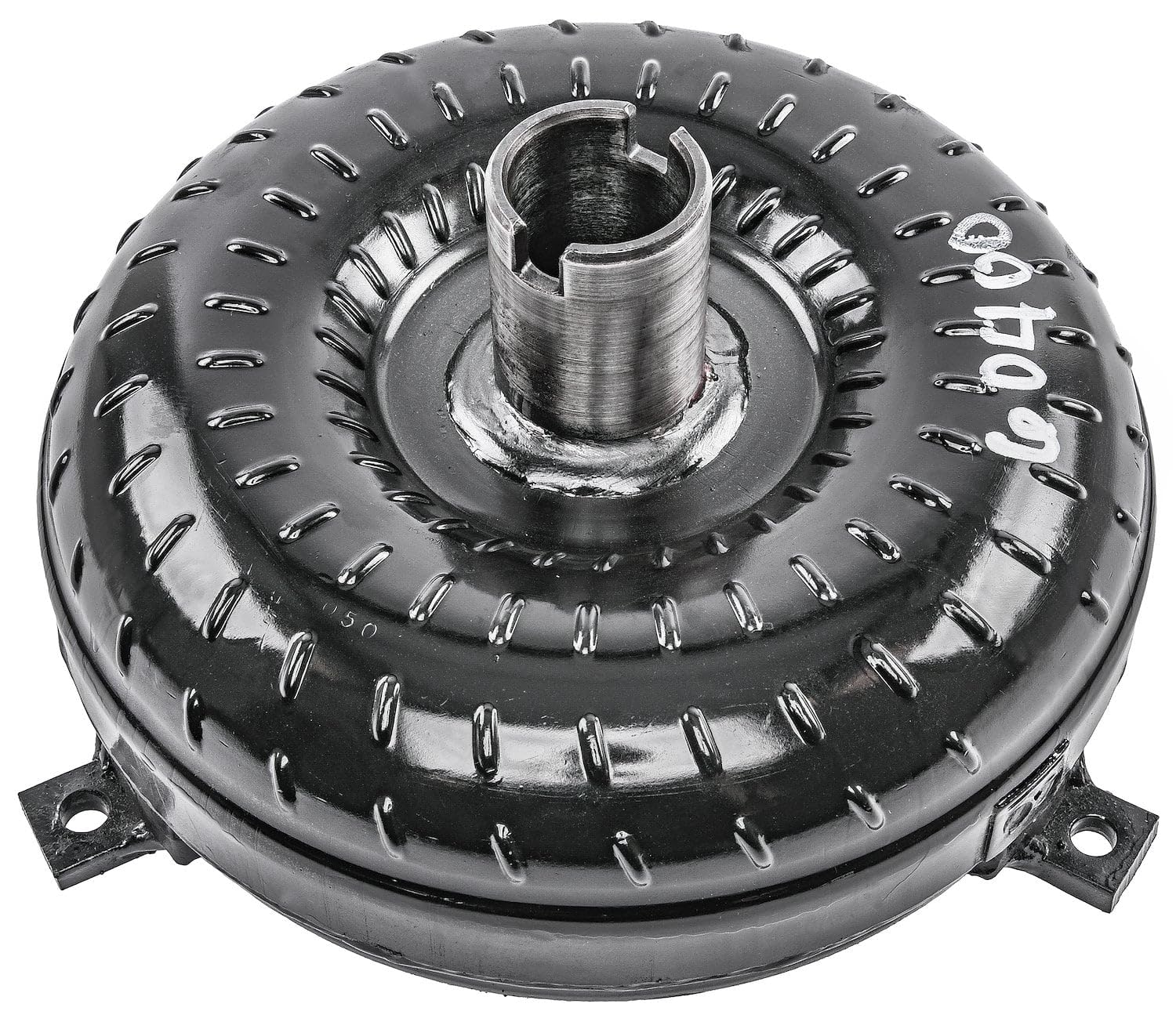
The JEGS 555-60400 occupies the sweet spot between daily-drivability and track-ready launch. Rated for 500 horsepower without forced induction, this 2300-2700 RPM stall converter works flawlessly with small block Chevy applications mated to TH350 or TH400 transmissions. Owners report flashing right to 2600 RPM under load without creeping at stoplights even with a solid flat-tappet cam that idles rough around 1000 RPM.
Made in the USA with high-quality alloy steel, the unit uses the common 10.75-inch flexplate bolt pattern and fits both 153-tooth and 168-tooth flexplates with the correct pilot diameter. The stall window is tight enough that highway cruising at 70 mph keeps the lockup engaged without excessive slip, preserving transmission fluid temperature. Many builders report zero issues after several years of combined street and drag strip use behind 355 and 383 stroker engines.
Downsides are minimal: the unit is slightly heavier than some billet alternatives at 26.8 pounds, and the paint finish is functional but not show-quality. A few users noted that the converter did not mate perfectly with certain aftermarket flexplates requiring a gentle clearancing of the inspection cover. For a mid-range price, this JEGS unit delivers predictable stall behavior without the harsh engagement that plagues cheaper budget converters.
What works
- Predictable flash stall right at 2600 RPM
- No creeping at stoplights despite aggressive cam
- Alloy steel construction with USA assembly
What doesn’t
- Heavier than billet race converters
- Paint finish chips easily during installation
- May need minor inspection cover modification
2. Hughes Performance GM25 2500 Stall

Hughes Performance has a decades-long reputation for building converters that survive repeated abuse, and the GM25 2500 Stall series lives up to that name. Designed for TH350 and TH400 transmissions, this unit uses a 10.750-inch bolt circle and an alloy steel body that can handle the shock loading from a moderate cam and a 350-400 horsepower small block. Owners running a 350 with 3.36 gears report that it stalls against the brakes right around 2200 RPM before the tires start to grab, matching the advertised 2500 RPM flash stall when launched from idle.
The material quality is immediately noticeable compared to mass-market remanufactured units — the machined finish on the impeller hub and the precise pilot diameter reduce the risk of front pump bushing wear. Users with Stage 3 cams that previously stalled at 3200 RPM with looser converters appreciated that the GM25 tightened up the street behavior while still giving a strong launch at the track. The unit also handles stop-and-go traffic without overheating, a common pain point when running a stall above 2800 RPM without an auxiliary cooler.
The biggest complaint involves packaging: several units arrived in boxes with visible water damage and chipped paint from rough handling during shipping. The converter itself works as designed, but the cosmetic condition on arrival can be disappointing for a premium-priced component. Additionally, a minority of buyers with high-horsepower builds (500+ HP) found the GM25 too loose for their setup, wishing they had stepped up to the Hughes 3000 series. For a mild street build with a 350 or 383, the GM25 remains a proven workhorse.
What works
- Proven Hughes durability with alloy steel body
- Predictable 2500 RPM flash stall with 350 HP range
- Handles heavy street driving without overheating
What doesn’t
- Frequent packaging damage and chipped paint on arrival
- Too loose for serious 500+ HP builds
- Premium price compared to similar-spec competition
3. JEGS 555-60401 (2700-3000)
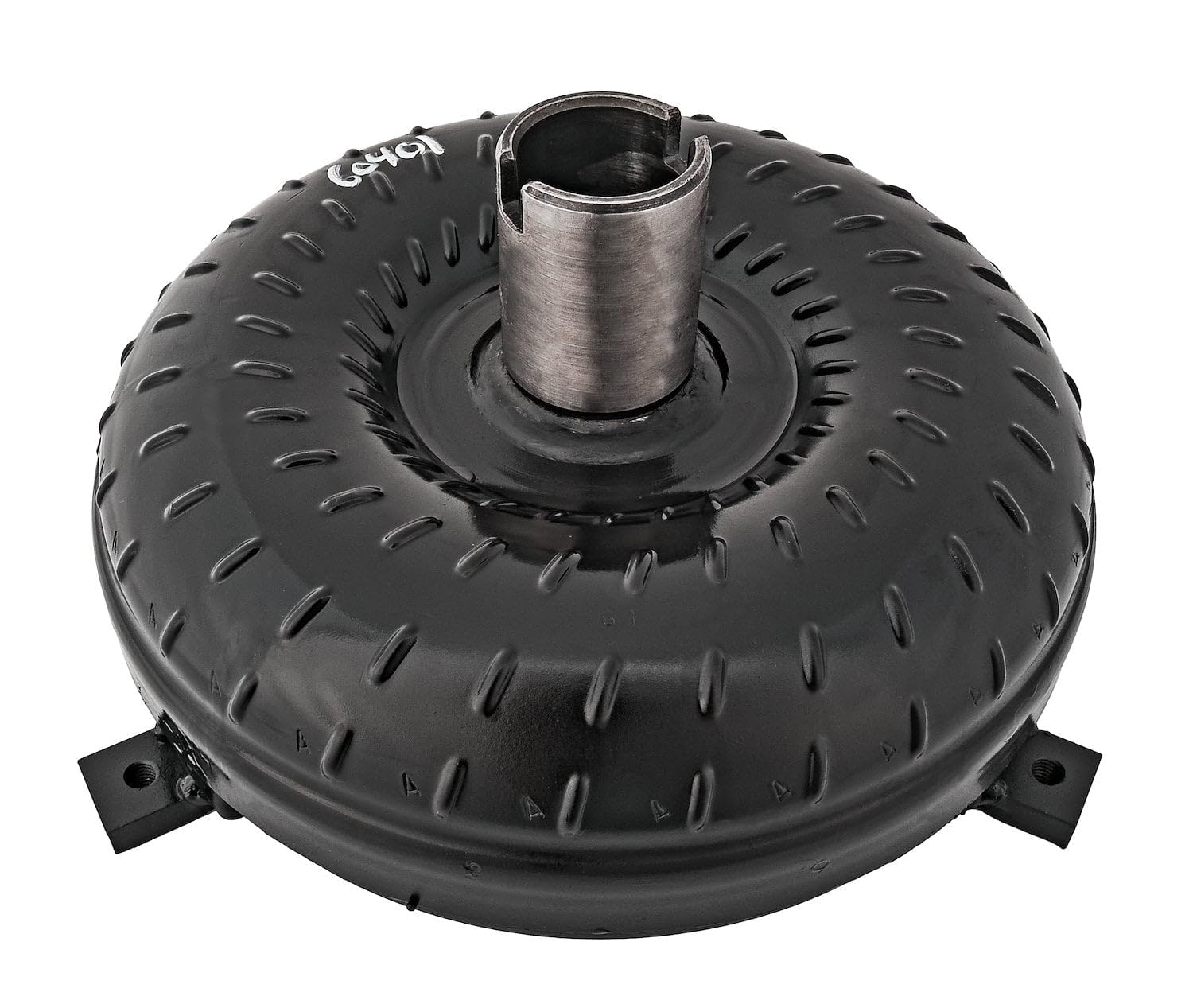
The JEGS 555-60401 is a step above the company’s mid-range offering, pushing the stall window up to 2700-3000 RPM for a more aggressive launch profile. Designed for small block applications up to 500 horsepower without forced induction, this converter mates to TH350 and TH400 transmissions using the standard 10.75-inch flexplate bolt pattern. Owners with 327s and 350s report that it flashes to around 2900 RPM when power is applied, yet exhibits minimal slip during normal cruising, making it viable for a street car that sees occasional track time.
The USA-made construction shows quality welds on the fins and a precise fitment into the front pump without the sloppy gap that some budget converters leave. A user running a 327 with a TH350 noted that the converter completely transformed the vehicle’s behavior, eliminating the lazy takeoff that plagued the stock unit. Even with a large solid flat-tappet cam and 12:1 compression, there was no creeping at stoplights, which is a common complaint with looser converters. The unit also came with several JEGS stickers, a nice touch for brand loyalists.
On the downside, a small number of buyers reported that the converter did not produce the advertised 2700 RPM stall, instead flashing closer to 2400 RPM — likely due to higher-than-expected engine torque pulling the stall curve down. This inconsistency can be frustrating if you are targeting a very specific RPM range to match your camshaft. Additionally, the 500-horsepower rating means you are pushing the limit if you plan to add nitrous or a supercharger. For naturally aspirated street/strip builds, this JEGS unit delivers a noticeable improvement in launch aggression.
What works
- Flashes close to 2900 RPM for strong launches
- No creeping at stoplights with aggressive cams
- Made in the USA with quality welds
What doesn’t
- Stall speed can vary depending on engine torque
- Not robust enough for nitrous or boosted builds
- Some units flashed lower than advertised
4. B&M 20400 Tork Master 2000

B&M’s Tork Master 2000 is a tried-and-true mild stall upgrade for street rods and daily drivers that want better launch capability without sacrificing fuel economy. Rated at 1900-2100 RPM based on an engine producing 230 lb-ft of torque at 2500 RPM, this converter uses a high-quality remanufactured core with a new precision pump drive tube. The 10.75-inch bolt circle fits the vast majority of TH350 and TH400 transmission applications, and ASE-certified master technicians have reported that the pilot and bolt hole alignment are dead-on — a major confidence builder for a component you do not want to drop twice.
Real-world users running 327s, 350s, and even Buick 350 engines in applications from Chevy Novas to modified Willys Wagons report that the Tork Master improves off-the-line torque multiplication noticeably compared to stock. The stall is high enough to let the engine breathe during acceleration but low enough that the converter fully locks up by 55 mph, preventing the fluid slip that cooks transmission oil in stop-and-go traffic. Several reviewers noted that the converter has survived four or five years of daily abuse without any degradation in lockup quality, a testament to B&M’s manufacturing consistency.
The paint finish on the converter is thin and tends to flake off during installation — a cosmetic issue that does not affect function but is worth noting if you are showing the drivetrain. Additionally, the stall speed figure is heavily dependent on your engine’s torque output; a 350 making 300 lb-ft at 2500 RPM will likely see a slightly higher stall than the 2100 RPM ceiling listed. For mild street builds that do not need an aggressive launch, the Tork Master 2000 remains a reliable workhorse that has been on the market for decades for a reason.
What works
- Precise bolt hole and pilot alignment for easy install
- Proven longevity — many units pass 5-year milestone
- Mild stall improves city drivability without overheating
What doesn’t
- Thin paint flakes off during installation
- Stall speed varies with actual engine torque
- Not suitable for high-horsepower or track builds
5. TTC GM92-2200-2500 High Stall
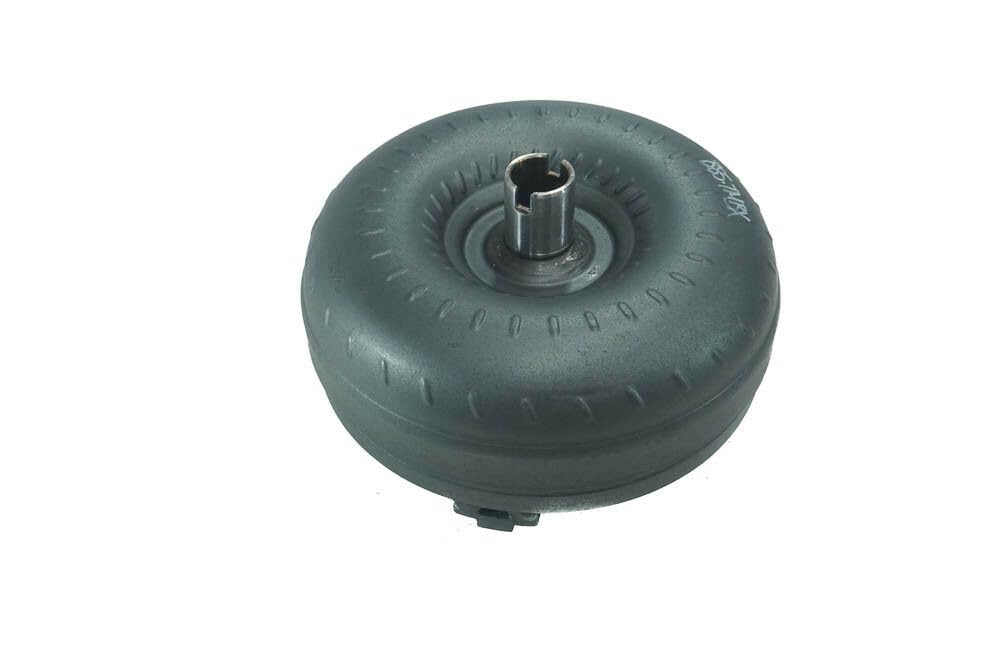
The TTC GM92-2200-2500 is a remanufactured high-stall converter built specifically for 4L60E, 4L65E, and 4L70E transmissions in rear-wheel-drive Chevy and GM vehicles with 4.8L, 5.3L, 6.0L, and 5.7L LS-style engines. The stall window of 2200-2500 RPM is a popular choice for cammed LS trucks that need enough stall to keep the engine alive at stoplights without slipping excessively at highway cruising speed. Owners running setups as mild as a stock 5.3L and as wild as a 5.3L with a 212/218 TSP cam and full bolt-ons report consistent stall behavior and no transmission overheating.
The carbon fiber friction material on the lockup clutch provides a firm, predictable engagement that resists glazing under the higher heat loads generated by a stalled converter. The 30-spline input and 300mm diameter match OEM 4L60E dimensions, making it a direct swap for vehicles that originally came with the TMBX or TMAX code converters. Users in lifted Silverados and Tahoes reported that the additional stall torque transformed their truck’s ability to maintain momentum on steep grades without the transmission hunting for gears, and the lockup function remained solid even when towing moderate loads.
Quality control on these remanufactured units can be slightly inconsistent: one reviewer noted that while the converter performed well, the transmission seals felt less robust than OEM, and a few others mentioned that the shipping packaging was minimal, leading to potential damage during transit. The 1-year warranty offers some peace of mind, but if you are building a high-pressure daily driver, you might want to budget for an aftermarket transmission cooler to keep fluid temperatures in check. For the price, this TTC unit offers a massive improvement in drivability for cammed LS trucks without the premium markup of billet race converters.
What works
- Carbon fiber friction for consistent lockup
- Direct fit for 4L60E/4L65E LS trucks
- Stall speed matches cammed LS powerbands
What doesn’t
- Minimal packaging risks transit damage
- Inconsistent transmission seal compatibility
- Only 1-year warranty on remanufactured core
6. Allstar Performance ALL26900

The Allstar Performance ALL26900 is a 10-inch diameter torque converter built for TH350 and TH400 transmissions, with a stall speed of 2700-3000 RPM that targets track-oriented builds. The smaller 10-inch diameter compared to the standard 11-inch or 300mm units allows it to rev more freely, making it ideal for vehicles with a high-lift camshaft that needs the engine to be spooled up before the converter fully locks. Owners using this behind a 355 SBC reported that the converter brought the car to life off the line, with the 2700 RPM stall coming on just as the engine hits its torque peak.
The unit’s painted exterior is functional, and the overall weight of 22.4 pounds is competitive for a 10-inch unit. Users behind big block Chevys with 600 horsepower reported that the converter held up well to repeated shock loads without breaking the fins, which is impressive for a unit that sits at a non-premium price point. The build quality is simple and utilitarian — no billet hub or multi-disc lockup, but for naturally aspirated race cars that spend most of their time at wide-open throttle, this converter delivers consistent performance without unnecessary complexity.
The main drawback is quality consistency: a small but vocal minority of buyers received a defective unit that exhibited noise during shifts or failed to engage properly. Allstar’s reputation supports replacements, but the hassle of pulling a transmission again is frustrating. Additionally, the 10-inch diameter means the converter is looser than a comparable 11-inch unit at cruising speeds, generating more heat if the vehicle sees significant street miles. For a dedicated track car or weekend warrior that prioritizes launch over highway comfort, the ALL26900 is a solid choice.
What works
- 10-inch diameter unleashes higher stall built for track
- Holds up to 600 HP BBC applications
- Lightweight at 22.4 pounds
What doesn’t
- Inconsistent quality control — some units defective
- Loose on highway, builds heat for street use
- No billet or multi-disc upgrade features
7. TTC 2800-3200 High Stall 300mm
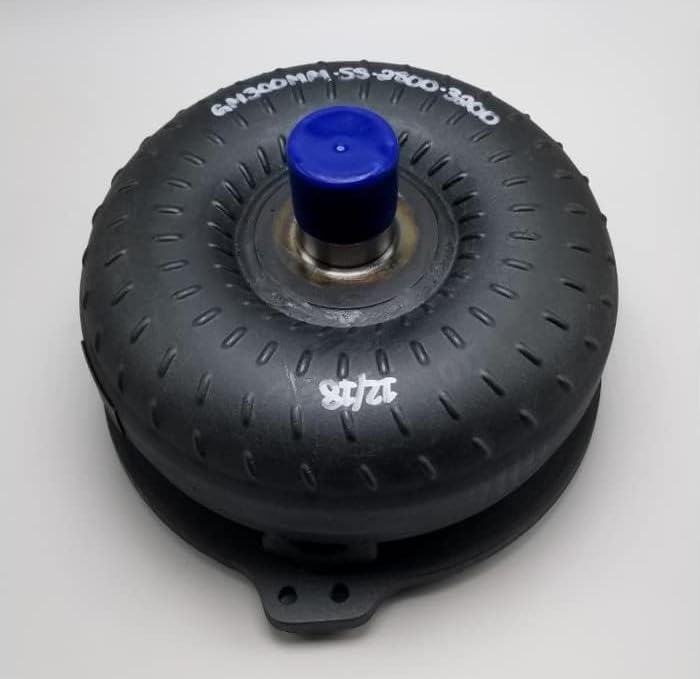
The TTC 2800-3200 High Stall converter is purpose-built for LS engine owners who have installed a Stage 3 or larger camshaft and need a stall range that keeps the engine from bogging during launch. Designed for 4L60E, 4L65E, and 4L70E transmissions, this 300mm unit locks up at highway speeds to provide some semblance of drivability while delivering a 3000 RPM flash stall that matches aggressive cam profiles. Users running a 6.0L LQ4 with a Stage 3 cam reported that the converter made the truck dramatically more drivable than the stock unit, which would allow the engine to buck and surge at low RPM.
The remanufactured core includes upgraded thrust washers and a mounting ring assembly with flathead bolts, which enhances reliability under the higher shock loads of a high-stall application. The lockup clutch is functional, and the 30-spline input matches the GM OEM specification without requiring any modifications. Owners with 4×4 trucks equipped with 4L60E transmissions noted that the 3200-RPM stall was streetable as long as the transmission had an auxiliary cooler, and the lockup engaged cleanly without shuddering — a common problem with poorly matched converters in heavy vehicles.
The packaging and documentation are bare-bones — you get the converter in a plain box with no installation guide or torque specifications. The remanufactured nature means you are relying on TTC’s internal quality checks, and a small number of users reported slight variations in stall speed depending on their specific engine’s torque curve. For high-horsepower LS swaps or dedicated street/strip vehicles where the camshaft demands a loose converter, this TTC unit provides the high stall range needed without the billet price tag.
What works
- 3000+ RPM stall befits aggressive cam profiles
- Upgraded thrust washers enhance reliability
- Works with 4L60E/4L65E lockup systems
What doesn’t
- Bare-bones packaging and no instructions included
- Stall speed can vary slightly across engines
- Auxiliary cooler required for street duty
8. B&M 400000 Turbo Torque Converter

The B&M 400000 is an 11-inch Turbo Torque converter with a 2200-2600 RPM stall range that fits multiple makes and models, making it a versatile option for those who are still sorting out their transmission setup. The larger 11-inch diameter provides a tighter feel at cruising speeds compared to smaller race units, which helps keep transmission fluid temperatures down during daily driving. Users have installed this converter behind a variety of engines — from Chevy 350s to Buick 350s — and reported that the stall speed improved off-the-line torque without making the vehicle annoying to drive in traffic.
The build quality from B&M is generally solid, with a precise pilot diameter and bolt circle that lines up with 10.75-inch flexplates out of the box. When paired with a mild cam that idles around 1000 RPM, the converter held the car in gear without dying, and under full throttle it flashed right to the advertised 2400-2600 RPM range. Owners who took the time to dial in their transmission tuning and engine adjustments reported that the converter performed exactly as expected, transforming a lazy daily driver into a responsive street car.
The major issue with this product is its reputation for inconsistency — a vocal minority of buyers received converters that simply did not work. Complaints range from the stall speed being no better than a stock unit (1400 RPM) to the converter being completely the wrong size for the application, forcing a transmission R&R job for no gain. B&M customer service has been flagged as unresponsive, with some buyers discovering the seller was not actually B&M. If you get a good unit, it is a fantastic upgrade, but the gamble makes it hard to recommend for a first-time converter buyer.
What works
- Larger 11-inch diameter improves highway drivability
- Good stall match for mild cams and daily use
- Precise pilot fitment when not defective
What doesn’t
- Significant quality control issues reported
- Some units produce no stall increase over stock
- Unresponsive customer service and counterfeit seller risk
9. TTC GM92SS1-4L60E OEM Replacement
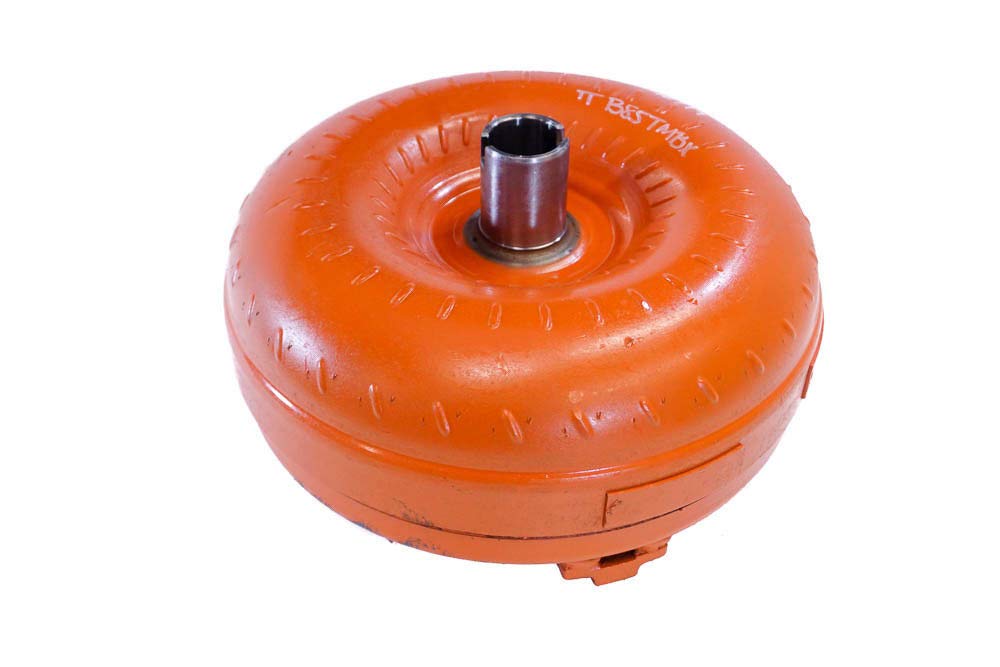
The TTC GM92SS1-4L60E is the entry-level option for those who simply need a direct OEM replacement for their 4L60E, 4L65E, or 4L70E transmission without chasing higher stall speeds. With a stall range of just 1400-1600 RPM, this converter is designed for stock LS engines in rear-wheel-drive Chevy and GM trucks and SUVs — think 5.3L 4×4 Tahoes and Silverados. The 300mm diameter and 30-spline input match the factory specifications, and the remanufactured core uses carbon fiber friction material for the lockup clutch, which is a nice upgrade over the paper-based OEM clutches that glaze quickly with age.
Real-world owners report that this converter solved the typical symptoms of a worn-out unit: surging at highway speeds, overheating transmission fluid, and delayed engagement from park to drive. One user with a 2001 Tahoe and a built 4L70E reported zero issues after 2000 miles, and another with a 2005 Silverado noted that highway MPG improved from 17 to 21 — a significant jump attributed to the fresh lockup clutch and tighter fluid coupling. The price is hard to beat for a non-performance replacement that does everything a stock converter should do.
The limitations are clear from the spec sheet: this is not a performance converter and should not be paired with an aggressive camshaft or high-horsepower build. The 1400-1600 stall range will feel dead behind any cam that idles above 800 RPM, and the transmission will struggle to stay in gear at stoplights. Additionally, some users found that the bolt hole alignment did not perfectly match their flexplate, requiring either new bolts with washers or enlarging the flexplate holes slightly. For a purely stock replacement, this TTC unit delivers reliable performance at a budget-friendly cost.
What works
- Direct replacement for stock 4L60E applications
- Carbon fiber friction clutch improves lockup
- Improved highway MPG compared to worn unit
What doesn’t
- Not suitable for cammed or high-performance builds
- Bolt hole alignment can be off on some flexplates
- Very low stall speed feels dead with aggressive cams
Hardware & Specs Guide
Stall Speed & Torque Multiplication
Stall speed is the RPM at which the converter reaches its maximum torque multiplication before the stator unlocks. A lower stall (1400-1800 RPM) is tight and efficient for stock engines, while a 2200-2800 RPM stall matches mild cams. Anything above 3000 RPM is for race cams that make power at high RPM but sacrifice low-speed drivability. The torque multiplication ratio at stall is typically 2.0 to 2.5:1, meaning the converter doubles the engine’s torque at launch before the fluid coupling takes over.
Flexplate Bolt Pattern & Pilot Diameter
The flexplate bolt pattern must match the converter — most GM aftermarket converters use a 10.75-inch bolt circle that fits both 153-tooth and 168-tooth flexplates. The pilot snout diameter and overall length must match the transmission’s front pump and crankshaft pilot hole. An incorrect pilot can cause the converter to wobble, damaging the pump bushing within a few hundred miles. Always measure your transmission’s input shaft length and pilot diameter before ordering.
Spline Count & Transmission Fitment
GM 4L60E/4L65E transmissions use a 30-spline input shaft, while TH350/TH400 units use a different spline count that varies by generation. The converter’s turbine hub must slide freely onto the input shaft — too tight causes installation difficulty and bushing damage, too loose causes noise and premature wear. Always verify spline count on the transmission tag before purchasing.
Lockup Clutch & Friction Material
Lockup converters engage the turbine and impeller at highway speeds, removing all slip and improving fuel economy by 10-15 percent. The friction material on the lockup clutch determines longevity: standard paper-based clutches are acceptable for stock builds but glaze under high heat. Carbon fiber clutches resist glazing and provide consistent lockup feel for high-stall converters used in street/strip applications. Billet hubs and multi-disc clutches are only necessary for builds exceeding 500 horsepower or those using nitrous.
FAQ
Will a higher-stall converter hurt my transmission if I drive it daily?
How do I know if my torque converter is failing or if I just have a mismatch?
Can I install a 4L60E converter into a TH350 transmission?
Why does my new torque converter not stall at the advertised RPM?
Do I need to replace the flexplate when I swap torque converters?
Final Thoughts: The Verdict
For most buyers, the torque converter winner is the JEGS 555-60400 because it offers the most balanced stall range for street and strip use, pairs perfectly with small block Chevy engines up to 500 horsepower, and delivers predictable launch behavior without overheating in daily traffic. If you want a mild street upgrade with a proven decades-long track record, grab the B&M 20400 Tork Master. And for a high-stall build that can handle a cammed LS engine’s power band, nothing beats the TTC 2800-3200 High Stall converter for its combination of 3000+ RPM flash stall and improved thrust washer durability.

Certification: BSc in Mechanical Engineering
Education: Mechanical engineer
Lives In: 539 W Commerce St, Dallas, TX 75208, USA
Md Amir is an auto mechanic student and writer with over half a decade of experience in the automotive field. He has worked with top automotive brands such as Lexus, Quantum, and also owns two automotive blogs autocarneed.com and taxiwiz.com.