Arizona’s relentless sun does more than bake pavement — it exposes every weakness in a tire’s compound, construction, and tread design. The difference between a tire that lasts 40,000 miles and one that degrades in half that time often comes down to how the rubber formulation handles sustained thermal stress.
I’m Amir — the founder and writer behind Four Wheel Ask. My work focuses on cross-referencing technical specifications, owner-reported durability data, and real-world traction results across hundreds of tire models to identify which options genuinely deliver under extreme conditions.
After analyzing owner reports and technical specifications across dozens of models, these are the best tires for arizona heat for keeping your vehicle planted on blistering pavement.
How To Choose The Best Tires For Arizona Heat
Selecting tires for Arizona’s extreme climate requires looking beyond brand names and focusing on the engineering that prevents heat-related degradation. Three factors separate high-performing desert tires from those that wear prematurely or lose grip as temperatures climb.
Heat-Resistant Rubber Compounds
The rubber compound is the single most important factor for Arizona driving. Tires formulated with higher silica content and advanced polymer blends resist thermal breakdown, maintaining elasticity and grip even when pavement temperatures exceed 150°F. Summer-rated compounds typically handle heat better than all-season blends designed for colder climates.
Tread Pattern and Dry Performance
In a dry climate, deep siping and aggressive tread blocks are less critical than in wet regions. However, the tread pattern still affects heat dissipation and wear uniformity. Asymmetrical and directional designs with continuous center ribs promote even contact pressure and reduce heat buildup during sustained highway driving.
Load Range and Speed Rating
Higher load range tires (XL, E-rated) have reinforced sidewalls that resist flexing under heat stress, reducing the risk of blowouts. Speed ratings also indicate a tire’s ability to sustain high temperatures — Y and W-rated tires undergo more stringent heat testing than lower-rated options, making them better suited for Arizona’s high-speed freeways.
Quick Comparison
On smaller screens, swipe sideways to see the full table.
| Model | Category | Best For | Key Spec | Amazon |
|---|---|---|---|---|
| Continental ExtremeContact Sport 02 | Summer Performance | Best Overall | 255/35ZR20, 97Y XL | Amazon |
| BFGoodrich All Terrain T/A KO2 | All-Terrain | Truck & SUV Durability | LT275/70R16, 15/32″ tread | Amazon |
| Firestone Firehawk Indy 500 | Summer Performance | Wet & Dry Grip | 275/40R20, 106W XL | Amazon |
| Nitto NT555 G2 | Summer Performance | High-Speed Stability | 305/35ZR19, 106W XL | Amazon |
| General GMAX RS | Summer Performance | Value Performance | 305/35ZR20, 104Y | Amazon |
| Goodyear Eagle Touring | All-Season Touring | Ride Comfort | 265/45R20, 104V SL | Amazon |
| Atturo AZ850 UHP | Summer Performance | Budget Performance | 315/35R20, 110Y XL | Amazon |
| Kenda KM1 | Motorcycle Sport Touring | Motorcycle Grip | 120/70ZR17 & 180/55ZR17 | Amazon |
| Landspider Citytraxx H/P | All-Season | Budget Passenger | 245/40R20, 99W XL | Amazon |
| Finalist Terreno A/T | All-Terrain | Budget Truck | LT275/70R18, Load Range E | Amazon |
| MOHEGIA Ebike Fat Tire | E-Bike | Electric Bike Traction | 26×4.0 inch, 120 kg load | Amazon |
In-Depth Reviews
1. Continental ExtremeContact Sport 02

The Continental ExtremeContact Sport 02 represents the benchmark for summer performance tires engineered to handle extreme thermal loads. Its SportPlus Technology optimizes the rubber compound for sustained high-speed stability, making it a natural fit for Arizona’s demanding road conditions where heat buildup is a constant factor. Owner feedback consistently highlights the tire’s ability to deliver short braking distances on both dry and wet pavement, even after repeated thermal cycling.
Roush Performance and the AMG Driving Academy both specify this tire, which speaks to its engineering credibility. The asymmetrical tread pattern is designed to minimize irregular wear under heat stress, a common failure point for lesser tires in desert climates. With a 30000-mile limited tread life coverage and a 97Y load and speed rating, this tire handles both high-speed cruising and sudden cornering demands without compromising structural integrity.
Owners of high-output vehicles like the Shelby GT350 and tuned Pontiac Solstice GXP report that the ExtremeContact Sport 02 eliminates the tramlining and groove-following behavior common with track-focused tires, while delivering superior wet traction and launch grip. The trade-off is a treadwear rating of 340, which prioritizes grip over longevity, but for seasonal usage or performance-oriented daily driving in Arizona, the balance is well calibrated.
What works
- Exceptional dry and wet grip with minimal hydroplaning risk
- Smooth, quiet ride for a summer performance tire
- Strong high-speed stability and cornering confidence
What doesn’t
- Treadwear life is moderate for daily commuters
- Premium pricing reflects the engineering investment
2. BFGoodrich All Terrain T/A KO2

The BFGoodrich All Terrain T/A KO2 has earned its reputation as a premium choice for truck and SUV owners who need reliable performance across Arizona’s diverse terrain — from scorching highway pavement to rocky desert trails. Its interlocking tread elements stabilize the center of the tread, reducing heat buildup during long stretches of high-speed driving. The tire carries a severe winter rating with the three-peak mountain snowflake symbol, but its real strength in Arizona is the tough, chip-resistant compound that resists cuts and punctures on sharp rocks.
The advanced footprint shape distributes stress more evenly across the contact patch, promoting uniform wear even under heavy loads or sustained high temperatures. Owners of Toyota 4Runners and Nissan Xterras report that the KO2 eliminates the highway sway common with softer sidewall tires, while delivering quieter ride quality than most aggressive all-terrain designs. The 15/32-inch tread depth provides substantial rubber volume for heat dissipation, a critical factor when driving on sun-baked asphalt.
While the KO2 is not a dedicated summer tire, its durable construction and thermal stability make it a strong contender for Arizona drivers who need off-road capability without sacrificing highway reliability. The trade-off is a slight hum at certain speeds, but most owners consider the added traction and long-term durability a worthwhile exchange. For full-size trucks and SUVs that spend time both on and off pavement, this tire delivers consistent performance where heat resistance matters most.
What works
- Exceptional durability on rocky and rough terrain
- Quiet highway ride for an all-terrain tire
- Long, uniform treadwear with proper rotation
What doesn’t
- Heavier than standard highway tires
- Mild humming at highway speeds on some vehicles
3. Firestone Firehawk Indy 500
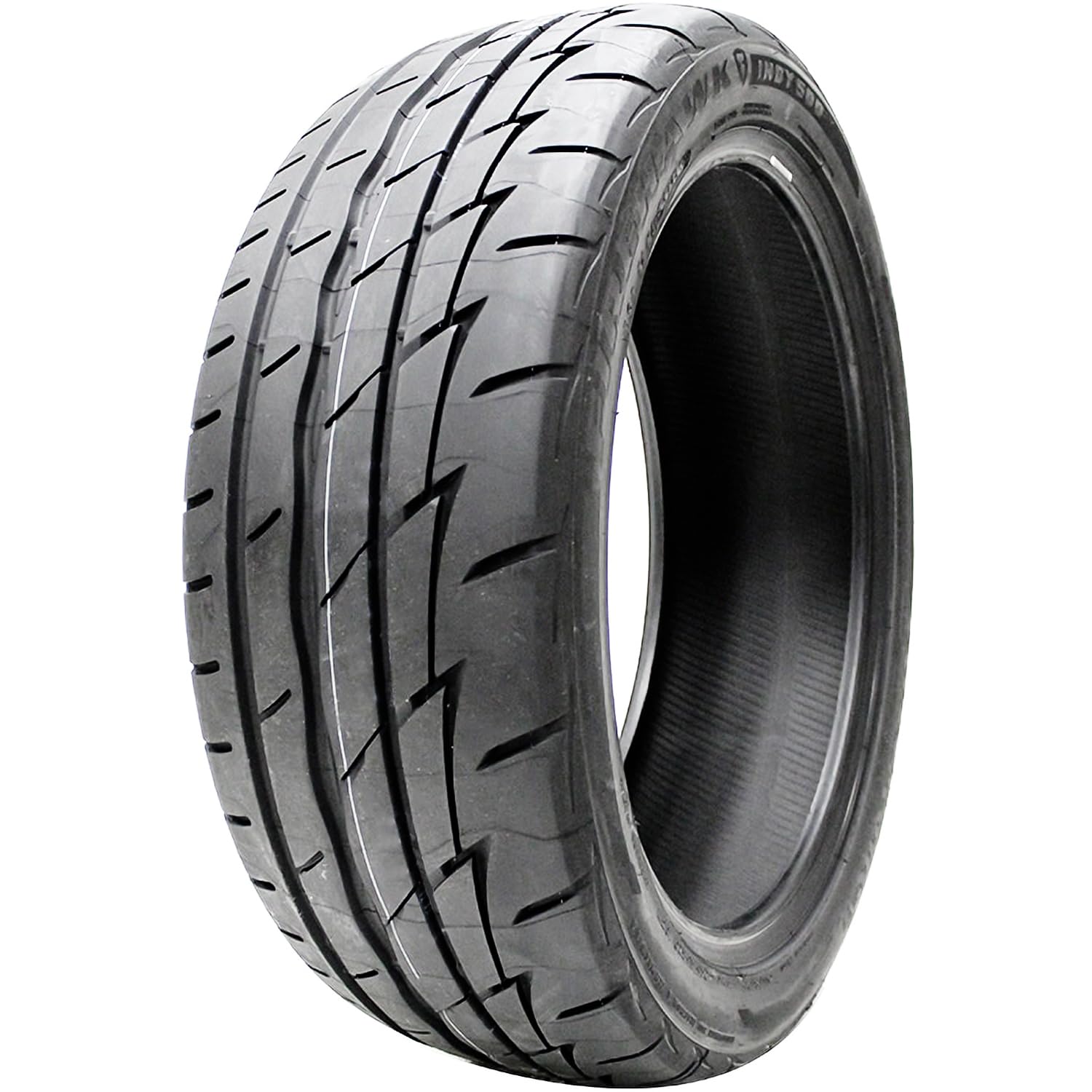
The Firestone Firehawk Indy 500 delivers ultra-high summer performance at a price point that undercuts many premium competitors without sacrificing the thermal stability Arizona driving demands. Its improved rubber compound and proprietary Pulse Groove channel technology reduce hydroplaning risk during Arizona’s monsoon season, while wide shoulder blocks increase cornering stiffness for confident handling on hot pavement. Owner reports from Dodge Charger and Camaro owners confirm the tire’s ability to handle high-horsepower launches without excessive spin.
The 20 percent improvement in wet braking distance over the previous generation is notable for a summer tire, particularly during the sudden downpours common in the Sonoran Desert. The non-directional tread pattern promotes even wear and extends usable life, a practical advantage for daily drivers who cannot afford frequent replacements. With a 106W load index and extra load construction, the Firehawk Indy 500 maintains structural integrity under the combined stress of heat and vehicle weight.
Owners consistently praise the tire’s balance of grip and ride comfort, noting that it feels planted at highway speeds while absorbing road imperfections better than harder-compound budget alternatives. Some reviewers with high-torque vehicles report that the tire spins through first gear on asphalt, but on concrete surfaces grip improves significantly. For drivers seeking a summer performance tire that handles Arizona heat without breaking the budget, this Firestone remains a well-rounded contender.
What works
- Excellent wet and dry traction for the price
- Stiff sidewalls provide confident cornering
- Smooth ride quality with reduced road noise
What doesn’t
- Some sizes may have older production date codes
- Grip on asphalt can be limited under high torque
4. Nitto NT555 G2

The Nitto NT555 G2 is engineered for drivers who prioritize high-speed stability and durability under extreme thermal conditions. Its silica-infused compound provides the rigidity needed for sustained cornering at elevated speeds, while circumferential grooves channel heat away from the contact patch to reduce thermal degradation. The reinforced shoulder treads improve durability during aggressive cornering, a benefit for sports car and muscle car owners navigating Arizona’s sweeping highway interchanges.
With a 106W load index and extra load construction, this tire handles the weight of heavier performance vehicles without excessive sidewall flex that generates heat. The directional tread pattern is optimized for dry performance, but the silica compound also delivers competent wet traction when monsoon storms arrive. At 11/32-inch tread depth, the NT555 G2 offers a solid balance between grip and longevity, requiring replacement less frequently than ultra-soft track-focused tires.
Owner feedback highlights the tire’s predictable breakaway characteristics and stable high-speed manners, though some report that grip levels in first-gear launches on high-horsepower vehicles could be improved. The tire fits a variety of applications from sedans to coupes, and the visual design appeals to those who want a performance-oriented appearance. For Arizona drivers who regularly push their vehicles to higher speeds, the NT555 G2 provides a heat-resilient foundation with consistent feedback.
What works
- Strong high-speed stability and cornering grip
- Good wet traction for a summer tire
- Durable construction with reinforced shoulders
What doesn’t
- Launch grip can be limited on high-torque vehicles
- Premium pricing may not suit all budgets
5. General GMAX RS

The General GMAX RS occupies a sweet spot in the performance tire market, offering exceptional wet and dry handling at a price that undercuts many premium rivals. Its directional tread pattern is engineered to evacuate water efficiently while maintaining a large contact patch for dry grip — a dual advantage for Arizona drivers who face both blistering heat and sudden monsoon rains. Owner reports from Ford Taurus SHO and Genesis G70 owners consistently mention that these tires match or exceed the performance of more expensive Michelin models in real-world driving.
The tire’s compound formulation prioritizes heat resistance, with long-lasting treadwear that several owners report exceeding 15000 miles before reaching wear indicators, even on higher-horsepower vehicles. The 104Y speed rating confirms the tire’s ability to sustain high temperatures without degradation, and the 10/32-inch tread depth provides ample rubber volume for heat dissipation. Petty’s Garage specifies the GMAX RS as a preferred tire, adding credibility to its performance credentials.
Where the GMAX RS falls short is in applications exceeding 400 horsepower — owners of modified Mustang GT and SRT4 vehicles report accelerated wear despite avoiding aggressive driving. The tire is best suited for daily-driven performance cars where balanced performance and reasonable replacement intervals matter more than absolute maximum grip. For Arizona drivers who want summer performance without the premium price, this General tire delivers consistent, predictable behavior across a wide temperature range.
What works
- Excellent wet handling for a summer tire
- Competitive dry grip at a value price point
- Smooth and quiet highway ride
What doesn’t
- Tread life decreases under high-horsepower loads
- Not ideal for sustained track use
6. Goodyear Eagle Touring

The Goodyear Eagle Touring is engineered for drivers who prioritize ride comfort and steering responsiveness over outright performance, making it a strong fit for Arizona commuters who log significant highway miles. Its optimized tire contact area enhances handling precision while the directional tread pattern channels heat away from the carcass during sustained high-speed driving. Owners of Dodge Charger and Challenger RT models report that these tires deliver a smooth, quiet ride with decent rain traction during monsoon season.
The tire’s construction focuses on reducing road noise and vibration, two factors that become more pronounced as tire compounds harden under extreme heat. With a 104V speed rating and standard load construction, the Eagle Touring handles the thermal demands of Arizona freeways without excessive weight. The 7.6-millimeter tread depth is moderate, prioritizing rolling resistance and comfort over maximum longevity, but owners consistently report even wear patterns when rotations are performed regularly.
For drivers who do not push their vehicles to the limit and value a compliant ride over cornering aggression, the Eagle Touring delivers reliable all-season performance. Some owners in northern climates report confident snow traction, but in Arizona the tire’s real value is its ability to maintain comfort and steering precision as temperatures climb. It is not a performance tire, but for the daily driver seeking a balanced touring experience in extreme heat, it performs exactly as designed.
What works
- Very quiet and comfortable highway ride
- Good steering responsiveness for a touring tire
- Decent wet traction for all-season use
What doesn’t
- Not designed for aggressive cornering or high torque
- Tread life is moderate compared to premium touring options
7. Atturo AZ850 UHP

The Atturo AZ850 UHP delivers summer performance at a price point that challenges the value proposition of many mainstream brands. Its 320 treadwear compound is soft enough to provide strong dry grip while maintaining enough durability for daily driving in Arizona’s heat. Owners of Camaro SS and Mercedes ML 550 vehicles report that the tire exceeds expectations for its price, delivering a quiet, smooth ride with impressive rain traction and responsive cornering characteristics.
The symmetrical tread pattern features wide rain channels that reduce hydroplaning risk, but some owners note that these channels may slightly reduce the dry contact patch. With a 110Y load index and extra load construction, the AZ850 handles the weight and speed demands of larger performance vehicles without excessive flex. The 7.94-millimeter tread depth is competitive for the category, and owner reports indicate that the tire wears evenly when properly aligned and rotated.
Where the AZ850 shows its budget positioning is in absolute grip levels — several owners with high-horsepower vehicles note that the tire spins through first gear on asphalt, requiring careful throttle modulation. On concrete surfaces, grip improves noticeably. For drivers who want a capable summer tire for daily driving without paying premium prices, the Atturo AZ850 offers a compelling mix of performance and value, particularly in the wider sizes that fit modern muscle cars and SUVs.
What works
- Excellent value for the performance delivered
- Smooth and quiet ride quality
- Good wet traction with wide rain channels
What doesn’t
- Launch grip on asphalt is limited
- Some sizes bulge on narrower wheels
8. Kenda KM1

The Kenda KM1 is a sport touring motorcycle tire designed for riders who need consistent performance across varying conditions, including the extreme heat of Arizona’s riding season. Its optimized apex geometry balances high-speed stability with agile handling, while the newly designed tread pattern promotes even wear and enhances grip in challenging conditions. The 4-ply construction provides the structural integrity needed to handle the thermal stress of sustained highway riding on hot pavement.
The advanced rubber compound is engineered to heat up quickly from cold temperatures, ensuring consistent grip from the start of a ride. Owner reports highlight excellent wet and dry traction, quiet highway performance, and durable construction that delivers strong value for the price. The directional tread pattern evacuates water effectively during monsoon storms, while the stiff sidewalls provide responsive turn-in characteristics for sport riding.
Some owners note that the stiff sidewalls make installation more difficult and may cause the tire to follow pavement grooves more than premium competitors. The tire’s performance in wet conditions is praised, but a few riders report a subtle slipping sensation during aggressive cornering that is absent on more expensive sport tires. For budget-conscious motorcyclists who need a reliable sport touring tire for Arizona’s demanding climate, the Kenda KM1 delivers capable performance at a fraction of the cost of premium alternatives.
What works
- Excellent wet and dry traction for the price
- Quiet and smooth at highway speeds
- Durable construction with even wear
What doesn’t
- Stiff sidewalls make mounting difficult
- Some riders report groove-following at speed
9. Landspider Citytraxx H/P
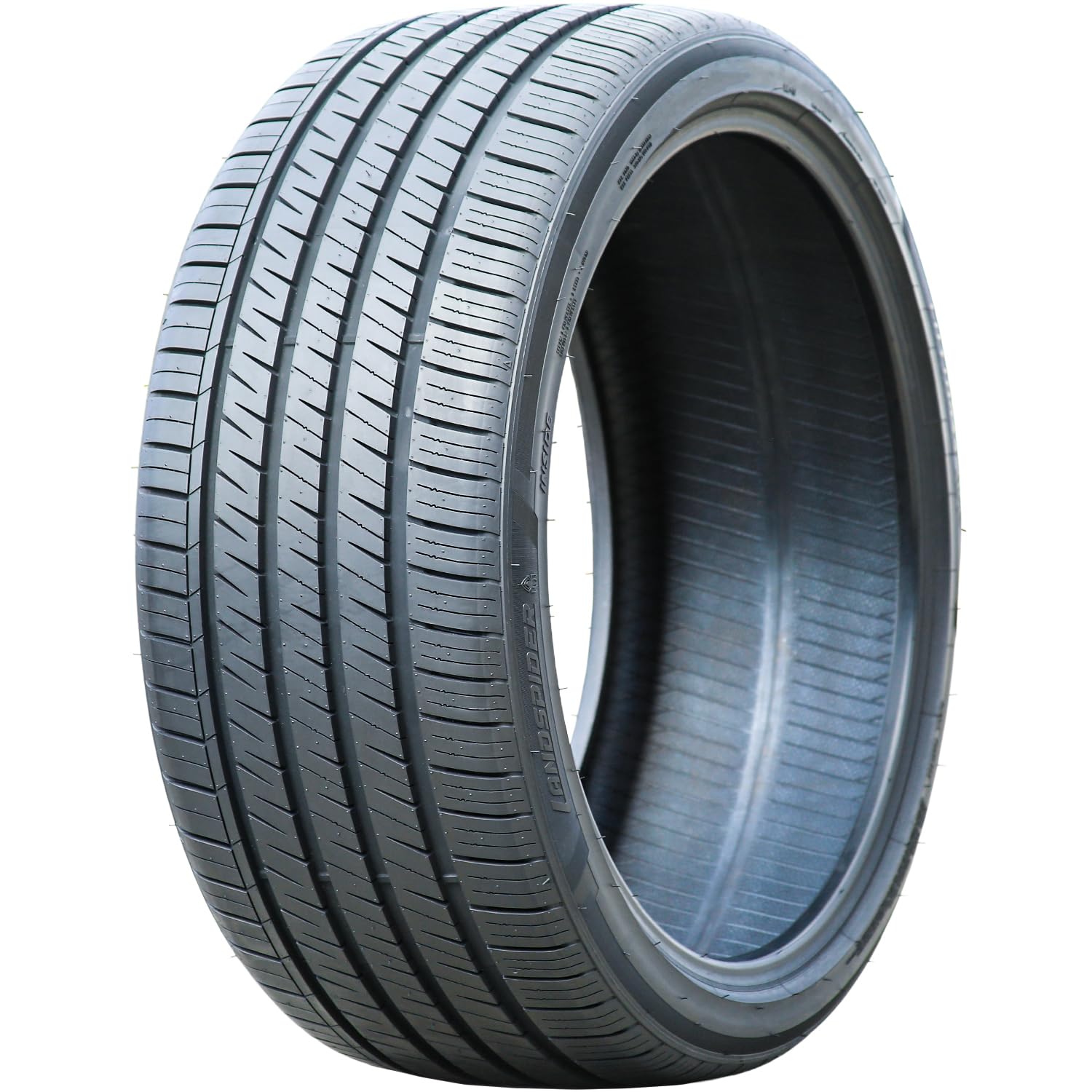
The Landspider Citytraxx H/P is a budget-friendly all-season tire that delivers surprising competence for its price point, making it an option for Arizona drivers on a tight budget. Its asymmetrical tread pattern is designed to balance dry handling with all-season capability, while the extra load construction provides added sidewall reinforcement for heat resistance. Owner reports consistently highlight the tire’s smooth ride quality and value proposition, with many comparing its performance favorably to more expensive name-brand options.
The tire’s all-season compound is formulated to handle a range of temperatures, but its real strength in Arizona is the ability to maintain ride comfort without excessive road noise. Several owners report excellent snow traction for a budget tire, which is relevant for Arizona drivers who travel to higher elevations during winter months. With a 99W load index and extra load rating, the Citytraxx H/P handles the thermal demands of desert driving without the rapid degradation seen in ultra-budget tires.
Long-term durability data from owners is limited, as many reviewers had only recently installed the tires at the time of feedback. The tread depth of 7.14 millimeters is average for the category, and the 420AA UTQG rating suggests reasonable wear resistance. For drivers who need a capable all-season tire at the lowest possible cost, the Landspider Citytraxx H/P offers legitimate value without the sketchy performance characteristics of true entry-level tires.
What works
- Exceptional value for the price
- Smooth and quiet ride quality
- Surprisingly capable in rain and light snow
What doesn’t
- Long-term durability data is still emerging
- Not intended for high-performance driving
10. Finalist Terreno A/T

The Finalist Terreno A/T is a budget-oriented all-terrain tire engineered for light trucks and SUVs that need rugged capability without the premium price tag. Its load range E construction provides 10-ply rated durability with a maximum load capacity of 3640 pounds per tire, making it well suited for heavy-duty applications in Arizona’s demanding environment. The 16.13/32-inch tread depth is among the deepest in its class, providing substantial rubber volume for heat dissipation and long tread life on hot pavement.
The step-down tread blocks with 3D siping technology improve grip on both wet roads and dry trails, while the wear-resistant compound enhances puncture resistance for off-road use. Owners report that the tires balance easily during installation, ride smoothly for an E-rated tire, and generate less road noise than many competitors in the budget all-terrain segment. The 50000-mile limited tread wear warranty adds a layer of confidence for buyers concerned about longevity.
The primary compromise with the Terreno A/T is the speed rating — S-rated at 112 mph, it is not intended for sustained high-speed driving. Additionally, some owners note that the tire’s deep tread can cause a slight hum at highway speeds, though this is typical for aggressive all-terrain designs. For truck and SUV owners who need a durable, heat-resistant tire for work and recreation without spending premium money, the Finalist Terreno A/T delivers strong value backed by a solid warranty package.
What works
- Excellent load capacity with 10-ply construction
- Deep tread depth for long wear and off-road grip
- Quiet ride for an E-rated all-terrain tire
What doesn’t
- Speed rating limited to 112 mph
- Some highway noise at higher speeds
11. MOHEGIA Ebike Fat Tire
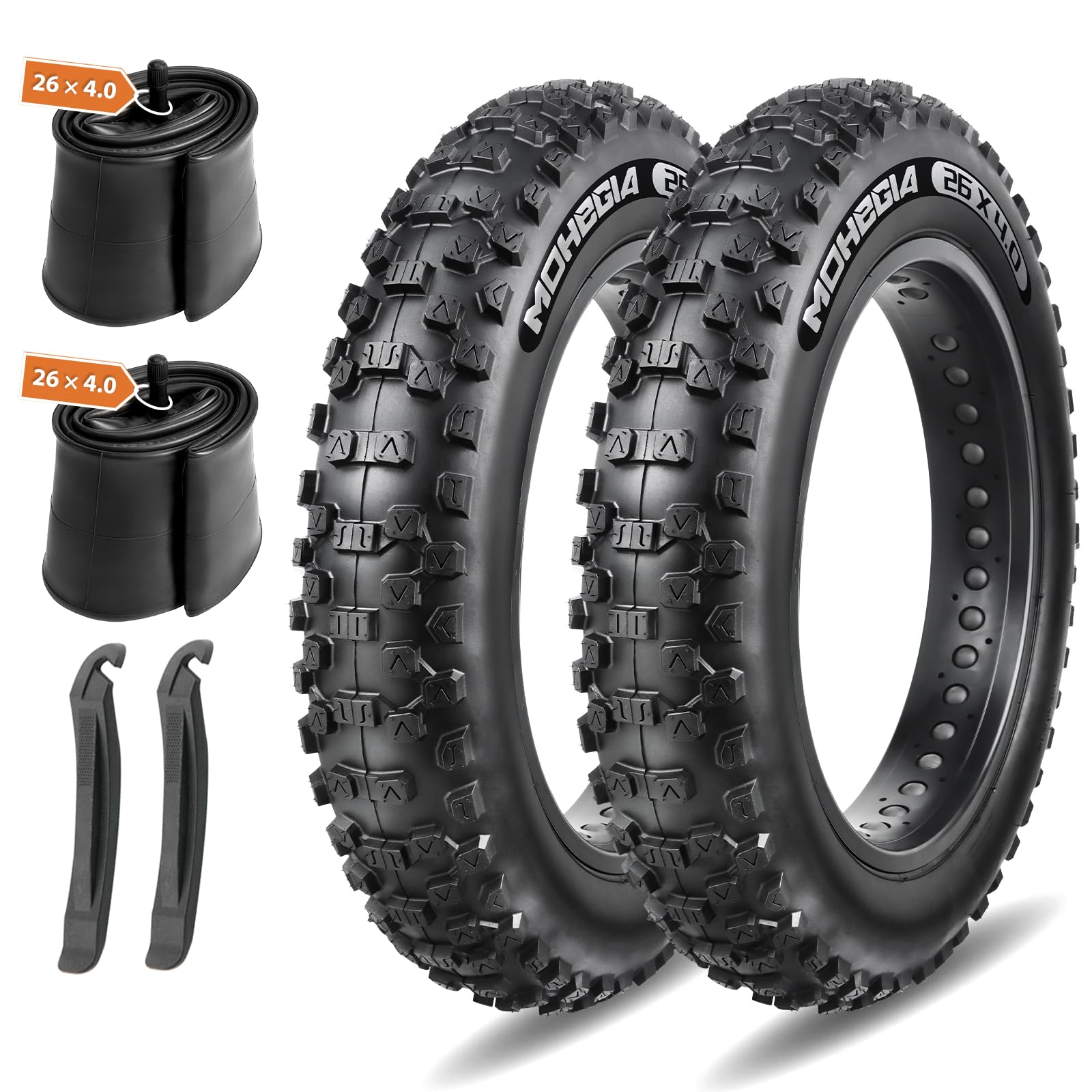
The MOHEGIA Ebike Fat Tire is a specialized option for electric bike owners who need durable, heat-resistant rubber for Arizona’s challenging riding conditions. Designed specifically for e-bike applications, these 26×4.0-inch tires feature oversized convex knobs that provide excellent stability and shock absorption on rough terrain. The high-quality rubber compound is formulated for heat resistance and durability, making it suitable for the intense sun and hot pavement that Arizona riders face year-round.
Each package includes two tires, two inner tubes, and tire levers, providing a complete replacement solution for e-bike owners. The tires are engineered to withstand the demands of electric biking, with a maximum load capacity of 266.6 pounds per tire. Owner reports from Arizona desert riders praise the traction and durability, noting that the aggressive tread pattern performs well on both loose trails and paved surfaces while maintaining stability at speed.
Some owners report a slight reduction in top speed compared to smoother tires, which is typical for knobby tread designs. The tires arrive folded and require one to two days to relax before installation. For e-bike riders who need reliable traction on hot pavement and desert trails, the MOHEGIA fat tire set delivers purpose-built performance at a competitive price, with the added convenience of included inner tubes and installation tools.
What works
- Excellent traction on loose terrain and pavement
- Includes inner tubes and tire levers
- Heat-resistant rubber for desert conditions
What doesn’t
- Knobby tread reduces top speed slightly
- Requires 1-2 days to relax before installation
Hardware & Specs Guide
Heat-Resistant Rubber Compounds
Not all tire rubber handles extreme heat the same way. Summer tires use polymer blends with higher silica content that resist thermal softening at pavement temperatures above 150°F. All-season tires trade some heat resistance for cold-weather flexibility, which can accelerate wear in Arizona’s climate. Look for compounds with high treadwear ratings (300+) and formulations specifically marketed for high-temperature stability.
Tread Design for Dry Conditions
In Arizona’s predominantly dry environment, tread design priorities shift from water evacuation to heat dissipation and wear uniformity. Asymmetrical and directional patterns with continuous center ribs promote even contact pressure, reducing localized heat buildup. Tires with deeper tread depths (10/32-inch or more) provide more rubber volume to absorb and distribute thermal energy during sustained highway driving.
Load Range and Ply Rating
Tires with higher load ranges (XL, E-rated) feature reinforced sidewalls that resist flexing under heat stress. Flexing generates internal friction that raises tire temperature, so stiffer sidewalls run cooler under load. For trucks and SUVs in Arizona, load range E (10-ply) tires offer the best heat resistance, while passenger cars benefit from XL (extra load) construction for added thermal margin.
Speed Ratings Explained
Speed ratings indicate a tire’s ability to sustain high temperatures without failure. Y-rated (186 mph) and W-rated (168 mph) tires undergo the most stringent heat testing, making them ideal for Arizona’s high-speed highways. Lower ratings like S (112 mph) or T (118 mph) are sufficient for normal driving but offer less thermal headroom, which can lead to faster degradation in extreme heat.
FAQ
What tire pressure should I run in Arizona heat?
How long do tires typically last in Arizona’s climate?
Are summer or all-season tires better for Arizona?
Final Thoughts: The Verdict
For most buyers, the tires for arizona heat winner is the Continental ExtremeContact Sport 02 because it combines class-leading thermal stability, exceptional dry and wet grip, and a 30000-mile treadwear warranty that few competitors match. If you need all-terrain capability for your truck or SUV, grab the BFGoodrich All Terrain T/A KO2. And for the budget-conscious driver who still wants summer performance, nothing beats the value of the General GMAX RS.

Certification: BSc in Mechanical Engineering
Education: Mechanical engineer
Lives In: 539 W Commerce St, Dallas, TX 75208, USA
Md Amir is an auto mechanic student and writer with over half a decade of experience in the automotive field. He has worked with top automotive brands such as Lexus, Quantum, and also owns two automotive blogs autocarneed.com and taxiwiz.com.