Rain transforms even familiar roads into unpredictable surfaces. The right set of tires separates confident driving from white-knuckle steering, and the difference lies in how well a tire channels water away from the contact patch.
I’m Amir — the founder and writer behind Four Wheel Ask. My work focuses on analyzing tread compound data, groove geometry, and real owner reports to identify which tires actually deliver in sustained wet conditions.
Whether you face daily commutes or highway drives, wet-road traction begins with the contact patch. This detailed guide examines tread patterns, rubber compounds, and sipe density to help you choose the very best rain tires for confident wet-road driving.
How To Choose The Best Rain Tires
Selecting rain tires goes beyond looking at tread depth. Groove design, rubber formulation, and sipe geometry all determine how effectively a tire evacuates water and maintains contact with the road. Understanding these factors helps you narrow the field to tires that match your driving environment and expectations.
Tread Pattern and Groove Design
Circumferential grooves are the primary channels that push water out from under the contact patch. Tires with wider and deeper circumferential grooves generally resist hydroplaning better at higher speeds. Lateral grooves also help evacuate water sideways, which is especially useful during cornering. Look for a balanced combination of both.
Rubber Compound and Temperature Range
Softer compounds provide more grip on wet surfaces because they conform to road imperfections, but they wear faster. All-season rain tires use silica-rich compounds that remain pliable in cooler temperatures without sacrificing tread life. The compound’s glass transition temperature directly affects how well the tire grips in cold rain.
Sipe Density and Depth
Sipes are thin slits cut into tread blocks that create additional biting edges for wet traction. Higher sipe density improves grip on slick surfaces by allowing the tread to flex and wipe the road film. However, excessive sipping can reduce tread block stability. A moderate sipe count with full-depth sipes offers the best compromise for sustained wet performance.
Hydroplaning Resistance Ratings
Some manufacturers publish hydroplaning resistance scores based on laboratory testing. Tires that score well typically combine a high void ratio with optimized groove angles. While not a guarantee, these ratings offer a useful benchmark when comparing models from different brands.
Quick Comparison
On smaller screens, swipe sideways to see the full table.
| Model | Category | Best For | Key Spec | Amazon |
|---|---|---|---|---|
| MICHELIN Defender2 | Grand Touring All-Season | Ultimate Longevity | 80K Mile Warranty | Amazon |
| MICHELIN CrossClimate2 | All-Weather | Wet & Dry Braking | 60K Mile Warranty | Amazon |
| Goodyear WeatherReady 2 | All-Season | Wet Grip Technology | AquaTred Grooves | Amazon |
| Cooper Endeavor Plus | Grand Touring All-Season | Smooth Comfort Ride | 65K Mile Warranty | Amazon |
| Goodyear Assurance WeatherReady | All-Season | Reliable All-Weather | 3PMS Certified | Amazon |
| RoadOne Cavalry MT | Mud-Terrain | Light Truck Off-Road | Load Range E | Amazon |
| Fullway HP108 | Performance All-Season | Budget Entry | 91V Speed Rating | Amazon |
| Sailun Atrezzo SH408 | Passenger All-Season | Affordable Value | 55K Mile Warranty | Amazon |
In‑Depth Reviews
1. MICHELIN Defender2

The MICHELIN Defender2 represents the benchmark for all-season touring tires with a strong emphasis on wet-road confidence. Its Locking 3-D Sipes create hundreds of biting edges that improve stopping distances on wet pavement compared to leading competitors. The redesigned tread compound also contributes to a longer usable life without sacrificing grip in damp conditions.
Owner reports consistently highlight immediate improvements in wet traction after switching from standard all-season tires. The Defender2 feels planted during highway downpours and resists the wandering sensation that budget tires often exhibit on rain-soaked asphalt. The 80,000-mile warranty further underscores Michelin’s confidence in tread longevity.
For drivers who prioritize safety in wet weather combined with exceptional tread life, the Defender2 delivers a compelling package. It is engineered for sedans, crossovers, and minivans, making it a versatile choice for families and commuters alike.
What works
- Superior wet braking due to Locking 3-D Sipes
- Excellent 80,000-mile treadwear warranty
- Smooth, quiet ride quality
What doesn’t
- Premium pricing may exceed budget constraints
- Limited off-road capability
2. MICHELIN CrossClimate2
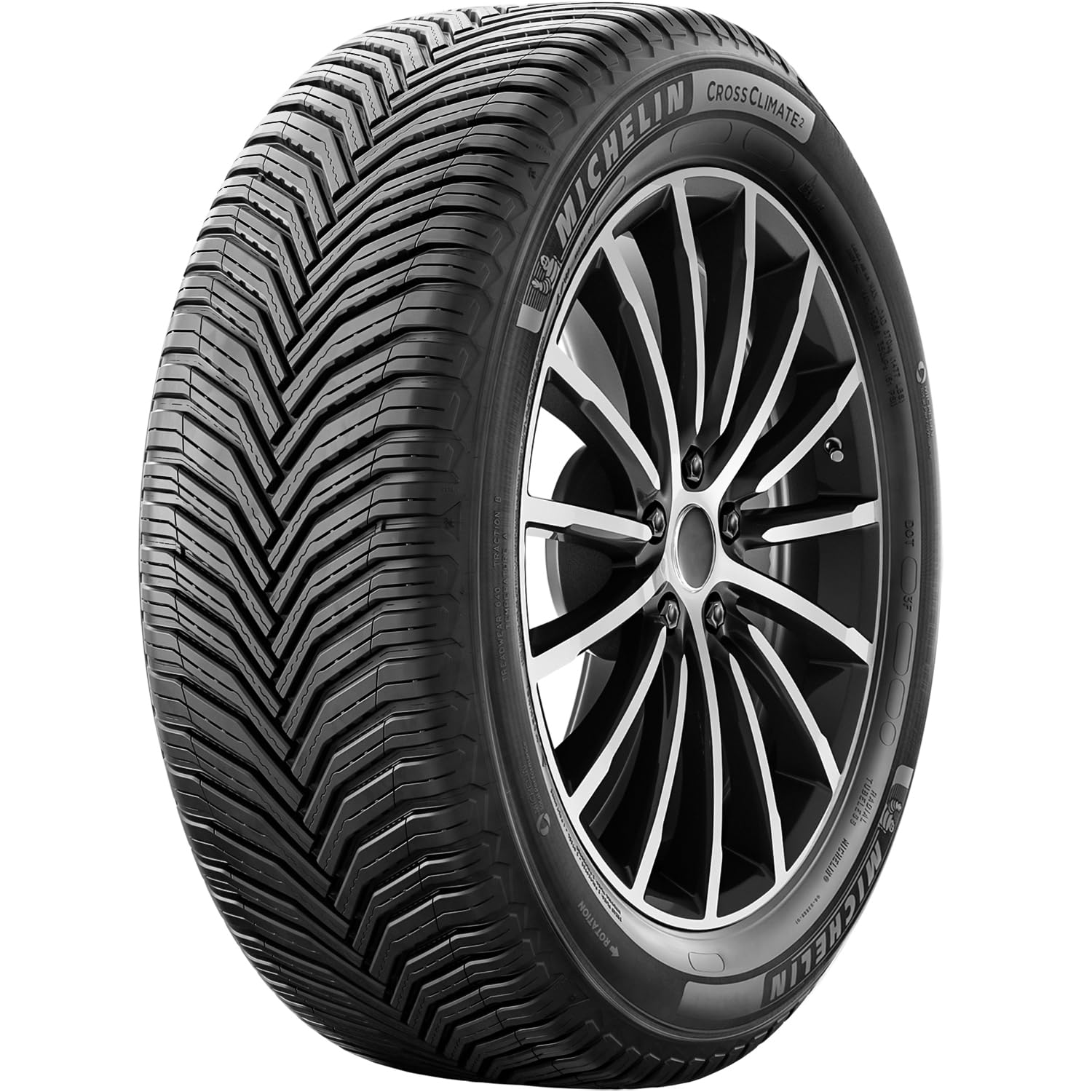
The MICHELIN CrossClimate2 is an all-weather tire designed to excel across rain, snow, and dry conditions without compromise. Its V-shaped tread pattern aggressively channels water away from the center, reducing hydroplaning risk at highway speeds. The silica-based compound remains flexible in cold rain, providing consistent grip when temperatures drop.
Testing data shows the CrossClimate2 stops shorter than four leading competitors in both wet and dry conditions. Owner feedback confirms noticeable gains in wet-road confidence, especially during heavy rain events where standing water accumulates on highways. The tire also carries the Three-Peak Mountain Snowflake symbol, indicating severe snow service capability.
For buyers who want a single set of tires that handle rain effectively while also covering light snow duties, the CrossClimate2 offers genuine year-round versatility. It is available in a wide range of sizes for cars, SUVs, and crossovers.
What works
- Exceptional wet and dry braking performance
- Severe snow rated for winter capability
- Long tread life compared to competitors
What doesn’t
- Higher road noise on certain surfaces
- Premium price point
3. Goodyear Assurance WeatherReady 2

The Goodyear Assurance WeatherReady 2 incorporates AquaTred Technology with sweeping grooves specifically engineered to expel water and slush from the tread footprint. This design maintains rubber-to-road contact during sustained rain, reducing the likelihood of hydroplaning. The specialized tread compound stays adaptable across a wide temperature range, earning a severe snow designation.
Owners transitioning from standard all-season tires report a noticeable reduction in steering wheel tug during highway rain. The Evolving Traction Grooves remain effective as the tire wears, ensuring wet grip does not degrade prematurely. Comfort inserts also help dampen road vibrations, making long journeys more composed.
With a 60,000-mile tread life warranty and enhanced steering control, the WeatherReady 2 suits drivers who encounter frequent rain and want a tire that maintains its wet-weather properties over time. It is well-matched to sedans, SUVs, and crossovers.
What works
- Excellent water evacuation from AquaTred grooves
- Severe snow rated for winter use
- Comfortable ride with reduced vibrations
What doesn’t
- Some owners report receiving single tires instead of pairs
- Higher price compared to mid-range alternatives
4. Cooper Endeavor Plus
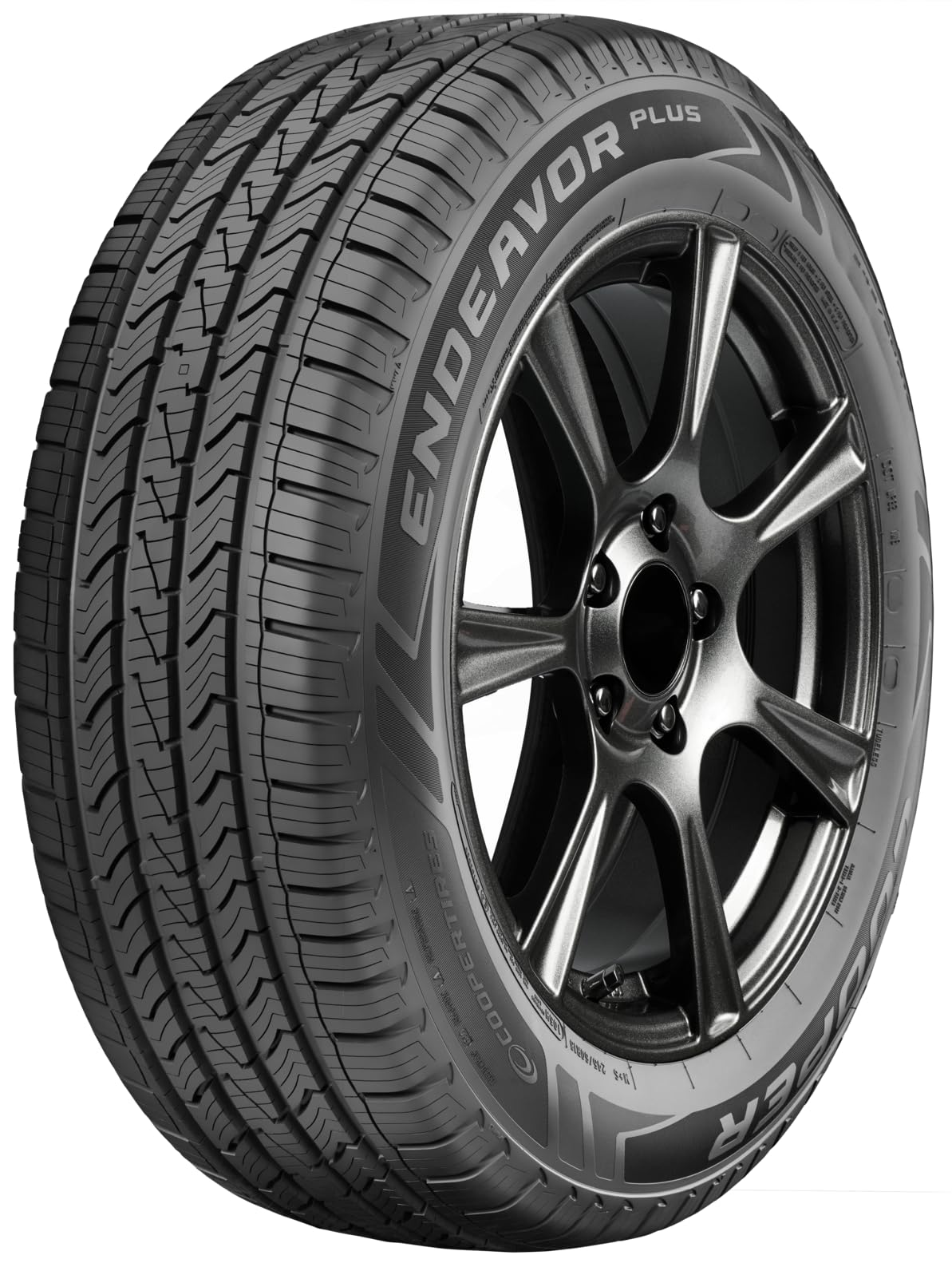
The Cooper Endeavor Plus combines water evacuation grooves with checkmark channels that flush water away from the contact patch. This design puts more rubber on the road in wet conditions, improving traction during rain. An added layer of reinforced material promotes even tread wear, which extends the tire’s effective life and maintains wet performance over time.
Owner feedback from regions with frequent rainfall highlights the Endeavor Plus as a quiet and smooth-riding tire that inspires confidence on wet highways. The contemporary tread pattern also reduces noise levels, making it a comfortable companion for long-distance travel. Several reviews note that the tires arrived quickly and exceeded expectations for ride quality.
For drivers seeking a balanced blend of wet-road capability, comfort, and durability, the Endeavor Plus represents a strong mid-range choice. Its 65,000-mile warranty adds peace of mind for those who rack up annual mileage.
What works
- Effective water evacuation for wet traction
- Very low road noise and smooth ride
- Reinforced construction for long tread life
What doesn’t
- Not severe snow rated
- Limited size availability for larger trucks
5. Goodyear Assurance WeatherReady

The Goodyear Assurance WeatherReady is a three-peak mountain snowflake certified all-season tire that does not compromise wet-road performance. Its tread design incorporates multiple sipes and grooves that bite into wet surfaces while evacuating water. The silica-enhanced compound provides flexibility in cold rain, maintaining grip when asphalt temperatures fall.
Owners in regions with mixed rain and snow report that these tires handle standing water confidently at highway speeds. The ride quality is notably composed, with even wear patterns reported after thousands of miles. Some users noted that the tires were manufactured several months before purchase, but this did not affect performance.
For budget-conscious buyers who want certified wet and snow capability without stepping up to premium pricing, the original WeatherReady remains a capable option. It fits a wide range of passenger cars and crossovers.
What works
- Three-Peak Mountain Snowflake certified
- Strong wet traction for the price
- Even tread wear in mixed conditions
What doesn’t
- Some units may be over a year old on delivery
- Not as quiet as premium touring tires
6. RoadOne Cavalry MT

The RoadOne Cavalry MT is a mud-terrain tire designed for light trucks that also handles wet roads with surprising competence. Its aggressive tread blocks and wide grooves eject mud and water simultaneously, reducing hydroplaning risk in deep standing water. The enhanced puncture resistance adds durability for drivers who navigate unpaved roads and encounter debris.
Owner reviews from rural areas highlight that these tires remain quieter than expected for an MT pattern, with smooth highway ride quality. The self-cleaning tread design prevents mud from packing in the grooves, which helps maintain wet traction when transitioning from dirt back to pavement. Several users on Tacoma and 4×4 platforms report solid performance in mixed conditions.
For truck owners who need off-road capability but still face rainy highways, the Cavalry MT offers a specialized solution. It is not a dedicated rain tire, but its void-rich design handles wet surfaces better than typical highway terrain tires.
What works
- Strong mud and water evacuation
- Quieter than expected for MT class
- Excellent puncture resistance
What doesn’t
- Limited to light truck fitments
- Higher rolling resistance than highway tires
7. Fullway HP108
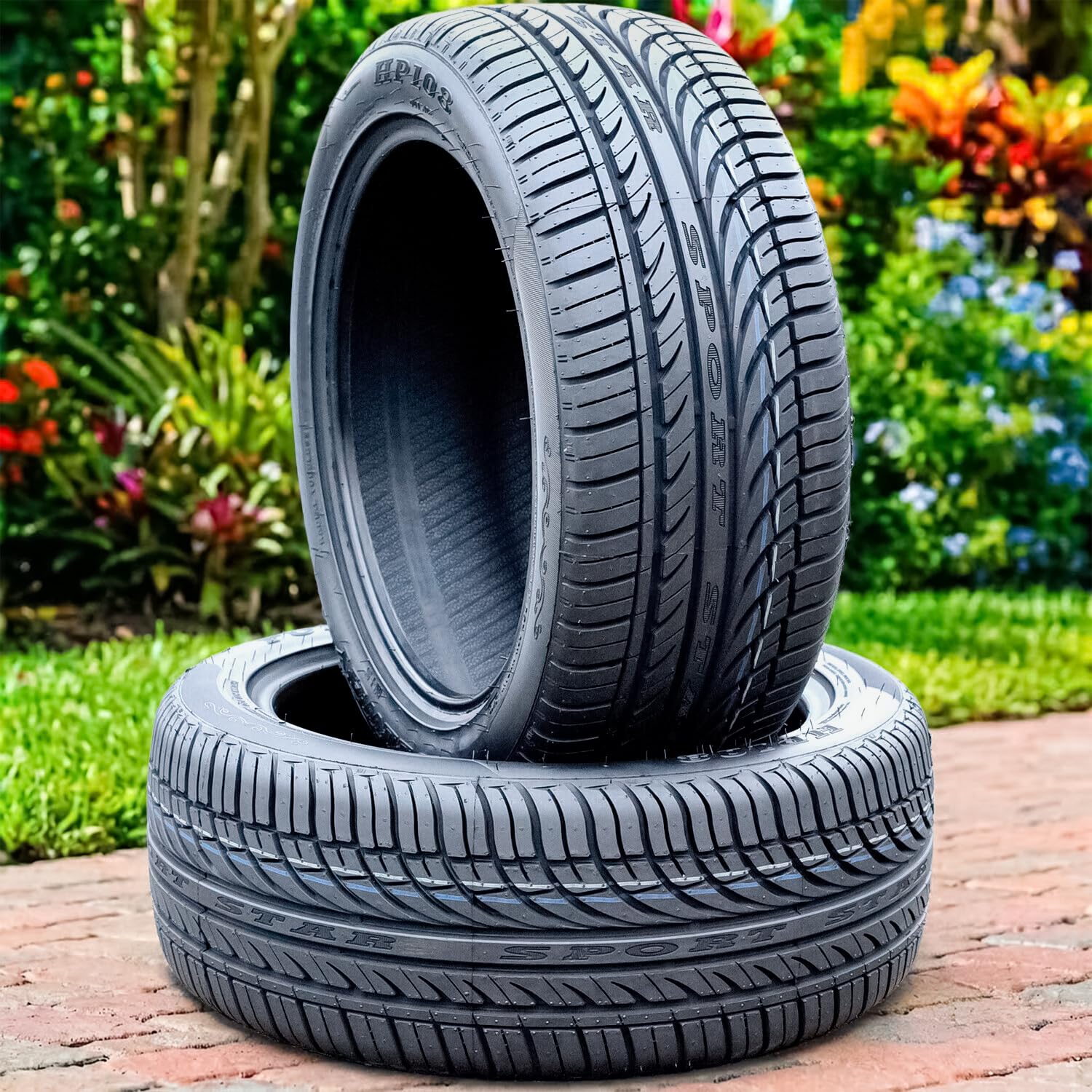
The Fullway HP108 is a performance-oriented all-season tire that brings wet-road capability to a budget-friendly price point. Its tread pattern includes circumferential grooves that channel water away from the center, reducing hydroplaning risk during moderate rain. The 91V speed rating indicates it can sustain higher speeds while maintaining structural integrity.
Owner feedback emphasizes the value proposition, with many users describing these tires as surprisingly capable for the cost. The ride quality is acceptable for daily commuting, and the tires arrive quickly with proper balancing. Some customers have noted that the HP108 performs well in light rain but may not match premium tires in heavy downpour conditions.
For drivers who need a basic all-season tire with decent wet performance on a tight budget, the Fullway HP108 serves as a practical entry point. It fits standard passenger car sizes and is available in sets of two for convenient replacement.
What works
- Very affordable entry price
- Decent wet traction for light to moderate rain
- V-speed rated for higher-speed driving
What doesn’t
- Limited performance in heavy downpours
- Shorter expected tread life than premium options
8. Sailun Atrezzo SH408

The Sailun Atrezzo SH408 is a budget-focused all-season tire that includes circumferential grooves specifically designed to enhance wet handling and hydroplaning resistance. The optimized footprint promotes stability and reliable traction on rain-soaked roads. With a 55,000-mile limited warranty, it offers a cost-effective solution for drivers who want predictable wet performance.
Owner reviews consistently describe the SH408 as a good affordable choice that surprised buyers with its quality. The tire provides a smoother ride compared to older worn tires, and users report no issues during wet driving. While it does not match the refinement of premium rubber, the value proposition is strong for those replacing tires on a strict budget.
For economical-minded drivers who prioritize basic wet-road safety over sports car handling, the Sailun Atrezzo SH408 fulfills the essential requirements without exceeding budget limits. It is suitable for passenger cars used primarily for daily commuting and local travel.
What works
- Very low cost of entry
- Genuine hydroplaning resistance from groove design
- 55,000-mile warranty for peace of mind
What doesn’t
- Less refinement and grip compared to premium tires
- Limited size range for larger vehicles
Hardware & Specs Guide
Tread Compound
The tread compound directly determines how well a tire grips wet pavement. Silica-rich formulations remain pliable in cool, wet conditions, conforming to microscopic road textures for better traction. Softer compounds offer more grip but wear faster, while harder compounds last longer but may sacrifice wet performance. Premium tires often use advanced polymer blends that balance both properties.
Groove Geometry
Circumferential grooves run around the tire and are the primary channels for water evacuation. Wider and deeper grooves handle more water volume, reducing hydroplaning risk at higher speeds. Lateral grooves complement them by pushing water sideways during cornering. Tires with five or more grooves generally offer superior wet performance.
Sipe Density
Sipes are thin slits in tread blocks that create additional edges for wet traction. Higher sipe density improves grip on slick surfaces by allowing the tread to flex and wipe away the water film. However, too many sipes can reduce tread block stiffness. Full-depth sipes that run throughout the tread life maintain wet performance as the tire wears.
Hydroplaning Resistance
Hydroplaning occurs when a tire rides on a layer of water instead of the road surface. Resistance depends on tread depth, groove volume, and rubber compound. Tires with higher void ratios and optimized groove angles can maintain contact at higher water speeds. Laboratory hydroplaning scores offer a useful comparison metric between different tire models.
FAQ
How deep should tread be for safe rain driving?
What is the difference between all-season and all-weather tires for rain?
Do wider tires hydroplane more easily in rain?
How often should I replace rain tires?
Final Thoughts: The Verdict
For most buyers, the best rain tires winner is the MICHELIN Defender2 because it combines long tread life with proven wet-braking technology and a quiet ride. If you want maximum wet and dry braking performance, grab the MICHELIN CrossClimate2. And for reliable wet traction at a more accessible price, nothing beats the Goodyear Assurance WeatherReady.

Certification: BSc in Mechanical Engineering
Education: Mechanical engineer
Lives In: 539 W Commerce St, Dallas, TX 75208, USA
Md Amir is an auto mechanic student and writer with over half a decade of experience in the automotive field. He has worked with top automotive brands such as Lexus, Quantum, and also owns two automotive blogs autocarneed.com and taxiwiz.com.