An oil filter is the last line of defense between abrasive contaminants and your engine bearings. Choose a weak one and even the best synthetic oil won’t save you from premature wear. The wrong filter can restrict flow, bypass unfiltered oil, or burst under cold-start pressure. That is why understanding filtration media, burst strength, and anti-drain valve design matters more than brand familiarity.
I’m Amir — the founder and writer behind Four Wheel Ask. My recommendations come from analyzing filtration efficiency data, burst pressure specs, media composition, and cross-referencing thousands of verified owner reports across multiple platforms to identify which filters consistently protect engines over extended drain intervals.
This guide breaks down the top contenders based on real laboratory testing and long-term fleet feedback. After reviewing filtration media efficiency, burst strength ratings, and thousands of owner reports across multiple brands, the clear choice for synthetic oil users is the best oil filter.
How To Choose The Best Oil Filter
Picking the right oil filter is not about grabbing the cheapest option on the shelf. Filtration efficiency, burst pressure, and drain-back valve design vary drastically between models. Understanding these three pillars helps you match the filter to your driving conditions and oil change schedule.
Filtration Media & Efficiency Ratings
The media determines what size particles the filter traps. Standard cellulose media catches particles around 25 to 30 microns. Synthetic-blend and fully synthetic media push that down to 20 microns or below while maintaining flow rates. Higher efficiency reduces engine wear over time, especially during extended drain intervals common with synthetic oils.
Burst Strength & Pressure Tolerance
Every filter has a burst pressure rating — the point at which the canister or media fails and dumps unfiltered oil into the engine. Premium filters withstand up to nine times normal operating pressure. This matters most during cold starts when oil viscosity is highest, and during sustained high-RPM operation in towing or track use.
Anti-Drain Back Valve & Bypass Valve Design
The anti-drain back valve holds oil in the filter when the engine is off, preventing dry starts. Silicone valves last longer and seal better than rubber or nitrile. The bypass valve regulates flow if the media becomes clogged — a higher-quality valve opens at the correct pressure without leaking during normal operation.
Quick Comparison
On smaller screens, swipe sideways to see the full table.
| Model | Category | Best For | Key Spec | Amazon |
|---|---|---|---|---|
| K&N HP-1007 | Premium | Easy removal & high flow | Wrench-Off Nut, 20,000 mi | Amazon |
| Mobil 1 M1-204A | Performance | High pressure tolerance | 9X burst strength, synthetic | Amazon |
| WIX 51060XP | Mid-Range | Synthetic oil intervals | 20,000-mi life, silicone valve | Amazon |
| WIX 51358XP | Mid-Range | Honda/Nissan/Infiniti fit | Silicone anti-drain valve | Amazon |
| K&N HP-7023 | Mid-Range | Toyota/Lexus compatibility | High flow, synthetic blend | Amazon |
In‑Depth Reviews
1. K&N Premium Oil Filter HP-1007

The K&N HP-1007 combines a welded hex nut on the canister with pleated synthetic-blend filtration media. That nut alone solves the most common DIY frustration — filter removal after a full drain interval. The media delivers consistent flow rates and traps contaminants down to a level that protects engines running synthetic, conventional, or blended oils. Laboratory testing confirms excellent burst strength and capacity, making this a reliable choice for trucks and SUVs under heavy load.
Owner feedback consistently highlights the oil pressure improvement after switching from standard filters. One verified report on a 2005 Chevy Tahoe with the 5.3L engine saw idle pressure rise from 19 psi to higher readings after installing this filter with Mobil 1 5W-30. Multiple long-term owners confirm the wrench-off nut eliminates the crushed-filter struggle that happens with overtightened competitors. The 20,000-mile rating means you can run it through extended intervals without worrying about media collapse.
Cross-referencing cutaway analyses from multiple sources shows that K&N uses a sturdy center tube and a silicone anti-drain back valve that resists hardening over time. The canister welds are clean and the bypass valve spring tension is consistent. For anyone who values service convenience and verified filtration performance, this filter justifies its slightly higher position in the market through tangible daily benefits.
What works
- Welded nut simplifies removal even after long intervals
- Synthetic-blend media provides consistent flow and efficiency
- Compatible with all oil types including synthetic blends
What doesn’t
- Premium positioning may exceed budget for basic commuter use
- Wrench nut adds slight length, tight-clearance fitments check first
2. Mobil 1 M1-204A Extended Performance Oil Filter
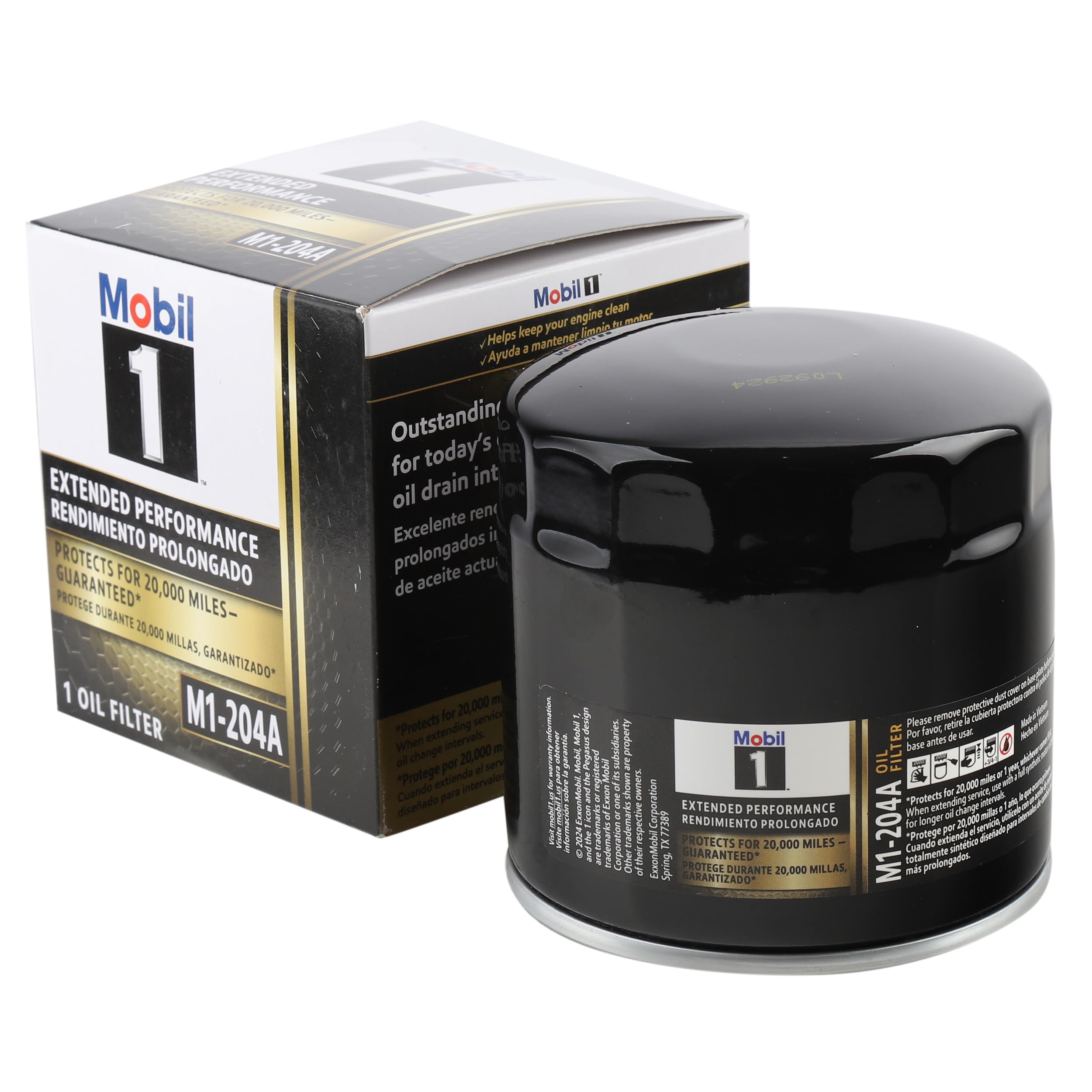
The Mobil 1 M1-204A uses synthetic fibers in its media to remove more contaminants than conventional cellulose filters. The construction reduces resistance to oil flow while simultaneously improving filtration efficiency — a balance that cheap filters rarely achieve. Mobil 1 rates this filter to withstand up to nine times normal system operating pressure, which provides a wide safety margin during cold-start viscosity spikes and sustained high-RPM driving.
Owner reports frequently reference independent third-party testing that ranked Mobil 1 filters at or near the top for combined efficiency and capacity. One verified review specifically mentions switching to Mobil 1 after watching comparative tear-down tests on a popular YouTube channel, confirming that the internal build quality matches the marketing claims. Multiple long-term users report consistent oil analysis results after extended drain intervals, indicating the filter maintains its efficiency throughout the service life.
The compatibility range covers cars, trucks, SUVs, and vans, making it a versatile choice for households with multiple vehicles. Cross-referencing OEM part numbers confirms the M1-204A replaces several factory filter designs. The synthetic media does not degrade as quickly as cellulose, which supports the extended performance claim. For drivers who prioritize maximum protection over every dollar saved, this filter represents a data-backed upgrade.
What works
- Synthetic media delivers high efficiency without restricting flow
- Nine-times burst strength provides exceptional safety margin
- Backed by independent third-party validation and lab testing
What doesn’t
- Higher price reflects the advanced media and construction
- Some vehicles require specific thread or bypass valve matching
3. WIX 51060XP XP Oil Filter
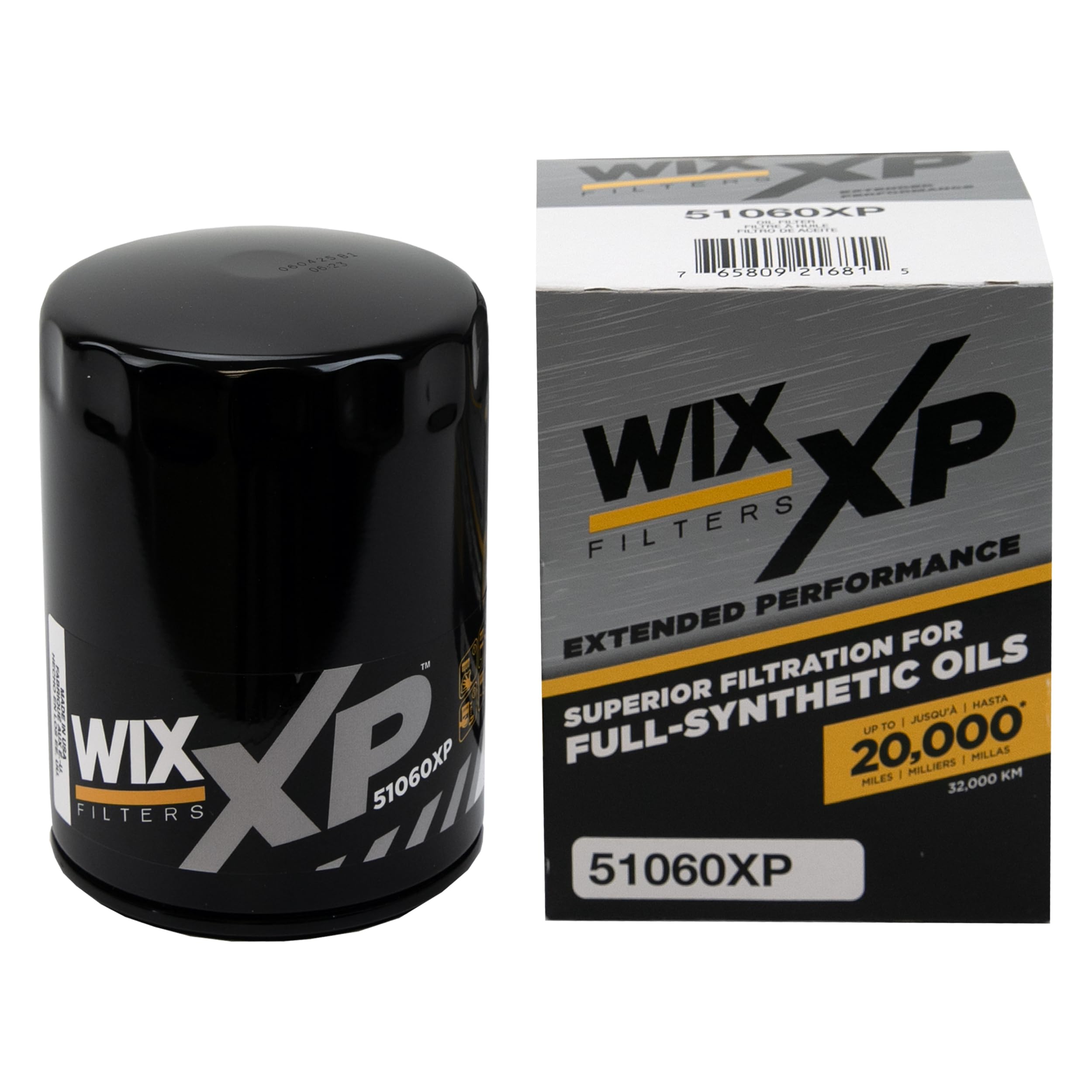
The WIX 51060XP is built specifically for synthetic oil users who need filtration that keeps pace with extended drain intervals. The next-gen synthetic-blended media uses natural fibers and eliminates the need for wire backing, achieving 99 percent efficiency at 23 microns. That level of filtration catches particles that standard filters let through, which directly reduces bearing wear over the engine’s lifetime. The silicone anti-drain back valve resists hardening better than rubber alternatives, preventing dry starts after the car sits overnight.
Long-term owner feedback spanning over thirty years of WIX usage consistently praises the build quality and filtration consistency. One verified review on a 1978 K5 Blazer with a SBC 350 confirmed perfect fitment and reliable sealing. Multiple users running this filter on Chevrolet and GMC trucks report stable oil pressure readings across varied driving conditions including towing. The 20,000-mile rating is backed by WIX engineering data, not optimistic marketing, making it a trustworthy choice for synthetic oil adherents.
Comparing cutaway images of WIX XP filters against standard WIX units reveals thicker canister walls and a stiffer center tube. The bypass valve spring tension is calibrated to open at the correct pressure without leaking during normal flow. For Chevrolet and GMC truck owners specifically, this filter matches the thread size and gasket dimensions of the factory specification. The value proposition is clear — you get near-premium filtration at a mid-range price point that rewards consistent long-term use.
What works
- 99 percent efficiency at 23 microns protects against fine debris
- Silicone valve prevents dry starts and outlasts rubber seals
- Engineered for full 20,000-mile synthetic oil intervals
What doesn’t
- Vehicle-specific fitment requires checking compatibility first
- Premium WIX XP line priced above standard WIX filters
4. WIX 51358XP XP Oil Filter

The WIX 51358XP brings the same synthetic-blended media technology to a compact package designed for Honda, Kia, Infiniti, and Nissan engines. The smaller footprint does not compromise filtration efficiency — the media still achieves the same micron-level trapping as larger WIX XP filters. A silicone anti-drain back valve ensures oil stays in the filter during shutdown, which is critical for engines with horizontally mounted or angled filter positions where gravity would otherwise drain the canister.
Owner feedback reveals an unexpected use case: Polaris ATV and side-by-side owners have adopted this filter as a superior replacement for OEM Polaris units. One verified review on a 2022 Polaris Sportsman 1000 XP and RZR Pro XP noted that cutaway comparisons showed WIX had significantly more media surface area than the Polaris heavy-duty filter. The thread pitch and gasket dimensions match the Polaris spec, making it a direct drop-in upgrade for off-road machines that see harsh operating conditions.
For automotive applications, the Nissan Versa and Honda Civic owners report perfect fitment and improved oil pressure stability after switching. The compact dimensions — roughly three inches tall and three inches in diameter — fit easily into tight engine bays where larger filters cannot go. WIX supports this filter with a service interval recommendation that matches the engine manufacturer’s schedule. This filter proves that premium construction does not require a large canister.
What works
- Compact size fits tight engine bays and powersports applications
- Silicone valve prevents drain-back on angled filter mounts
- Media surface area exceeds many larger OEM filters
What doesn’t
- Narrow fitment range limits cross-vehicle use
- Smaller canister may not suit extended intervals on high-mileage engines
5. K&N HP-7023 Oil Filter
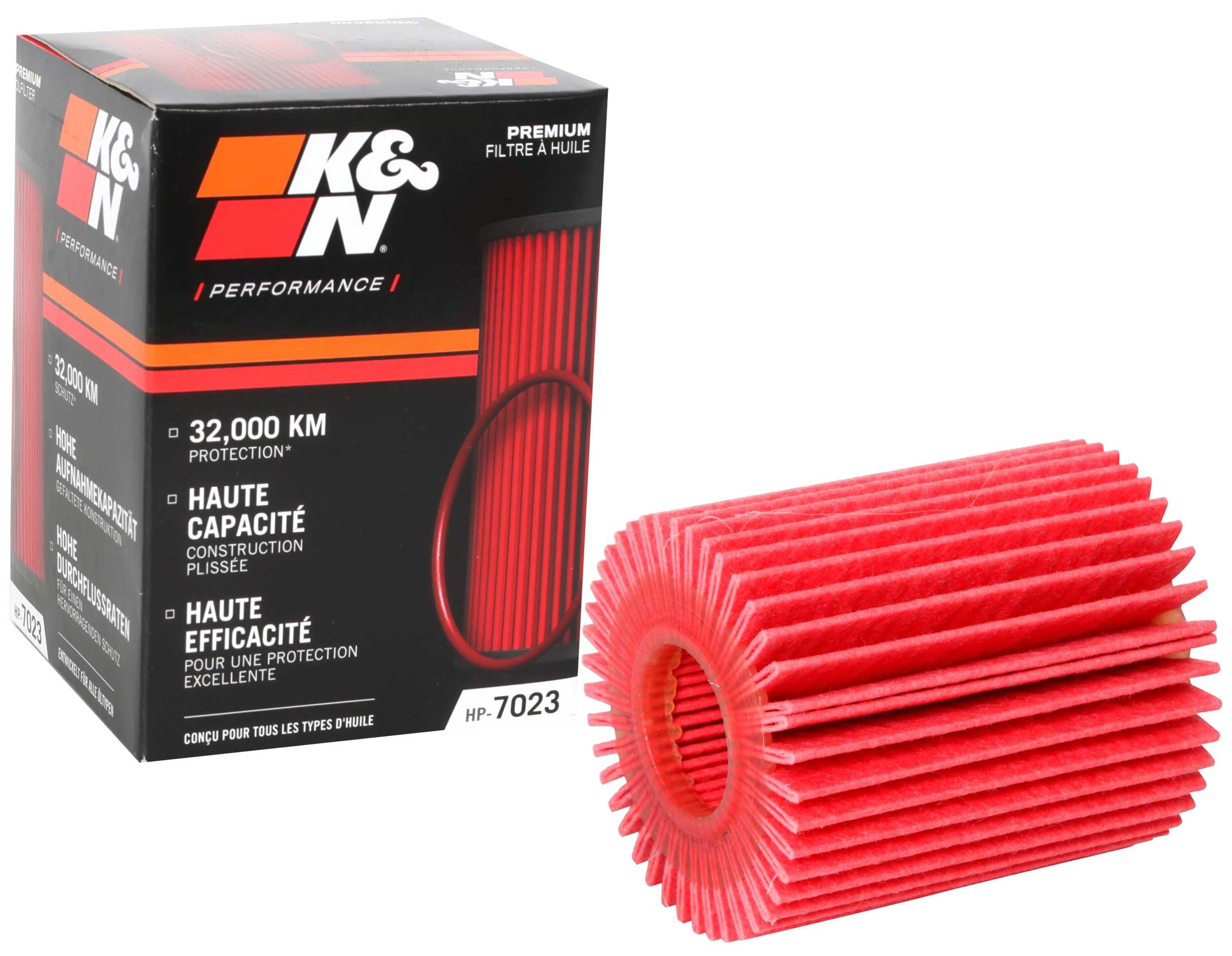
The K&N HP-7023 applies the same wrench-off nut and synthetic-blend media design to a filter sized for Lexus and Toyota applications. The high flow rate engineering ensures consistent oil delivery during cold starts and sustained highway cruising. Like its larger sibling, this filter includes the welded hex nut that makes removal straightforward even after the 20,000-mile service interval. The media works with synthetic, conventional, and blended oils without compatibility concerns.
Owner reviews from 2022 Toyota 4Runner and Lexus IS250 owners confirm perfect thread engagement and gasket sealing. One verified report mentions pairing this filter with a 5,000 to 7,000-mile oil change schedule — well within the filter’s capacity — and noting stable oil pressure throughout the interval. Multiple users highlight that the K&N filter arrives individually boxed with a protective coating that prevents rust during storage. The construction feels noticeably more substantial than standard Toyota OEM filters when handling both side by side.
Laboratory testing published by various filtration analysis channels confirms that K&N maintains excellent burst strength and media capacity. The synthetic-blend pleats hold their structure under high flow without collapsing or channeling. For Toyota and Lexus owners who want the convenience of a filter that will not require a specialized tool for removal, the HP-7023 delivers that experience without sacrificing filtration quality. The one-year limited warranty provides additional peace of mind.
What works
- Welded nut eliminates crushed-filter removal frustration
- High flow design supports all oil types including synthetic
- Individually boxed with anti-rust protection during storage
What doesn’t
- Limited to specific Toyota/Lexus engine families
- Wrench nut adds cost compared to plain-canister alternatives
Hardware & Specs Guide
Filtration Media Types
Cellulose media traps particles around 25–30 microns and degrades faster under heat. Synthetic-blend media, used by all filters in this guide, combines natural and synthetic fibers to catch particles at 20–23 microns while maintaining flow. Full synthetic media offers the highest efficiency but commands the highest price. Most premium automotive filters use a synthetic-blend as the optimal balance of cost, flow, and filtration.
Burst Pressure & Safety Margin
Standard oil filters typically withstand 150–200 psi before the canister deforms or the media ruptures. Premium models like the Mobil 1 M1-204A are rated to nine times normal operating pressure — around 400–500 psi. This margin protects against cold-start pressure spikes where oil viscosity can exceed 10 times normal. Filters with inadequate burst ratings risk bypassing unfiltered oil exactly when the engine needs clean lubrication most.
Anti-Drain Back Valve Materials
Rubber or nitrile valves harden over time and lose their seal, allowing oil to drain out of the filter when the engine is off. Silicone valves, found in all WIX XP and K&N HP filters, maintain flexibility across extreme temperature ranges and resist permanent compression. A failing drain-back valve causes clattering on startup as the engine briefly runs without oil pressure until the filter refills.
Thread Pitch & Gasket Compatibility
Oil filters use standardized thread sizes — most commonly 3/4-16 UNF or 20mm x 1.5. The gasket diameter also varies by application. Installing a filter with the wrong thread pitch strips the engine block threads. Using a gasket that is too small or too large causes oil leaks. Always verify the OEM part number cross-reference before purchasing, even if the filter appears visually similar.
FAQ
How often should I change my oil filter?
What does the anti-drain back valve do?
Can I use a filter rated for 20,000 miles with 5,000-mile oil changes?
Does a larger filter always provide better filtration?
Final Thoughts: The Verdict
For most buyers, the best oil filter winner is the K&N HP-1007 because it combines proven synthetic-blend media, a useful wrench-off nut for hassle-free removal, and verified burst strength that protects engines under high load. If you want maximum burst pressure tolerance for towing or track driving, grab the Mobil 1 M1-204A. And for budget-conscious synthetic oil users who still demand premium filtration, nothing beats the WIX 51060XP.

Certification: BSc in Mechanical Engineering
Education: Mechanical engineer
Lives In: 539 W Commerce St, Dallas, TX 75208, USA
Md Amir is an auto mechanic student and writer with over half a decade of experience in the automotive field. He has worked with top automotive brands such as Lexus, Quantum, and also owns two automotive blogs autocarneed.com and taxiwiz.com.