Flushing a boat motor after every saltwater run isn’t optional — it’s the single most effective habit to prevent corrosion from eating your cooling passages from the inside out. A good set of ear muffs directs pressurized fresh water straight into the lower unit intakes so you can run the engine on land without overheating, and the difference between a cheap, leaky set and one that seals tight is the difference between a full flush and a salt-filled engine block. I’m Amir — the founder and writer behind Four Wheel Ask. I’ve spent years researching marine maintenance tools, cross-referencing material grades, seal designs, and feed configurations to separate flushers that actually hold pressure from ones that waste your time.
In this guide, I break down the key differences between dual-feed and single-feed designs, rubber vs. steel construction, and which cup shape seals best on rectangular intake ports so you can confidently pick the right tool for your outboard or I/O engine. Whether you flush weekly or are winterizing for the first time, the right set of ear muffs for boat motor keeps your cooling system clear and your engine running cooler for years longer.
How To Choose The Best Ear Muffs For Boat Motor
Picking the right motor flusher comes down to matching the cup design and feed configuration to your engine’s water intake layout. A single-side muff may leave one side under-flushed, while a pair of round cups often fails to seal on rectangular intake ports, causing blow-off and reduced flow at idle.
Dual Feed vs. Single Feed Configuration
A dual-feed flusher sends water into both sides of the lower unit simultaneously, reaching more cooling passages in one session and reducing the chance of salt or debris left trapped in one bank. Single-feed designs work for small outboards but often leave the opposite side starved, making dual-feed the standard recommendation for V‑sized and larger engines.
Rectangular vs. Round Cup Shape
Most modern outboards have rectangular water intake slots. Rectangular cups conform to that shape, creating a tighter seal and minimizing water loss. Round cups tend to slip or leak around the edges, which lowers water pressure and can cause the engine to run hotter during the flush. Measure your intake slots before buying — rectangular cups are the safer bet for the widest compatibility.
Frame Material: Rubber vs. Steel
Rubber-bodied flushers are lightweight and flexible, making them easy to squeeze into tight transom spaces, but they can deform under high hose pressure. Steel-framed models hold their shape better over years of use and provide a more rigid seal, though they add a little weight. For heavy winterizing with antifreeze, a steel frame is worth the extra cost to maintain consistent contact pressure.
Quick Comparison
On smaller screens, swipe sideways to see the full table.
| Model | Category | Best For | Key Spec | Amazon |
|---|---|---|---|---|
| Better Boat Dual Flow Muffs | Dual Feed | Dual-side flush coverage | Rotating ears, 10.5” U-channel | Amazon |
| Seaworks Heavy Duty Steel Flusher | Steel Frame | Durable winterizing use | Steel body, 5/8” quick-connect | Amazon |
| Redneck Convent Rectangular Muffs | Rectangular Cups | Fitting rectangular intake slots | 5 x 3.25” cups, swivel ears | Amazon |
| Attwood Universal Dual Feed Flusher | Lightweight | Budget-friendly daily flushing | Reinforced polypropylene | Amazon |
| Seachoice Adjustable Inboard Flusher | Telescoping | Hard-to-reach inboard strainers | 18.5–31” telescoping shaft | Amazon |
In‑Depth Reviews
1. Better Boat Dual Flow Motor Muffs
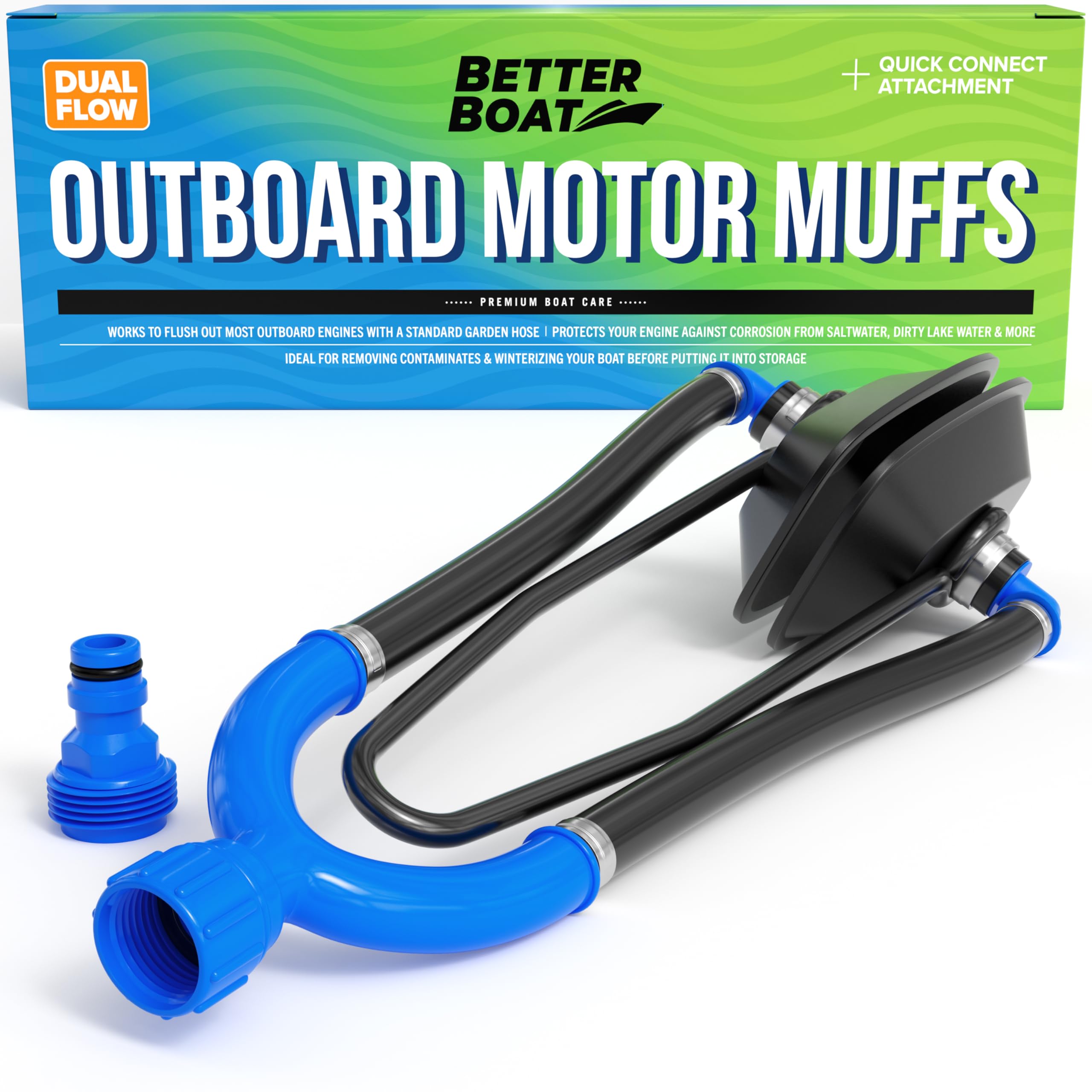
The Better Boat Dual Flow Motor Muffs deliver an excellent balance of coverage and convenience with a dual-feed rubber body that supplies water to both sides of the lower unit simultaneously. The rotating ears and a 10.5‑inch deep U‑channel allow the cups to adapt to a wide range of outboard and I/O engines, including Mercury, Yamaha, Honda, Suzuki, and Evinrude models, without any tools or modifications.
The included quick-connect male adapter and rubber washer make hose hookup simple for standard garden hoses. The rubber construction feels pliable enough to conform to irregular intake surfaces while remaining firm enough to hold seal pressure at idle. This unit also works well as part of a winterizing kit because the dual flow reaches deeper passages than single-feed alternatives.
Owners consistently report a tight seal with minimal water blow‑by, which reduces the chance of the engine overheating during a flush. The only trade‑off is that the rubber body can compress slightly under aggressive water pressure from a high‑flow hose, though this rarely affects normal garden hose use. For the price, this is the most complete outboard flushing solution on the market.
What works
- Dual-feed design ensures both sides of the lower unit are flushed equally
- Rotating ears and deep U‑channel fit a wide range of engines
- Quick-connect adapter and rubber washer included for easy setup
What doesn’t
- Rubber body can compress slightly under very high hose pressure
- Not ideal for engines with non-rectangular or oddly shaped intake ports
2. Seaworks Heavy Duty Steel Motor Flusher

The Seaworks Heavy Duty Steel Motor Flusher stands apart from rubber-bodied alternatives with its rigid steel frame that maintains a consistent seal even under the high pressure needed for winterizing with antifreeze. The dual-feed design supplies equal water to both intake ports, while the 5/8‑inch quick-connect valve makes attachment to a standard garden hose straightforward.
This flusher is compatible with most inboard and outboard engines, including Mercury, Yamaha, Evinrude, Johnson, Chrysler, Honda, Nissan, and Suzuki models. The steel body resists deformation over repeated use, which is a common failure point on cheaper all‑plastic units after a few seasons on the water. The included adapter also accommodates smaller hose sizes, widening its compatibility.
Users appreciate the robust build that delivers a leak‑free seal and higher flow rates compared to lighter plastic flushers. The added weight from the steel frame is noticeable but rarely an issue since the flusher sits on the lower unit during operation. The only real disadvantage is that the rigid frame can feel less forgiving on engines with slightly irregular intake geometry compared to a rubber model.
What works
- Steel frame provides superior durability and consistent seal pressure
- Dual-feed design delivers balanced water to both intakes
- Includes adapter for different hose sizes
What doesn’t
- Rigid steel body may not conform as well to irregular intake shapes
- Heavier than rubber or polypropylene alternatives
3. Redneck Convent Rectangular Cup Flusher

The Redneck Convent Rectangular Cup Flusher solves the most common fitment issue with motor muffs: round cups that slip off rectangular intake ports. Each cup measures 5 by 3.25 inches and 1.25 inches deep, providing a broad rectangular surface that seals tightly over the intake slots found on most Johnson/Evinrude, Mercury, Yamaha, Chrysler, Force, Honda, Nissan, Suzuki, and Tohatsu outdrives.
The cups swivel to be positioned horizontally or vertically, giving you multiple ways to align them to the lower unit. The black coated steel frame provides a secure connection without requiring tools for installation or removal. Two quick-connect hose fittings are included, making the transition from garden hose to flusher simple. The dual-feed design ensures both intakes receive equal water pressure, which is critical for a thorough flush.
Boat owners who switch from round cups to this rectangular design report eliminating the leakage and blow‑off they previously experienced. The tight seal allows the engine to idle without overheating because no water is wasted around the edges. The only minor complaint is that the steel frame adds some weight, and the rubber cup edges can wear over time if the flusher is stored in direct sunlight.
What works
- Rectangular cups seal tightly on modern rectangular intake ports
- Swivel ears allow flexible positioning for different lower units
- Steel frame is robust and tool‑free to install
What doesn’t
- Rubber cup edges may degrade with prolonged sun exposure
- Frame is slightly heavier than all‑plastic flushers
4. Attwood Universal Dual Water Feed Motor Flusher

The Attwood Universal Dual Water Feed Motor Flusher is a lightweight, reinforced polypropylene model that skips the heavy steel frame in favor of simplicity and affordability. Its self-adjusting yoke is designed to fit most domestic and imported I/O and outboard engines, and the molded cups direct water exactly where needed to effectively clear the cooling system.
The hose attaches from the back, feeding water through both cups with equal pressure. At just 0.18 pounds, it is the lightest option in this lineup, making it ideal for quick, tool‑free flushing sessions. The polypropylene body is corrosion‑resistant and durable enough for regular use, though it lacks the rigidity of steel alternatives. This model works best for occasional flushing and for owners who prioritize low weight and easy handling.
Reviewers highlight the straightforward installation and reliable seal for the price. The main limitation is that the flexible yoke can allow the cups to shift if the hose is pulled at an angle during operation, potentially breaking the seal. For routine freshwater flushes on a standard outboard, this flusher gets the job done without complicating the setup.
What works
- Extremely lightweight and tool‑free to install
- Reinforced polypropylene body resists corrosion
- Dual feed provides equal water pressure to both cups
What doesn’t
- Flexible yoke can shift seal if hose is pulled sideways
- Less durable than steel‑framed models for heavy winterizing
5. Seachoice Adjustable Inboard Engine Flusher
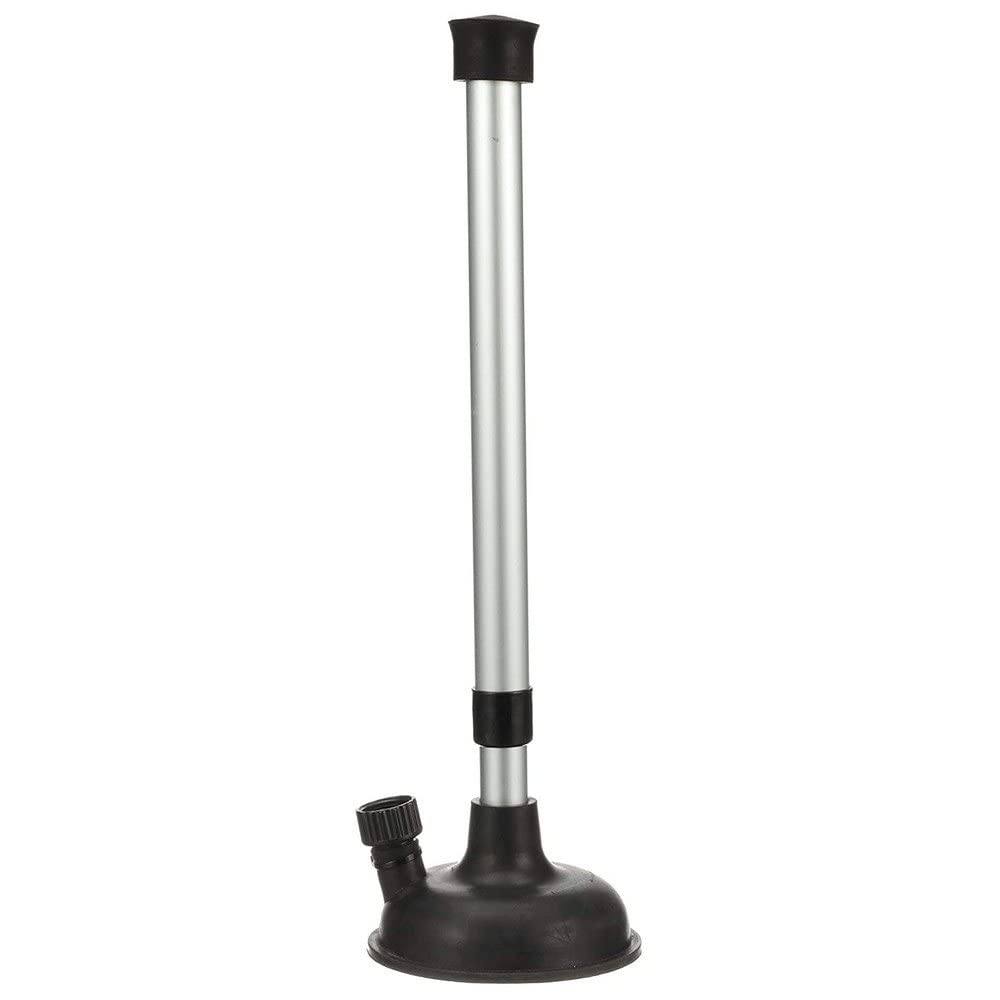
The Seachoice Adjustable Inboard Engine Flusher is a specialized tool designed for inboard engines where the raw water strainer is located in tight or obstructed spaces. Its telescoping shaft extends from 18.5 to 31 inches, allowing you to reach strainers that a fixed‑length flusher would miss. The large diameter suction cup eliminates fall‑off and blow‑by during operation, keeping the water stream focused on the strainer.
Unlike traditional ear muffs that slip over the lower unit, this unit attaches directly to the raw water strainer on inboard engines. This makes it perfect for owners of sterndrive or V‑drive boats who struggle with conventional muffs that don’t fit on the transom. The installation requires no tools, and the telescoping feature means you can adjust the angle precisely without moving the entire boat.
Customers who own inboard boats praise this flusher for solving their strained access problem. The suction cup holds well at idle speeds, though it can lose grip if the hose pressure fluctuates dramatically. It is not designed for traditional outboard lower units, so verify your engine type before purchasing. For inboard applications, it is the most practical solution on the market.
What works
- Telescoping shaft reaches strainers in tight engine compartments
- Large suction cup prevents blow‑by and maintains seal
- Tool‑free installation and angle adjustment
What doesn’t
- Designed specifically for inboard raw water strainers, not outboard lower units
- Suction cup can lose grip under extreme hose pressure fluctuations
Hardware & Specs Guide
Dual Feed vs. Single Feed
Dual-feed flushers route water through both cups simultaneously, covering both sides of the lower unit’s intake. Single-feed designs only feed one side, which can leave the opposite cooling passages under‑flushed. For V‑type engines or any motor over 90 horsepower, dual feed is strongly recommended to ensure complete salt and debris removal.
Rectangular Cup Dimensions
Rectangular cups typically measure around 5 x 3.25 inches with a depth of 1.25 inches. These dimensions match the rectangular intake slots found on most modern outboards from Mercury, Yamaha, Honda, Suzuki, and Evinrude. Measuring your actual intake slots before purchase ensures you select cups that seal tightly rather than relying on generic “universal” fitment claims.
Steel vs. Rubber/Polypropylene Frame
Steel frames retain their shape under high hose pressure and hold a consistent seal over many seasons, but add weight. Rubber and polypropylene frames are lighter and more flexible, conforming better to irregular geometry, but may deform under repeated heavy‑duty use or high hose pressures. Choose steel if you winterize with antifreeze frequently; choose polypropylene if you prefer a lightweight tool for quick weekly flushes.
Hose Connection Size
Most motor flushers use a standard 5/8‑inch garden hose connection, but some include quick‑connect adapters or barb fittings for different hose diameters. A quick‑connect fitting speeds up the hookup process significantly, especially if you flush your engine multiple times per week during the season. Always confirm the connection type matches your hose setup to avoid needing additional adapters.
FAQ
Can I use ear muffs on an inboard engine?
Why does my motor muff keep blowing off during flushing?
How often should I flush my boat motor with ear muffs?
Final Thoughts: The Verdict
For most buyers, the ear muffs for boat motor winner is the Better Boat Dual Flow Motor Muffs because it delivers reliable dual‑feed coverage, rotating ears for broad compatibility, and a quick‑connect adapter out of the box. If you flush in saltwater year‑round and want a frame that won’t deform, grab the Seaworks Heavy Duty Steel Flusher. And for inboard owners dealing with tight engine bays, nothing beats the Seachoice Adjustable Inboard Engine Flusher for reaching that raw water strainer.

Certification: BSc in Mechanical Engineering
Education: Mechanical engineer
Lives In: 539 W Commerce St, Dallas, TX 75208, USA
Md Amir is an auto mechanic student and writer with over half a decade of experience in the automotive field. He has worked with top automotive brands such as Lexus, Quantum, and also owns two automotive blogs autocarneed.com and taxiwiz.com.