Protecting your head during a cycling session isn’t open for debate — it’s a matter of physics. Whether you’re hammering through a gravel race, cruising the boulevard on a commuter, or grinding up a mountain singletrack, the one piece of gear between you and the pavement is your helmet. The right one balances ventilation, weight, fit adjustability, and certified impact absorption, a combination that gets more complex with every generation of safety tech.
I’m Amir — the founder and writer behind Four Wheel Ask. My market analysis covers the latest in cycling safety standards, from MIPS and KinetiCore to WG11 rotational impact approvals, along with the ventilation channel designs and retention systems that separate premium shells from entry-level lids.
This guide breaks down the specs, real rider feedback, and safety certifications that define the best cycling helmets for men currently available across road, trail, and commuter categories.
How To Choose The Best Cycling Helmets For Men
Cycling helmets are deceptively simple gear. Beneath the polycarbonate shell and EPS foam liner lies a matrix of safety standards, fit systems, and vent engineering that dictates performance and protection. Understanding a few key decisions will steer you toward the right shell for your riding style.
Rotational Impact Protection: MIPS, KinetiCore, Koroyd, and WG11
The most critical safety evolution beyond the CPSC standard is rotational impact management. MIPS (Multi-Directional Impact Protection System) uses a low-friction layer between the liner and shell to allow the helmet to rotate slightly on impact, reducing rotational forces on the brain. KinetiCore from LAZER uses crumple zones molded directly into the EPS foam to absorb rotational energy without a separate layer. Koroyd by Smith employs a welded tubular structure that crushes on impact while maintaining airflow. The Kask WG11 standard certifies helmets specifically against rotational acceleration. Choose MIPS or KinetiCore for general road and mountain use; WG11 or Koroyd for riders who prioritize the highest rotational protection ratings.
Fit Retention Systems and Head Shape Compatibility
A helmet that shifts during a ride compromises safety and comfort. Look for a rear dial fit system (like the Roc Loc, TurnSys, Octo Fit, or Dial Fit) that adjusts circumferential tension in small increments. Some brands also offer vertical adjustment bands at the nape of the skull. Head shape matters: Giro and Smith favor a more rounded (round oval) shape, while Kask and LAZER trend slightly longer (intermediate oval). Check size charts that include circumference in centimeters and consider your specific head shape to avoid pressure points on the forehead or temples.
Ventilation Architecture and Airflow Channels
Raw vent count matters less than channel design. Quality helmets route air intakes through deep internal channels that exhaust out the rear, creating a continuous airflow path that wicks heat and moisture away. Helmets optimized for road riding typically have larger, more numerous vents; mountain and commuter helmets often balance coverage with channeled venting. Smith integrates an AirEvac system that clears eyewear fog, while Kask’s MOJITO3 uses a front-to-crest-to-back channel system for maximum heat dissipation. If you ride in hot climates or suffer from fogged lenses, prioritize deep, channeled vents over a high vent count alone.
Quick Comparison
On smaller screens, swipe sideways to see the full table.
| Model | Category | Best For | Key Spec | Amazon |
|---|---|---|---|---|
| Giro Register II MIPS | Road / Commute | Premium blend of safety and value | Integrated MIPS + Hardbody lower wrap | Amazon |
| KASK Mojito3 | Road / Gravel | Ultimate rotational safety (WG11) | WG11 rotational impact certified | Amazon |
| Smith Persist MIPS | Road / Gravel | Koroyd impact absorption + ventilation | Zonal Koroyd + 21 vents | Amazon |
| Lumos Ultra Smart Helmet | Commuter / Smart | Integrated LED turn signals + remote | Front/rear LEDs + wireless turn signals | Amazon |
| Thousand Heritage 2.0 | Commuter / Retro | Stylish low-profile urban commuting | PopLock + magnetic Fidlock buckle | Amazon |
| Fox Racing Mainframe MIPS | Mountain / Trail | Mountain bike specific MIPS coverage | Extended coverage + MIPS | Amazon |
| LAZER Tempo KinetiCore | Road / Entry-Level | Budget-friendly rotational protection | Built-in KinetiCore | Amazon |
In‑Depth Reviews
1. Giro Register II MIPS
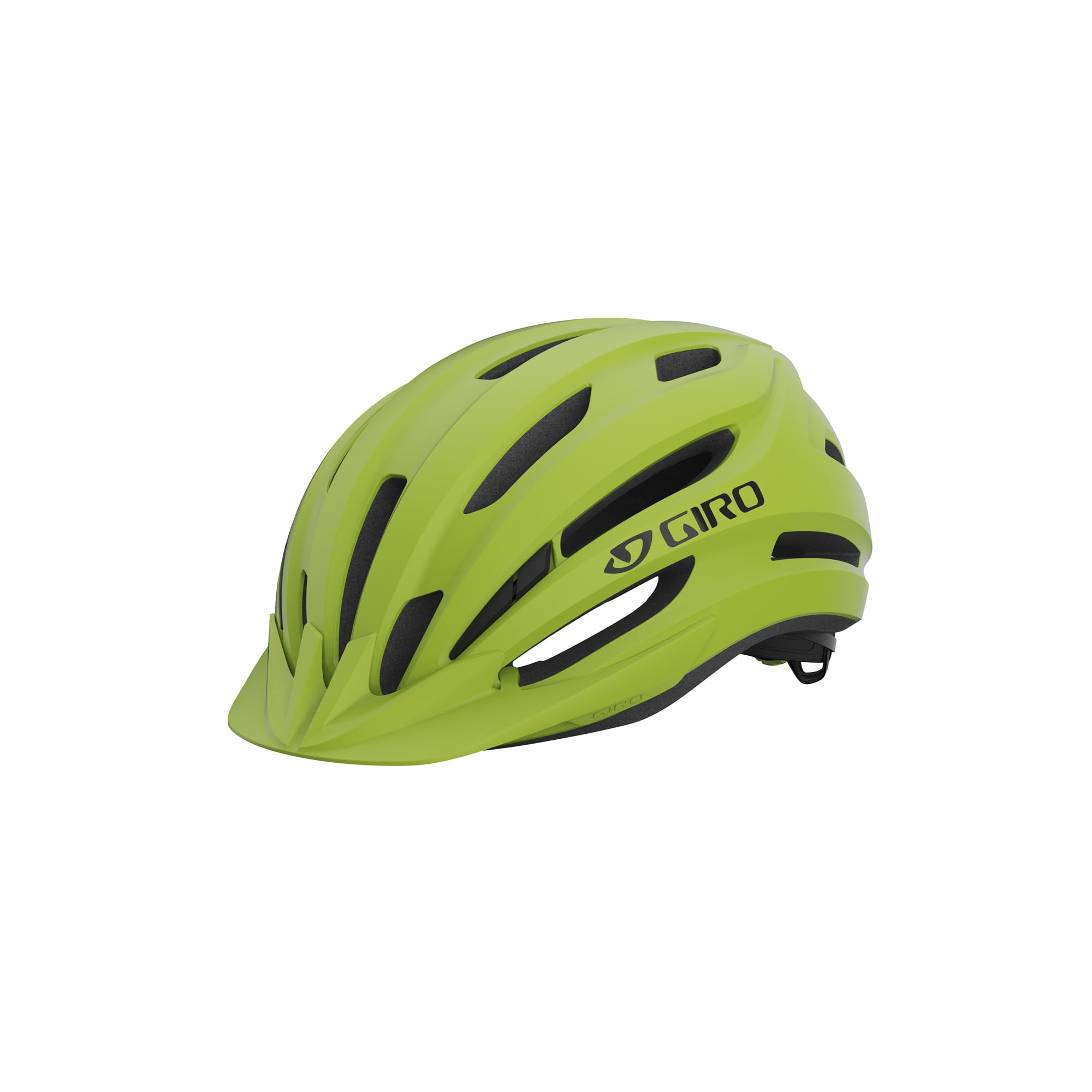
The Giro Register II MIPS hits the sweet spot where safety engineering meets everyday usability. Its two-piece shell construction combines a tough outer hard shell with an in-molded polycarbonate lower wrap, providing durability at the rim without adding unnecessary weight to the crown. The Integrated MIPS low-friction layer is seamlessly tucked between the EPS liner and the comfort padding, so you get rotational impact protection without the loose-fit feeling earlier MIPS designs sometimes produced.
Giro’s Universal Fit system uses proprietary shell shapes that accommodate a broad range of head contours straight out of the box. The rear dial retainer adjusts tension in fine increments, and the vertical positioning band lets you fine-tune how deep the helmet sits on your crown. With an internal channel layout that pushes warm air out the exhaust ports, the Register II stays breathable during moderate tempo rides and long commutes alike.
This helmet complies with CPSC and CE EN 1078 standards, and the Hardbody lower shell resists the scuffs and dings that come from tossing a helmet into a pannier or hanging it on a handlebar. It’s a do-it-all road and commuter shell that doesn’t force you to choose between protection and pocket comfort — it delivers both without tradeoff.
What works
- Integrated MIPS feels natural and doesn’t shift
- Hardbody lower wrap resists edge wear
- Universal Fit works for a wide range of head shapes
What doesn’t
- Vent count is modest for extreme heat riding
- Fit band lacks vertical adjust for very round heads
2. KASK Mojito3

The KASK Mojito3 is the helmet that serious roadies and gravel grinders point to when conversation turns to rotational impact testing. It holds WG11 certification, which measures rotational acceleration during oblique impacts — a threshold that exceeds many CPSC and CE standards. The invisible protection layer embedded in the EPS liner manages rotational forces without the added weight of a separate slip plane, keeping the entire package clean and aerodynamic.
Ventilation is where the Mojito3 truly differentiates itself. The front, crest, and rear exhaust ports are connected by deep interior channels that actively pull air through the helmet, not just through the surface. The Octo Fit retention system uses a rubberized micro-dial with gel contact pads at the support points, and the supports themselves oscillate through 180 degrees to conform to the skull curvature mid-ride. At just over half a kilogram, you genuinely forget you’re wearing it on a five-hour epic.
KASK includes high visibility reflective stickers in the box, and the polycarbonate shell extends lower at the temples for additional coverage. It’s an investment in protection technology that shows in every detail, from the smooth strap dividers to the aerodynamic tail shaping. Riders who want the peace of mind that comes with WG11 certification and uncompromised ventilation will find this shell worth the step up.
What works
- WG11 rotational impact certification exceeds norms
- Deep internal vent channels move serious air
- Octo Fit with gel pads eliminates hot spots
What doesn’t
- Premium investment compared to MIPS-only shells
- Reflective stickers are a separate application
3. Smith Persist MIPS
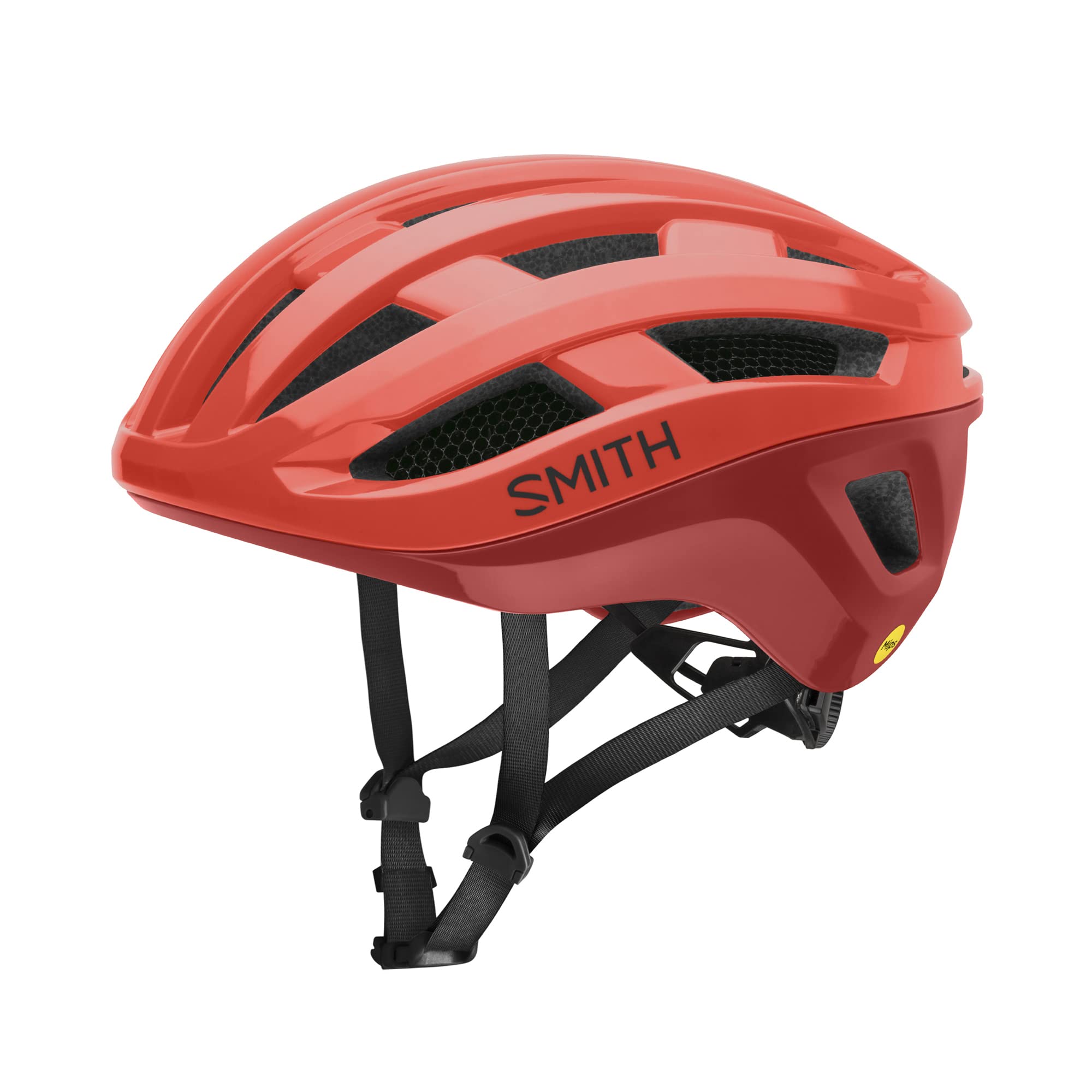
Smith brings two safety systems to the Persist: a full MIPS low-friction layer and Zonal Koroyd coverage across the crown and temples. Koroyd consists of welded polymer tubes that crush axially on impact, absorbing energy while maintaining an open cellular structure that doesn’t trap heat. This dual-layer approach delivers layered protection in a package that weighs only 11 ounces for a medium shell — among the lightest helmets in this comparison.
The 21 fixed vents are connected by deep internal airflow channels, and Smith’s AirEvac system integrates with their eyewear to keep lenses from fogging when you’re climbing in humid conditions. The VaporFit dial adjustment system uses a silicone band instead of a traditional webbing strap, which distributes tension evenly around the occipital base without creating a pressure ridge. Testers consistently note that the Persist disappears on the head, even on half-century rides.
Fit tends toward intermediate oval, suiting riders with moderate head length. The Koroyd coverage zone extends further down the rear of the helmet than typical EPS-only designs, providing wraparound protection without the mushroom look. Riders upgrading from a basic CPSC-only helmet will immediately notice the weight savings and the confidence that comes from dual-certified impact management combined with category-leading airflow.
What works
- Koroyd + MIPS dual impact absorption system
- Extremely lightweight at 11 ounces
- AirEvac keeps eyewear fog-free on climbs
What doesn’t
- Fit runs narrow for very round heads
- Straps are stiffer than some competitors out of box
4. Lumos Ultra Smart Bike Helmet
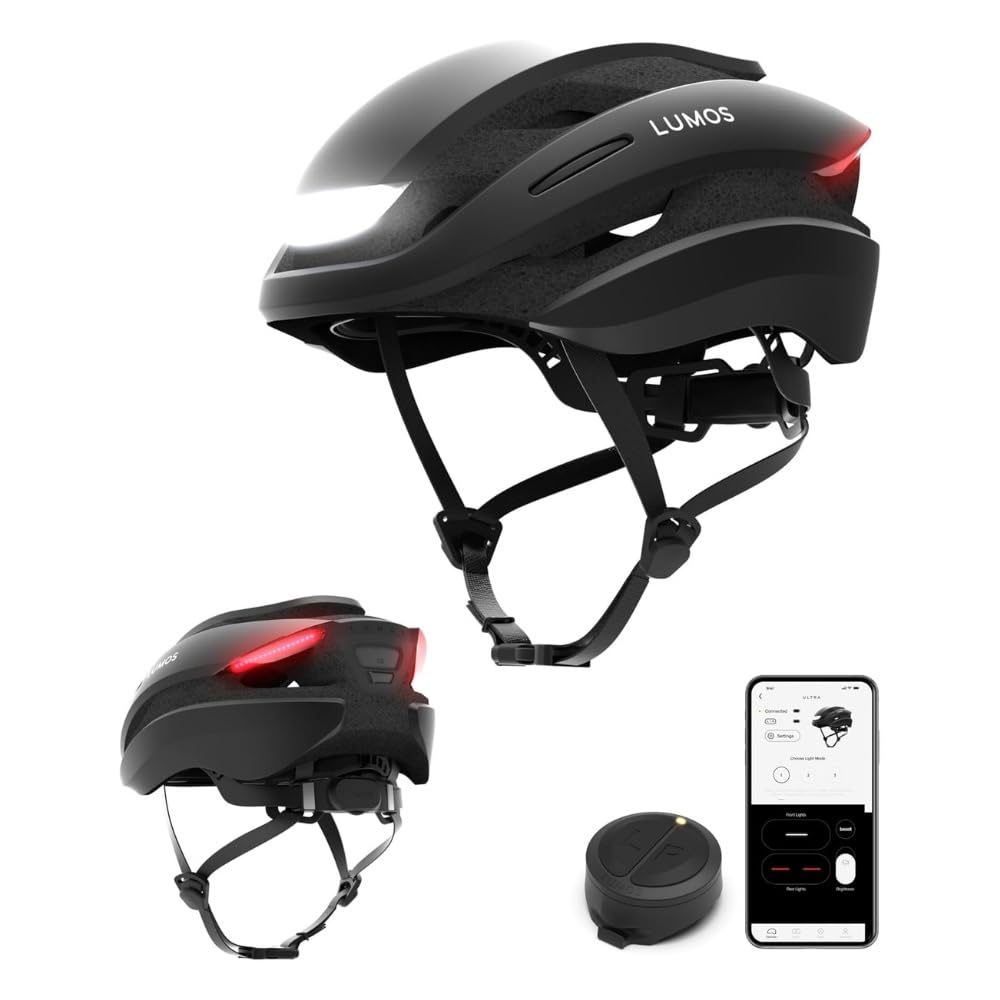
The Lumos Ultra redefines commuter safety by integrating bright front LED headlights, rear LED taillights, and wireless turn signals into the helmet shell itself. A handlebar-mounted remote lets you signal left and right turns without taking your hands off the grips, making you visible to trailing traffic from all angles. The lights are smartphone-customizable via the Lumos app, where you can adjust brightness levels, switch between patterns, and sync multiple helmets using the Team Sync feature for group rides.
Battery life reaches up to 10 hours on a full charge, and the USB-C charging port means you can top it off with the same cable you use for your phone. The MIPS version (sold separately) adds rotational impact protection, while the standard version meets CPSC safety standards for riders age five and older. The EPS liner and polycarbonate shell construction is paired with a fit adjustment dial that accommodates head sizes from 54 to 61 centimeters.
This helmet flips the script for urban commuters who prioritize visibility over weight savings. The integrated lighting system eliminates the need for separate clip-on taillights or headlamp mounts, simplifying your pre-ride gear check. The magnetic chin strap buckle clicks into place one-handed, and the matte finish holds up well to the daily wear of bike parking and transit. Riders who commute through low-light conditions or urban traffic will find this helmet transforms their sense of presence on the road.
What works
- Integrated turn signals with handlebar remote
- USB-C charging matches phone cable standard
- App customization for light patterns and brightness
What doesn’t
- Non-MIPS version doesn’t include rotational protection
- Battery weight is noticeable compared to unlit helmets
5. Thousand Heritage 2.0

Thousand built the Heritage 2.0 for riders who value aesthetics as much as protection. The low-profile silhouette rejects the mushroom-cap look of traditional bike helmets, instead offering a rounded shell that blends with everyday clothing. The PopLock channel hidden behind the logo mark lets you loop a U-lock or chain lock through the helmet and secure it to your bike frame, eliminating the awkward helmet-carry dilemma at the coffee shop or office. The Anti-Theft Guarantee replaces your helmet for free if it’s stolen while locked.
The Dial Fit system at the rear provides quick tension adjustment, and the Fidlock magnetic buckle snaps shut with a single hand — no fumbling with plastic clips under your chin. The vegan leather strap lacks the scratchiness of standard nylon webbing, and the interior padding is plush enough for casual spins without feeling overly hot. At 2 pounds for a large, it’s heavier than road-oriented shells, but the weight is distributed evenly across the polycarbonate and EPS construction.
The Heritage 2.0 is certified for cycling, skateboarding, roller skating, and e-scooter use, making it a versatile option for multi-mode commuters. The Accident Replacement Guarantee provides a free replacement if you crash and damage the helmet. Riders who park their bike outdoors or commute through city traffic will appreciate the low key, non-sporty look that doesn’t scream “cyclist” — a detail that matters for riders who want their helmet to feel like an accessory, not a uniform.
What works
- PopLock integrates U-lock storage seamlessly
- Magnetic Fidlock buckle is one-handed and secure
- Low-profile design blends with daily style
What doesn’t
- Heavier than typical road-focused shells
- Limited vent count compared to high-end road lids
6. Fox Racing Mainframe Mountain Bike Helmet
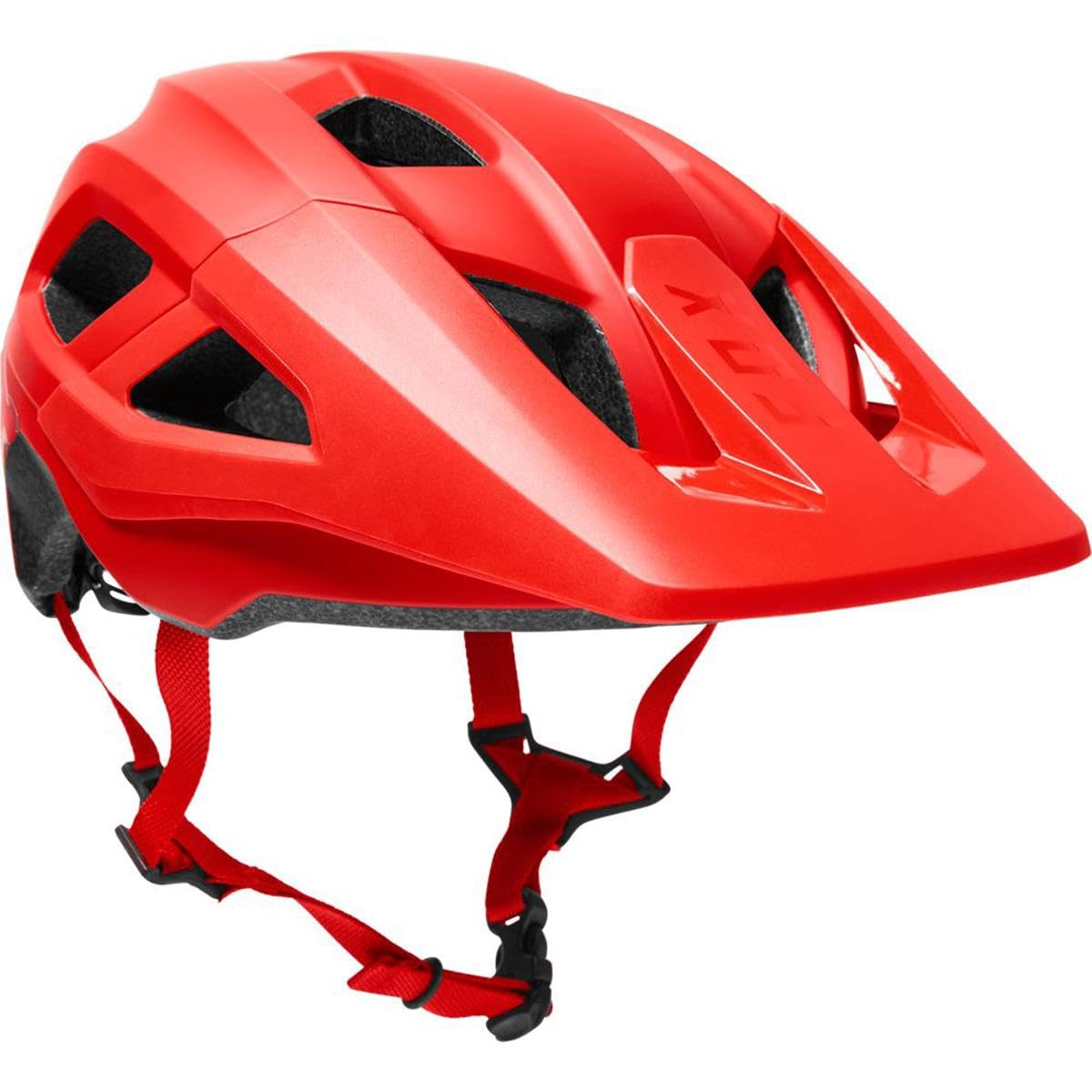
Fox Racing brings its motocross-derived helmet engineering to the Mainframe, a trail-focused shell designed for riders who encounter root strikes, rock gardens, and the occasional OTB moment. The MIPS integrated fit system reduces rotational forces in a crash while simultaneously trimming weight by combining the retention system with the MIPS liner into one unified assembly. The result is a helmet that feels planted on the head without the loose inner layer sensation that annoyed early MIPS adopters.
Extended coverage at the temples and occipital base provides additional protection in the zones most vulnerable during mountain bike crashes. The optimized venting uses channeled, in-molded EPS channels that pull air through the front vents and exhaust it out the rear, keeping you cool during steep, sweaty climbs. The removable, washable moisture-wicking liner handles the abuse of sweaty trail miles and dries quickly between rides.
Fit leans toward round oval, suiting the typical mountain biker’s head shape. The adjustable strap system provides a secure anchor below the ears without pinching. At 1.65 pounds, the Mainframe is heavier than pure road helmets, but the added coverage and MIPS integration justify the heft for trail riders who value protection over weight savings. It’s a trail-specific helmet that doesn’t cut corners in the safety department and looks the part on singletrack.
What works
- MIPS integrated fit system reduces rotational forces and weight
- Extended coverage at temples and occipital zone
- Channeled EPS venting works well on steep climbs
What doesn’t
- Heavier than pure road-oriented shells
- Rounding fit may not suit long-oval head shapes
7. LAZER Tempo KinetiCore

The LAZER Tempo KinetiCore proves that effective rotational impact protection doesn’t require a premium investment. Instead of a separate slip-plane layer, LAZER engineers molded crumple zones directly into the EPS foam at the temple and crown areas. These zones crush on oblique impact to absorb rotational energy, eliminating the weight and complexity of an additional MIPS layer while maintaining CPSC and CE EN 1078 compliance. It’s an elegant solution that keeps the helmet streamlined and lightweight.
At just 2.47 ounces, the Tempo is one of the lightest helmets in this roundup, and the TurnSys dial on the back provides fast, precise fit adjustment even while riding. The polycarbonate outer shell covers the front and crown area, while the exposed EPS at the rear saves weight. A universal LED light mount at the back makes it compatible with the Lazer Universal LED for added low-light visibility. Riders report that the fit runs true to size and accommodates intermediate oval head shapes well.
The Tempo is positioned as an entry-level road cycling helmet, but the KinetiCore tech places its safety performance above many comparably-priced MIPS competitors. The 11 vents offer adequate airflow for moderate-pace road riding and commuting, though riders in extreme heat may want deeper channels. It’s the right choice for the budget-conscious rider who refuses to compromise on rotational impact protection. One five star review notes they crashed hard and the helmet saved them from a head injury — the ultimate validation of any helmet’s worth.
What works
- KinetiCore provides integrated rotational protection without extra weight
- Extremely lightweight at under 3 ounces
- TurnSys dial adjusts quickly and securely mid-ride
What doesn’t
- Exposed EPS at rear is less durable against scuffs
- Vent count is moderate for high-output summer riding
Hardware & Specs Guide
Rotational Impact Systems
MIPS uses a low-friction liner that rotates independently from the EPS on oblique impact, redirecting rotational forces away from the brain. KinetiCore integrates crushable foam nodes directly into the EPS, shedding rotational energy without a separate liner. Koroyd employs a welded tubular polymer matrix that crushes axially, absorbing energy while maintaining airflow channels. WG11 certification from Kask sets a specific rotational acceleration threshold that exceeds CPSC norms. All four systems are effective; choose based on weight preference, budget, and head shape compatibility.
Retention and Fit Systems
Fit systems range from simple rear dial adjusters (TurnSys, Roc Loc, Octo Fit) to vertical band adjusters that fine-tune helmet depth over the occipital bone. Silicone-based bands (Smith VaporFit) distribute tension without pressure points. Gel-padded contact points (Kask Octo Fit) reduce hot spots on long rides. The retention system should allow one-handed mid-ride adjustment and feel secure without overtightening. Magnetic chin strap buckles (Fidlock) simplify daily use and are especially popular on commuter-oriented helmets.
Ventilation Channel Design
Vent count is a poor proxy for cooling. Effective helmets use deep, channeled EPS grooves that route air from front intakes through the interior and out rear exhaust ports. Smith’s AirEvac pulls warm air away from eyewear. Kask’s crest-channel system accelerates airflow over the crown. Giro’s internal channeling works with the Hardbody shell to maintain structural integrity while moving air. In general, road helmets favor larger intake vents; mountain and commuter helmets balance coverage with channel depth for mixed-terrain use.
CPSC, CE, and WG11 Certifications
The U.S. CPSC 1203 standard is the baseline for all bicycle helmets sold in the United States, testing flat and curbstone impact at specified drop heights and speeds. CE EN 1078 is the European equivalent, with similar impact energy limits. WG11 is a supplementary rotational impact test developed by Kask that measures angular acceleration during an oblique impact. Multi-certification helmets (CPSC + CE + WG11) offer the broadest protection verification. Always verify that any helmet you purchase carries a visible certification sticker.
FAQ
What is the difference between MIPS, KinetiCore, and Koroyd in cycling helmets?
How do I measure my head circumference for a cycling helmet?
Can I use a mountain bike helmet for road cycling?
When should I replace my cycling helmet after a crash?
Final Thoughts: The Verdict
For most buyers, the cycling helmets for men winner is the Giro Register II MIPS because it bundles integrated MIPS and a durable Hardbody shell at a fair price point that doesn’t demand compromise on safety or fit. If you prioritize WG11 rotational certification and premium ventilation, grab the KASK Mojito3. And for commuters who need integrated LED turn signals and USB-C charging, nothing beats the Lumos Ultra Smart Helmet.

Certification: BSc in Mechanical Engineering
Education: Mechanical engineer
Lives In: 539 W Commerce St, Dallas, TX 75208, USA
Md Amir is an auto mechanic student and writer with over half a decade of experience in the automotive field. He has worked with top automotive brands such as Lexus, Quantum, and also owns two automotive blogs autocarneed.com and taxiwiz.com.