Selecting a dirt bike helmet involves more than color schemes and graphics — it is a decision that directly affects safety, comfort, and endurance on the trail. With numerous options on the market claiming superior protection, distinguishing between genuine engineering and marketing noise requires a careful look at materials, certifications, and real-world owner experiences.
I’m Amir — the founder and writer behind Four Wheel Ask. My work focuses on analyzing product specifications, build quality, and owner feedback to help riders make informed gear decisions without relying on guesswork or hype.
After extensive research, this guide identifies the best custom dirt bike helmets for protection, fit, and trail performance.
How To Choose The Best Custom Dirt Bike Helmets
A dirt bike helmet is a layered system of protection, and understanding each layer is critical before making a purchase. Riders who focus solely on appearance often overlook factors that directly affect safety and comfort over long rides.
Safety Certifications and Impact Protection
DOT FMVSS 218 is the minimum standard for helmets sold in the United States, while ECE 22.05 or 22.06 represents a more rigorous international benchmark. Helmets with MIPS (Multi-directional Impact Protection System) add a low-friction layer designed to reduce rotational forces during angled impacts. For serious off-road riding, choosing a helmet that meets at least DOT and preferably ECE standards is a baseline requirement.
Shell Materials and Weight
ABS plastic shells are the most common entry-level construction — affordable but heavier. Polycarbonate blends offer a balance of weight and impact resistance. Fiberglass composite shells provide better strength-to-weight ratios, while carbon fiber delivers the lightest feel and highest energy dispersion. Heavier helmets cause neck fatigue on long rides, making shell material a key comfort factor.
Ventilation and Moisture Management
Off-road riding generates significant heat, so intake and exhaust vent placement matters. Helmets with multiple front intake ports and rear exhaust vents create airflow that pulls hot air out. Removable and washable liners treated with moisture-wicking or antibacterial fabrics help maintain hygiene and comfort across multiple riding sessions.
Fit, Sizing, and Head Shape
Helmet fit varies by head shape — round oval, intermediate oval, and long oval are the three common profiles. Many manufacturers provide specific shape guidance. Cheek pad pressure should be firm but not painful, and the crown should feel snug without pressure points. Always measure head circumference and consult the brand’s sizing chart rather than relying on hat size.
Quick Comparison
On smaller screens, swipe sideways to see the full table.
| Model | Category | Best For | Key Spec | Amazon |
|---|---|---|---|---|
| Troy Lee Designs SE4 Polyacrylite | Mid-Range | All-around trail performance | MIPS, 16 vents, DOT/ECE | Amazon |
| Fox Racing V Core MIPS | Mid-Range | Ventilation and rotational protection | MIPS, 13 vents, DOT/ECE | Amazon |
| ScorpionEXO Covert FX Carbon | Premium | Lightweight carbon performance | Carbon fiber, ECE 22.06, 2.9 lb | Amazon |
| Alpinestars SM3 Solid | Premium | Pro-level off-road protection | Thermo-injected shell, DOT/ECE | Amazon |
| Bell Custom 500 | Premium | Retro style with fiberglass shell | Fiberglass composite, DOT | Amazon |
| LS2 Subverter Evo | Premium | Bold looks and airflow | Multi-vent system, lightweight | Amazon |
| O’Neal 5SRS Warhawk | Premium | Durable build for aggressive riding | ABS shell, Coolmax liner, DOT | Amazon |
| Fly Racing Rayce | Mid-Range | DH mountain bike and MX crossover | ASTM F1952, CPSC, 930 g | Amazon |
| Vega MCX | Mid-Range | Lightweight off-road value | DOT/ECE, 3.2 lb, multi-vent | Amazon |
| O’Neal 1SRS | Mid-Range | Solid entry-level MX helmet | ABS shell, thick padding | Amazon |
| OUMURS DOT Helmet Kit | Budget | Entry-level with accessory bundle | DOT, ABS/EPS, includes goggles | Amazon |
In‑Depth Reviews
1. Troy Lee Designs SE4 Polyacrylite Adult Motocross Off-Road Dirt Bike Helmet with MIPS
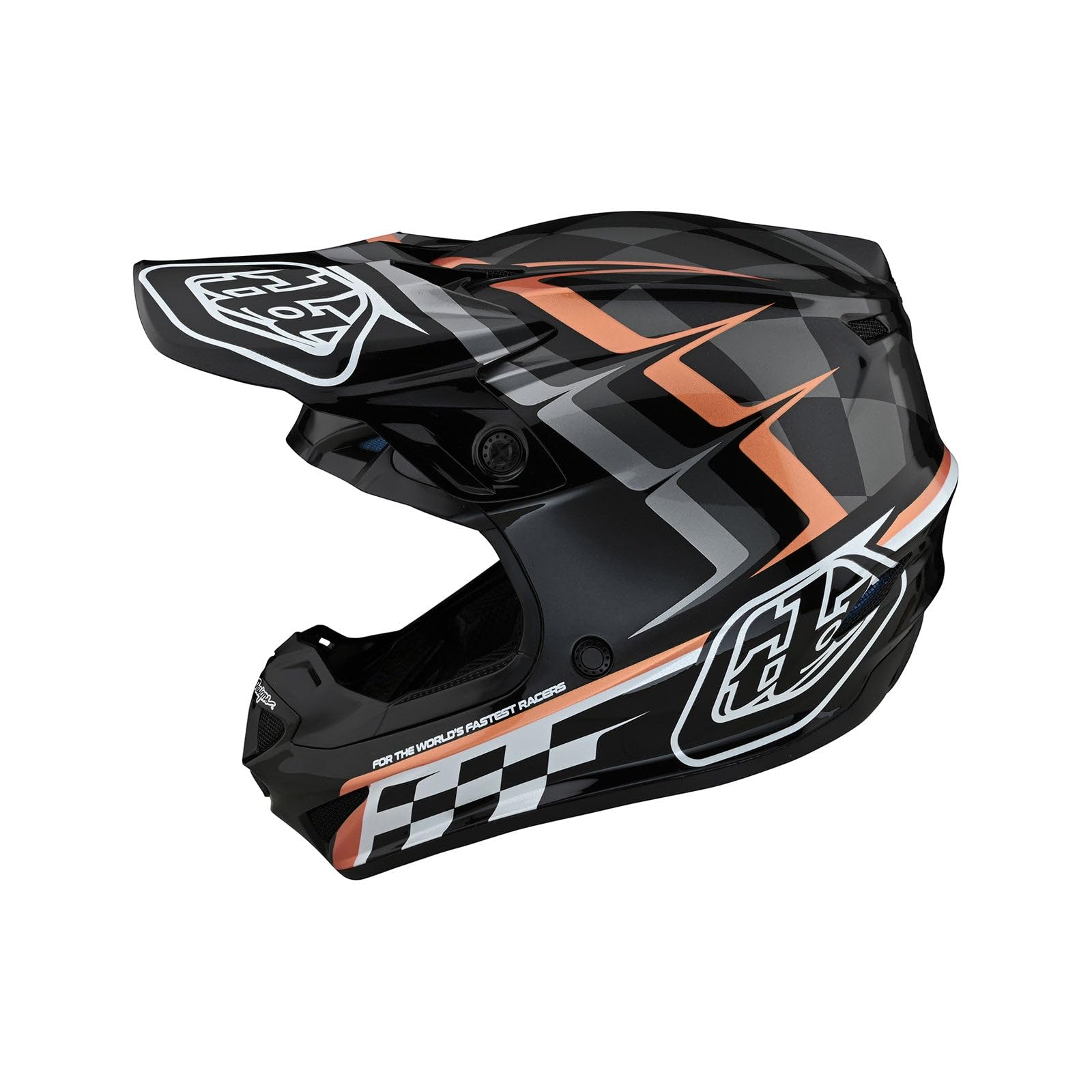
The Troy Lee Designs SE4 Polyacrylite brings MIPS rotational impact protection into a well-ventilated package without pushing into the premium price bracket. With 16 cooling vent ports and a chin bar featuring an EPP collarbone ventilation system, this helmet prioritizes airflow during aggressive riding. The polyacrylite shell construction keeps weight manageable while meeting both DOT FMVSS 218 and ECE 22.06 standards.
Owner feedback consistently highlights the comfortable, snug fit and the quality of the removable and washable liner. The six standard shell sizes allow riders to find a precise fit, and the interchangeable cheek pads add customization options. Multiple riders noted that the helmet feels lighter than expected and offers excellent rear coverage without obstructing peripheral vision.
The double-ring closure provides a secure fastening, though some users mentioned the lack of a quick-release buckle as a minor inconvenience. Overall ventilation performance earns high marks across varied trail conditions, and the visor stays stable even at higher speeds. This helmet represents a balanced choice for riders who want proven protection technology without overspending.
What works
- MIPS layer adds real rotational impact protection at a mid-range price
- Excellent ventilation with 16 well-placed ports
- Removable, washable liner with multiple size options
What doesn’t
- Lacks quick-release buckle on the chin strap
- Initial fit may feel tight before break-in
- Not ideal for sustained high-speed street use
2. Fox Racing Unisex-Adult V Core MIPS Motocross Dirt Bike Helmet

Fox Racing’s V Core MIPS helmet combines rotational impact protection with a thoughtful magnetic visor release system designed to reduce neck strain during crashes. The nine intake and four exhaust vents create aggressive airflow that keeps riders cool during intense motocross sessions. Both DOT and ECE 22.06 certifications confirm its safety credentials across multiple regulatory standards.
The injection-molded polycarbonate and ABS shell is available in four shell sizes and five EPS sizes, which allows for a more tailored fit than many competitors at this level. Owners report that the helmet initially feels snug but loosens after about five rides, conforming comfortably to the head shape. The matte finish and modern graphics receive consistent compliments for their clean, aggressive look.
Riders using the helmet on high-speed e-bikes and motocross tracks note that ventilation remains effective even at lower speeds, and the mouth vent helps prevent visor fogging. The double-ring closure is secure, though some users wished for a quicker fastening method. At roughly 16 ounces, this helmet feels light on the head, reducing fatigue during long rides.
What works
- Magnetic visor release reduces risk of neck injury during crashes
- Multiple shell and EPS sizes for a precise fit
- Strong ventilation performance across varied speeds
What doesn’t
- Chin strap uses a double ring, not a quick-release buckle
- Initial fit can feel quite tight before break-in
- Some users reported sizing runs smaller than expected
3. ScorpionEXO Covert FX Carbon Fiber Full Face Motorcycle Helmet
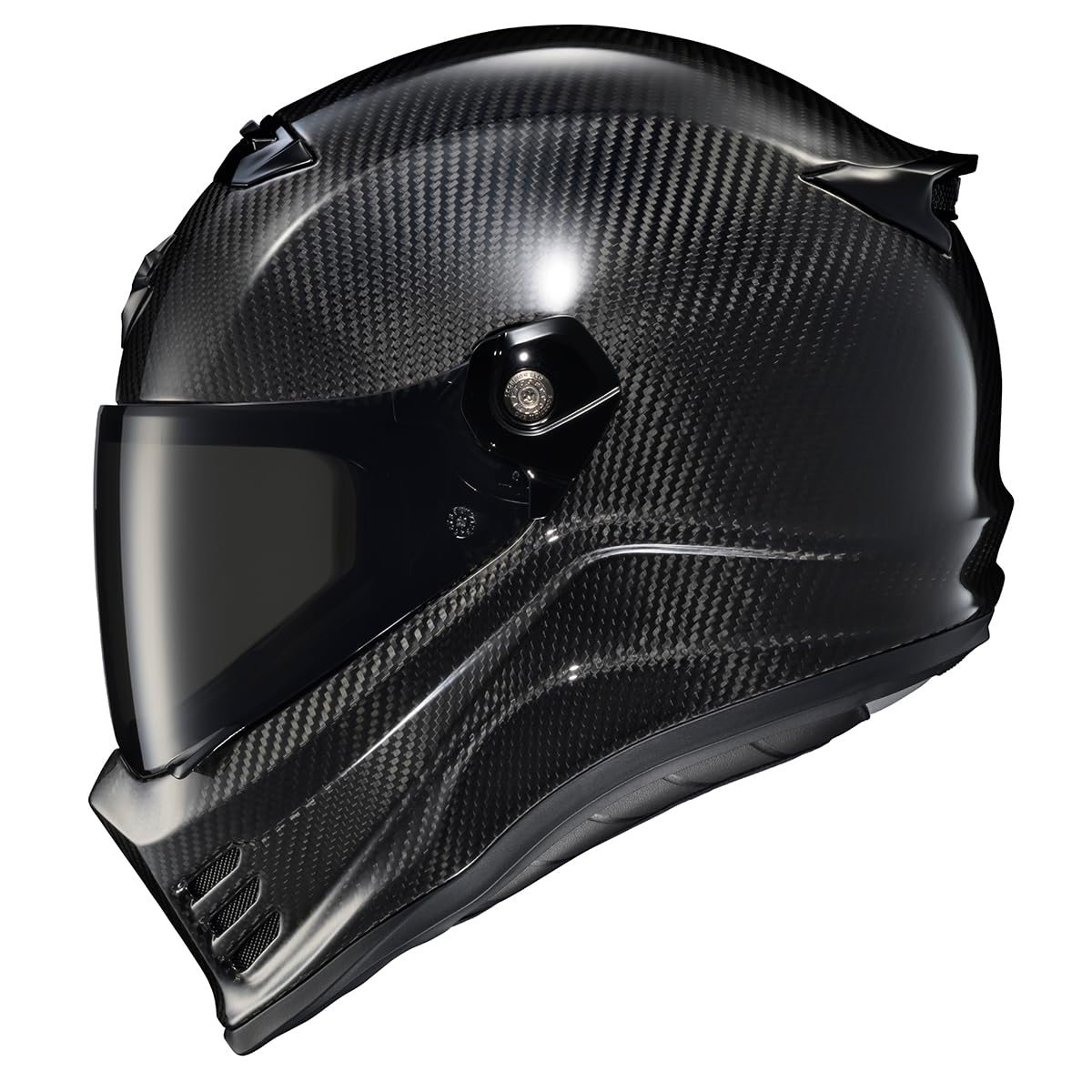
The ScorpionEXO Covert FX Carbon represents the upper tier of helmet engineering with a TCT-U 3K carbon fiber shell that weighs approximately 2.9 pounds. This construction provides superior strength-to-weight ratio and impact energy dispersion while CAD-refined aerodynamics reduce lift and turbulence. The helmet meets both DOT FMVSS 218 and the latest ECE 22.06 standards, making it suitable for international riding.
Aero-tuned ventilation includes a large top intake vent and exhaust ports that efficiently move hot air out of the helmet. The dual-position mouth vent offers a defrost setting and a combined defrost-ventilation setting, both closeable from inside. KwikWick C moisture-wicking liner fabric helps regulate temperature across varying conditions, and the KwikFit cheek pads accommodate most eyeglasses without pressure points.
Owners consistently praise the helmet’s quietness compared to previous lids, attributing it to the included neoprene aero skirt. The EverClear fog-free shield performs well in humid conditions, and the tool-less shield removal system simplifies cleaning. Speaker pockets accommodate Bluetooth communication systems easily. Some riders note the fit runs small, so careful measurement and potential sizing up are recommended.
What works
- Ultra-light carbon fiber shell reduces neck fatigue
- ECE 22.06 certification meets rigorous international standards
- Exceptional noise reduction for a full-face helmet
What doesn’t
- Sizing runs small—many riders need to go up one size
- Runs slightly warmer than some more ventilated off-road helmets
- Premium price point puts it out of reach for budget-focused buyers
4. Alpinestars SM3 Solid Motocross and Off Road Helmet ECE06/DOT
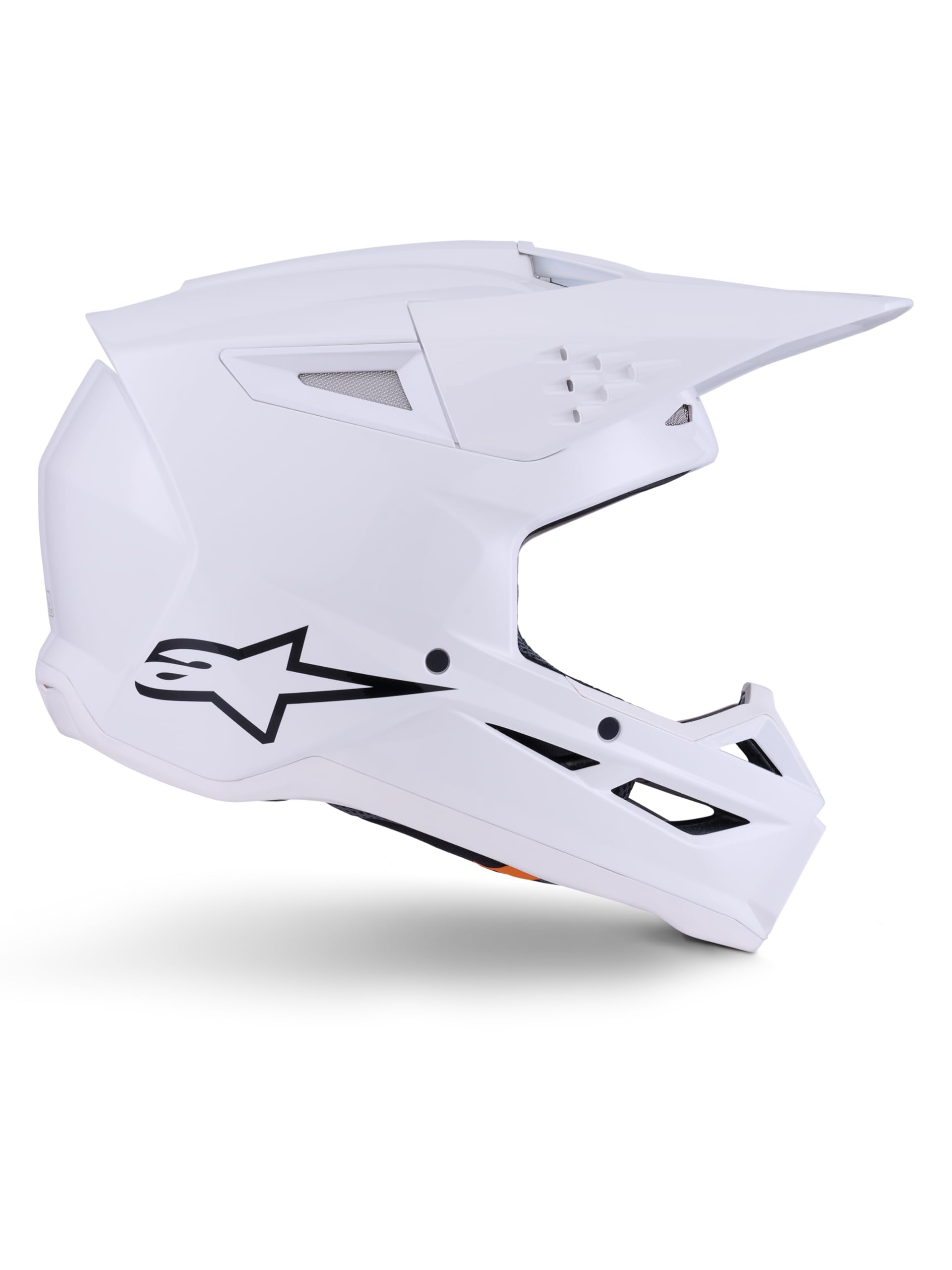
Alpinestars brings decades of motorsport expertise to the SM3 Solid, a thermo-injected polycarbonate shell with variable thickness designed to manage impact energy across different impact zones. The helmet is engineered specifically for motocross and off-road riding, with a focus on ventilation, protection, and mobility. CE 22.06 and DOT certifications provide confidence in its safety performance across multiple regulatory frameworks.
The removable and washable interior padding is designed to maintain comfort during extended riding sessions, and the goggle-ready visor positioning stays stable during aggressive head movements. At roughly 2.2 kilograms, the weight is competitive for a polycarbonate shell in this class. Owner feedback highlights the solid feel of the construction and the secure, comfortable fit right out of the box.
Several riders report that the helmet performed exactly as expected in crash situations, with one describing it as life-saving during a significant off-road accident. The cheek pads are firm but not overly tight, and the overall finish appears well above what the price would suggest. Some users note that the chin strap could benefit from a quick-release mechanism, and the sizing may require careful reference to the brand’s chart.
What works
- Thermo-injected shell with variable thickness for impact management
- ECE 22.06 and DOT dual certification
- Proven crash protection praised by multiple owners
What doesn’t
- No quick-release buckle on the chin strap
- Polycarbonate shell is heavier than fiberglass or carbon alternatives
- Sizing can be inconsistent; careful measurement required
5. Bell Helmets Custom 500

Bell’s Custom 500 pays homage to the classic open-face dirt bike silhouette while incorporating modern materials and construction. The fiberglass composite shell offers a significant weight and strength advantage over entry-level ABS helmets, and the IONIC+ padding uses quick-drying fibers that resist odor-causing bacteria. DOT certification ensures it meets federal safety requirements for on-road and off-road use.
The helmet is designed with a rounder, more retro profile that appeals to riders looking for vintage aesthetics combined with contemporary protection. The absence of vents is a deliberate nod to the classic design, though it means less airflow than modern full-coverage helmets. Owners consistently praise the build quality and the plush interior, noting that the liner feels more premium than the price suggests.
Fit feedback is generally positive, with intermediate oval head shapes finding the Custom 500 comfortable. The lack of ventilation makes it better suited for shorter rides or cooler weather. Some riders recommend sizing up, as Bell’s sizing can run slightly small for certain head shapes. The chin strap snap has been noted as less secure than some competitors, though overall safety is not compromised.
What works
- Fiberglass composite shell offers excellent strength-to-weight
- IONIC+ liner resists odor and manages moisture effectively
- Classic retro styling with modern DOT protection
What doesn’t
- No ventilation ports—runs hot in warm conditions
- Sizing can be inconsistent; many users recommend sizing up
- Chin strap snap feels less robust than competitor designs
6. LS2 Helmets MX-Off Road Subverter Evo Helmet

LS2’s Subverter Evo brings a bold, aggressive aesthetic to the off-road helmet category with a glossy finish and vibrant color options that stand out on the trail. The shell is lightweight and features a multi-port ventilation system designed to keep riders cool during intense riding sessions. Included accessories like an inflatable helmet stand and storage bag add perceived value beyond the helmet itself.
Owner feedback emphasizes the helmet’s comfortable padding and the secure fit that develops after a brief break-in period. The interior plushness rivals helmets at higher price points, and the overall finish quality impresses riders familiar with premium brands. The ventilation system is described as effective, with multiple intake and exhaust ports promoting consistent airflow even at slower trail speeds.
Some riders note that the visor position blocks the top mounting area for cameras, requiring side-mount solutions. The cheek pads are firm, particularly for riders with wider faces, though they do loosen with use. Long-term durability reports from owners who have used the helmet for multiple seasons suggest it holds up well to regular washing and trail conditions.
What works
- High-gloss finish and bold graphics for a custom look
- Plush, comfortable liner that rivals more expensive helmets
- Effective multi-port ventilation for warm-weather riding
What doesn’t
- Visor blocks top-mounted camera attachment
- Cheek pads very tight initially, especially for wider faces
- Sizing seems optimized for smaller head shapes
7. O’Neal 5SRS Helmet Adult Warhawk

The O’Neal 5SRS Warhawk is an ABS-shell helmet with a Coolmax liner that prioritizes moisture management and long-ride comfort. At roughly 1380 grams for a size large, it sits in the middle of the weight range for its construction type. DOT, ECE 22.05, and AS/NZS certifications make it a versatile choice for riders in multiple markets.
Owner reviews consistently note the thick, durable moisture-wicking foam that stays comfortable even during 12-hour riding days. The multiple air vents provide decent airflow, and the overall build quality is described as top-notch for the price. The helmet accommodates goggles well without pressure points, and the chin strap closure feels secure once properly adjusted.
Some riders point out that the visor sits slightly higher than ideal, which can affect airflow management at speed. The lack of a quick-release buckle on the neck strap is a repeated point of feedback. Despite these minor issues, the 5SRS earns praise for delivering reliable protection and comfort without requiring a significant investment.
What works
- Coolmax liner provides excellent moisture management for long days
- Thick, durable padding maintains comfort over extended use
- Multiple safety certifications for international riding
What doesn’t
- Visor sits higher than some riders prefer
- Neck strap lacks a quick-release buckle
- ABS shell is heavier than composite alternatives
8. Fly Racing Rayce Full-Face Mountain Bike/BMX Helmet
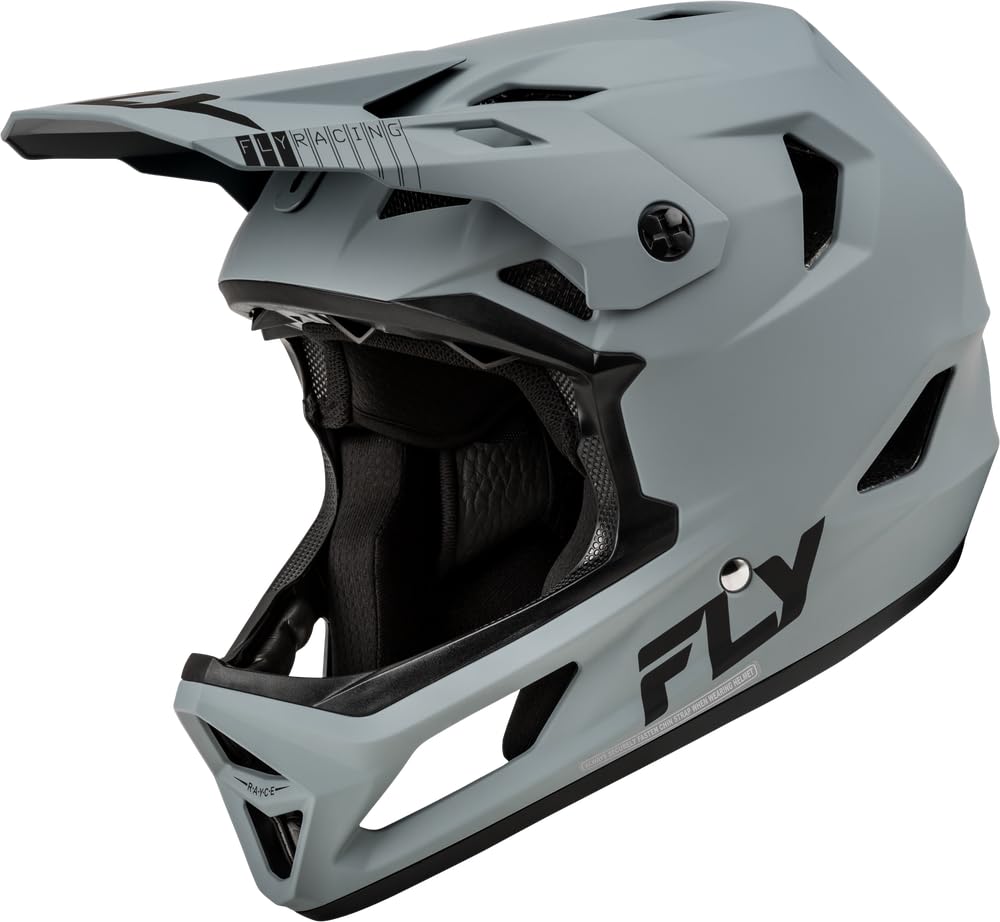
The Fly Racing Rayce is a full-face helmet certified to ASTM F1952-15 for downhill mountain biking, CPSC 1203, and CE EN1078 standards, making it a strong crossover option for riders who split time between pedal-assist and motorized off-road riding. The poly-alloy shell with EPS liner weighs approximately 930 grams in size medium, which is notably light for a full-face design. The TFV airflow system uses multiple intake and exhaust ports to manage heat during extended sessions.
Riders transitioning from cheaper helmets consistently note the Rayce’s superior fit and lighter feel. The removable and washable liner with cheek pads simplifies maintenance between rides. The D-ring closure provides a proven secure fit, and the adjustable visor with aluminum hardware allows quick positioning changes for different trail conditions. Owners report that peripheral vision remains excellent despite the full-face coverage.
The included protective storage bag is a practical addition that many riders appreciate. Fitment is reported as accurate, with multiple users confirming that the sizing chart works well. While the Rayce is designed primarily for cycling and gravity riding, its lightweight construction and robust certification make it a viable option for lighter-duty motorized use.
What works
- Lightweight at 930 g for reduced neck fatigue
- ASTM F1952 downhill certification for serious trail protection
- Excellent peripheral vision for a full-face design
What doesn’t
- Primarily designed for cycling, not high-speed motorized use
- D-ring closure lacks quick-release convenience
- Limited color options compared to motocross-specific helmets
9. Vega Helmets MCX Lightweight Off-Road Helmet

The Vega MCX is a lightweight off-road helmet that balances comfort and protection at a mid-range price point. It carries both DOT and ECE certifications, giving riders confidence in its safety credentials across different regulatory environments. The helmet weighs approximately 3.2 pounds, making it competitive with other polycarbonate-shell options in its class.
Owner feedback highlights the vibrant color options and the comfortable fit straight out of the box. Multiple users report using the MCX for activities beyond dirt biking, including onewheeling and go-karting, indicating its versatility as a general-purpose full-face helmet. The ventilation is described as adequate for warm-weather riding, with enough airflow to keep the interior from becoming stuffy during moderate exertion.
Some riders note that the helmet runs slightly small, and the sizing chart should be consulted carefully before purchase. The overall finish and build quality receive positive marks, with several owners commenting that the helmet looks more expensive than it is. The included accessories are basic, but the core protection package delivers solid value for riders seeking a budget-friendly entry into off-road riding.
What works
- DOT and ECE dual certification for broad safety compliance
- Vibrant color options with a quality finish
- Comfortable fit suitable for various off-road activities
What doesn’t
- Sizing runs small — careful measurement required
- Basic accessory package with limited extras
- Not designed for high-speed motocross racing
10. O’Neal 1SRS Adult Dirt Bike Helmet
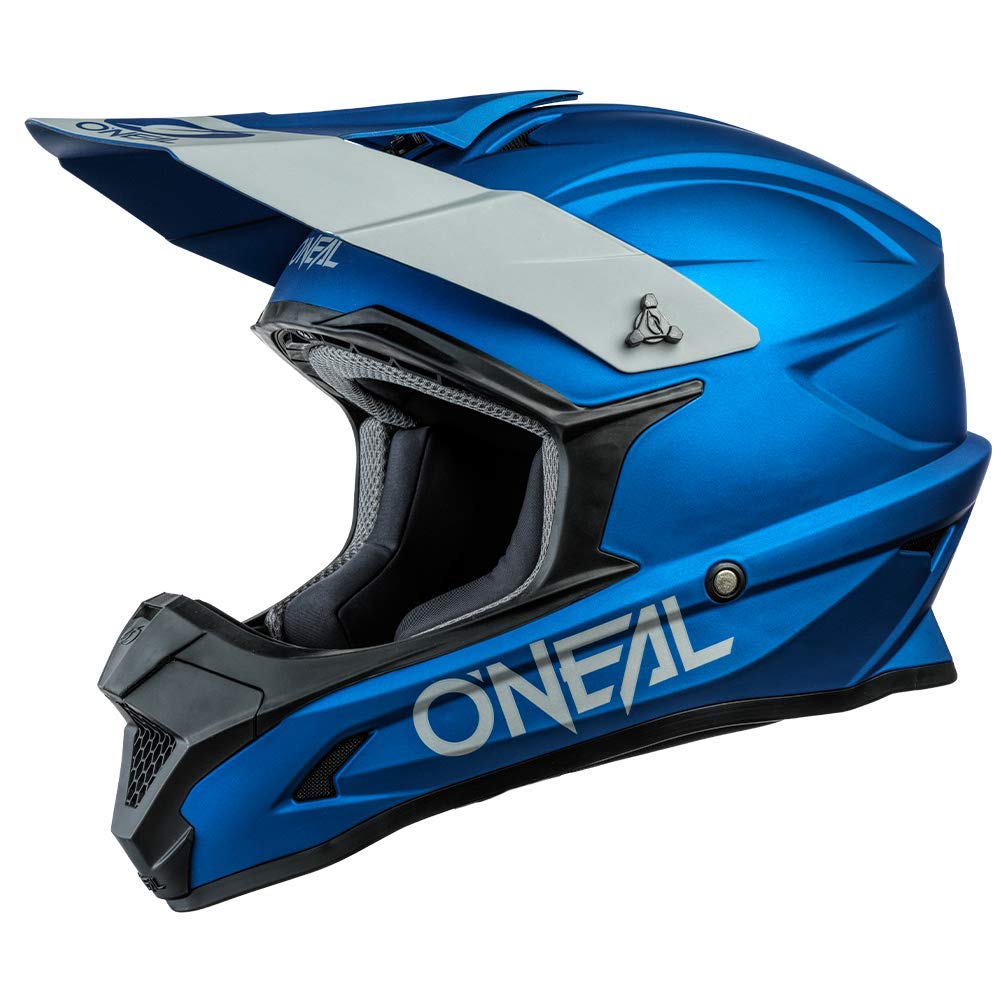
The O’Neal 1SRS is a straightforward ABS-shell dirt bike helmet aimed at riders who need reliable protection without complex features or a high price tag. The construction emphasizes durability and impact resistance, with thick internal padding that provides a secure, comfortable fit. It is available in multiple colorways that match O’Neal’s broader gear lineup.
Owner reviews consistently mention that the helmet fits well straight out of the box and looks better than expected for its price point. The visor provides good sun protection without catching excessive wind at speed. Several riders noted that the helmet includes a thick storage bag, which is a practical addition that not all budget helmets provide.
The 1SRS is heavier than premium composite helmets, but riders who prioritize affordability and basic protection find it adequate for recreational trail riding and motocross practice. The fit is described as true to size, and the overall finish holds up well to regular use. Some owners have purchased this helmet from warehouse deal listings and reported excellent value for the discounted price.
What works
- Reliable ABS shell construction with thick impact padding
- True-to-size fit reported by most owners
- Includes a practical storage bag for transport
What doesn’t
- Heavier than composite or fiberglass alternatives
- Limited ventilation compared to higher-end designs
- Basic feature set with no MIPS or advanced protection systems
11. OUMURS DOT Adult ATV Dirt Bike Helmet with Goggles Gloves & Mask

The OUMURS DOT helmet is an entry-level full-face option that bundles a helmet, goggles, gloves, and mask into a single package for riders who need everything in one purchase. The ABS shell with EPS foam liner meets DOT FMVSS-218 safety standards, providing baseline impact protection. Multiple air vents are integrated into the design to help manage heat during warm-weather riding.
Owner feedback indicates that the helmet fits snugly, with several users recommending sizing up for a more comfortable fit. The included goggles and gloves are described as functional but basic, with the gloves receiving particular criticism for durability. The quick-release buckle is a standout feature that several owners note is better than buckles on helmets costing significantly more.
The helmet is best suited for casual riders, younger riders, or those on a tight budget who need immediate gear. The chemical smell reported by some users dissipates after airing out. While the accessory bundle adds convenience, the gloves and mask are considered low quality, and riders seeking long-term durability may want to invest in separate premium accessories.
What works
- Complete bundle with goggles, gloves, and mask included
- Quick-release buckle is surprisingly robust for the price
- DOT certification provides baseline safety assurance
What doesn’t
- Included gloves and mask are low quality and not durable
- Sizing runs small; ordering up is recommended
- Initial chemical odor requires airing out before use
Hardware & Specs Guide
Shell Materials and Impact Layers
Dirt bike helmets typically use one of three shell materials: ABS plastic, polycarbonate composite, or fiberglass/carbon fiber. ABS is the most affordable but heaviest, offering adequate impact resistance for entry-level riding. Polycarbonate blends reduce weight while maintaining strength, and fiberglass or carbon fiber shells provide the best strength-to-weight ratio with superior energy dispersion. All shells are paired with an EPS (expanded polystyrene) liner that compresses during impact to absorb force. Some premium helmets use multi-density EPS for better energy management across different impact speeds.
Safety Certifications Explained
DOT FMVSS 218 is the US Department of Transportation standard, testing penetration, retention, and impact absorption. ECE 22.05 and 22.06 are United Nations Economic Commission for Europe standards that are generally considered more rigorous, with 22.06 introducing additional rotational impact testing. MIPS (Multi-directional Impact Protection System) is an add-on layer that allows the helmet to rotate slightly relative to the head during angled impacts, reducing rotational forces on the brain. ASTM F1952 is specific to downhill mountain biking and tests similar impact parameters to DOT/ECE.
Ventilation and Thermal Management
Ventilation systems rely on intake ports at the front or top of the helmet that channel air across the rider’s head before exiting through rear exhaust vents. The number of vents ranges from basic 4-port designs to complex 16-port systems. Chin bar vents help reduce visor fogging by directing airflow across the face. Removable and washable liners are critical for hygiene, and moisture-wicking fabrics like Coolmax or KwikWick help regulate temperature by drawing sweat away from the skin. Antibacterial treatments in premium liners reduce odor buildup over time.
Fit, Sizing, and Head Shape Compatibility
Helmet fit is determined by head circumference measured in centimeters or inches, but head shape — round oval, intermediate oval, or long oval — is equally important. Round oval heads are wider side-to-side, intermediate oval heads are slightly longer front-to-back, and long oval heads are significantly longer. Cheek pad pressure should be firm but not painful, and the crown should feel snug without pressure points. Most manufacturers provide sizing charts that correlate head circumference to shell size, but shape compatibility varies by brand and model.
FAQ
What is the difference between DOT and ECE certification?
How should a dirt bike helmet fit?
Does MIPS really make a difference in dirt bike helmets?
How often should I replace my dirt bike helmet?
Can I use a mountain bike full-face helmet for dirt biking?
Final Thoughts: The Verdict
For most riders seeking the best balance of protection, comfort, and value, the custom dirt bike helmets winner is the Troy Lee Designs SE4 Polyacrylite because it delivers MIPS rotational protection, excellent ventilation, and a precise fit at a mid-range price point. If you prioritize lightweight carbon fiber construction and the latest ECE 22.06 certification, grab the ScorpionEXO Covert FX Carbon. And for riders who want strong ventilation with magnetic visor release technology at a competitive price, nothing beats the Fox Racing V Core MIPS.

Certification: BSc in Mechanical Engineering
Education: Mechanical engineer
Lives In: 539 W Commerce St, Dallas, TX 75208, USA
Md Amir is an auto mechanic student and writer with over half a decade of experience in the automotive field. He has worked with top automotive brands such as Lexus, Quantum, and also owns two automotive blogs autocarneed.com and taxiwiz.com.