A dead or intermittent car speedometer sensor turns your daily driver into a guessing game — the speedometer drops to zero, the transmission holds gears too long, and the ABS light glares at you from the dash. This one small component feeds critical data to the ECU, transmission control module, and instrument cluster. When it fails, the entire driving experience unravels.
I’m Amir — the founder and writer behind Four Wheel Ask. I’ve spent years analyzing aftermarket and OEM sensor specifications, cross-referencing part numbers across dozens of vehicle platforms, and studying owner-reported failure patterns to identify which speedometer sensors deliver consistent, long-term reliability.
Finding the right replacement begins with understanding fitment, build materials, and signal output type. This guide breaks down seven proven options to help you pinpoint the best car speedometer sensor for your specific make and model without wasting time on parts that don’t match.
How To Choose The Best Car Speedometer Sensor
Selecting the right speedometer sensor requires matching the electrical output, connector style, and mounting location to your specific vehicle. A mismatch in any of these three parameters means the sensor either won’t physically install or won’t produce a readable signal for the ECU.
Signal Type and Output Style
Speed sensors produce either a digital square wave or an analog AC sine wave signal. Digital sensors (Hall-effect) are more common on modern vehicles and offer cleaner data for the ECU. Analog sensors (variable reluctance) are older technology and more prone to signal degradation as the magnetic pickup wears. Always confirm whether your vehicle expects a push-pull, digital, or electrical signal output before ordering.
Material and Build Quality
The housing material directly correlates with thermal tolerance and vibration resistance. Metal-bodied sensors dissipate heat better than plastic ones and resist cracking from torque applied during installation. Plastic sensors are lighter and more affordable but can deform under high heat near exhaust components or transmission casings. For sensors mounted directly on the transmission or transfer case, metal construction offers a meaningful durability advantage.
OEM vs Aftermarket Sourcing
Genuine OEM sensors (GM Genuine Parts, ACDelco Gold) guarantee exact fit and electrical calibration but come at a higher price point. Top-tier aftermarket suppliers like Dorman manufacture to OE specifications with quality assurance testing. Budget sensors can work well in the short term but may have looser tolerances on signal output voltage or connector seating depth. For electronics and sensors, OE-grade components typically yield fewer repeat failures.
Quick Comparison
On smaller screens, swipe sideways to see the full table.
| Model | Category | Best For | Key Spec | Amazon |
|---|---|---|---|---|
| ACDelco Gold 213-4667 | Transmission Sensor | GM trucks with 4L60E | OE-grade, 4.3″ length | Amazon |
| Dorman 917-618 | Transfer Case Sensor | Chevy/GMC pickup SUVs | Flange mount, 1.28 oz | Amazon |
| GM Genuine 19300584 | Wheel Speed Sensor | Front ABS replacement | OE digital output | Amazon |
| GM Genuine 19302667 | Transfer Case Sensor | Hummer H2 / GM SUVs | Metal body, 5V supply | Amazon |
| Ruizure ABS 4pcs | Wheel Speed Set | GM full-size 2007-2014 | 4-sensor kit, 2-yr warranty | Amazon |
| MOTOKU Trans Set | Transmission Set | Nissan / Infiniti CVT | 3-sensor set, metal/plastic | Amazon |
| HENGCOOL 45RFE | Transmission Kit | Dodge Ram / Jeep 68RFE | 3-pcs kit, 5% accuracy | Amazon |
In‑Depth Reviews
1. ACDelco Gold 213-4667 Vehicle Speed Sensor
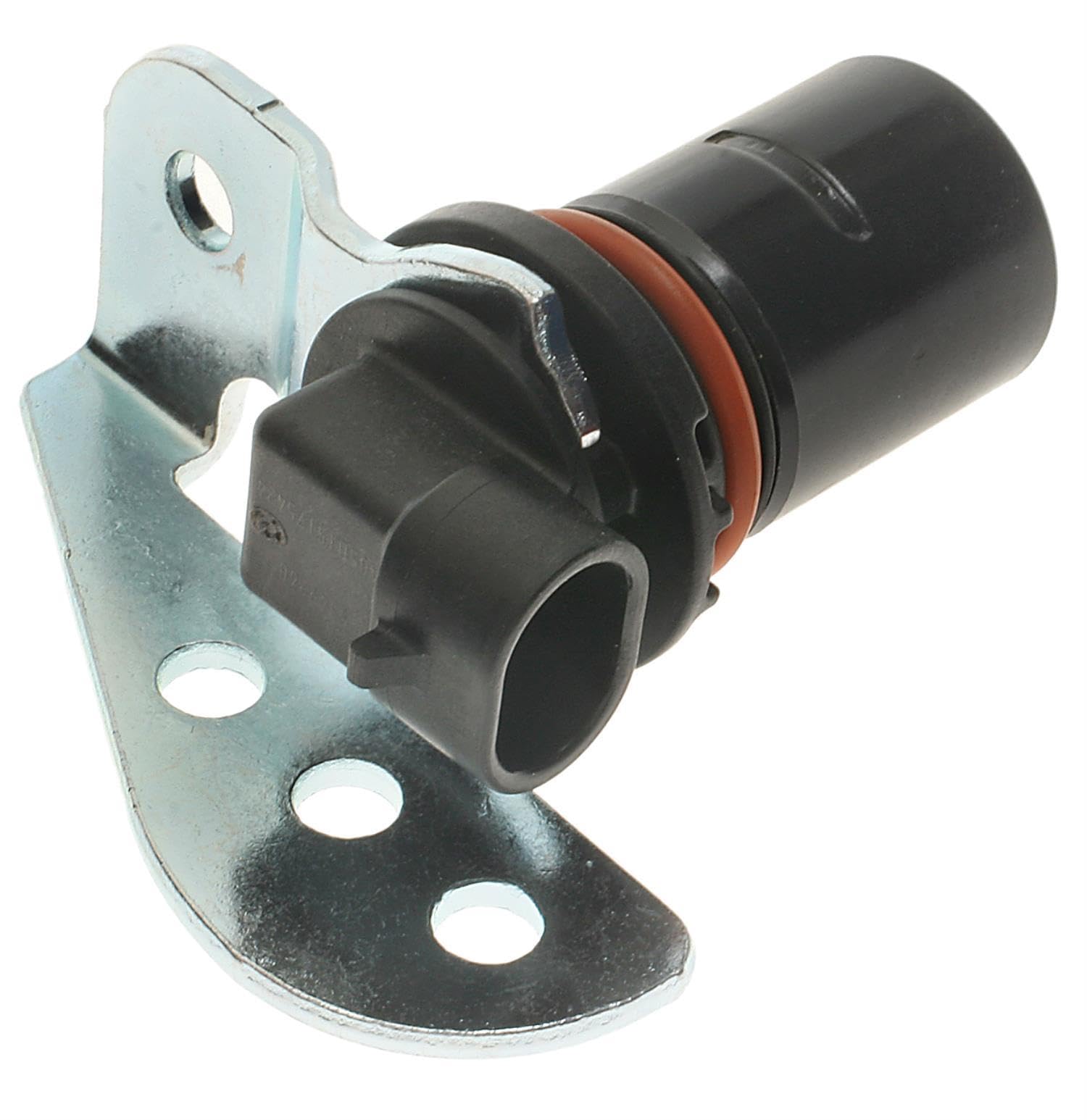
The ACDelco Gold 213-4667 is the benchmark for GM transmission speed sensors, particularly for the 4L60E and 4L80E platforms that dominate Chevy Silverado, Suburban, and GMC Sierra trucks from the late 1990s through mid-2000s. This sensor is manufactured to meet OE fit, form, and function standards, meaning the connector locking tab, o-ring groove depth, and overall length match the factory unit exactly. Owner feedback across multiple 4L60E-equipped trucks confirms that this sensor resolves erratic shifting and speedometer dropouts on the first installation.
The high-quality materials used in this sensor resist heat soak from the transmission casing better than generic alternatives. Several owners running heavy towing setups report consistent signal output even after extended highway pulls in hot climates. The push-button output type delivers a clean digital signal that the PCM interprets without offset or drift. This is the sensor to choose if you want one-and-done reliability and you’re willing to invest in OE-level quality rather than chasing the lowest price.
One minor point noted in owner reports is that the included o-ring can be slightly undersized for some transmission pan configurations, with a few users opting to apply a thin bead of silicone as a precaution. This is not a widespread complaint but worth checking during installation. For the vast majority of applications, this sensor is a direct, hassle-free replacement that restores proper transmission behavior immediately.
What works
- OE-grade manufacturing ensures exact connector and flange fit
- Clean digital signal eliminates speedometer and shift hesitation
- Handles heat soak from transmission casing without signal loss
What doesn’t
- O-ring seal can be slightly loose on some transmission pans
- Premium pricing compared to aftermarket options
2. Dorman 917-618 Vehicle Speed Sensor

The Dorman 917-618 is a direct-replacement vehicle speed sensor engineered for GM trucks and SUVs with New Venture transfer cases, particularly the NV246 found in 2000s-era Silverado and Suburban models. Dorman’s engineering team in the United States reverse-engineers the original sensor to match both the electrical output and the physical mounting geometry. The flange-mount design seats perfectly on the passenger side of the transfer case tail housing, and the plastic body is molded from a composite that resists cracking from overtightening.
Owner reports indicate this sensor is especially effective at resolving the intermittent speedometer failure that causes the transmission to lock in first gear. The sensor’s electrical signal output communicates reliably with the PCM even after the transfer case reaches operating temperature. Multiple owners of 2005-2013 Silverado and Suburban models confirm that after replacement, the speedometer needle becomes steady across all speeds and transmission upshifts return to normal patterns. The sensor is backed by Dorman’s century of automotive experience and comes with a trusted fitment verification system.
The plastic housing is a trade-off. It keeps the weight down to just over an ounce and eliminates corrosion concerns, but it doesn’t dissipate heat as efficiently as a metal-bodied sensor would. For most street-driven applications this is not an issue, but trucks used for heavy towing or frequent off-road duty where the transfer case runs hot may benefit from a metal alternative. Overall, the Dorman 917-618 delivers dependable performance at a mid-range investment point.
What works
- Exact match for NV246 transfer case fitment
- Resolves speedometer dropout and 1st-gear lock condition
- Lightweight composite housing resists corrosion
What doesn’t
- Plastic body runs hotter than metal alternatives
- Not ideal for severe-duty towing applications
3. GM Genuine Parts 19300584 Front Wheel Speed Sensor
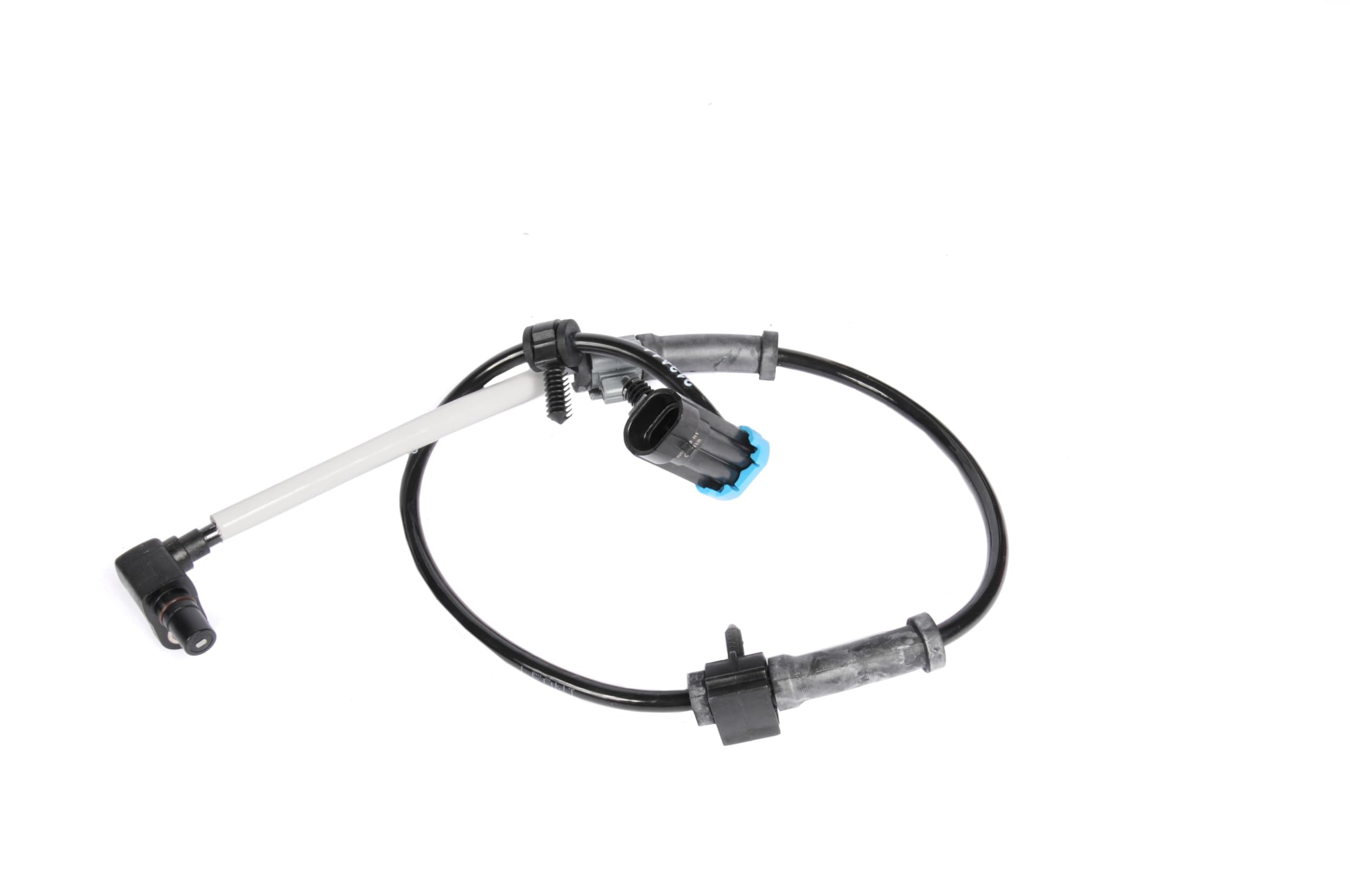
The GM Genuine Parts 19300584 is the factory-spec front wheel speed sensor for a wide range of GM platforms, including the 2003-2006 Chevy Silverado and GMC Sierra 2500/3500 HD trucks, as well as the Duramax diesel variants. This sensor is manufactured to GM Original Equipment specifications, meaning the ABS tone ring gap, wire length, and connector orientation are identical to the part that came on the assembly line. The digital output type delivers precise wheel-speed data to the ABS module, which is critical for proper traction control and stability system function.
Owner feedback highlights this sensor as a reliable cure for intermittent ABS light illumination and loss of anti-lock braking function. Several owners of 2005-era Duramax trucks report that after replacing a broken or brittle wire on the original sensor, the GM Genuine part restored full ABS operation within a few miles of driving. The ABS plastic housing is UV-stable and resists underbody chemical exposure, and the flange mount secures firmly to the steering knuckle without wobble or play.
The main trade-off is that GM Genuine Parts commands a premium over generic aftermarket sensors. However, for ABS and braking system electronics, aftermarket sensors can produce marginal signal voltage that the ABS module interprets as noise, triggering warning lights. The cost difference is modest for the peace of mind that comes with a part engineered to the same standards as the original. For daily-driven GM trucks where ABS function is non-negotiable, this sensor is the right call.
What works
- Factory-spec ABS signal eliminates false warning lights
- Flange mount fits knuckle without modification
- UV-stable plastic handles underbody exposure well
What doesn’t
- Premium pricing vs aftermarket alternatives
- Wire pigtail can be brittle on older stock units
4. GM Genuine Parts 19302667 Transfer Case Output Shaft Speed Sensor
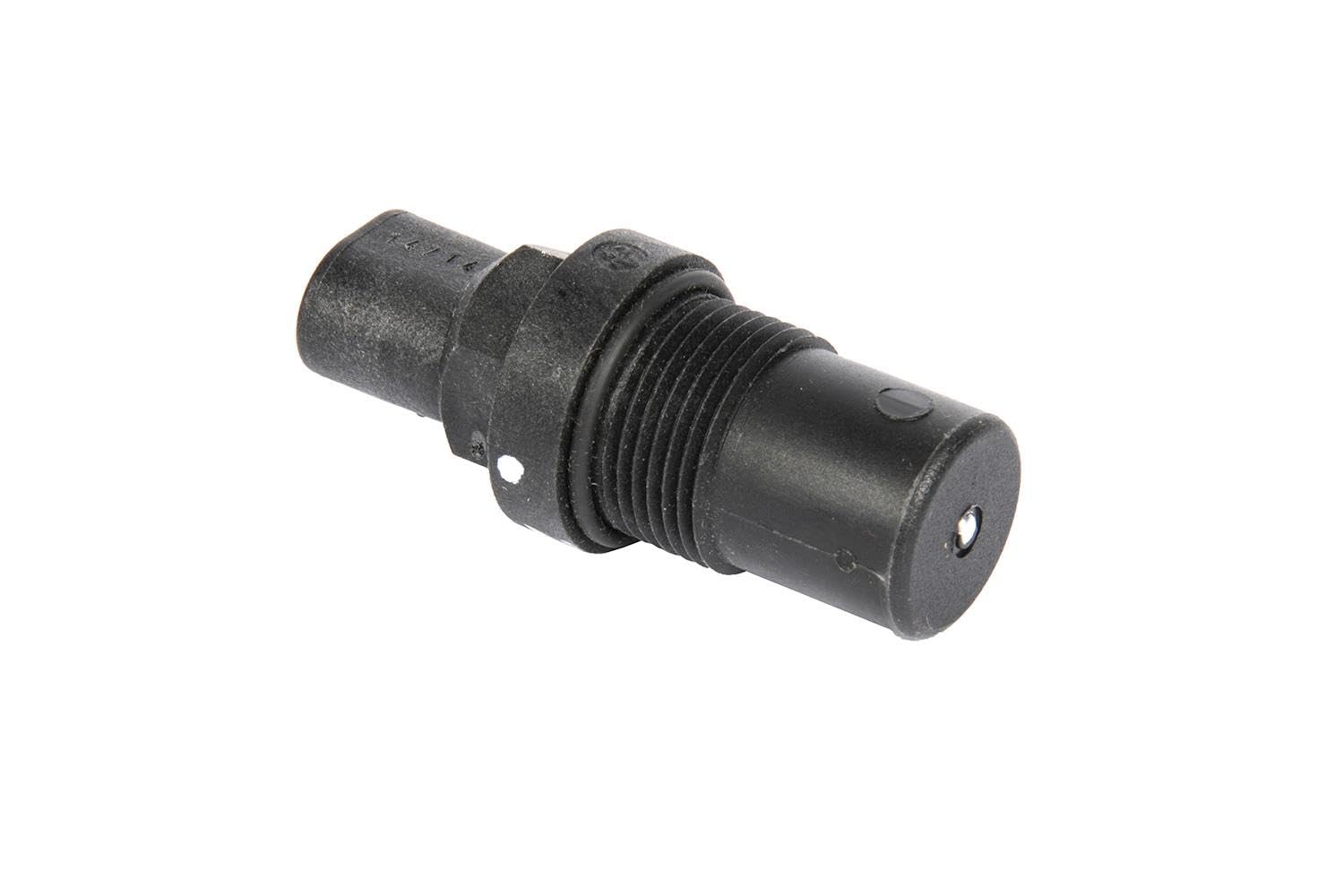
The GM Genuine Parts 19302667 is the factory transfer case output shaft speed sensor for GM full-size SUVs and trucks, including the Hummer H2, Cadillac Escalade, and Chevrolet Suburban with the MP-series transfer case. What sets this sensor apart from aftermarket alternatives is the all-metal housing, which provides superior heat dissipation and structural rigidity compared to plastic-bodied sensors. The 5-volt supply voltage is a common spec for transfer case output sensors, and this unit delivers consistent push-pull signal output that the TCCM (Transfer Case Control Module) reads without hesitation.
Owner reports from Hummer H2 and Yukon XL platforms confirm that this sensor eliminates erratic speedometer behavior and the harsh gear engagement that occurs when the TCCM loses vehicle speed data. The direct internal mount type seats securely into the transfer case tail housing, and the included o-ring forms a positive seal against ATF leaks. Owners describe the replacement as a straightforward DIY job that takes under 30 minutes and immediately resolves the symptom of a speedometer needle bouncing between zero and actual speed.
The higher investment for this sensor reflects the metal construction and GM OE certification. For transfer case sensors, the metal housing is a real advantage because it transfers heat away from the sensing element more efficiently than plastic, reducing the risk of thermal signal drift. If you own a GM full-size SUV or truck with a transfer case-mounted speed sensor and you want the most thermally stable option available, this is the part to choose.
What works
- Metal housing provides excellent heat dissipation
- OE-spec signal eliminates TCCM communication errors
- 20-minute swap with basic hand tools
What doesn’t
- Higher price point than aftermarket plastic options
- Limited to vehicles that use 5V supply sensors
5. Ruizure ABS Wheel Speed Sensor 4pcs for GM Full-Size SUVs
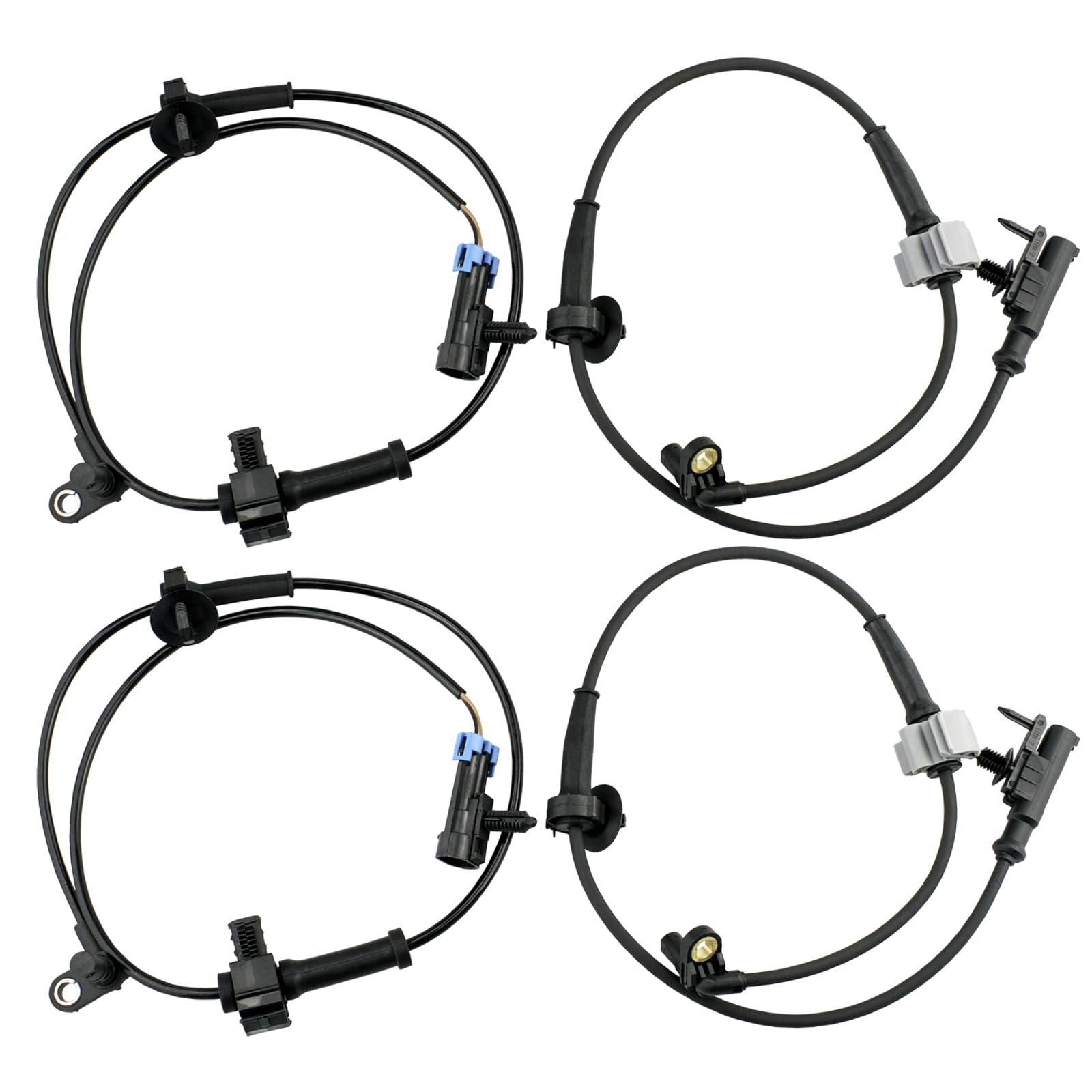
The Ruizure ABS Wheel Speed Sensor 4pcs kit is a comprehensive solution for GM full-size trucks and SUVs from the 2007-2014 generation, covering the Chevrolet Tahoe, Suburban, GMC Yukon, and Cadillac Escalade. The kit includes two front and two rear sensors, all interchangeable left-to-right, making it a practical choice when multiple wheel speed sensors have failed or when you want to proactively replace all four corners. The sensors are constructed from ABS plastic with sealed electronics that resist moisture ingress from puddles and pressure washing.
Owner reports from the Chevy Tahoe and Silverado communities confirm that these sensors fit the factory mounting holes without modification and produce a clean digital signal that clears ABS and traction control warning lights. The included 2-year warranty is a meaningful differentiator in this price tier, giving buyers confidence that the manufacturer stands behind the product. Several owners note that buying the full set cost less than a single dealer-priced sensor, making this kit a budget-savvy approach to restoring full ABS functionality across all four wheels.
The main consideration is that the screw hole alignment can be slightly off on some model years, with a few owners reporting the need to remove a thin metal sleeve from the mounting bushing to achieve perfect fit. This is a minor adjustment that adds five minutes per corner. For anyone managing a fleet of GMT900-platform vehicles or simply wanting to reset all wheel speed sensors at once, this kit delivers outstanding coverage per unit of investment.
What works
- Complete 4-sensor set for under what one dealer sensor costs
- 2-year warranty provides long-term peace of mind
- ABS plastic housing resists moisture and road salt
What doesn’t
- Screw hole alignment may need minor bushing adjustment
- Not for 2500/3500 HD trucks with different tone ring spacing
6. MOTOKU Automatic Transmission Speed Sensor Set for Nissan/Infiniti

The MOTOKU Automatic Transmission Input Output Speed Sensor Set is purpose-built for the Nissan and Infiniti CVT and automatic transmission families used across the Sentra, Altima, Rogue, Pathfinder, and QX60 model lines. The set includes three sensors covering both input and output positions, making it a comprehensive replacement kit for diagnosing transmission-related speedometer issues and shift hesitation. The metal and plastic hybrid construction balances durability with cost efficiency, and the push-pull output type matches the signal expectation of Nissan’s TCM.
Owner feedback from Sentra and Rogue owners indicates that this kit resolves the common complaint of the transmission holding gears too long or failing to shift at the correct RPM. The sensors are cross-referenced against multiple OEM part numbers including 31935-1XF0C and 31935-X420A, covering a broad range of model years from 2007 through 2022. For the price of a single dealer sensor, you get a full set that can be used for diagnostics or preventive replacement during a transmission fluid service.
The trade-off is that some owners report shorter service life compared to factory Nissan sensors, with one owner noting a failure after about 40 days of driving. Given the low entry point for the full set, this is a calculated risk — if you need a quick fix and are willing to monitor the sensors, the upfront savings are substantial. For long-term ownership where you plan to keep the vehicle for several years, upgrading to OEM Nissan sensors for the critical output position may be worth considering.
What works
- Three-sensor set covers input and output positions
- Broad Nissan/Infiniti fitment from 2007-2022
- Very accessible entry point for a full diagnostic set
What doesn’t
- Reported durability concerns on some units
- Not a long-term replacement for OEM sensors
7. HENGCOOL 45RFE 545RFE 68RFE Transmission Speed Sensor 3pcs Kit

The HENGCOOL 45RFE 545RFE 68RFE Transmission Input Output Speed Sensor Kit is engineered for the Chrysler, Dodge, and Jeep families using the 45RFE, 545RFE, and 68RFE automatic transmissions — most commonly found in 1999-and-later Dodge Ram trucks and Jeep Grand Cherokee models. The kit includes three sensors: input speed, output speed, and a pressure transducer sensor, covering the full set of transmission-mounted electronics that can trigger gear hunting, delayed engagement, and speedometer failure. The high-strength material construction is designed to withstand the heat and vibration inside the transmission housing.
Owner feedback from Ram 2500 and Jeep Grand Cherokee owners indicates that the input and output position sensors work reliably and resolve symptoms such as late shifts and harsh 2-3 gear changes. Several owners report that the shift quality returned to normal immediately after installing these sensors, especially those who had been dealing with transmission error codes related to speed sensor circuit faults. The 12-volt DC supply voltage compatibility aligns with the standard truck electrical architecture.
The main concern reported by some owners is that the pressure transducer sensor included in the kit has a higher failure rate than the speed sensors themselves, with one owner noting failure after only two days of driving and replacing it with a Mopar original part. This suggests that the speed sensors in the kit are of acceptable quality, but the pressure sensor may be less reliable. For owners who need only the speed sensors, this kit can still be a cost-effective way to obtain them, with the pressure sensor serving as a backup or spare.
What works
- Full 3-sensor kit covers all transmission speed signals
- Resolves gear hunting and harsh shift quality
- Direct fit for 45RFE, 545RFE, and 68RFE platforms
What doesn’t
- Pressure sensor has inconsistent reliability reported
- Some units caused immediate error codes on installation
Hardware & Specs Guide
Sensor Output Types
Speed sensors use either a digital square wave output (Hall-effect) that the ECU reads as a clean on/off signal, or an analog AC sine wave output (variable reluctance) that fluctuates with wheel speed. Digital outputs are more common on vehicles built after 2005 and offer better noise immunity. Always check your vehicle’s service manual for the expected output type before ordering a replacement.
Mounting Location Considerations
Transmission-mounted sensors sit directly on the transmission case and are exposed to ATF heat and pressure. Transfer case sensors are mounted on the tail housing and handle gear oil splash. Wheel speed sensors mount at each wheel hub and face road debris, salt, and moisture. Each location demands different seal materials and corrosion resistance — metal housings are preferred for heat-prone locations, while ABS plastic with sealed connectors works well for wheel-mounted applications.
Connector and Wiring Standards
Most modern speed sensors use a 2-pin or 3-pin weather-sealed connector. The pin configuration must match your vehicle’s harness exactly — a reversed polarity or wrong pin spacing can cause intermittent signal loss. OEM and OE-grade sensors replicate the factory connector geometry, while some budget aftermarket sensors may use universal connectors that require splicing. Splice-in sensors can work but introduce a potential failure point at the connection.
Cross-Reference Verification
Every speed sensor has an interchange part number that maps to the OEM number. Always verify at least two different part number cross-references before purchasing. Many sensors that look identical have different resistance values or signal voltage ranges that can cause code-setting without an obvious physical mismatch. Free online cross-reference tools and manufacturer fitment checkers can prevent a return cycle.
FAQ
How do I know if my car speedometer sensor is failing?
Can I clean a speed sensor instead of replacing it?
Are aftermarket speed sensors as good as OEM?
What tools do I need to replace a speed sensor?
Will a bad speed sensor cause transmission damage?
Final Thoughts: The Verdict
For most buyers, the best car speedometer sensor winner is the ACDelco Gold 213-4667 because it delivers OE-grade reliability at a mid-range price point, making it the ideal balance of cost and long-term dependability for GM truck and SUV owners. If you need a transfer case-specific sensor for a 2000s GM truck, the Dorman 917-618 is the proven pick that resolves speedometer dropout and first-gear lock conditions. And for whole-fleet coverage across multiple GM full-size SUVs, the Ruizure ABS 4pcs kit gives you four sensors for less than one dealer-priced part, backed by a two-year warranty.

Certification: BSc in Mechanical Engineering
Education: Mechanical engineer
Lives In: 539 W Commerce St, Dallas, TX 75208, USA
Md Amir is an auto mechanic student and writer with over half a decade of experience in the automotive field. He has worked with top automotive brands such as Lexus, Quantum, and also owns two automotive blogs autocarneed.com and taxiwiz.com.