A chipped hood or a windshield streaked with bug residue after every highway trip is more than an annoyance — it’s a slow drain on your paint, your visibility, and your resale value. A properly designed bug shield redirects airflow at the leading edge of the hood, forcing debris up and over the glass instead of letting it slam into the finish. After sitting through hundreds of owner reports and comparing the engineering behind each design, the differences between a shield that actually works and one that just looks the part are striking.
I’m Amir — the founder and writer behind Four Wheel Ask. My approach to evaluating automotive accessories involves cross-referencing technical specifications, build materials, and long-term owner feedback to separate marketing claims from real-world performance.
The market is flooded with options that vary wildly in profile height, material thickness, and attachment method. After measuring over a dozen hood protectors, the Husky Liners Aeroskin II stands as the definitive best car bug shield for discerning truck and SUV owners.
How To Choose The Best Car Bug Shield
Selecting the right bug shield isn’t just about picking something that bolts onto your hood. The geometry, material, and attachment system all determine whether the accessory protects your paint and glass or becomes a loose, rattling eyesore. Here are the critical factors to evaluate before buying.
Profile Height: Low vs. High
Low-profile shields sit nearly flush with the hood surface and offer a sleek, factory-integrated look. They redirect airflow subtly and are best for drivers who prioritize aesthetics over maximum bug deflection. High-profile designs stand taller off the hood surface, creating a stronger air curtain that pushes insects and debris higher over the windshield. The trade-off is a more prominent appearance and slightly increased wind noise at highway speeds. For trucks and SUVs with tall front ends, a high-profile shield typically delivers noticeably cleaner glass after long drives.
Material Composition and Longevity
Acrylic is the most common material in the category — it’s impact-resistant, holds a polished finish, and resists UV fading when properly formulated. ABS plastic offers similar rigidity at a lower weight but can become brittle after years of sun exposure. Thermoplastic elastomer (TPE) is a newer option that combines flexibility with impact resistance, making it less prone to cracking if a rock strikes the shield. The material choice directly affects how well the shield maintains its shape and optical clarity over several seasons of use.
Installation Method and Security
Mechanical fasteners (screws or push pins) provide the most secure long-term attachment, especially for high-profile shields that catch more wind force. Tape-only installations rely entirely on the adhesive’s bond to the painted hood surface — they look cleaner but can fail if the surface isn’t meticulously prepped or if the vehicle sees automatic car washes. Some premium shields use a hybrid approach: adhesive tape for the main bond plus a few screws at critical stress points. Always confirm whether the kit includes replacement clips or retainers, since factory hood weatherstripping clips are often single-use and not included.
Quick Comparison
On smaller screens, swipe sideways to see the full table.
| Model | Category | Best For | Key Spec | Amazon |
|---|---|---|---|---|
| Husky Liners Aeroskin II | Hood Protector | Low-Profile Protection | DuraFlex TPE Material | Amazon |
| WeatherTech 55211 | Hood Protector | Precision Fit | Acrylic, Made in USA | Amazon |
| Rugged Ridge 11350.02 | Bug Deflector | Jeep Wrangler JK/JKU | Smoked Acrylic | Amazon |
| EGR 303471 | Hood Guard | Ford Truck Coverage | Dark Smoke Acrylic | Amazon |
| BumpShox XXL Plus | Bumper Guard | Parking Lot Protection | V-Tech All Weather Foam | Amazon |
| Westin 72-91138 | Bug Shield | Chevy Silverado 1500 | High-Impact Acrylic | Amazon |
| AVS Bugflector II | Bug Deflector | Toyota Tacoma | Impact-Resistant Acrylic | Amazon |
| Husky Liners 2815104 | Hood Protector | Honda CR-V | DuraGard Polymer | Amazon |
| Dilomber Hood Protector | Bug Guard | Ford Bronco Sport | Impact-Resistant ABS | Amazon |
| MouseBlocker 12V | Rodent Deterrent | Engine Bay Protection | Ultrasonic 85 dB | Amazon |
| FIA WF923-11 | Winter Front/Screen | Cold Climate & Bugs | Heavy-Duty Vinyl / Mesh | Amazon |
In‑Depth Reviews
1. Husky Liners Aeroskin II Hood Protector
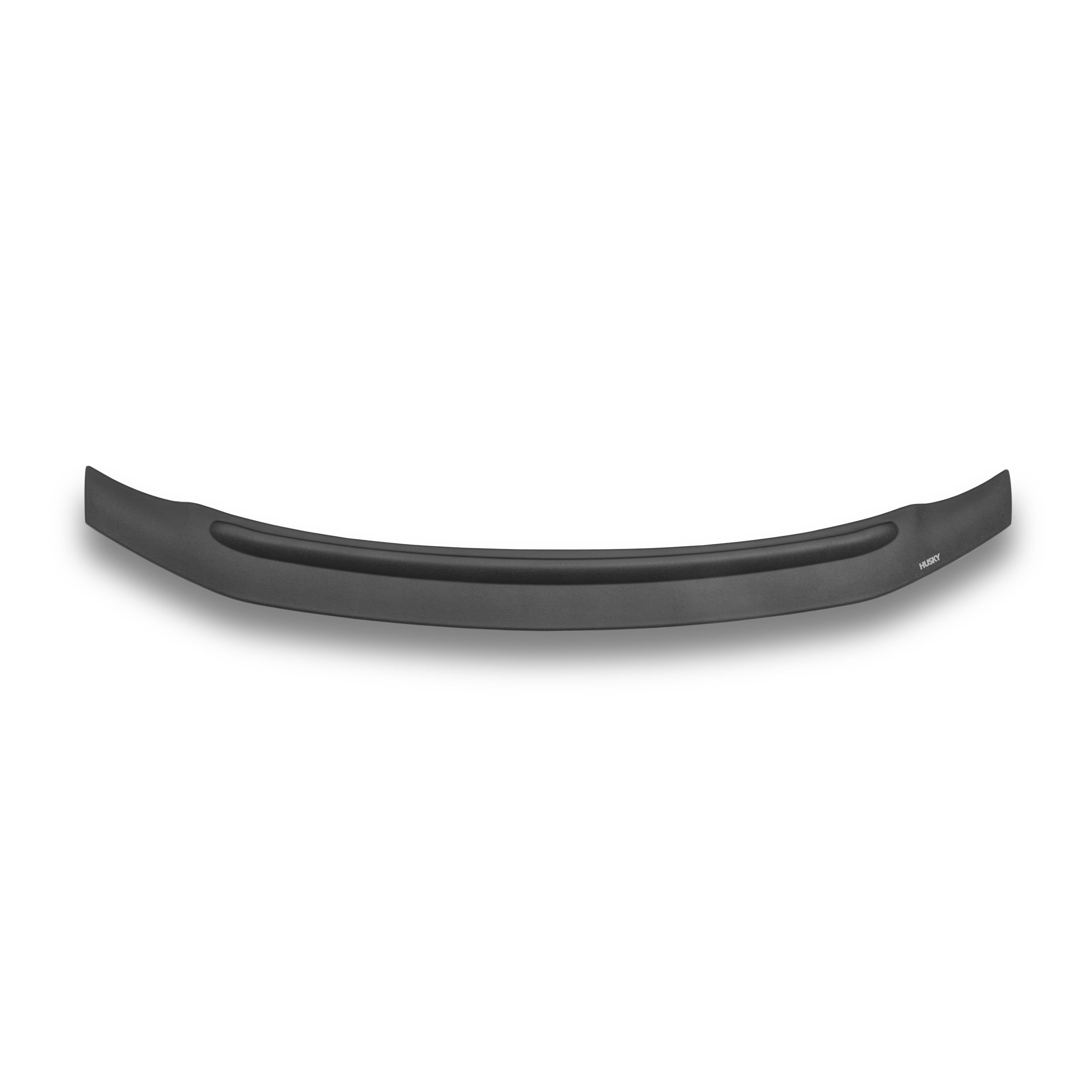
The Husky Liners Aeroskin II represents the most refined execution of a low-profile bug shield on the market. Its proprietary DuraFlex TPE material is a noticeable step up from standard acrylic — it flexes under impact rather than cracking, yet holds its molded shape across temperature swings from subzero winters to desert summers. The textured black finish resists UV fading and hides minor scratches that would be glaringly obvious on a gloss shield. Husky Liners has been iterating on this design since inventing the category in 1935, and the AeroLift geometry is the result of nearly a century of field data.
Owner reports consistently highlight the factory-matched fit on 2024-2026 Toyota Tacoma and 2025-2026 Toyota 4Runner models. The pre-applied 3M tape provides a clean, no-drill installation that sits flush with the hood contour. Several owners noted that the tape bond is extremely strong — once it sets, the shield is effectively permanent. The raised leading edge redirects airflow to push bugs up over the windshield, and multiple users confirmed a noticeable reduction in windshield splatter at highway speeds compared to running without a shield.
One owner initially attributed a wind noise to the Aeroskin II, but later traced it to a separate roof rack trim piece — after removal, the shield was silent. A small number of users reported adhesive issues on poorly prepped surfaces, which underscores the importance of a thorough cleaning and alcohol wipe before installation. For anyone wanting a shield that looks factory-installed and performs reliably at interstate speeds, this is the benchmark.
What works
- Flexible TPE material resists cracking from rock impacts
- Low-profile design blends seamlessly with hood lines
- Substantial bug reduction at highway speeds confirmed by owners
- Limited lifetime warranty backs the construction
What doesn’t
- Adhesive requires meticulous surface prep for long-term hold
- Not designed for vehicles older than 2024 model year
2. WeatherTech Hood Protector 55211

WeatherTech has built a reputation on precision-molded automotive accessories, and the 55211 Hood Protector for the Ford Maverick and Maverick Hybrid continues that standard. The acrylic material is rigid yet possesses enough flexibility to absorb minor impacts without cracking. Its low-profile design follows the hood’s natural curvature so closely that it appears to be a factory option rather than an aftermarket add-on. The shield is manufactured in the USA, which explains the tight quality control on edge finishing and surface polish.
Installation relies on strong double-sided tape rather than mechanical fasteners, which keeps the hood clean and free of drilled holes. Owners of 2022-2026 Maverick models report a straightforward application process, though several emphasize the importance of masking off the area and using the included alcohol prep pad for maximum adhesion. One customer broke their shield during initial installation and received a free replacement — WeatherTech’s customer service handled the issue without friction. The shield holds firmly in automatic car washes once properly bonded.
The primary concern raised by long-term users involves eventual removal. The same adhesive that provides excellent holding power can be difficult to peel off cleanly years later, and there is a small risk of paint damage during removal if heat and adhesive remover are not used. For owners who plan to keep their Maverick for the long haul and want a sleek, low-profile shield that requires zero maintenance, the WeatherTech 55211 is a top-tier choice.
What works
- Skin-tight fit looks factory-integrated on Maverick hood
- Strong adhesive holds securely in car washes
- Made in USA with high-quality acrylic
- Responsive customer service for replacement issues
What doesn’t
- Tape-only installation may concern buyers wanting mechanical fasteners
- Removal can be difficult and may risk paint damage
3. Rugged Ridge Hood Bug Deflector 11350.02

The Rugged Ridge 11350.02 is purpose-built for the 2007-2018 Jeep Wrangler JK and JKU, and it understands the unique airflow dynamics of a boxy off-roader. The smoked acrylic finish complements the Wrangler’s utilitarian aesthetic without looking overly aftermarket. Rugged Ridge designed this deflector to be shatter-resistant — a critical feature for a vehicle that regularly encounters gravel roads, low-hanging branches, and kicked-up trail debris. The shield sits high enough off the hood to create meaningful airflow redirection, which directly translates to fewer bug strikes on the windshield during highway stretches.
Installation requires minor drilling, but owners consistently report that the process is straightforward with basic hand tools. The kit includes screws and adhesive, and experienced users strongly recommend using the screws even if the tape seems sufficient. At highway speeds above 70 mph, the tape alone cannot resist the wind pressure, and several owners noted that screws are essential for a rattle-free hold. Once properly mounted, the deflector drastically reduces how often the windshield needs scraping — a genuine convenience for daily drivers.
A small number of owners mentioned that the painted Rugged Ridge logo on the front right side may need removal with nail polish remover if a clean, unbranded look is preferred. Additionally, the shield does not eliminate bug splatter entirely at very high speeds — physics still wins at 75 mph — but the improvement over a naked hood is substantial. For Wrangler owners who want tough, functional protection that matches the vehicle’s capability, this deflector delivers.
What works
- Shatter-resistant acrylic withstands off-road debris impacts
- Noticeable reduction in windshield bug splatter on highway
- Screws provide secure, long-term attachment
- Smoked finish integrates well with Wrangler styling
What doesn’t
- Minor drilling required for proper installation
- Painted logo may need removal for a clean look
4. EGR Superguard Hood Guard 303471

The EGR Superguard 303471 takes a different approach from the low-profile trend — its dark smoke acrylic design sits off the hood surface to create a visible air gap that aggressively deflects wind, bugs, rain, and road grit up and over the cab. This is a traditional high-profile shield engineered specifically for select Ford models, with the F-150 being the most common application in owner reports. The two-piece construction allows for a more precise fit across the full width of the hood, and the dark smoke tint hides minor wear better than a clear shield would.
Owner feedback reveals a split in installation experience. The hardware kit includes two types of screws — pointed ones for the plastic tabs and machine screws for the end clips — but the instruction sheet is sparse and confusing. Several owners turned to YouTube videos to complete the install. Once mounted, the shield sits sturdy and looks aggressive, especially on matte-finish trucks. Multiple owners praised how it hides existing rock chips on the hood’s leading edge while preventing new ones.
The most common complaint involves the supplied plastic anchors. Several owners reported that the anchors were too short to engage the hood holes properly, requiring a trip to the auto parts store for longer replacements. A few units arrived with transit damage to the packaging, though the acrylic itself was typically unscathed. Despite these hardware frustrations, the shield itself earns high marks for coverage area and durability once properly installed. For F-150 owners willing to spend a little extra time on fitment, the EGR Superguard offers excellent protection.
What works
- High-profile design provides strong bug and debris deflection
- Covers existing hood chips and prevents new damage
- Dark smoke finish looks aggressive on trucks
- Limited lifetime warranty on materials
What doesn’t
- Supplied anchors may be too short for some Ford hoods
- Installation instructions are poor; YouTube often needed
5. BumpShox XXL Plus Front Bumper Guard

The BumpShox XXL Plus is not a traditional hood-mounted bug shield — it mounts directly to the license plate area and protects the front bumper from parking lot impacts while also providing a modest level of bug deflection. Its V-Tech all-weather foam construction is tougher than steel in impact absorption, yet it will never rust or crack like metal or plastic frames. The pyramid design maximizes flexibility and shock absorption, and the Flex-Fin extender adds coverage for when taller vehicles back into your front bumper. For urban drivers who parallel park daily, this guard addresses a different but equally frustrating pain point.
The recessed screw design eliminates protruding metal that could damage another vehicle’s bumper, which is a thoughtful detail for city use. Installation is straightforward — it attaches over the license plate using existing hardware. Owners of BMWs, Audis, and other sedans report that it fits cleanly and covers existing bumper scuffs effectively. The 2.5-inch thick version provides substantial cushioning against low-speed bumps, and the rubber material wipes clean easily. Several owners mentioned it saved their bumper from damage within the first week of ownership.
This guard is not designed to replace a full hood shield for highway bug protection — its primary purpose is bumper preservation. Users should understand that it complements rather than substitutes for a dedicated bug deflector. The matte black finish blends well with most front ends, though it is visible and adds visual bulk to the license plate area. For drivers who prioritize protecting the bumper from the daily grind of tight parking spaces, the BumpShox delivers exceptional value for the protection it offers.
What works
- Foam absorbs impacts without cracking or rusting
- Recessed screws prevent damage to other vehicles
- Quick installation using existing license plate holes
- Flex-Fin extender adds extra bumper coverage
What doesn’t
- Not a full hood shield; does not replace a bug deflector
- Adds visual bulk to the front license plate area
6. Westin 72-91138 Smoke Platinum Bug Shield
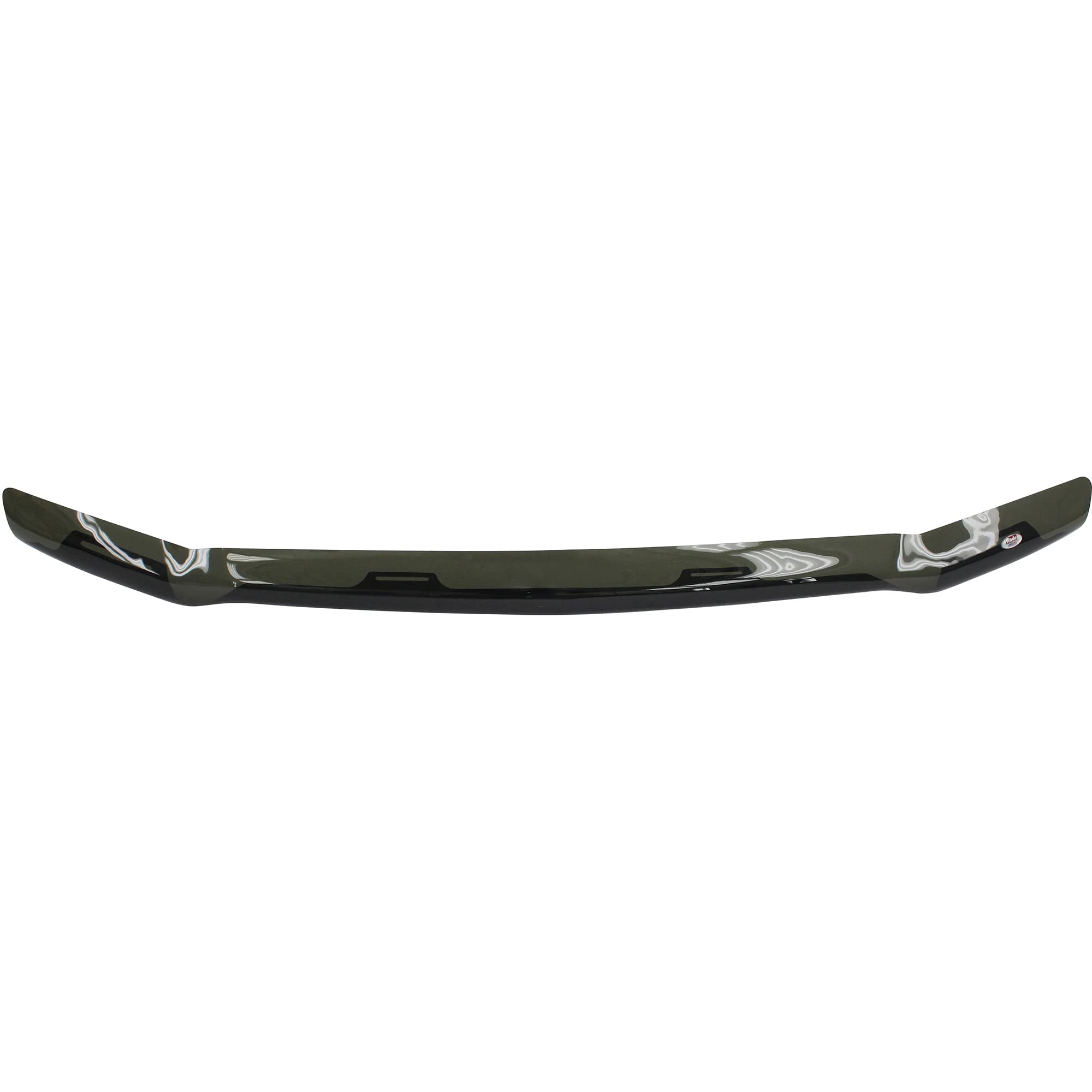
The Westin 72-91138 is a straightforward, no-nonsense bug shield for 2016-2018 Chevrolet Silverado 1500 trucks. It is made from high-impact acrylic in the USA and features a strong one-piece construction that installs without drilling — a significant convenience for owners who want protection without permanent vehicle modifications. The smoke tint finish is subtle and logo-free, giving the truck a clean, almost OEM appearance. The shield mounts using pre-existing hood holes and secures with a Phillips screwdriver in about five minutes.
Owner reports consistently praise the fitment, noting that the outer edges sit flush with the truck’s body lines. The included hardware works well, though several users caution against overtightening the screws to avoid stressing the acrylic. The shield covers the leading edge of the hood effectively, protecting against rock chips and bug splatter. One owner noted that the instructions could be clearer about where the tabs should sit relative to the weatherstripping, but the installation is intuitive enough for most DIYers.
A small percentage of units arrived with defective connector pieces or unclear instructions, leading to frustration. One owner who missed the return window due to hospitalization had a poor experience with customer service. These quality-control inconsistencies appear to be batch-specific rather than systemic. For Silverado owners who want a budget-friendly, vehicle-specific shield that goes on fast and looks clean, the Westin 72-91138 is a solid choice — just inspect the hardware promptly upon arrival.
What works
- No-drill installation using existing hood holes
- Logo-free smoke finish looks clean and OEM
- Five-minute install time with basic tools
- Made in the USA from high-impact acrylic
What doesn’t
- Occasional quality-control issues with connector pieces
- Instructions lack clarity on weatherstripping placement
7. Auto Ventshade AVS Bugflector II 25027

The Auto Ventshade Bugflector II is a high-profile shield designed specifically for 2001-2004 Toyota Tacoma models, and it has earned a loyal following among Tacoma owners who want maximum bug deflection. The raised profile creates a strong upward air current that pushes insects, rocks, and road debris over the cab rather than letting them impact the hood and windshield. The impact-resistant acrylic construction holds up well against the gravel and grit that Tacoma trucks encounter on and off the pavement. Made in the USA with global materials, the build quality is consistent with AVS’s long history in the automotive accessories space.
Installation takes roughly ten minutes using either pre-applied 3M tape or mechanical fasteners. Owners consistently report a perfect fit on 2001-2004 Tacoma hoods, with the shield contour matching the vehicle’s curves accurately. The high-profile design is effective — users note a significant drop in the number of bug strikes on the windshield during highway driving. The smoke finish complements the Tacoma’s styling without looking oversized or aftermarket.
The primary shortcoming is that the kit does not include enough replacement clips for the hood weatherstripping. The factory rubber strip is held by ten single-use retainers, and the kit only provides four, meaning owners need to source additional clips from an auto parts store to complete the install properly. This is a minor inconvenience but an annoying one for a product that otherwise nails the fit and function. For Tacoma owners who prioritize deflection performance over a flush low-profile look, this Bugflector II is a proven performer.
What works
- High-profile design delivers strong bug deflection at speed
- Perfect fit on 2001-2004 Tacoma hood contours
- Ten-minute installation with tape or fasteners
- Impact-resistant acrylic withstands road debris
What doesn’t
- Insufficient replacement clips included for weatherstripping
- High profile may not suit drivers wanting a flush look
8. Husky Liners Hood Protector 2815104
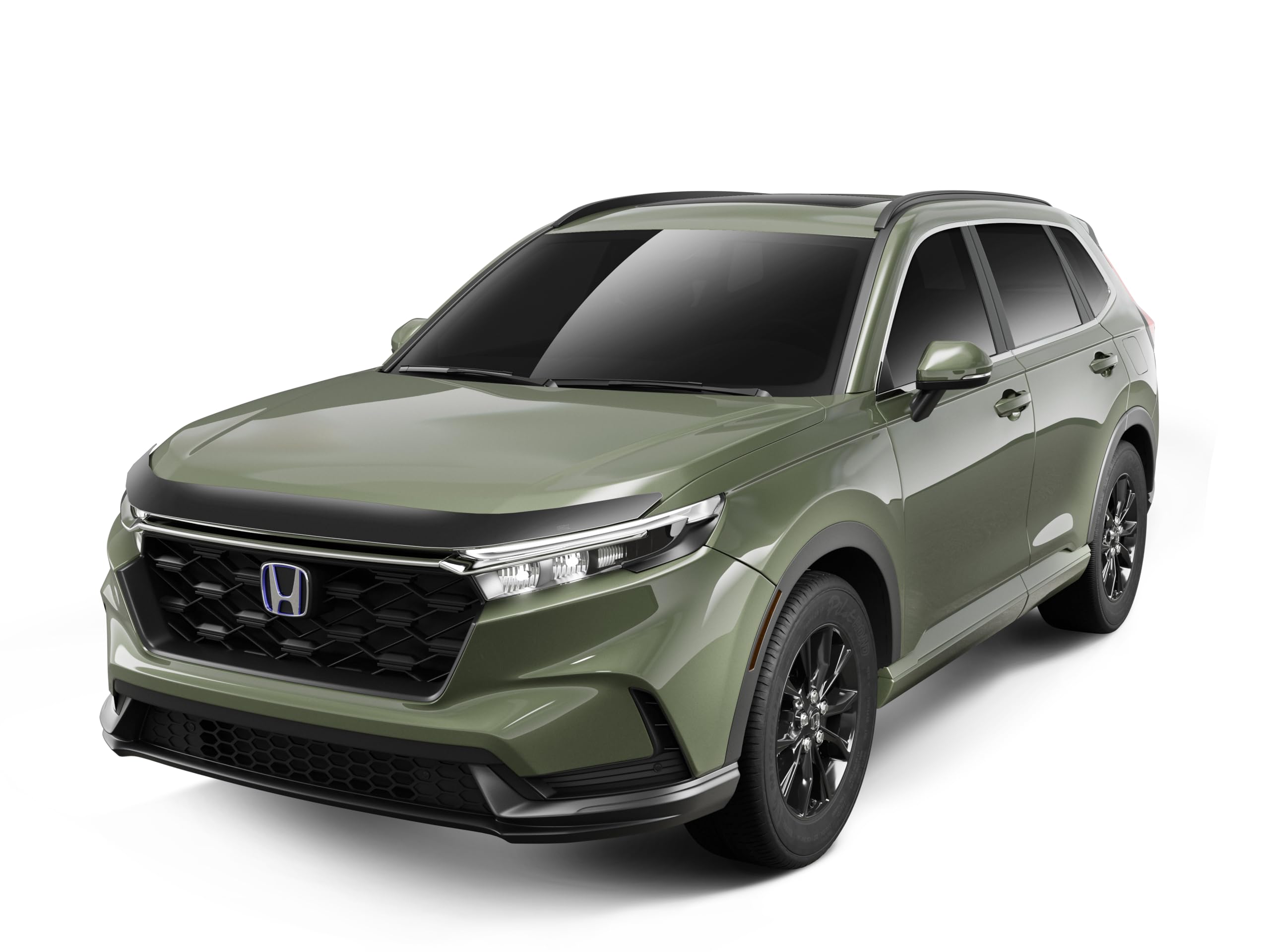
The Husky Liners 2815104 brings the same design philosophy as the brand’s Aeroskin line but in a high-profile format for the 2023-2026 Honda CR-V. Its DuraGard polymer construction is engineered to resist cracking, chipping, and UV fading, making it a durable long-term addition to the vehicle. The smoke finish is polished and modern, matching the CR-V’s current generation styling cues. Husky Liners claims the title of America’s best-selling hood shield, and the engineering behind this model — custom-molded to the exact hood contours — supports that reputation.
Installation takes about 30 minutes and includes replacement push pins for the factory weatherstripping. Owners of 2026 CR-V Hybrid Sport Touring models report that the shield adds an aggressive visual edge to the otherwise conservative crossover. The fitment is precise, with the shield following the hood’s leading edge curvature without gaps. Several owners noted that the clips require firm tightening to ensure a rattle-free fit, and one unit arrived missing a clip — a packing oversight rather than a design flaw.
While the vast majority of owners report a perfect fit, one 2024 CR-V owner stated the shield did not fit their vehicle despite the listed compatibility, suggesting possible year-specific variation within the 2023-2026 range. Buyers should confirm fitment with Amazon’s ConfirmedFit tool before purchasing. The shield provides genuine protection against hood chips from road debris, and the high-profile design effectively reduces bug accumulation on the windshield during highway commutes.
What works
- Custom-molded fit for 2023-2026 Honda CR-V hood
- DuraGard polymer resists cracking and UV damage
- Includes replacement push pins for installation
- High-profile design reduces windshield bug strikes
What doesn’t
- Intermittent fitment issues reported for some model years
- Missing clips in some packages require extra attention
9. Dilomber Hood Protector for Ford Bronco Sport
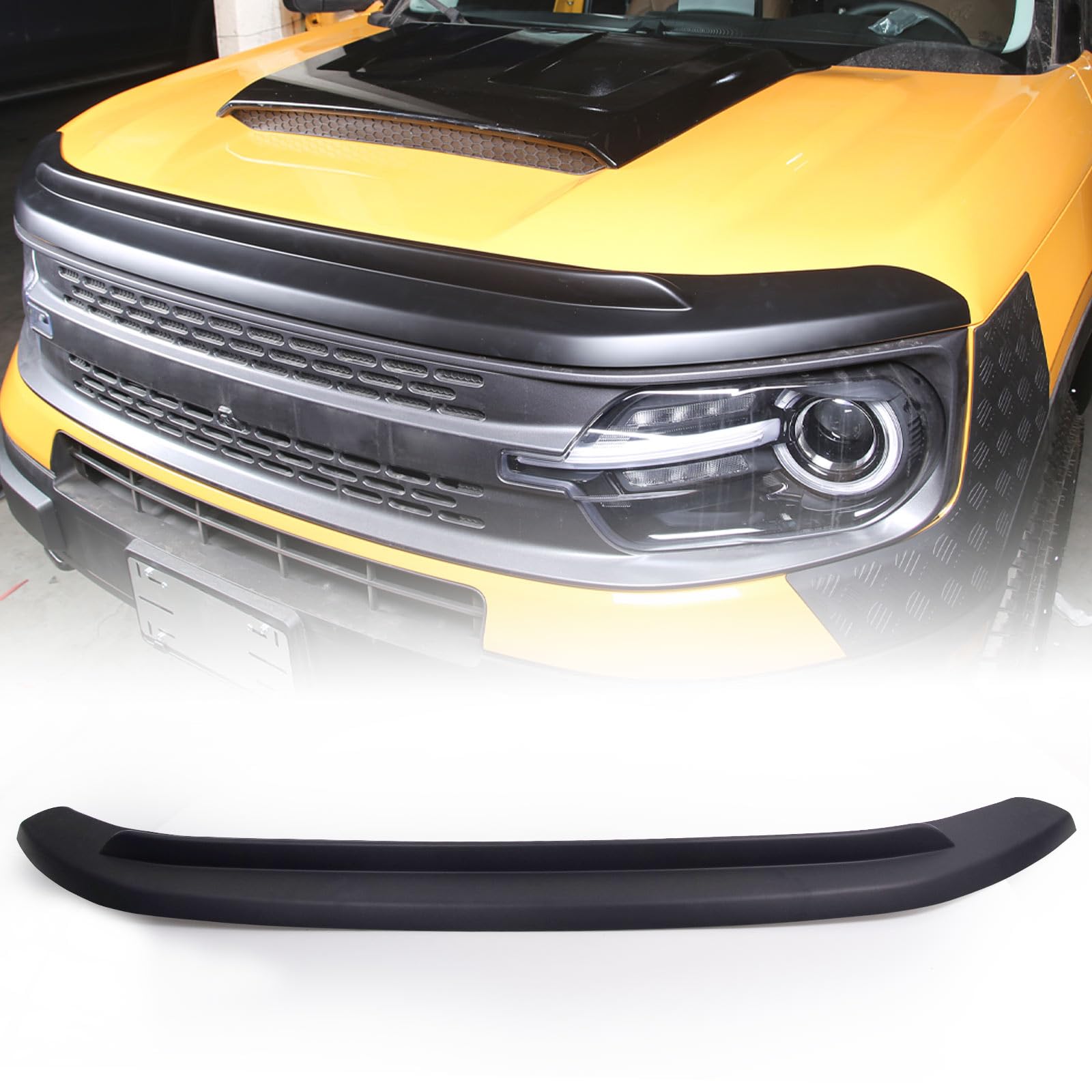
The Dilomber Hood Protector is a precision-engineered high-profile wrap-around shield for the 2021-2025 Ford Bronco Sport. It uses a no-drill installation method with automotive-grade 3M adhesive, which is a major selling point for owners who want full front-end coverage without permanent modifications. The matte black ABS plastic construction is impact-resistant and holds up well to the off-road conditions that Bronco Sport owners routinely encounter. The raised lip design is specifically shaped to deflect airflow upward, reducing bug splatter on the windshield while shielding the hood’s leading edge from rocks and sand.
Owners consistently praise the fitment and appearance, with several noting that the shield transforms the front-end look of the Bronco Sport, giving it a more aggressive and finished appearance. The installation process is straightforward — peel, stick, and press firmly. The 3M adhesive forms a strong bond when applied to a clean, warm surface. One owner mentioned that the included housing was well-packaged and arrived undamaged, which is always a concern with larger ABS pieces.
A notable concern raised by one owner is that the underlying plastic is white and painted black, meaning that deep scratches or chips over time could expose the white substrate. This contrasts with solid-through-color shields that hide wear better. Another owner compared it to a rubber-like alternative on a different vehicle and noted the Dilomber is harder plastic, which offers good impact resistance but may be less forgiving in extreme cold. For Bronco Sport owners who want a custom look without drilling, this shield offers excellent coverage and quick installation.
What works
- No-drill adhesive installation preserves factory hood
- Wrap-around design provides full front-end coverage
- Impact-resistant ABS handles off-road conditions
- Transforms front-end appearance with aggressive styling
What doesn’t
- Painted surface may show white substrate if scratched deeply
- Hard plastic may be less flexible in extreme cold
10. MouseBlocker 12V Ultrasonic Rodent Deterrent

The MouseBlocker 12V takes a completely different approach to vehicle protection — instead of deflecting bugs from the hood, it uses ultrasonic sound waves to deter rodents from nesting in the engine bay and chewing wiring harnesses, fuel lines, and hoses. This is a critical accessory for anyone who parks outdoors in rural or wooded areas where mice and squirrels cause thousands of dollars in damage. The unit runs directly off the vehicle’s 12V battery with a simple two-wire installation, drawing only 0.1 watts so it does not drain the battery over extended storage periods.
The 85-decibel ultrasonic frequency is specifically tuned to be intolerable to rodents while remaining inaudible to humans and most pets. The unit is compact — about the size of a deck of cards — and is rated for under-hood temperatures well above what most engines produce. Professional mechanics and dealerships across North America trust the MouseBlocker for protecting customer vehicles. Owner reports are overwhelmingly positive, with many users stating that the device eliminated rodent activity after a single installation. One professional mechanic noted that it requires a weatherproof fuse holder and sealant around the wire entry point for full weather resistance.
There are isolated reports of the unit emitting a high-pitched noise audible to some people, and one unit began making a droid-like sound after a month of use before failing. These appear to be rare outliers rather than common failure modes. The MouseBlocker does not replace a bug shield — it addresses a different threat entirely — but for comprehensive vehicle protection, it is an essential complement. For owners who have experienced rodent damage or park in areas with known rodent populations, this device pays for itself with the first prevented repair.
What works
- Effectively deters rodents from nesting in engine bay
- Ultra-low power draw does not drain vehicle battery
- Compact size fits easily under the hood
- Trusted by professional dealerships and repair shops
What doesn’t
- May produce high-pitched noise audible to some people
- Requires additional sealant for full weatherproofing
11. FIA WF923-11 Custom Fit Winter Front / Bug Screen
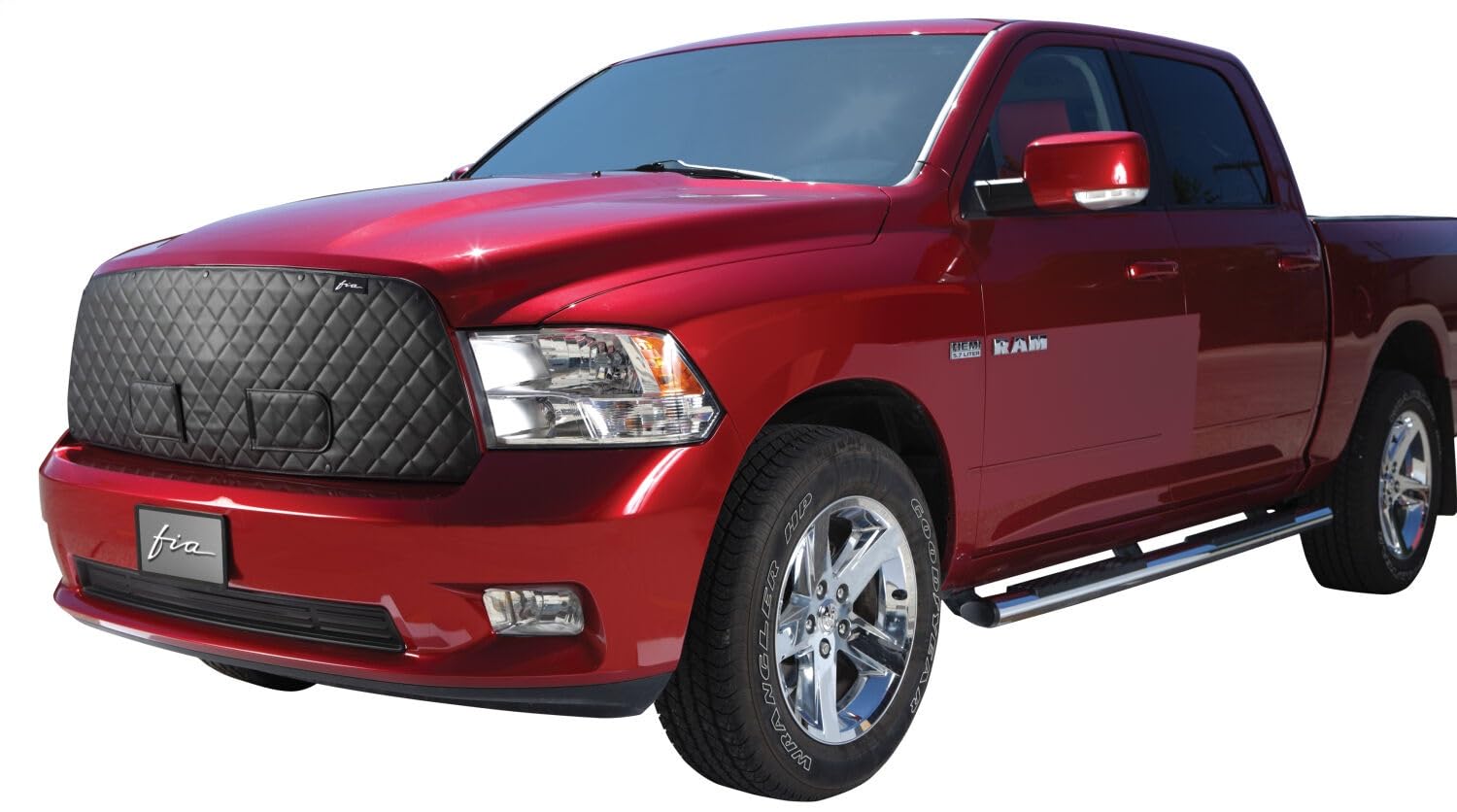
The FIA WF923-11 is a dual-purpose winter front and bug screen that serves owners in cold climates who need faster engine warm-ups and better fuel economy during winter months, while also providing bug protection in warmer seasons. The heavy-duty vinyl construction with integrated mesh screen covers the front grille area, blocking airflow to help diesel and gasoline engines reach operating temperature more quickly. The custom-fit design uses Stick-A-Stud 3M adhesive-backed studs for a no-drill installation that conforms to the vehicle’s specific grille contours.
Owner reports come primarily from diesel truck owners who rely on the winter front for maintaining optimal engine temperatures during cold-weather towing and long downhill descents in subzero conditions. The kit includes both a solid winter cover and a mesh bug screen that uses the same snap mounting system, allowing seasonal swaps without reinstalling hardware. One owner reported using the bug screen year-round in Florida to protect the radiator from debris while towing. The heavy-duty material holds up well for several seasons when properly maintained.
The primary failure point is the stick-on snaps. Several owners reported that the adhesive-backed snaps came loose after a few days, causing the cover to detach at highway speeds. Users who replaced the supplied snaps with marine-grade screw-in snaps reported much better long-term retention. The product is vehicle-specific, so confirming fitment before purchase is essential. For drivers who need both winter engine protection and summer bug defense in a single system, the FIA WF923-11 is a practical, space-saving solution.
What works
- Dual-purpose winter cover and bug screen in one kit
- Helps diesel engines reach operating temp faster in cold
- Interchangeable covers use the same mounting snaps
- No-drill installation with adhesive-backed studs
What doesn’t
- Adhesive snaps may fail; marine-grade replacements recommended
- Vehicle-specific fitment requires careful model confirmation
Hardware & Specs Guide
Acrylic vs. ABS vs. TPE Materials
Acrylic is the traditional choice for bug shields — it offers high impact resistance, a polished finish, and good UV stability when properly formulated. ABS plastic is lighter and less expensive but can become brittle after extended sun exposure. Thermoplastic elastomer (TPE), used in the Husky Liners Aeroskin II, combines the rigidity of plastic with the flexibility of rubber, allowing it to absorb impacts without cracking and return to its original shape. TPE also maintains its properties across a wider temperature range than acrylic or ABS, making it the most durable option for vehicles exposed to extreme climates.
Profile Height and Aerodynamics
Low-profile shields sit within a few millimeters of the hood surface and create a minimal air gap. They produce less wind noise and maintain a factory-integrated appearance, but their deflection capability is limited at lower speeds. High-profile shields stand 10-20 millimeters off the hood, creating a stronger air curtain that pushes bugs and debris higher over the windshield. The trade-off is increased wind noise at highway speeds and a more prominent visual presence. Some high-profile designs incorporate a raised lip or AeroLift feature to maximize deflection without adding unnecessary height.
Attachment Methods and Retention
Three primary attachment methods exist in the bug shield market. Tape-only systems use automotive-grade 3M adhesive to bond the shield directly to the painted hood surface — they offer the cleanest look but require meticulous surface preparation and can fail in high heat or automatic car washes. Mechanical fasteners (screws, push pins, or clips) provide the strongest long-term retention and are essential for high-profile shields that catch significant wind force at speed. Hybrid systems combine tape with a small number of fasteners at stress points, offering a balance of clean aesthetics and secure hold.
Coverage Area and Vehicle-Specific Fitment
Vehicle-specific bug shields are precision-molded using 3D scanning or CAD data from the actual hood contours of a particular make, model, and year. This ensures the shield follows the hood’s curves exactly, leaving no gaps where debris could slip through. Universal shields, while cheaper, often leave exposed areas or require trimming for a proper fit. Coverage width varies — some shields protect only the center portion of the hood edge, while wrap-around designs extend to the fender lines for full front-end protection. Always use the manufacturer’s fitment guide or Amazon’s ConfirmedFit tool to verify compatibility before purchasing.
FAQ
Do bug shields actually reduce windshield splatter?
Will a bug shield damage my hood paint?
Can I install a bug shield on a leased vehicle?
How do I clean and maintain a bug shield?
What is the difference between a bug shield and a hood protector?
Final Thoughts: The Verdict
For most buyers, the best car bug shield winner is the Husky Liners Aeroskin II because it combines the most advanced TPE material with a low-profile design that actually deflects bugs effectively — a rare balance of aesthetics and function. If you want a premium low-profile shield for a Ford Maverick, grab the WeatherTech 55211. And for Jeep Wrangler owners who need rugged, off-road-ready performance, nothing beats the Rugged Ridge 11350.02. Each product on this list was selected because it serves a specific vehicle type and owner priority — match the shield to your driving environment and installation preference, and you will extend the life of your hood paint and windshield clarity for years.

Certification: BSc in Mechanical Engineering
Education: Mechanical engineer
Lives In: 539 W Commerce St, Dallas, TX 75208, USA
Md Amir is an auto mechanic student and writer with over half a decade of experience in the automotive field. He has worked with top automotive brands such as Lexus, Quantum, and also owns two automotive blogs autocarneed.com and taxiwiz.com.