Nothing ruins a clean car interior faster than the sun’s relentless assault—faded dashboards, cracked leather, and a cabin that feels like an oven every time you park outside. The right window film does more than darken the glass; it blocks harmful UV radiation, cuts infrared heat, reduces glare, and keeps your ride cooler without overworking the AC.
I’m Amir — the founder and writer behind Four Wheel Ask. I’ve analyzed dozens of window film formulas, scrutinized customer feedback on adhesive longevity and scratch resistance, and tracked the real-world performance of nano-ceramic, carbon, and dyed films across thousands of verified owner reviews.
Whether you need maximum privacy or near-transparent heat rejection, this guide cuts through the marketing to deliver a focused analysis of the best automotive window tint options that balance performance, ease of installation, and long-term durability.
How To Choose The Best Automotive Window Tint
Selecting the right film isn’t about picking the darkest shade. You need to match the material type, VLT percentage, and film construction to your climate, driving habits, and local laws. Here’s what matters most.
Visible Light Transmission (VLT) and Legal Limits
VLT measures how much visible light passes through the film — a lower number means a darker tint. A 5% VLT (often called limo tint) offers maximum privacy but significantly reduces night visibility. A 35% VLT strikes a popular balance between glare reduction and safe nighttime driving. Each state sets its own legal VLT limits for front side, rear side, and rear windows, so always check local regulations before cutting the film.
Film Material: Dyed, Carbon, Nano-Ceramic
Standard dyed PET film (1-ply) is the most affordable option but absorbs heat rather than reflects it, which can lead to faster fading and bubbling over time. Premium carbon film uses 2-ply construction with a charcoal layer that blocks up to 55% of infrared heat while resisting color fading. Nano-ceramic films incorporate ceramic particles that selectively reject infrared radiation without interfering with radio, GPS, or cellular signals — ideal for drivers who want maximum heat rejection without sacrificing device connectivity.
Adhesive Quality and Shrinkability
Professional-grade tint uses wet/dry heat-shrinkable adhesive that conforms to curved rear windows without creasing. Lower-end adhesives may lift at the edges after a few months or fail to bond properly on complex glass shapes like hatchbacks and SUVs. Look for films that list specific shrinkability as a feature — this usually indicates a more forgiving installation and a lasting edge seal.
Quick Comparison
On smaller screens, swipe sideways to see the full table.
| Model | Category | Best For | Key Spec | Amazon |
|---|---|---|---|---|
| ARANA 20% Nano Ceramic | Nano Ceramic | Balanced heat & privacy | 20% VLT, 99% UV block | Amazon |
| RockRose 5% Carbon 2PLY | Premium Carbon | Deep privacy & durability | 5% VLT, 55% IR rejection | Amazon |
| IAQWE 35% Ceramic | Ceramic Hybrid | Legal compliance & value | 35% VLT, 5-layer safety film | Amazon |
| PAMAGOO 35% Nano Ceramic | Nano Ceramic | DIY-friendly with video guide | 35% VLT, 88% IR block | Amazon |
| United Window Tint 35% 1Ply | Dyed PET | Budget bulk roll projects | 35% VLT, 100ft length | Amazon |
In‑Depth Reviews
1. ARANA 20% VLT Nano Ceramic Car Window Tint Film
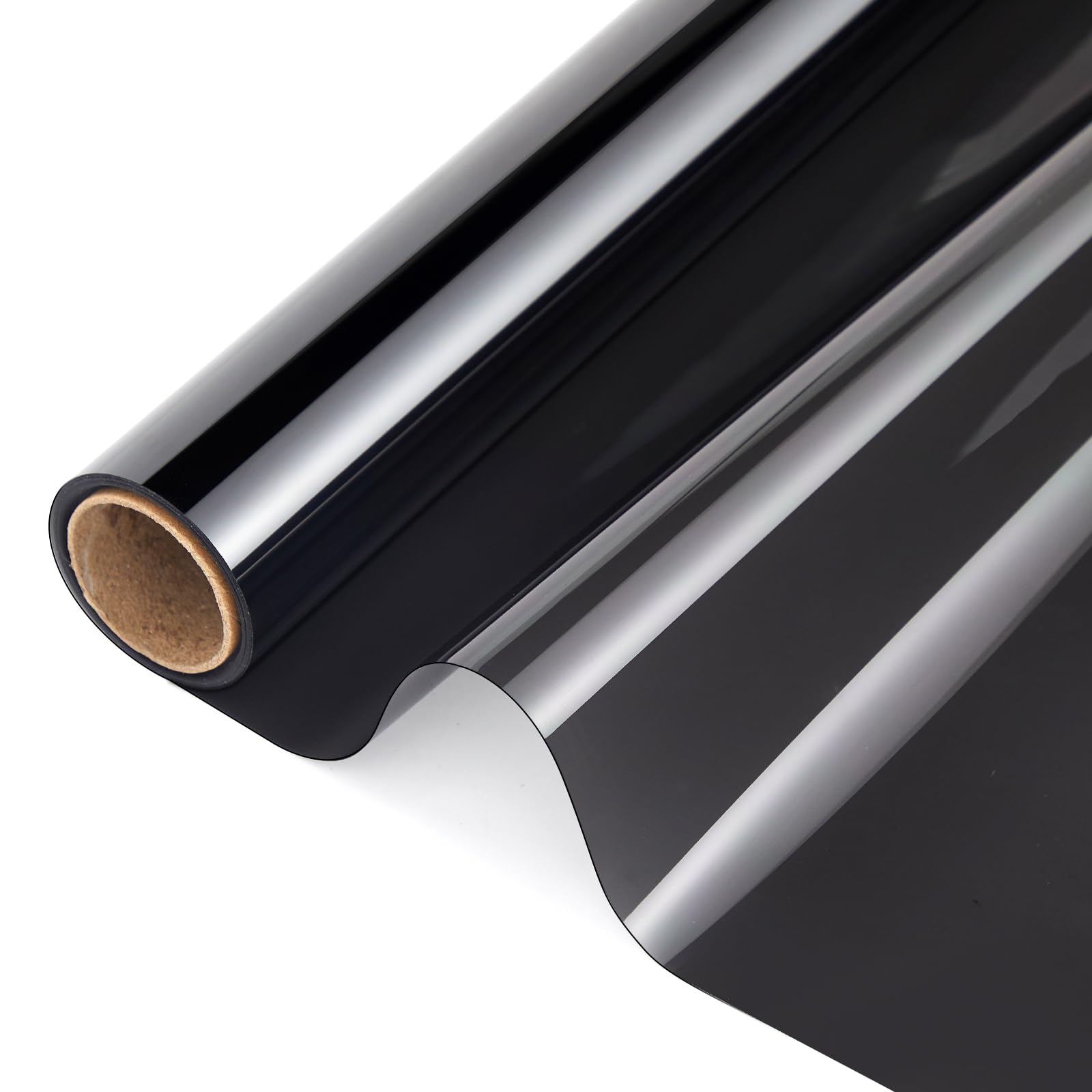
ARANA’s nano-ceramic formulation tackles the two biggest complaints about budget tint — heat rejection and adhesive failure — in a single 20-inch by 20-foot roll. The 20% VLT sits deep enough for strong daytime privacy yet lets enough light through to avoid doubling as a blind spot at intersections. Infrared heat rejection from the ceramic layer keeps the cabin noticeably cooler without relying on dark dye that fades over time.
The peel-and-stick installation requires no additional glue, and the scratch-resistant hard coating holds up against daily window operation and the occasional brush with a seatbelt buckle. Customer reports confirm the film resists bubbling and yellowing even after repeated car washes, and the 18-month after-sales support adds a layer of confidence for first-time DIY installers who might worry about a learning curve.
Where this tint truly separates itself from cheaper dyed films is the clarity of the view from inside. At 20%, you maintain HD-level visibility during the day and acceptable contrast at night, while outsiders see a uniform, reflective dark surface. For a mid-range price, you get ceramic-level performance that would cost double from a big-box automotive retailer.
What works
- Excellent 99% UV ray blocking keeps interior safe from fading
- Nano-ceramic construction rejects heat without blocking signals
- Scratch-resistant coating survives daily window use
What doesn’t
- 20% VLT may be too dark in some states for front windows
- Requires careful trimming on complex curved glass shapes
2. RockRose 5% Premium Carbon 2PLY Window Tint Film
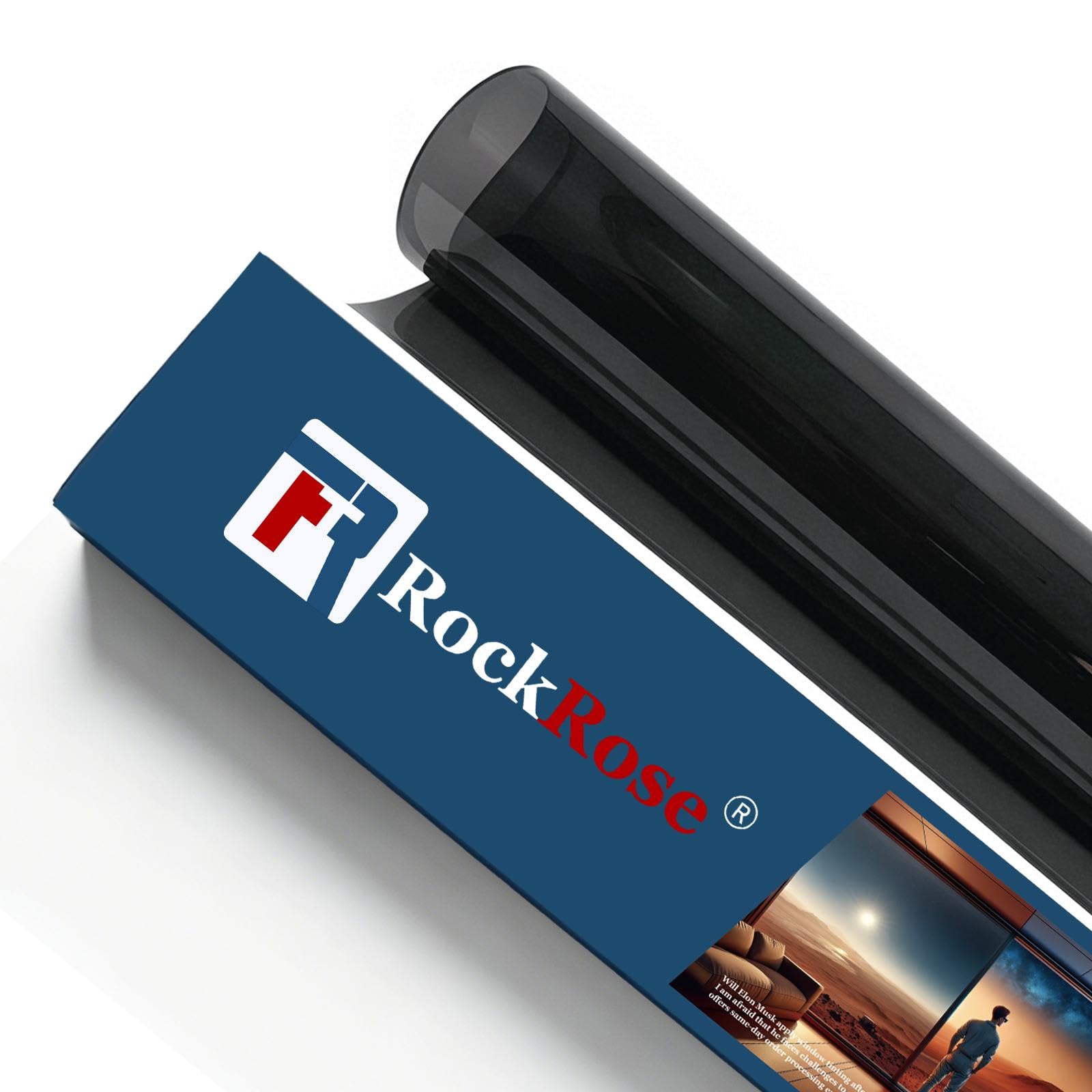
RockRose’s 2PLY carbon construction takes a fundamentally different approach to heat management than ceramic films. Rather than reflecting heat via ceramic particles, the dual-layer carbon charcoal absorbs infrared radiation and dissipates it across the film’s surface. The 5% VLT rating delivers true limo-tint privacy — you cannot identify occupants from three feet away in daylight — making this the go-to choice for drivers who prioritize anonymity above all else.
The heat-shrink installation method is favored by experienced DIYers because the carbon layers accept heat gun shaping without distorting or puckering on heavily curved rear windows. At 25 feet per roll and 20 inches of width, there’s enough material to cover a standard sedan’s full set of side windows plus the rear glass. The 2PLY structure also means the tint won’t develop the purple hue that 1-ply dyed films shift to after a couple of summers in direct sun.
Plotter-friendliness is a hidden advantage here — professionals can cut patterns directly onto the liner without it gumming up blades, which saves time for shops but also helps DIY users who trace templates. The one trade-off: at 5%, nighttime visibility drops sharply. Parking lot maneuvers or reversing in unlit areas require rolling down the windows or relying on backup cameras.
What works
- 2PLY carbon film resists fading and purple discoloration long-term
- Plotter-friendly liner makes precision cutting easier
- Deep 5% VLT offers extreme privacy and glare elimination
What doesn’t
- 5% VLT significantly hinders night visibility
- Not legal for front side windows in most states
3. IAQWE 35% VLT Ceramic Car Window Tint Film
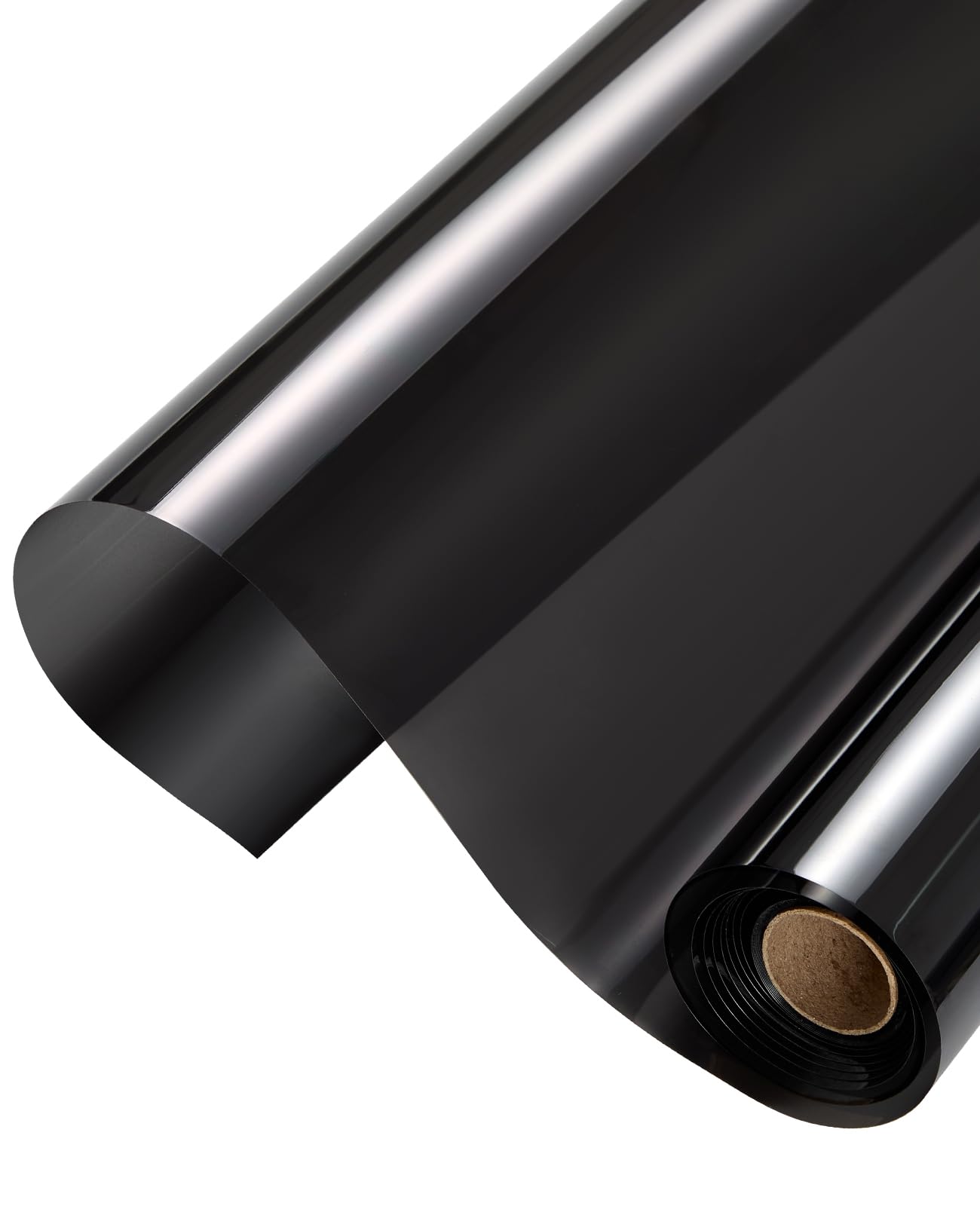
IAQWE’s 35% VLT hits the sweet spot for drivers who want legal compliance across most states without sacrificing heat protection. The five-layer safety film construction adds a shatterproof element — if a window breaks, the tint holds the glass shards together, which is a meaningful safety upgrade for families with children or anyone who parks in high-theft areas.
Installation benefits from the bubble-free adhesive layer that self-wicks air pockets to the edges, though some experienced tint veterans on the review board noted the adhesive has slightly less tack than premium pro-line films. This means edges that aren’t squeegied perfectly may need a second pass to stay down. The ceramic heat rejection is genuine: the tint reduces the greenhouse effect in sedans and SUVs, keeping the center console and seats noticeably cooler after an afternoon in direct sun.
At 20 inches by 20 feet, the coverage is sufficient for two-door coupes and compact sedans, but larger SUVs might require a second roll or the 36-inch width option. The 35% VLT maintains excellent outward clarity — you can still read street signs and spot pedestrians at night without straining, which is the whole point of choosing a moderate darkness level.
What works
- 5-layer safety construction provides shatter resistance
- 35% VLT is legal in most states and easy to see through at night
- Ceramic layer rejects infrared heat effectively
What doesn’t
- Adhesive is less aggressive than pro-grade film
- Roll size may not cover full SUV windows
4. PAMAGOO 35% VLT Nano Ceramic Car Window Tint

PAMAGOO has engineered this nano-ceramic film specifically for the first-time DIY installer who doesn’t want to mess up a whole roll while learning. The included detailed manual and video walkthrough cover heat-shrinking techniques for curved glass, which is the single hardest skill for beginners to master. The 35% VLT film blocks 88% of infrared radiation while maintaining a neutral gray tint that doesn’t alter the exterior color of your vehicle.
The scratch-resistant nano-ceramic coating is tougher than entry-level dyed films — it handles the constant friction of window channels without developing hazy scar lines. Customer photos in the review feed show successful installations on Silverado HD2500 trucks, sedans, and even non-automotive applications like garage side windows. Some users noted that the adhesive at extreme corners didn’t initially seal flush, but a second heat-shrink pass typically resolved the issue.
One notable advantage is the 12+1 month warranty that covers defects like bubbling and peeling. For a film in this price bracket, the extra month of coverage signals confidence in the adhesive’s long-term bond. If you’re practicing tinting for the first time and want a film that’s forgiving enough to survive a few mistakes, this roll belongs on your shortlist.
What works
- Comprehensive video guide reduces the DIY learning curve
- Nano-ceramic coating resists scratches from window frames
- 12+1 month warranty for peace of mind on first installs
What doesn’t
- Some corners need extra heat to fully seal
- 20-inch width is tight for newer full-size truck rear glass
5. United Window Tint 35% VLT 1Ply Dyed Film
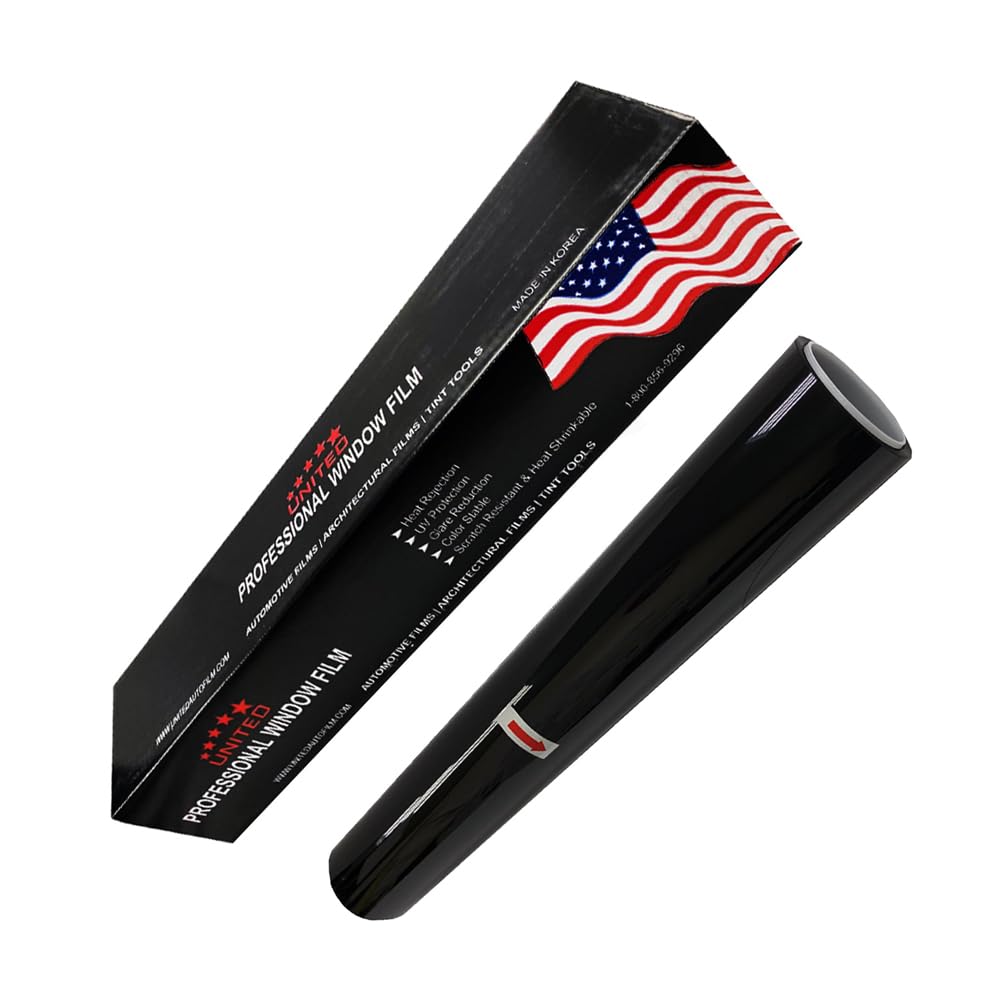
United Window Tint takes the opposite approach of premium films: instead of expensive ceramic layers, it delivers a massive 100-foot-long roll of serviceable 1-ply dyed PET film at a price per foot that makes covering a houseful of windows or multiple vehicles economically viable. The 35% VLT option provides a balanced shade that works on apartment windows, garage glass, and rear car windows without looking mismatched.
The Korean-made adhesive and PET base offer heat-shrink capability that professional tinters in the review thread praised for its predictable shrink rate on rear hatchbacks. The film shrinks uniformly when heated, avoiding the tearing or distortion that cheap film exhibits on steep curvatures. However, as a 1-ply dyed construction, this film absorbs heat rather than reflecting it, so the interior heat reduction is less dramatic than ceramic or carbon alternatives.
Longevity is the main consideration here. Dyed films can shift color after two to three years of intense sun exposure, and the single-layer PET is more prone to scratching than multi-layer premium films. For a budget project — tinting a beater car, a home workshop, or rental property windows — the value proposition is unmatched. For a daily driver you plan to keep for a decade, the upfront saving may not be worth the eventual replacement hassle.
What works
- 100-foot roll provides enough material for multiple vehicles or home windows
- Korean glue and PET offer excellent, predictable heat-shrink performance
- Very budget-friendly cost per square foot for large projects
What doesn’t
- 1-ply dyed construction absorbs rather than reflects heat
- Color stability is lower than carbon or ceramic — may purple over time
Hardware & Specs Guide
Visible Light Transmission (VLT)
VLT is the single most important spec for legal compliance and visibility. A 5% film transmits almost no light — extreme privacy but dangerous at night. A 20% film balances security with usable night vision. A 35% film is the typical legal maximum for front side windows in many states. Always measure in the context of your state’s tint law, which often specifies percentages per window position.
Infrared Rejection Rate
Infrared heat is what makes a parked car unbearable on a sunny day. Nano-ceramic films typically reject 85-99% of infrared rays. Carbon films reject 50-55%. Standard dyed films offer almost no infrared rejection because they use dark dye as a light absorber rather than a selective reflector. Higher infrared rejection directly translates to less AC load and a cooler cabin.
FAQ
What VLT percentage do I need to stay legal in my state?
Can I apply ceramic tint over factory privacy glass?
How many years does nano-ceramic tint last compared to dyed film?
Final Thoughts: The Verdict
For most buyers, the best automotive window tint winner is the ARANA 20% VLT Nano Ceramic because it delivers genuine ceramic heat rejection, 99% UV protection, and a durable scratch-resistant coating at a price that undercuts professional-grade tint by a wide margin. If you need ultra-dark privacy and the longevity of 2PLY carbon construction, grab the RockRose 5% Premium Carbon. And for a budget-friendly bulk project — whether it’s an entire fleet of cars or home windows — the United Window Tint 100-foot roll gives you the most square footage for your dollar.

Certification: BSc in Mechanical Engineering
Education: Mechanical engineer
Lives In: 539 W Commerce St, Dallas, TX 75208, USA
Md Amir is an auto mechanic student and writer with over half a decade of experience in the automotive field. He has worked with top automotive brands such as Lexus, Quantum, and also owns two automotive blogs autocarneed.com and taxiwiz.com.