Rust doesn’t sleep. Once oxidation takes hold on a frame rail, suspension component, or underbody panel, the clock starts ticking on structural integrity. The right chemical treatment can halt that process cold, converting reactive iron oxide into a stable, paintable surface that stops corrosion in its tracks. But not every can on the shelf works the same way — formulation chemistry, application method, and dry-film properties make the difference between a temporary cover-up and a lasting cure.
I’m Amir — the founder and writer behind Four Wheel Ask. My work focuses on dissecting chemical formulations, analyzing application protocols, and aggregating long-term owner data to separate products that actually neutralize rust from those that merely hide it.
After analyzing chemical formulas, application methods, and owner reports, the best automotive rust neutralizer consistently outperforms basic sprays.
How To Choose The Best Automotive Rust Neutralizer
Selecting a rust neutralizer means understanding the chemistry behind the label. Some products convert rust into a protective layer, others seal moisture out, and a few do both. The right choice depends on the severity of the corrosion, the surface location, and whether you plan to topcoat with paint.
Converter vs. Inhibitor vs. Encapsulator
Rust converters use tannic or phosphoric acid to chemically change iron oxide into a stable black compound that acts as a primer. Inhibitors create a barrier that blocks oxygen and moisture. Encapsulators lock existing rust in place with a tough film. Many premium products combine two or all three functions for comprehensive protection.
Application Method and Surface Reach
Aerosol sprays reach into box sections, frame cavities, and tight weld joints without disassembly. Brush-on liquids provide thicker films on exposed surfaces like chassis rails and suspension arms. Some formulas work best with thin, multiple coats, while others build a heavy single-layer barrier. Matching the application style to the job prevents waste and ensures even coverage.
Dry Time and Topcoat Compatibility
Water-based rust neutralizers dry faster and clean up with soap, but may require more coats for full coverage. Oil-based and solvent-based products take longer to cure but form a more durable film. If you plan to paint over the treatment, check whether the product is designed as a primer or requires a separate topcoat layer.
Quick Comparison
On smaller screens, swipe sideways to see the full table.
| Model | Category | Best For | Key Spec | Amazon |
|---|---|---|---|---|
| Meuvcol 2 in 1 Rust Converter | Converter/Primer | All-in-one treatment | 35 oz, brush-on | Amazon |
| CorrosionX Heavy Duty | Spray Inhibitor | Harsh environments | 12 oz aerosol, self-healing | Amazon |
| Rust-Oleum Stops Rust Primer | Oil Primer | Prep for paint | 1 qt, oil-based | Amazon |
| JENOLITE Waxoil Aerosol | Waxy Coating | Cavity and underbody | 16 oz aerosol, self-sealing | Amazon |
| RUSTINS RUSC250 Converter | Water-Based Converter | Light to moderate rust | 250 ml, no primer needed | Amazon |
In-Depth Reviews
1. Meuvcol 2 in 1 Rust Converter & Metal Primer
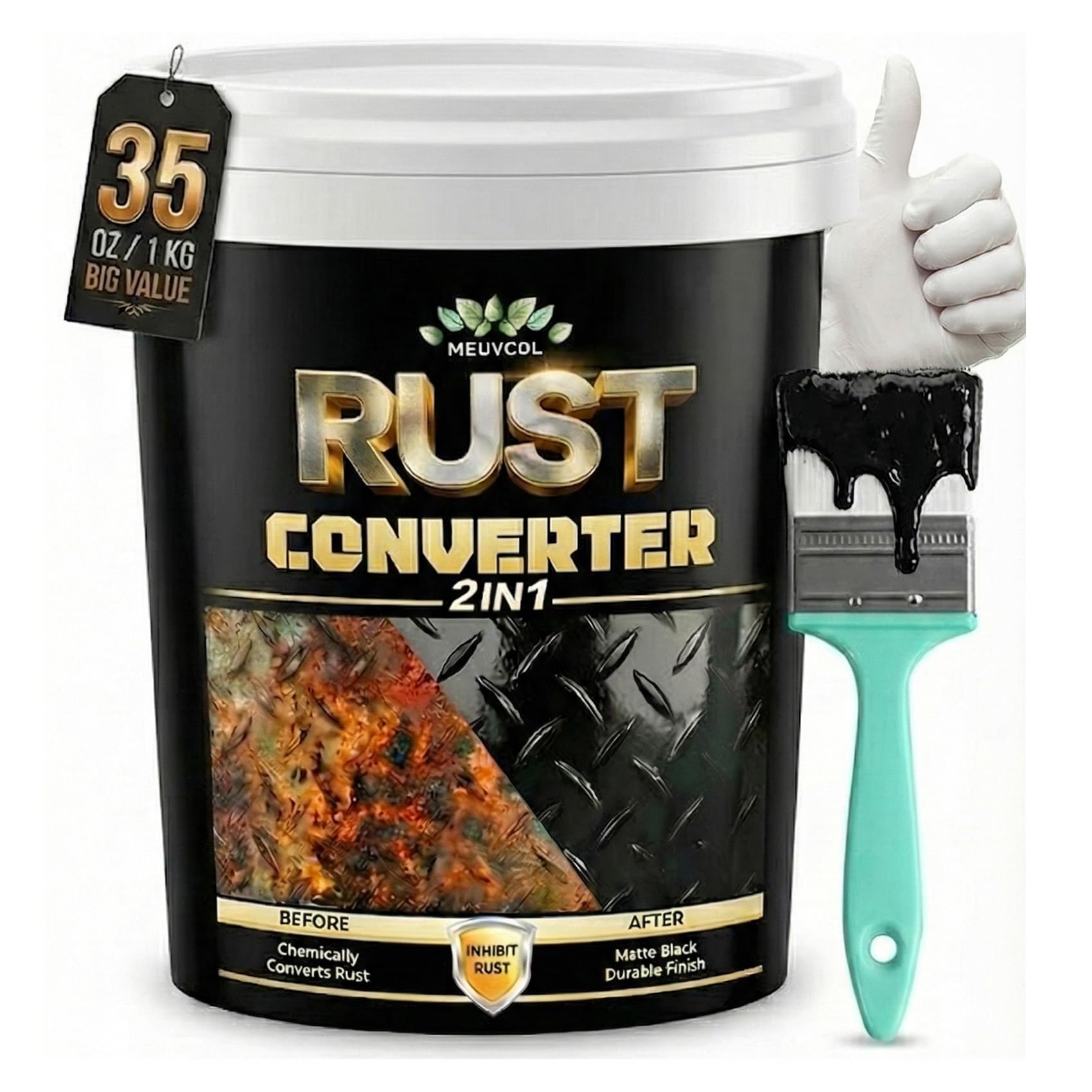
The Meuvcol 2 in 1 combines rust conversion and metal priming into a single application, eliminating the need for a separate primer coat. Its single-component formula works as an encapsulator that isolates rust from oxygen and moisture while simultaneously creating a paintable surface. The 35-ounce can includes a brush, gloves, and a manual, making it a turnkey solution for frame rails, truck chassis, and trailer repairs.
Owner reports consistently highlight the fast-drying nature of the coating and the durable satin-matte black finish that covers oxidation cleanly. Multiple reviewers noted that the product dries extremely hard and shows no chipping after months of exposure. The formula requires thin coats — a minimum of two — with a full 24-hour cure window to form the protective film. Application is straightforward: clean the surface, remove grease and oil, wipe dry, and brush on.
The chemical locking mechanism prevents oxygen from reaching the metal, which stops further corrosion even in areas where the coating is subjected to vibration or minor abrasion. Water cleanup simplifies post-application work, and the flat black appearance blends well with most underbody and chassis aesthetics. For DIY enthusiasts and professionals who want a single-product solution, the Meuvcol delivers consistent, long-lasting results across automotive, marine, and industrial use cases.
What works
- Combines converter and primer in one step saving time and material
- Dries to a hard, chip-resistant finish that holds up under vibration
- Water cleanup simplifies post-application workflow
What doesn’t
- Strong solvent odor requires outdoor or well-ventilated application
- Full 24-hour cure time slows multi-coat projects
2. CorrosionX Heavy Duty Anti Rust Spray

The CorrosionX Heavy Duty formulation uses polar bonding technology to create a self-healing barrier that clings to metal through rain, salt spray, and even pressure washing. Unlike waxy coatings that dry out and crack, this spray stays flexible and bonded, moving with the substrate through thermal expansion and mechanical vibration. The manufacturer rates it for up to five years of indoor protection and two years in exterior applications.
Reviewers consistently describe the product as thick and goopy, requiring a latex glove to spread evenly over larger surfaces like truck frames and boat trailers. The dripless formula prevents runoff on vertical surfaces, and the self-healing property means small scratches and punctures seal themselves without reapplication. Owners in marine environments report that monthly aerosol application stopped active salt corrosion on boat motors and prevented new damage from forming.
The non-conductive nature of the film makes it safe for electrical connections, battery terminals, and grounding lugs where corrosion often compromises conductivity. The flash point sits at 132 degrees Celsius, and the thick barrier resists wash-off even in high-pressure cleaning scenarios. For equipment exposed to saltwater, road brine, or constant moisture, the CorrosionX offers the longest documented protection window of any product in this category, backed by decades of aviation and marine field use.
What works
- Self-healing film reseals after scratches and impacts automatically
- Polar bonding technology prevents electrolysis and galvanic corrosion
- Longest documented protection span up to five years indoors
What doesn’t
- Thick, tacky texture attracts dust and dirt in exposed areas
- Higher cost per ounce compared to basic rust sprays
3. Rust-Oleum 7769502 Stops Rust Rusty Metal Primer
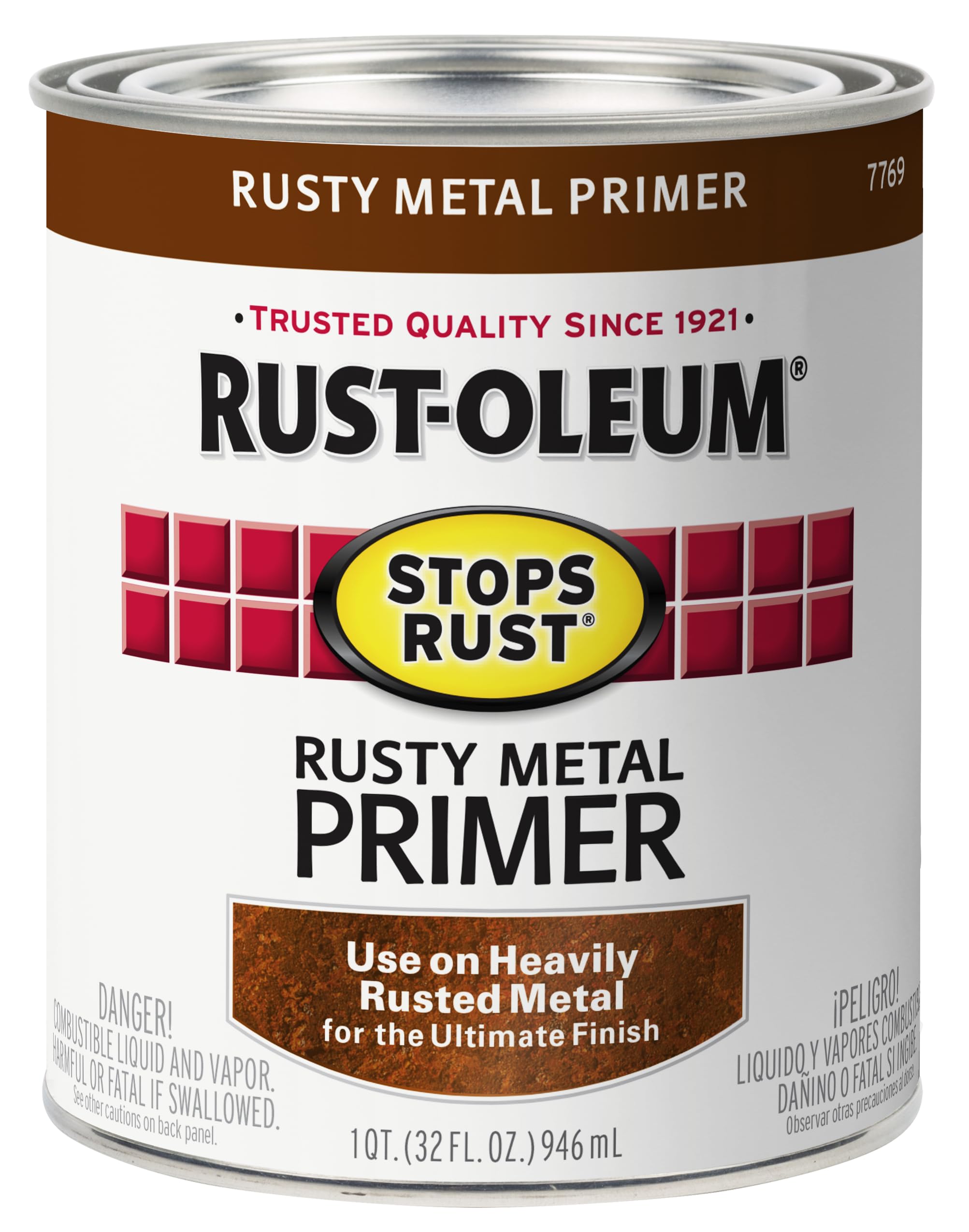
The Rust-Oleum Stops Rust Rusty Metal Primer is an oil-based formula engineered specifically for heavily corroded exterior and interior metal surfaces. It dries to a matte brown finish that creates a uniform base for topcoat adhesion while actively preventing flash rust from forming beneath the paint layer. The quart can covers between 65 and 110 square feet, making it cost-effective for large-scale projects like trailers, machinery, and structural steel.
Long-term users consistently rank this as a go-to primer for custom motorcycle frames, industrial equipment, and outdoor metal fixtures. The oil-based chemistry provides excellent bite on rough, pitted surfaces where water-based alternatives struggle to bond. Owners report that thorough surface prep — wire brushing loose rust, applying a phosphoric acid treatment, and wiping with a prep solvent — dramatically improves the final durability. The primer sands smooth and accepts both oil-based and latex topcoats without compatibility issues.
The full cure time of four hours allows for same-day topcoating in most climates, and the thick consistency minimizes drips on vertical panels when applied with a brush or roller. For projects where the rust is too deep for a converter alone but the surface still needs a paint-ready finish, this primer delivers the adhesion and corrosion resistance that budget-oriented products cannot match. Rust-Oleum’s decades of formulation experience show in the consistent film build and reliable rust-stopping performance.
What works
- Oil-based formula bonds aggressively to pitted and rough rusted metal
- Sands smooth and accepts both oil and latex topcoats without issues
- Large quart coverage suits extensive chassis and equipment projects
What doesn’t
- Requires thorough surface prep including rust removal and chemical treatment
- Oil-based cleanup requires mineral spirits, not water
4. JENOLITE Waxoil Rust Prevention Aerosol

JENOLITE Waxoil brings a thick, waxy rust prevention formula that drives out moisture and leaves a clear, self-sealing film on application. The aerosol format targets difficult-to-reach areas such as box sections, inner panels, door cavities, sills, and wheel arches where moisture collects and corrosion starts. The advanced formulation stays chemically active over time — if the coating gets scratched or punctured, it self-heals and continues providing protection without manual touch-up.
British automotive owners have trusted Waxoil for decades in wet, salt-heavy road conditions, and the aerosol version makes cavity waxing accessible without specialized spray equipment. Reviewers note that the clear film dries to a waxy finish that remains pliable, unlike brittle coatings that crack with thermal cycling. Users treating suspension components and camper slide rails report long-lasting results that outlast lanolin-based oils, which can smell unpleasant and leave a sticky residue that attracts grime.
The 16-ounce can covers a full set of front suspension components with material to spare, and the spray nozzle delivers a directed stream for precise application. For owners who prefer a clean, nearly invisible protective layer over the greasy appearance of traditional undercoating, the Waxoil balances effectiveness with aesthetics. The self-sealing property is particularly valuable on components exposed to road debris where minor impacts are common.
What works
- Self-sealing film repairs minor scratches without reapplication
- Clear finish avoids the messy appearance of lanolin-based coatings
- Aerosol format reaches deep into box sections and cavity panels
What doesn’t
- Waxy film remains soft and can attract dirt in high-exposure areas
- Not designed as a paintable primer for visible body panels
5. RUSTINS RUSC250 Rust Converter Water-Based Renovator

The RUSTINS RUSC250 is a water-based rust converter that stabilizes corroded metal with a protective black coating while sealing out moisture to prevent future oxidation. The unique selling point is its dual action: it neutralizes existing rust chemically and forms a primer layer that requires no additional undercoat before topcoating. The 250-milliliter tube format delivers controlled application for smaller repairs and touch-up work.
Users report excellent results on appliances, tub edges, and light-to-moderate rust patch repairs where full panel replacement is unnecessary. The converter dries to a matte red-black finish that indicates successful chemical conversion. Reviewers emphasize that thin, multiple coats yield far better results than a single heavy application — the product dries quickly when applied in thin layers but forms a rubbery film that is difficult to sand if laid on too thick.
One limitation that emerges from owner feedback is the product’s performance on vertical surfaces where water runoff during the drying phase can cause the treatment to bleed. For rusted areas that remain accessible and dry during the curing window, the RUSTINS converter provides an affordable, low-odor alternative to solvent-based options. The water-based nature means cleanup requires only soap and water, and the lack of harsh fumes makes it suitable for indoor workshop use without forced ventilation.
What works
- Water-based formula produces minimal odor for indoor application
- Chemical conversion creates a stable primer without separate undercoat
- Quick-drying thin coats speed up multi-layer repair cycles
What doesn’t
- Thick coats dry to a rubbery film that is difficult to sand smooth
- Water runoff on vertical surfaces can cause bleeding during cure
Hardware & Specs Guide
Chemical Conversion vs. Physical Barrier
Rust converters use phosphoric or tannic acid to react with iron oxide (FeO) and form a stable iron phosphate or iron tannate layer that bonds to the substrate. This chemical conversion changes the rust from an active, expanding compound into a passive, paintable surface. Physical barrier products, by contrast, rely on films of wax, oil, or polymer to block oxygen and moisture without altering the underlying rust chemistry. The best products combine both approaches for comprehensive protection.
Coverage Rate and Film Thickness
Coverage varies significantly by formulation: oil-based primers typically cover 65 to 110 square feet per quart, while aerosol waxy coatings cover roughly 12 to 16 square feet per 16-ounce can. Film thickness directly correlates with durability — thicker films resist abrasion and stone chips better but take longer to cure. Water-based converters require multiple thin coats to build adequate film thickness without cracking or rubberizing.
Dry Time and Cure Window
Touch-dry times range from one hour for aerosol inhibitors to four hours for oil-based primers. Full cure times extend to 24 hours for high-build encapsulators and up to 48 hours for thick waxy coatings. Temperature and humidity directly affect curing speed — cool, damp conditions can double manufacturer-recommended dry times. Rushing the cure window before applying topcoats or exposing the treated surface to moisture is the most common cause of premature failure.
Surface Preparation Requirements
All rust neutralizers require at minimum the removal of loose scale and flaking rust through wire brushing, sanding, or abrasive blasting. Converters work best when applied directly to firmly adherent rust — they cannot bond to clean bare metal or to heavily oiled surfaces. Oil-based primers require a separate degreasing step with mineral spirits, while water-based products tolerate mild detergent cleaning. The difference between a treatment that lasts five years and one that fails in five months is almost always in the surface prep.
FAQ
Can I paint over a rust neutralizer after it dries?
How long does a rust converter treatment last on a vehicle frame?
Is a rust converter better than a rust inhibitor for underbody protection?
Final Thoughts: The Verdict
For most buyers, the best automotive rust neutralizer winner is the Meuvcol 2 in 1 Rust Converter & Metal Primer because it combines chemical conversion and primer application in a single, hard-drying formula that saves time and delivers consistent results on frames, trailers, and chassis components. If you need the longest possible protection span in saltwater or brine environments, grab the CorrosionX Heavy Duty Anti Rust Spray for its self-healing five-year barrier. And for a budget-friendly cavity wax that reaches deep into box sections, nothing beats the JENOLITE Waxoil Rust Prevention Aerosol.

Certification: BSc in Mechanical Engineering
Education: Mechanical engineer
Lives In: 539 W Commerce St, Dallas, TX 75208, USA
Md Amir is an auto mechanic student and writer with over half a decade of experience in the automotive field. He has worked with top automotive brands such as Lexus, Quantum, and also owns two automotive blogs autocarneed.com and taxiwiz.com.