A failing position sensor sends ambiguous signals — rough idle, hard starts, erratic shifting, or a glowing check engine light. Track down the root cause and you still face the question: which replacement restores factory-correct readings and actually holds up past the first oil change. The answer depends on sensor type, output signal format, and whether the part was engineered for your specific engine management system.
I’m Amir — the founder and writer behind Four Wheel Ask. My research focuses on cross-referencing OE supplier data, aftermarket testing protocols, and long-term owner feedback to separate parts that deliver consistent readings from those that drift over time.
Each sensor category — camshaft, crankshaft, throttle, transmission range, and accelerator pedal — serves a distinct control function, and mixing up signal types or mounting geometry leads to repeat labor. Selecting the proper best automotive position sensor for your specific vehicle prevents misfires, rough idle, and persistent check engine light issues.
How To Choose The Best Automotive Position Sensor
Position sensors convert mechanical movement into an electrical signal the engine control module uses to time fuel delivery, spark events, throttle angle, and transmission behavior. Selecting the wrong type or a part with poor signal fidelity introduces drivability issues that are hard to diagnose. Focus on three criteria before you buy.
Sensor Type and Application
Camshaft and crankshaft sensors detect rotational speed and position of the valvetrain and crank, respectively. Throttle position sensors report butterfly valve angle to regulate air-fuel mixture. Transmission range sensors tell the module which gear is selected, and accelerator pedal sensors interpret driver demand. Verify the exact sensor category your vehicle requires before cross-referencing part numbers.
Signal Output and Compatibility
Output types fall into digital (hall-effect or variable reluctance) and analog (potentiometric) formats. Digital sensors provide a clean on-off signal less susceptible to voltage drop, while analog sensors deliver a continuous voltage curve. The engine control unit expects a specific output profile — installing a sensor with the wrong signal type causes immediate fault codes and no-start conditions.
Build Quality and Sourcing
OE-tier suppliers like Bosch, Hitachi, and Delphi manufacture sensors that meet original equipment specifications for temperature range, vibration resistance, and signal tolerance. Aftermarket brands vary widely — some replicate OE specs precisely, while others use cheaper internal components that degrade faster. Check for metal or reinforced plastic housings, sealed connectors, and warranty coverage that signals the manufacturer’s confidence.
Quick Comparison
On smaller screens, swipe sideways to see the full table.
| Model | Category | Best For | Key Spec | Amazon |
|---|---|---|---|---|
| ACDelco Gold 213-4668 | Throttle Position | OEM-grade reliability | Stainless steel, bolt mount | Amazon |
| Hitachi CPS0005 | Camshaft Position | OE supplier accuracy | High accuracy, metal housing | Amazon |
| Delphi SS10382 | Throttle Position | Value with OE heritage | Metal and plastic, digital output | Amazon |
| BOSCH 0261210177 | Crankshaft Position | OE engine timing precision | Digital output, wide temperature range | Amazon |
| Dorman 699-101 | Accelerator Pedal | Plug-and-play pedal replacement | Plug-in mount, no programming needed | Amazon |
| Dorman 511-101 | Transmission Range | Reliable shift detection | Alloy steel, flange mount | Amazon |
| Genuine Hyundai 39350-2B030 | Camshaft Position | Direct factory fit for Hyundai | Ceramic and metal, 12V system | Amazon |
| TRQ ESA43116 | Crankshaft Position | DIY-friendly direct replacement | Metal and plastic, flange mount | Amazon |
| Motorcraft DU-70 | Cam Position | Extreme-condition durability | Engine mount, digital output | Amazon |
| Standard Motor Products TH190T | Throttle Position | Budget-friendly basic swap | ±2% accuracy, flange mount | Amazon |
| A-Premium APCPS551MF | Cam & Crank Combo | Multi-sensor value set | 3-pin blade, 3-sensor kit | Amazon |
In‑Depth Reviews
1. ACDelco Gold 213-4668 Throttle Position Sensor
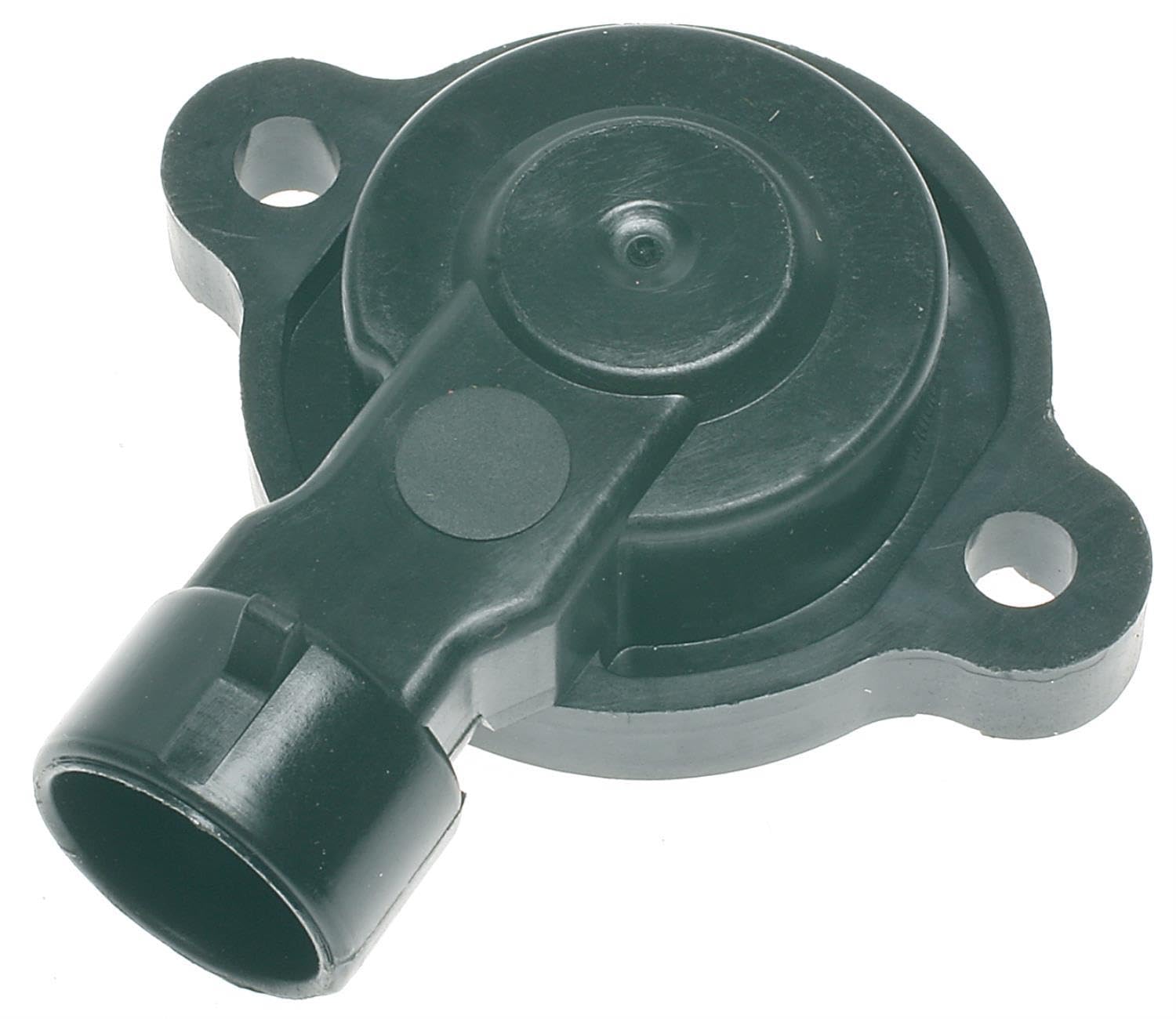
ACDelco’s Gold series occupies the sweet spot between factory-original fitment and aftermarket availability. The 213-4668 throttle position sensor uses a stainless steel housing and bolt-on mounting that mirrors the geometry of the OEM unit, which eliminates the need for bracket modifications or adapter plates. The internal potentiometer delivers a smooth voltage sweep across the full throttle range, giving the engine control module consistent data for fuel trim and spark advance calculations.
What sets this sensor apart from budget alternatives is the signal stability over temperature variation. The Gold line undergoes testing for thermal drift and mechanical wear before release, a step many generic brands skip. Owner reports across multiple GM platforms indicate that the 213-4668 restores factory idle quality and throttle response without the re-adaptation issues that sometimes follow aftermarket sensor swaps.
Installation is straightforward — two bolts and a connector — but the real value lies in the construction quality. The stainless steel body resists corrosion from underhood moisture and road salt better than zinc-plated or plastic housings. If you want a throttle position sensor that fits right, signals cleanly, and stays accurate past the first season, this ACDelco part justifies the investment.
What works
- Corrosion-resistant stainless steel housing
- Bolt-on geometry matches OEM exactly
- Smooth voltage sweep for stable idle
What doesn’t
- Premium pricing relative to generic alternatives
2. Hitachi CPS0005 Engine Camshaft Position Sensor

Hitachi is a Tier 1 OE supplier for several major automakers, and the CPS0005 camshaft position sensor carries that factory engineering pedigree into the aftermarket. The sensor is manufactured from 100 percent new materials — no remanufactured internals — and the metal housing provides robust shielding against electromagnetic interference that can corrupt signal timing on modern engines with high-energy ignition systems.
Accuracy is the headline metric here. The CPS0005 is rated for high measurement precision, which directly affects variable valve timing actuation and cam-crank correlation. When the camshaft position signal drifts, the engine control module may advance or retard timing incorrectly, leading to reduced power or knock events. Owner feedback indicates this sensor resolves cam correlation DTCs on applications where generic replacements triggered intermittent faults.
The sensor supports both analog and digital output configurations, which broadens its compatibility across engine families that use different signal processing architectures. That dual-output flexibility makes it a viable option for shops that work on multiple makes and need one reliable reference part. If you prioritize signal integrity and OE-level build standards, the Hitachi CPS0005 delivers measurable improvement over no-name alternatives.
What works
- 100 percent new construction, no remanufactured parts
- High accuracy measurement for precise cam timing
- Dual output format broadens compatibility
What doesn’t
- Limited fitment data for older or niche platforms
3. Delphi SS10382 Throttle Position Sensor

Delphi brings over 80 years of OE manufacturing experience into the SS10382 throttle position sensor, and that history translates directly into fitment accuracy. The sensor body combines a metal base with a reinforced plastic cover, striking a balance between structural rigidity and weight savings. The flange mount pattern matches the original equipment layout, which prevents the connector misalignment that sometimes occurs with off-brand units.
The output signal is digital, which means the engine control module receives a clean on-off voltage transition rather than a variable analog curve. Digital throttle position sensors are less prone to voltage drop across long wiring runs and resist degradation from connector corrosion. This makes the SS10382 a solid choice for older vehicles where the wiring harness may have accumulated some resistance over time.
What makes this sensor a strong value pick is the combination of brand heritage and price positioning. Delphi does not cut internal component quality to hit a lower price point — the resistive element and wiper arm are built to the same standards used in original equipment contracts. You get OE-derived engineering without the dealership markup, which is exactly the value proposition most DIY owners are looking for.
What works
- OE heritage with over 80 years of supplier experience
- Digital output resists signal degradation
- Flange mount aligns perfectly with factory pattern
What doesn’t
- Plastic housing less impact-resistant than full metal
4. BOSCH 0261210177 Original Equipment Crankshaft Position Sensor

Bosch is the original equipment supplier for many Volkswagen and Audi engine families, and the 0261210177 crankshaft position sensor is the same unit that left the factory — minus the branded packaging. That distinction matters because crankshaft position is the primary control variable for ignition timing; if the sensor delivers inaccurate speed readings, the entire combustion event sequence drifts off schedule.
The design philosophy here focuses on resistance to external interference and temperature extremes. The sensor uses a digital measurement architecture that filters out electrical noise from adjacent components, such as alternators and ignition coils. The operating temperature range covers both arctic cold starts and post-shutdown heat soak, conditions where cheap sensors often produce erratic signals or fail completely.
Compatibility is specific to select Audi and Volkswagen models equipped with the 1.8T and 2.8L engines, so careful fitment verification is essential before purchase. Owner reports consistently note that the Bosch sensor eliminates long-crank and no-start conditions that plagued their vehicles with aftermarket units. For European applications, this is the reference standard.
What works
- Actual OE part used on factory production lines
- Digital architecture rejects electrical interference
- Wide temperature range for extreme conditions
What doesn’t
- Narrow fitment limited to specific Audi/VW engines
5. Dorman 699-101 Accelerator Pedal Position Sensor

The Dorman 699-101 addresses a specific failure point — the accelerator pedal position sensor — that generates drive-by-wire faults and reduced-power warnings. Dorman engineered this sensor as a direct replacement for the original assembly, matching the physical footprint and connector layout so no wiring splicing or bracket fabrication is required. The plug-in mount design simplifies installation to a remove-and-replace operation.
No special programming or tooling is needed after installation. Some accelerator pedal sensors require a calibration procedure using a factory scan tool; the 699-101 is designed to auto-calibrate through normal throttle cycling. This feature saves diagnostic time and eliminates the need for a trip to the dealership just to reflash the module.
Dorman subjects this sensor to extensive testing for endurance and signal consistency before release. The TPU material construction provides flexibility where needed for vibration isolation while maintaining structural integrity around the mounting points. Owners report the 699-101 resolves pedal-position-related codes on the first drive without adaptation hiccups. If your vehicle is experiencing intermittent reduced power with no mechanical throttle body issues, this sensor is a logical first swap.
What works
- Plug-and-play installation with no programming required
- Auto-calibrates through normal pedal cycling
- Extensive endurance testing before release
What doesn’t
- Fitment must be confirmed via vehicle-specific check
6. Dorman 511-101 Transmission Range Sensor

The transmission range sensor — sometimes called the neutral safety switch — tells the powertrain control module which gear position the driver has selected. When this sensor fails, the vehicle may not start, shift unexpectedly, or illuminate the check engine light with a range-related code. Dorman’s 511-101 is built specifically for select Ford and Lincoln models and uses an alloy steel housing that withstands transmission fluid exposure better than plastic alternatives.
The manufacturing process includes verification of the internal contact pattern to ensure each gear position produces the correct voltage signature. Out-of-spec contacts create ambiguity between park and neutral or between drive and manual modes, which can cause starting refusal or unintended shifting. Dorman’s team of product engineers in the United States oversees this sensor’s development, with over a century of combined automotive experience informing the design.
Installation requires removing the old sensor and bolting the new unit into the same location — the flange mount pattern matches the original. The push-button output type interfaces with Ford’s transmission control strategy without adapter harnesses. Owner reports indicate this sensor resolves intermittent no-start conditions linked to neutral safety switch failure, making it a targeted fix rather than a speculative replacement.
What works
- Alloy steel housing resists transmission fluid damage
- Engineered to match original contact signal pattern
- Backed by Dorman’s US-based engineering team
What doesn’t
- Vehicle fitment must be verified before purchase
7. Genuine Hyundai 39350-2B030 Camshaft Position Sensor
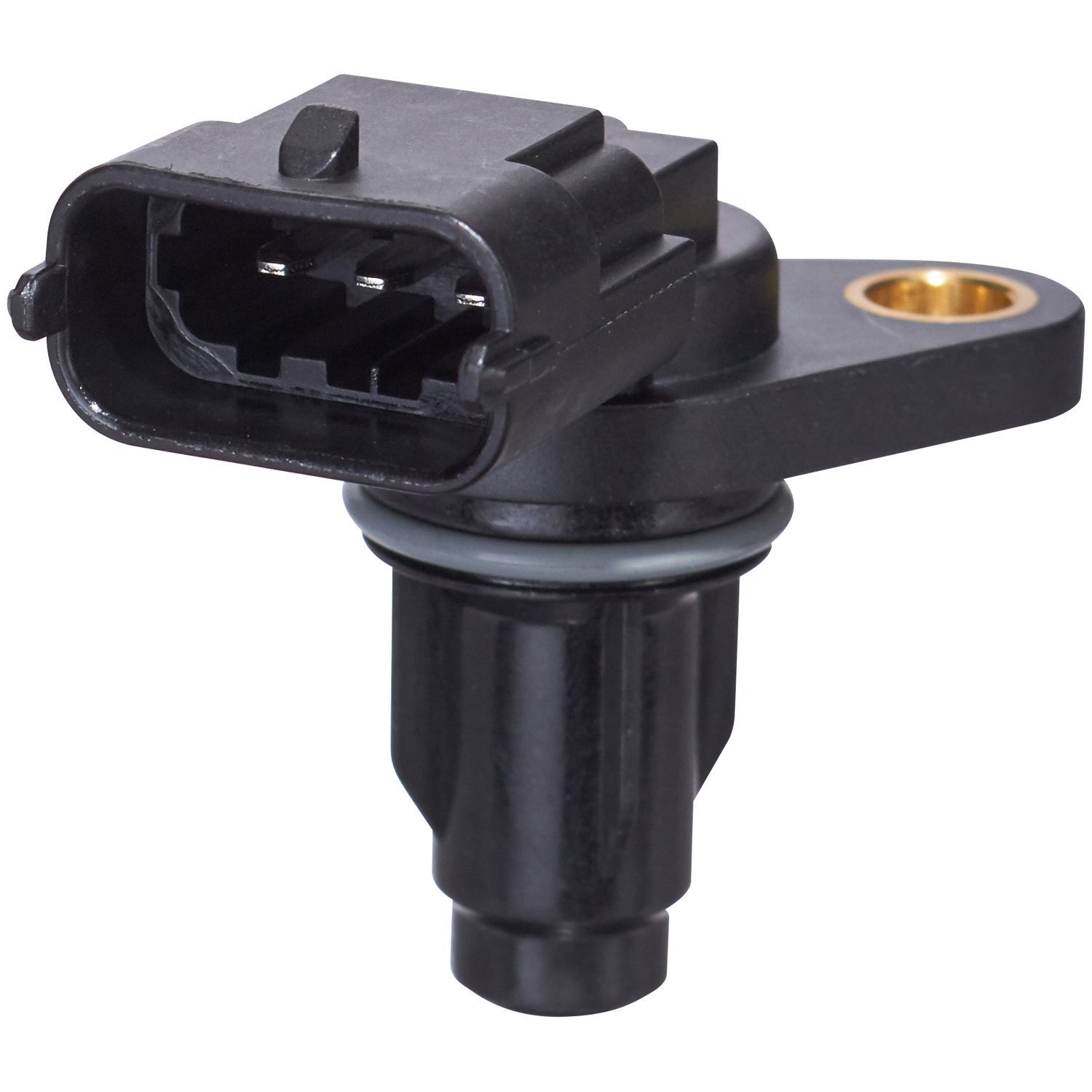
The Genuine Hyundai 39350-2B030 is the exact factory part installed at the assembly plant, not a cross-reference or aftermarket interpretation. This matters for Hyundai and Kia vehicles where the engine control module expects a specific internal resistance value and signal rise time. Off-spec sensors can trigger camshaft position correlation codes even when the mechanical timing is correct.
The sensor construction uses a ceramic element housed within a metal body, providing thermal stability that prevents signal drift as the engine reaches operating temperature. Ceramic internal components resist the cyclic thermal expansion that degrades plastic-based sensors over time. The 12-volt DC supply voltage is standard for this sensor family, and the push-pull output type integrates directly with Hyundai’s engine management architecture.
Because this is a genuine OEM part, the warranty coverage comes directly from Hyundai’s factory warranty program — no third-party guarantee to manage. The downside is that the price reflects dealership-level markup compared to aftermarket equivalents. If you want absolute certainty that the sensor matches the original specifications down to the connector color code, the Genuine Hyundai part eliminates all compatibility guesswork.
What works
- Exact factory part with no aftermarket adaptation
- Ceramic element provides thermal stability
- Covered by Hyundai’s factory warranty
What doesn’t
- Higher cost than aftermarket cross-reference parts
8. TRQ ESA43116 Crankshaft Position Sensor
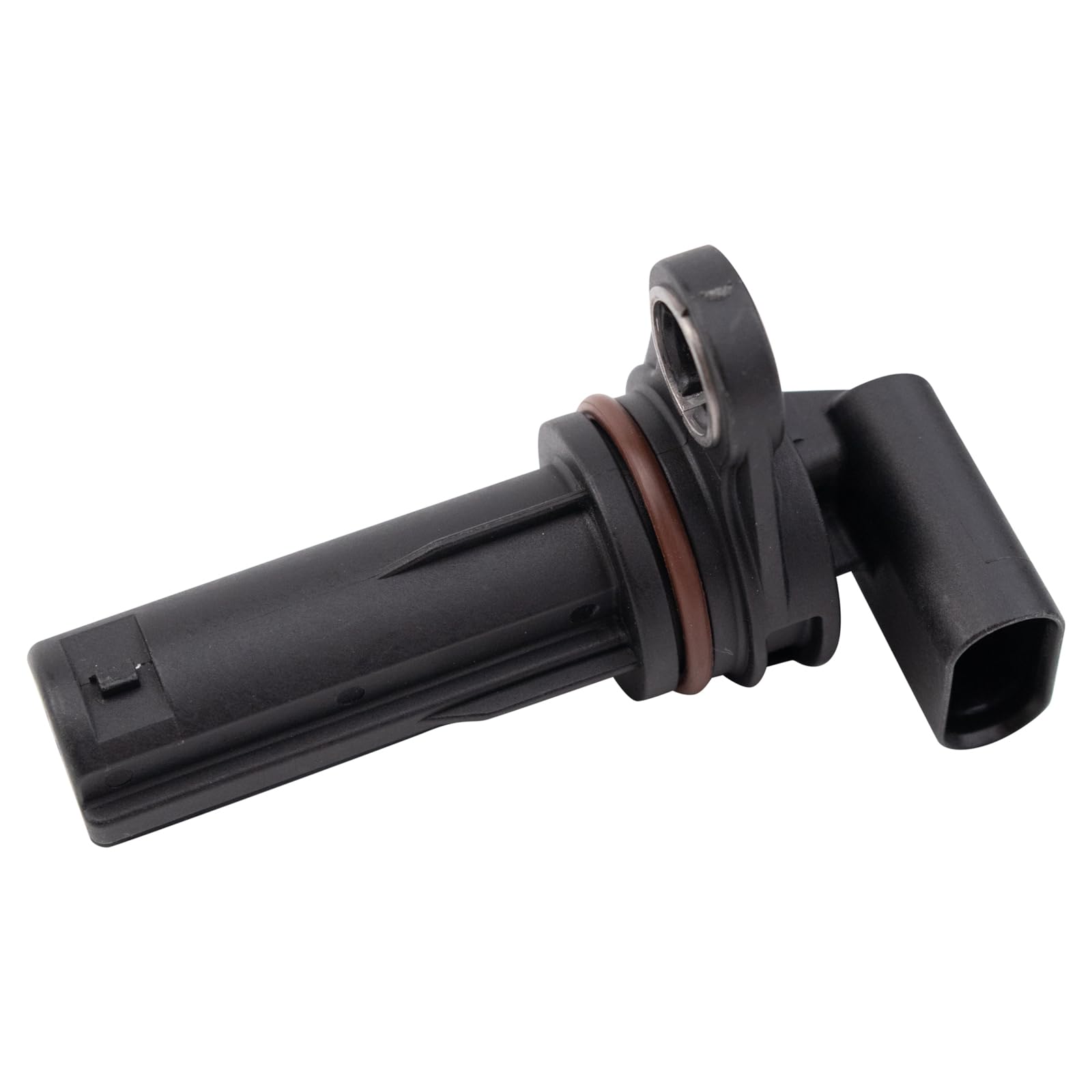
TRQ focuses on the DIY installer who wants direct-fit replacement parts without the dealership visit. The ESA43116 crankshaft position sensor is pre-assembled as a direct OE replacement — no cutting, splicing, or bracket modification required. Compatibility covers the Jeep Grand Cherokee and Wrangler 3.6L V6 engines as well as several Cherokee variants, which are common platforms in the enthusiast community.
The sensor construction uses both metal and plastic materials, with the critical sensing tip encased in a sealed housing that resists oil contamination. A contaminated sensor tip produces intermittent signal dropout that is difficult to diagnose because the fault appears only under specific temperature or RPM conditions. TRQ includes a full compatibility chart and references multiple OE interchange numbers to reduce ordering errors.
What distinguishes TRQ from other budget-focused brands is the video support ecosystem. TRQ offers the largest catalog of DIY installation videos for replacement parts, allowing you to preview the exact R&R procedure before touching a tool. For an owner swapping a crankshaft sensor on a Jeep 3.6L — where the sensor is located in a tight spot near the transmission bell housing — that video reference can save significant labor time.
What works
- Direct-fit design eliminates modification work
- Sealed tip resists oil contamination
- Extensive DIY video library for installation guidance
What doesn’t
- Mixed housing materials may not be as durable as full metal
9. Motorcraft DU-70 Cam Position Sensor

Motorcraft is Ford’s official parts brand, and the DU-70 cam position sensor carries the same engineering approval as the component that ships on new vehicles. The sensor is designed for crankshaft position monitoring rather than camshaft — the product description specifies crankshaft position use — and the engine mount design ensures it stays secured against vibration loosening.
The digital output format provides a clean signal that the powertrain control module can read without conditioning, which is critical for crank position sensing where misreads cause immediate no-start conditions. Motorcraft specifically tests this sensor for fatigue failure resistance and extreme-condition reliability, meaning it must pass Ford’s internal validation cycles before receiving the blue oval branding.
One notable detail is the weight — the DU-70 is exceptionally light at 0.01 ounces, which reflects the compact internal electronics package. Owner feedback on Ford and Lincoln applications indicates that this sensor resolves intermittent crank-no-start complaints where aftermarket sensors produced borderline voltage that the module rejected. If you prefer genuine Ford parts for your Ford vehicle, the Motorcraft DU-70 is the correct specification reference.
What works
- Ford genuine parts division with factory validation
- Compact, lightweight design for tight engine bays
- Fatigue-tested for long service life
What doesn’t
- Limited to Ford and Lincoln engine applications
10. Standard Motor Products TH190T Throttle Position Sensor

Standard Motor Products has served the automotive aftermarket for decades, and the TH190T reflects their focus on delivering functional replacement parts at accessible pricing. The throttle position sensor uses a push-pull output type that works with older engine management systems relying on analog voltage curves. The measurement accuracy is rated at ±2 percent, which falls within the tolerance window for most non-precision applications.
The flange mount configuration matches the standard throttle body attachment pattern, making it easy to install without adapter brackets. The sensor body dimensions are compact at 2 x 1.4 x 3.4 inches, which clears intake plumbing on tight engine layouts. Standard products are manufactured in the United States, which simplifies supply chain verification for shops that prefer domestic sourcing.
What keeps this sensor in the value category rather than premium is the use of a lighter-duty internal potentiometer compared to OE-tier parts. For a daily driver with moderate mileage accumulation, the TH190T performs adequately and resolves basic throttle position code issues. If you need a quick, cost-effective fix and plan to keep the vehicle for only a few more years, this Standard product gets the job done without over-spending.
What works
- US-based manufacturing for consistent quality
- ±2 percent accuracy within OEM tolerance window
- Compact dimensions for tight throttle body areas
What doesn’t
- Lighter-duty potentiometer than premium-tier alternatives
11. A-Premium APCPS551MF Camshaft & Crankshaft Position Sensor Combo

The A-Premium APCPS551MF is a three-sensor kit that bundles two camshaft position sensors and one crankshaft position sensor for Nissan and Infiniti V6 applications — specifically the 3.5L VQ engine family. For owners of Altima, Maxima, 350Z, Murano, Quest, FX35, G35, or M35 models, this kit covers all three engine timing sensors in one purchase, which simplifies maintenance if you are already replacing the timing chain or performing top-end work.
Each sensor uses a 3-pin blade terminal connector and a black plastic housing with a flange mount pattern. The reference numbers cross to multiple OEM part numbers including the 23731 and 23731 sensor families, which confirms that the physical dimensions match the factory sensor bodies. The kit comes packaged in a box with individual wrap for each sensor, reducing the risk of damage during shipping.
A-Premium backs the kit with a one-year unlimited-mileage warranty, though the terms cover only the part cost and exclude labor, towing, or incidental repair expenses. This is a budget-conscious bundle designed for the owner who wants to replace all three sensors preventively rather than diagnosing each one individually. For the price, you get functional replacements that resolve most VQ cam and crank sensor codes, but the plastic housing and generic sourcing mean long-term durability will not match OE-tier parts.
What works
- Complete three-sensor kit for VQ engine family
- Cross-references multiple OEM part numbers
- One-year warranty for part replacement
What doesn’t
- Plastic housing less durable than metal alternatives
- Warranty excludes labor and incidental costs
Hardware & Specs Guide
Output Signal Type
The two most common output architectures are digital (hall-effect or variable reluctance) and analog (potentiometric). Digital sensors produce a square-wave signal that the engine control module reads as a clean on-off state, which is ideal for high-RPM accuracy and interference rejection. Analog sensors output a continuous voltage curve that varies with position, used mainly for throttle position and accelerator pedal sensors where the module needs to interpret a range of values rather than a single trigger point. Choosing a sensor with the wrong output type for your vehicle’s ECU results in immediate fault codes and improper fuel or timing calculations.
Mounting Configuration
Flange mounts are the most common pattern for camshaft, crankshaft, and throttle position sensors, using one or two bolts to secure the sensor body to the engine or throttle housing. Bolt-on and engine mount variants offer additional security in high-vibration environments but require precise alignment. Plug-in mount designs, seen primarily on accelerator pedal sensors, rely on a connector bracket rather than fasteners and must match the vehicle’s pedal assembly geometry exactly. Verify the mounting type against your original sensor before ordering to avoid return shipping delays.
Material Construction
Housing materials range from all-metal designs (stainless steel, alloy steel) to hybrid constructions with plastic covers over metal bases. Full metal housings provide superior heat dissipation and corrosion resistance, which matters for sensors located near exhaust manifolds or exposed to road salt. Plastic housings reduce weight and cost but are more susceptible to thermal cycling cracks and connector tab breakage during removal. Internal materials such as ceramic sensing elements offer better thermal stability than polymer-based alternatives, directly affecting signal drift over the sensor’s service life.
Temperature and Voltage Ratings
Automotive position sensors must operate reliably across underhood temperature swings from -40°F to over 300°F. The maximum supply voltage rating is typically 12 volts DC, but the internal regulation components determine how well the sensor maintains accuracy during voltage fluctuations from the charging system. Sensors with wider operating temperature ranges and internal voltage regulation maintain consistent output even during hot restart events or cold-start enrichment cycles, reducing the likelihood of intermittent failure that is difficult to diagnose.
FAQ
What happens when an automotive position sensor fails?
Can I clean a position sensor instead of replacing it?
How do I verify sensor compatibility before buying?
What is the difference between camshaft and crankshaft position sensors?
Are genuine OEM sensors worth the higher cost?
Final Thoughts: The Verdict
For most buyers, the best automotive position sensor winner is the ACDelco Gold 213-4668 because it combines stainless steel construction, bolt-on OE geometry, and stable signal output at a price that reflects real engineering investment. If you want high accuracy and OE-supplier pedigree for camshaft applications, grab the Hitachi CPS0005. And for a complete sensor bundle that covers all three timing positions on Nissan VQ engines at once, the A-Premium APCPS551MF kit delivers unmatched value.

Certification: BSc in Mechanical Engineering
Education: Mechanical engineer
Lives In: 539 W Commerce St, Dallas, TX 75208, USA
Md Amir is an auto mechanic student and writer with over half a decade of experience in the automotive field. He has worked with top automotive brands such as Lexus, Quantum, and also owns two automotive blogs autocarneed.com and taxiwiz.com.