An interior that rattles, sags, or peels pulls the pride out of any vehicle. Whether it’s a headliner drooping in the heat, a loose armrest, or a vinyl seat tear, the wrong adhesive wastes time and leaves a mess. The right bond restores the factory feel and lasts through temperature swings and vibration.
I’m Amir — the founder and writer behind Four Wheel Ask. I’ve spent years analyzing automotive adhesive formulations, reading thousands of owner reports, and comparing peel strength, heat resistance, and cure behavior across dozens of products to separate the keepers from the goo that fails.
The trick is matching the chemistry to the material and the environment. After extensive research into shelf data and real-world feedback, I’ve identified the best auto interior adhesive options that consistently deliver permanent, professional-grade repairs.
How To Choose The Best Auto Interior Adhesive
Interior adhesives must cope with extreme heat, cold, vibration, and sometimes moisture. The wrong choice leads to bubbling, sagging, or re-doing the job within weeks. Here are the critical factors to weigh before pulling the trigger.
Temperature Resistance Range
Summer interior temps can exceed 140°F in direct sun; some adhesives soften or lose grip. Look for a rated range that covers at least -20°F to 200°F. The best options tolerate 240°F continuous and peak bursts higher.
Material Compatibility
Not all glues bond equally to fabric, foam, vinyl, plastic, or metal. Check the label for the specific materials you’re joining. For headliners, a flexible contact adhesive is essential; for rigid plastic trim, a gel cyanoacrylate or epoxy works better.
Cure Time & Work Time
Spray adhesives tack quickly — often in under a minute — which helps when bonding large panels. Liquid contact cements allow a few minutes of repositioning. Pastes and gels offer longer open times. Choose based on how precise you need to be.
Application Method
Aerosol sprays cover broad areas evenly; brush-on liquids get into tight corners; gel tubes let you place a bead exactly where needed. Each has its place. For most interior repairs, a combination approach works best.
Quick Comparison
On smaller screens, swipe sideways to see the full table.
| Model | Category | Best For | Key Spec | Amazon |
|---|---|---|---|---|
| Plasti Dip VLP Clear Vinyl Repair | Vinyl Repair | Convertible tops, tonneau covers | 1 oz tube, air‑dry, clear | Amazon |
| Gorilla Contact Adhesive Ultimate | Spray | Rugs, carpets, fabric bonding | 12.2 oz can, low VOC, 3‑way nozzle | Amazon |
| Lokweld Heat Resistant Contact Adhesive | Contact Adhesive | Carpet, headliners, upholstery | Quart, liquid, heat‑resistant | Amazon |
| Loctite Vinyl, Plastic, and Fabric Adhesive | Paste | Vinyl upholstery, plastic repairs | Pack of 2 tubes, 24‑h cure | Amazon |
| KRAFTPROTZ Automotive Super Glue Gel | Gel | Trim, brackets, bumpers | 1.76 oz, heat‑resistant to 230°F | Amazon |
| VerdeVilla Headliner Repair Glue | Brush‑on Liquid | Headliners, door panels, fabric | 150g, built‑in brush, -40°F to 248°F | Amazon |
| HOOK UP Vinyl Contact Cement | Liquid | Pool liners, inflatables, vinyl | 4 oz, waterproof, fast‑drying | Amazon |
| Polymat 777 Aerosol Spray Glue | Spray | Upholstery, foam, carpet | 12 oz can, fast tack, 120°F resist | Amazon |
| Siless Underfelt Carpet (Material) | Carpet Sheet | Speaker boxes, trunk lining | 59″x122″, polyester, cut to fit | Amazon |
| 3M Headliner & Fabric Adhesive | Aerosol | Automotive headliners, fabric bonding | Pack of 2, 18.1 oz each, 30‑60 min dry | Amazon |
| DAP Weldwood Landau Top & Trim Adhesive | Contact Adhesive | Automotive upholstery, foam, vinyl | 1 gal, solvent‑type, heat & water resistant | Amazon |
In‑Depth Reviews
1. Plasti Dip VLP Clear Vinyl Repair – 1 oz Tube

The Plasti Dip VLP isn’t a glue in the traditional sense — it chemically fuses with vinyl, creating a bond that outlasts any surface adhesive. This 1‑ounce tube punches far above its size for small tears, nicks, and perforations in convertible tops, tonneau covers, and vinyl upholstery. Owner reports confirm that a minimal dab, applied to a tacky state and pressed into the gap, delivers a repair that holds for years.
Customer feedback highlights a successful repair of a 4×4‑inch rip in a tonneau cover using backing tape and VLP — a fix that avoided a replacement. Another user noted excellent results on a convertible top, stressing that large damages require skill, not a product flaw. The finish dries clear, blending with colored materials, though very large gaps may need a backing layer for best appearance.
For anyone dealing with moderate vinyl damage, this is the most straightforward, low‑odor solution that doesn’t require special tools. Its curing mechanism — dissolving the vinyl surface — ensures the repair becomes part of the original material rather than sitting on top.
What works
- Chemically welds vinyl for a permanent bond
- Dries clear and blends with most colors
- Small tube lasts for many minor repairs
- No mixing or heat required
What doesn’t
- Not ideal for large gaps without backing tape
- Appearance on large areas may be imperfect
- Limited to vinyl and leather materials
2. 3M Headliner & Fabric Adhesive – 18.1 oz, Pack of 2

3M’s reputation in automotive adhesives is legendary, and this headliner formula lives up to it. The two‑pack gives you 36.2 ounces of spray — enough for a full SUV headliner plus door panels. The adjustable nozzle lets you control the spray pattern from a narrow stream to a wide fan, critical for reaching tight areas without overspray.
The moment‑of‑truth for any headliner glue is heat resistance. Owners working on restored classics report that even after baking in summer sun, the bond holds without sag. The aerosol dries clear and sets in 30 to 60 minutes, allowing you to press the fabric in place and move on. The formula resists moisture and humidity, which is why it’s a go‑to for shops doing overhead repairs.
If you’re replacing or re‑gluing an entire headliner, this is the safest bet. The pack of two removes the anxiety of running out mid‑project. While the cost per can is higher than generic sprays, the consistent performance and lack of failures make it a smart investment for serious restorations.
What works
- Exceptional heat and humidity resistance
- Controllable spray pattern with adjustable nozzle
- Dries clear – no staining on headliner fabric
- Pack of 2 covers large jobs
What doesn’t
- Expensive per ounce compared to bulk alternatives
- Strong solvent odor during application
- Not ideal for small spot repairs (overspray waste)
3. Gorilla Contact Adhesive Ultimate – 12.2 oz Spray
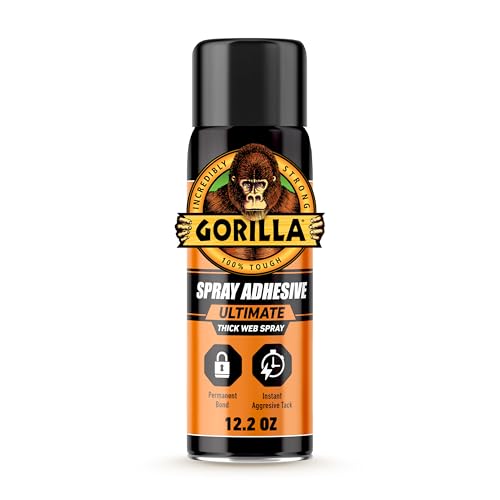
Gorilla has expanded beyond the familiar brown bottle into a full line of high‑strength adhesives. This contact spray is engineered for permanent bonds on materials from fabric and leather to metal and wood. The low‑VOC formula meets strict California CARB requirements, making it friendlier for indoor use or work in unventilated garages.
Owner feedback points to excellent results on carpet and rugs. One user bonded two rugs together to prevent floor slipping and staining, emphasizing that repositioning is virtually impossible once the surfaces touch. That’s the hallmark of a true contact adhesive — instant, aggressive tack. Spray it on both surfaces, let it dry a minute, then press together for a bond that only gets stronger over time.
The adjustable nozzle offers three spray settings: vertical, horizontal, and a narrow stream. In practice, even the narrow stream covers a wider area than some users prefer for small repairs. This glue shines for medium to large upholstery projects, speaker box carpeting, and re‑lining interior panels.
What works
- Aggressive tack with heat and moisture resistance
- Low VOC – safer for indoor workshops
- Works on a wide range of materials
- Permanent bond once set
What doesn’t
- No repositioning after contact
- Spray pattern may be too wide for small areas
- Hard to remove from skin (wear gloves)
4. KRAFTPROTZ Automotive Super Glue Gel – 1.76 oz
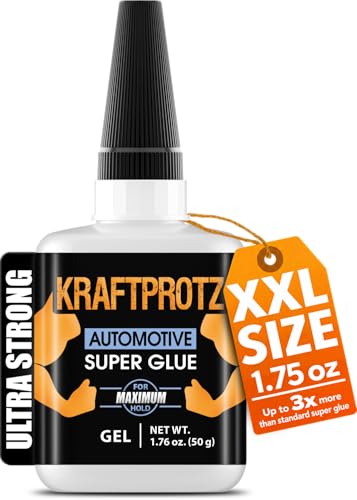
Cyanoacrylate glues often fail in automotive interiors because they turn brittle in heat or shrink in humidity. KRAFTPROTZ has formulated this gel specifically for vehicles, with a claimed heat resistance up to 230°F and a vibration‑dampening structure that withstands road shocks. The gel consistency is a huge advantage — it doesn’t drip on vertical surfaces like dashboard panels or trim.
The 1.76‑ounce bottle holds three times the glue of typical cyanoacrylate tubes, making it practical for mechanics and restorers who go through adhesive quickly. The anti‑clog tip keeps the nozzle clear even after weeks of sitting in a tool bag. Reports from owners repairing bumper clips, mirror housings, and fender brackets all confirm the bond holds through engine vibration and temperature cycles.
For those needing a precision glue for plastic, rubber, or metal interior parts, this is the strongest gel option available at this volume. The only trade-off: like all CAs, it bonds skin instantly, so careful application and gloves are mandatory.
What works
- No‑drip gel stays where applied
- Withstands heat, oil, and vibration
- XXL bottle for multiple repairs
- Anti‑clog nozzle for repeated use
What doesn’t
- Bonds skin instantly – requires caution
- Not suitable for fabric or foam repairs
- Clog possible if cap is not replaced tightly
5. Loctite Vinyl, Plastic, and Fabric Adhesive – Pack of 2

Loctite’s reputation for reliable consumer adhesives extends to this multi‑surface formula. It comes in a two‑tube pack, each containing a clear paste that works on vinyl, plastic, fabric, wood, and even glass. The paste consistency helps fill small gaps and avoids running into unwanted areas.
Real‑world users have attached lawn mower seat padding that lasted an entire mowing season, bonded epoxy and cloth for custom action figure masks, and repaired vinyl bar stools. The common thread is that surface preparation is critical — clean, dry surfaces yield a bond that feels permanent. One reviewer noted that the glue still “strings” if too much is applied, a minor nuisance that careful application solves.
For a versatile tube adhesive that covers multiple interior materials, this pack offers great value. The 24‑hour cure time is longer than some, but the result is a flexible bond that handles normal interior movement without cracking.
What works
- Multipurpose – bonds vinyl, plastic, fabric, wood
- Clear paste fills small gaps cleanly
- Two tubes for the price of one
- Flexible after curing
What doesn’t
- Stringy if overapplied
- Full cure takes 24 hours
- Not heat‑resistant enough for dashboard use
6. VerdeVilla Headliner Repair Glue – 150g with Brush
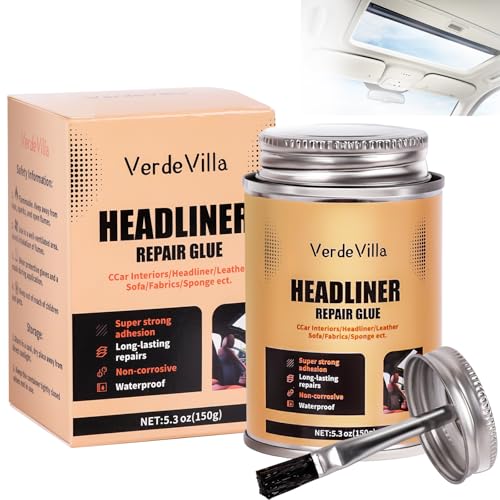
VerdeVilla’s headliner glue is formulated specifically for sagging roof liners, door panels, and fabric repairs. The built‑in brush in the cap allows direct, controlled application without needing a separate tool. The liquid penetrates foam-backed fabric well, creating a bond that stays flexible in freezing winters and won’t melt in summer heat.
Owner reports after six months show repairs holding strong on a 27‑year‑old headliner. The instructions recommend using a plastic putty tool to spread and press the fabric into the adhesive for best results. One user warned of a strong initial odor despite the “non‑toxic” label, advising those with chemical sensitivities to ventilate thoroughly. The glue holds well after two weeks, and the brush makes it easy to apply thin, even coats.
For a dedicated headliner fix that doesn’t break the budget, this is a solid pick. The temperature range of -40°F to 248°F covers extremes most drivers will never see, giving confidence that the repair will last through seasons.
What works
- Integrated brush for neat application
- Wide temperature tolerance
- Waterproof and flexible after cure
- Affordable for small repairs
What doesn’t
- Strong initial solvent smell
- Can seep through thin fabric if too much applied
- Brush quality could be improved
7. Polymat 777 Aerosol Spray Glue – 12 oz

Polymat’s 777 is an industrial‑grade aerosol designed for upholstery, foam, and speaker box carpet. It uses a lace spray pattern that minimizes soak‑in, preventing the glue from bleeding through thin fabrics. The fast tack creates a foam‑tearing strength bond almost immediately.
While customer reviews are sparse, the technical specs speak to its utility: no chlorinated solvents, good temperature resistance up to 120°F, and a soft glue line that doesn’t dimple the surface. This is the go‑to for attaching carpet to subwoofer boxes or re‑covering door panels where a wrinkly finish would be unacceptable.
The aerosol format makes it easy to coat large areas quickly. For anyone customizing interior panels or building speaker enclosures, this spray delivers professional results. The moderate heat limit means it’s best for interior surfaces not exposed to direct sunlight or engine heat.
What works
- Lace spray pattern prevents bleed‑through
- Foam‑tearing strength bond
- Fast tack for efficient workflow
- Environmentally friendly – no CFCs
What doesn’t
- Temperature limit of 120°F is low for summer interiors
- Not widely reviewed; less owner feedback
- Spray may overspray in tight spaces
8. HOOK UP Vinyl Contact Cement – 4 oz

HOOK UP offers a small‑format vinyl contact cement that punches above its weight. The 4‑ounce can includes a precision applicator nozzle for targeted repairs, and the formula dries quickly to form a waterproof seal. It’s designed for vinyl, PVC, rubber, and canvas — making it useful for interior repairs like torn seat vinyl or loose armrest covers.
Although review data is limited, the specs indicate it bonds well in wet conditions, which is relevant for vehicles that leak or are stored outdoors. The low viscosity helps it seep into cracks, but it also means the glue can run if overapplied. For small, specific vinyl fixes where a big can is wasteful, this is an economical choice.
The clear finish keeps repairs invisible. This glue is best suited for projects where environmental exposure is a concern, such as convertible interior repairs or marine‑adjacent vehicles.
What works
- Waterproof and weather‑resistant bond
- Precision tip for targeted application
- Fast‑drying formula
- Clear finish
What doesn’t
- Small bottle may not suit large jobs
- Limited customer reviews to validate claims
- Low viscosity can drip on vertical surfaces
9. Lokweld Heat Resistant Contact Adhesive – Quart
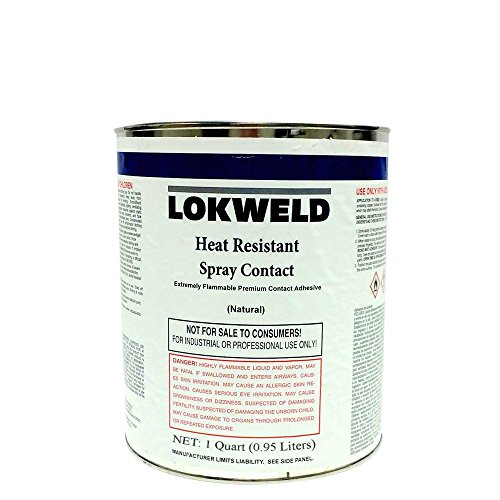
Lokweld’s quart‑sized contact adhesive is a solvent‑based formula aimed at heat‑sensitive applications like headliners and carpet. The liquid consistency requires a brush or roller for application, but it gives the user full control over coverage thickness. It bonds wood, carpet, metal, and leather — materials common in interior builds.
Without customer reviews to draw on, the primary data comes from the spec sheet: it uses toluene as a solvent (so ventilation is critical) and is labeled specifically for carpet, headliners, and upholstery. The heat resistance makes it suitable for interior panels that face sun exposure, though the exact temperature rating isn’t stated.
For bulk users who need a lot of adhesive and don’t mind a brush‑on application, this quart offers a low‑cost solution per ounce. It’s a professional‑grade product that requires careful handling but rewards with a strong, lasting bond.
What works
- Large quart size covers multiple projects
- Heat‑resistant formula
- Compatible with multiple materials
- Brush‑on eliminates overspray
What doesn’t
- Solvent‑based with strong fumes
- No applicator included; needs separate brush
- No customer reviews to confirm quality
10. DAP Weldwood Landau Top & Trim Adhesive – 1 Gal
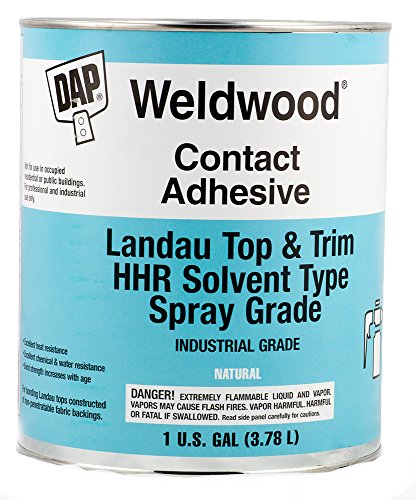
DAP’s Weldwood line has been a staple in automotive upholstery shops for decades. This gallon can delivers enough solvent‑type contact adhesive for professional‑scale headliner installations, vinyl top replacements, and trim bonding. It requires a spray gun or brush for application, making it a tool‑dependent product.
The formula is heat and water resistant, designed for interior and exterior use. It bonds foam, vinyl, and fabric permanently. Professional upholsterers choose this when they need a bond that won’t fail under the heat of a dark vinyl top on a summer day.
For the home user, the gallon quantity is massive — only recommended if you have multiple interiors to restore or plan to use it over many projects. The solvent fumes require full respiratory protection and ventilation. This is the heavy‑duty choice for those who treat interior work as a serious craft.
What works
- Industrial‑strength bond for vinyl and fabric
- High heat and moisture resistance
- Large gallon size for multiple jobs
- Trusted brand in professional shops
What doesn’t
- Requires a spray gun or brush – not ready‑to‑use
- Strong solvent odors – need ventilation
- Overkill for small repairs
11. Siless Underfelt Carpet – 59″x122″ Black

While Siless’s product is a carpet sheet rather than an adhesive, it’s included here because it directly complements interior adhesive projects — it’s the material often glued down for trunk lining, speaker boxes, and floor panel insulation. Made of 100% polyester fiber, it resists stains, won’t unravel, and is easy to cut with scissors or a utility knife.
Owner reviews highlight use in a 1968 Ford F100, where the black color matched the OEM carpet nearly perfectly. Another user found it easy to cut and glue to floorboards as padding and sound deadening. The 59×122-inch sheet covers nearly 50 square feet, enough for a full trunk or two smaller panels.
This is a companion product: you’ll need a quality adhesive (like the 3M or Polymat sprays) to attach it. But if your project involves replacing or adding carpet to interior surfaces, this felt provides professional results at a fraction of dealer pricing.
What works
- High‑quality polyester resists wear and stains
- Large sheet covers extensive area
- Easy to cut and shape
- Good color match for many factory interiors
What doesn’t
- Not an adhesive – requires separate glue
- Shipping packaging may cause folding creases
- Thickness may be too much for some tight panels
Hardware & Specs Guide
Cyanoacrylate Gel Adhesives
Instant‑bonding gels like the KRAFTPROTZ offer high shear strength on plastics and metals. They tolerate temperatures up to 230°F but become brittle in large gaps. Best for rigid interior parts that don’t flex.
Solvent‑Based Contact Cements
Products like DAP Weldwood and Lokweld create permanent bonds through solvent evaporation. They require proper ventilation and a brush or spray gun. Excellent for large‑area bonding of vinyl, foam, and carpet where flexibility and heat resistance are critical.
Aerosol Spray Adhesives
Gorilla, 3M, and Polymat offer convenient, even coverage. Ideal for headliners and upholstery. Look for adjustable nozzles and fast tack times. Watch out for overspray and ensure the temperature rating matches your climate.
Liquid & Brush‑On Solutions
Plasti Dip and Loctite use chemical fusion or paste to bond. Plasti Dip dissolves vinyl for a weld‑like repair, while Loctite offers a flexible paste. Both work best for spot repairs where a spray would waste product.
FAQ
What is the best all‑around adhesive for car interior repairs?
Can I use household super glue on car interior plastic?
How do I remove excess interior adhesive after it dries?
What temperature range should I look for in a headliner adhesive?
Is spray adhesive better than brush‑on for car interiors?
Final Thoughts: The Verdict
For most buyers, the best auto interior adhesive winner is the Plasti Dip VLP Clear Vinyl Repair because it chemically welds vinyl for a permanent fix that’s easy to apply and dries clear. If you need a heavy‑duty headliner bond, grab the 3M Headliner & Fabric Adhesive. And for precision repairs on trim or brackets, nothing beats the KRAFTPROTZ Automotive Super Glue Gel.

Certification: BSc in Mechanical Engineering
Education: Mechanical engineer
Lives In: 539 W Commerce St, Dallas, TX 75208, USA
Md Amir is an auto mechanic student and writer with over half a decade of experience in the automotive field. He has worked with top automotive brands such as Lexus, Quantum, and also owns two automotive blogs autocarneed.com and taxiwiz.com.