A trail helmet is the single most important piece of safety equipment a mountain biker owns, yet many riders still grab the cheapest shell on the shelf. The difference between a helmet that saves your brain and one that barely covers the basics comes down to impact management, fit stability, and ventilation engineering. Beyond the sticker shock, real protection relies on technologies like MIPS and extended rear coverage that separate a proper MTB helmet from a generic urban lid.
I’m Amir — the founder and writer behind Four Wheel Ask. My analysis here is rooted in years of comparing product specifications, studying independent impact test data, and aggregating feedback from thousands of verified owners across every major brand in the category.
Whether you are charging down black diamond trails or grinding through a cross-country loop, the right best adult mountain bike helmet balances rotational force protection with airflow that keeps your head cool on extended climbs. This guide evaluates seven of the most compelling options available today, from budget-conscious designs to premium trail-ready shells.
How To Choose The Best Adult Mountain Bike Helmet
Selecting a mountain bike helmet goes far beyond matching a color scheme to your frame. The trail environment demands specific features that a road or commuter helmet simply does not offer. Understanding the core engineering differences ensures you invest in real protection rather than just a shell.
Impact Protection Systems — MIPS and Beyond
The Multi-Directional Impact Protection System (MIPS) is a low-friction layer inside the helmet that allows the shell to rotate slightly on impact, reducing rotational forces to the brain. Many premium helmets now integrate MIPS directly into the fit system, saving weight and improving comfort. For aggressive trail and enduro riding, MIPS is the current baseline standard. Some brands also offer proprietary technologies like SPIN or WaveCel, but MIPS remains the most widely tested and accessible option.
Ventilation and Airflow Engineering
A mountain bike helmet must move air efficiently to prevent overheating on sustained climbs. Look for deep internal channeling with multiple forward-facing intake vents and rear exhaust ports. Vents alone do not guarantee cooling — the shape of the EPS liner and the shell’s internal air routing matter more than a high vent count. Helmets with 14 to 21 vents often balance structural integrity with airflow, though aggressive trail lids may sacrifice a few vents for extended rear coverage.
Fit Systems and Retention Quality
A helmet that shifts during a ride is a distraction and a safety hazard. The best helmets feature a micro-adjustable dial system at the rear that wraps around the occipital bone, securing the helmet without pressure points. Look for vertical adjustment bands that allow the helmet to sit correctly on different head shapes. Padding should be removable for washing and positioned to wick moisture away from the brow.
Coverage and Shell Construction
Trail helmets typically extend lower at the rear and temples compared to road helmets. This extra coverage protects the occipital region and temporal areas during falls. In-mold construction bonds the polycarbonate shell directly to the EPS foam liner, creating a lighter and more durable structure. Hard-shell helmets use a separate plastic layer over the foam, which adds weight but increases durability for riders who frequently crash or carry the helmet in a pack.
Quick Comparison
On smaller screens, swipe sideways to see the full table.
| Model | Category | Best For | Key Spec | Amazon |
|---|---|---|---|---|
| Fox Racing Mainframe MIPS | Premium | All-around trail protection with proven rotational safety | MIPS integrated fit, extended rear coverage | Amazon |
| Bell 4Forty MIPS | Premium | Riders wanting MIPS with a goggle-friendly visor | Float Fit integrated w/MIPS, sweat guide | Amazon |
| POC Tectal Race MIPS | Premium | Aggressive trail and enduro riding | Extensive temple coverage, goggle clip | Amazon |
| Giro Verce MIPS | Mid-Range | Riders with smaller head sizes seeking MIPS | Roc Loc Sport fit, in-mold construction | Amazon |
| Wildhorn Corvair | Mid-Range | Lightweight comfort on long rides | 11.3 oz weight, dial fit system | Amazon |
| Retrospec Rowan | Value | Budget-conscious trail riders | 14 vents, ErgoKnob dial, removable visor | Amazon |
| FUNWICT with Visor & Goggles | Value | Riders wanting integrated rear light and goggles | Rechargeable rear light, magnetic goggles | Amazon |
In‑Depth Reviews
1. Fox Racing Mainframe Mountain Bike Helmet MIPS
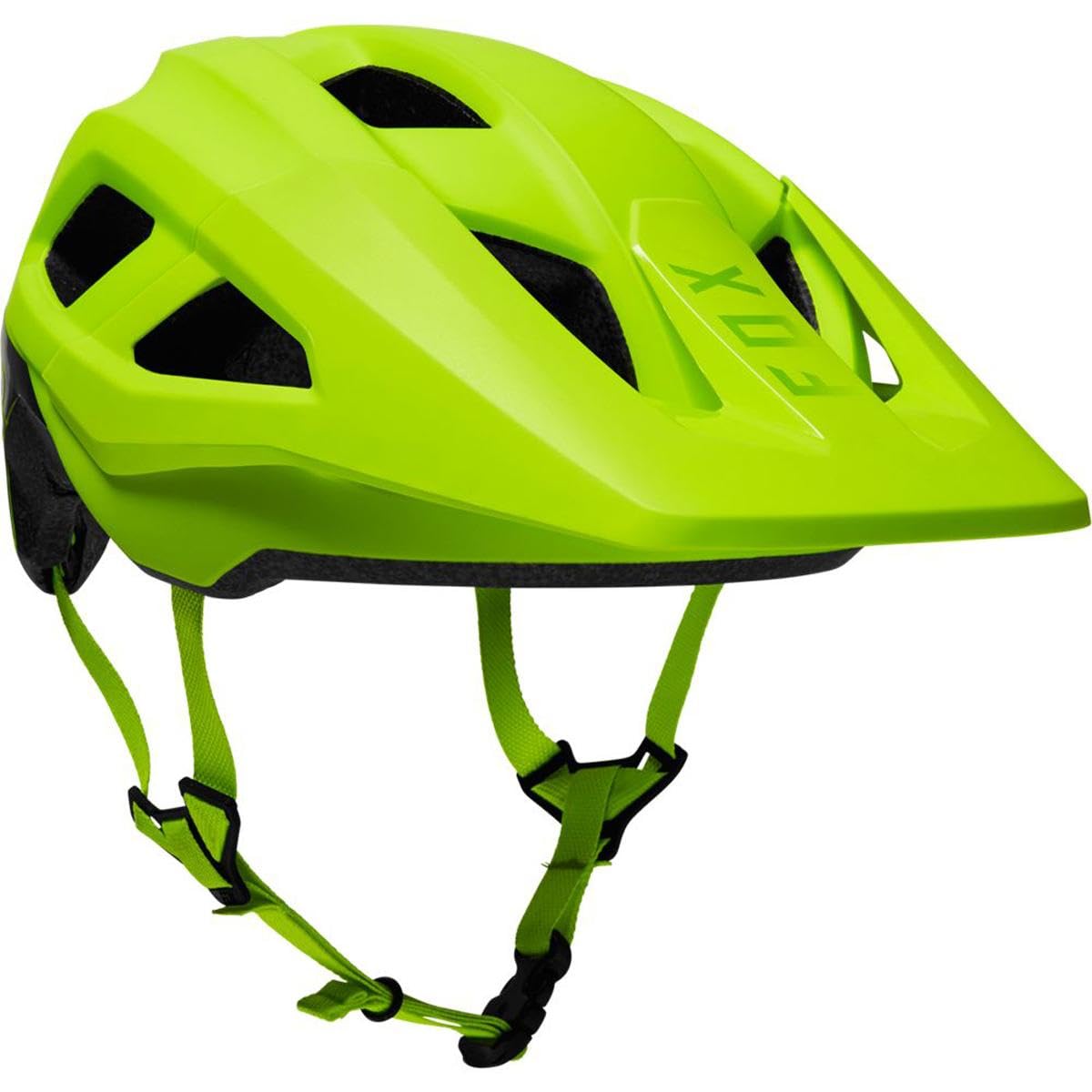
The Fox Racing Mainframe MIPS hits the sweet spot where advanced rotational force protection meets sensible pricing. The MIPS layer is integrated directly into the fit system, reducing bulk and creating a seamless interface between the liner and the wearer’s head. Shell coverage extends lower around the temples and rear occipital area, which is exactly where trail riders need it most during backward falls or side impacts on rock gardens.
Ventilation is channeled through optimized in-molded EPS channels that pull air from the front brow and push it out the rear exhaust ports. Owner feedback consistently praises the lightweight feel and the fact that the helmet does not saturate with sweat on long climbs. The removable moisture-wicking liner is machine-washable, which extends the hygiene life of the helmet far beyond cheaper foam-only pads.
Strap management uses a straightforward buckle system, and the visor is adjustable without tools. Some riders note the fit runs slightly true to size with a snug mid-volume shape, so those between sizes should consider going up. For the combination of MIPS, extended coverage, and brand reliability at this level, the Mainframe sets the bar for what a trail helmet should deliver.
What works
- Integrated MIPS fit system saves weight and improves comfort
- Extended rear and temple coverage for trail-specific impacts
- Efficient channeled ventilation keeps riders cool on climbs
- Removable, washable liner maintains long-term freshness
What doesn’t
- Fit runs snug for rounder head shapes
- Visor articulation range is limited
2. Bell 4Forty MIPS Bicycle Helmet
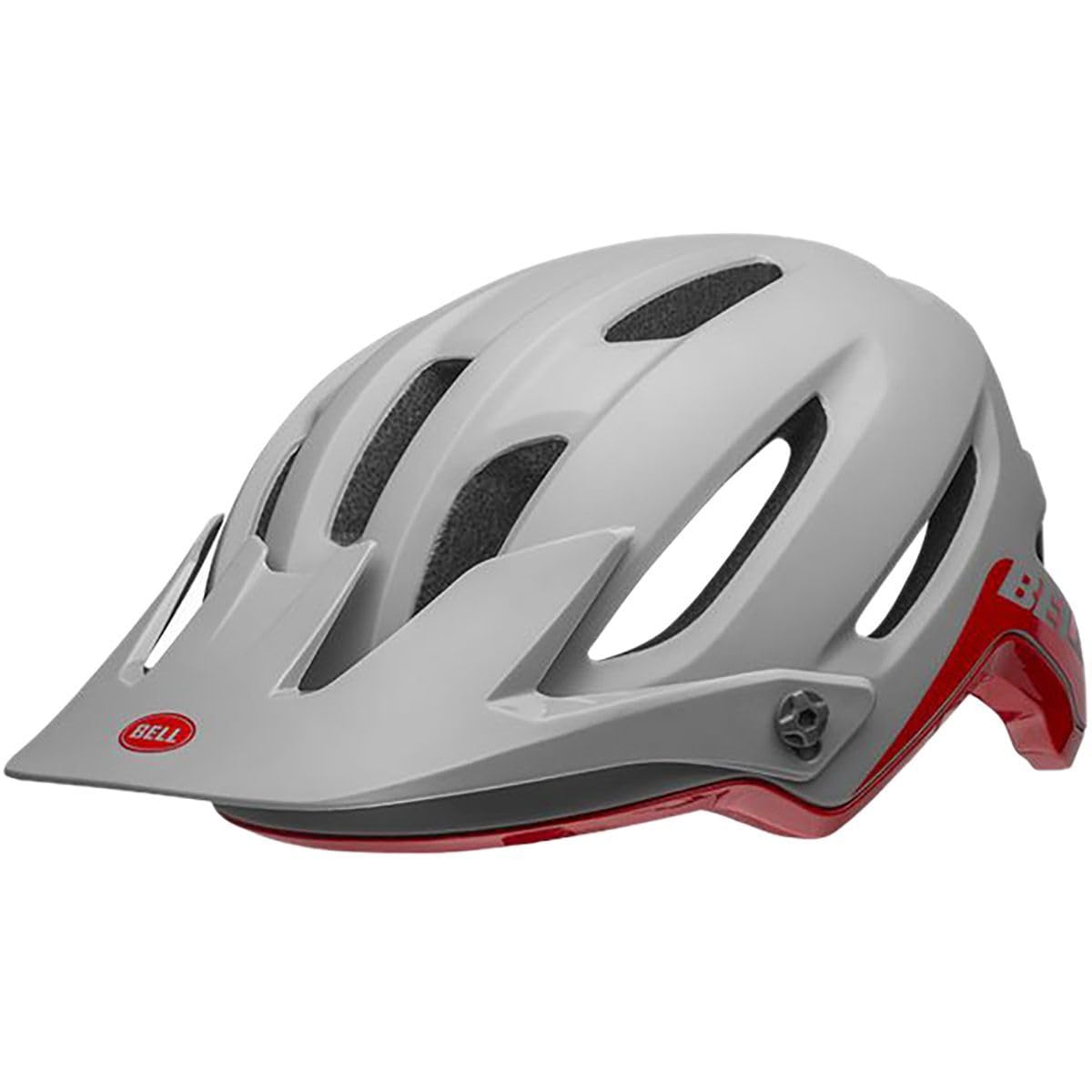
Bell’s 4Forty MIPS is a refined evolution of the brand’s long-standing trail helmet DNA. The standout feature here is the Float Fit system, which integrates the MIPS layer into the retention mechanism rather than adding it as a separate liner. This results in a noticeably lower profile and fewer pressure points compared to earlier MIPS implementations. The shell uses Fusion In-Molding, bonding the polycarbonate outer directly to the EPS foam for a structure that feels solid without being heavy.
The GoggleGuide adjustable visor is a genuine asset for riders who switch between goggles and glasses on the same ride. It accommodates both without forcing the eyewear into unnatural positions. At just over 13 ounces, the 4Forty is competitively light for a MIPS-equipped trail helmet, and the Sweat Guide pad design actively channels moisture away from eyewear, which reduces fogging on humid days.
The No-Twist Tri-Glides keep straps flat and correctly oriented, a detail that becomes noticeable after multiple adjustments. Owner reviews highlight the accuracy of the sizing guide and the comfort of the medium-density padding. The only consistent critique involves the rubberized adjustment dial, which some riders find stiff initially. Over time, the mechanism loosens, but the initial break-in period requires deliberate effort.
What works
- Float Fit system integrates MIPS for a low-profile feel
- GoggleGuide visor accommodates both goggles and glasses
- Sweat Guide pad design reduces eyewear fogging
- Fusion In-Molding creates a durable, lightweight shell
What doesn’t
- Adjustment dial feels stiff during initial use
- Limited color options in the premium price tier
3. POC Tectal Race MIPS Mountain Bike Helmet

POC designed the Tectal Race MIPS for riders who push into enduro territory where impact risk is highest. The defining characteristic is the extended coverage around the temples and the back of the head — noticeably more generous than standard trail helmets. This added material wraps further down the occipital bone and forward along the side of the skull, addressing the most common fracture zones in mountain biking crashes.
The visor is adjustable and features a dedicated goggle clip that holds straps securely in place when the goggles are not over the eyes. Ventilation is well-engineered even with the extra coverage, using large front intake ports and deep internal channels that expel heat efficiently through rear exhaust vents. At roughly 0.37 kilograms, the helmet remains light enough for all-day use without contributing to neck fatigue.
Owner feedback consistently points to the helmet’s comfort as its strongest attribute. Multiple reviewers describe forgetting they are wearing it during long rides. The snap-type buckle is a point of contention for some riders who prefer magnetic Fidlock-style closures, but the clasp is secure and easy to manipulate with gloves on. The low front profile can conflict with certain oversized sunglasses, so trial fitting with your primary eyewear is recommended before purchase.
What works
- Exceptional temple and rear coverage for aggressive riding
- Dedicated goggle clip for secure strap management
- Well-ventilated despite the extended shell area
- Lightweight construction reduces fatigue on long days
What doesn’t
- Snap buckle instead of a magnetic Fidlock system
- Low front fit may not accommodate all sunglass frames
4. Giro Verce MIPS Bike Helmet (Women’s)
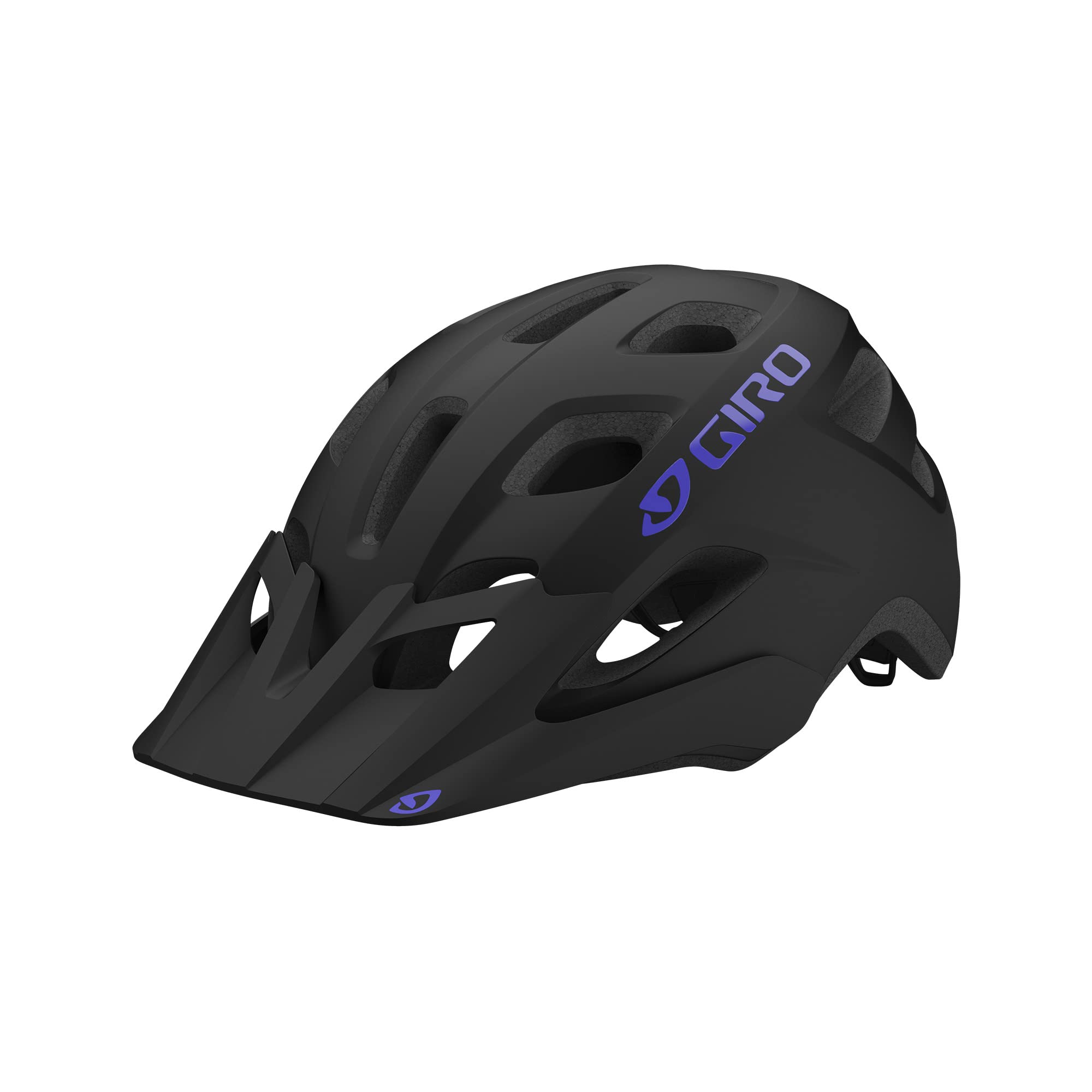
The Giro Verce MIPS is positioned as a women’s-specific helmet, though the primary distinction lies in the available colorways and the universal size range that caters to smaller head circumferences. The Roc Loc Sport fit system provides quick vertical and horizontal adjustment through a single dial, making it simple to fine-tune the helmet’s position on the head. In-mold construction pairs a full hardbody shell with EPS foam for durability without excess weight.
At only 8 ounces, the Verce is one of the lightest MIPS-equipped helmets on this list. The low weight is immediately noticeable on extended climbs, where a heavy helmet becomes a source of neck strain. Ventilation is managed through 12 vents with internal channeling, and reflective accents add a layer of visibility for riders transitioning between trail and road sections during dusk hours.
Owner reviews emphasize the comfortable fit and the lack of pressure points even after hours of riding. The removable visor is a practical touch for riders who prefer a clean look on paved routes. The main limitation is the smaller size range — riders with head circumferences above 57 cm will need to explore other options. The polyester and nylon inner materials clean up well, though the padding is not as plush as some competitors in this price tier.
What works
- Extremely lightweight at 8 ounces
- Roc Loc Sport dial provides easy one-handed adjustment
- Reflective details improve low-light visibility
- Removable visor for versatile riding styles
What doesn’t
- Size range limited to smaller head circumferences
- Padding is less plush than comparably priced options
5. Wildhorn Corvair Mountain Bike Helmet

Wildhorn built the Corvair as a direct challenge to the notion that a budget-friendly helmet cannot deliver genuine trail performance. At 11.3 ounces, it is among the lightest options in the mid-range, achieved through an ABS outer shell over an EPS foam liner. The multi-directional venting system uses internal airflow channels that keep the head noticeably cooler than the vent count alone would suggest.
The dial fit system adjusts smoothly and locks into position without slipping during rough descents. An adjustable visor reduces sun glare without blocking upward vision, and the padding is removable for washing. Owner feedback consistently praises the helmet for its comfort and the surprising quality of materials relative to its price point. Many reviewers note that the Corvair feels more expensive than its actual price tier suggests.
The chin strap clasp has been noted by several owners as a weak point — the buckle tends to feel loose over time and may require replacement. Additionally, the visor can shift during heavy impacts, though it stays in place during normal riding. For riders who prioritize ultralight weight and solid ventilation on a tight budget, the Corvair offers impressive value.
What works
- Impressive 11.3-ounce weight for the price range
- Internal airflow channels provide effective cooling
- Dial fit system holds securely on technical terrain
- Removable washable padding extends hygiene life
What doesn’t
- Buckle feels loose on some units over time
- Visor may shift position during harder impacts
6. Retrospec Rowan Mountain Bike Helmet

The Retrospec Rowan is an entry-level trail helmet that punches above its price point in key areas. The in-mold polycarbonate shell bonded to dense EPS foam provides impact absorption that matches helmets costing significantly more. Fourteen ventilation ports are arranged to pull air from the front and push it out the rear, creating steady airflow during sustained effort.
The ErgoKnob dial system adjusts the fit through a full 360-degree band, which is rare at this price level. The removable padding wicks sweat effectively and can be tossed in the wash after muddy rides. The visor is adjustable and detachable, allowing riders to switch between trail and casual use without compromising sun protection. Owner reviews frequently describe the Rowan as feeling like a helmet from a much more expensive brand.
Some riders have noted that the padding creates a pressure point above and behind the temples during rides longer than two hours. This seems to affect specific head shapes more than others, and the issue can sometimes be mitigated by adjusting the vertical positioning of the retention band. The overall build quality is solid for the price, making the Rowan a smart entry point for new riders who need a functional trail helmet without a significant financial commitment.
What works
- In-mold polycarbonate construction provides reliable impact absorption
- ErgoKnob 360-degree dial offers precise fit adjustment
- Adjustable detachable visor adds versatility
- Removable washable padding maintains freshness
What doesn’t
- Padding creates temple pressure points on some head shapes
- Ventilation is adequate but not exceptional for sustained climbs
7. FUNWICT Adult Bike Helmet with Visor & Goggles

The FUNWICT helmet is designed for riders who want an all-in-one package that includes eye protection and active lighting. The polycarbonate shell with EPS foam liner meets basic impact standards, and the helmet includes a rechargeable LED rear light with steady, fast flash, and slow flash modes. The magnetic goggles attach securely to the front of the shell and flip up when not in use, eliminating the need for a separate set of glasses.
At 0.75 pounds, the helmet is relatively light, and the 21 air vents provide generous airflow. The size adjustment system uses a simple dial mechanism, and the range covers 54 to 63 cm across three size options. The visor is detachable and works in conjunction with the goggles for full face coverage against sun, wind, and trail debris. Owner feedback highlights the convenience of the integrated light and the comfortable fit for riders with larger head sizes.
The biggest trade-off with this helmet is the perceived quality of the magnetic goggle attachment — some owners report that the goggles detach too easily when not in use. The rear light is functional but not the brightest on the market, so riders who frequently ride in low-light conditions may want a supplemental tail light. For casual riders who want a complete setup without buying separate accessories, the FUNWICT delivers a practical solution.
What works
- Integrated rechargeable rear light with three modes
- Magnetic goggles and visor offer complete eye coverage
- 21 ventilation ports keep the head cool on warm days
- Three size options accommodate a wide range of head circumferences
What doesn’t
- Magnetic goggles may detach unintentionally
- Rear light is not bright enough for heavy night riding
Hardware & Specs Guide
MIPS Impact Protection
The Multi-Directional Impact Protection System is a low-friction layer that allows the helmet shell to rotate relative to the head on angled impacts. This technology is designed to reduce rotational forces transmitted to the brain during a crash, which is a leading cause of concussion. MIPS is now widely adopted across trail helmets and is the standard against which other rotational management systems are measured.
In-Mold Construction
In-mold construction bonds the polycarbonate outer shell directly to the EPS foam liner during the manufacturing process. This creates a single integrated structure that is lighter and more impact-resistant than traditional hard-shell designs. The process also allows for deeper ventilation channels and more complex shaping around the temples and rear of the helmet.
Fit System Types
Modern trail helmets use a rear dial retention system that wraps around the occipital bone. A good fit system offers both horizontal circumference adjustment and vertical height adjustment. The dial should be operable with one hand while riding, and the mechanism should hold tension without slipping over rough terrain. Integrated fit systems combine the retention mechanism with the MIPS layer to reduce weight and complexity.
Ventilation Channel Design
Effective helmet ventilation depends on internal airflow channels that connect front intake vents to rear exhaust ports. Deep EPS channels allow air to flow across the scalp before exiting through low-pressure zones at the back of the helmet. This passive system relies on the rider’s forward motion to create pressure differentials. Helmets designed for climbing prioritize larger vents, while more aggressive trail lids trade some vent size for increased shell coverage.
FAQ
How often should I replace an adult mountain bike helmet?
Is MIPS worth the extra cost over a non-MIPS helmet?
How should an adult mountain bike helmet fit on the head?
Can I use a mountain bike helmet for road cycling?
Final Thoughts: The Verdict
For most buyers, the best adult mountain bike helmet winner is the Fox Racing Mainframe MIPS because it delivers proven rotational force protection, extended rear coverage, and efficient ventilation at a price that undercuts many competitors with similar specifications. If you want a goggle-friendly visor and a more refined fit system, grab the Bell 4Forty MIPS. And for the most aggressive trail and enduro riding where maximum temple and occipital coverage is non-negotiable, nothing beats the POC Tectal Race MIPS.

Certification: BSc in Mechanical Engineering
Education: Mechanical engineer
Lives In: 539 W Commerce St, Dallas, TX 75208, USA
Md Amir is an auto mechanic student and writer with over half a decade of experience in the automotive field. He has worked with top automotive brands such as Lexus, Quantum, and also owns two automotive blogs autocarneed.com and taxiwiz.com.