A failing tire pressure sensor in a 2016 Ford Explorer doesn’t just trigger a dashboard warning light; it undermines your awareness of what’s happening at all four corners. Ignoring that amber glow can lead to uneven tread wear, compromised fuel economy, and the kind of sudden deflation events that turn a routine highway commute into a dangerous situation. Choosing the right replacement unit means looking past the marketing claims and focusing on signal reliability, battery longevity, and seamless integration with Ford’s TPMS protocol.
I’m Amir — the founder and writer behind Four Wheel Ask. My perspective comes from decades spent dissecting OEM service bulletins, evaluating aftermarket component specs, and cross-referencing thousands of owner-reported failure patterns to separate durable designs from short-lived disappointments.
Whether you are hunting for a direct-fit replacement or a durable upgrade that handles extreme temperatures, finding the best 2016 ford explorer tire pressure sensor requires careful attention to compatibility, battery chemistry, and proper re-learning procedures.
How To Choose The Best 2016 Ford Explorer Tire Pressure Sensor
Selecting the correct replacement for your Explorer isn’t just about matching a part number. The TPMS system relies on a precise radio frequency, proper internal battery chemistry, and robust physical construction to survive years of road vibration and temperature swings. Understanding the key selection criteria will save you the frustration of a sensor that fails to communicate or dies well before the tire wears out.
Frequency And Compatibility
The 2016 Ford Explorer uses a 315MHz TPMS system. Any replacement sensor must operate at this exact frequency. Units that advertise dual-frequency (315/433MHz) can work, but you must ensure the 315MHz protocol is active. Always verify the OEM part numbers like 9L3Z1A189A, DE8T1A180AA, or F2GZ1A189A to guarantee the sensor matches the Explorer’s specific ID protocols and wake-up sequences.
Battery Longevity And Temperature Tolerance
The internal lithium battery is the single most common failure point. Look for sensors that use a CR2032 or CR2450 coin cell, which are standard and replaceable in design, though the whole sensor unit typically gets swapped when the battery dies. Manufacturers claiming a 5 to 8 year lifespan often base that on ideal conditions. A premium sensor will list an operating range of -40°C to +125°C, ensuring it fires a signal in a frozen Minnesota January and survives an Arizona summer pavement bake.
The Pre-Programmed Myth
Nearly every aftermarket sensor on this list is marketed as pre-programmed. This simply means it arrives with a generic 315MHz ID. It does not mean it will automatically pair with your Explorer’s computer. After installation, you must perform a re-learn procedure. This can be done using a simple TPMS activation tool (as low as ) or through the vehicle’s DIC button sequence. A sensor that cannot be detected by a standard activation tool is a sensor you should not install.
Quick Comparison
On smaller screens, swipe sideways to see the full table.
| Model | Category | Best For | Key Spec | Amazon |
|---|---|---|---|---|
| Motorcraft TPMS12 | OEM | OE Reliability | 30-50 PSI Measuring Range | Amazon |
| ACLONG F-CPAMZ01443-A | Premium | Wide Compatibility | 20-80 PSI / 315 & 433 MHz | Amazon |
| A-Premium APTPMS236 | Premium | Certified Build | High-Precision NXP Chip / ±0.06 Bar | Amazon |
| YZHIDIANF 8WHFUSD0117B00 | Mid-Range | Accurate Monitoring | 0.1 Second Response Time | Amazon |
| YZHIDIANF 1ZWUSC1015B001 | Mid-Range | Fuel Efficiency | 100-900kpa Measuring Range | Amazon |
| YZHIDIANF 1ZWUSC1102B006 | Mid-Range | Reliable Signal | 315MHz / Digital Output | Amazon |
| NEWHOW F2GZ-1A189-A | Mid-Range | Truck & SUV Use | IP67 / High PSI Rated | Amazon |
| GEARMEISTER F2GT1A180AB | Mid-Range | 2016 Explorer Fitment | 315MHz / -40°C to +125°C | Amazon |
| Marsflex APSP07003B | Budget | Entry-Level Price | CR2032 Battery / 5-8 Year Claim | Amazon |
| YUANCHINB F2GZ1A189A | Budget | Aluminum Valve Stem | 315MHz / ±1 psi Accuracy | Amazon |
| Jsueng DE8T-1A180-AA | Budget | Wide Fitment List | CR2032 Battery / 900Kpa Chip | Amazon |
In‑Depth Reviews
1. Motorcraft TPMS12 Remote Tire Pressure Sensor

The Motorcraft TPMS12 is the genuine Ford OEM part, which immediately sets a high bar for build consistency and electronic pairing stability. As a component designed by Ford’s own parts division, its internal electronics and signal timing are guaranteed to match the 2016 Explorer’s TPMS computer expectations. Owner feedback frequently highlights how tire shops and dealers can program this unit in a matter of minutes using a standard TPMS tool, eliminating the guesswork that plagues some aftermarket options.
From a materials standpoint, the TPMS12 uses a polymer body and a flange mount that fits securely into the factory wheel wells. The measuring range of 30 to 50 PSI is perfectly aligned with the recommended tire pressures for the Explorer. While the price per sensor is higher than many aftermarket sets, this cost is offset by the elimination of trial-and-error compatibility issues. One experienced owner noted that buying four of these directly saved them several hundred dollars compared to dealer-installed pricing.
However, even with OEM credentials, the TPMS12 has seen isolated reports of early failure. A small but notable subset of owners reported one sensor being dead on arrival within the first few months. This suggests that while the engineering is solid, quality control on some production batches may fluctuate. Still, the overall consensus from long-term users is that these units provide a service life that aligns with tire replacement intervals, making them a sound investment for drivers who prioritize reliability over upfront savings.
What works
- Genuine Motorcraft part ensures perfect protocol matching
- Quick and simple programming with any standard TPMS tool
- Predictable lifespan that typically matches tire service life
What doesn’t
- Higher per-sensor cost compared to aftermarket options
- Inconsistent QC can result in a DOA unit from some batches
2. ACLONG Pre-Programmed TPMS Sensors 315/433 MHz
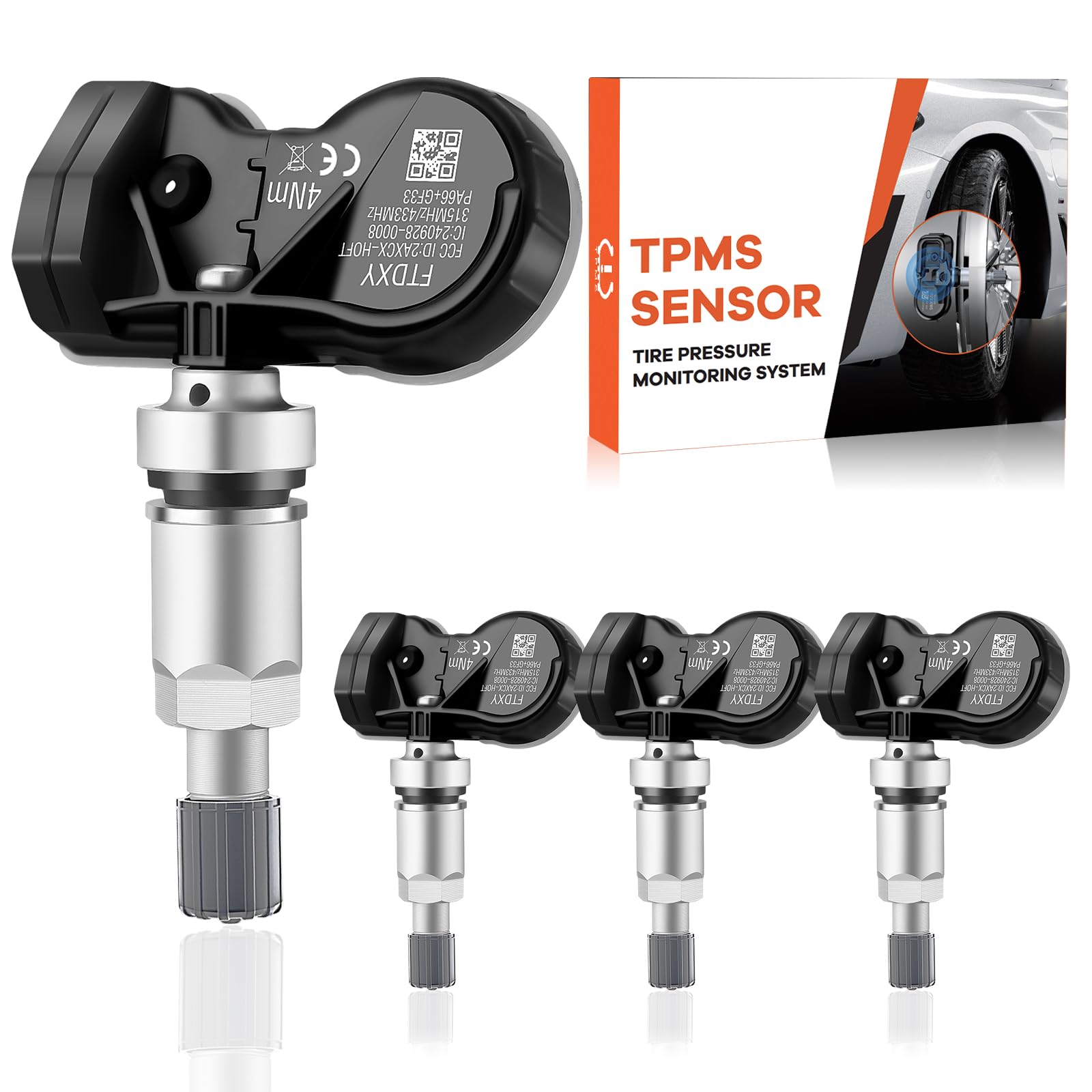
The ACLONG sensor is equipped with a larger CR2450-H battery and a 900kPa chip, which is a meaningful upgrade over the standard CR2032 found in many economy units. The use of a higher-capacity battery is the primary reason this sensor earns a premium label. Owner reports suggest the battery does last longer, with some users noting zero signal degradation after more than two years in service, which is a strong track record for an aftermarket part.
The dual-frequency capability (315MHz and 433MHz) makes this a versatile option for multi-vehicle households, but for the 2016 Explorer, you will only use the 315MHz protocol. The inclusion of a snap-in mounting style simplifies installation at a tire shop. A significant number of verified buyers report that the sensors were recognized immediately by their vehicle’s computer after a standard re-learn procedure, requiring no special adaptation or bypass tools.
On the downside, the fitment verification process from Amazon was flagged as incorrect by one loyal owner, who noted that the physical sensor was incompatible with their Toyota Prius despite Amazon’s fitment checker. This underscores a critical point: while the sensor works excellently for Ford models, the Amazon garage compatibility tool should not be trusted blindly. Additionally, a small number of units arrived dead on arrival, which is a risk with any electronic component shipped without a protective housing.
What works
- Large CR2450 battery provides exceptional longevity
- Dual-frequency support adds versatility for other vehicles
- Snap-in design simplifies professional installation
What doesn’t
- Amazon fitment check can be misleading for some models
- DOA risk exists due to packaging during shipping
3. A-Premium 4PCS Pre-programmed TPMS Sensor APTPMS236

The A-Premium APTPMS236 stands out because of its FCC and IC certification, which indicates the sensor has passed rigorous electromagnetic interference testing. Combined with a high-precision NXP chip and an upgraded aluminum valve stem, this sensor is engineered to resist the corrosion and fatigue that kills rubber-stemmed units. The aluminum valve, specifically, is a detail that matters for owners in salt-belt states where road salt accelerates metal degradation.
Owner feedback from 2016 F-150 and Explorer owners is consistently positive, with many noting that the sensors paired seamlessly via the hazard light sequence and air pressure release method. The A-Premium set is packaged individually in color boxes, which adds a layer of protection during shipping. The included installation manual is clear about the re-learn requirement, which reduces the chance of a DIY error. The measurement accuracy of ±0.06 Bar is excellent, giving you confidence in the dash readout.
The primary drawback reported by a single owner is that after one week, all four sensors failed to reprogram. Further investigation suggested that the actual frequency of the sensors received was 433MHz, not the advertised 315MHz. This mismatch rendered them useless for the 2023 Ford Expedition in that specific case. While this is an outlier report, it highlights the importance of verifying the frequency with a TPMS tool immediately upon arrival, before paying for installation.
What works
- Full FCC/IC certification for reliable signal integrity
- Upgraded aluminum valve stem resists corrosion
- High precision (±0.06 Bar) for accurate dashboard readings
What doesn’t
- Rare but serious frequency mismatch possible on some units
- Slightly higher upfront cost than basic budget options
4. YZHIDIANF Upgraded F2GZ1A189A TPMS Sensor (Set of 4)
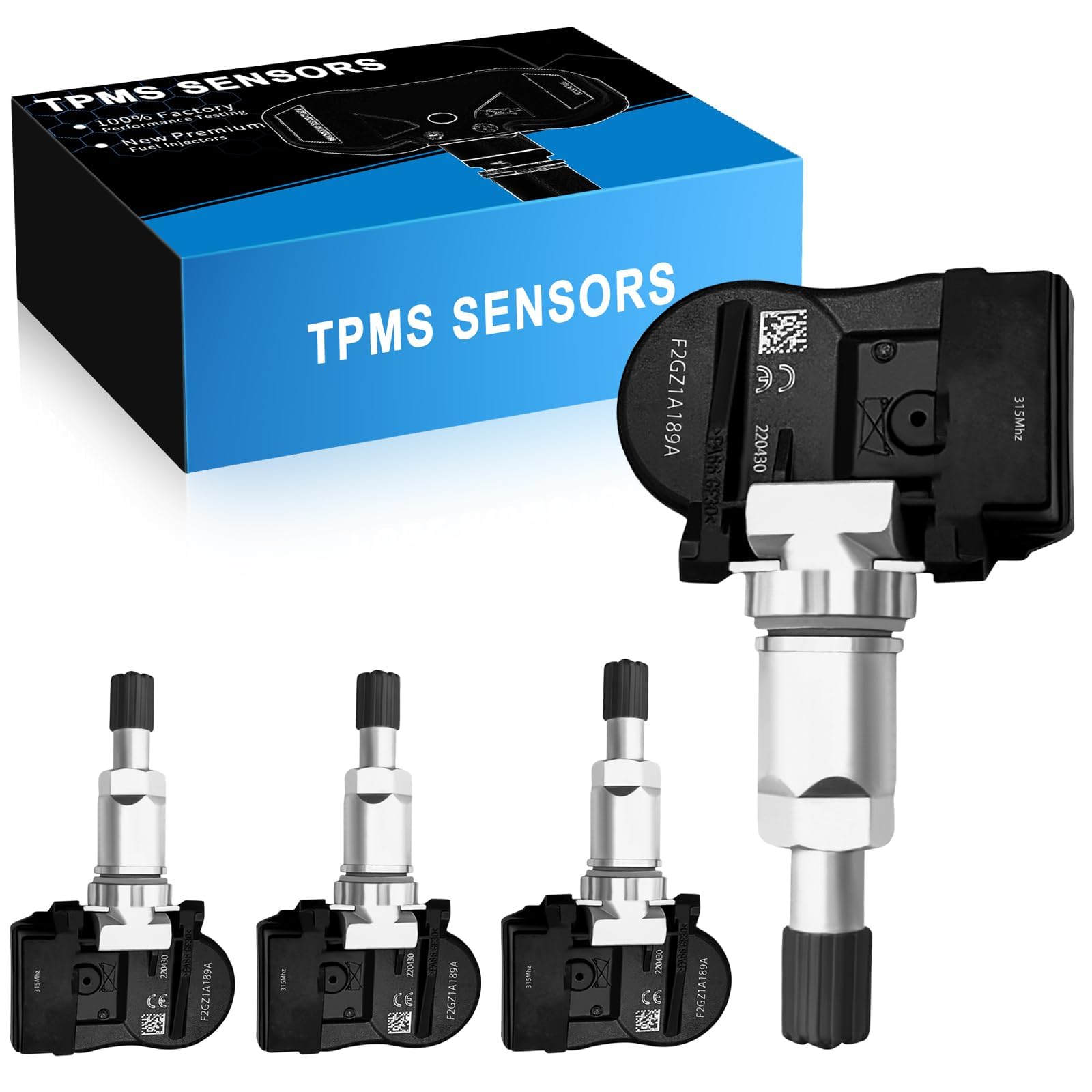
YZHIDIANF markets this sensor as an upgraded direct-fit replacement for the F2GZ1A189A and F2GT1A180AB part numbers, which are directly referenced for the 2016 Explorer. The sensor uses a durable composite material and a clamp mount design that locks securely into the wheel’s valve stem hole. The manufacturer claims a 0.1-second response time, which is fast enough for real-time pressure updates on the Explorer’s digital display.
Owner reports are broadly positive, with users emphasizing that the sensors require no programming, only activation. One owner on a 2016 Ford Explorer noted that the tire shop installed them for a nominal fee and they paired easily, fixing a long-standing TPMS issue. Another user confirmed that after a 10-20 minute drive, the readings stabilized and remained accurate. The low maintenance design is a selling point for owners who dislike fiddling with electronics.
The main complaint centers on a 2013 Crown Victoria owner for whom the sensor simply did not work, even after following the included instructions exactly. This suggests that compatibility, while broad, is not universal across all Ford models of that era. The owner also noted that waiting several days for the sensor to activate did not help. Pre-testing with an activation tool remains the best way to avoid this frustration.
What works
- Pre-programmed and requires only activation, not full programming
- Fast response time for real-time pressure data
- Durable composite construction holds up to wheel vibrations
What doesn’t
- Incompatibility with some older Ford models reported
- Initial readings may require a short drive to stabilize
5. YZHIDIANF Pre-Programmed TPMS Sensor F2GZ-1A189-A (4PCS)
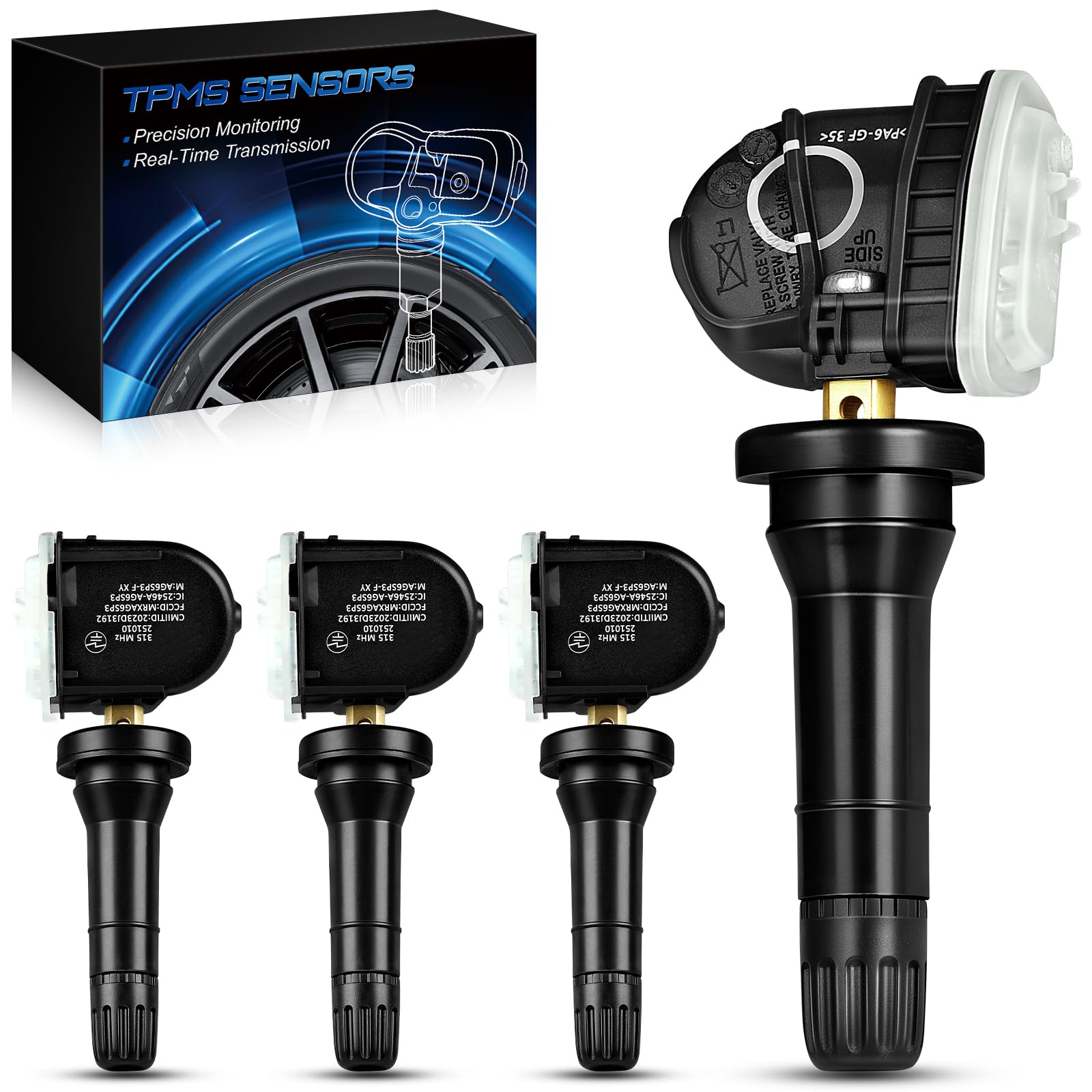
This version from YZHIDIANF emphasizes fuel efficiency and tire lifespan benefits, which are directly tied to maintaining correct inflation. The sensor uses a built-in import chip with a claimed 5-8 year lifespan. For the 2016 Explorer, this set provides a 100 to 900kPa measuring range, which covers everything from normal street inflation to the higher pressures sometimes used for towing or heavy loads.
Verified buyers report that the sensors functioned as intended, with tire shops able to install them without issue. One owner on a Ford Edge noted that the sensors were recognized immediately after installation and provided accurate readings. The all-weather performance claim is backed by a temperature tolerance of -40 to 120 degrees Celsius, which is suitable for the Explorer regardless of the climate.
The weak point reported by one owner was a single sensor that failed within a month and 300 miles. This owner had initially given a five-star review but downgraded it to one star after the early failure. The failure was suspected to be battery-related, possibly from sitting on a shelf for a long period. This highlights the gamble of buying cheaper sensors: you may get a great set, or you may get one with a partially depleted cell.
What works
- All-weather design handles extreme temperature swings
- Broad measuring range suitable for towing pressure needs
- Immediate recognition by vehicle’s TPMS after activation
What doesn’t
- Individual sensor failure within one month reported
- Battery depletion from storage is a potential issue
6. YZHIDIANF F2GZ1A189A Pre-Programed Tire Pressure Sensor (4)
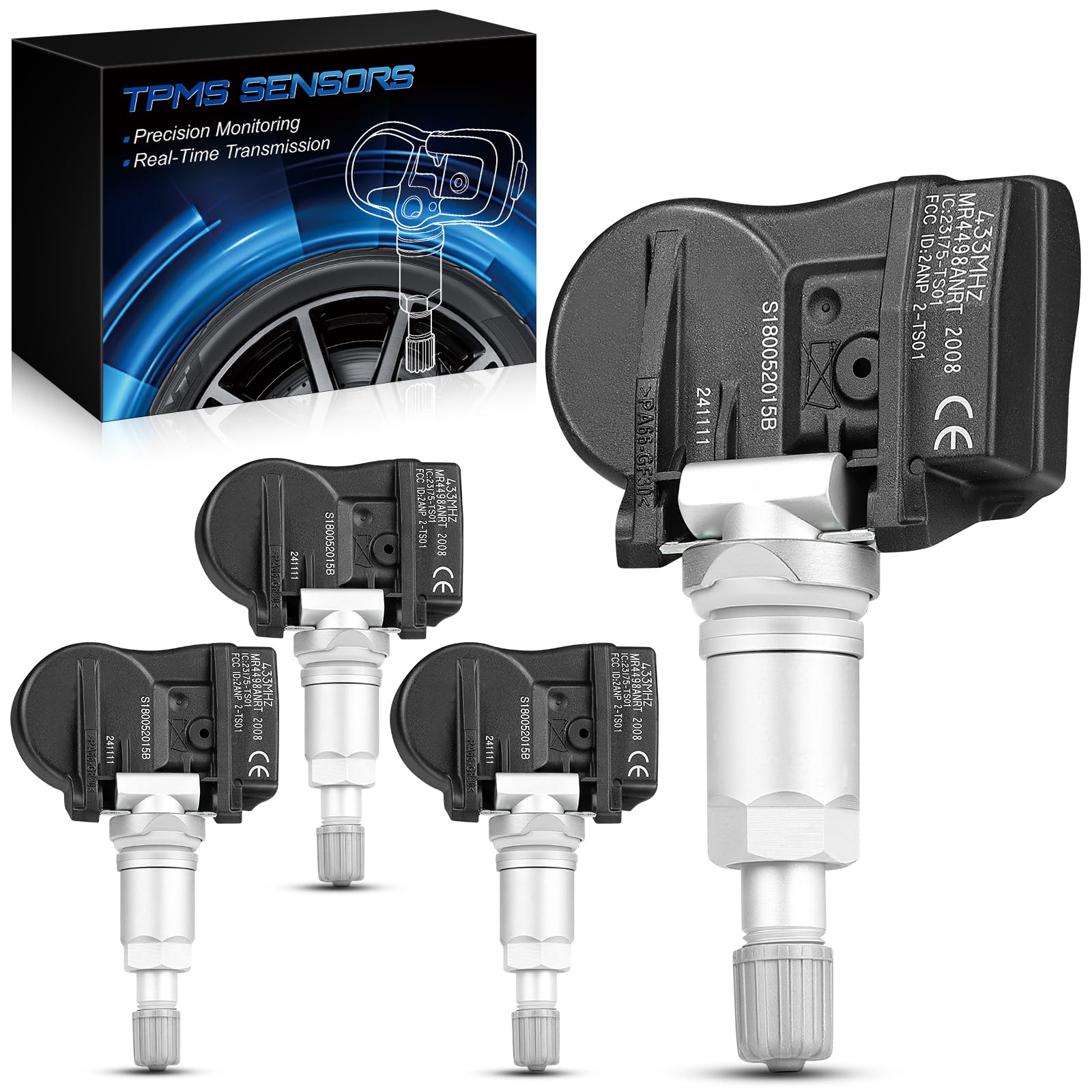
Described as using premium aeronautical materials, this variant of the YZHIDIANF sensor aims to offer a higher level of build quality while still being affordable. The digital output ensures a clean signal to the vehicle’s computer, and the 315MHz frequency is spot-on for the 2016 Explorer. Owner feedback is overwhelmingly positive, with a long-term user noting that the sensors solved a tire pressure light issue that had been bothering them for years.
The package includes four sensors in a dedicated box, which helps prevent damage during transit. One specific owner replaced their factory sensors after they wore out and reported that the tire shop installed the new units with ease, and they functioned effectively like the originals. The fuel efficiency and tire lifespan claims are consistent across the YZHIDIANF line, and this set is a solid mid-range choice for the Explorer owner who wants reliability without paying the Motorcraft premium.
The primary risk with this set is that a single owner reported the sensors were not pre-programmed as stated, making the return process difficult. The seller allegedly tried to withhold a return fee, though Amazon eventually resolved the issue. This experience suggests that while most units perform well, the pre-programming claim may not be 100% reliable across all batches, so verify with a tool before installation.
What works
- Premium material claim points to better long-term durability
- Excellent owner satisfaction for solving persistent TPMS issues
- Digital output ensures clean signal transmission
What doesn’t
- Some units may not arrive pre-programmed as advertised
- Return process can be complicated if the seller resists
7. NEWHOW TPMS Sensors Set of 4 F2GZ-1A189-A
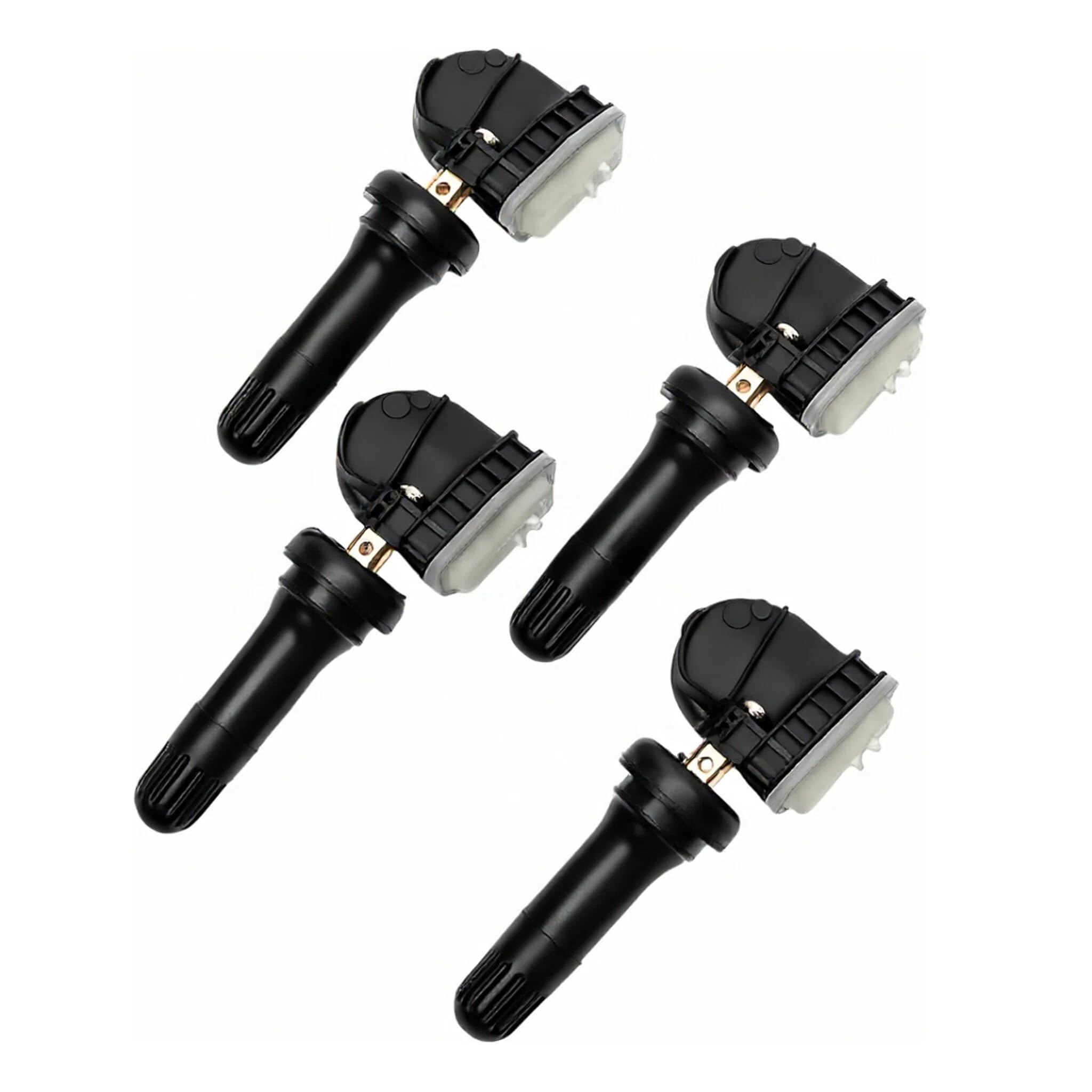
The NEWHOW sensor is built specifically for full-size trucks and SUVs, with reinforced rubber stems that are rated to handle up to 80 PSI. This is a meaningful spec for Explorer owners who tow or carry heavy loads that require higher inflation pressures. The IP67 submersible rating means the electronics are fully sealed against water ingress, a common failure mode when driving through deep puddles or using pressure washers near the wheels.
Owner reports for the 2016 Explorer are strong, with one owner confirming that Walmart installed them for a low fee and they paired easily, fixing the TPMS light. The sensor is designed to self-learn within 8 miles of driving if the correct protocol is followed, though a cheap TPMS relearn tool is recommended for fastest results. The corrosion-proof nickel stems are a clear step up in material quality over basic brass stems found in cheaper sets.
The downside is that not all users find them truly plug-and-play. One owner reported that two sensors failed within months, likely due to dead batteries. This suggests that while the overall design is robust, even a well-made sensor can suffer from a poor battery cell. It is also worth noting that you will almost certainly need a TPMS activation tool to perform the re-learn, as the vehicle’s auto-learn function is not always reliable.
What works
- IP67 rating guarantees resistance to water and mud
- Reinforced stems handle high PSI for towing applications
- Corrosion-proof nickel stems outlast standard brass
What doesn’t
- Not truly plug-and-play; a relearn tool is essential
- Premature battery failure reported by some owners
8. GEARMEISTER F2GT1A180AB TPMS Sensor

The GEARMEISTER sensor is an automotive-grade unit that prioritizes battery longevity with a claimed 5-8 year lifespan or 90,000-120,000 kilometers. The operating temperature range of -40°C to +125°C matches premium specs. For the 2016 Explorer, it directly replaces the F2GT1A180AB and F2GZ1A189A part numbers, making it a straightforward choice for owners looking for a drop-in replacement.
Buyer feedback indicates that the sensors are easy to install and program, with one 2016 Camaro owner reporting they worked great. For the Explorer, the pre-programmed nature means that standard re-learn procedures should work. The sensor uses a wheel mount or tire mount configuration, and the electrical signal output ensures compatibility with the Explorer’s TPMS computer. The manufacturer has tested these units to ensure they meet OEM signal characteristics.
The main complaint comes from a 2017 F-150 owner who was unable to get the sensors recognized by the vehicle, even after two tire shops attempted to activate them. This suggests a potential compatibility issue with certain model years or ECU software versions. Additionally, while many owners praise the price, the inability to pair a sensor makes it completely useless. This highlights the inherent risk of buying sensors that cannot be pre-tested before installation is completed.
What works
- Long battery life claim of 5-8 years is competitive
- OEM-compatible part numbers for direct fitment
- Wide temperature tolerance for extreme climates
What doesn’t
- Some vehicles cannot detect the sensor at all
- Activation failure leaves you with useless parts
9. Marsflex TPMS Sensor APSP07003B
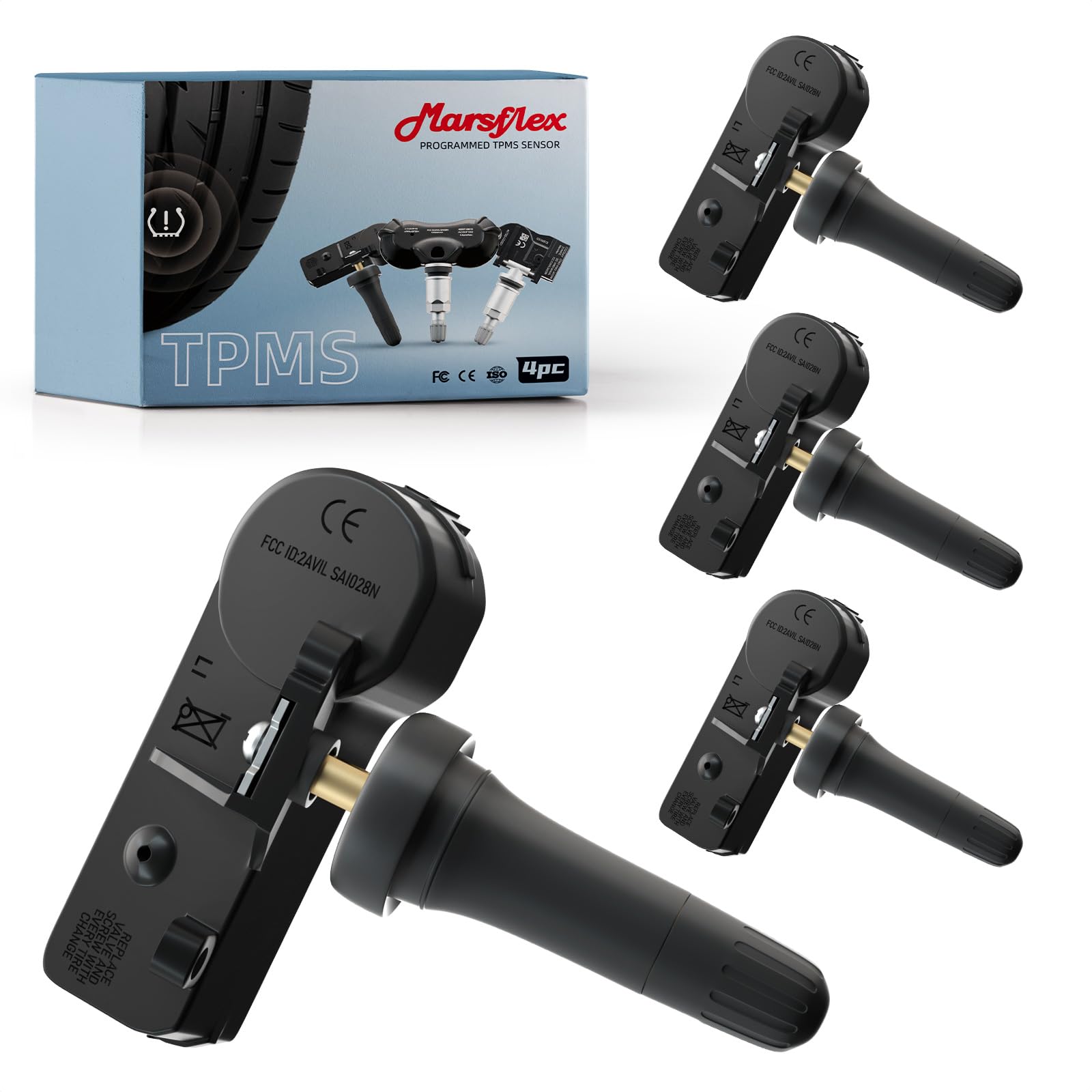
The Marsflex sensor utilizes a standard CR2032B battery and a modern chipset that provides real-time pressure readings. The pre-programmed nature means no additional programming is required, only activation via a scan tool. For the 2016 Explorer, the sensor is compatible with the 9L3Z-1A189-A and DE8T-1A180-A part numbers, ensuring a straightforward replacement process.
Owner reports show a mixed picture. Several users on Ford Fusion and F-150 models reported that the sensors worked perfectly and were installed without any issues, with the TPMS light turning off immediately. The 1-second response time is adequate for real-time monitoring. The inclusion of a user manual helps with the re-learn process. The sensor is designed for a tire mount and has a 2-meter sensing distance, which is sufficient for the Explorer’s wheelbase.
The negative feedback is worth noting. One owner reported that the sensors initially communicated but then stopped working entirely within 40 minutes of driving, indicating a potential internal failure. Another owner noted that the plastic stem caps are weak and prone to crushing during installation, which is a minor but annoying design flaw. The battery life is unknown, which is a common uncertainty with budget-priced units.
What works
- Pre-programmed for easy activation-only process
- Works well in many Ford and Lincoln models
- Good value for the price point
What doesn’t
- Some units fail completely after a short drive
- Plastic stem caps are fragile and easily damaged
10. YUANCHINB F2GZ1A189A TPMS Sensor (Set of 4)

The YUANCHINB sensor is built with an upgraded aluminum valve and a high-precision chip that guarantees ±1 psi accuracy. This level of precision is better than some OEM units and ensures the dashboard readout is trustworthy. The pre-programmed design means you only need to activate them, not write any IDs. For the 2016 Explorer, the compatibility list is extensive, covering 2015-2019 model years directly.
Owner reviews are positive, with a 2015 F-150 owner confirming that the sensors looked identical to the original and worked perfectly after a quick 10-second programming per wheel. Another 2016 Mustang GT owner noted that the display showed zeros for a few days before correctly reading PSI, suggesting the vehicle’s computer needed time to fully synchronize. The aluminum valve is a genuine upgrade that resists corrosion better than the rubber stems on cheaper competitors.
The chief criticism is battery longevity. One owner reported that after only 18 months, the sensors stopped working entirely, which they attributed to a short battery life. This is a significant concern, as a sensor that dies before the tires wear out negates the value proposition. The updated battery chemistry may help, but the 3-4 year battery claim from the manufacturer is still shorter than the 5-8 year claims of other brands.
What works
- High accuracy (±1 psi) for reliable pressure monitoring
- Upgraded aluminum valve stem for better corrosion resistance
- Identical to OEM in appearance and fit
What doesn’t
- Battery life may be shorter than advertised (18 months reported)
- Dashboard zeros for first few days can be alarming
11. Jsueng Ford TPMS Sensor DE8T-1A180-AA
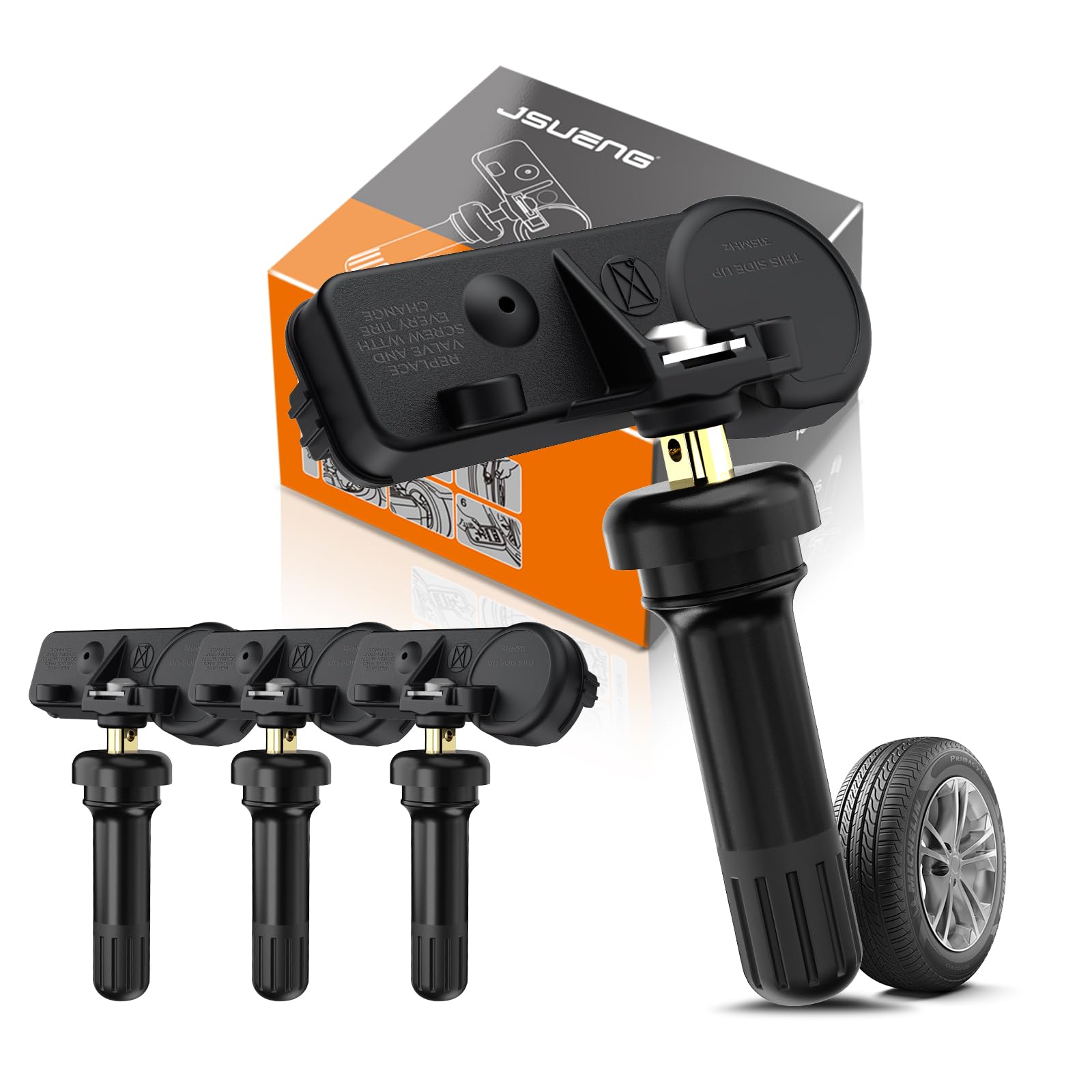
Jsueng’s offering is one of the most widely compatible sensors on the list, covering everything from 2010-2017 Ford Expeditions to 2016 Ford Explorers. The sensor uses a CR2032 battery and a 900Kpa chip, which are standard specifications for this price point. The pre-programmed design is intended to simplify installation, and the package includes a user manual detailing the re-learn procedure using the DIC button.
Owner feedback shows many positive experiences, with a 2011 Ford Fusion and 2011 Ford Escape owner both stating the sensors worked perfectly after initialization. The DIC button re-learn procedure is described in detail, which is helpful for DIY owners. The sensor is designed to last 5-8 years in normal usage and can operate in temperatures from -40°C to +125°C, which is good for all-season driving.
The significant downside is that some units are reported as defective. One owner stated that one of the four sensors did not work initially, and after paying for installation, it stopped working two days later. This points to a higher-than-acceptable failure rate. Another owner reported losing signal on one tire after a year, which suggests the sensor may have a weaker internal antenna or battery than advertised. The inconsistent quality control is the biggest risk here.
What works
- Extremely wide vehicle fitment list
- Clear DIC button re-learn instructions included
- Competitive price for a set of four sensors
What doesn’t
- Inconsistent quality control with some DOA units
- Signal loss after one year reported by some owners
Hardware & Specs Guide
Frequency Modulation
The 2016 Ford Explorer TPMS operates exclusively on the 315MHz frequency. Sensors that also support 433MHz are backward-compatible, but the 315MHz protocol must be active. The modulation used is a standard FS (Frequency Shift Keying) signal, which is recognized by the TPMS computer in the vehicle’s Body Control Module. Using a sensor on the wrong frequency results in a complete failure to communicate, as the receiver will never wake up.
Battery Chemistry
All TPMS sensors use a non-replaceable lithium coin cell, typically a CR2032 (3V, 225mAh) or CR2450 (3V, 620mAh). The CR2450 provides roughly three times the capacity, directly translating to a longer service life. The battery is soldered or welded into the sensor’s circuit board, and once depleted, the entire sensor must be replaced. Temperature extremes accelerate battery self-discharge, so a sensor rated for -40°C to +125°C will hold its charge longer than a less robust unit.
Measuring Range & Accuracy
Most aftermarket sensors can measure from 0 to 900 kPa (0 to 130 PSI), which covers all passenger vehicle and light truck applications. The accuracy of the pressure transducer typically falls within ±1 PSI for premium units and ±2 PSI for budget units. This variance is small enough that the dashboard display will read essentially the same as a manual tire gauge. Higher-end sensors use a micro-electromechanical system (MEMS) pressure sensor that is more resistant to drift over time.
Mounting & Valve Stems
There are two main mounting styles: snap-in and clamp-in. Snap-in sensors (like the Motorcraft TPMS12) are pressed into the wheel valve hole and secured with a nut. They are faster to install. Clamp-in sensors use a metal bracket that clamps around the valve stem, which is more secure for high-pressure applications. The valve stem material is also key: aluminum stems resist corrosion, while rubber stems are lighter but prone to cracking after being hit by road debris.
FAQ
Do I need to program the sensors before installing them on my 2016 Ford Explorer?
What is the re-learn procedure for a 2016 Ford Explorer?
Can I install these sensors myself without a TPMS tool?
How long should a replacement TPMS sensor last?
Final Thoughts: The Verdict
For most buyers, the best 2016 ford explorer tire pressure sensor winner is the Motorcraft TPMS12 because it eliminates compatibility risk entirely. If you want an aluminum valve stem with premium FCC certification, grab the A-Premium APTPMS236. And for a budget-friendly option that covers the Explorer’s needs without fuss, the NEWHOW F2GZ-1A189-A set delivers solid value with reinforced stems that handle higher pressures.

Certification: BSc in Mechanical Engineering
Education: Mechanical engineer
Lives In: 539 W Commerce St, Dallas, TX 75208, USA
Md Amir is an auto mechanic student and writer with over half a decade of experience in the automotive field. He has worked with top automotive brands such as Lexus, Quantum, and also owns two automotive blogs autocarneed.com and taxiwiz.com.