A failing purge valve on a 2013 Ford Escape typically announces itself with hesitation after refueling, a lingering fuel smell, or an illuminated check engine light. Ignoring these symptoms often leads to vacuum leaks, rough idling, and in some cases, a no-start condition that leaves drivers stranded. Understanding which replacement part delivers reliable sealing and consistent solenoid operation is the difference between a quick fix and a recurring headache.
I’m Amir — the founder and writer behind Four Wheel Ask. Over the past several years, I’ve analyzed thousands of owner-reported repair outcomes, cross-referenced OEM part number updates, and studied the failure patterns of evaporative emissions components across Ford’s EcoBoost and Duratec engine families.
Choosing the wrong purge valve can introduce new drivability issues or fail prematurely, which is why this guide focuses on real-world reliability data rather than marketing claims. After evaluating hundreds of owner reports and technical specs, I have identified the most reliable options for the best 2013 ford escape purge valve.
How To Choose The Best 2013 Ford Escape Purge Valve
The purge valve is a small solenoid that controls fuel vapor flow from the charcoal canister to the intake manifold. On the 2013 Ford Escape, three distinct engine options — the 2.5L Duratec, the 2.0L EcoBoost, and the 1.6L EcoBoost — each use a different purge valve design. Selecting the correct part requires matching not just the year but also the engine code and production date.
OEM vs Aftermarket Construction
OEM valves from Motorcraft use precise coil resistance values and sealed solenoid housings that match the PCM’s duty cycle expectations. Aftermarket options vary widely in coil winding quality and plunger seal material. A valve that draws too much or too little current can trigger false codes or fail to hold vacuum. Look for metal-bodied units with stainless steel or brass barbed fittings; plastic housings are prone to cracking at the connector base.
Fitment Verification
The 2013 Escape has two distinct purge valve locations. On the 2.5L engine, the valve sits near the intake manifold with a two-bolt flange. On the 2.0L and 1.6L EcoBoost engines, the valve is integrated into a hose assembly that runs behind the engine. Always cross-reference the OEM part number stamped on your original valve — common supersessions include 9U5Z9C915H, CV6Z-9D289-B, and GV6Z-9D289-E depending on the engine.
Failure Mode Awareness
A purge valve that sticks open causes a vacuum leak, rough idle, and hard starts after refueling. One that sticks closed triggers P0455 or P0456 EVAP leak codes. The best replacement valves use a spring-loaded plunger with a silicone tip that resists fuel vapor swelling. Avoid valves with visible parting lines on the solenoid housing, as these indicate poor mold quality and potential air bypass.
Quick Comparison
On smaller screens, swipe sideways to see the full table.
| Model | Category | Best For | Key Spec | Amazon |
|---|---|---|---|---|
| Motorcraft CX2695 | OEM | Direct factory replacement | Threaded/flanged ports | Amazon |
| Dorman 911-222 | Aftermarket | Multi-vehicle coverage | OEM 9U5Z9C915H cross | Amazon |
| Motorcraft CX-2349 | Premium OEM | Long-term durability | Polished metal body, barb ports | Amazon |
| Motorcraft KH655 Hose | OEM Assembly | Complete hose + valve replacement | Rubber assembly with quick connects | Amazon |
| Dorman 911-032 | Aftermarket | Wide fitment range | Compression fittings, ready to paint | Amazon |
| A-Premium | Aftermarket | Budget-friendly alternative | Threaded NPT ports, metal body | Amazon |
| Marketplace Auto Parts | Aftermarket | 2013-2018 Escape 2.0L EcoBoost | Barb connections, hybrid construction | Amazon |
| Tykick GV6Z-9D289-E | Aftermarket | 2017-2019 Escape 1.5L specific | Plastic housing, NPT ports | Amazon |
| Hoiedt GV6Z-9D289-E | Aftermarket | 2017-2019 Escape 1.5L specific | Stainless steel, threaded | Amazon |
| MOTOKU 1.6L | Aftermarket | 2015-2016 Escape 1.6L EcoBoost | Hose assembly with valve | Amazon |
| ApplianPar 1.5L | Aftermarket | 2017-2019 Escape 1.5L specific | Stainless steel, threaded ports | Amazon |
In‑Depth Reviews
1. Motorcraft CX2695 Vapor Canister Valve

The Motorcraft CX2695 represents the OEM benchmark for the 2013 Ford Escape purge valve replacement. This is the same part number that ships in a Ford-branded box, carrying the exact coil resistance, plunger stroke, and sealing geometry that the PCM expects. Owner reports consistently highlight direct plug-and-play fitment across multiple Ford platforms including the 2013-2016 Escape with the 2.5L engine, with several reviewers noting that it resolved hard-start-after-refueling conditions on the first drive cycle.
Build quality stands apart from aftermarket alternatives. The machined metal housing and threaded or flanged inlet connections resist the vibration fatigue that causes plastic-bodied valves to leak at the connector seam. Multiple owners on the 3.5L Explorer and 5.0L F-150 platforms report the CX2695 lasting beyond 60,000 miles without code recurrence, which aligns with the expected service interval for properly sealed Ford EVAP components. The valve holds vacuum reliably when closed and opens crisply when the PCM commands purge flow.
Installation requires no modifications — the CX2695 bolts directly to the factory bracket and accepts the original electrical connector without adapter harnesses. The only consideration is verifying engine-specific fitment, as this valve covers naturally aspirated engines primarily and does not suit the 1.6L or 2.0L EcoBoost configurations without checking the production date range. For owners who want a single, known-good solution backed by Motorcraft’s quality control, this valve delivers the lowest probability of early failure.
What works
- Direct OEM replacement with verified coil specs and sealing
- Machined metal housing resists vibration cracks and fuel vapor swelling
- High owner satisfaction across multiple Ford models and engine families
What doesn’t
- Limited to naturally aspirated engines; EcoBoost variants require different part numbers
- Premium pricing compared to basic aftermarket options
2. Dorman 911-222 Vapor Canister Purge Valve
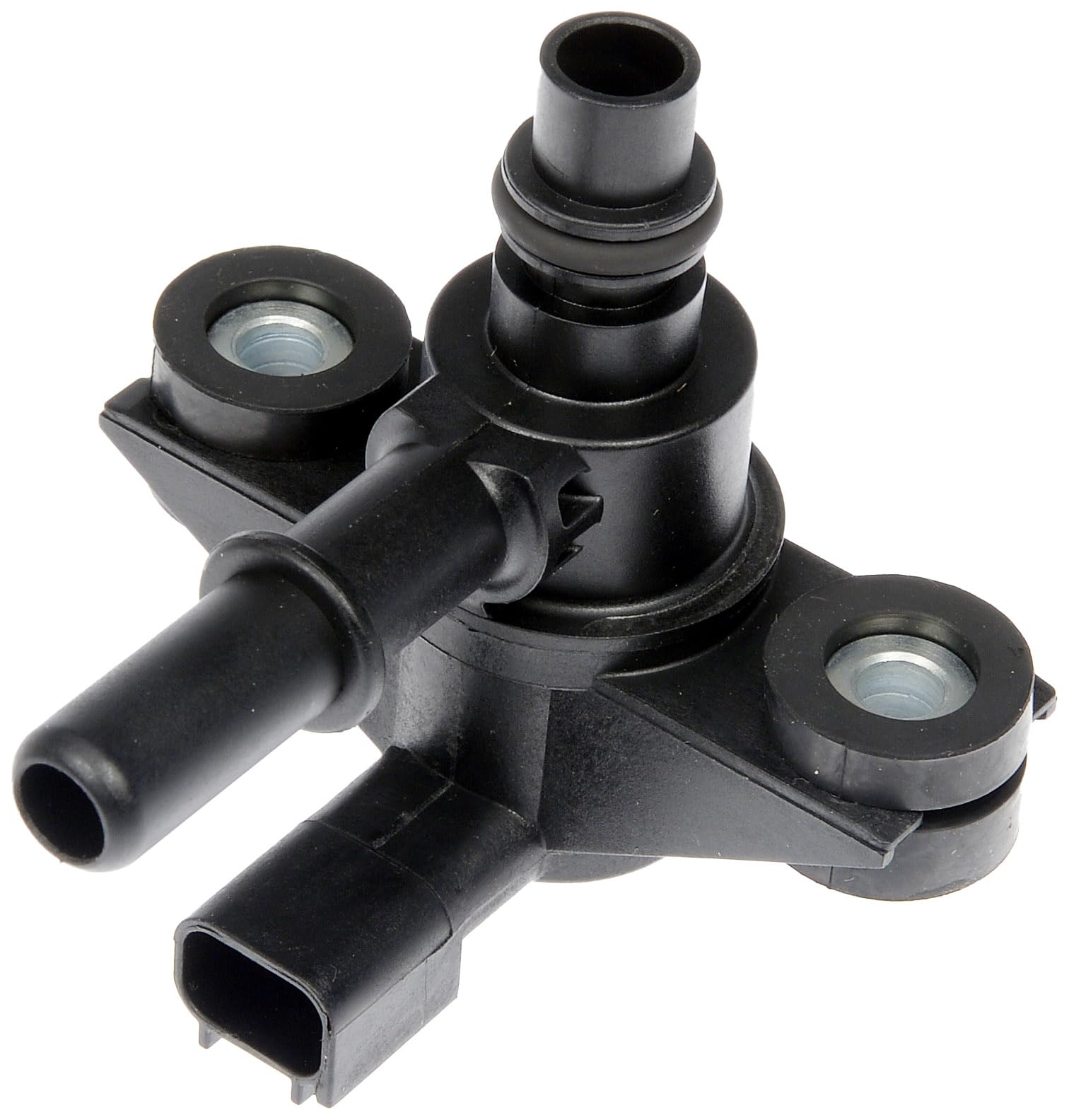
The Dorman 911-222 has become a go-to replacement for the 2013 Ford Escape purge valve among owners who want OEM-level cross-referencing without paying full dealer markup. It replaces Ford part numbers 9U5Z9C915H, 9U5Z9C915J, AU5Z9C915A, and several others, making it one of the most widely compatible aftermarket valves on the market. A detailed owner report on a 2011 Escape XLT 6-cylinder notes that the 911-222 resolved a P1450 code that was misdiagnosed as a bad gas cap on the capless fuel system, saving roughly four times the part cost in diagnostic fees alone.
Material quality is solid for the price point. The valve body uses machined metal with compression-style fittings that seal without excessive torque. Multiple reviews across the 2010 Fusion, 2012 Mustang, and 2013-2014 Escape platforms confirm that the 911-222 eliminates the stumbling and delayed crank after fueling. However, one documented failure at the five-month mark on a 2012 V6 Mustang serves as a reminder that Dorman’s quality control, while generally good, does not match the consistency of true OEM production lines. The valve worked well before failing, which suggests possible batch variation rather than a design flaw.
Installation is straightforward — the valve mounts in the same orientation as the factory unit and uses the same electrical connector. The compression fittings grip the vacuum lines securely without needing additional clamps in most cases. Owners who have used Dorman parts across multiple vehicle brands appreciate the standardization of the 911-222’s port sizes, which simplifies replacement across a mixed-family garage. For the owner who wants broad application coverage and proven performance at a reasonable investment, this valve delivers strong value.
What works
- Extensive OEM cross-reference list covering multiple Ford and Lincoln platforms
- Machined metal body with compression fittings for reliable sealing
- Proven track record resolving P1450 and hard-start-after-refuel on the 2.5L and 3.0L engines
What doesn’t
- Occasional batch quality issues with premature solenoid failure reported
- Warranty process through Amazon can be cumbersome if the valve fails after the return window
3. Motorcraft CX-2349 Vapor Canister Purge Valve

The Motorcraft CX-2349 represents the highest tier of OEM purge valve construction for Ford’s evaporative emissions system. Unlike some aftermarket valves that use stamped metal housings, the CX-2349 features a polished metal body with barbed inlet and outlet connections that create a mechanical seal without relying solely on O-ring compression. Owner reports on the 2010-2011 Ford Fusion with the 2.5L engine show that this valve permanently resolves P0457 and P1450 codes that had persisted through multiple aftermarket replacements.
The internal solenoid design is where the CX-2349 separates itself from lower-tier options. The coil winding uses the precise resistance spec that Ford’s PCM expects, which prevents the pulse-width modulation errors that can cause intermittent purge flow. One owner documented that the original valve had been flooding cylinders with fuel vapor, and the CX-2349 restored normal fuel trims within two drive cycles while improving fuel economy by approximately 2.5 MPG. This level of metering precision matters most on engines that run lean cruise strategies, where even small vacuum leaks from a sticking purge valve can trigger adaptive fuel corrections.
Fitment on the 2013 Escape requires confirming the engine configuration, as the CX-2349 is designed for applications using barb-style vacuum line connections rather than quick-connect fittings. The valve body dimensions are compact enough to fit in tight engine bay locations, and the barbed ports accept standard EVAP hose without adapters. For owners who prioritize maximum durability and are willing to verify hose compatibility, the CX-2349 offers the longest service life expectation of any purge valve in this comparison.
What works
- Premium polished metal construction with barbed fittings for mechanical seal integrity
- Precision coil winding matches Ford PCM duty cycle for accurate purge control
- Proven fuel economy improvement in owner-reported before-and-after data
What doesn’t
- Barb fittings require correct hose ID and may need clamps for secure installation
- Premium pricing reflects the higher material and quality control standards
4. Motorcraft KH655 Hose Assembly
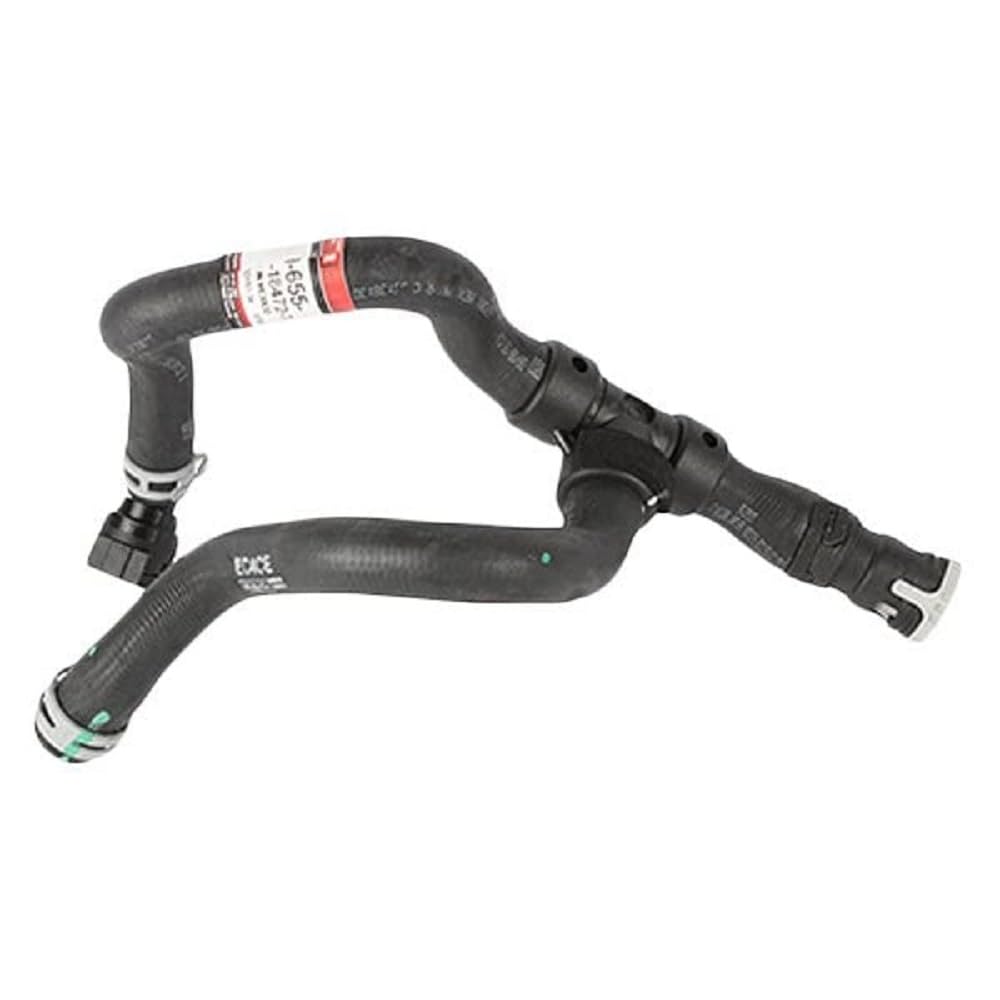
The Motorcraft KH655 is not a standalone purge valve but a complete hose assembly that includes the valve, the molded rubber lines, and the quick-connect fittings. This matters because on the 2013 Ford Escape 2.5L engine, the original equipment purge valve is integrated into a multi-branch hose that routes around the battery tray and cowl area. Replacing just the valve on an aged hose can leave cracked rubber sections that reintroduce vacuum leaks. The KH655 addresses the entire vapor path from the canister to the intake manifold.
Owner feedback on the 2013 Escape 2.5L specifically highlights that this assembly eliminates the common leak point at the center plastic T-fitting, which becomes brittle over time and develops hairline cracks. The molded rubber hoses use factory-spec durometer material that resists ethanol-fuel degradation better than generic vacuum hose. One detailed install account from a 2014 Escape SE AWD owner describes removing the air filter box, battery box, wipers, and cowl to access the full routing — a process that takes roughly one to two hours but results in a completely sealed EVAP system.
The assembly includes both the metal quick-connect tabs and the plastic retainer clips, which are often broken during removal of the original hoses. Buying the KH655 eliminates the need to source these small parts separately. For owners dealing with a P0456 or P0455 code that hasn’t resolved after replacing just the valve, the KH655 assembly is the definitive fix. The cost is justified by the reduction in diagnostic time and the guarantee that every connection point from the canister to the manifold is new.
What works
- Complete vapor path replacement eliminates hidden leaks in aged rubber hoses
- Includes factory-spec quick-connect fittings and retainer clips
- Addresses the common center T-fitting failure point on the 2.5L engine
What doesn’t
- Installation requires removal of battery tray, cowl, and wiper assembly for access
- Higher upfront cost compared to replacing only the valve solenoid
5. Dorman 911-032 Vapor Canister Purge Valve

The Dorman 911-032 is a direct-replacement purge valve engineered for broad vehicle coverage, with compression-style fittings that provide a positive seal on multiple hose diameters. This valve is designed to function like the original equipment part, using premium-grade materials aimed at long service life. Owner reports on a 2007 Hummer H3 and a 2013 Chevy HD confirm that the 911-032 resolves the gas cap light and hard-start-after-refuel issues that occur when the purge valve fails to seal properly after engine shutdown.
Construction quality is consistent with Dorman’s century of experience in automotive replacement parts. The valve body is built from materials that withstand underhood temperature cycles without warping, and the solenoid plunger uses a sealing compound that resists fuel vapor permeation. One owner who replaced their valve due to a P0457 code noted that the old valve was not fully closing, and the 911-032 restored proper idle quality and eliminated the fuel smell that had been entering the cabin during hot starts.
Fitment on the 2013 Ford Escape requires checking the specific engine and production date using Amazon’s garage tool, as the 911-032 covers a wide range of Ford, GM, and Chrysler applications. The compression fittings simplify installation by eliminating the need for hose clamps, though the valve does require the correct hose ID to seat properly. For owners who want a well-engineered aftermarket valve with a long track record and easy installation, the 911-032 represents a performance-oriented choice that balances durability with convenience.
What works
- Compression fittings create a positive seal without clamps on most applications
- Premium material construction withstands temperature cycling and fuel vapor exposure
- Backed by over a century of Dorman engineering and quality testing
What doesn’t
- Broad vehicle fitment requires careful verification using garage tool for 2013 Escape
- Compression fittings may not suit all hose types without proper ID measurement
6. A-Premium Vapor Canister Purge Solenoid Valve

The A-Premium purge valve covers an unusually wide range of Ford, Lincoln, Mercury, and Mazda vehicles, including the 2013 Ford Escape with the 2.5L and 3.0L engines. The valve uses threaded NPT-style ports on a metal body, which provides a durable mounting platform and secure vacuum line attachment. Owner feedback on a 2011 Ford Escape XLT confirms that the valve is a direct visual match to the original part and resolves the stall-after-refuel condition on the first installation.
The solenoid performance is consistent across multiple owner reports, with several reviewers noting immediate clearing of hard-start symptoms and improved fuel mileage after replacement. The threaded port design eliminates the hose slip-off risk that can occur with barb-only connections, making this a good choice for owners who want a secure mechanical lock between the valve and the vacuum lines. One F-150 owner reported that the valve solved a delayed crank after fueling in less than five minutes of installation time.
Quality control does show some variation — one owner reported a valve that did not function and triggered a large leak code on the scanner. This type of failure, while infrequent in the aggregate data, highlights the importance of testing the valve before full reassembly. The A-Premium valve is best suited for owners who want broad vehicle coverage and metal-threaded connections at a competitive investment, with the understanding that individual unit quality may vary more than with OEM-grade parts.
What works
- Threaded NPT ports provide secure mechanical connection to vacuum lines
- Extensive vehicle coverage across Ford, Lincoln, Mercury, and Mazda platforms
- Quick installation with positive owner reports on resolving stall-after-refuel
What doesn’t
- Quality control inconsistency with occasional defective units reported
- Not recommended for EcoBoost engines; limited to naturally aspirated configurations
7. Marketplace Auto Parts Purge Valve

This Marketplace Auto Parts purge valve is engineered specifically for the 2013-2018 Ford Escape with the 2.0L 4-cylinder engine, with a production date range starting from September 30, 2014. The valve uses barb-style inlet and outlet connections with a hybrid construction of metal, plastic, and rubber that matches the original equipment layout. An owner of a 2013 Escape 2.0L EcoBoost confirmed that this assembly fixed both the P1450 code and the cranking problem that had developed after fueling.
The assembly includes the valve and the necessary hose routing, which reduces the chance of missing brackets or incorrect line lengths. The barb connections provide a secure grip on the factory EVAP hoses, and the valve body is positioned to clear the engine bay components on the 2.0L. One review noted that the bends in the assembly matched the factory routing, making installation straightforward without needing to force the hoses into position.
However, a 2017 Escape 2.0L owner reported that the bends were incorrect and the assembly required modification to fit, which suggests that production date variations within the 2013-2018 range may affect compatibility. The return process for a non-fitting part involves shipping costs and delays, which is a consideration for owners who cannot have the vehicle out of service for extended periods. This valve is best suited for owners who have confirmed the exact production date and engine variant of their 2013 Escape 2.0L and want a dedicated solution rather than a universal valve.
What works
- Engine-specific design for 2013-2018 Escape 2.0L EcoBoost
- Includes hose assembly with factory-matched routing for straightforward installation
- Resolved P1450 and crank-no-start conditions on confirmed-fit applications
What doesn’t
- Fitment variations across production date ranges may require modification
- Return shipping costs and delays if the bends do not match the specific vehicle
8. Tykick GV6Z-9D289-E Vapor Canister Purge Valve

The Tykick GV6Z-9D289-E is designed for the 2017-2019 Ford Escape 1.5L L4, making it a direct cross-reference for the OEM part numbers GV6Z-9D289-E and GV6Z-9D289-A. The valve uses a plastic housing with National Pipe Tapered inlet and outlet connections, and it includes the hose assembly for a complete replacement. Owner reports on 2017 and 2018 Escape 1.5L models confirm that this valve clears the EVAP purge valve code and resolves the hard-start-after-fueling condition that plagues this engine family.
Installation on the 1.5L requires moving the brake fluid reservoir for access, which adds roughly 30 minutes to the job. The hose routing and connections are straightforward, though one owner noted that the locking clips are lower quality than the OEM clips and recommended using the original retainers if they are still intact. Another 2018 Escape owner reported that the valve fits well and cleared the vapor leak code without issues, appreciating the cost savings versus the genuine Ford assembly.
A critical durability concern emerged from a 2018 Escape owner whose valve failed after three months due to an open circuit in the solenoid. The same owner noted that the hose alignment did not match the engine block holders perfectly, leaving one line unsupported. This failure pattern suggests that while the Tykick valve works well initially, the long-term reliability may not match the genuine Motorcraft part. For owners of the 2017-2019 Escape 1.5L who want a budget-friendly option with a known failure risk, this valve offers short-term value.
What works
- Direct fit for 2017-2019 Escape 1.5L with OEM cross-reference numbers
- Resolves hard-start-after-fueling and clears EVAP codes on correct applications
- Significant cost savings compared to genuine Ford GV6Z-9D289-E assembly
What doesn’t
- Reported solenoid open-circuit failure after three months in one documented case
- Hose alignment does not match engine block holders perfectly on some units
- Lower quality locking clips compared to original Ford retainers
9. Hoiedt GV6Z-9D289-E Vapor Canister Purge Valve
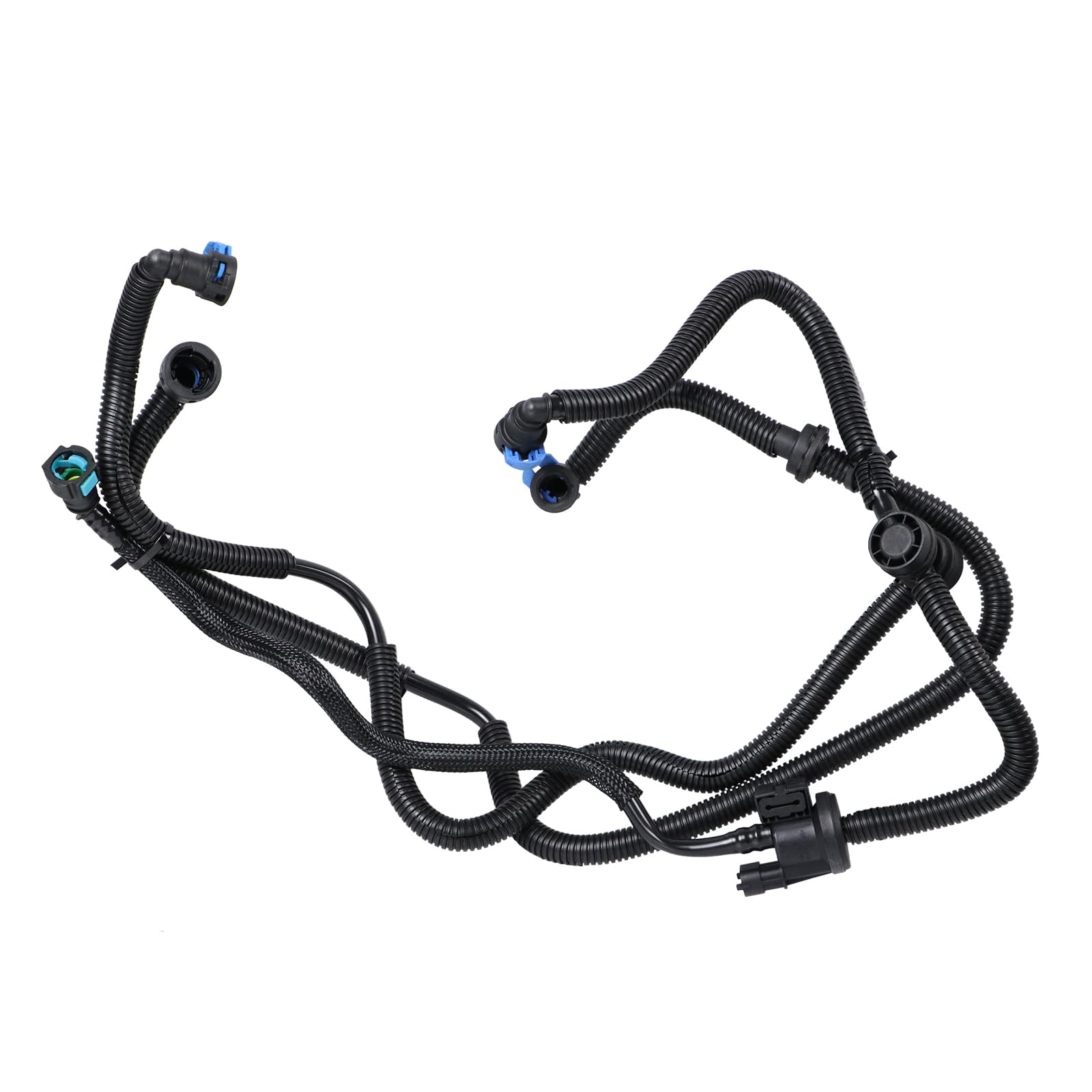
The Hoiedt purge valve is another aftermarket option for the 2017-2019 Ford Escape 1.5L, utilizing a stainless steel exterior finish with NPT threaded connections. This valve replaces the same OE numbers as the Tykick valve — GV6Z-9D289-E and CP892 — and is engineered as a direct bolt-on replacement that requires no modifications. A 2017 Escape owner reported that this valve fixed a P0496 code and that the check engine light turned off after approximately 50-60 miles of driving.
Build quality appears consistent across the owner reports, with multiple 2017 Escape owners confirming that the valve fits correctly and works as intended. The stainless steel construction provides better corrosion resistance than the plastic-housing alternatives, and the threaded NPT ports create a secure connection that resists vibration loosening. One owner noted that watching YouTube installation videos was helpful for understanding the removal sequence, particularly for disconnecting the electrical connector and the vacuum line retainers.
The valve has been operating reliably in a 2017 Escape for four months according to one owner, with no recurrence of the original EVAP code. The installation process is straightforward, and the hose routing matches the factory layout. For owners of the 2017-2019 Escape 1.5L who want a metal-bodied alternative to the OEM plastic assembly at a lower investment, the Hoiedt valve offers a good balance of material quality and proven function, though long-term data beyond four months is still limited.
What works
- Stainless steel construction resists corrosion and provides durable housing
- Threaded NPT ports deliver secure vacuum line connection
- Direct bolt-on with positive owner feedback on P0496 code resolution
What doesn’t
- Fitment limited to 2017-2019 Escape 1.5L; not applicable to 2013 models
- Long-term reliability data beyond four months is limited
10. MOTOKU EVAP Vapor Canister Purge Valve
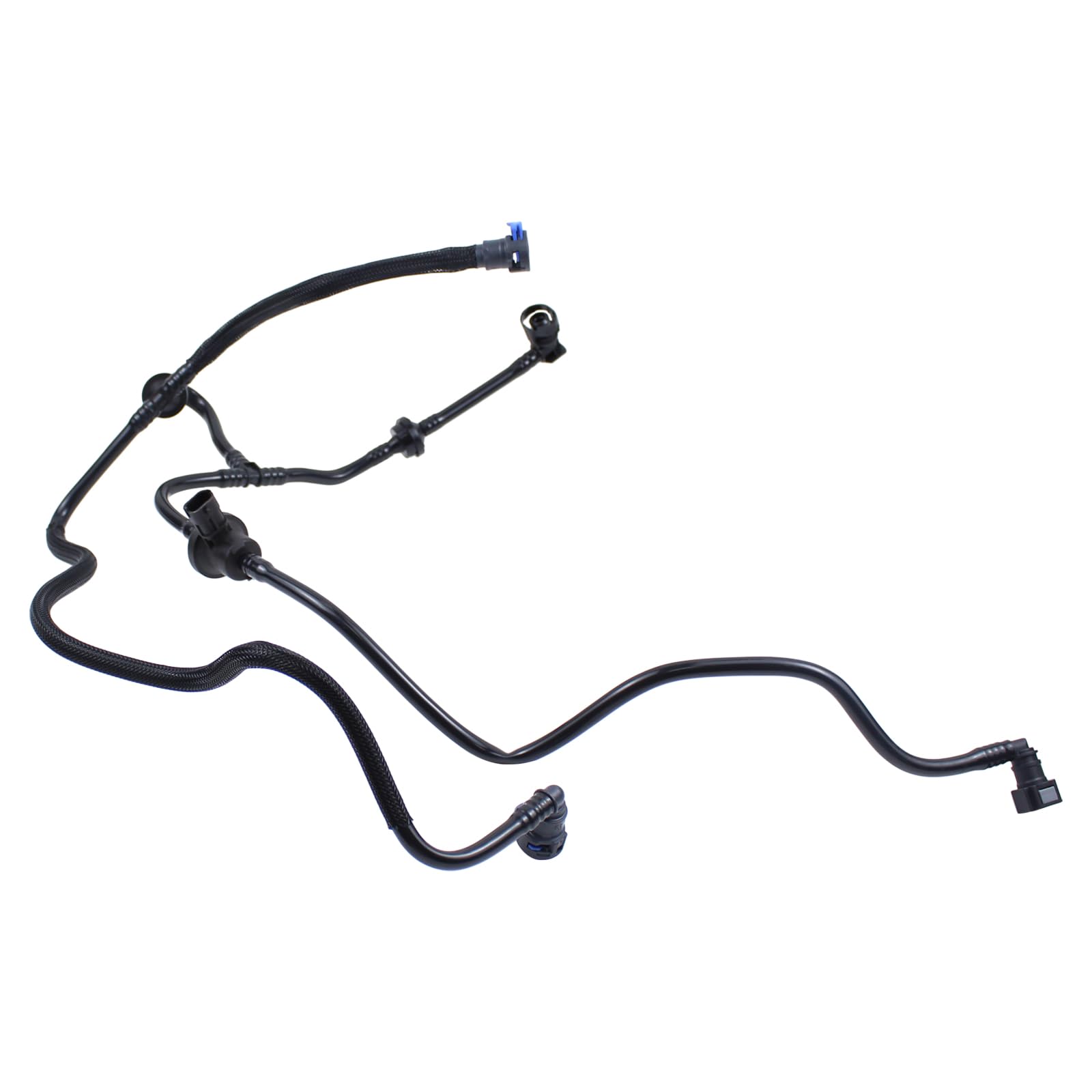
The MOTOKU purge valve is designed exclusively for the 1.6L EcoBoost engine found in the 2015-2016 Ford Escape and 2014-2016 Transit Connect. It replaces part numbers 911-773, CV6Z-9D289-B, and CV6Z-9D289-T, and includes a complete hose assembly with the valve pre-installed. The stainless steel construction and black hose assembly match the factory layout, and the valve is engineered to be a direct replacement for the original equipment unit.
Owner feedback reveals a significant fitment issue: multiple buyers report that the rear fitting near the firewall is too small to accept the OEM connection, and the hose bends do not match the factory routing. One 2015 Escape 1.6L owner stated unequivocally that the valve does not fit despite Amazon’s fitment confirmation, and another 2014 Escape owner reported the same problem with the end connector not fitting. A 2013 Escape SEL 1.6L owner also confirmed that the valve did not fit their vehicle, requiring a return and refund.
The one positive review noted that the valve passed a functionality test after replacing the connector tube, which had a smaller orifice. However, the pattern of fitment failures across multiple vehicle years suggests that the hose assembly dimensions are not consistent with the factory specifications. For owners of the 2015-2016 Escape 1.6L, purchasing from a local auto parts store that allows physical comparison before purchase may be a safer strategy than ordering this MOTOKU assembly sight-unseen.
What works
- Includes complete hose assembly with valve for full replacement
- Stainless steel valve body provides corrosion resistance
- One positive owner report after modifying the connector tube
What doesn’t
- Multiple fitment failures reported across 2014, 2015, and 2016 Escape 1.6L models
- Rear fitting diameter does not match OEM connection on several units
- High return rate due to incorrect hose bends and connector sizes
11. ApplianPar Vapor Canister Purge Valve
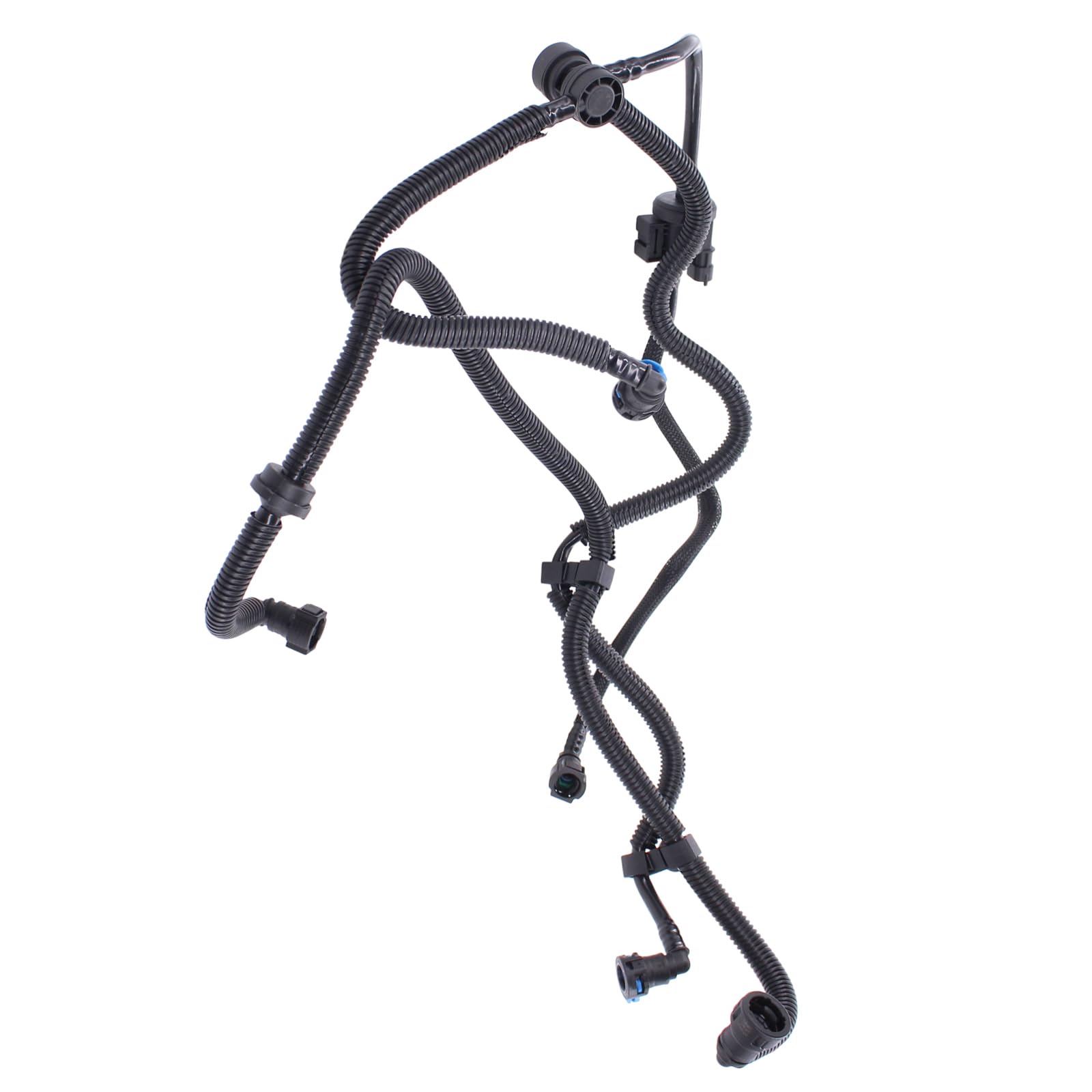
The ApplianPar purge valve is specific to the 2017-2019 Ford Escape with the 1.5L engine, using threaded inlet and outlet connections on a stainless steel body. The valve is sold as a standalone unit without a hose assembly, which means the owner must reuse the existing hoses or purchase them separately. Owner feedback is mixed but generally positive, with a 2017 Escape 1.5L owner confirming that the valve cleared the engine code and the light stayed off after installation.
Installation is straightforward, with one owner noting that the quick-connect fittings on the harness system made the swap easy. The stainless steel construction provides a durable mounting platform, and the threaded ports create a secure seal. However, one 2017 Escape owner reported that the valve lasted only ten days before failing, leading them to conclude that the genuine Ford OEM part was the better investment. This failure pattern, while isolated, mirrors the risk seen with other aftermarket 1.5L-specific valves.
The ApplianPar valve represents a budget-conscious choice for owners who want a stainless steel replacement at a competitive investment. The 10-day failure report is a cautionary data point, but the positive reviews suggest that many units perform correctly. For owners of the 2017-2019 Escape 1.5L who are comfortable with the risk and want to save versus the dealer price, this valve is a viable option. Owners of the 2013 Ford Escape should note that this valve does not fit their vehicle due to the different engine and connection layout.
What works
- Stainless steel body with threaded ports for secure installation
- Direct fit for 2017-2019 Escape 1.5L with straightforward installation
- Clears EVAP codes and resolves hard-start-after-fueling on correct applications
What doesn’t
- One documented failure after ten days of operation
- Standalone valve requires reusing existing hoses or separate purchase
- Not compatible with the 2013 Ford Escape engine configurations
Hardware & Specs Guide
Solenoid Coil Resistance
The purge valve’s solenoid coil resistance directly affects how the PCM controls purge flow. Factory Ford valves typically measure between 22 and 28 ohms at room temperature. A valve with significantly lower resistance draws higher current and may overheat the PCM driver circuit. Aftermarket valves that deviate from this spec can cause intermittent purge flow or trigger EVAP monitor incompleteness. Always measure coil resistance with a multimeter before installation and compare to the original valve’s reading.
Port Configuration & Sealing
Purge valves use either barb, compression, or threaded port connections. Barb fittings rely on hose clamping force and are common on OEM assemblies with molded hoses. Compression fittings use a ferrule that crushes onto the hose for a mechanical seal. Threaded NPT ports require thread sealant but provide the most secure connection. The 2013 Escape 2.5L uses a two-bolt flange with O-ring seal, while the 2.0L and 1.6L EcoBoost engines use quick-connect fittings integrated into the hose assembly. Mixing port types requires adapters that can introduce leak paths.
Housing Material & Durability
Metal-bodied valves (machined aluminum or stainless steel) resist cracking from underhood thermal cycling and vibration fatigue better than plastic-housed valves. Plastic housings are lighter and cheaper but develop stress fractures at the connector base and mounting ears over time. The Motorcraft CX2695 and CX-2349 use machined metal housings. The Dorman 911-222 uses a machined metal body with compression fittings. Aftermarket plastic-housed valves for the 1.5L EcoBoost are the most prone to early failure due to the tight mounting location near the turbocharger heat zone.
Plunger Seal Material
The plunger seal is the component that actually blocks or allows vapor flow. OEM Ford valves use a silicone-based elastomer that resists swelling when exposed to fuel vapor hydrocarbons. Aftermarket valves sometimes use nitrile rubber seals, which can absorb fuel vapor over time and cause the plunger to stick open or closed. A stuck-open plunger creates a vacuum leak that triggers lean fuel trim corrections. A stuck-closed plunger prevents canister purging, leading to fuel tank pressure buildup and P0455/P0456 codes. Look for aftermarket valves that explicitly specify silicone or fluorosilicone plunger seals.
FAQ
What are the symptoms of a bad purge valve on a 2013 Ford Escape?
How do I know which purge valve fits my 2013 Ford Escape engine?
Can I clean a purge valve instead of replacing it?
Will a purge valve from a 2014 Escape work on my 2013 model?
How long does a purge valve replacement take on a 2013 Ford Escape?
Final Thoughts: The Verdict
For most owners of the 2013 Ford Escape, the best 2013 ford escape purge valve winner is the Motorcraft CX2695 because it delivers guaranteed OEM coil resistance, proven sealing geometry, and the lowest rate of premature failure across both the 2.5L and compatible naturally aspirated engine configurations. If you need a complete vapor path solution and suspect your hoses are cracked or brittle, the Motorcraft KH655 hose assembly is the definitive fix that addresses every connection from the canister to the manifold. And for EcoBoost owners specifically, the Marketplace Auto Parts valve offers an engine-specific design that fits the 2.0L without guesswork, provided you verify the production date range.

Certification: BSc in Mechanical Engineering
Education: Mechanical engineer
Lives In: 539 W Commerce St, Dallas, TX 75208, USA
Md Amir is an auto mechanic student and writer with over half a decade of experience in the automotive field. He has worked with top automotive brands such as Lexus, Quantum, and also owns two automotive blogs autocarneed.com and taxiwiz.com.