Nothing ruins a road trip faster than a cabin that feels like an oven or glare so harsh you’re squinting at every turn. The right auto tint film transforms that experience — dropping interior temperatures, shielding your upholstery from UV damage, and giving you privacy without sacrificing visibility at night. But between VLT percentages, ceramic vs. dyed construction, and adhesive quality claims, the market is flooded with options that either stick like a dream or bubble up within a month.
I’m Amir — the founder and writer behind Four Wheel Ask. I’ve spent countless hours analyzing automotive window film specifications, cross-referencing manufacturer heat rejection claims with real-world owner feedback, and evaluating adhesive performance across dozens of aftermarket brands to separate the install-friendly rolls from the frustrating failures.
Whether you’re a first-timer or a seasoned DIYer, this guide breaks down the top contenders for today’s best auto tint film based on heat rejection data, scratch resistance, and ease of installation.
How To Choose The Best Auto Tint Film
Window tint film isn’t just about looks — it’s a layered investment in cabin comfort, UV defense, and shatter safety. Three specifications define your experience: visible light transmission (VLT), material composition, and adhesive reliability. Get these right, and you avoid peeling edges, purple discoloration, or legal trouble from a tint that’s too dark for your state’s limits.
Choose Your VLT Percentage Carefully
VLT measures how much visible light passes through the film. A 5% VLT (often called “limo tint”) offers maximum privacy but severely reduces night vision — legal only on rear windows in most states. A 20% VLT strikes a balance, giving deep darkness without making parallel parking at night a guessing game. 35% VLT is the sweet spot for front windows in many jurisdictions, reducing glare while keeping you compliant. Check your local statutes before buying; installing illegal film can lead to fines and failed inspections.
Ceramic vs. Dyed vs. Carbon Film Layers
Dyed polyester film is the budget option — it darkens glass but absorbs heat rather than reflecting it, leading to faster degradation and eventual fading to purple. Carbon film uses embedded carbon particles to block infrared light without interfering with electronics like GPS or radio signals. Ceramic film, the premium tier, employs nano-ceramic particles to reject up to 99% of UV rays and 88% of infrared heat without the metallic look; it also doesn’t corrode or interfere with smartphone reception.
Examine Adhesive Tack and Scratch Resistance
A low-tack adhesive makes repositioning forgiving during installation but risks peeling at the edges over time, especially when the window seal rubs against the film. Look for a film with a stable, pressure-sensitive adhesive that bonds firmly after a 24-hour cure period. Scratch-resistant top coats are critical if you frequently lower your windows — a film without hard coating will show vertical scratch lines from the weatherstripping within months.
Quick Comparison
On smaller screens, swipe sideways to see the full table.
| Model | Category | Best For | Key Spec | Amazon |
|---|---|---|---|---|
| IAQWE 35% VLT Ceramic | Ceramic | DIY value with ceramic upgrade | 5-layer, 99% UV block | Amazon |
| ARANA 5% VLT Ceramic | Ceramic | Maximum privacy for rear windows | 5% VLT, 99% UV block | Amazon |
| ARANA 20% VLT Ceramic | Ceramic | Balanced darkness & visibility | 20-in x 25-ft roll | Amazon |
| PAMAGOO 35% VLT Ceramic | Ceramic | Premium scratch resistance | 88% IR rejection | Amazon |
| smilfuy 35% VLT Dark Vinyl | PET Dyed | Entry-level large-roll coverage | 30-in x 19.68-ft | Amazon |
In‑Depth Reviews
1. IAQWE 35% VLT Ceramic Car Window Tint Film
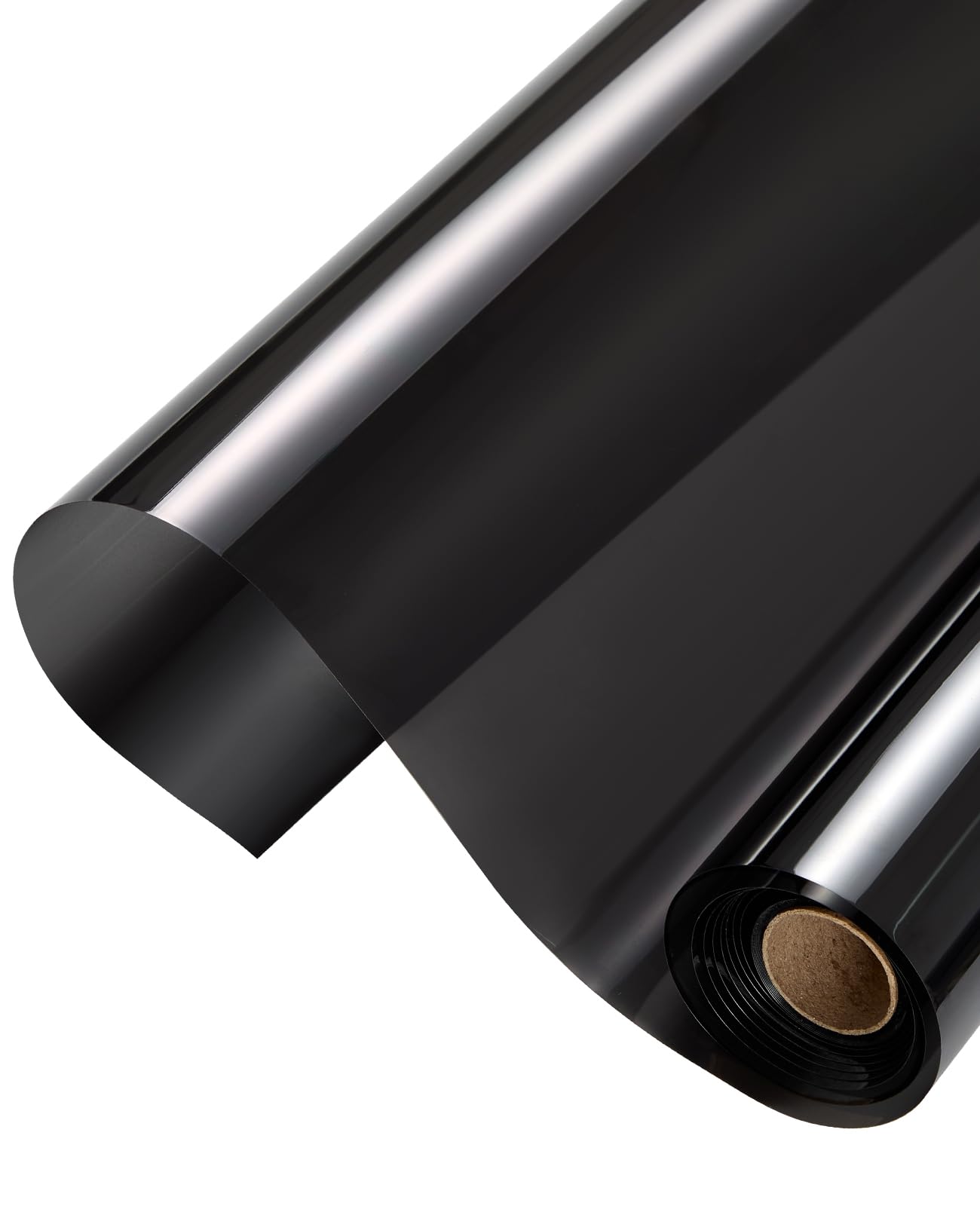
IAQWE’s ceramic formulation delivers genuine nano-ceramic heat rejection at a price point that undercuts most retail shop quotes. The 5-layer safety film construction means this tint doesn’t just block 99% of UV rays — it also holds shattered glass in place during an impact, adding a safety layer most dyed films simply can’t offer. At 35% VLT, it’s the most street-legal choice for front door glass across a wide range of states, balancing daytime privacy with enough light transmission for safe night driving.
The included bubble-free adhesive system shows its strengths on flat and moderately curved side windows, but the heat-shrink capability is what allows it to conform to complex rear-quarter glass without creasing. Experienced owners note that the adhesive is slightly less aggressive than high-end commercial films, meaning edge lifting can occur if you rush the cure time or fail to burnish the edges properly. That said, for the per-roll cost, the material behaves comparably to films sold at double the price.
A solid choice for the DIYer who wants ceramic-grade infrared rejection without spending premium money. The 20-inch width covers most sedan and SUV side windows cleanly, though you’ll need a second roll for truck rear glass wider than 20 inches. Pair it with a proper felt squeegee and a heat gun for rear windows, and you’ll get results that look shop-installed.
What works
- Genuine nano-ceramic construction blocks IR heat effectively
- 5-layer safety film adds shatter resistance
- Competitive price for the film quality delivered
What doesn’t
- Adhesive tack is lower than premium commercial brands, requires careful edge burnishing
- Some rolls arrive with minor creases from packaging that are difficult to shrink out
2. ARANA 5% VLT 20″ × 20FT Car Window Tint Film
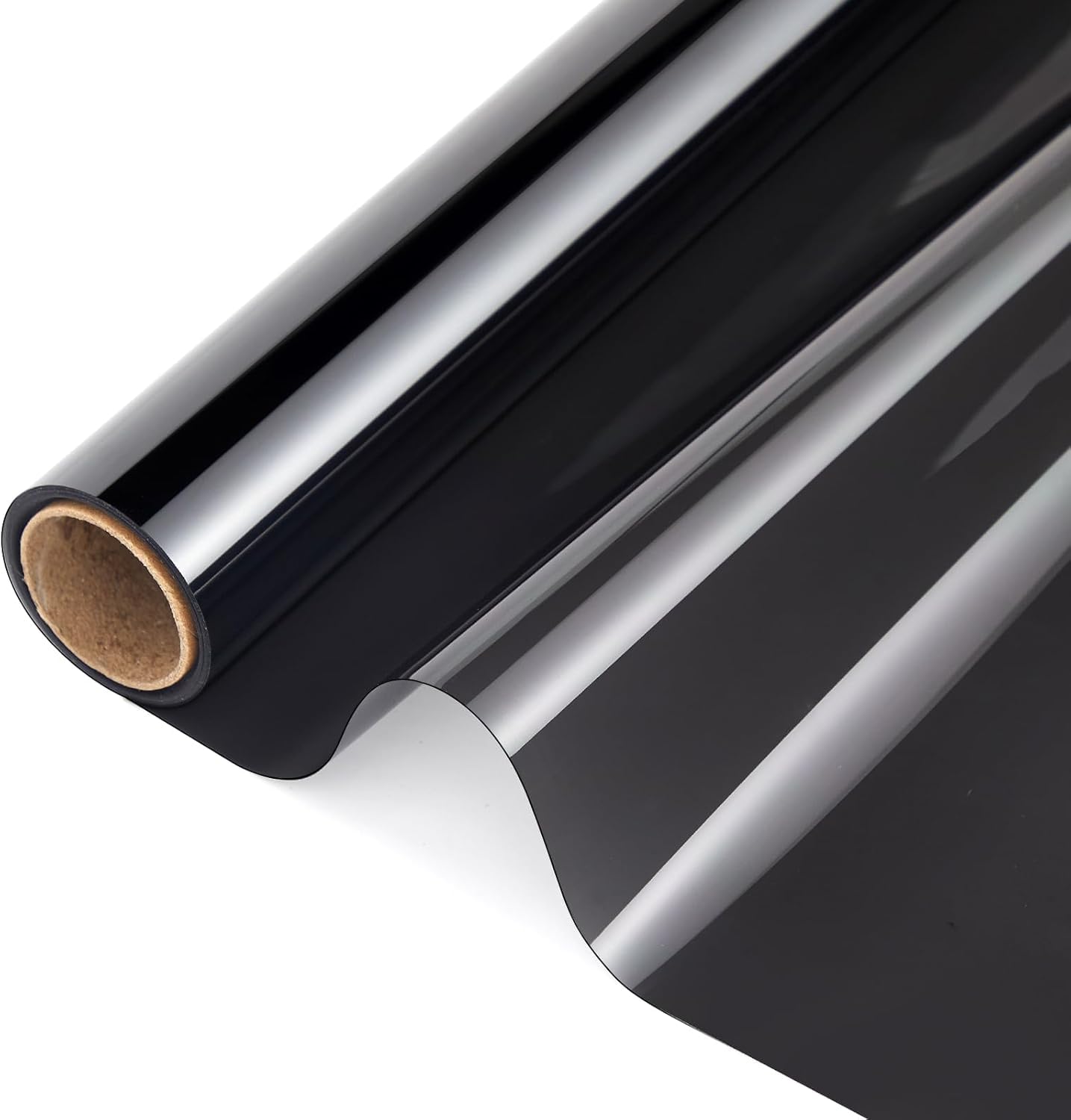
ARANA’s 5% VLT film is built for rear-quarter and cargo-area applications where maximum privacy is the primary goal. The nano-ceramic particles block 99% of UVA and UVB radiation while significantly reducing solar heat buildup, making the cargo compartment of an SUV or the back seat of a sedan noticeably cooler on sunny days. The 5% VLT rating means virtually zero outward visibility from the outside, which deters break-ins by hiding valuables from prying eyes.
The stable adhesive formulation resists bubbling and peeling through temperature swings and automatic car washes, a weak point in many budget-priced films. ARANA backs this roll with 18 months of after-sales support, a warranty window that suggests the manufacturer has confidence in the film’s long-term color stability and edge adhesion. The 20-inch width works well for most rear side glass, but the short 20-foot length requires careful measuring before you start cutting.
Keep in mind that 5% VLT is illegal for front door windows in most jurisdictions, and it significantly reduces rear visibility at night. Only install this on windows behind the driver’s B-pillar if you’re tinting a passenger vehicle. For a dedicated work van or camper conversion where nighttime rear vision isn’t critical, this film offers impressive bang for the buck.
What works
- Exceptional privacy with near-zero outward visibility
- 18-month after-sales support indicates above-average durability expectations
- Genuine ceramic build, not just dyed polyester
What doesn’t
- Too dark for front windows in most legal codes
- 20-foot roll may be short for larger vehicles with multiple windows
3. ARANA 20% VLT 20″ × 25FT Ceramic Car Window Tint Film
This 25-foot roll from ARANA extends your coverage by 5 feet compared to the standard 20-foot rolls, making it the smarter buy if you’re tinting an SUV with larger rear cargo windows or a crew-cab pickup truck that eats up film length fast. The 20% VLT sits in the sweet spot between the limo-dark 5% and the moderate 35% — it provides deep privacy without turning your driver’s side window into a mirror at night. Multiple verified installers report that the film’s measured VLT matches closely to the rated 20%, and UV blockage independently tested at 96%, very close to the advertised 99%.
The installation experience is consistent with ARANA’s other ceramic offerings: the film shrinks down smoothly over compound curves when heat is applied, but the adhesive is not the most aggressive on the market. Users with prior tinting experience note that a small air gap from a kinked edge can turn into a lifting corner if the final burnish isn’t thorough. That’s a common characteristic of mid-range ceramic films, not a defect unique to this product.
For the money, you get 5 extra feet of the same ceramic material that costs fractionally more per linear foot than the 20-foot version. If you’re planning a two-door coupe or a compact sedan, the 20-foot ARANA might be enough, but the 25-foot roll removes the anxiety of running short mid-project. Combine it with the 5% ARANA for the rear windows if you want a graduated look from front to back.
What works
- 25-foot roll length suits SUVs and crew-cab trucks without needing a second roll
- 20% VLT offers good privacy while retaining adequate night vision
- Measured VLT matches rated percentage closely in user tests
What doesn’t
- Adhesive is moderate, requiring patient edge burnishing to prevent lifting
- Thinner film construction than some premium commercial brands
4. PAMAGOO 35% VLT Ceramic Window Roll 20″ x 20′

PAMAGOO differentiates itself with a hard-coat scratch-resistant layer applied via nano-ceramic technology. This coating matters if you frequently roll your windows up and down — the weatherstripping friction that eventually scores softer films is redirected off the hard top coat, preserving optical clarity over years of use. The 35% VLT rating blocks 88% of infrared heat and better than 95% of UV rays, bringing cabin temperatures down noticeably even on vehicles without sunroof shades.
The installation process is more involved than a simple peel-and-stick, as PAMAGOO provides a detailed manual and video guide for a wet application with a heat gun. This isn’t a film you can slap on dry in fifteen minutes; it requires careful positioning, squeegeeing, and heat-shrinking around compound curves. The trade-off is a more permanent bond with less risk of adhesive ghosting if you ever decide to remove the film. The 12+1 month support guarantee covers defects but not installation errors, so make sure you’re comfortable with the wet-install method before committing.
The scratch resistance alone makes this the best pick for a daily driver where the rear-seat passengers or pets might rub against the glass. If you’re willing to invest the extra effort during application, the result is a film that holds its glossy black appearance longer than competitor rolls at a similar price tier.
What works
- Hard-coat scratch resistance holds up well to window movement and pet contact
- 88% IR rejection keeps cabin noticeably cooler in direct sun
- Wet-install method creates a more permanent, ghost-free bond
What doesn’t
- Wet installation requires more tools and patience, not ideal for beginners
- No adhesive-free peel-and-stick option for quick installation
5. smilfuy 35% VLT Dark Vinyl Protection Film 30″ x 19.68′
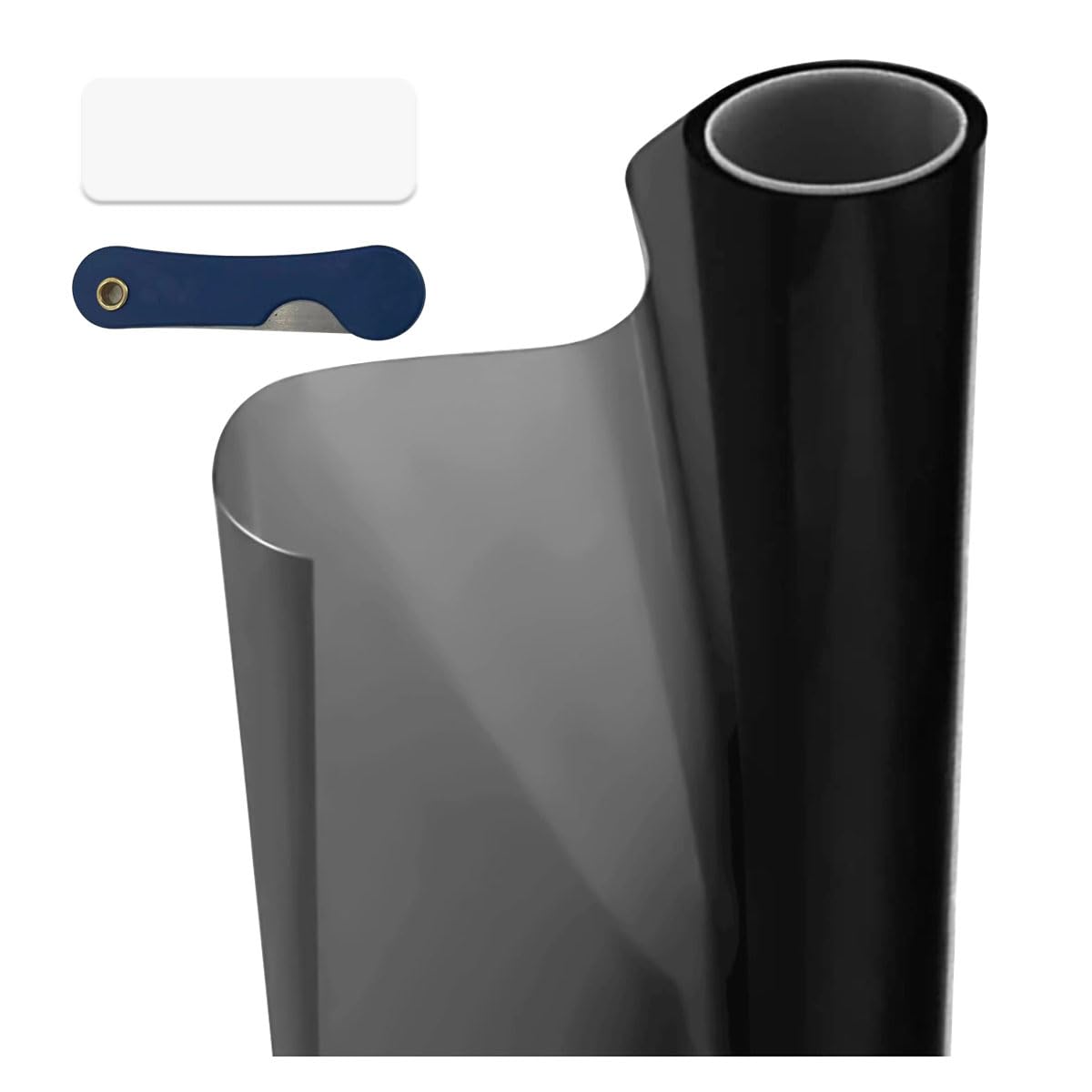
The smilfuy film stands out because of its 30-inch width — significantly wider than the 20-inch standard, making it the only roll in this list that can cover full-size truck rear windows, large van slider doors, or crossover rear screens without side-seaming. The film uses PET material with a professional 1-layer design that reduces glare while maintaining reasonable outward clarity. The 35% VLT keeps you legal on front windows in most states and provides passable privacy for the cabin.
This is a dyed polyester film, not a ceramic one, which means it absorbs heat rather than reflecting it. The interior of the glass will get hotter than it would with a ceramic film, and the tint itself can fade or shift toward purple over two to three years of intense sun exposure. The included squeegee and knife help with the installation, but the thinner material can crease more easily during handling if you’re not careful.
The wide roll makes this a strong candidate for vehicles with large, one-piece rear glass where other 20-inch rolls would leave a visible gap or require a seam. If you’re on a tight budget and need broad coverage, the smilfuy gives you the surface area to work with. Just don’t expect the long-term durability or IR rejection of the ceramic options in this guide.
What works
- 30-inch width uniquely fits large rear and cargo windows in a single piece
- Includes installation tools (squeegee and knife) for immediate use
- Low upfront cost for the coverage area
What doesn’t
- Dyed PET construction absorbs heat instead of reflecting it, reducing cabin comfort
- Fading and potential purple discoloration within 2-3 years of direct sun exposure
Hardware & Specs Guide
Visible Light Transmission (VLT)
VLT determines how much light passes through the tinted glass. A lower percentage means darker film. 5% VLT blocks nearly all light (limo tint), 20% offers deep shade with moderate night visibility, and 35% is the typical legal limit for front side windows. Always measure your state’s vehicle code before selecting a VLT — illegal tint can result in tickets and mandatory removal.
IR Rejection & Total Solar Energy Rejection (TSER)
Infrared heat constitutes roughly 53% of solar energy. Ceramic films achieve 80-88% IR rejection by reflecting heat away from the glass surface. Dyed films lack this reflective capability, absorbing heat into the glass and reradiating it into the cabin over time. A film’s TSER rating combines IR, UV, and visible light rejection into one number — look for TSER above 60% on ceramic films for meaningful interior temperature reduction.
FAQ
Can I install auto tint film on a curved rear window myself?
How long does ceramic window tint last compared to dyed film?
Will window tint interfere with my GPS or radio reception?
Final Thoughts: The Verdict
For most buyers, the best auto tint film winner is the IAQWE 35% VLT Ceramic because it delivers genuine ceramic-grade heat rejection and shatter-safe multilayer construction at a price that doesn’t demand a shop-install budget. If you need maximum privacy on rear windows, grab the ARANA 5% VLT for its impenetrable darkness and solid warranty. And for the toughest scratch-resistant finish that holds up to daily window rolling, nothing beats the PAMAGOO 35% VLT Ceramic.

Certification: BSc in Mechanical Engineering
Education: Mechanical engineer
Lives In: 539 W Commerce St, Dallas, TX 75208, USA
Md Amir is an auto mechanic student and writer with over half a decade of experience in the automotive field. He has worked with top automotive brands such as Lexus, Quantum, and also owns two automotive blogs autocarneed.com and taxiwiz.com.