The 5.7L i-Force V8 engine in your 2015 Toyota Tundra is a modern legend, known for crossing 300,000 miles with proper maintenance. But that legendary longevity starts and ends with one small component: the oil filter. Choosing the wrong filter allows microscopic contaminants to circulate through your oil galleries, accelerating wear on camshafts, timing chain tensioners, and rod bearings within just a few thousand miles.
I’m Amir — the founder and writer behind Four Wheel Ask. I’ve spent years analyzing oil filter specifications, tearing apart used filters to inspect synthetic media integrity, and cross-referencing flow rate data with real-world owner feedback to determine which 2015 Tundra oil filters actually protect the 3UR-FE and 1UR-FE engines under towing and daily driving conditions.
For heavy haulers, daily commuters, and weekend off-roaders alike, finding the right 2015 toyota tundra oil filter means the difference between a truck that runs strong at 200,000 miles and one that starts burning oil before 150,000.
How To Choose The Best 2015 Toyota Tundra Oil Filter
A 2015 Tundra oil filter must handle the unique demands of a high-displacement naturally aspirated V8 that runs hot under load. Three specifications separate quality filters from risky shortcuts.
Thread Pitch and Bypass Valve Calibration
The 2015 Tundra uses a spin-on filter with M20x1.5 thread pitch and a gasket diameter of roughly 62mm. The internal bypass valve must crack open between 8-11 psi of differential pressure. A filter with a higher bypass setting can starve the engine of oil on cold starts, while a lower setting lets unfiltered oil circulate during cold-idle warm-up. The 90915-YZZD3 and its direct replacements use calibrated bypass springs that match Toyota’s hydraulic actuation for VVT-i phasers.
Synthetic Media vs. Cellulose Media
Synthetic-blend media captures particles down to roughly 20 microns while maintaining higher flow rates than standard cellulose. For the 5.7L engine, which consumes over 8 quarts of oil and generates significant soot particles during direct injection cycles, a high-capacity synthetic media filters more aggressively without restricting flow. Cellulose filters work fine for standard 5,000-mile intervals, but extended oil change programs require synthetic media to maintain beta ratio stability past 7,500 miles.
Anti-Drainback Valve Integrity
The anti-drainback valve (typically silicone or nitrile rubber) prevents oil from draining out of the filter when the engine is off. A weak valve allows dry starts, where the VVT actuators chatter for seconds before oil pressure builds. The 5.7L’s horizontally-mounted oil filter makes this spec even more critical — a failing valve causes the entire filter housing to empty between starts. Quality filters use silicone valves that remain pliable through extreme temperature swings.
Quick Comparison
On smaller screens, swipe sideways to see the full table.
| Model | Category | Best For | Key Spec | Amazon |
|---|---|---|---|---|
| Purolator PBL25702 | Cartridge | Extended 10K–20K intervals | SmartFUSION synthetic media | Amazon |
| APSG Genuine 3-Pack | Spin-on | Pure OEM specs with washers | 90915-YZZD3 thread + gasket | Amazon |
| K&N HP-7018 | Spin-on | High flow & wrench-off nut | Synthetic-blend, 17-mm nut | Amazon |
| AngyMeck 3-Pack | Cartridge | Budget 3-pack for stock intervals | Cellulose media, 21 micron | Amazon |
| Kefly 3-Pack 90915-YZZD1 | Spin-on | Entry-level 5K-mile changes | Metal end caps/steel core | Amazon |
In‑Depth Reviews
1. Purolator PBL25702 PurolatorBOSS Cartridge
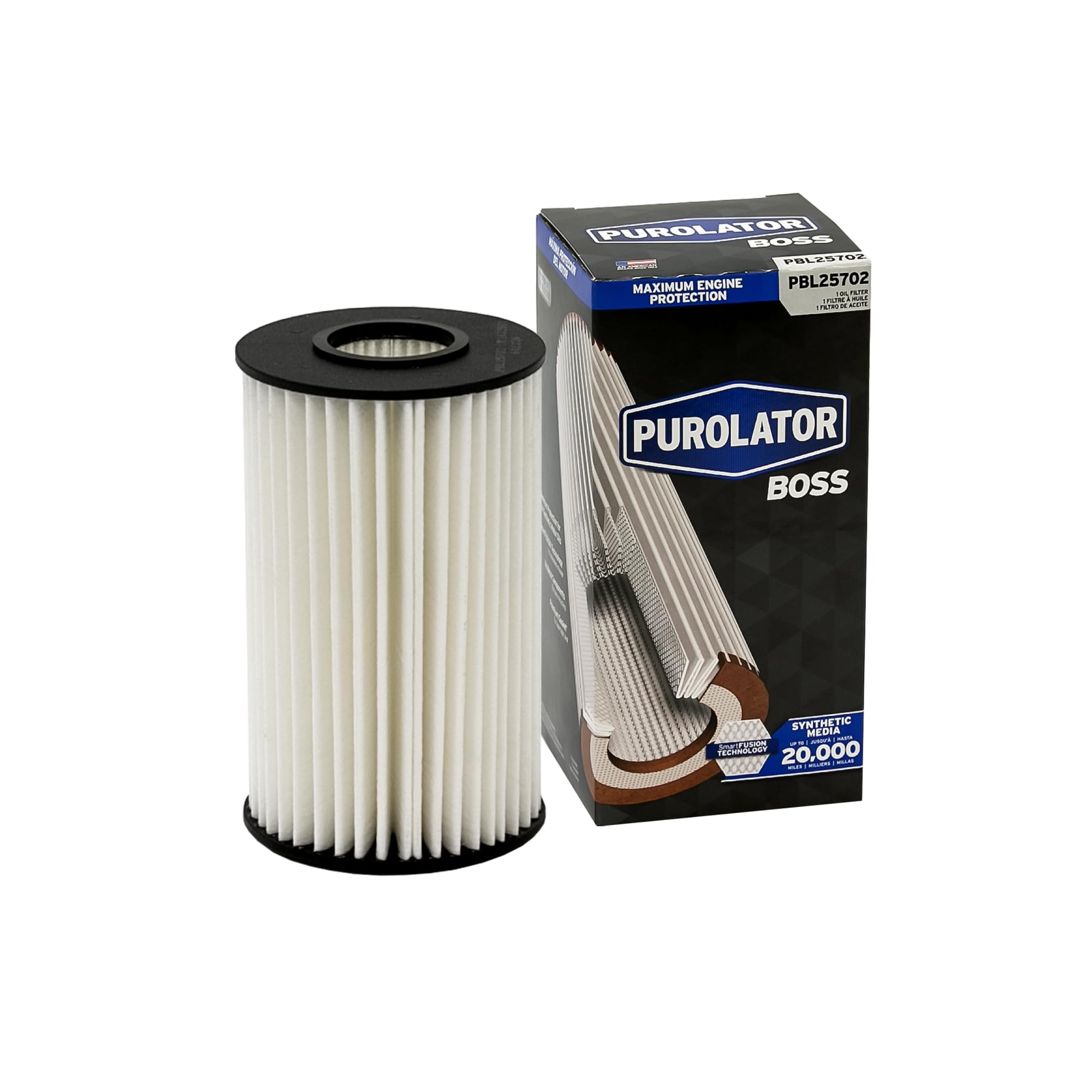
The PurolatorBOSS is engineered specifically for Toyota’s cartridge-style housing used on 2007-2021 Tundras, meaning its bypass valve calibration matches the 5.7L’s VVT-i oil requirements from the factory floor. The SmartFUSION technology embeds a reinforced polymer mesh backing into the synthetic media, which increases dirt-holding capacity by roughly 50% over standard synthetic filters. Real owners running 10,000-mile intervals with Mobil 1 report zero filter degradation, with used filter examinations showing the media pleats remaining intact without tearing.
The metal-free construction simplifies recycling but also reduces potential corrosion inside the housing over long service periods. At roughly 0.21 pounds, the cartridge is noticeably lighter than spin-on alternatives, and the premium gasket provides a leak-tight seal without requiring excessive torque on the cap. Consistent beta ratio performance at 20 microns means this filter catches wear particles without inducing pressure drop that would activate the bypass prematurely.
While the 20,000-mile rating is technically validated, the 5.7L Tundra benefits more from a 10,000-mile change interval paired with synthetic oil to fully leverage the filter’s capacity. The price lands in the mid-range area, making this a strong upgrade over Toyota’s standard cellulose cartridge at a reasonable premium. For Tundra owners who tow regularly or log highway miles, this is the most cost-effective extended-service option available.
What works
- SmartFUSION synthetic media with 20,000-mile dirt-holding capacity
- Factory-matched bypass valve for Tundra’s VVT-i oil circuit
- Leak-free premium gasket even with repeated cap torquing
What doesn’t
- Cartridge design requires replacing the upper cap o-ring separately (not included)
- Box packaging sometimes arrives crushed, risking media damage before installation
2. APSG Genuine 90915-YZZD3 3-Pack
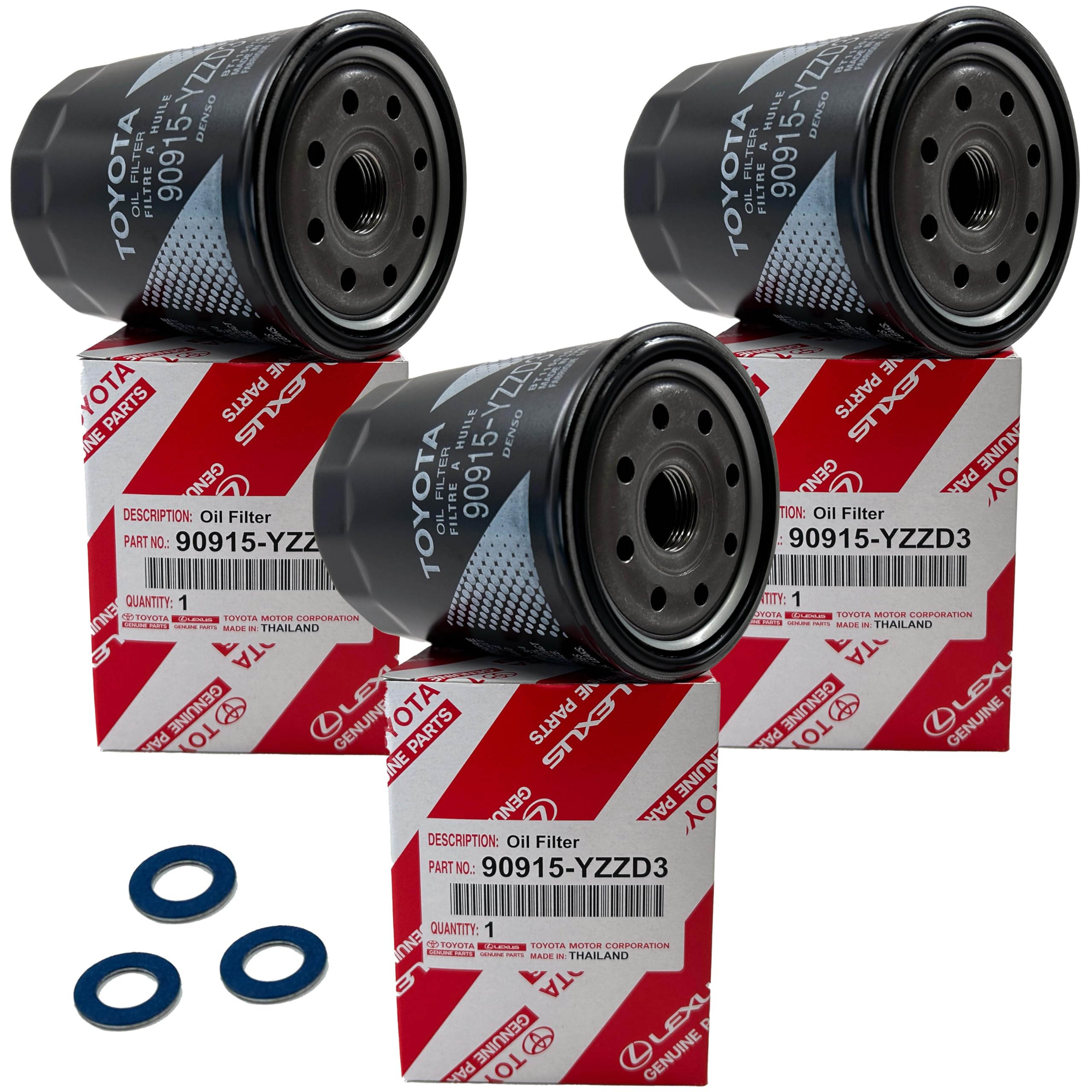
The APSG-packaged filters are manufactured to Toyota’s 90915-YZZD3 specification — the latest revision of the spin-on filter for the 5.7L, 4.6L, and 3UR-FE engines. The steel canister construction uses Toyota’s exact M20x1.5 thread geometry and a silicone anti-drainback valve that maintains seal integrity across the Tundra’s wide operating temperature range (-40°F to 300°F). Each filter comes paired with APSG drain plug washers, eliminating the need for a separate gasket purchase during oil changes.
The filter media is Toyota’s synthetic blend, calibrated for a beta ratio of 2/20 = 21 at 20 microns — meaning it captures 95% of particles at that size threshold. By-pass valve cracking pressure falls within the 8-11 psi range, which prevents cold-start bypass during Alberta winters while still protecting the filter from bursting under high-flow conditions at 6,000 RPM. The 3-pack format reduces per-unit cost compared to single dealer purchases, making this a value proposition for owners who stick to 5,000-mile oil change intervals.
Owner feedback confirms these filters match dealer-sourced units exactly, with proper pre-lubrication grease on the gasket and correct torque markings on the canister. The genuine OEM pedigree means compatibility with the Tundra’s oil cooler flow path is guaranteed — aftermarket filters with different internal flow geometry can sometimes cause slow oil pressure build on cold starts. For buyers who want zero-complication fitment, this 3-pack hits the premium tier without the dealership markup.
What works
- Genuine 90915-YZZD3 spec with correct synthetic media and silicone valve
- Three drain plug washers included — one less thing to forget
- Pre-lubricated gasket matches dealer torque and sealing performance
What doesn’t
- Premium per-unit cost even in 3-pack format
- Paper packaging offers no moisture barrier for long-term storage
3. K&N HP-7018 Performance Oil Filter
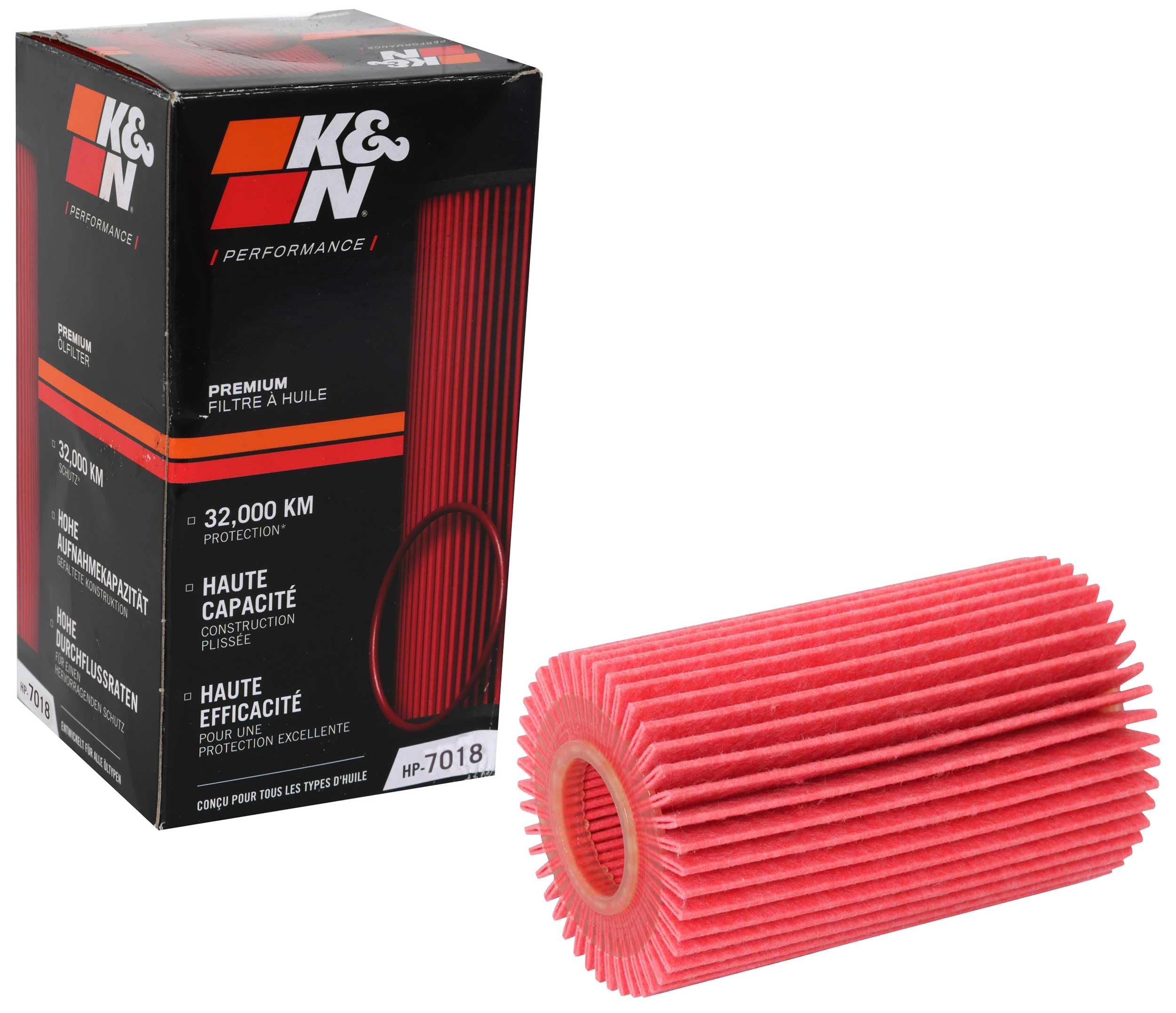
The K&N HP-7018 stands out for its hex nut welded to the dome, enabling removal with a standard 17-mm wrench without needing a cap tool or filter socket. This is a practical advantage on the 2015 Tundra, where the filter sits low on the passenger side of the block and can be difficult to grip by hand if overtightened by a previous technician. Inside, the synthetic-blend pleated media is laboratory-tested for burst strength exceeding 350 psi, far above the 5.7L’s maximum oil pressure of roughly 90 psi at cold idle.
The filtration rating targets 25-micron particle retention, which is slightly coarser than the PurolatorBOSS but still sufficient for standard 5,000 to 7,500-mile oil change intervals. K&N prioritizes flow rate over absolute filtration fineness, making this filter suitable for towing scenarios where oil temperature spikes above 240°F and high-flow capacity prevents the bypass valve from opening. The silicone anti-drainback valve holds a column of oil overnight, preventing the dry-start knock that can occur when the 5.7L sits for days between cold starts.
While the filter is designed for universal compatibility across many Toyotas and Fords, the thread pitch and gasket dimensions match the Tundra’s M20x1.5 specification perfectly. The thicker canister walls provide dent resistance against road debris, though the overall length of 6.9 inches may be slightly taller than the stock filter — buyers should verify clearance to the front crossmember if running aftermarket skid plates. For owners who change their own oil and value tool-free removal, the HP-7018 is a strong mid-range performer.
What works
- Welded hex nut for wrench removal — no special tools needed
- High-flow synthetic media keeps oil moving under heavy towing loads
- Silicone anti-drainback valve prevents dry starts on the 5.7L
What doesn’t
- 25-micron rating filters less aggressively than OEM or PurolatorBOSS for extended intervals
- Taller canister may cause clearance issues with aftermarket skid plates
4. AngyMeck 3-Piece Cartridge 57041
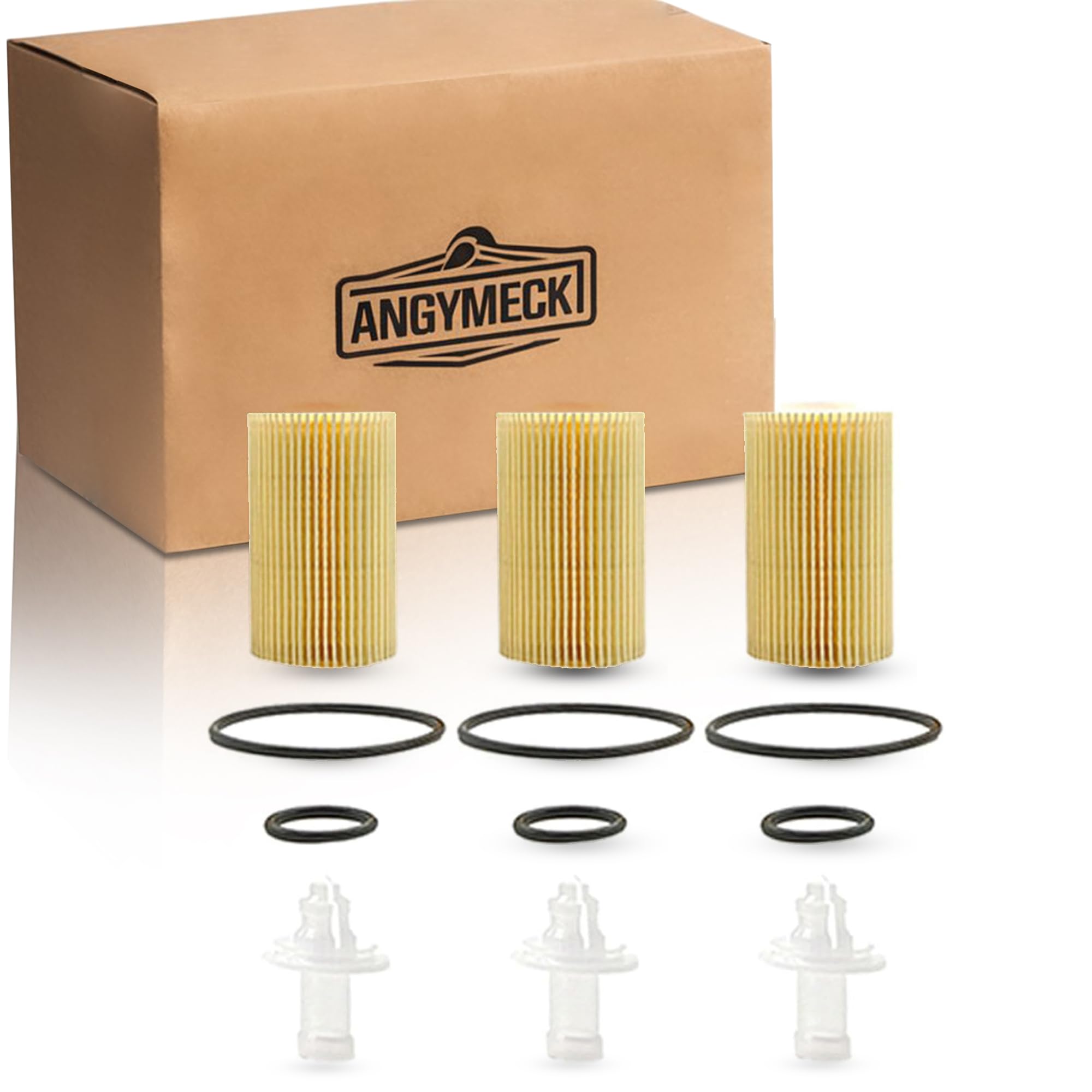
The AngyMeck 3-pack is a budget-oriented cartridge solution for the Tundra’s spin-on housing, compatible with the 04152-YZZA4 and 04152-38020 OEM cross-references. The media is cellulose rather than synthetic, with a stated beta ratio of 2/20/75 at 21 microns — meaning it removes 50% of particles at 21 microns and 75% at 39 microns. This filtration efficiency is adequate for conventional oil change intervals of 5,000 miles but falls behind synthetic media for extended drain intervals where the media must hold more contaminants without clogging.
The inner diameter and outer dimensions match the stock cartridge at 1.1 inches and 2.755 inches respectively, ensuring a snug fit inside the factory housing cap. The plastic outer frame and resin-impregnated cellulose provide reasonable structural integrity, though the lack of a metal center tube means the cartridge has less crush resistance if the housing is overtightened. For owners who follow strict 5,000-mile oil changes with conventional 5W-30 or 0W-20 oil, this pack delivers reliable filtration at the lowest per-unit cost of any product in this list.
The 3-pack quantity provides a full oil-change cycle for 15,000 miles, making this a convenient bulk purchase for fleet or multi-vehicle households. However, buyers should note the cellulose media has lower soot-holding capacity than the PurolatorBOSS or OEM synthetic blend, meaning oil analysis may show elevated silicon or iron readings beyond 6,000 miles. For the Tundra owner who plans every oil change on a calendar schedule rather than miles, this is a functional entry-level cartridge.
What works
- Three-pack format covers 15,000 miles at entry-level cost
- Direct dimensional match to OEM 04152-YZZA4 cartridge
- 12-month warranty provides basic purchase protection
What doesn’t
- Cellulose media has lower particle-holding capacity than synthetic alternatives
- No included housing cap o-ring, must be ordered separately
5. Kefly 90915-YZZD1 3-Pack
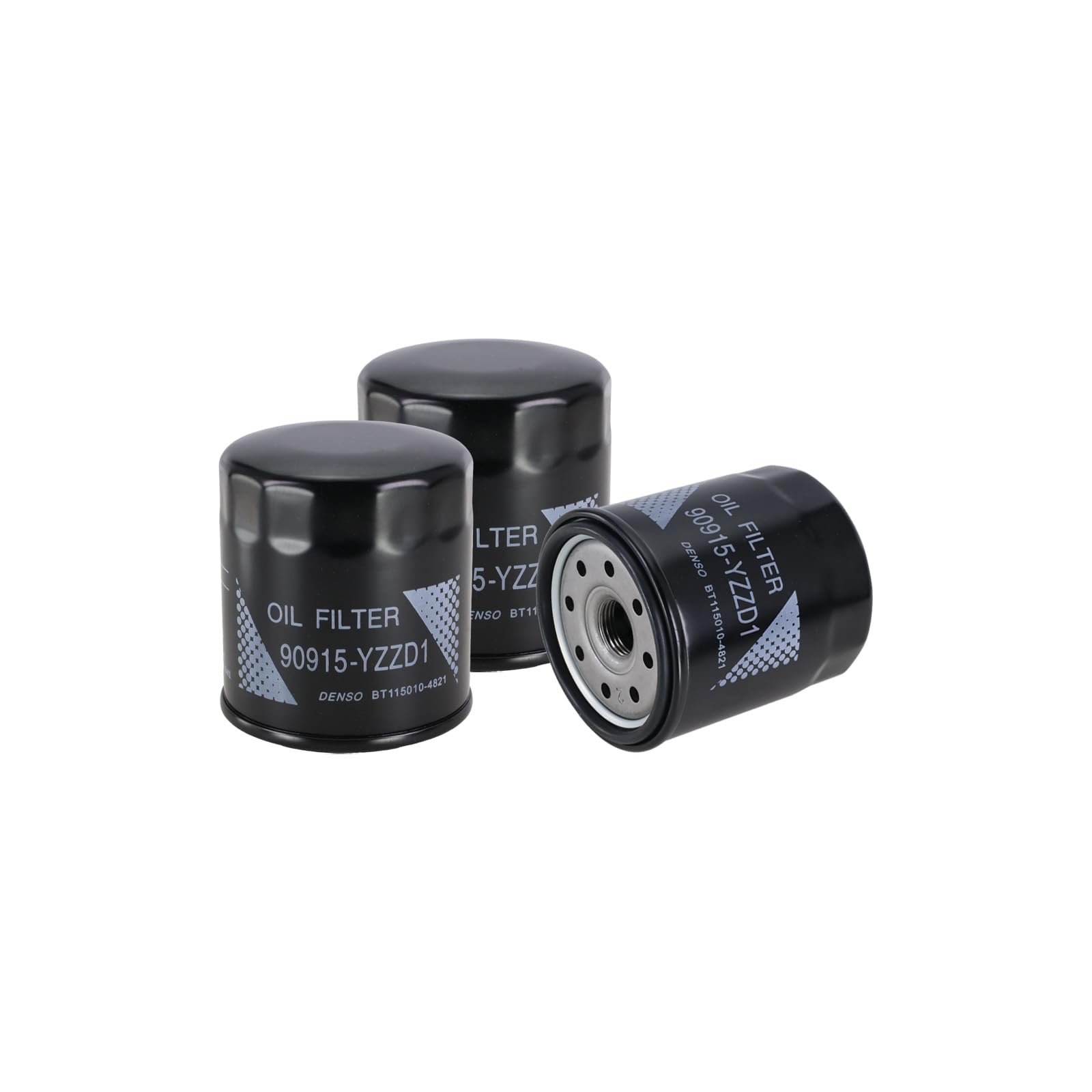
The Kefly 3-pack uses the 90915-YZZD1 cross-reference, which is compatible with the 2000-2004 Tundra 3.4L but also fits many Toyota and Lexus V6 models. For the 2015 5.7L Tundra, the M20x1.5 thread pitch and gasket diameter match, though the overall canister height is slightly shorter than the YZZD3 spec. The filter features metal end caps and a steel center tube for structural rigidity, preventing collapse under high oil pressure during cold starts. The paper/steel construction is straightforward but functional for standard 5,000-mile oil change intervals with conventional oil.
The filtration media is pleated paper with a nominal rating of roughly 30-40 microns — coarser than the OEM synthetic blend but sufficient for catching larger wear particles from ring wear and bearing debris. The bypass valve design uses a spring-steel disc, which may crack open at a slightly higher differential pressure than the Tundra’s factory 8-11 psi spec, potentially causing the filter to go into bypass mode during sustained high-load towing. Real owners report fitment is correct and the metal core provides confidence in sealing, though several reviews note the filters originate from Chinese manufacturing without SAE J1858 certification.
At the entry-level price point, this 3-pack gives budget-conscious Tundra owners a functional stopgap filter for basic maintenance. The primary limitation is the paper media’s lower dirt-holding capacity — if you extend oil changes past 5,000 miles, the filter can saturate and trigger bypass, sending unfiltered oil through the engine. For owners who change oil every 3,000 miles and simply want a cheap filter that fits, this pack works, but it is not recommended for synthetic oil extended intervals or heavy towing duty.
What works
- Low per-unit cost with 3-pack format for multiple changes
- Metal end caps and steel core prevent structural collapse under high pressure
- Thread pitch and gasket correctly match the 2015 Tundra threads
What doesn’t
- Paper media captures only larger particles (30-40 microns), inadequate for extended intervals
- Bypass valve calibration may not match Tundra VVT-i oil pressure curve under load
- Manufactured in China without visible SAE or ISO certification marks
Hardware & Specs Guide
Bypass Valve Cracking Pressure
The internal bypass valve in a 2015 Tundra oil filter must open between 8-11 psi of differential pressure to protect the filter media from bursting during cold starts. Filters with valves set below 8 psi allow unfiltered oil to circulate during normal warm-up, while valves above 11 psi can cause the filter to see excessive pressure differential, potentially rupturing the media at high RPM. The 90915-YZZD3 family uses spring-steel discs calibrated to this range specifically for the 5.7L’s oil pump output curve.
Media Micron Rating & Beta Ratio
Synthetic-blend media in premium filters captures particles down to 20 microns with a beta ratio of 2/20 = 21 (95% efficiency), while cellulose media typically captures 50% at 21 microns and 75% at 39 microns. For the Tundra’s 8-quart oil system, every reduction in particle size captured translates directly into less abrasive wear on the camshaft lobes and VVT phaser oil control valves. The 5.7L’s variable valve timing gear has oil passages as small as 0.5 mm, making fine filtration critical for long-term timing chain health.
FAQ
Does the 2015 Tundra use a spin-on or cartridge oil filter?
What is the correct torque spec for the Tundra oil filter?
Can I use a shorter or taller oil filter on my 2015 Tundra?
Final Thoughts: The Verdict
For most buyers, the 2015 toyota tundra oil filter winner is the Purolator PBL25702 because its SmartFUSION synthetic media provides the best balance of filtration efficiency, dirt-holding capacity, and extended service life for the 5.7L’s demanding oiling system. If you want pure OEM-spec fitment with drain plug washers included, grab the APSG Genuine 3-Pack. And for DIY owners who want tool-free removal and high flow under heavy towing, nothing beats the K&N HP-7018.

Certification: BSc in Mechanical Engineering
Education: Mechanical engineer
Lives In: 539 W Commerce St, Dallas, TX 75208, USA
Md Amir is an auto mechanic student and writer with over half a decade of experience in the automotive field. He has worked with top automotive brands such as Lexus, Quantum, and also owns two automotive blogs autocarneed.com and taxiwiz.com.