Selecting the wrong rubber for an electric vehicle silently drains range and accelerates tread wear at a rate that surprises most owners. The instant torque and added curb weight of EVs place demands on tires that conventional all-seasons simply were not engineered to handle, which is why a dedicated approach to this purchase pays dividends every mile.
I’m Amir — the founder and writer behind Four Wheel Ask. I have spent years analyzing tire specifications, studying owner-reported wear patterns, and comparing load-capacity data across dozens of models to understand what actually delivers under EV-specific conditions.
After reviewing nine tire models and carefully analyzing owner feedback, I’ve determined the critical specifications that define the best tires for ev.
How To Choose The Best Tires For EV
Electric vehicles change the rules for tire selection. The combination of heavy battery packs, instantaneous torque delivery, and minimal engine noise means that a tire must simultaneously manage load, reduce rolling resistance, and stay quiet. Choosing blindly based on what worked for a previous gas sedan usually leads to premature replacement and reduced efficiency.
Load Index and Extra Load Construction
EVs routinely weigh 500 to 1,000 pounds more than their internal-combustion counterparts. A standard-load tire running near its maximum capacity generates excess heat and wears faster. Look for XL (Extra Load) or reinforced sidewall construction. The load index number molded into the sidewall tells you the maximum weight each tire can support; matching or exceeding the OEM recommendation prevents sagging and maintains stable handling.
Rolling Resistance and Range Impact
Every unit of rolling resistance directly subtracts from battery range. Tires with low rolling resistance compounds use optimized silica blends and shallower tread depths to reduce energy loss as the tire deforms under load. While these tires sometimes sacrifice ultimate dry grip, the range recovery — often 10 to 30 miles per full charge — makes them a priority for daily commuters and long-distance drivers alike.
Noise Suppression and Cavity Resonance
Without an engine note masking road noise, tire hum becomes a dominant cabin sound. Many EV-focused tires incorporate foam inserts or specialized tread-pitch sequencing to break up airborne noise frequencies. The absence of these features in standard tires often leads to an intrusive drone, especially on coarse highway asphalt, making noise suppression a genuine comfort differentiator.
Treadwear Under Instant Torque
Electric motors deliver peak torque from a standstill, which places high shear stress on the tread compound during every launch. Tires with a higher UTQG treadwear grade (500 or above) typically use harder compounds that resist tearing and rapid wear. Softer, high-grip compounds may feel responsive but often require replacement well before the warranty mileage suggests.
Quick Comparison
On smaller screens, swipe sideways to see the full table.
| Model | Category | Best For | Key Spec | Amazon |
|---|---|---|---|---|
| Bridgestone Turanza QuietTrack | Touring | Noise-sensitive highway commuters | 80K-mile warranty, QuietTrack tech | Amazon |
| Continental CrossContact LX Sport | Crossover/SUV | EV crossover wet-braking confidence | 108 XL, 21-inch fitment | Amazon |
| Mastertrack M-TRAC GT (4 tires) | Ultra High Perf | Owners wanting matched pairs with warranty | 460 AA UTQG, 5-yr warranty | Amazon |
| Sailun ERange EV Touring | EV-Specific | Purpose-built EV range optimization | 98 XL, 45K-mile warranty | Amazon |
| Mastertrack M-TRAC GT (2 tires) | Ultra High Perf | Rear-axle upgrades on staggered setups | 600 AA UTQG, 305/45R22 | Amazon |
| Landspider Citytraxx H/P | High Perf All-Season | Budget performance without XL shortage | 98 XL, 420 AA UTQG | Amazon |
| Bridgestone Ecopia EP500 | Eco Touring | Light EV eco-focused daily driving | 89 XL, low rolling resistance | Amazon |
| Forceum Octa (Set of 4) | Perf All-Season | Entry-level EV owners on a tight budget | 94 XL, 400 AA UTQG | Amazon |
| Arroyo Grand Sport A/S | Sport All-Season | Budget-friendly replacement for older EVs | 99 XL, 500 AA UTQG | Amazon |
In-Depth Reviews
1. Bridgestone Turanza QuietTrack

The Turanza QuietTrack addresses the single biggest complaint EV owners have after switching from gas: road noise. Bridgestone engineered this touring tire with in-groove ridges and precisely spaced tread blocks specifically to dampen cavity resonance, which means the cabin stays noticeably quieter than with conventional all-seasons. The 80,000-mile limited warranty also signals confidence in tread longevity, a critical factor given the weight and torque of most electric sedans.
Wet and snow traction benefit from 3D full-depth sipes running across all ribs, maintaining biting edges as the tire wears. Open shoulder slots channel water away from the contact patch effectively, reducing hydroplaning risk during heavy rain. The 215/55R17 sizing fits many popular EV models like the Chevrolet Bolt and Nissan Leaf, and the 94 SL load rating works well for lighter EVs that do not require an XL sidewall.
UTQG 560 A A indicates a solid balance of treadwear and traction. While the standard-load construction means heavier EVs should verify the load capacity against their curb weight, most compact and midsize electric cars will find the QuietTrack delivers the quiet, long-wearing performance that makes EV ownership more refined over the long haul.
What works
- Remarkably quiet on coarse highway surfaces
- 80K-mile warranty reduces long-term cost concerns
- Strong wet and light snow traction for a touring tire
What doesn’t
- Standard-load rating may not suit heavier EV SUVs
- Not designed for spirited cornering or track use
2. Continental CrossContact LX Sport 265/45R21

Continental’s CrossContact LX Sport carries a 108 XL load rating that makes it a natural fit for heavier EV crossovers and SUVs that push past the 5,000-pound mark. The 265/45R21 sizing aligns with many late-model electric utility vehicles, and the tire’s original-equipment tuning on several luxury platforms hints at the engineering rigor behind the compound and carcass construction.
Wet braking is where this tire separates itself from budget alternatives. The silica-infused tread compound maintains grip in cold and damp conditions, and the responsive handling characteristics give the driver confidence during emergency maneuvers. Road noise remains low thanks to Continental’s noise-reduction tread pattern, which matters immensely when the only sound in the cabin is wind and tire hum.
The 60-day trial period allows owners to evaluate fit and feel without committing to a set that might disappoint. While the price reflects the premium positioning, the combination of high load capacity, excellent wet performance, and quiet operation makes this a strong candidate for anyone driving a heavy EV crossover on 21-inch wheels.
What works
- 108 XL load rating suited for heavy EV crossovers
- Outstanding wet braking and hydroplaning resistance
- Quiet ride with original-equipment refinement
What doesn’t
- Premium price positions it above mid-range alternatives
- Limited size availability for smaller EV sedans
3. Mastertrack M-TRAC GT (Set of 4) 255/45ZR20
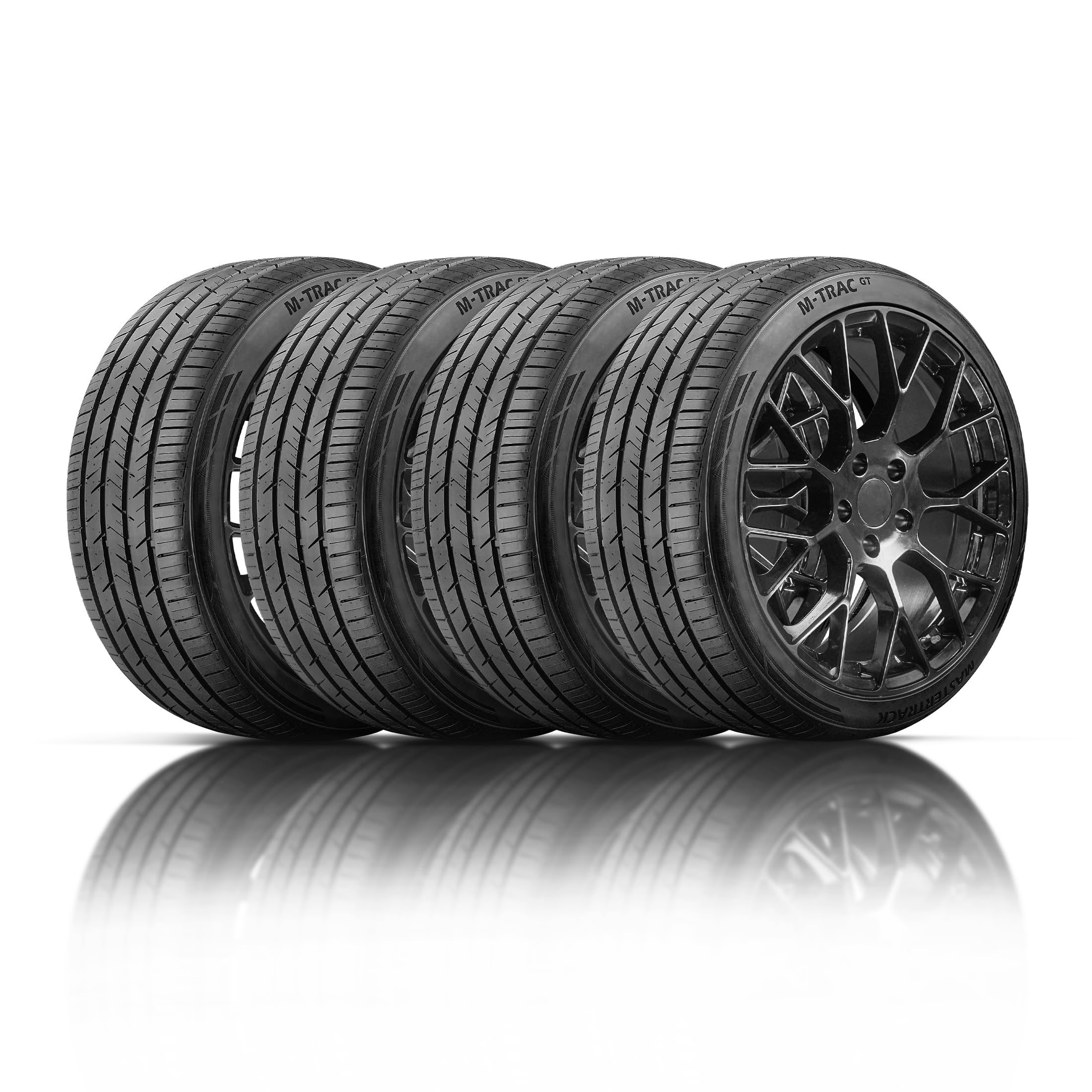
The Mastertrack M-TRAC GT in the four-tire configuration delivers a compelling package for EV owners who want ultra-high-performance grip without sacrificing the peace of mind that comes with a strong warranty. The 5-year manufacturer warranty plus 3-year road hazard protection is rare at this performance tier and directly addresses the concern that high-torque EVs chew through tires quickly.
Dual tread technology combines narrow and wide groove configurations that adapt to different wheel widths while reducing hydroplaning risk by a significant margin. The 2P+2S+1N compound layering allows the tire to warm up faster than standard ZR-rated rubber, which means the first few miles in cold weather feel more secure. M+S certification ensures light snow competence, extending usability across seasons.
With a 460 AA UTQG rating, the tread compound strikes a practical balance between dry grip and longevity. Owners of performance EVs like the Tesla Model 3 Performance or Hyundai Ioniq 5 N will appreciate the 1.5G lateral acceleration support during aggressive cornering. The 105 XL load rating also handles the extra curb weight without excessive sidewall flex.
What works
- Comprehensive 5-year warranty with road hazard coverage
- Fast warm-up compound suits variable climate driving
- High load rating supports heavy EV platforms
What doesn’t
- Premium pricing reflects the warranty and compound tech
- Limited to 20-inch fitments with specific width requirements
4. Sailun ERange EV Touring 235/45R18

The Sailun ERange is one of the few tires in this lineup explicitly engineered from the ground up for electric vehicles, and that design intent shows in every specification. The compound formulation prioritizes low rolling resistance to stretch battery range, while the 98 XL load rating acknowledges that EVs carry more mass than their gas counterparts. The 235/45R18 sizing fits a wide range of popular EV sedans including the Tesla Model 3 and Hyundai Ioniq 6.
Owner reports consistently highlight the range improvement after switching from a standard all-season tire, with some drivers noting a 5 to 10 percent increase in efficiency depending on driving style and climate. The 45,000-mile limited warranty provides a realistic treadwear expectation, which matters because EV torque can accelerate wear on softer compounds.
Ride comfort benefits from the touring-oriented tread design that smooths out road imperfections without transmitting harshness into the cabin. While the Sailun brand does not carry the same name recognition as Bridgestone or Continental, the engineering focus on EV-specific demands makes the ERange a smart choice for owners who want a tire designed for their vehicle’s unique requirements rather than a repurposed gas-car tire.
What works
- Purpose-built EV compound optimizes range efficiency
- XL load rating suitable for heavy EV sedans
- Smooth, comfortable ride with low noise levels
What doesn’t
- Less brand recognition compared to legacy tire makers
- Limited size availability beyond common EV fitments
5. Mastertrack M-TRAC GT (Set of 2) 305/45R22
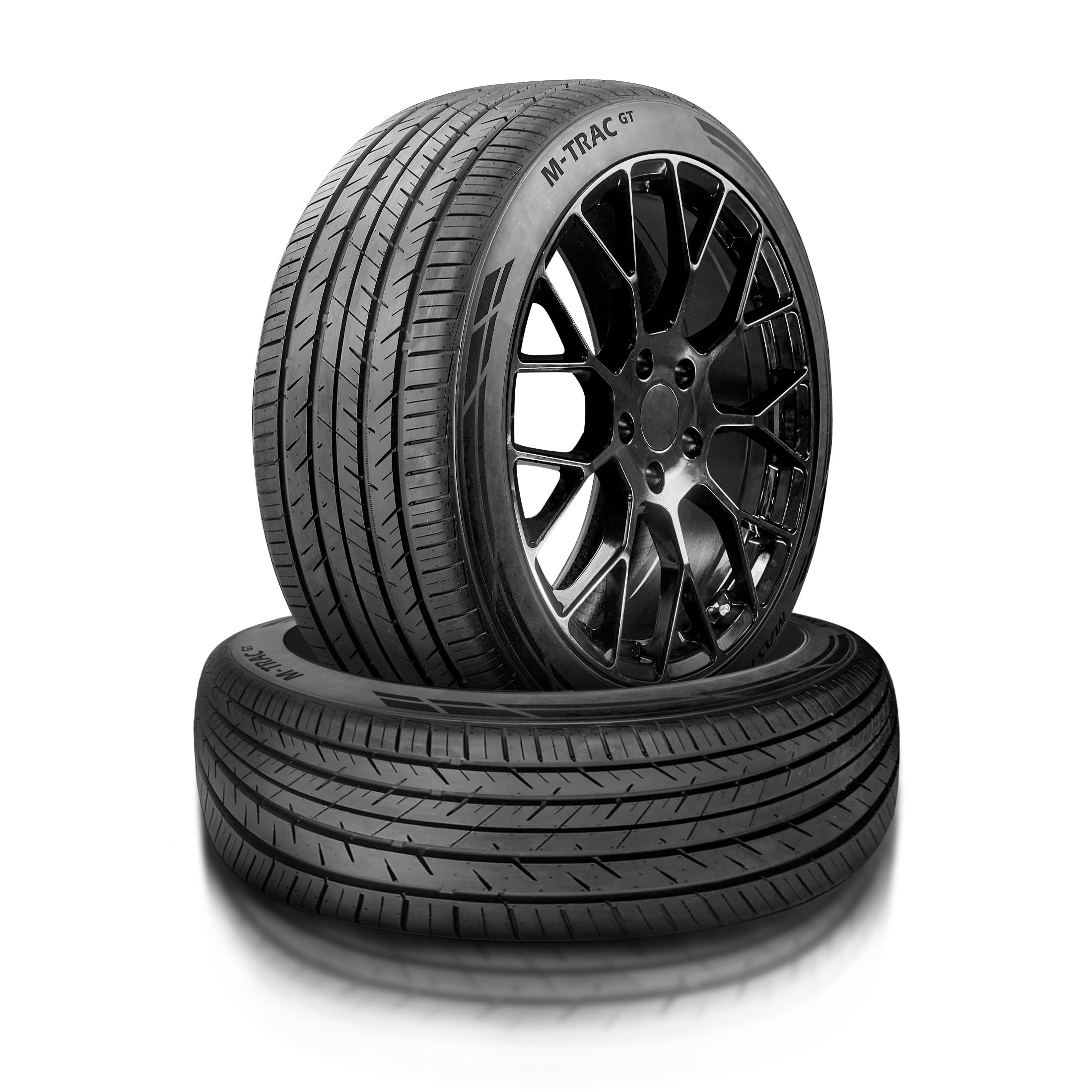
The two-tire configuration of the Mastertrack M-TRAC GT targets EV owners with staggered wheel setups who need high-performance rubber specifically for the rear axle. The 305/45R22 sizing is substantial, and the 118 XL load rating supports the heaviest electric trucks and SUVs without breaking a sweat. The dual tread technology alternates between four- and five-groove patterns depending on wheel width, which actively reduces hydroplaning by a meaningful margin.
The 600 AA UTQG rating is the highest treadwear grade in this lineup, indicating a compound formulated for longevity under severe conditions. That matters for EV pickups like the Rivian R1T or Ford F-150 Lightning where rear-axle torque can shred softer rubber in a matter of months. M+S certification adds light snow capability, extending the tire’s usable season beyond dry and wet pavement.
Buyers receive a precision-matched pair that ensures uniform tread depth and balance between the two rear positions, which is critical for staggered setups where the front and rear tires differ in size. The 5-year manufacturer warranty and 3-year road hazard protection add a layer of security that is unusual for ultra-high-performance tires in this size category.
What works
- 600 AA UTQG grade promises excellent tread life
- 118 XL load capacity handles heavy EV trucks
- Dual tread groove design reduces hydroplaning effectively
What doesn’t
- Two-tire set only covers rear axle on staggered setups
- Large 22-inch sizing limits vehicle compatibility
6. Landspider Citytraxx H/P (Set of 4) 215/55R17
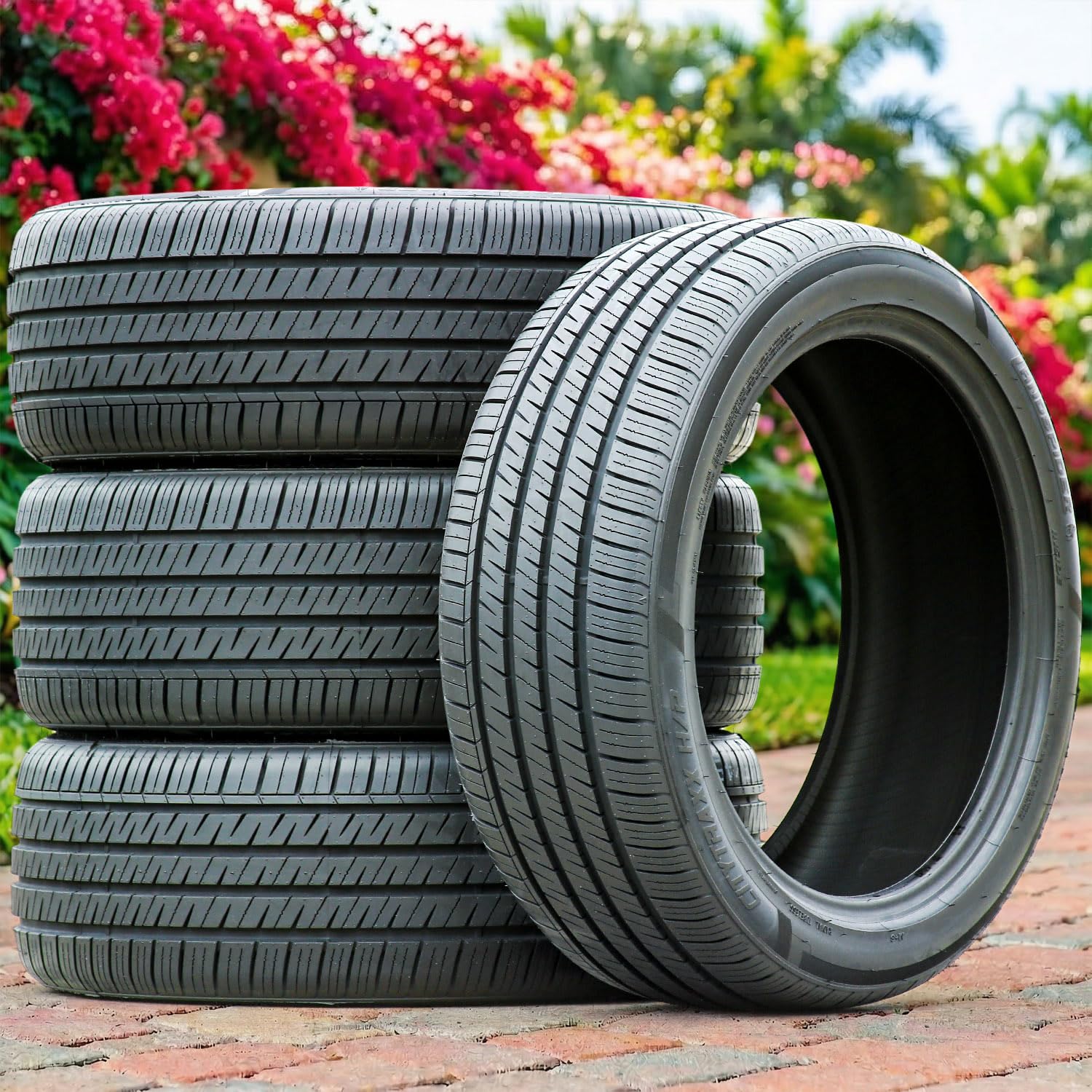
The Landspider Citytraxx H/P delivers a high-performance all-season tire with an XL load rating at a price that undercuts most competitors in the same category. The 98 XL construction supports the extra weight of an EV without the sidewall mush that standard-load tires exhibit, while the 420 AA UTQG rating indicates respectable treadwear resistance for a tire aimed at spirited driving.
The 215/55R17 sizing fits compact and midsize EVs that prioritize handling response over cushioned cruising. The high-performance tread compound provides crisp turn-in feel and maintains grip during cornering, which helps mask the understeer tendency that heavy EVs sometimes display. Owners report that the tire feels predictable at the limit, making it easier to modulate throttle through curves.
While the Landspider brand does not have the decades of OEM relationships that larger manufacturers enjoy, the construction quality and material specifications align with what EV owners need: XL rating, all-season capability, and a tread compound that can handle repeated hard launches. The 4-ply rating adds durability without adding excessive weight that would hurt range.
What works
- XL load rating at a very accessible price point
- Responsive handling suits enthusiastic EV driving
- 4-ply construction adds durability without bulk
What doesn’t
- Less established brand with limited owner history
- Road noise slightly higher than premium touring tires
7. Bridgestone Ecopia EP500 175/55R20
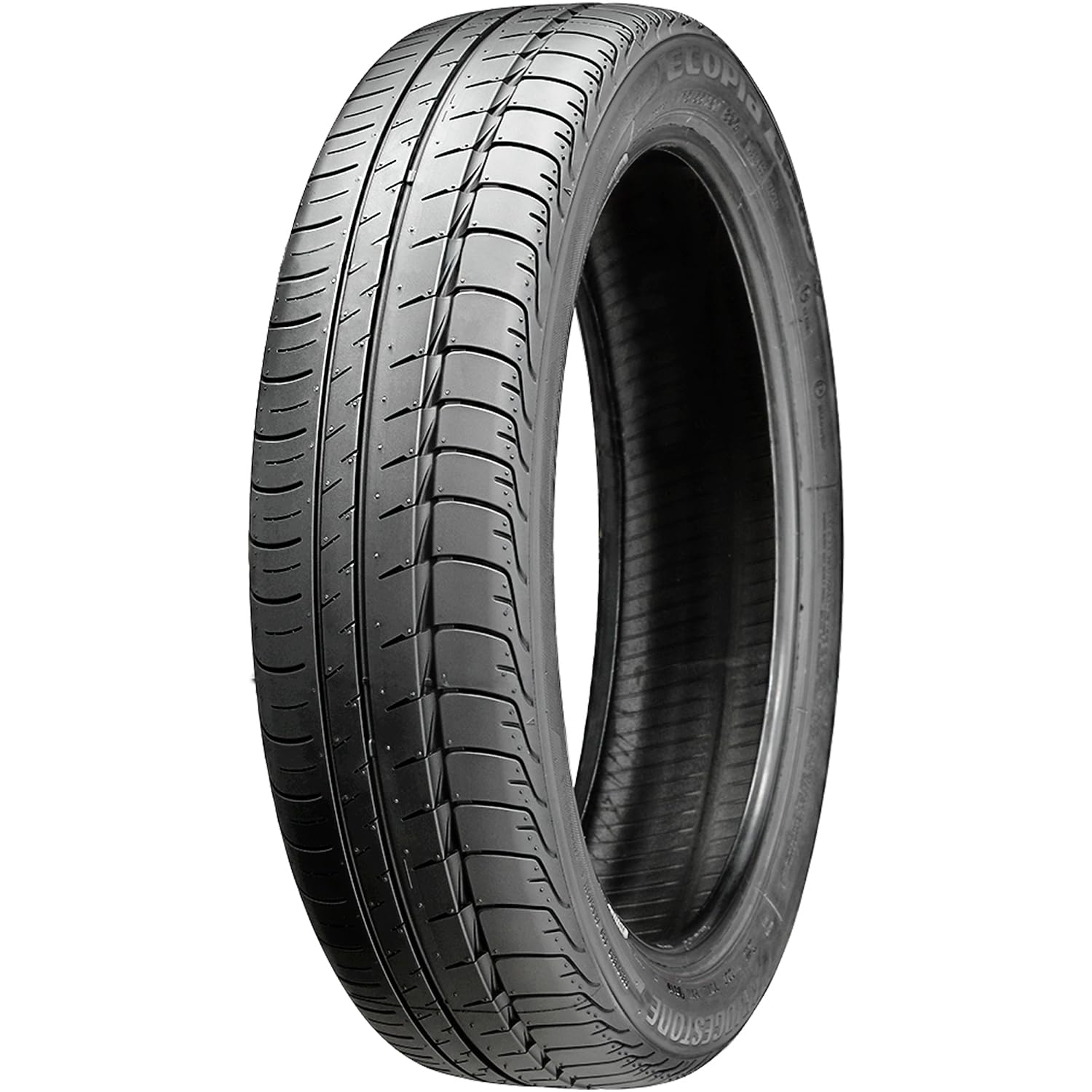
The Bridgestone Ecopia EP500 is built around a simple premise: minimize energy loss to maximize range. The eco-touring compound uses advanced silica technology to reduce rolling resistance, which translates directly into more miles per kilowatt-hour. The 175/55R20 sizing fits lightweight urban EVs and compact electric cars where efficiency matters more than ultimate grip.
The 89 XL load rating, while lower than some alternatives, matches the requirements of smaller EVs that do not carry the heavy battery packs found in long-range Teslas or Lucids. The tire’s construction keeps weight low, further contributing to efficiency gains. Owners of vehicles like the smart EQ or older Mitsubishi i-MiEV will find the fitment appropriate and the range improvement noticeable.
Ride quality leans toward comfort rather than sportiness, which aligns with the intended use case of city commuting and short highway trips. The all-season tread pattern provides adequate wet traction for daily driving, though aggressive driving will push past the tire’s limits sooner than a performance-oriented alternative would allow.
What works
- Low rolling resistance compound improves real-world range
- Lightweight construction suits smaller EVs
- Comfortable ride quality for daily commuting
What doesn’t
- Limited availability only in niche 20-inch sizing
- Not suitable for heavier EV sedans or SUVs
8. Forceum Octa (Set of 4) 205/55R16
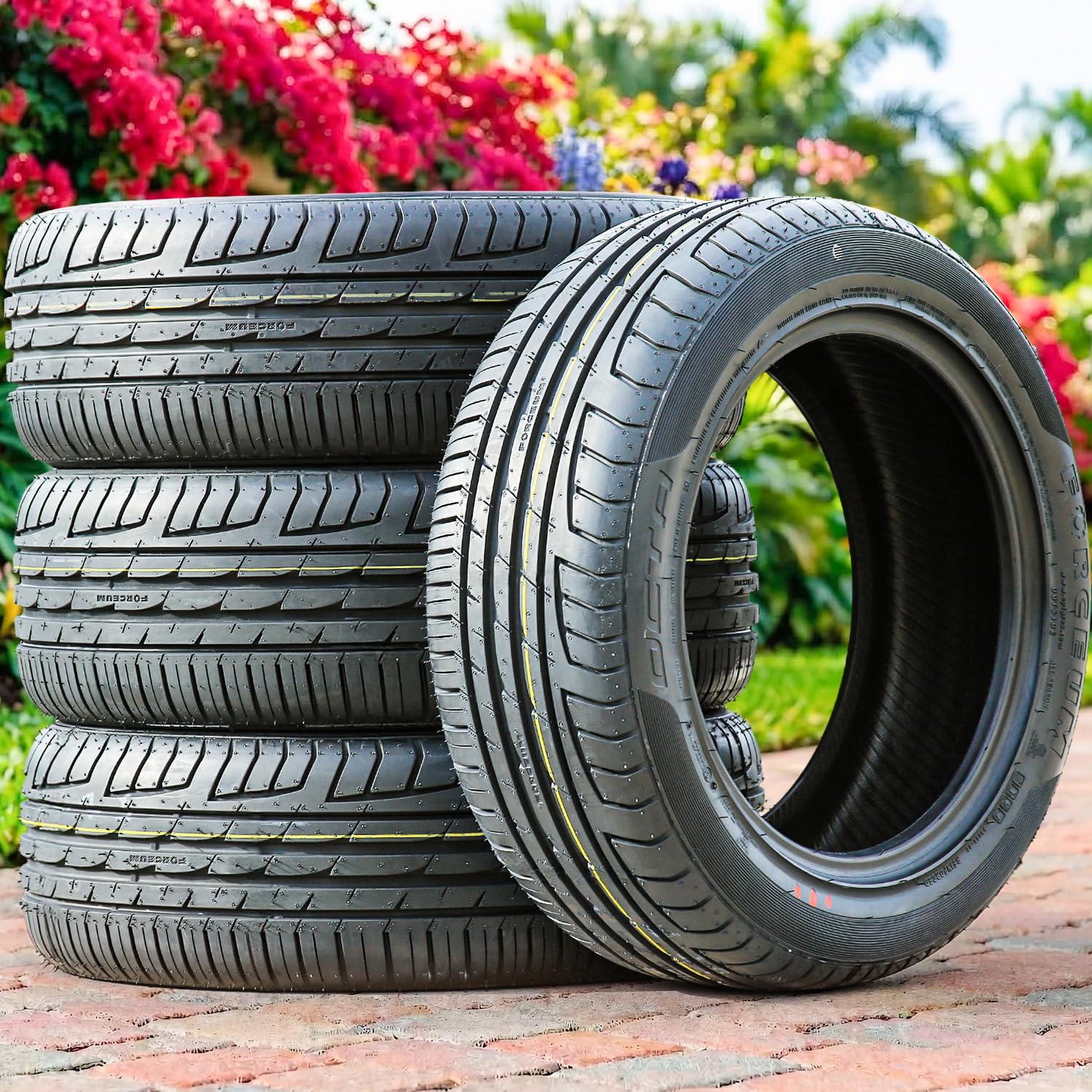
The Forceum Octa in the four-tire set delivers surprising value for EV owners who need a complete set without stretching the budget. The 205/55R16 sizing fits many older Nissan Leaf models, Chevrolet Spark EV, and other compact electric cars that still use 16-inch wheels. The 94 XL load rating provides the extra capacity needed for the battery weight that these vehicles carry.
The 400 AA UTQG rating indicates a tread compound that balances grip with wear resistance, which is appropriate for the torque characteristics of early-generation EVs. The high-performance all-season tread pattern provides reliable dry and wet traction for daily driving, and the 4-ply construction adds a layer of durability against road hazards that is uncommon at this price tier.
Buyers receive four tires in one package, eliminating the hassle of ordering pairs separately and ensuring uniform tread depth across all positions. While the Forceum brand does not have the cachet of premium names, the specification sheet — XL load, 400 AA UTQG, all-season design — checks the boxes that matter most for an EV daily driver on a budget.
What works
- Four-tire set ensures uniform wear from day one
- XL load rating supports compact EV battery weight
- Very accessible price for budget-conscious owners
What doesn’t
- Ride comfort and noise levels trail premium options
- Limited to 16-inch wheels found on older EVs
9. Arroyo Grand Sport A/S 285/35ZR20
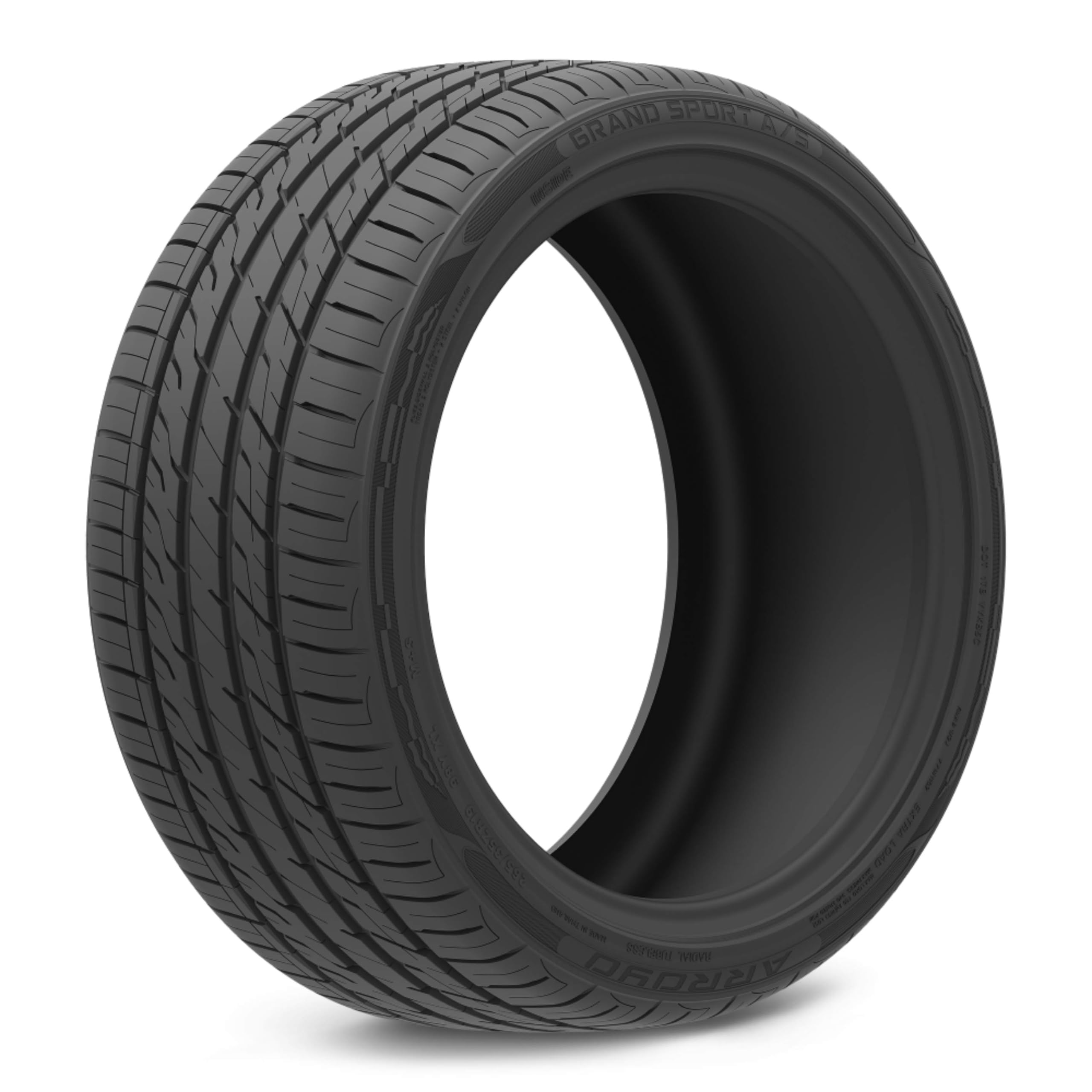
The Arroyo Grand Sport A/S offers a budget-friendly entry point for EV owners who need the 285/35ZR20 fitment commonly found on performance electric sedans. The 500 AA UTQG rating is notably high for a sport-oriented tire, suggesting the compound prioritizes longevity over absolute stickiness — a trade-off that makes sense for daily-driven EVs where tire replacement costs add up quickly.
The noise-reducing tread design incorporates water-channeling grooves that evacuate rain effectively while keeping cavity resonance in check. For an EV cabin, every decibel of tire noise reduction matters, and Arroyo’s attention to this detail helps the Grand Sport A/S feel more refined than its price suggests. The 99 XL load rating provides the necessary support for the extra mass of a performance EV battery pack.
Speed-rated W (168 mph) means the tire can handle the top-speed capabilities of modern electric sedans without structural concerns. While the brand does not have the extensive dealer network of premium manufacturers, the combination of XL load, high UTQG grade, and quiet operation makes the Arroyo Grand Sport A/S a compelling choice for budget-conscious EV owners who still want a tire that matches the vehicle’s capabilities.
What works
- 500 AA UTQG rating promises excellent tread life
- XL load construction supports heavy EV platforms
- Noise-reducing design improves cabin comfort
What doesn’t
- Limited brand history and owner review base
- Dry grip falls short of ultra-high-performance alternatives
Hardware & Specs Guide
UTQG Ratings Explained
Uniform Tire Quality Grading appears on every tire sidewall and breaks down into three numbers: treadwear grade, traction grade, and temperature grade. The treadwear number (400, 500, 600, etc.) is a relative index where higher numbers indicate longer projected wear under controlled test conditions. Traction grades AA, A, B, and C measure straight-line wet braking ability, with AA being the highest. Temperature grades A, B, and C reflect the tire’s ability to dissipate heat at high speeds. For EVs, a treadwear grade of 500 or above generally indicates a compound that can withstand the high torque forces without premature degradation.
Load Range — SL vs XL
Standard Load (SL) tires are designed for normal passenger car weights and typically max out around 35 PSI and lower load capacities. Extra Load (XL), also called Reinforced, features stronger sidewall construction that allows higher inflation pressure — usually up to 42 PSI or more — and supports greater weight per tire. EVs weighing 4,500 pounds or more should use XL tires to prevent excessive sidewall flex, which causes heat buildup, irregular wear, and degraded handling response. Checking the load index number on your current tires ensures the replacement matches or exceeds the original specification.
Speed Ratings and EV Capability
Speed ratings (S, T, H, V, W, Y, Z) indicate the maximum safe speed a tire can sustain. Most EVs with highway-capable top speeds need at least an H (130 mph) or V (149 mph) rating. Higher speed ratings often come with stiffer sidewall construction that improves cornering response but can slightly reduce ride comfort. Choosing a speed rating below the vehicle’s capability creates a safety risk at high speeds, while overshooting by two or more grades rarely provides a tangible benefit for daily driving.
Tread Pattern and Noise Mitigation
EVs lack engine noise to mask tire roar, making tread pattern design critical for cabin comfort. Tires with variable-pitch sequencing — where tread blocks are spaced at different intervals around the circumference — break up harmonic frequencies that create drone. Some EV-specific tires add a layer of polyurethane foam bonded to the inner liner to absorb cavity resonance. While foam-lined tires cost more, the noise reduction on coarse asphalt is substantial enough that many owners consider it the single most impactful upgrade for long-trip comfort.
FAQ
Do I really need special tires for my EV?
What does XL mean on a tire sidewall?
How does rolling resistance affect EV range?
Can I use winter tires on my EV?
How often should I rotate tires on an EV?
Final Thoughts: The Verdict
For most buyers, the best tires for ev winner is the Bridgestone Turanza QuietTrack because it delivers the quiet ride, strong wet traction, and 80K-mile treadwear warranty that address the three biggest EV tire pain points in one package. If you want maximum range efficiency from a purpose-built design, grab the Sailun ERange EV Touring. And for heavy EV crossovers that need high load capacity with excellent wet braking, nothing beats the Continental CrossContact LX Sport.

Certification: BSc in Mechanical Engineering
Education: Mechanical engineer
Lives In: 539 W Commerce St, Dallas, TX 75208, USA
Md Amir is an auto mechanic student and writer with over half a decade of experience in the automotive field. He has worked with top automotive brands such as Lexus, Quantum, and also owns two automotive blogs autocarneed.com and taxiwiz.com.