An airbag vest is the single largest leap in rider safety since the full-face helmet. Unlike passive foam armor, an electronic or mechanical tether system actively inflates to cradle your neck, spine, and torso before you strike the pavement, dramatically reducing impact forces.
I’m Amir — the founder and writer behind Four Wheel Ask. My approach centers on deep market analysis, combing through technical specifications, build material data, and long-term owner feedback to separate genuine life-saving engineering from marketing hype.
Selecting the right model requires a clear understanding of deployment triggers, cervical coverage, CO2 reusability, and the European CE certification that defines a truly reliable best airbag vest.
How To Choose The Best Airbag Vest
Choosing an airbag vest is different from selecting a standard jacket. You are investing in an active safety system that must deploy reliably under duress. Understanding the core technologies and standards is essential to making a sound choice.
Deployment Mechanism: Tether vs. Electronic
Mechanical tether systems use a physical cord attached to the motorcycle. When you separate from the bike, the cord pulls a pin that releases CO2. These are simple, reliable, and require no batteries. Electronic systems use inertial sensors to detect a crash. They offer more freedom of movement but require charging and regular firmware checks. For track use, tethers are standard; for street riding, electronic systems offer convenience.
Coverage Zone: Neck, Spine, and Ribs
Not all vests cover the same area. Entry-level designs may only protect the upper back, while full-coverage vests inflate around the neck, down the entire spine, and across the ribs. Cervical spine protection—a collar that stabilizes the neck—is a critical feature for high-speed riding. Always verify the inflated volume and shape from owner photos and technical drawings.
Certification and Build Quality
CE certification under EN 1621-4 is the benchmark for airbag garments. It tests deployment time, coverage area, and impact force reduction. A CE-certified vest has passed rigorous lab tests. Pay attention to shell material—cordura nylon is more abrasion-resistant than standard polyester. Reinforced stitching and durable zippers matter when the system needs to hold pressure during a slide.
Quick Comparison
On smaller screens, swipe sideways to see the full table.
| Model | Category | Best For | Key Spec | Amazon |
|---|---|---|---|---|
| Hit-Air MLV | Airbag Vest | All-Day Street & Touring | CE Certified, CO2, 1.15 lbs | Amazon |
| Hit-Air RS-1 | Airbag Vest | Track Day & Racing | Neck Brace Compatible, CO2 | Amazon |
| Alpinestars Andes V3 | Touring Jacket | All-Weather Touring | Waterproof, Drystar, CE | Amazon |
| REV’IT! Airwave 4 | Sport Jacket | Hot-Weather Sport Riding | Mesh, CE Level 1, Ventilated | Amazon |
| Alpinestars T SPS Air V2 | Sport Jacket | Daily Commute | Tech-Air Ready, Mesh | Amazon |
| Alpinestars AST v2 Air | Sport Jacket | Summer Riding | Lightweight Mesh, CE | Amazon |
In-Depth Reviews
1. Hit-Air MLV Airbag Vest

The Hit-Air MLV sets the benchmark for what a dedicated airbag vest should deliver. It uses a mechanical tether system that deploys CO2 in milliseconds when the rider separates from the bike, covering the spine, chest, neck, and hips. The vest is CE certified, meaning its impact reduction and inflation performance have passed independent European safety standards.
Weighing in at just 1.15 pounds, it is remarkably lightweight for the coverage it provides. The polyester shell is reinforced with heavy-duty buckles and stitching, designed to handle multiple deployments. It fits comfortably over existing jackets or leathers without restricting arm movement, making it a practical choice for both street and touring riders.
Owner feedback consistently highlights the peace of mind it provides on the road and trail. One rider reported surviving a high-side crash at speed, crediting the vest with preventing paralysis. The reusable CO2 cartridge system allows for easy re-arming after deployment, ensuring you get more than one use out of the investment.
What works
- Automatic deployment provides complete torso and neck coverage
- Lightweight, breathable design fits over any jacket
- Reusable CO2 canister system lowers long-term cost
What doesn’t
- Tether requires conscious connection before every ride
- Premium investment compared to passive armor
2. Hit-Air RS-1 Racing Air Vest
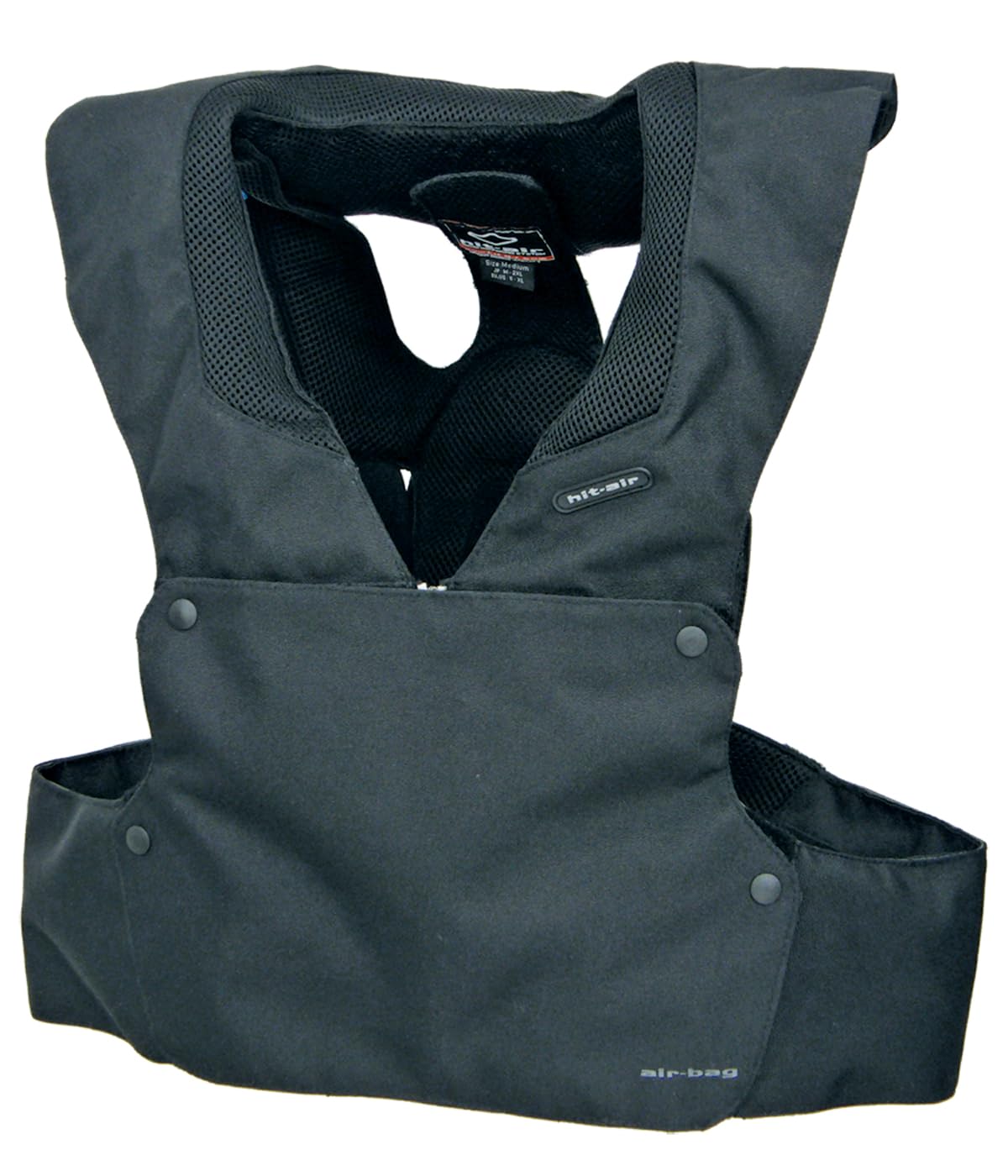
The Hit-Air RS-1 is engineered specifically for the racetrack. It builds on the MLV’s foundation with an advanced neck protection system designed to work in concert with a racing suit and back hump. The tether system is rear-mounted to keep the cord out of the way during aggressive body positioning, deploying a larger volume of air to stabilize the head and neck at high speed.
Construction is robust, using abrasion-resistant materials that can withstand a slide on asphalt. The vest is unisex and adjustable, fitting snugly over a leather suit without adding bulk in the arms. It is the go-to choice for riders who demand the maximum possible protection for high-risk environments like track days and competitive road racing.
Long-term user reports from the track are compelling. Riders who have crashed at speed describe walking away with only bruises, with the vest absorbing the energy that would have gone directly into the spine. While the cost is higher than entry-level options, the track-proven reliability and advanced coverage make it a rational choice for serious riders.
What works
- Exceptional neck and cervical spine stabilization
- Low-profile design integrates with racing suits
- Proven track record in high-speed crashes
What doesn’t
- Rear tether can be forgotten before riding
- Premium price point reflects specialization
3. Alpinestars Andes V3 Drystar Jacket
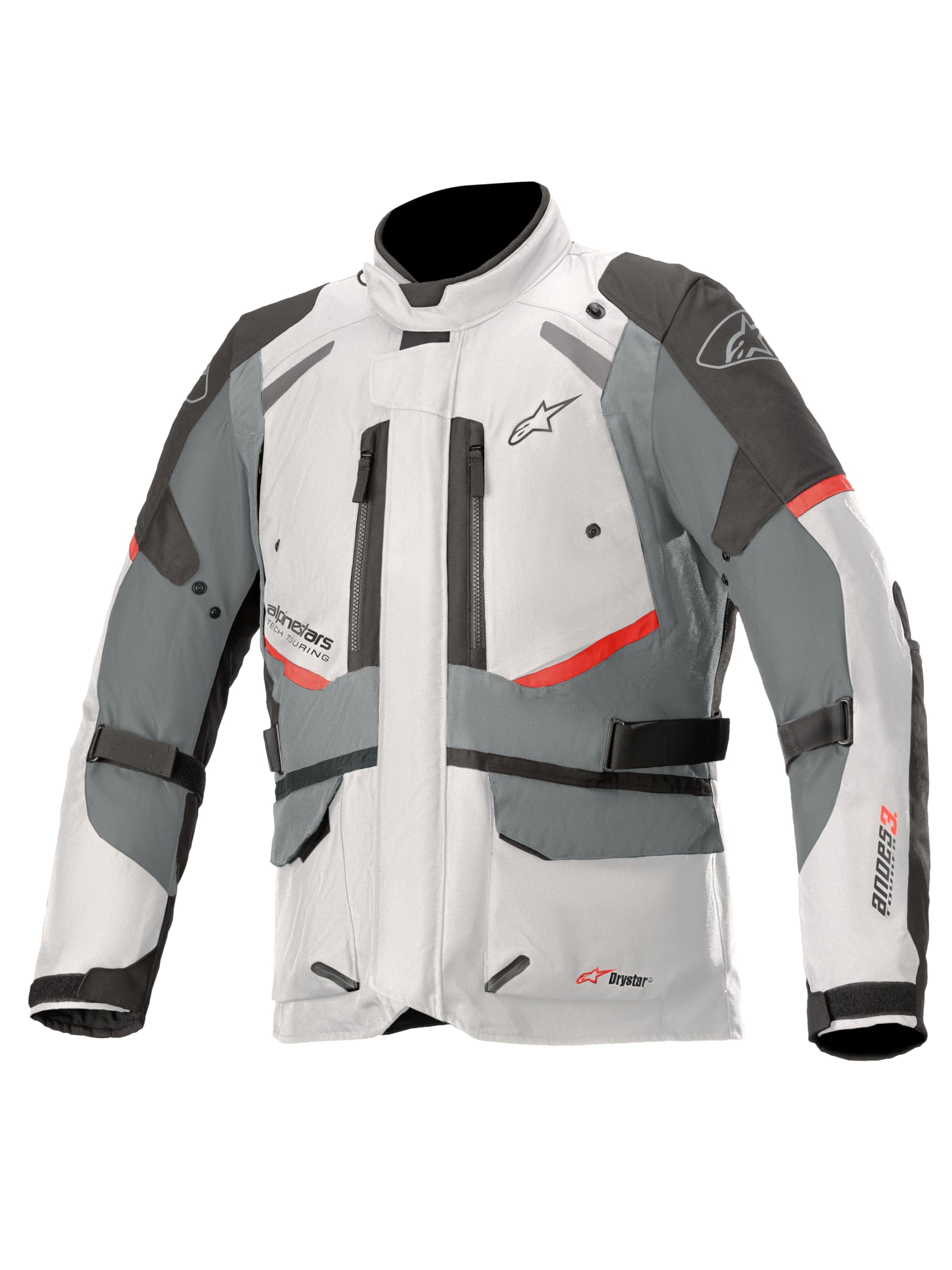
The Andes V3 is Alpinestars’ answer to all-weather touring. The Drystar membrane provides reliable waterproofing and breathability, making it suitable for long days in variable conditions. It comes with CE Level 1 armor in the shoulders and elbows, with a pocket for a back protector, and the construction feels substantial enough for serious miles.
The jacket features a removable thermal liner for colder mornings and extensive ventilation zippers for warmer afternoons. The fit is slightly longer in the torso than sport jackets, ensuring no exposed skin when leaning forward on a touring bike. The collar is designed to be comfortable against the neck, even after hours of riding.
User reviews consistently praise its rain protection and overall warmth. However, several owners note that it runs about one size smaller than typical US sizing, requiring careful measurement. Some also find the collar stiff before break-in. It is a heavy, durable jacket best suited for riders prioritizing weather protection over maximum airflow.
What works
- Excellent waterproof Drystar membrane
- Removable thermal liner for cold weather
- Reinforced touring-specific construction
What doesn’t
- Runs small, typically needs size up
- Heavier than mesh or sport jackets
- Collar can feel restrictive initially
4. REV’IT! Airwave 4 Adventure Sport Jacket

The REV’IT! Airwave 4 is purpose-built for hot-weather riding. Its chassis is almost entirely constructed from high-tenacity mesh, which allows for exceptional airflow to keep the rider cool in stop-and-go traffic and blazing summer sun. Despite the emphasis on ventilation, it does not compromise on safety, packing CE Level 1 protectors at the shoulders and elbows.
The fit is tailored for an active, athletic build without being restrictive. It features a comfortable collar and a short connection zipper for pairing with REV’IT! pants. The styling is understated and modern, making it a versatile piece that works for adventure bikes, nakeds, and sport tourers alike.
Rider feedback is overwhelmingly positive regarding the fit and finish. Owners appreciate that it feels like a high-quality garment rather than a budget piece. The left-side sleeve pocket is a unique touch, though some find it unnecessary. For riders who prioritize staying cool without sacrificing style or protection, the Airwave 4 is a top-tier choice.
What works
- Exceptional airflow for hot weather
- High-quality construction and styling
- Accurate, athletic fit for most body types
What doesn’t
- Not suitable for cold or wet conditions
- Limited pocket space compared to touring jackets
5. Alpinestars T SPS Air V2 Jacket
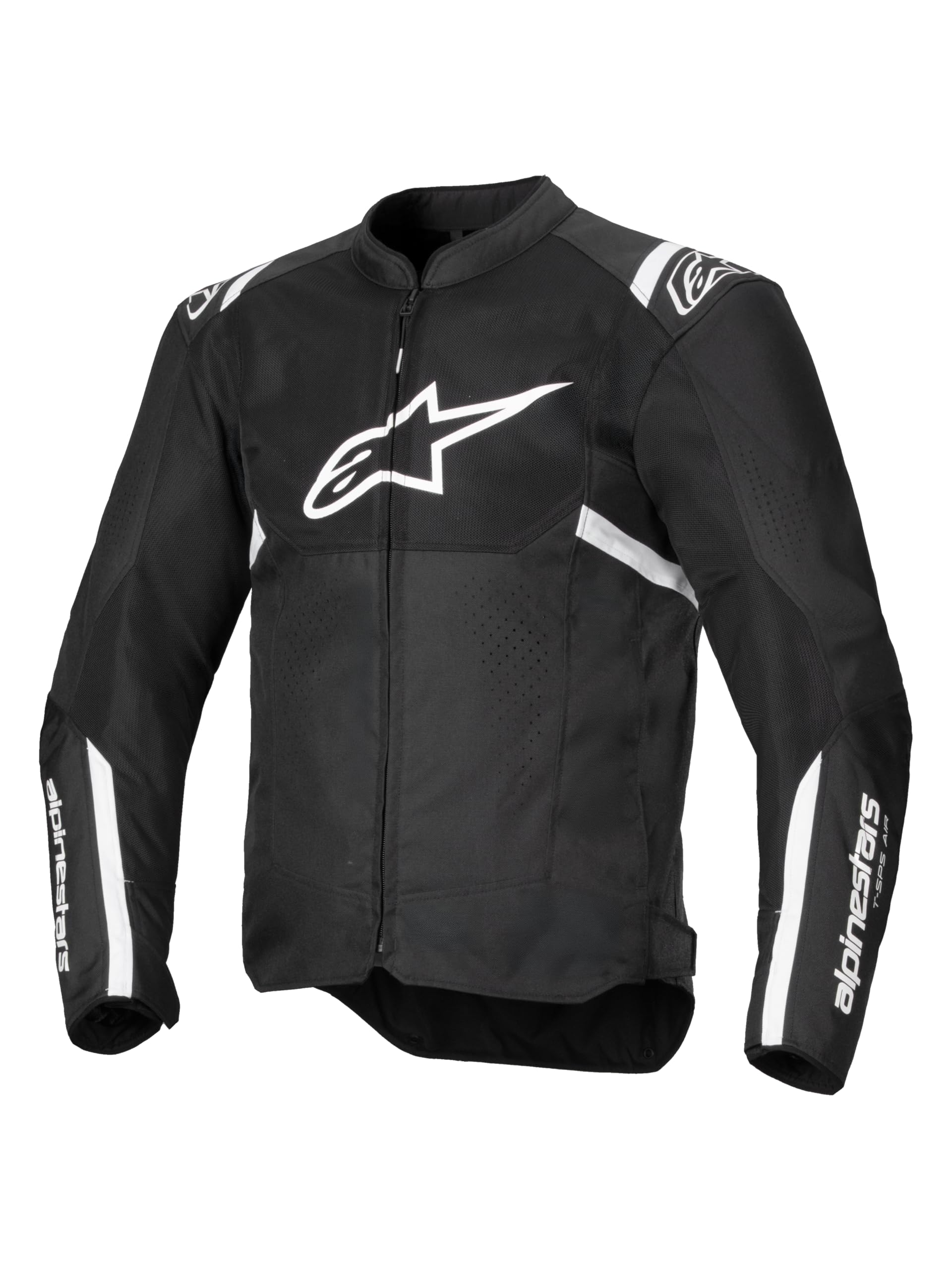
The T SPS Air V2 is an entry-level sport jacket from Alpinestars that features a highly breathable mesh main shell. It is designed for the daily commuter or weekend rider who wants Alpinestars quality without a high price tag. The jacket is compatible with the Tech-Air airbag system, allowing for a future upgrade path to active protection.
It includes removable CE-certified armor in the shoulders and elbows, with a pocket for an optional back plate. The mesh construction is exceptionally light and airy, making it an excellent choice for warm climates. The sport fit is snug but not restrictive, and the overall aesthetic is clean and modern.
User reports praise the jacket’s lightweight feel and breathability. One rider noted it breathes so well that a light layer is needed for cooler mornings. A common point of feedback is the need to purchase the back plate separately. It represents a solid value for those seeking a versatile, airy jacket with room to grow into electronic airbag technology.
What works
- Highly breathable mesh for summer riding
- Tech-Air compatible for future upgrades
- Quality construction at a reasonable entry point
What doesn’t
- Back plate sold separately
- Not designed for cold or wet conditions
6. Alpinestars AST v2 Air Jacket
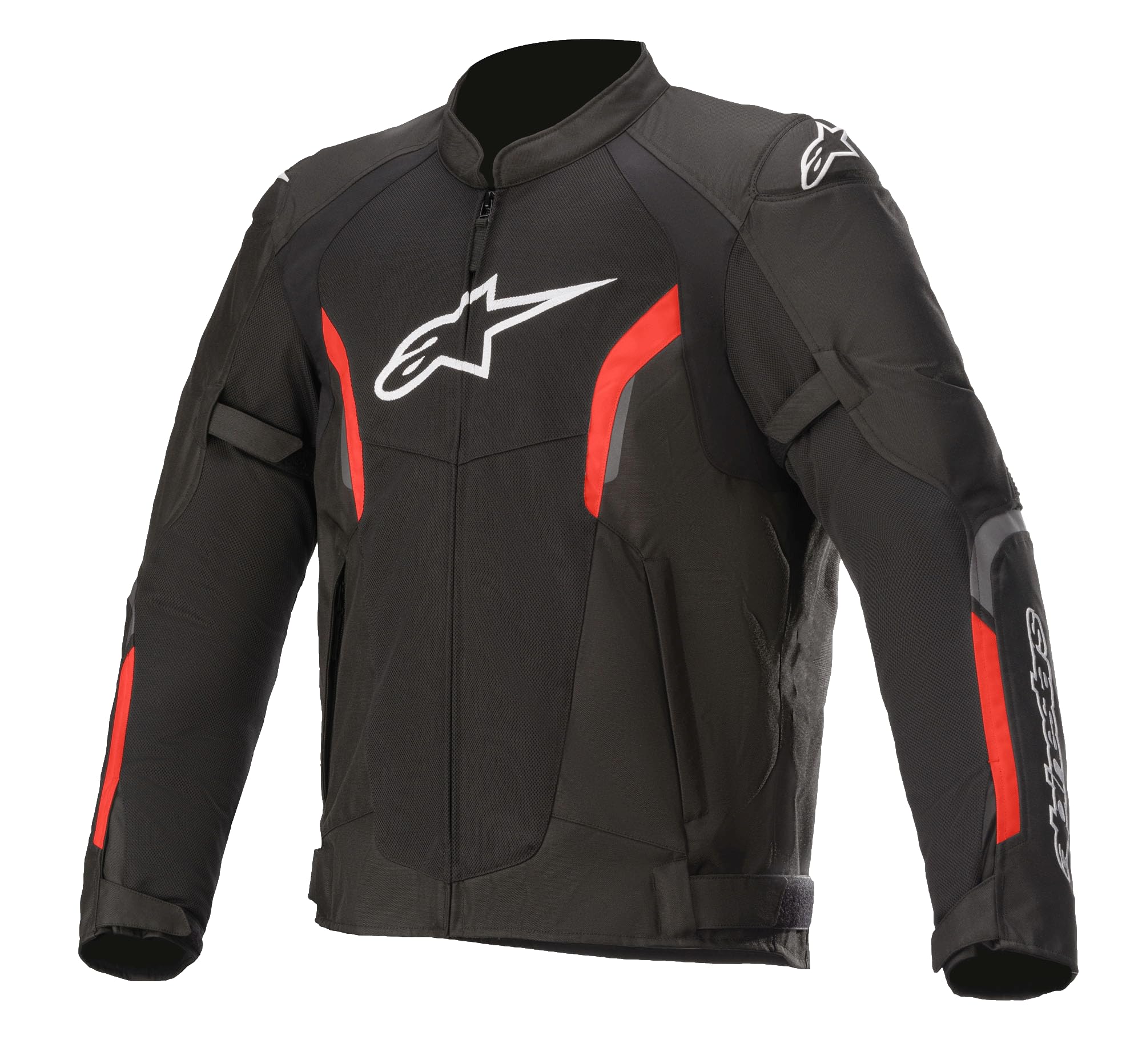
The AST v2 Air is a straightforward, no-frills summer jacket that focuses on delivering core protection and airflow at a competitive price. The chassis is primarily constructed from a lightweight mesh that maximizes air penetration, while CE-rated armor in the elbows and shoulders provides the necessary impact protection for street riding.
Alpinestars designed this jacket with a sport fit that looks good on and off the bike. It is available in several colorways, allowing riders to match their bike or personal style. The jacket includes waist adjustment tabs for a customized fit and reflective details for increased visibility at night.
Owner feedback is generally very positive, with many highlighting the excellent value for money. The jacket fits well for riders with an athletic build, but several reviews caution that it runs small, so sizing up is advisable. The return process can be slow. For the rider on a strict budget who needs a quality mesh jacket, the AST v2 Air is a strong contender.
What works
- Excellent value for a CE-rated mesh jacket
- Lightweight and comfortable for hot weather
- Good looking, modern sport styling
What doesn’t
- Runs smaller than typical US sizes
- Limited ventilation for extreme heat
Hardware & Specs Guide
Deployment Systems
Mechanical tether systems, used by Hit-Air, offer instant, battery-free deployment. The cord pulls a pin that releases a CO2 cartridge. Electronic systems use gyroscopes and accelerometers to detect a crash. Tethers are more common on track; electronics offer greater freedom for street use. Deployment time is typically under 60 milliseconds.
CE Certification Standards
EN 1621-4 is the specific standard for airbag garments. It tests coverage area, inflation volume, and impact force attenuation. A Level 1 vest reduces impact force below 4.5 kN, while Level 2 reduces it below 2.5 kN. Always look for the CE tag—it guarantees independent verification of safety claims.
CO2 Canister Reusability
Most tether-based vests use a standard 16g or 32g CO2 cartridge. After deployment, the system can be reset by installing a new canister and repacking the vest. Replacement canisters are widely available and relatively inexpensive compared to the cost of injury. Always check the manufacturer’s instructions for proper re-arming.
Material & Abrasion Resistance
The outer shell of a vest must withstand slide forces. High-denier Cordura nylon is preferred for its tear and abrasion resistance. Polyester is lighter but less durable. Reinforced stitching at stress points—shoulders, buckles, and tether anchor—is critical for ensuring the vest stays intact during a crash sequence.
FAQ
How does a tether airbag vest work?
Can I wear an airbag vest over a regular jacket?
Is a CE-certified airbag vest worth the investment?
What is the difference between the Hit-Air MLV and RS-1?
Final Thoughts: The Verdict
For most buyers seeking genuine active protection, the winner is the best airbag vest overall, the Hit-Air MLV Airbag Vest, because it combines CE-certified automatic tether deployment with a lightweight, over-jacket design perfect for daily and touring use. If you are hitting the track, grab the Hit-Air RS-1 Racing Air Vest for its superior neck stabilization. And for a practical, budget-friendly entry into high-quality protective jackets, the Alpinestars AST v2 Air is a solid choice that won’t disappoint.

Certification: BSc in Mechanical Engineering
Education: Mechanical engineer
Lives In: 539 W Commerce St, Dallas, TX 75208, USA
Md Amir is an auto mechanic student and writer with over half a decade of experience in the automotive field. He has worked with top automotive brands such as Lexus, Quantum, and also owns two automotive blogs autocarneed.com and taxiwiz.com.