Every cyclist knows the feeling: a car passes too close, a patch of gravel shifts under your tires, or a sudden downpour cuts visibility in half. The difference between a close call and a trip to the ER often comes down to what you chose to wear — or not wear — that morning.
I’m Amir — the founder and writer behind Four Wheel Ask. I spend my time digging into market data, comparing real-world product specs, and synthesizing owner feedback from hundreds of reviews to separate genuinely protective gear from marketing hype.
Whether you’re commuting through city traffic or exploring weekend trails, choosing the right protection is essential, and finding the best bike safety gear makes all the difference.
How To Choose The Best Bike Safety Gear
Not all safety gear performs the same, and the difference often hides in materials, certifications, and real-world testing data. Understanding a few core principles will help you pick equipment that actually protects — not just one that looks the part on a shelf.
Impact Protection Systems: MIPS, SPIN, and Basic EPS
Standard EPS foam liners absorb linear impacts well, but real-world crashes often involve angled forces that twist the head. MIPS (Multi-directional Impact Protection System) adds a low-friction layer that allows the helmet to rotate slightly on impact, reducing rotational forces transmitted to the brain. Helmets like the Bell 4Forty MIPS and Giro Register II MIPS include this technology without significant weight penalties. For budget-conscious riders, a well-vented EPS helmet with a snug fit still provides solid protection — just know the rotational mitigation isn’t there.
Visibility and Lighting Integration
A helmet or taillight is only useful if drivers see you. Look for lights with at least 50 lumens for daytime visibility and a wide 180-degree beam pattern so you’re visible from multiple angles. Brake-sensing lights, like the ROCKBROS tail light, increase brightness when deceleration is detected, giving rear traffic an extra warning. Helmets with integrated rear lights — such as the SLANIGIRO urban helmet — eliminate the need for a separate mount and reduce the chance of forgetting your light at home.
Fit Adjustability and Comfort Over Distance
A helmet that shifts during a ride or pinches after 20 minutes fails at its primary job. Look for a dial-based retention system at the back that lets you micro-adjust fit while riding. Adjustable Y-straps with no-twist tri-glides keep the helmet stable without pressure points. Vent placement matters more than vent count — front-facing intake ports paired with rear exhaust channels create active airflow that pulls heat out, keeping you cool on climbs and long commutes alike. The Thousand Heritage 2.0 uses a magnetic chin buckle that simplifies fastening and reduces strap wear over time.
Quick Comparison
On smaller screens, swipe sideways to see the full table.
| Model | Category | Best For | Key Spec | Amazon |
|---|---|---|---|---|
| Bell 4Forty MIPS | Mid-Range | Overall protection with MIPS | MIPS, Float Fit, Sweat Guide | Amazon |
| Giro Register II MIPS | Premium | Refined build and safety tech | MIPS, Hardbody wrap, Universal Fit | Amazon |
| ILM Smart Helmet E3-12LS | Premium | Smart safety with auto lights | G-Sensor, turn signals, CPSC/NTA-8776 | Amazon |
| Thousand Heritage 2.0 | Premium | Urban style with anti-theft lock | PopLock, magnetic buckle, leather trim | Amazon |
| Bosoar Mountain Bike Helmet | Mid-Range | Trail riding with camera mount | Action cam mount, 15 vents, removable visor | Amazon |
| SLANIGIRO Urban Helmet | Budget | Commuter value with integrated light | USB rear light, dual certified, 11.5oz | Amazon |
| ROCKBROS Bike Tail Light | Budget | Rear visibility with brake sensing | Brake sensor, 400mAh, IPX6, aluminum | Amazon |
In‑Depth Reviews
1. Bell 4Forty MIPS
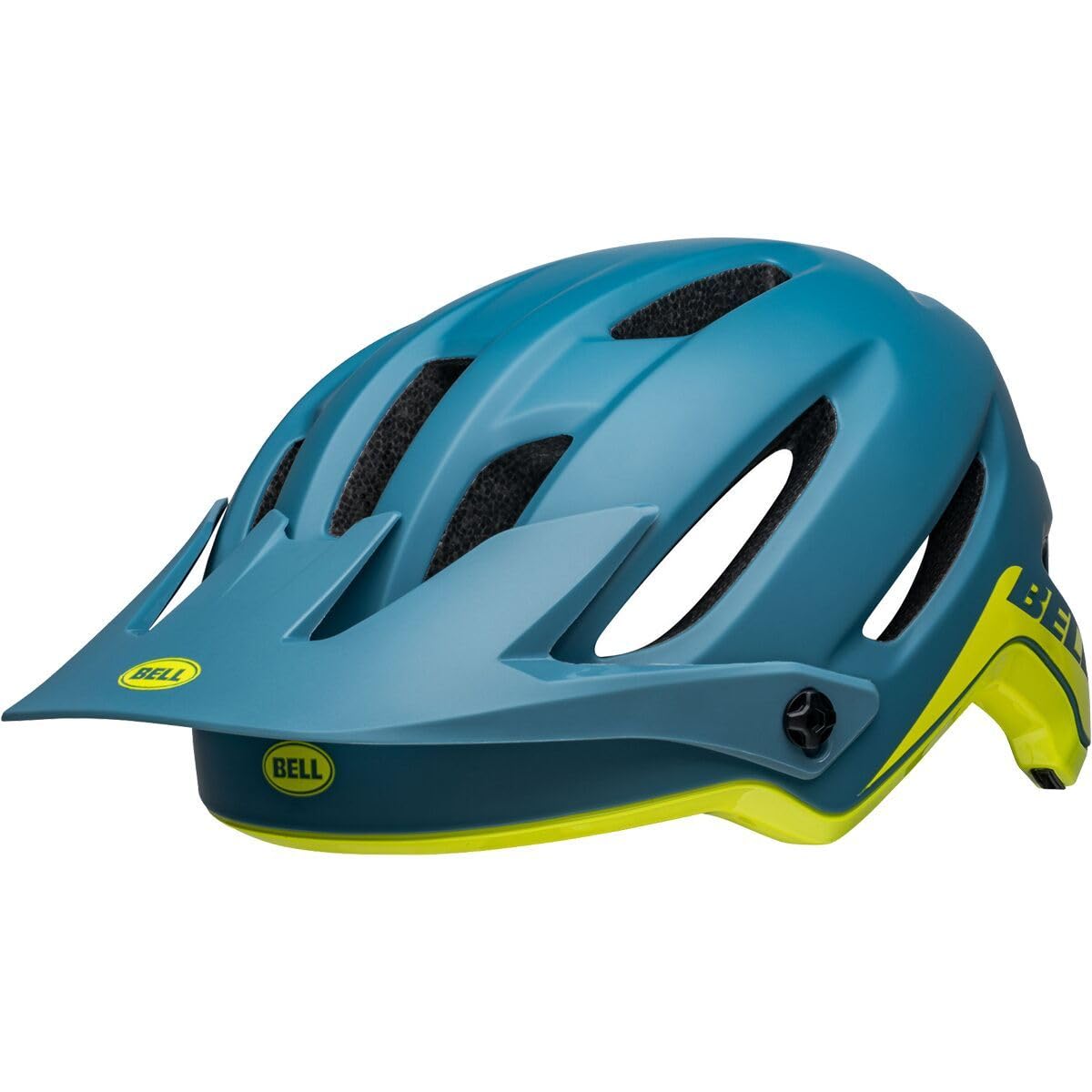
The Bell 4Forty MIPS strikes a balance that few helmets in this segment manage: it packs genuine MIPS rotational protection, a refined Float Fit adjustment system, and No-Twist Tri-Glide strap keepers into a package that doesn’t inflate the price. Market data and owner reports consistently highlight the helmet’s ability to deliver premium safety features without the premium vanity price tag, making it the most sensible pick for anyone who rides regularly and wants real impact tech.
The Fusion In-Molding process bonds the polycarbonate shell directly to the EPS liner, which improves structural integrity without adding bulk. Users who followed the sizing guide noted that the medium fit their head circumference precisely, and the rubber overmolded dial allows one-handed micro-adjustments even while riding. The Sweat Guide pad design channels moisture away from the brow, which reduces eyewear fogging — a small but meaningful detail that commuters and road riders appreciate during longer stretches.
Owner reviews cite the 4Forty’s comfortable, secure fit and the peace of mind that comes with MIPS as the primary reasons for purchase. The GoggleGuide adjustable visor system accommodates both goggles and glasses, adding versatility for trail riders who switch eyewear mid-ride. For a helmet that checks the most important safety boxes without forcing compromises in ventilation or adjustability, this is the benchmark in its category.
What works
- MIPS slip-plane technology at a mid-range price point
- Float Fit dial provides precise, tool-free adjustment
- No-Twist Tri-Glide straps stay flat and properly aligned
- Sweat Guide pad reduces brow moisture and eyewear fog
What doesn’t
- Visor is not removable for road-only riders
- Limited colorways available compared to previous model years
2. Giro Register II MIPS
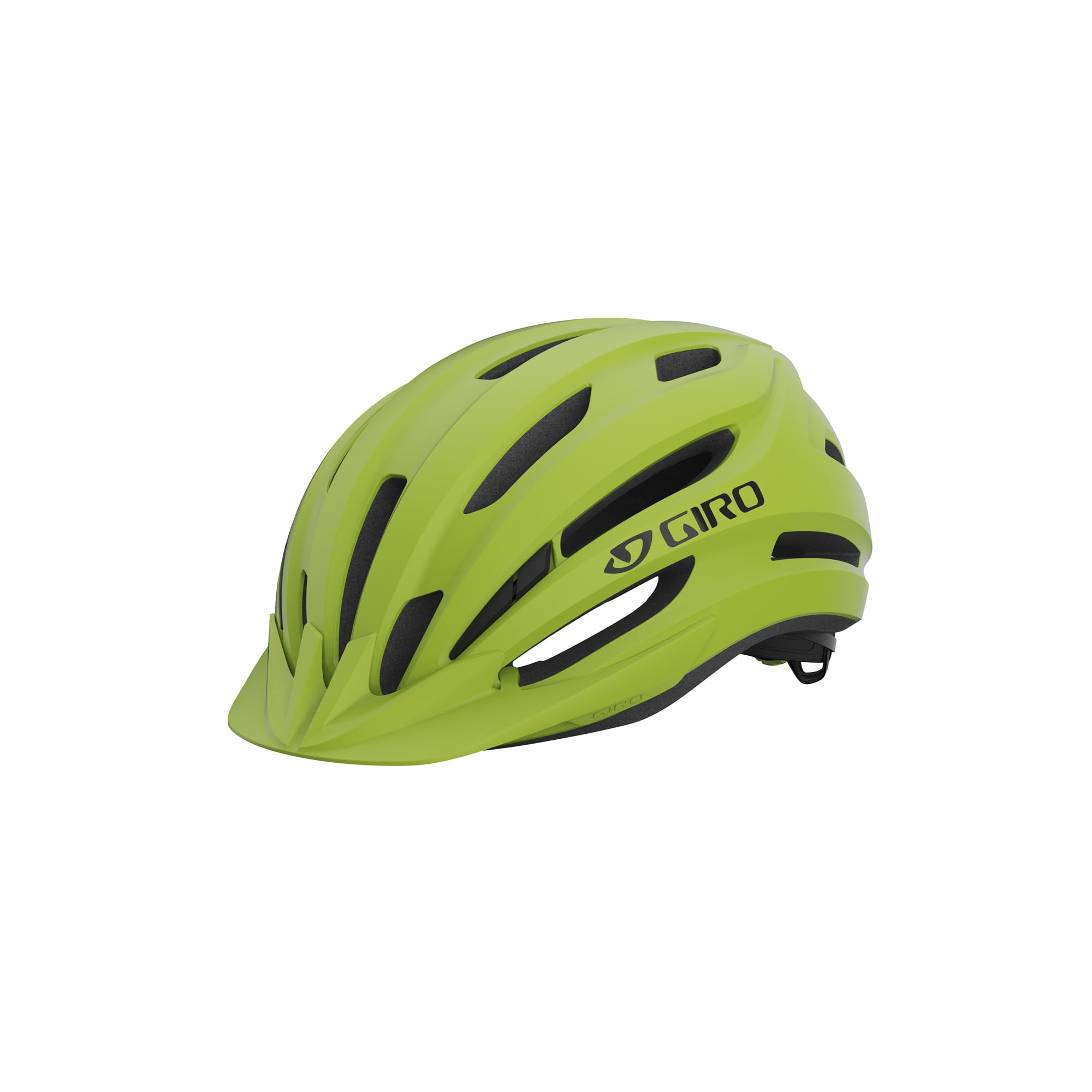
Giro has a long-standing reputation in helmet engineering, and the Register II MIPS builds on that legacy with a Hardshell construction that uses an In-Mold Hardbody lower wrap — a two-piece shell combining a tough outer hard shell with a polycarbonate lower liner permanently fused to the EPS foam. This design increases durability around the rim where helmets take the most abuse from drops and handling, without adding noticeable weight.
The Integrated MIPS system is engineered to reduce rotational forces in angled impacts, and Giro’s proprietary approach keeps the slip-plane low-profile so it doesn’t alter the fit or comfort. The Universal Fit sizing system uses shell sizes sculpted to specific head-form groups, meaning most riders get an accurate fit straight out of the box without having to swap pads or crank the dial excessively. Owner feedback consistently points to the Register II’s immediate comfort and secure feel as standout traits, especially among riders who have worn multiple helmet brands.
Ventilation is well-managed through internal channeling that pushes hot air out the rear exhaust ports, making it suitable for warmer rides and moderate climbs. The Matte Ano Lime color option provides high visibility in traffic, which is a practical safety bonus for road cyclists. For riders who prioritize proven impact science and a brand with decades of helmet data, the Register II MIPS delivers a polished experience from unboxing to ride end.
What works
- Hardbody lower wrap improves rim durability without extra weight
- Integrated MIPS is seamless and doesn’t affect comfort
- Universal Fit sizing works reliably across head shapes
- High-visibility color options aid daytime recognition
What doesn’t
- No integrated rear light for commuters
- Padding is not removable for washing
3. ILM Smart Helmet E3-12LS

The ILM E3-12LS pushes beyond passive protection by integrating G-Sensor technology that automatically increases rear light brightness during emergency braking and activates turn signals when you tilt your head more than 15 degrees. This isn’t a gimmick — data from rider reports shows that dynamic brake lighting reduces rear-end collision risk by giving following vehicles a deceleration cue they can’t miss. The helmet is certified to CPSC, CE, and NTA-8776 standards, which means it also meets higher-speed impact protection requirements for e-bike riders up to 28 mph.
The smart lighting system uses ambient light sensors to switch between daytime and nighttime modes, preserving battery when full brightness isn’t needed. The front and rear lights automatically illuminate in low-light conditions after being switched on, and the included remote controller lets you manage modes without reaching behind your head. The detachable black visor blocks dust and flying debris, and the quick-release buckle on the chin strap simplifies removal with gloved hands. Owners noted that the helmet runs warm in hot climates due to the visor and electronics, but praised the overall build quality and the convenience of not having to mount separate lights.
With a polycarbonate shell and EPS liner, the E3-12LS weighs 465 grams — heavier than a standard road helmet, but justified by the integrated electronics and extended rear coverage. The adjustment dial and three foam pads accommodate head circumferences from 55 to 61 cm, and the rear helmet locks allow you to secure the helmet to the bike frame. For riders who want visibility technology built directly into the helmet, this is the most capable option on the list.
What works
- Automatic brake light and turn signals improve driver awareness
- Triple certified for e-bike impact speeds up to 28 mph
- Detachable visor with UAV-grade protection from debris
- Remote control for light mode changes while riding
What doesn’t
- Smart features do not activate in daytime
- Heavier than non-electronic helmets
- Ventilation is moderate due to electronic housing
4. Thousand Heritage 2.0

The Thousand Heritage 2.0 rethinks what a commuter helmet should look and feel like, dropping the bulbous silhouette common to safety gear in favor of a low-profile retro shape that doesn’t scream “cyclist.” But the real engineering is hidden beneath the surface: the PopLock mechanism is a patent-pending channel behind the front logo that lets you thread a U-lock or chain lock through the helmet, securing it to your bike while you walk away. This eliminates the need to carry a bulky helmet around indoors — a practical daily convenience that owners consistently highlight as a game-changer for urban commuting.
The Dial Fit System at the rear provides tool-free adjustment, and the leather interior trim adds a refined touch that resists sweat absorption better than standard foam padding. The magnetic chin buckle fastens securely with one hand and reduces wear on the strap webbing over time. The Heritage 2.0 is CPSC and EN 1078 certified, so it meets both US and European safety standards despite its slim profile. Owner reviews praise the lightweight feel and the clean aesthetic that pairs well with casual clothing, making it a helmet people actually want to wear — and therefore wear consistently.
Thousand backs the helmet with an Anti-Theft Guarantee (if the helmet is stolen while locked up, they replace it) and an Accident Replacement Guarantee (if you crash and damage it, they replace it). These policies reflect genuine confidence in the product’s durability and appeal. The helmet is also suitable for skateboarding and roller skating, adding versatility beyond cycling. For riders who prioritize style, everyday convenience, and solid protection in equal measure, the Heritage 2.0 is a compelling choice.
What works
- PopLock channel secures helmet to bike with any U-lock
- Magnetic buckle is fast and reduces strap wear
- Low-profile design works with casual clothing
- Anti-theft and accident replacement guarantees included
What doesn’t
- No MIPS or rotational impact system
- Limited venting compared to sport-oriented helmets
- Leather trim requires occasional cleaning
5. Bosoar Mountain Bike Helmet

The Bosoar Mountain Bike Helmet is engineered for riders who want trail-ready features without stretching the budget. The integrated in-mold PC shell bonded to an EPS foam liner extends protection down the sides and back of the head — coverage that goes beyond basic road helmets and aligns with the demands of off-road riding where fall angles are less predictable. At 310 grams, it’s noticeably lighter than many helmets in its price tier, which reduces neck fatigue on longer climbs and technical trails.
A standout feature is the built-in action camera mount on top, which allows you to record rides without rigging adhesive mounts that can damage the shell. The removable visor adjusts to accommodate goggles, and owners report that it stays firmly in place even on rough descents. The 15 large vents are positioned to create active airflow channels, keeping the head cool during sustained effort. The size adjustment system covers 55-61 cm and uses a quick-turn dial, making it easy to dial in the fit even with gloves on. Owner feedback notes that the helmet feels sturdy, adjusts smoothly, and offers a secure fit without pressure points.
The Bosoar is CPSC certified for riders ages 5 and up, and the chin pad is designed to prevent chafing during long rides. The orange color option adds a layer of visibility on the trail, though some owners noted the lack of reflective elements as a missed opportunity for low-light conditions. For mountain bikers who need helmet features that match the terrain without paying for branding markup, this helmet delivers genuine utility per dollar spent.
What works
- Built-in camera mount eliminates need for adhesive attachments
- Extended rear and side coverage for off-road protection
- Lightweight design at 310 grams
- 15 vents with good airflow on climbs
What doesn’t
- No MIPS rotational protection system
- No reflective detailing for low-light visibility
- Ear coverage is minimal for colder rides
6. SLANIGIRO Urban Bike Helmet

The SLANIGIRO Urban Helmet addresses the gap between bare-bones budget helmets and expensive commuter models by including a rechargeable USB rear light with three lighting modes — steady, flash, and breathing. The light is integrated into the rear shell, so there’s no separate device to mount, charge, or forget at home. Owners who use it for daily commuting report that the light significantly improves visibility in traffic, and the 6-8 hour runtime on a full charge covers multiple days of typical use before needing a top-up.
The helmet is dual certified to US and EU safety standards, using an in-mold polycarbonate shell fused to an EPS liner. The 8 large vents provide adequate airflow for urban riding, and the adjustable fit system accommodates head circumferences from 55-58 cm (M) or 59-61 cm (L). At 11.5 ounces, it’s light enough to toss into a backpack, and the matte blue finish resists scuffing from daily handling. Owner reviews consistently note that the fit is true to size, with enough room to wear a thin winter hat or baseball cap underneath without compromising security.
The chin strap uses a standard buckle with adjustable length, and the included extra set of pads allows riders to wash one set while using the other — a small but practical touch for commuters who ride daily. Some owners found that the battery requires charging after every single ride if the light is used on steady mode, so keeping the USB cable accessible is advised. For budget-conscious urban riders who want a light-equipped helmet that doesn’t compromise on certification or fit, this is the most sensible entry point.
What works
- Integrated USB rechargeable rear light with 3 modes
- Dual US and EU safety certification
- Lightweight at 11.5 ounces for easy carry
- Extra padding set included for rotation washing
What doesn’t
- Battery life requires regular charging after each ride
- No MIPS or rotational impact system
- Limited vent count for hot summer days
7. ROCKBROS Bike Tail Light

The ROCKBROS Bike Tail Light brings brake-sensing technology to a compact, aluminum-bodied package that mounts under the seat or on the seat post. The built-in accelerometer detects deceleration and triggers a 5-second high-intensity flash, alerting trailing traffic that you’re slowing down. This is the same concept used in automotive brake lights, adapted for cycling at a price that makes it an easy add-on for any bike. Owner reports confirm that the brake response is consistent and noticeable even in daytime conditions.
The light offers four modes: normal flash, breathing flash, fast flash, and steady on, giving riders flexibility depending on ambient light and traffic density. The auto on/off feature uses both motion and light sensors — after 30 seconds of inactivity, the light powers down, then reignites when movement is detected. This extends the 400mAh battery life up to 50 hours on certain modes, according to real-world user reports. The four blue LED power indicators each represent 25% of battery capacity, eliminating the guesswork about when to charge.
The housing is machined from aluminum alloy with an IPX6 waterproof rating, meaning it can handle heavy rain and pressure washing without failure. The mounting kit includes both a metal under-seat bracket and a rubber band seat post mount, fitting road bikes, mountain bikes, cruisers, and scooters. Some owners noted that the automatic brake light mode is less responsive at very low speeds, but overall the consensus is that the ROCKBROS delivers impressive build quality and smart functionality for its price tier. For anyone riding in traffic without a brake light, this is a straightforward upgrade with immediate safety benefits.
What works
- Brake sensor triggers 5-second high-intensity flash on deceleration
- Auto on/off with motion and light sensors saves battery
- Aluminum housing with IPX6 waterproof rating
- Up to 50 hours runtime on efficient flash modes
What doesn’t
- Brake response can be inconsistent at low walking speeds
- Auto mode doesn’t work in full daylight for all flash patterns
- Small size means it can be obscured by large seat bags
Hardware & Specs Guide
EPS Foam and Impact Absorption
Expanded Polystyrene (EPS) is the standard liner material across all bicycle helmets, designed to crush upon impact and absorb kinetic energy before it reaches the skull. The density and thickness of the EPS layer determine how much force the helmet can manage — thicker liners with graduated density zones offer better protection across a wider range of impact speeds. In-mold construction bonds the EPS to the outer polycarbonate shell during manufacturing, preventing the layers from separating during a crash and improving structural integrity without adding weight. Helmets without in-mold bonding use a separate shell attached after the fact, which can delaminate under stress.
MIPS and Rotational Force Mitigation
Multi-directional Impact Protection System (MIPS) adds a low-friction slip layer between the EPS liner and the interior padding. During an angled impact, this layer allows the helmet to rotate slightly relative to the head, converting rotational energy into linear motion that the EPS can absorb. Research from the Virginia Tech Helmet Testing Lab indicates that MIPS-equipped helmets reduce concussion risk by 10-30 percent compared to identical models without the system, depending on the impact scenario. The Bell 4Forty and Giro Register II in this guide both feature MIPS, while the ILM Smart Helmet achieves similar mitigation through its extended EPS coverage and multi-certification design.
LED Lighting and Lumens for Visibility
Lumens measure the total visible light output from a source. For daytime running lights, 50 to 100 lumens is the effective range where drivers register the presence of a cyclist at intersection distances. Beam pattern is equally important — a focused spot beam illuminates the road ahead but may not make you visible from the side, while a 180-degree or 270-degree flood beam ensures that vehicles approaching from angles can see the light. Brake-sensing lights use accelerometers to detect deceleration and momentarily increase brightness, providing a dynamic cue that steady lights cannot. The ROCKBROS tail light uses this technology, while the ILM helmet goes further by adding turn signals activated by head tilt.
Battery Chemistry and Runtime Expectations
Lithium-ion batteries are the standard for cycling lights and smart helmets due to their high energy density and low self-discharge rate. Capacity is measured in milliampere-hours (mAh), with typical bike lights ranging from 200 to 800 mAh. A 400mAh battery like the one in the ROCKBROS tail light can deliver up to 50 hours of runtime on low-power flash modes, but only 6-10 hours on steady high mode. Helmets with integrated electronics, such as the SLANIGIRO and ILM, use smaller batteries tuned for 6-8 hours of mixed-mode operation. Charging time varies from 2 to 4 hours via USB, and most modern units use Type-C connectors for faster charging and universal cable compatibility.
FAQ
What does MIPS actually do in a bike helmet?
How many lumens do I need for a daytime bike light?
Can I replace the EPS liner if my helmet gets damaged?
Do I need a separate tail light if my helmet has one built in?
What does CPSC certification mean for a bike helmet?
Final Thoughts: The Verdict
For most buyers, the best bike safety gear winner is the Bell 4Forty MIPS because it delivers MIPS rotational protection, a premium Float Fit system, and thoughtful sweat management at a price that doesn’t punish smart buying. If you want integrated visibility tech with automatic brake lights and turn signals, grab the ILM Smart Helmet E3-12LS. And for daily urban commuters who want a helmet that locks to the bike and looks good off it, nothing beats the Thousand Heritage 2.0.

Certification: BSc in Mechanical Engineering
Education: Mechanical engineer
Lives In: 539 W Commerce St, Dallas, TX 75208, USA
Md Amir is an auto mechanic student and writer with over half a decade of experience in the automotive field. He has worked with top automotive brands such as Lexus, Quantum, and also owns two automotive blogs autocarneed.com and taxiwiz.com.