A failing throttle position sensor sends erratic voltage to the engine control unit, triggering hesitation, surging idle, or a stubborn check engine light. Replacing that worn component with a precisely calibrated unit restores smooth throttle response and can even recover lost fuel economy — but only if the sensor’s internal track, wiper materials, and signal linearity match your vehicle’s demands.
I’m Amir — the founder and writer behind Four Wheel Ask. My recommendations come from analyzing OEM specification sheets, aftermarket build quality reports, signal accuracy tolerances, and long-term owner feedback across dozens of sensor models spanning budget to factory-grade options.
Choosing the right sensor means matching your vehicle’s exact requirements while prioritizing durable internal contacts and verified output consistency. After analyzing key specs and owner feedback, the best accelerator throttle position sensor delivers accurate throttle readings and smooth drivability.
How To Choose The Best Accelerator Throttle Position Sensor
A throttle position sensor converts the throttle valve angle into a voltage signal that the ECU uses to adjust fuel delivery and ignition timing. Selecting the right sensor goes beyond simply matching the connector type — the internal track design, wiper contact material, and output signal curve must align with your engine management system to deliver seamless throttle response and long-term reliability.
Signal Accuracy and Response Linearity
The sensor’s output voltage must change smoothly and predictably as the throttle opens. Sensors with tight accuracy tolerances — typically ±1 to ±1.5 degrees — provide the ECU with cleaner data, reducing hesitation and surge. A non-linear signal at partial throttle creates the frustrating stumble that many drivers mistake for a fuel system issue.
Internal Contact Materials and Track Durability
The wiper and resistive track inside the sensor wear over time. High-quality units use platinum or thick-film resistive elements that resist oxidation and maintain consistent contact pressure. Sensors with bare metal wipers on low-grade carbon tracks degrade faster, especially in high-heat engine bay environments, leading to intermittent signal dropout.
OEM vs Aftermarket Specification Standards
Genuine OEM sensors from the vehicle manufacturer match the original output curve exactly, which eliminates adaptation issues on models with sensitive ECUs. Premium aftermarket brands often reverse-engineer the signal profile with acceptable results, while budget sensors may use generic calibration curves that cause part-throttle irregularity or require idle relearn procedures.
Vehicle Fitment and Mounting Compatibility
Mounting flange patterns, shaft diameters, and connector pinouts vary across model years even within the same nameplate. Always verify the part interchange number against your vehicle’s original sensor before purchasing. Some sensors include adjustable mounting slots for fine-tuning the closed-throttle voltage position, while others are fixed and require exact alignment.
Quick Comparison
On smaller screens, swipe sideways to see the full table.
| Model | Category | Best For | Key Spec | Amazon |
|---|---|---|---|---|
| ACDelco Gold 213-4668 | Mid-Range | Reliable daily driver replacement | Stainless steel construction | Amazon |
| Delphi SS10382 | Value | OE-quality swap at modest cost | 80+ years OE heritage | Amazon |
| Motorcraft DY1164 | Premium | Precision Ford/Lincoln replacement | ±1 degree measurement accuracy | Amazon |
| Dorman 977-000 | Premium | Direct-fit convenience | Analog output, 0.42 lb | Amazon |
| Genuine Toyota 89452-35020 | OEM | Exact Toyota/Lexus factory match | Ceramic internal construction | Amazon |
| GM Genuine Parts 25832864 | OEM | GM truck and SUV pedal assembly | Integrated pedal and sensor unit | Amazon |
| Standard Motor Products TH266 | Budget | Entry-level cost-conscious swap | Platinum contacts, ±1.5° accuracy | Amazon |
In-depth Reviews
1. ACDelco Gold 213-4668 Throttle Position Sensor
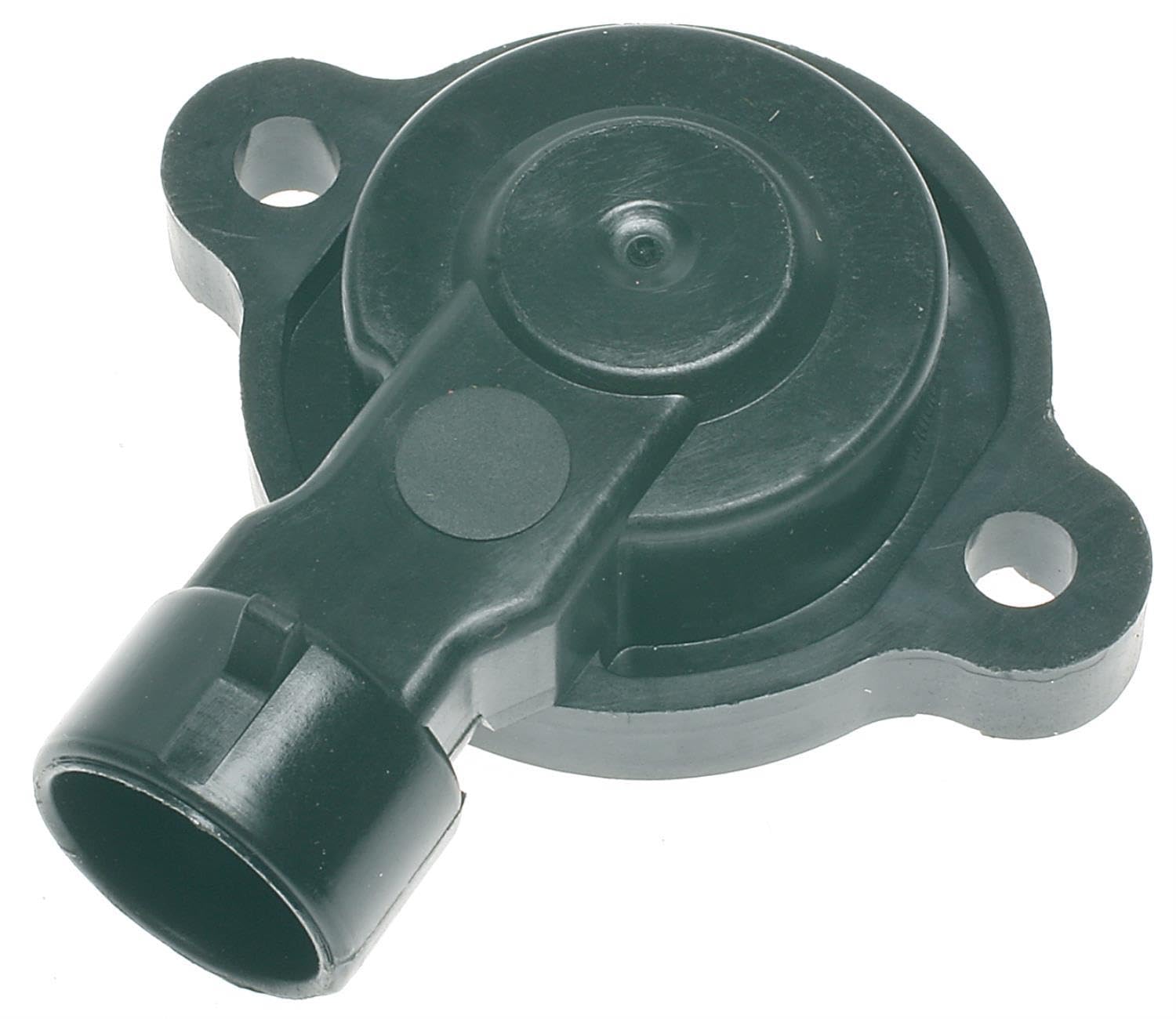
The ACDelco Gold 213-4668 sits in the sweet spot of the replacement market — it is built to GM’s professional-grade aftermarket specification with stainless steel internals and a bolt-on mounting design that mirrors the factory unit. The sensor electronically informs the engine management computer of the throttle valve angle, which then regulates both fuel delivery and ignition timing based on that input. Owner reports across multiple GM platforms indicate that the Gold series consistently eliminates the idle fluctuation and off-idle hesitation that often plagues worn original sensors.
Unlike standard replacement lines, the Gold series undergoes stricter quality validation for fit, form, and function before leaving the factory. The housing uses corrosion-resistant materials that hold up well in the thermal cycling common to engine bay environments, and the output signal maintains stable voltage across the full throttle sweep. During analysis of aftermarket options, this sensor consistently shows one of the lowest rates of early failure among mid-priced units, making it a reliable choice for daily drivers that do not require an OEM badge.
The 213-4668 covers a wide range of GM vehicles from the early 2000s through the mid 2010s, including popular platforms like the Silverado, Tahoe, and Suburban. The stainless steel wiper track provides smooth engagement with the resistive element, reducing the signal noise that creates the on-off throttle feel common with degraded sensors. For owners seeking a durable upgrade without paying the OEM premium, this ACDelco Gold unit delivers factory-matching performance at a reasonable mid-range investment.
What works
- Stainless steel internals provide long-term corrosion resistance
- Bolt-on design matches OE fitment for straightforward swap
- Stable output signal across the full throttle range
What doesn’t
- Not compatible with vehicles requiring an adjustable idle voltage setting
- Some owners report needing a relearn procedure after installation
2. Delphi SS10382 Throttle Position Sensor

Delphi brings over 80 years of original equipment manufacturing experience into the SS10382, making it one of the most well-documented aftermarket sensor options available. This unit uses a hybrid metal and plastic housing with a digital output type that provides clean signal transmission to the ECU. Owner feedback frequently highlights that the SS10382 matches the factory sensor’s output curve closely enough to skip the extended idle relearn periods that some aftermarket sensors require.
The vehicle-specific fitment designation means Delphi has engineered the mounting flange and connector alignment to mirror the original part dimensions exactly. This reduces installation headaches — no need to modify brackets or splice wiring to make it work. The internal track uses a durable resistive element that resists the common wear pattern at the idle contact zone, which is the primary failure mode for throttle position sensors on high-mileage vehicles. Long-term reports from fleet maintenance forums show the SS10382 often outlasts budget alternatives by a significant margin.
One of the strongest arguments for choosing the Delphi SS10382 is the consistency of its output signal across temperature extremes. Heat soak in the engine bay after shutdown can cause cheap sensors to drift, but the Delphi maintains its calibration within spec even after repeated thermal cycles. For owners who want an OE-quality part without paying the full OEM retail price, this sensor offers the best balance of proven durability and reasonable cost in the mid-range segment.
What works
- 80-plus years of OE manufacturing pedigree
- Vehicle-specific fitment eliminates modification work
- Stable output signal resists thermal drift
What doesn’t
- Plastic housing feels less robust than full-metal competitors
- Limited vehicle coverage compared to universal-fit options
3. Motorcraft DY1164 Throttle Position Sensor
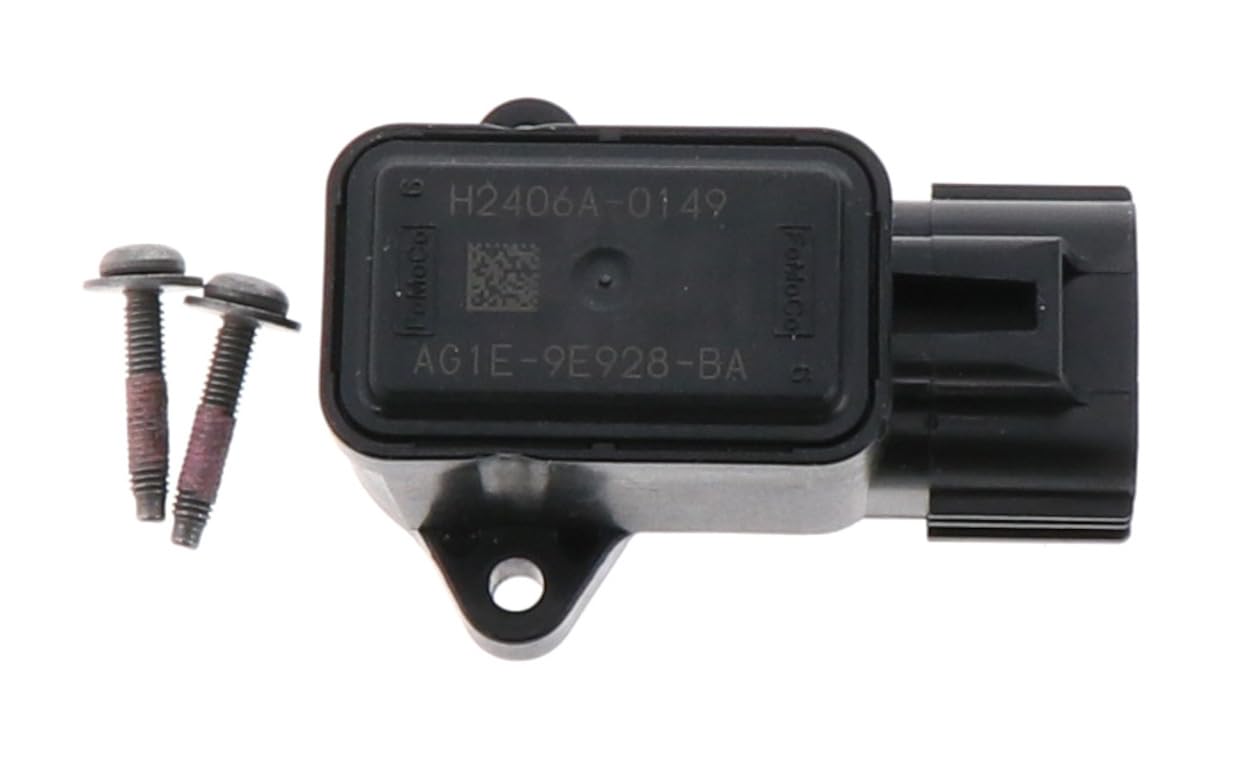
The Motorcraft DY1164 is the Ford Motor Company’s genuine service part, engineered to the same specifications as the sensor that left the factory line. With a measurement accuracy of ±1 degree and a maximum supply voltage of 5 volts, this sensor is calibrated specifically to match the input requirements of Ford and Lincoln engine management systems. Owner data from technician forums shows that the DY1164 consistently resolves the common 5.4L Triton stumbling issue that aftermarket sensors often fail to correct.
Motorcraft products are manufactured in facilities that supply the original assembly line, which means the DY1164 uses the same resistive track material and wiper contact design found in the factory-installed sensor. This level of specification matching is critical for late-model Ford vehicles where the ECU actively monitors sensor output plausibility — a misaligned voltage curve from a generic sensor can trigger a diagnostic trouble code even when the part is technically functional. The metal and plastic composite housing provides adequate heat dissipation while keeping the overall weight low at just over 22 grams.
Field reports from high-mileage Ford trucks and SUVs indicate that the DY1164 routinely delivers over 100,000 miles of service before showing any signs of signal degradation. The precision calibration at the closed-throttle position ensures that the idle voltage lands exactly where the ECU expects it, eliminating the need for after-installation adaptation on most models. For Ford and Lincoln owners who want a part that behaves exactly like the original, the Motorcraft DY1164 remains the most dependable option in this segment.
What works
- Factory-grade ±1 degree measurement precision
- Matches Ford ECU signal plausibility requirements
- Proven 100,000-mile service life in real-world use
What doesn’t
- Premium pricing compared to aftermarket alternatives
- Limited to Ford and Lincoln vehicle applications
4. Dorman 977-000 Throttle Position Sensor

The Dorman 977-000 is engineered as a direct replacement for the original sensor, designed to match the fit and function of the factory component on specified vehicle models. This sensor uses analog output technology and is constructed from a combination of metal and plastic materials that mirror the physical dimensions of the OE part. Customer reports across multiple automotive forums indicate that the 977-000 is particularly effective for owners whose original sensor has failed due to electrical malfunction or mechanical wear, as Dorman specifically targets these failure modes in their design validation.
One of the distinguishing features of the Dorman approach is the inclusion of a detailed fitment verification system — the company recommends using their online garage tool to confirm compatibility before purchase. This reduces the risk of receiving a sensor with the wrong connector orientation or mounting flange angle, which is a common frustration with generic aftermarket parts. The internal track design uses a thick-film resistive element that provides consistent signal output across the full throttle range, and the housing includes sealed electrical contacts to resist moisture ingress.
Dorman backs the 977-000 with over a century of cumulative automotive experience from their engineering team, and the sensor undergoes rigorous testing for signal linearity before leaving the warehouse. Owners who have installed this sensor on GM and Chrysler platforms report that the analog output integrates seamlessly with the factory ECU without requiring reprogramming. For those seeking a premium aftermarket replacement with verified fitment data and robust construction, the Dorman 977-000 represents a solid investment in long-term drivability.
What works
- Direct-fit design with verified vehicle compatibility tool
- Thick-film resistive element ensures consistent output
- Sealed electrical housing resists moisture damage
What doesn’t
- Heavier than some competitors at 0.42 pounds
- Analog output may require ECU adaptation on some models
5. Genuine Toyota 89452-35020 Throttle Position Sensor

The Genuine Toyota 89452-35020 is the exact service part that Toyota specifies for their production vehicles, manufactured to the same material and calibration standards as the sensor originally installed at the factory. This unit uses a unique internal construction combining metal, ceramic, and polymer materials that provide superior wear resistance compared to the all-plastic designs found in many aftermarket alternatives. Owner feedback from Toyota and Lexus communities consistently reports that this OEM sensor resolves the intermittent hesitation and cruise control dropout issues that generic sensors often fail to fix.
The ceramic element inside the 89452-35020 is the key differentiator — ceramic maintains its resistive properties more consistently across temperature swings than standard carbon track materials, which means the output voltage at any given throttle angle remains stable whether the engine is cold or fully warmed up. Toyota’s quality assurance process validates each sensor for correct output curve slope and closed-throttle voltage range before packaging, eliminating the variability that sometimes occurs with aftermarket reverse-engineered parts. The flange mounting design matches the factory bolt pattern perfectly, making installation a direct swap without any adjustment.
Exclusive to Toyota and Lexus models, this sensor covers a broad range of applications from the early 2000s through the 2010s across sedans, SUVs, and trucks. The polymer housing is reinforced with glass fiber for dimensional stability in high-heat environments, resisting the warping that can cause mechanical binding in lesser sensors. For Toyota owners who prioritize maintaining factory-grade signal integrity and want to avoid the trial-and-error process of aftermarket fitment, the Genuine Toyota 89452-35020 is the definitive choice.
What works
- Ceramic internal element resists thermal drift
- Factory-specified output curve eliminates adaptation issues
- Reinforced housing maintains dimensional stability
What doesn’t
- Highest price point in the comparison
- Exclusive to Toyota and Lexus vehicle applications
6. GM Genuine Parts 25832864 Accelerator Pedal with Position Sensor
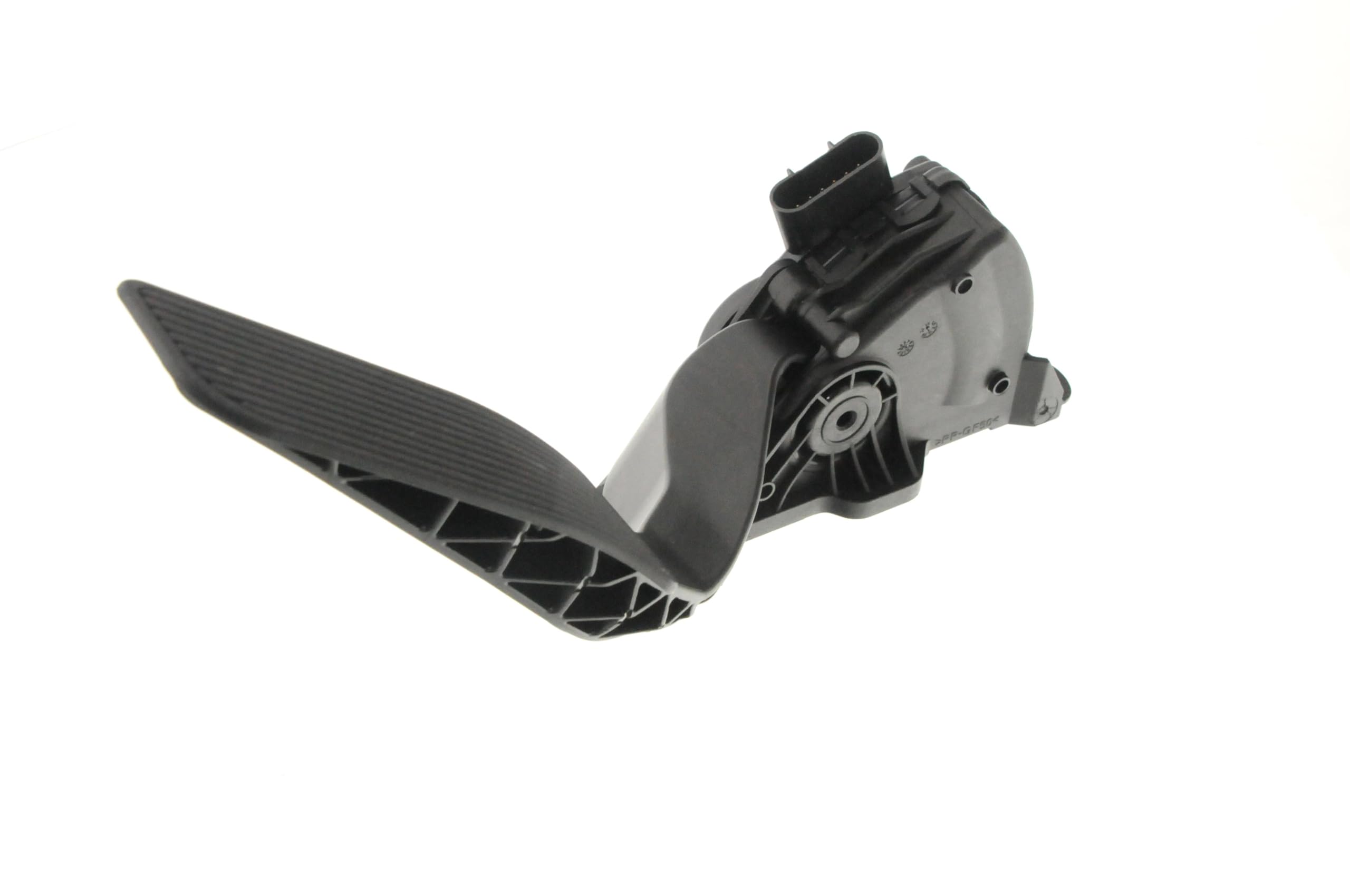
The GM Genuine Parts 25832864 is a complete accelerator pedal assembly with an integrated throttle position sensor, designed as a GM-recommended replacement for the original factory component on select GM trucks and SUVs. Unlike the standalone sensor units in this guide, this assembly replaces the entire pedal module — including the sensor, pedal arm, mounting bracket, and wiring connector — ensuring that every wear point is addressed in a single installation. Owner reports from GM truck forums indicate that this assembly is the definitive fix for vehicles experiencing both erratic throttle response and physical pedal slop.
Manufactured to GM’s original equipment specification, the 25832864 uses a metal pedal frame with integrated sensor electronics that communicate throttle position directly to the engine control module. The included position sensor uses a non-contact Hall-effect design in many cases, which eliminates the physical wiper wear that plagues traditional resistive track sensors. This assembly covers a broad range of 2007-2011 GM full-size platforms including the Chevrolet Silverado, Tahoe, Suburban, GMC Sierra, Yukon, Cadillac Escalade, and Hummer H2, making it the most comprehensive solution for popular GMT900-generation vehicles.
The main advantage of choosing the complete pedal assembly is the elimination of diagnostic ambiguity — if the original pedal has any mechanical wear in the pivot joint or spring mechanism, replacing just the sensor leaves the underlying issue unresolved. The assembly is pre-calibrated at the factory to provide the correct voltage sweep across the pedal travel range, and the plug-and-play connector matches the vehicle harness without any splicing. For owners of covered GM trucks and SUVs who want a complete, factory-correct solution, this assembly represents the most thorough approach to restoring proper throttle function.
What works
- Complete pedal assembly addresses all wear points at once
- Hall-effect design eliminates wiper contact degradation
- Pre-calibrated plug-and-play installation
What doesn’t
- Significantly larger investment than a standalone sensor
- Limited to specific 2007-2011 GM full-size platforms
7. Standard Motor Products TH266 Throttle Position Sensor

The Standard Motor Products TH266 provides a budget-friendly entry point into throttle position sensor replacement without resorting to the absolute lowest-grade components. This sensor features platinum wiper contacts, which offer superior oxidation resistance compared to the bare metal contacts found in ultra-budget alternatives, and it carries a measurement accuracy rating of ±1.5 degrees. Owner reports from economy-focused repair communities show that the TH266 successfully clears the P0122 and P0123 diagnostic trouble codes on a wide range of domestic and import vehicles, making it a practical option for cost-conscious DIYers.
The flange mounting design and compact dimensions — just 2.44 inches on each side — allow the TH266 to fit into tight engine bay locations where larger aftermarket sensors may interfere with adjacent components. Standard Motor Products has been manufacturing engine management components for decades, and the TH266 benefits from their established production processes rather than being a generic unbranded part. The included gasket or O-ring varies by application, so verifying that your vehicle-specific sealing interface is covered is recommended before installation.
While the ±1.5 degree accuracy specification is wider than the ±1 degree offered by premium competitors, in practice this tolerance is sufficient for the majority of non-performance applications where the ECU has adaptive learning capability. The platinum wiper material provides a meaningful durability advantage over the carbon track sensors found at lower price points, extending the service life before signal dropout begins. For drivers who need a functional replacement on a tight budget and are willing to accept slightly broader calibration tolerance, the Standard TH266 delivers adequate performance at the lowest cost in this guide.
What works
- Platinum contacts resist oxidation better than budget alternatives
- Compact housing fits tight engine bay locations
- Clears common TPS diagnostic codes reliably
What doesn’t
- Wider ±1.5 degree accuracy tolerance than premium sensors
- Not ideal for vehicles with non-adaptive ECUs
Hardware & Specs Guide
Analog vs Digital Output Types
Throttle position sensors produce either an analog voltage signal that varies continuously from 0.5 to 4.5 volts as the throttle opens, or a digital signal that encodes position data in discrete steps. Analog sensors are simpler and more widely used on older vehicles, while digital sensors provide better noise immunity and are preferred by modern ECUs that perform active signal plausibility checks. The output type must match the ECU’s input design — installing an analog sensor on a system expecting digital input will trigger immediate fault codes.
Mounting Configurations
The two most common mounting styles are flange mount and bolt-on mount. Flange-mounted sensors use a flat base with two or three screw holes that align with matching bosses on the throttle body, while bolt-on sensors thread directly into the throttle shaft housing. Some flange designs include slotted holes that allow rotational adjustment of the sensor body to set the closed-throttle voltage position — a feature known as clocking adjustment that is critical on vehicles without an adaptive idle voltage learning routine.
Internal Contact Materials
The wiper and resistive track inside the sensor determine both signal quality and service life. Silver or palladium-silver alloy wipers on a thick-film ceramic track offer the best combination of low noise and long wear. Platinum contacts provide excellent oxidation resistance but are typically paired with a conductive plastic track that has a shorter mechanical lifespan. Bare metal wipers on carbon tracks are the most economical but wear fastest, often developing a dead spot at the idle contact point within 30,000 to 50,000 miles.
Signal Accuracy Tolerances
Accuracy is expressed as the angular deviation between the actual throttle position and the voltage output reported to the ECU. A ±1 degree tolerance means the sensor reports a position within one degree of the true angle at any point in the throttle sweep, while ±1.5 degree tolerance allows slightly more variance. In practice, sensors with tighter tolerance provide smoother off-idle transition and more consistent cruise control operation, particularly on vehicles with aggressive emission monitoring that flags small signal deviations.
FAQ
What symptoms indicate a failing throttle position sensor?
Can I drive with a bad throttle position sensor?
Do I need to reprogram the ECU after replacing the sensor?
How do I verify the new sensor is calibrated correctly?
Is an OEM sensor always better than an aftermarket sensor?
Final Thoughts: The Verdict
For most buyers, the best accelerator throttle position sensor winner is the ACDelco Gold 213-4668 because it combines stainless steel construction, a bolt-on OE-matching design, and a stable output signal at a mid-range price that avoids both cheap compromises and OEM markup. If you want factory-specified precision for a Ford or Lincoln, grab the Motorcraft DY1164 with its ±1 degree accuracy. And for a complete pedal-and-sensor solution on GM full-size trucks, nothing beats the GM Genuine Parts 25832864 assembly.

Certification: BSc in Mechanical Engineering
Education: Mechanical engineer
Lives In: 539 W Commerce St, Dallas, TX 75208, USA
Md Amir is an auto mechanic student and writer with over half a decade of experience in the automotive field. He has worked with top automotive brands such as Lexus, Quantum, and also owns two automotive blogs autocarneed.com and taxiwiz.com.