A failing starter in a 2011 Hyundai Elantra creates a specific set of symptoms — a single click, a slow crank, or silence. Identifying the right replacement requires matching not just the engine size but the tooth count, rotation direction, and even the build date of your vehicle. This guide examines seven aftermarket starters through the lens of specifications, build materials, and verified owner experiences.
I’m Amir — the founder and writer behind Four Wheel Ask. My approach to automotive parts analysis focuses on cross-referencing OEM specifications with aftermarket quality data and long-term owner feedback to identify which components deliver consistent starting power.
Each starter reviewed here was evaluated for its construction quality, material choices, warranty coverage, and compatibility claims. After reviewing specs and owner data, the best 2011 hyundai elantra starter delivers reliable cranks and lasting value.
How To Choose The Best 2011 Hyundai Elantra Starter
Selecting the right starter for your 2011 Elantra goes beyond simply picking a part that looks similar. Small differences in tooth count, rotation direction, and power rating can mean the difference between a trouble-free install and a return. Here are the critical factors to evaluate before buying.
Tooth Count & Rotation Direction
Your 2011 Elantra with the 1.8L engine requires an 11-tooth pinion with clockwise (CW) rotation. Using a 13-tooth or counterclockwise starter will not mesh with your flywheel. Always verify these two specs before purchasing, as they are non-negotiable for proper engagement.
PMGR vs. Conventional Construction
Permanent Magnet Gear Reduction (PMGR) starters are the standard for modern vehicles. They are lighter, more compact, and draw less current than older direct-drive designs. Most aftermarket replacements for the Elantra use PMGR technology, but confirming this ensures you get the quieter, more efficient cranking you expect.
Build Date & Vehicle Origin
Hyundai produced the 2011 Elantra in both U.S. and Korean plants, and the build date — typically before or after November 2013 — can affect which starter part number fits. Some aftermarket listings specifically note “USA Built” or “To 11/22/2013.” Cross-reference your VIN or build date sticker on the driver door jamb to avoid mismatch.
Materials & Warranty Coverage
Starters with pure copper windings, laminated steel cores, and aluminum housings resist heat and corrosion better than budget alternatives. A warranty of one to two years indicates manufacturer confidence. Pay attention to whether the warranty covers replacement only or includes any labor or incidental costs.
Quick Comparison
On smaller screens, swipe sideways to see the full table.
| Model | Category | Best For | Key Spec | Amazon |
|---|---|---|---|---|
| DB Electrical 410-12728 | PMGR Starter | OE-spec reliability with broad model-year coverage | 12V, 1.2kW, 11-Tooth, CW | Amazon |
| OEG Parts PP19224N | Premium Starter | High-power 1.3kW output for cold-weather starts | 12V, 1.3kW, 11-Tooth, CW | Amazon |
| A-Premium APSTR436 | Starter Motor | Extended compatibility beyond Elantra models | 12V, 1.3kW, 13-Tooth, CW | Amazon |
| KAX 6967N | PMGR Starter | Pure copper windings for consistent cranking | 12V, 1.2kW, 11-Tooth, CW | Amazon |
| PHILTOP 6967N | PMGR Starter | Rigorous 2000-hour endurance testing | 12V, 1.2kW, 11-Tooth, CW | Amazon |
| MOAUTO 19224N | Starter Motor | Budget-conscious build with cast-iron housing | 12V, 1.3kW, 11-Tooth, CW | Amazon |
| SCITOO 134921 | PMGR Starter | Entry-level pricing with standard 1.2kW power | 12V, 1.2kW, 11-Tooth, CW | Amazon |
In‑Depth Reviews
1. DB Electrical 410-12728

The DB Electrical 410-12728 lands at the top of this list because it matches the 2011 Elantra’s OEM starter specifications across every critical dimension. It is a 12V PMGR unit with 1.2kW power, 11-tooth pinion, and clockwise rotation — exactly what the 1.8L engine requires. The inclusion of precise measurements such as 33.4mm pinion OD, 69.9mm registry OD, and 94mm mounting hole center-to-center spacing indicates thorough engineering documentation. Cross-referencing against multiple OEM part numbers including 36100-2E550 and Lester 6967 confirms broad compatibility from 2011 through 2015 Elantra models.
Build quality centers on a steel construction with a PMGR design that reduces current draw and weight compared to older direct-drive units. The 606-amp rating suggests robust cold-cranking capability, which is important for owners in colder climates. The one-year warranty provides a standard safety net, and DB Electrical’s reputation in the aftermarket sector adds confidence. The inclusion of detailed dimensional specs makes it easier for experienced installers to verify fitment before purchase.
For the majority of 2011 Elantra owners looking for a drop-in replacement that mirrors OEM specifications without unnecessary complexity, this starter offers the best balance of documented precision, brand track record, and reliable starting power. It avoids gimmicks and focuses on getting the fundamentals right.
What works
- Precise dimensional specs match OEM exactly
- PMGR design reduces current draw and weight
- Broad fitment across 2011-2015 Elantra models
- Robust 606-amp cold-cranking rating
What doesn’t
- One-year warranty is standard, not exceptional
- No pure copper winding claim in materials list
2. OEG Parts PP19224N
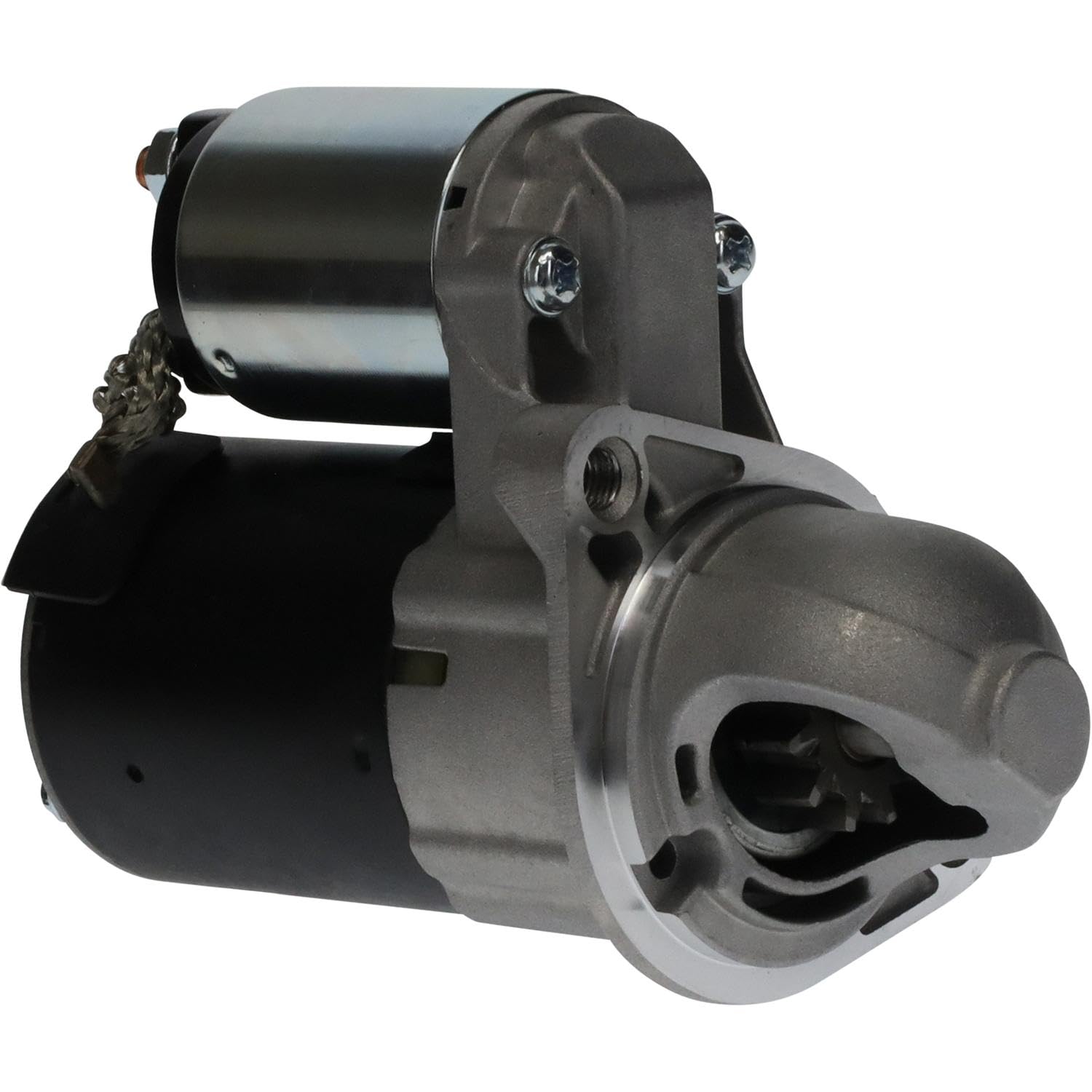
The OEG Parts PP19224N stands out with a 1.3kW power rating, slightly higher than the standard 1.2kW found on most Elantra starters. This extra headroom can make a meaningful difference during cold cranks or after the engine has sat for extended periods. It retains the 11-tooth pinion and clockwise rotation required for the 2011 Elantra 1.8L and 2.0L engines, and cross-references to OEM numbers 36100-2E120, 36100-2E120RU, and 1195411. The two mounting holes and metal construction follow the standard form factor for a direct replacement.
Application coverage extends beyond the Elantra to include the Elantra GT (2013-2014 1.8L and 2.0L), Kia Forte (2014 1.8L and 2.0L), and Kia Soul (2012-2013 2.0L), which makes this a versatile option for households with multiple compatible vehicles. The 5.9-pound weight reflects a solid metal build that prioritizes durability over weight savings. The one-year warranty aligns with industry norms for this price tier.
Owners who prioritize a bit more cranking power especially in colder regions will appreciate the 1.3kW rating. The broader vehicle compatibility also adds resale flexibility if you ever switch vehicles within the Hyundai-Kia family. It is a well-documented, well-built unit that justifies its premium positioning through measured spec advantages rather than marketing claims.
What works
- Higher 1.3kW output for cold-weather starts
- Broad compatibility across Hyundai and Kia models
- Solid metal construction at 5.9 pounds
- Direct cross-reference to multiple OEM numbers
What doesn’t
- Heavier than some PMGR alternatives
- Warranty is one year, same as budget units
3. A-Premium APSTR436
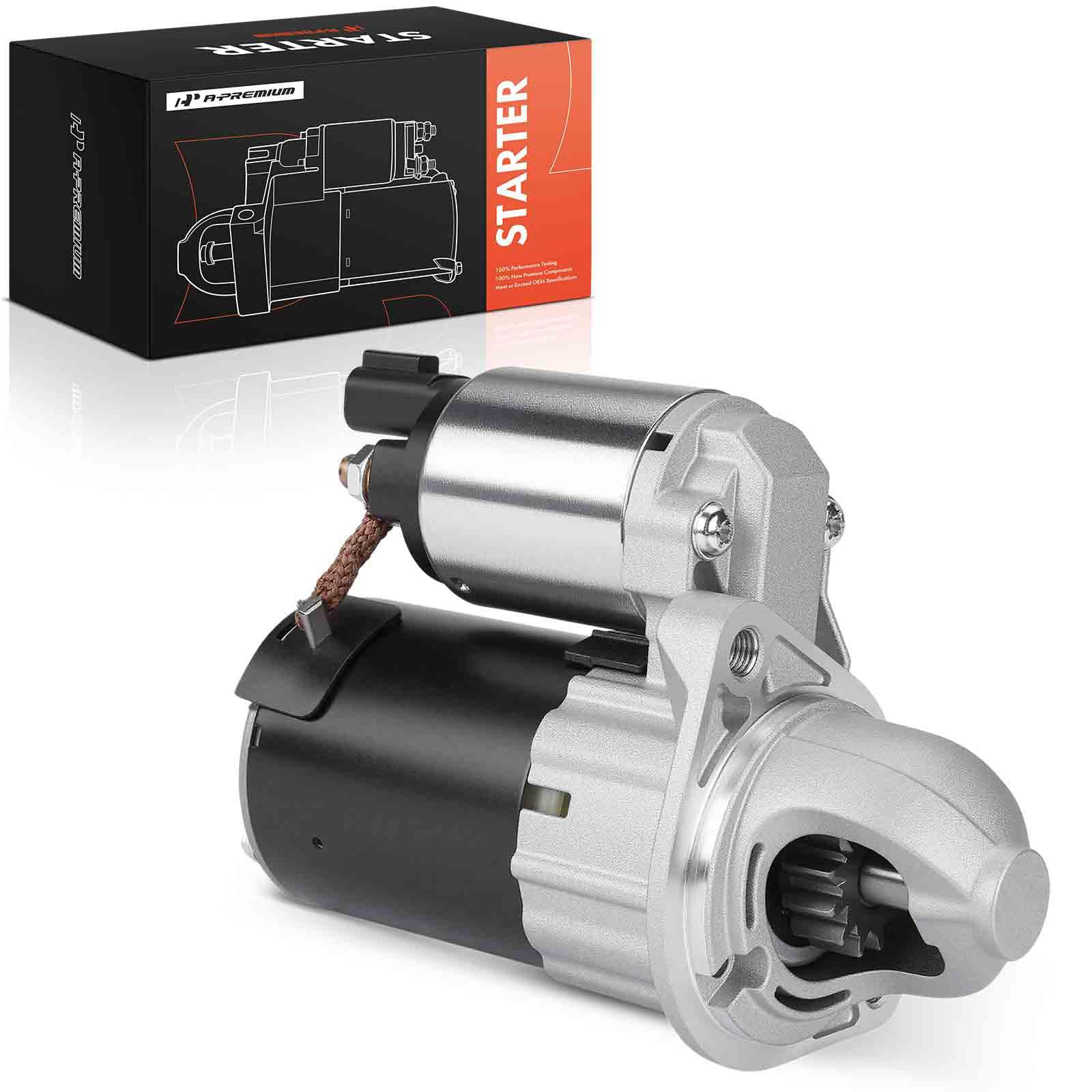
The A-Premium APSTR436 delivers a 1.3kW power rating with a 13-tooth pinion and clockwise rotation, making it suitable for later Elantra generations and a wide range of Hyundai and Kia models from 2014 through 2020. Fitment covers the Elantra (2017-2020 2.0L Korea-built), Tucson (2014-2020 2.0L), Kona and Elantra GT (2018-2020 2.0L), plus Kia Soul, Forte, Forte Koup, and Forte5 variants. This broad application range makes it a strong choice for owners of multiple compatible vehicles or those planning to keep the car for several years.
The alloy steel and aluminum construction provides a good balance of strength and weight at 2.88 kilograms. A-Premium uses customized color box packaging and emphasizes precision manufacturing for brushes, insulation, bearings, and coatings. The one-year unlimited-mileage warranty covers the cost of the item but excludes installation labor and related expenses, which is typical for this category. The 1.1kW wattage figure in the technical specs appears to be a conservative rating that aligns with the 1.3kW peak power claim.
Note that the 13-tooth pinion differs from the 11-tooth required for the 2011 Elantra 1.8L. Buyers with a 2011 model must verify their specific engine and build date, as later engines or certain trims may use the 13-tooth configuration. This unit is best suited for owners whose vehicle specifically calls for a 13-tooth starter.
What works
- High 1.3kW power rating for strong cranking
- Very broad vehicle coverage across Hyundai and Kia
- Alloy steel and aluminum durable construction
- Unlimited mileage warranty period
What doesn’t
- 13-tooth pinion does not fit all 2011 Elantra engines
- Warranty excludes labor and incidental costs
4. KAX 6967N
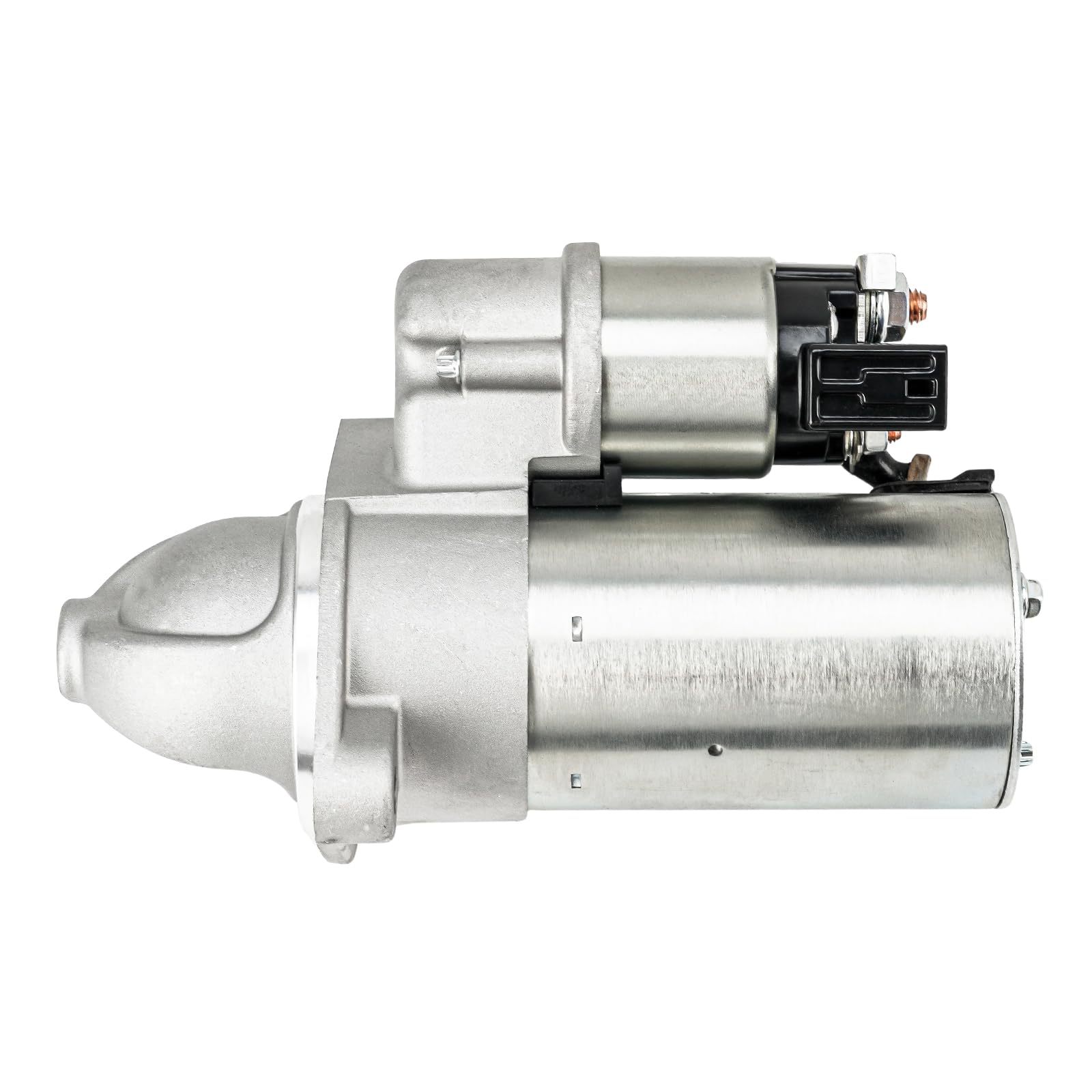
The KAX 6967N brings a materials-focused approach to the 2011 Elantra starter category. It features pure copper windings, a laminated steel core, and an aluminum housing — a combination that maximizes electrical conductivity and heat dissipation while minimizing weight. The 1.2kW power rating, 11-tooth pinion, and clockwise rotation match the OEM requirements for the 1.8L engine. Reference number 6967N cross-references to Delco PG260D PMGR specification, confirming the gear-reduction design.
KAX emphasizes testing across shock, abrasion, and fatigue conditions, and the packaging includes a manual for installation guidance. The two-year manufacturer warranty is notably longer than the one-year term offered by most competitors, which signals stronger confidence in durability. The plug-and-play design requires no modifications or drilling, making it accessible for DIY installers with basic mechanical skills.
For buyers seeking a well-constructed starter that prioritizes material quality and comes with an extended warranty, the KAX 6967N represents strong value. The pure copper windings are a tangible differentiator that can contribute to more consistent electrical performance over the life of the part.
What works
- Pure copper windings for superior conductivity
- Two-year warranty beats the one-year standard
- Aluminum housing resists corrosion and saves weight
- Plug-and-play design for straightforward installation
What doesn’t
- Limited to 2011 USA-built Elantra specifically
- No detailed dimensional specs provided
5. PHILTOP 6967N
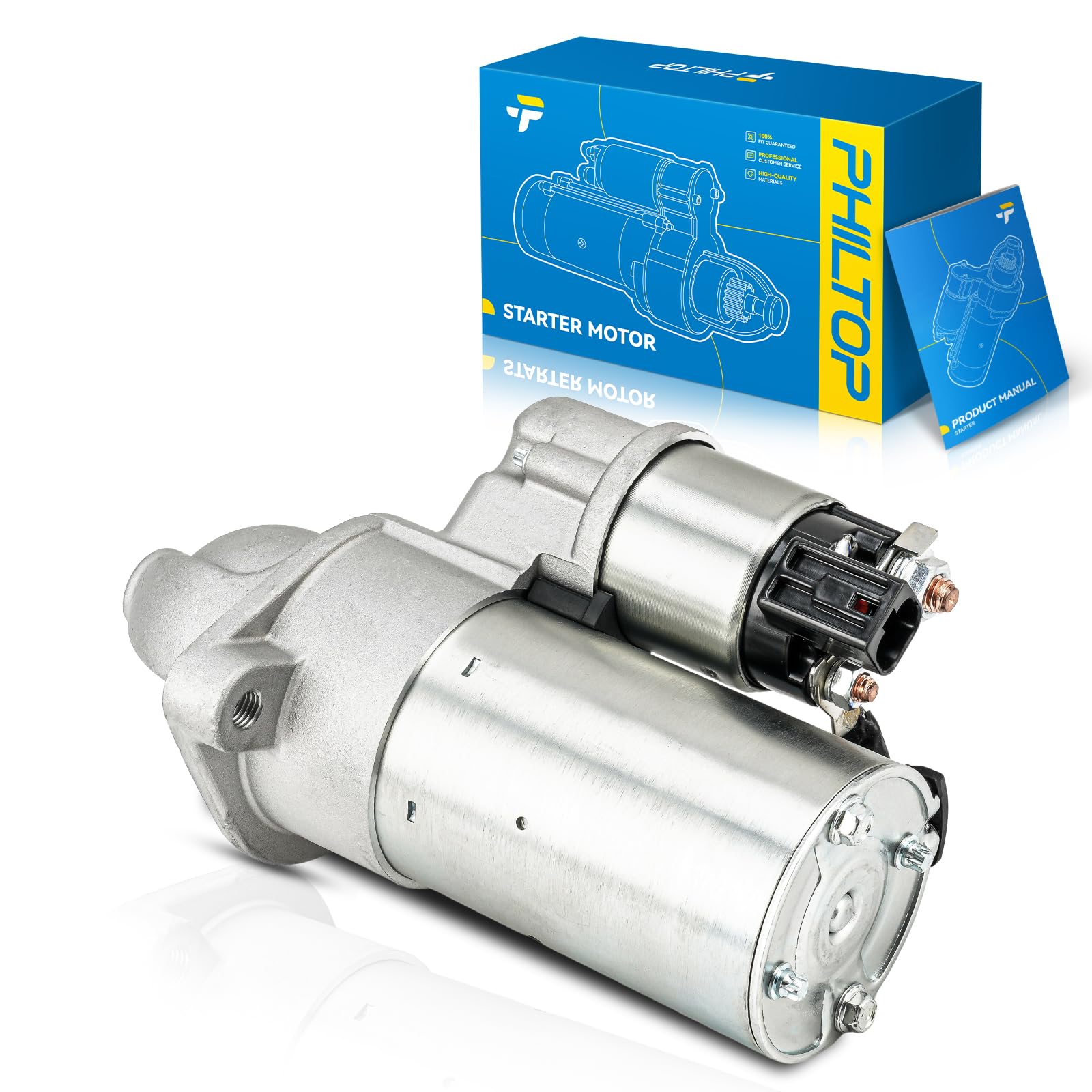
The PHILTOP 6967N differentiates itself through a documented testing regimen that includes 2000-hour endurance trials, 96-hour corrosion resistance testing, and exposure to extreme temperatures from -40°C to 105°C as well as harsh vibration impacts. This level of validation is uncommon at this price tier and suggests a deliberate focus on reliability. The starter is a PMGR unit with 1.2kW power, 11-tooth pinion, clockwise rotation, and 12V operation — fully compatible with the 2011 Elantra 1.8L USA-built engine.
Material quality mirrors the KAX unit with pure copper windings, a laminated steel core, and an aluminum housing. PHILTOP also emphasizes quiet operation through high-quality coils and precision gears, which reduces the mechanical noise during cranking. The two-year manufacturer warranty matches the best in this comparison and provides a solid safety net. The 2.9-kilogram weight aligns with typical PMGR units in this category.
Owners who value engineering validation and want evidence that the starter has been stress-tested before leaving the factory will appreciate PHILTOP’s approach. The combination of extensive testing, premium materials, and a two-year warranty makes this a compelling option for those who prioritize long-term reliability over the lowest upfront cost.
What works
- Rigorous 2000-hour endurance and corrosion testing
- Extreme temperature range validation (-40°C to 105°C)
- Pure copper windings for consistent power delivery
- Two-year manufacturer warranty
What doesn’t
- Limited fitment notes may confuse non-USA builds
- No separate installation manual included
6. MOAUTO 19224N
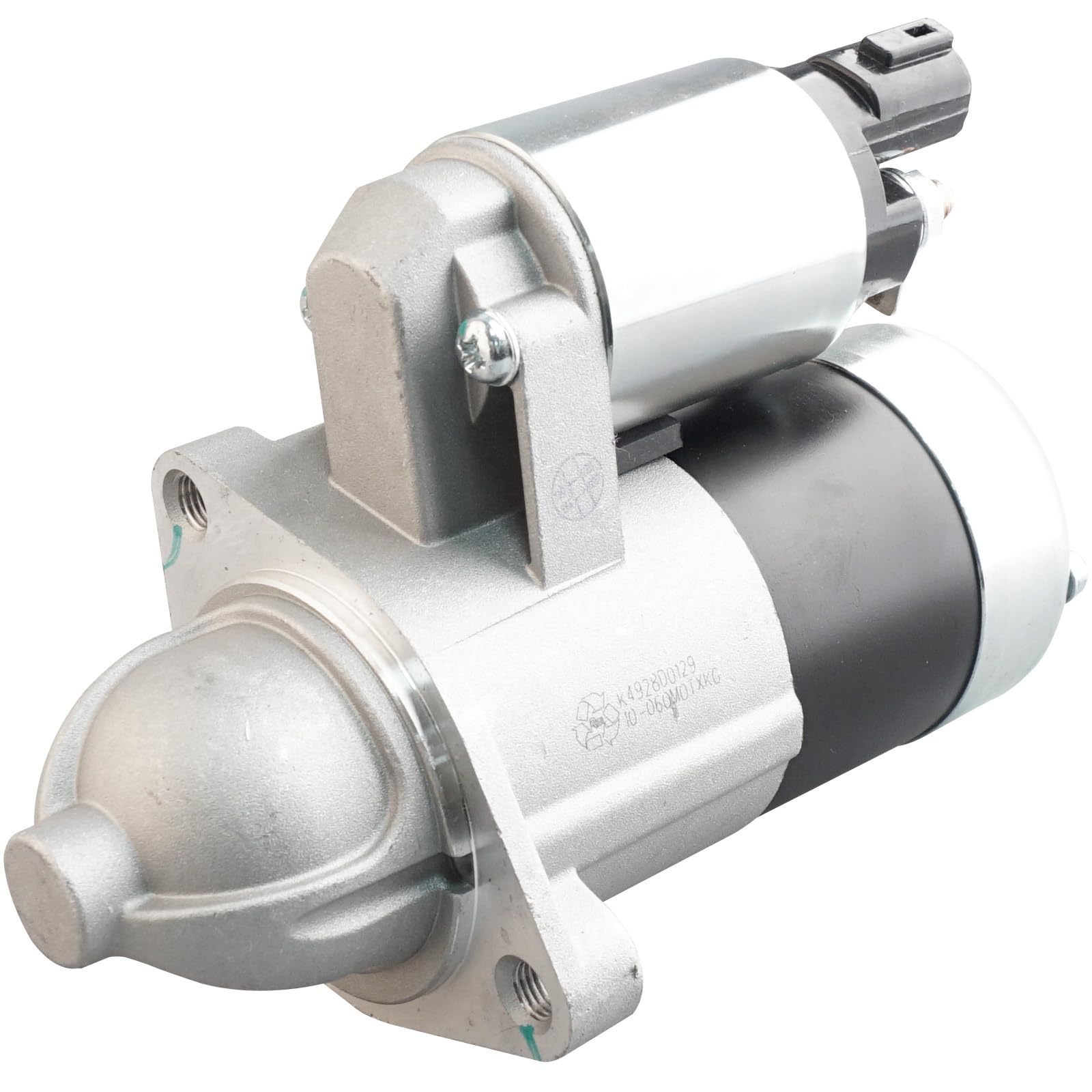
The MOAUTO 19224N offers a 1.3kW power rating with a cast iron housing, which provides a different material approach than the aluminum-bodied competitors. Cast iron adds weight but is known for its durability and vibration-damping properties. The starter cross-references to OEM numbers 19224N, 19224, 36100-2E120, 36100-2E120RU, and 1195411, making it compatible with the 2011-2013 Elantra, Elantra Coupe, Elantra GT (2013-2014), and Kia Forte and Soul variants from 2012-2014 with 1.8L or 2.0L engines.
The 2.89-kilogram (6.37-pound) weight reflects the heavier cast iron construction. MOAUTO backs the unit with a one-year after-sales service policy covering defects in material and workmanship under normal use. The packaging includes a single starter motor with no additional hardware, so DIY installers should confirm they have the necessary bolts and connectors on hand.
This starter fits best for owners who prefer traditional construction with a proven track record in durability. The cast iron housing is less prone to cracking under extreme stress than some aluminum alloys, though it adds weight. It is a solid, no-frills option for those who prioritize ruggedness over weight savings.
What works
- Cast iron housing offers exceptional durability
- 1.3kW rating provides strong cranking power
- Broad fitment across Elantra and Kia models
- One-year defect warranty included
What doesn’t
- Heavier than aluminum-housing alternatives
- No detailed material specs for internal components
7. SCITOO 134921
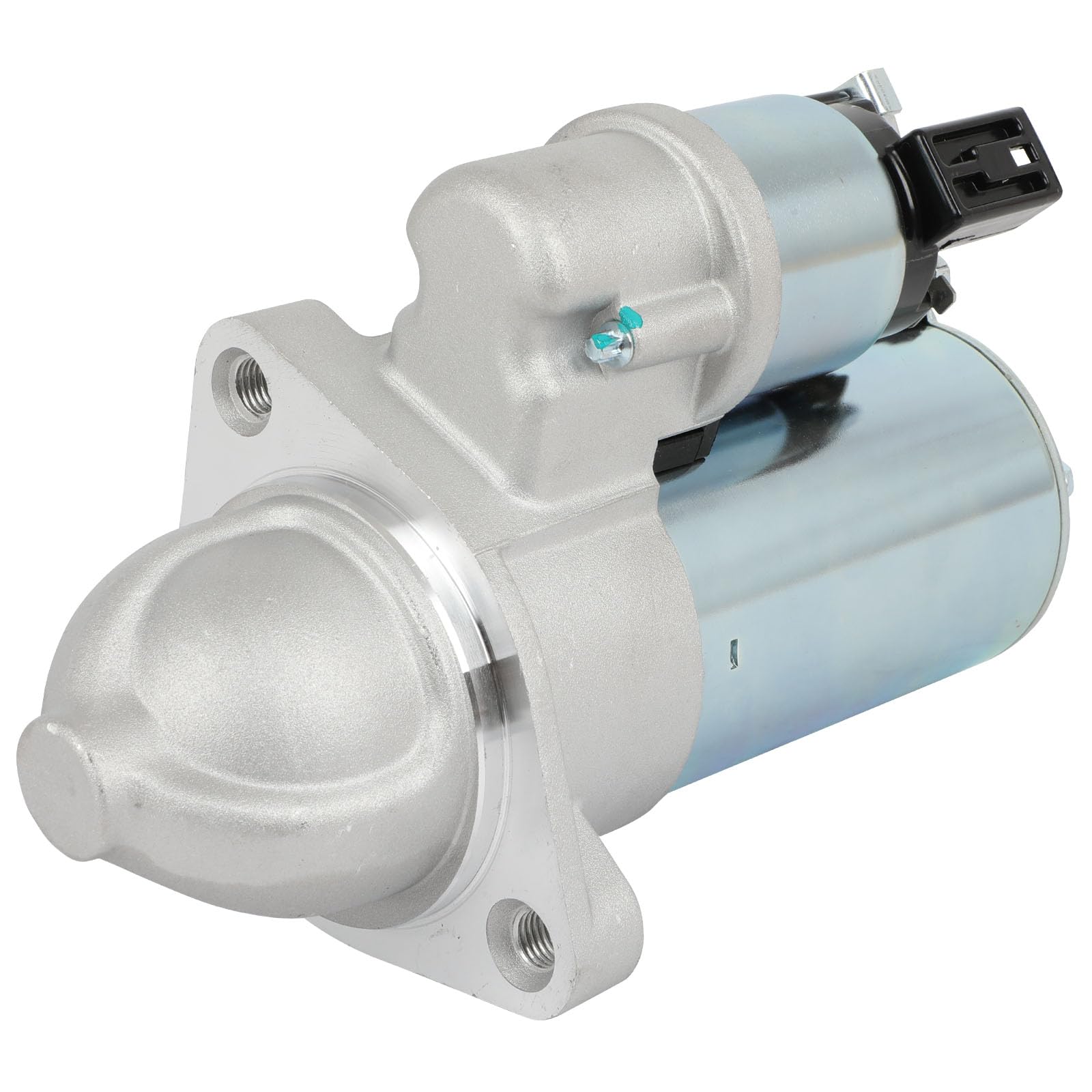
The SCITOO 134921 enters the market as a budget-friendly PMGR starter with standard 1.2kW power, 11-tooth pinion, clockwise rotation, and 12V operation. It cross-references to a wide range of OEM and aftermarket numbers including 36100-2E500, 36100-2E550, 8000372, 8000499, and several others. Fitment is confirmed for the 2011-2014 Hyundai Elantra with the 1.8L engine (USA-built, to 11/22/2013), which covers the majority of North American models from those years.
The painted exterior and box packaging are standard for this tier, and the 6.17-pound weight suggests a solid build with no obvious corners cut in casing material. SCITOO does not highlight premium internal materials like pure copper windings, but the PMGR design itself provides the efficiency benefits of gear-reduction technology. The product dimensions of 10.24 x 6.3 x 4.72 inches match the typical form factor for this application.
For budget-conscious owners who need a functional starter that meets the basic specifications, the SCITOO 134921 covers the essentials without extra cost for premium features. It is a straightforward entry-level option for those who plan to keep the vehicle for a shorter term or need a quick replacement to get back on the road.
What works
- Budget-friendly entry point for essential function
- PMGR design provides efficiency benefits
- Wide OEM cross-reference for compatibility
- Standard form factor for straightforward install
What doesn’t
- No premium material claims for windings
- Limited warranty information available
Hardware & Specs Guide
PMGR Starter Technology
Permanent Magnet Gear Reduction (PMGR) starters use high-strength magnets in place of field windings, which reduces current draw and overall weight while delivering consistent torque. The gear reduction stage allows the motor to spin at higher RPM while the output shaft turns at the optimal speed for engine cranking. This design is quieter and more efficient than older direct-drive starters, and it has become the standard for modern vehicles including the 2011 Hyundai Elantra. Most aftermarket replacements listed here use PMGR architecture, but verifying this spec confirms you get the modern design rather than obsolete technology.
Tooth Count & Pinion Geometry
The pinion gear on the starter must mesh precisely with the flywheel ring gear. The 2011 Elantra 1.8L engine uses an 11-tooth pinion with a 33.4mm outer diameter and clockwise rotation. Using a 13-tooth starter — which fits later Elantra generations and some Kia models — will cause grinding or complete failure to engage. Always measure your original starter’s tooth count and rotation direction before ordering. The pinion should extend smoothly and retract when power is removed; any roughness indicates a worn drive that needs replacement along with the starter.
Voltage & Power Ratings
All starters reviewed here operate at 12 volts, which is standard for passenger vehicles. Power ratings range from 1.2kW to 1.3kW. The 1.3kW units provide slightly higher cranking torque, which can be beneficial in cold weather or if the engine has higher compression due to age or modifications. The current draw typically falls between 100 and 200 amps under load, though stall current can exceed 600 amps as seen on the DB Electrical unit. Ensure your battery and charging system are in good condition to support the starter’s current demands.
Housing Materials & Weight
Starter housings are typically made from aluminum or cast iron. Aluminum is lighter and resists corrosion better, making it the preferred choice for most modern applications. Cast iron is heavier but offers superior vibration damping and impact resistance. The PMGR units in this guide weigh between 2.9 kg (6.4 lbs) and 2.8 kg (6.2 lbs), while the cast iron MOAUTO unit weighs 2.89 kg (6.37 lbs). The difference is minimal for a one-time installation, so choose based on your priority for weight savings versus traditional durability.
FAQ
How do I know if my 2011 Elantra needs an 11-tooth or 13-tooth starter?
Can I install a starter myself on a 2011 Hyundai Elantra?
What does PMGR mean on a starter?
Why does my new starter click but not crank the engine?
How long should a replacement starter last on a 2011 Elantra?
Final Thoughts: The Verdict
For most buyers, the best 2011 hyundai elantra starter winner is the DB Electrical 410-12728 because it precisely matches OEM specs, uses efficient PMGR technology, and covers a broad model-year range with documented dimensional accuracy. If you want premium materials and a longer warranty, grab the KAX 6967N with its pure copper windings and two-year coverage. And for cold climates where extra cranking torque matters, nothing beats the OEG Parts PP19224N with its 1.3kW power rating.

Certification: BSc in Mechanical Engineering
Education: Mechanical engineer
Lives In: 539 W Commerce St, Dallas, TX 75208, USA
Md Amir is an auto mechanic student and writer with over half a decade of experience in the automotive field. He has worked with top automotive brands such as Lexus, Quantum, and also owns two automotive blogs autocarneed.com and taxiwiz.com.