Selecting window film for your vehicle goes beyond picking a shade you like. The wrong choice can lead to poor visibility at night, rapid peeling, or even legal trouble. The right one, however, transforms your daily drive with heat rejection, UV protection, and a clean aesthetic that holds up for years.
I’m Amir — the founder and writer behind Four Wheel Ask. My focus is on deep market research, analyzing product specifications and build quality, and aggregating long-term owner feedback to separate genuine performance from marketing hype.
This guide breaks down the key differences between dyed films, carbon layers, and ceramic technologies to help you choose a durable solution. My goal is to equip you with the knowledge to confidently pick the best rated window tint for cars that fits your budget and driving environment.
How To Choose The Best Rated Window Tint For Cars
Selecting window film involves balancing privacy, visibility, heat rejection, and local laws. Understanding the material construction and light transmission levels is the first step toward a smart purchase.
Visible Light Transmission
VLT measures the amount of light that passes through the film. A lower percentage means a darker tint. For example, 5% VLT is often called “limo tint” and offers maximum privacy but can hinder night vision. Most drivers find that 15% to 20% provides a solid balance of privacy and visibility.
Film Material Types
Dyed film is the most budget-friendly option, using a layer of dye to absorb solar heat. Carbon film incorporates carbon particles for better heat rejection and a matte finish that does not fade. Ceramic film uses nano-technology to block infrared heat without interfering with electronic signals, making it the premium choice for long-term performance.
Quick Comparison
On smaller screens, swipe sideways to see the full table.
| Model | Category | Best For | Key Spec | Amazon |
|---|---|---|---|---|
| United Nano Carbon Film | Premium | Heat Rejection & Clarity | 2Ply Carbon, 15% VLT | Amazon |
| True Line Precut Kit | Premium | Custom Fitment | Full Kit, UV Protection | Amazon |
| IAQWE Ceramic | Premium | Ceramic Tech | 15% VLT, 99% UV Block | Amazon |
| RockRose Carbon | Mid-Range | Value & Performance | 20% VLT, PET Film | Amazon |
| United Universal Black | Mid-Range | Deep Privacy | 5% VLT, Dyed PET | Amazon |
| VViViD Colorful Vinyl | Budget | Styling & DIY | Red, 30″ x 60″ 2-Roll | Amazon |
| Bloss One Way Film | Budget | Daytime Privacy | 20% VLT, Peel & Stick | Amazon |
In‑Depth Reviews
1. United Nano Carbon Film 2Ply 15% VLT
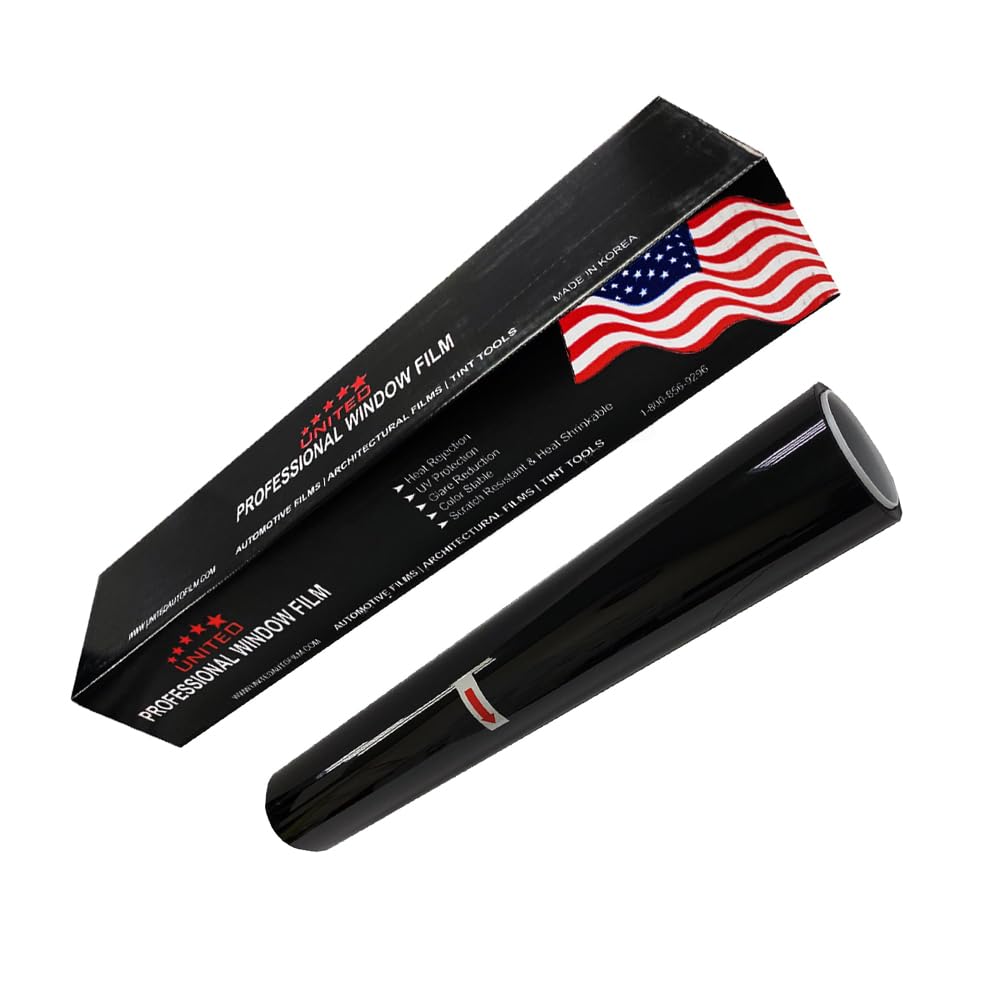
This film from United uses a 2Ply carbon construction with nano technology applied to clear, non-dyed polyester. The result is outstanding optical clarity combined with significant infrared heat rejection. The 15% VLT strikes a strong middle ground between privacy and visibility, making it a versatile choice for daily drivers.
Owner reports consistently highlight the film’s stable color and lack of fading over extended periods. Because it is not dyed, the film maintains its shade without turning purple, a common issue with cheaper alternatives. The adhesive system also responds well to dry shrinking methods for compound curved windows.
Installation requires patience due to the film’s thickness, but the payoff is a professional-grade finish that prioritizes cabin comfort. This is the film to choose if you want a long-term solution with superior heat rejection and clarity.
What works
- Excellent infrared heat rejection
- Lifetime color stability without fading
- Clear polyester provides sharp outward visibility
What doesn’t
- Higher price point than dyed alternatives
- Requires careful heat shrinking for curved windows
2. True Line Automotive Precut Tint Kit
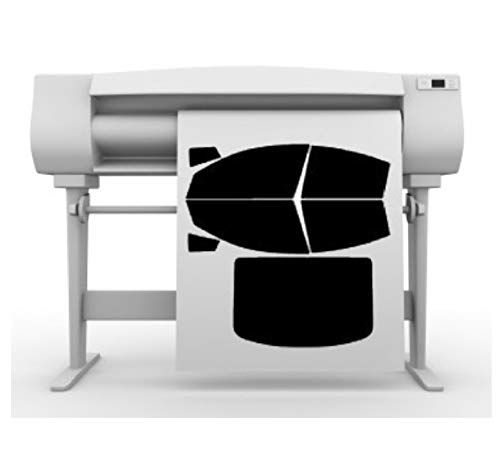
True Line eliminates the most frustrating part of window tinting: cutting the film to shape. By providing your vehicle’s make and model, you get a complete pre-cut kit designed to fit every side and rear window with precision. This approach dramatically reduces installation time and material waste.
The film itself is constructed from a blend of PET and vinyl materials. It reduces sun glare effectively and adds a layer of scratch protection to the glass. The strong adhesive is designed for long-term adhesion without peeling along the edges.
For those who want a factory-fit look without the hassle of bulk rolls, this kit is the most straightforward solution. Just make sure your vehicle model is listed during selection to ensure a perfect fit.
What works
- Custom-fitted for specific vehicle models
- Minimizes trimming and installation errors
- Strong adhesive for long-term hold
What doesn’t
- Limited vehicle model availability
- Film material may not match premium ceramic performance
3. IAQWE 15% VLT Ceramic Car Window Tint
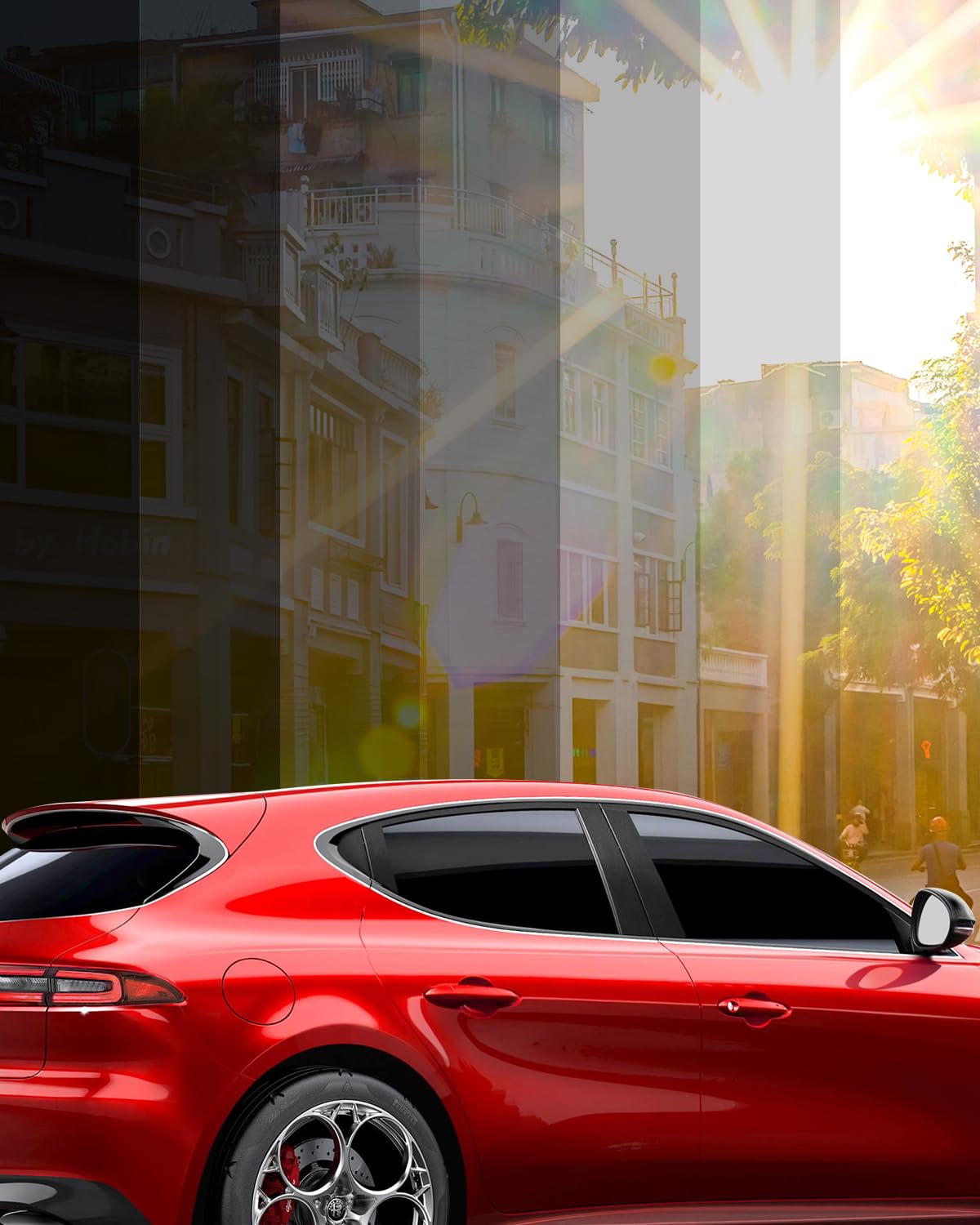
IAQWE brings genuine nano ceramic technology to a bulk roll format. The film blocks 99% of UV rays and delivers strong infrared heat rejection without the metallic interference that can disrupt GPS or radio signals. The 15% VLT option offers a solid privacy level while maintaining safe nighttime visibility.
This film features a 5-layer safety construction that helps hold glass together upon impact, adding a security element. The scratch-resistant coating helps maintain a clean, glossy appearance over time. The adhesive is designed for bubble-free application and supports heat shrinking for rear windows with complex curves.
It is a strong competitor for those wanting ceramic performance on a project-by-project basis. The roll size is generous, covering multiple vehicles if you are careful with layout.
What works
- Genuine ceramic construction with high IR rejection
- Shatterproof 5-layer safety film
- Scratch-resistant surface coating
What doesn’t
- Brand is relatively new with less long-term track record
- Requires precise cutting technique
4. RockRose Carbon 20% VLT
RockRose packs solid performance into a mid-range price bracket. This carbon film blocks up to 99% of UV rays and offers up to 35% infrared rejection, providing a noticeable reduction in cabin temperature on sunny days. The 20% VLT is a popular choice for sedans and SUVs, offering good privacy without being excessively dark.
The film is made from high-quality PET and resists peeling, bubbling, and fading better than standard dyed alternatives. It comes in a generous 24-inch by 100-foot roll, giving you enough material to cover multiple cars or a large SUV. The film is plotter-friendly for those who want to machine-cut their shapes.
For drivers who want carbon-level heat rejection without stepping up to the premium ceramic price, this is a very compelling option. It represents a strong balance of cost and capability.
What works
- Excellent UV block and good IR rejection
- Resists fading and bubbling
- Generous roll size for multi-vehicle use
What doesn’t
- Not as color-stable as 2Ply carbon options
- 20% VLT may be too dark for some front window laws
5. United Universal 1Ply Dyed 5% VLT
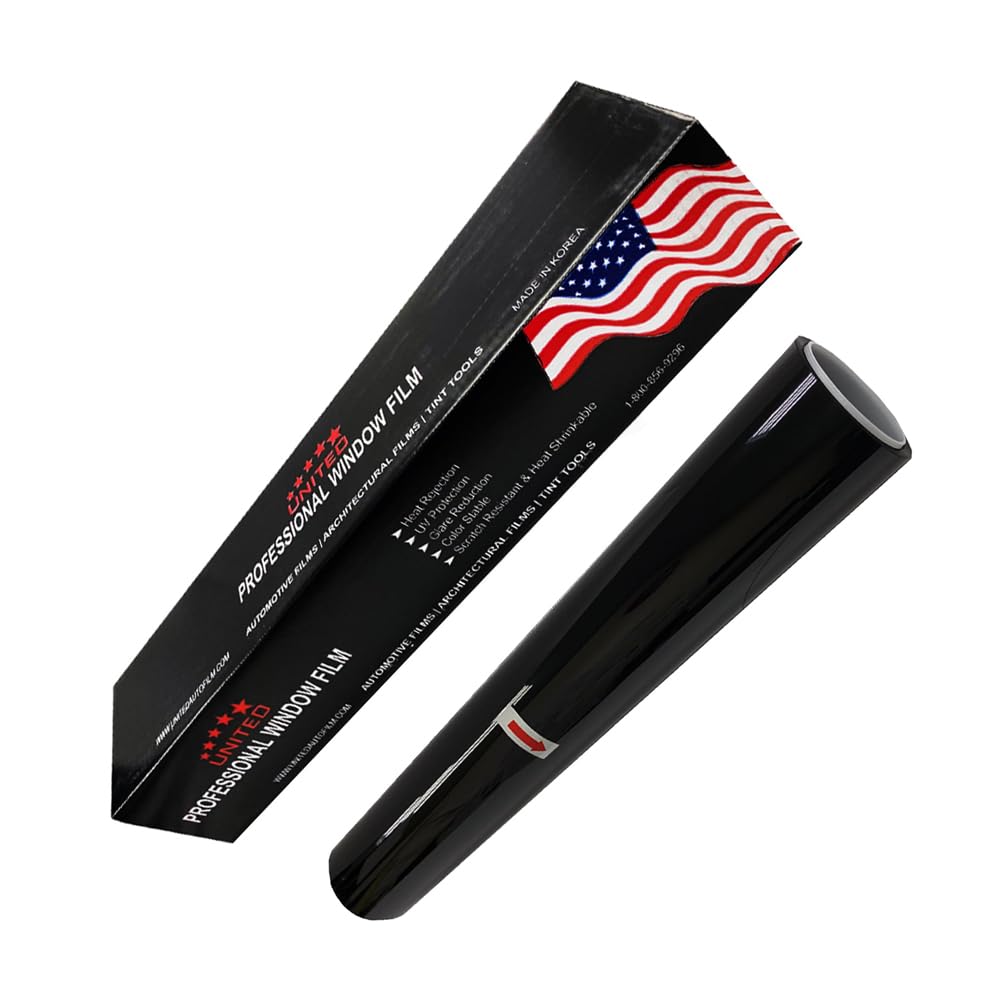
This film from United is designed for maximum privacy. The 5% VLT blocks almost all external light, creating a deep black appearance that is ideal for rear windows. The 1Ply dyed PET construction keeps costs low while providing reliable solar control and 99% UV protection.
The low reflectivity of the film reduces glare during the day, making it easier to see the road despite the dark shade. It is available in multiple sizes, including 20-inch, 24-inch, 36-inch, and 40-inch rolls, so you can buy exactly what you need. The material supports wet or dry heat shrinking for a tighter fit.
This film is best suited for rear passenger windows where night vision is less critical. It is a budget-conscious way to achieve a premium blacked-out look.
What works
- Ultra-dark 5% VLT for maximum privacy
- Low reflectivity reduces daytime glare
- Multiple size options available
What doesn’t
- Not legal for front windows in most states
- Dyed construction lacks high heat rejection
6. VViViD Colorful Vinyl Tint 2-Roll Pack

VViViD takes a different approach by offering window film in vibrant colors. This red vinyl adds a bold style statement to your windows while still blocking 99% of harmful UV rays and glare. The adhesive backing makes installation straightforward for DIY enthusiasts.
The film comes in two rolls of 30 inches by 60 inches, giving you 25 square feet to work with. It is dirt and dust resistant, and can be removed without leaving heavy residue. This makes it perfect for temporary projects, show cars, or renters who want non-permanent tinting.
Focus on heat rejection is secondary here. This product is for those who prioritize unique aesthetics and easy application over maximum thermal performance.
What works
- Unique color options for custom styling
- Easy peel-and-stick installation
- Removable without heavy residue
What doesn’t
- Limited heat rejection compared to carbon films
- Color may fade faster under extreme sun exposure
7. Bloss One Way Privacy Film 20% VLT
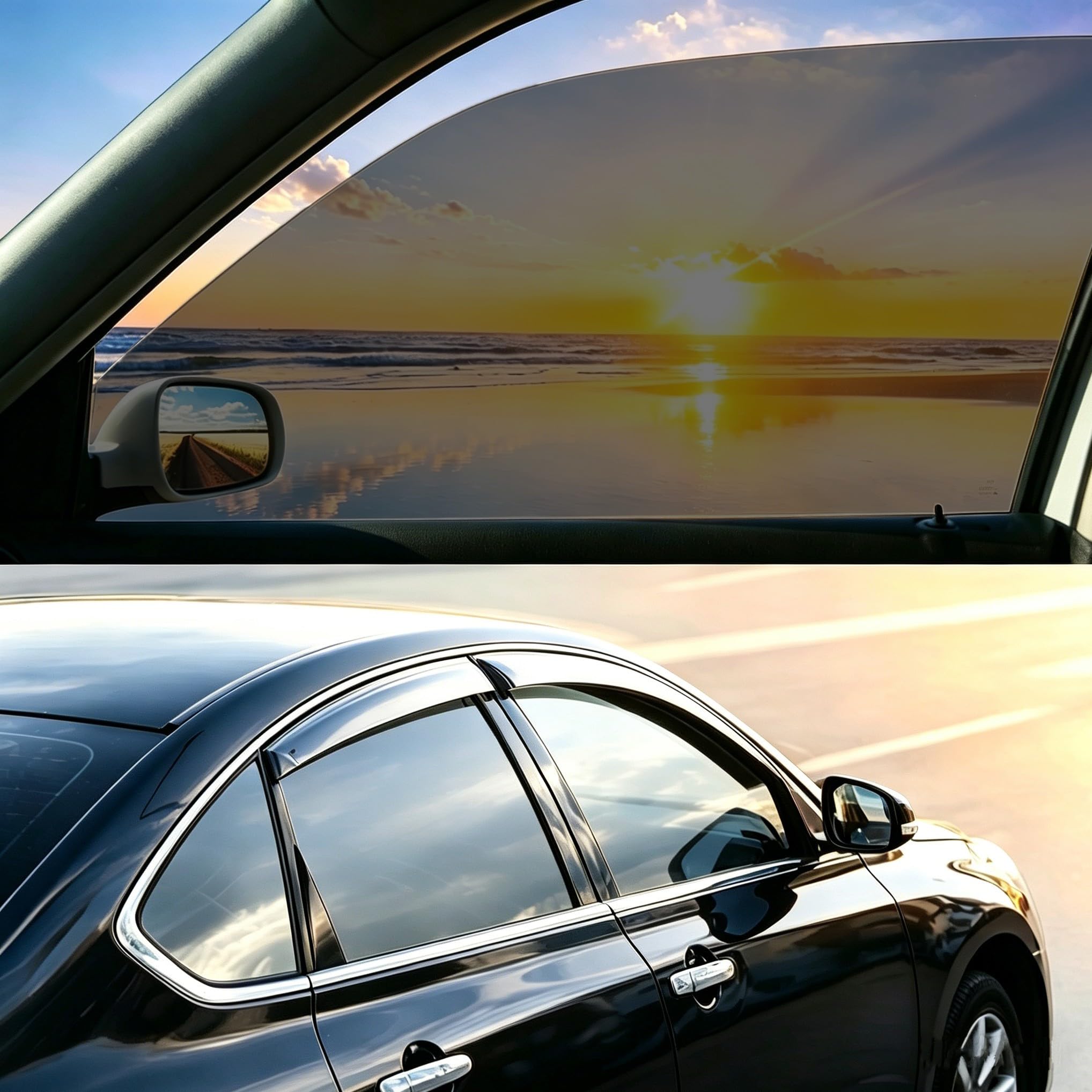
Bloss offers a reflective one-way film that provides daytime privacy. During bright conditions, the mirror-like finish prevents outsiders from seeing in while you can see out clearly. This is a popular choice for protecting the interior from prying eyes during daytime parking.
The film is constructed from ceramic-infused vinyl, blocking 97% of UV rays and 85% of infrared light. It comes with three essential tools: a squeegee, utility knife, and cleaning cloth. The peel-and-stick installation is beginner-friendly and does not require additional adhesive.
Be aware that the one-way effect reverses at night when interior lights are on. This film works best for situations where daytime privacy is the primary goal.
What works
- Strong daytime one-way privacy effect
- Includes installation tools
- Good UV and infrared block for the price
What doesn’t
- Privacy effect diminishes at night
- Reflective finish may not suit all car styles
Hardware & Specs Guide
Understanding VLT
Visible Light Transmission is the key specification for any tint. A 5% VLT allows only 5% of visible light through, creating an ultra-dark appearance primarily used for rear privacy. A 20% VLT is the most common choice for rear passenger windows, offering solid privacy without crippling nighttime visibility. Many factory windows already have a slight tint from the glass itself.
Film Material Layers
Dyed films are a single layer of PET with dye. Carbon films incorporate carbon particles for better heat dissipation and fade resistance. Ceramic films use nano-particles that block infrared heat without metal, preserving signal clarity for phones and radios. The 2Ply carbon construction found in premium products combines a clear top layer with a carbon layer for improved clarity and durability.
Heat Rejection Metrics
TSER (Total Solar Energy Rejected) is the industry metric for heat rejection. Entry-level dyed films may reject 20-30%, while carbon films typically achieve 40-45%. Ceramic films can exceed 50% TSER. Infrared rejection refers specifically to the near-IR spectrum, which is felt as heat on the skin. A high IR rejection number translates directly to a cooler cabin.
Installation Methods
Peel-and-stick films are the easiest for beginners but may not conform well to curved glass. Heat-shrinkable films require a heat gun to shrink the film onto complex curves, producing a more professional result. Precut kits eliminate cutting entirely but require accurate vehicle selection. Wet application with a slip solution is recommended for most films to allow positioning before adhesion.
FAQ
What does VLT mean for window tint?
How long does window tint last?
Can you install car window tint yourself?
Is ceramic tint worth the extra money?
Final Thoughts: The Verdict
For most buyers, the best rated window tint for cars winner is the United Nano Carbon Film because it delivers premium heat rejection and lifetime color stability at a fair mid-range price. If you want a custom-fit solution that avoids cutting, grab the True Line Precut Kit. And for a deep privacy look on a budget, nothing beats the United Universal 5% VLT film.

Certification: BSc in Mechanical Engineering
Education: Mechanical engineer
Lives In: 539 W Commerce St, Dallas, TX 75208, USA
Md Amir is an auto mechanic student and writer with over half a decade of experience in the automotive field. He has worked with top automotive brands such as Lexus, Quantum, and also owns two automotive blogs autocarneed.com and taxiwiz.com.