Automotive ceramic window tint is one of the most effective upgrades you can make to improve cabin comfort, protect interior surfaces, and reduce reliance on air conditioning. But with dozens of brands claiming sky-high heat rejection numbers and confusing VLT percentages, separating genuine performance from marketing hype takes more than a quick scroll through product listings.
I’m Amir — the founder and writer behind Four Wheel Ask. I specialize in analyzing automotive product specifications, studying real owner feedback, and comparing build quality across hundreds of aftermarket accessories to help drivers make informed, data-backed decisions.
After digging into thousands of owner reports and spec sheets, this guide delivers the best automotive ceramic window tint recommendations you can truly trust.
How To Choose The Best Automotive Ceramic Window Tint
Ceramic window tint uses nano-ceramic particles embedded in the film to block infrared heat and UV radiation without interfering with electronic signals. Unlike dyed or metallic films, ceramic options deliver superior heat rejection and optical clarity over the long term. Understanding a few key specifications will help you pick the right film for your vehicle and driving habits.
Visible Light Transmission
VLT determines how dark the tint appears and how much light passes through. Lower percentages provide more privacy and glare reduction but reduce nighttime visibility. Many states enforce legal limits — typically 35% for front side windows and any percentage for rear windows. Check local laws before choosing a shade.
Heat Rejection Ratings
Infrared rejection (IRR) and total solar energy rejection (TSER) measure how effectively the film blocks heat. Premium ceramic films often deliver 90% or higher infrared rejection. Higher numbers mean less heat enters the cabin, which reduces cooling load and protects upholstery from fading.
Quick Comparison
On smaller screens, swipe sideways to see the full table.
| Model | Category | Best For | Key Spec | Amazon |
|---|---|---|---|---|
| United 2PLY Nano Ceramic Pro | Premium | Maximum heat rejection & clarity | 50% VLT, IR-95, 2PLY ceramic | Amazon |
| IAQWE 20% VLT Ceramic Film | Performance | Balanced privacy & heat control | 20% VLT, 99% UV block, 40″ x 100′ | Amazon |
| PAMAGOO 15% VLT Ceramic | Value | Affordable ceramic with great specs | 15% VLT, 97% UV, 84% IR, 36″ x 100′ | Amazon |
| SOLARCONTROL Nano Ceramic | Premium | Deep shade & scratch resistance | 5% VLT, 95% IRR, 2PLY 1.5 mil | Amazon |
| RockRose Air Nano Ceramic | Design | Haze-free clarity & easy shrinking | 20% VLT, 99% UV, 95% IRR, 20″ x 100′ | Amazon |
| True Line Automotive Precut | Budget | DIY convenience with custom fit | Custom precut, PET/PVC, full kit | Amazon |
| United Universal Black 1Ply | Entry | Budget dyed film for beginners | 35% VLT, 99% UV, dyed PET, 40″ x 100′ | Amazon |
In‑Depth Reviews
1. United 2PLY Nano Ceramic Pro Window Tint Film
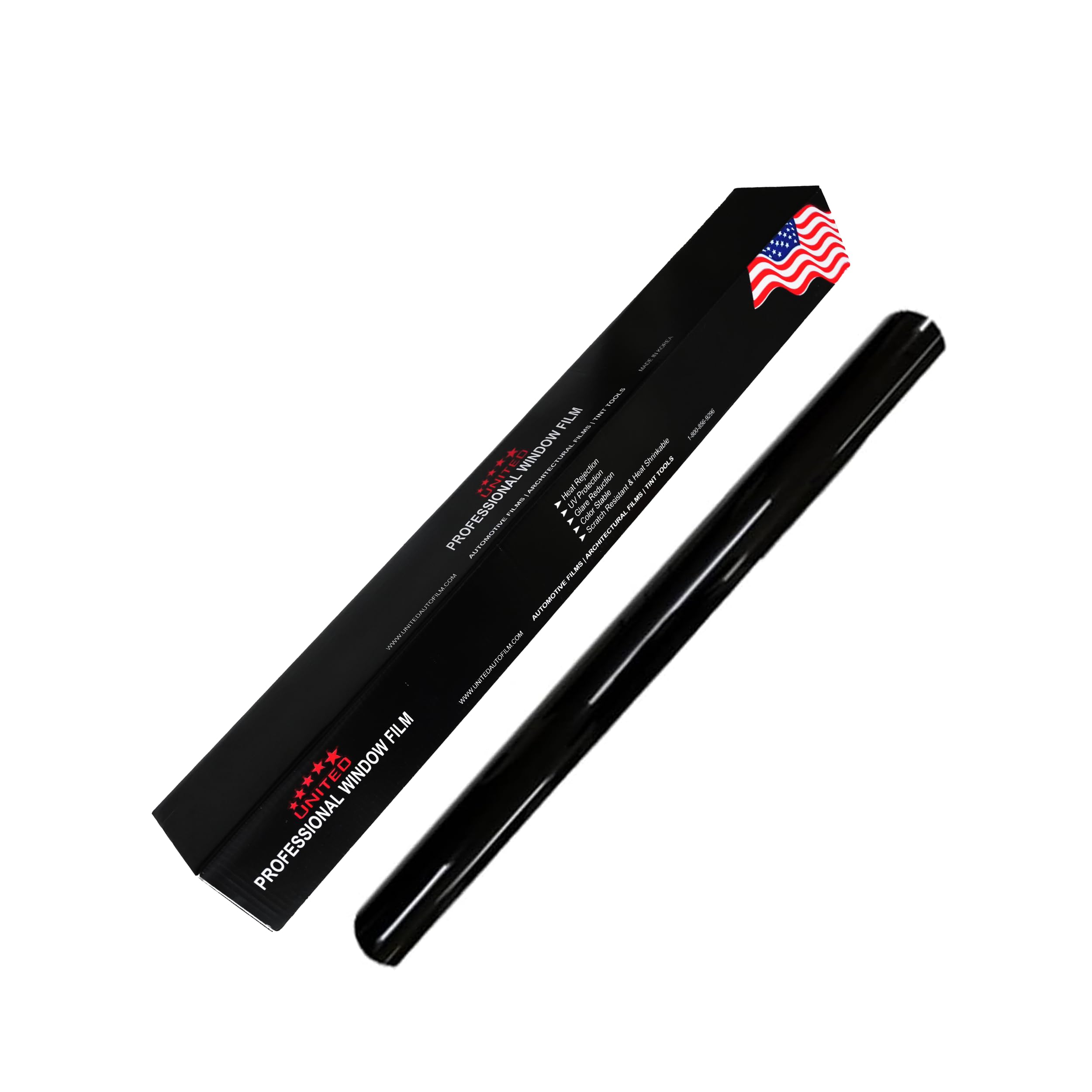
The United 2PLY Nano Ceramic Pro delivers a sophisticated blend of infrared rejection, optical clarity, and color stability that sets a high benchmark for aftermarket window films. With IR-90 to IR-95 heat rejection and TSER ratings between 50 and 60 percent, this film significantly reduces solar load without resorting to metallic layers that can interfere with GPS or cellular signals. The non-metalized ceramic construction maintains transparency and resists fading over time, making it a solid long-term investment for daily drivers.
At 50% VLT, this film balances daytime privacy with excellent nighttime visibility — a practical choice for front windows where legal restrictions apply. Users report the wet-install process goes smoothly, and the film shrinks predictably around curved glass. The 20-inch by 100-foot roll provides enough material for a sedan or small SUV, though wider rolls would benefit larger vehicles.
One area where this film earns particular praise is the absence of the greenish hue that some ceramic films exhibit. Owners consistently note the neutral gray appearance that complements most factory glass. For drivers who prioritize heat rejection, signal transparency, and a clean aesthetic, this is a well-engineered product that performs as advertised.
What works
- Superior infrared heat rejection with IR-95 rating
- Neutral gray tint with no greenish cast
- Signal-friendly non-metalized ceramic construction
What doesn’t
- 20-inch width may be narrow for large SUV rear windows
- Premium price reflects high-end performance tier
2. IAQWE 20% VLT Ceramic Car Window Tint Film
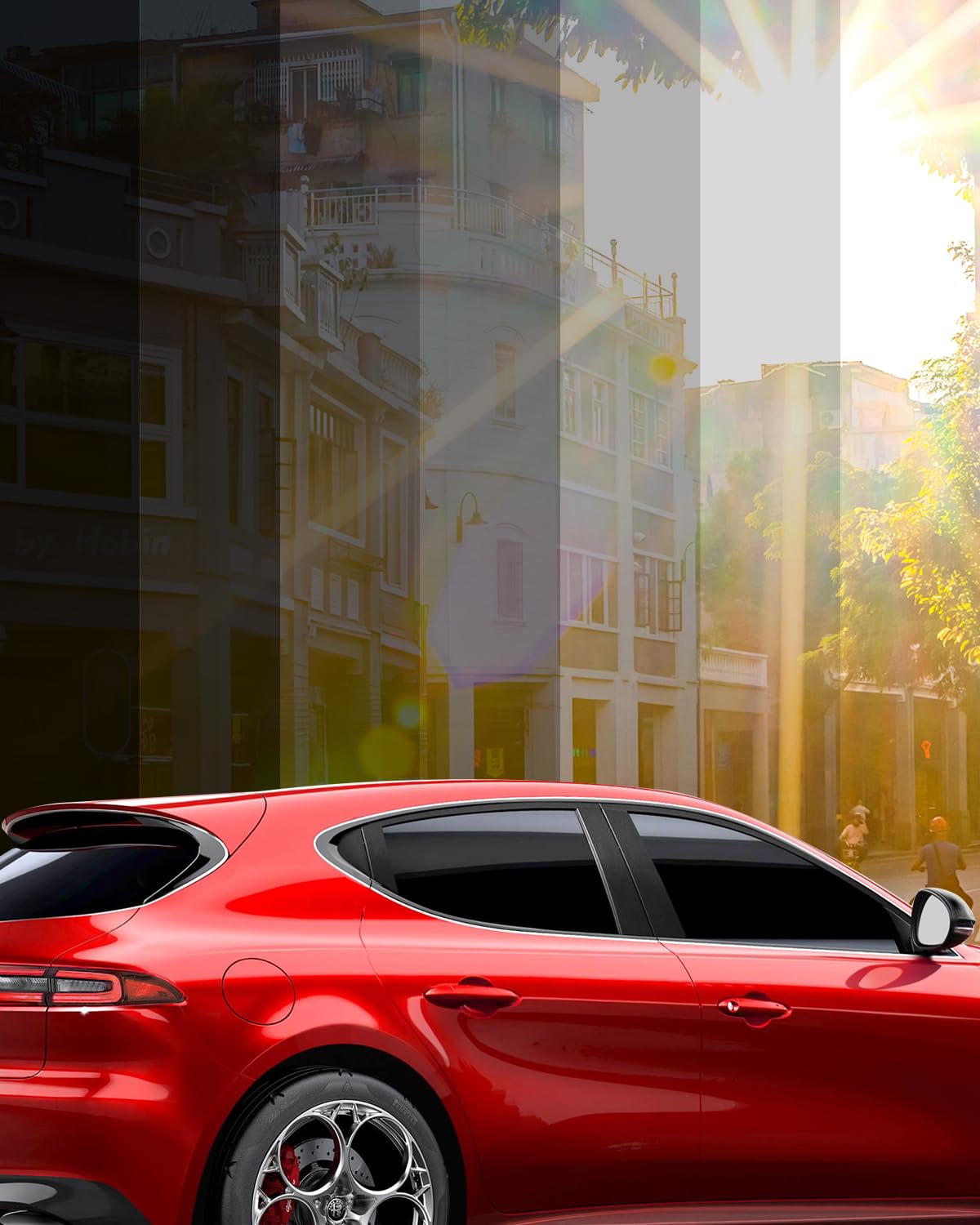
The IAQWE 20% VLT ceramic film strikes a strong balance between affordability and heat-blocking capability. Built with nano-ceramic particles, it claims 99% UV rejection and substantial infrared heat reduction, which translates to a noticeably cooler cabin during summer months. The 20% VLT offers a dark appearance that provides daytime privacy while still allowing adequate visibility for nighttime driving in well-lit areas.
Installation feedback from owners indicates that the adhesive performs well on flat and gently curved surfaces, though edges require careful attention to prevent lifting. The film includes a scratch-resistant coating that helps maintain a glossy finish during installation and daily use. At 40 inches wide and 100 feet long, this roll covers multiple vehicles or a single large SUV with room to spare.
Some experienced installers note that the film is less forgiving on complex rear window curves compared to premium brands, but for the price point, the performance-to-cost ratio is compelling. Owners who have used higher-end films in the past report that IAQWE holds up well in terms of color retention and adhesion over several months of observation.
What works
- Strong heat and UV rejection at a competitive price
- Wide 40-inch roll fits most side windows in one piece
- Scratch-resistant surface holds up during handling
What doesn’t
- Adhesive can struggle on tight compound curves
- Edges prone to lifting if not squeeged thoroughly
3. PAMAGOO 15% VLT Ceramic Window Tint Roll

PAMAGOO offers a 15% VLT ceramic film that prioritizes privacy and glare reduction without sacrificing heat rejection performance. The film blocks 97% of UV rays and 84% of infrared radiation, which places it squarely in the mid-range for heat control while delivering a dark, uniform appearance. The 36-inch by 100-foot roll size is well-suited for sedans and coupes, and owners report that the material shrinks reliably when heat is applied to curved glass.
Installation feedback highlights that the film is manageable for DIYers with some prior experience, but beginners may encounter creasing or wrinkling during the shrink step. The adhesive-free installation approach relies on a detailed manual and video guide, which has helped many first-time users achieve acceptable results. Owners of full-size trucks note that the 36-inch width falls slightly short for some side window sections, requiring careful alignment.
Long-term durability reports are limited, but early observations suggest the film holds its color and adhesion well under normal conditions. The 15% VLT strikes a nice middle ground between the ultra-dark 5% films and the more moderate 20% and 35% options, making it a versatile choice for owners who want privacy without extreme darkness.
What works
- Good UV and infrared rejection for the price bracket
- Dark 15% VLT provides strong privacy
- Heat-shrinkable film conforms to curved glass
What doesn’t
- 36-inch width may be tight for full-size truck windows
- Not beginner-friendly due to shrinkage complexity
4. SOLARCONTROL Nano Ceramic Window Tint 2PLY

The SOLARCONTROL Nano Ceramic film from GAMA AUTOPARTS is engineered for maximum privacy and heat rejection in a 2PLY construction. The 5% VLT option delivers a limo-tint level of darkness while maintaining 95% infrared rejection and 100% UV protection. The 1.5-mil black layer provides a deep, uniform finish that enhances the exterior appearance of any vehicle.
Installation is handled through a peel-and-stick application, and the 20-inch by 100-foot roll is designed for side and rear windows. Owners with experience report that the film adheres cleanly to flat and moderately curved surfaces, though the narrow width requires multiple pieces for larger windows. The film’s optical clarity is rated as good, with no foggy or milky appearance reported by verified purchasers.
One notable advantage of the SOLARCONTROL film is its scratch-resistant coating, which provides added protection during installation and daily use. The 2PLY construction adds durability compared to single-ply films, reducing the likelihood of tearing during handling. For drivers who prioritize maximum darkness and reliable heat rejection, this film delivers consistent performance at a mid-premium price point.
What works
- Deep 5% VLT offers maximum privacy and glare reduction
- 2PLY construction adds durability and scratch resistance
- Excellent heat rejection with 95% IRR rating
What doesn’t
- 20-inch width requires multiple pieces per window
- Very dark tint limits nighttime visibility on unlit roads
5. RockRose Air Nano Ceramic Car Window Tint
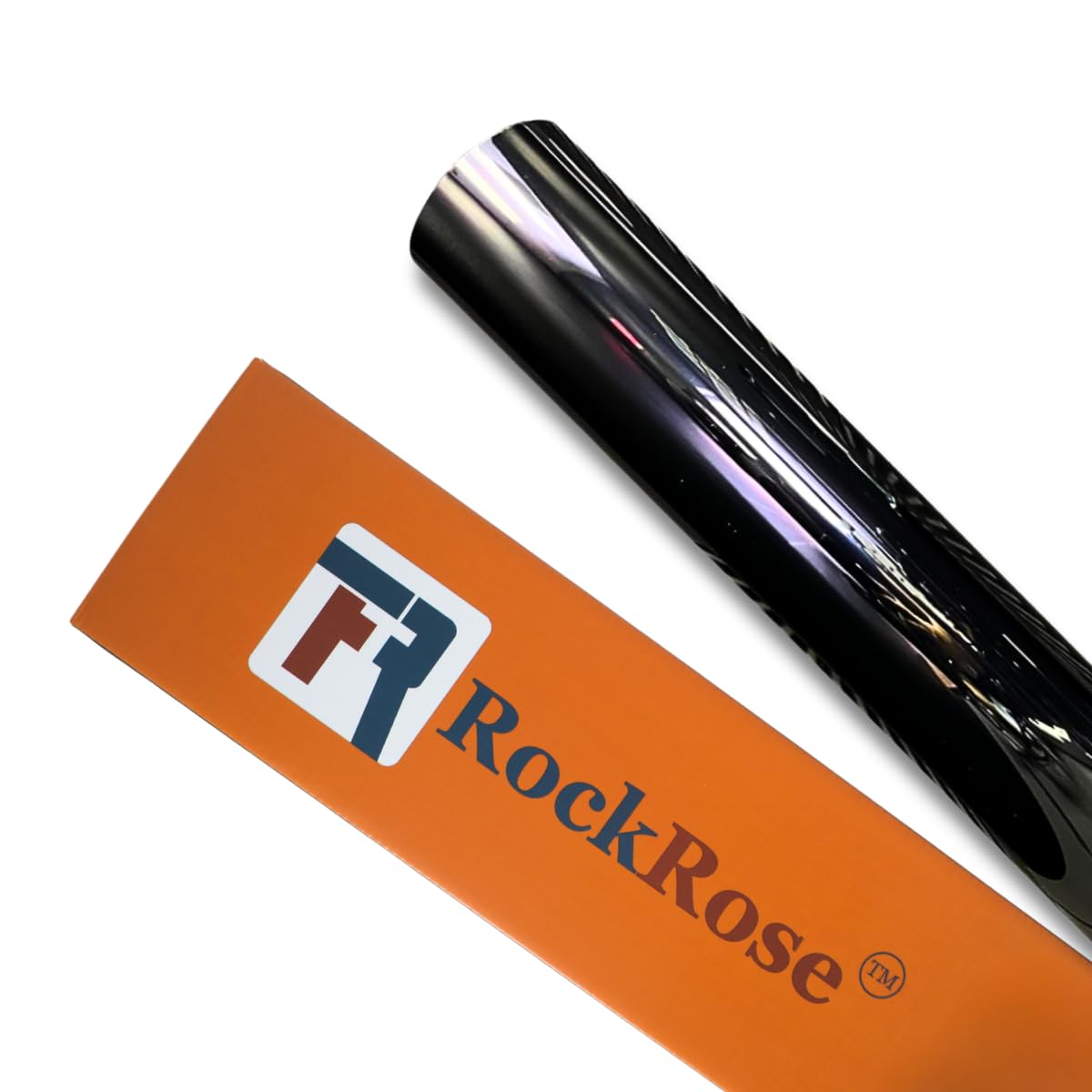
RockRose positions its Air Nano Ceramic film as a hazy-free option that combines high infrared rejection with a sleek charcoal finish. The 20% VLT option balances privacy and visibility effectively, while the film claims 99% UV rejection and up to 95% infrared rejection. The 2PLY construction uses high-quality PET and ceramic materials to maintain optical clarity and reduce the milky appearance sometimes associated with budget ceramic films.
Installation feedback from owners is mixed but generally positive. Experienced users appreciate the film’s shrinkability on curved glass, though some report that it requires careful technique to avoid cloudiness during the wet application. The 20-inch by 100-foot roll is plotter-friendly for precut kits, making it a viable option for professional installers who cut their own patterns.
Customer service from RockRose receives consistent praise, with several owners noting that the company stands behind its product and provides helpful installation guidance. The film is available in a wide range of VLT options from 5% to 70%, allowing buyers to select the exact shade for front, rear, and windshield applications. For those who value clarity and customization, this film offers strong design flexibility.
What works
- Excellent optical clarity with minimal haze
- Wide VLT range from 5% to 70%
- Plotter-friendly for custom precut patterns
What doesn’t
- Some users report milky appearance during wet install
- 20-inch width limits single-piece coverage on large windows
6. True Line Automotive Custom Precut Window Tint
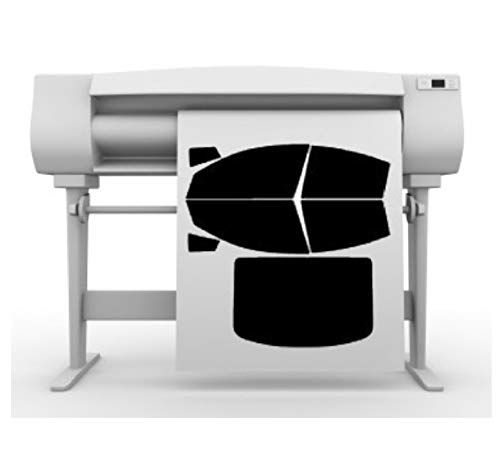
True Line Automotive takes a different approach by offering a vehicle-specific precut kit rather than a bulk roll. This eliminates the need for trimming and shaping, making it one of the more accessible entry points for DIY owners who want a clean result without investing in cutting skills. The kit includes all side and rear window pieces precut to the exact dimensions of the vehicle specified at purchase.
The film material is a combination of PET, PVC, or vinyl layers with a strong adhesive backing. Owner feedback indicates that fitment is generally accurate for most sedan and SUV models, though some users report that the rear windshield curve can be challenging due to the film’s limited shrinkability. The kit’s primary advantage is convenience, but the material quality is described as mid-range, with some users noting that it scratches more easily than premium ceramic films.
Customer service receives high marks, with the company replacing damaged pieces quickly in several reported cases. For owners who want a straightforward installation experience and are willing to accept a trade-off in long-term durability, this precut kit offers a practical solution. The strong adhesive holds well on clean glass, and the UV protection helps keep interiors cooler without requiring professional installation.
What works
- Vehicle-specific precut pieces eliminate trimming
- Strong adhesive holds firmly once applied
- Responsive customer service with replacement support
What doesn’t
- Film scratches more easily than ceramic alternatives
- Limited shrinkability on complex rear window curves
7. United Universal Black 1Ply Dyed Window Tint Film
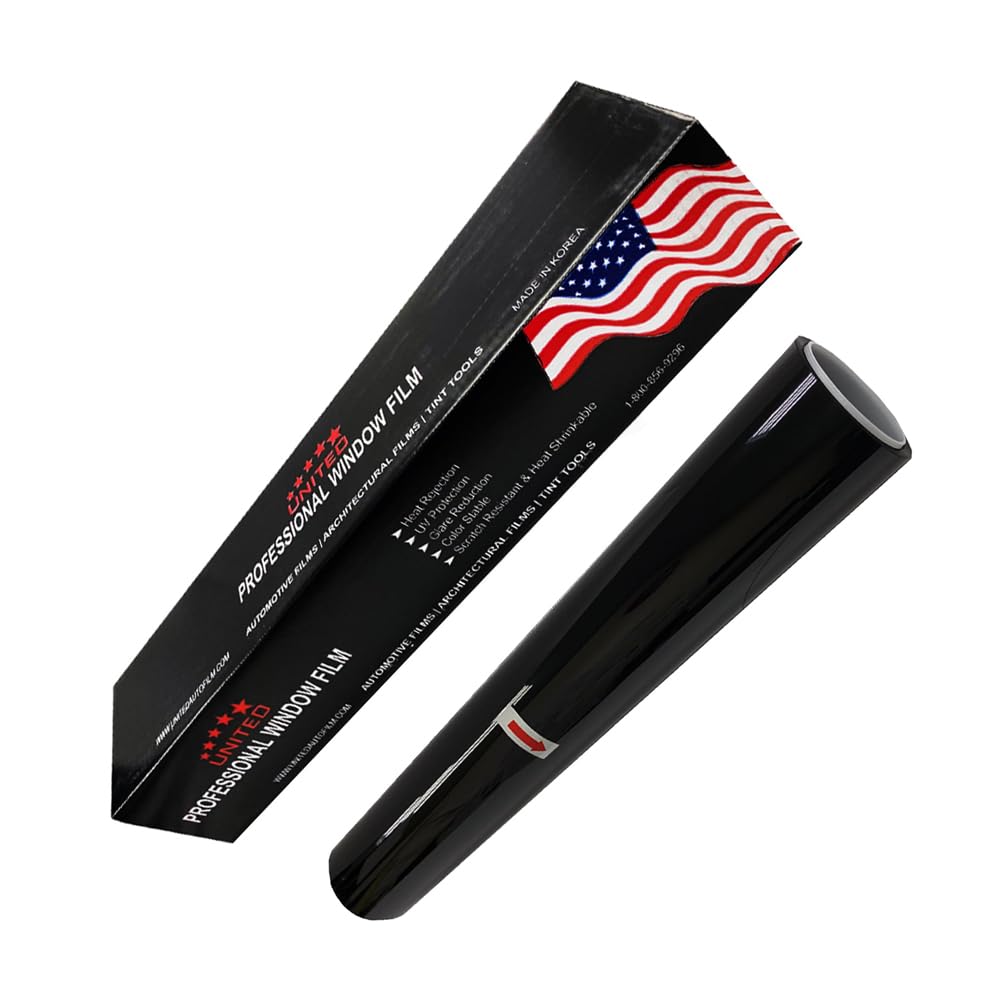
The United Universal Black 1Ply film from HIDNY is a dyed PET product that offers a straightforward entry into window tinting at a very accessible price point. At 35% VLT, it provides moderate privacy and glare reduction while maintaining good daytime visibility. The 40-inch by 100-foot roll delivers substantial coverage, and several owners report successfully tinting multiple vehicles from a single roll.
Installation is relatively forgiving compared to ceramic films, making this a solid choice for beginners who want to practice before investing in higher-end materials. The dyed construction means heat rejection comes primarily from UV blocking rather than infrared reflection, so it won’t match ceramic films in cooling performance. However, owners in moderate climates report satisfactory results for reducing glare and protecting interiors from sun damage.
The film carries a one-year warranty covering fading, peeling, bubbling, cracking, and color stability, which provides reassurance for a budget-conscious purchase. While the dyed format may not deliver the same longevity as ceramic films — dyed layers can fade over extended sun exposure — the price point allows for replacement without significant financial impact. For owners seeking a cost-effective way to improve privacy and reduce glare, this film performs well within its design parameters.
What works
- Very affordable entry point for window tinting
- Generous 40-inch width covers large windows
- Forgiving installation suitable for beginners
What doesn’t
- Dyed construction offers limited heat rejection
- Prone to fading over long-term sun exposure
Hardware & Specs Guide
Ceramic vs. Dyed Film
Ceramic films use nano-ceramic particles to block infrared heat without metal layers, preserving cell and GPS signal strength. Dyed films achieve darkness through color layers but offer minimal heat rejection — they are effective for UV protection and privacy but not for reducing cabin temperature.
VLT Percentages Explained
Visible Light Transmission measures how much light passes through the tint. Lower numbers mean darker film: 5% (limo tint), 15-20% (privacy shade), 35-50% (legal front windows in most states). Check local regulations before selecting a VLT for front side windows.
Heat Rejection Ratings
Infrared rejection (IRR) and total solar energy rejection (TSER) indicate how much solar heat the film blocks. Premium ceramic films achieve 90-95% IRR, while dyed films may offer only 40-60%. Higher rejection reduces AC load and protects upholstery from fading.
Film Thickness & Layers
Single-ply (1Ply) films are thinner and easier to install but less durable. Two-ply (2PLY) constructions add a protective layer for scratch resistance and longevity. Thicker films handle curved glass better but require more skill to shrink without creasing.
FAQ
Is ceramic window tint worth the extra cost over dyed film?
What VLT percentage should I choose for front windows?
Can I install ceramic window tint myself or should I hire a professional?
Does ceramic window tint interfere with GPS or radio signals?
Final Thoughts: The Verdict
For most buyers, the automotive ceramic window tint winner is the United 2PLY Nano Ceramic Pro because it combines top-tier infrared rejection, neutral color stability, and signal-friendly construction in a single well-engineered film. If you want a strong balance of performance and value, grab the IAQWE 20% VLT Ceramic Film. And for a budget-friendly entry into DIY tinting, nothing beats the convenience of the True Line Automotive Precut Kit.

Certification: BSc in Mechanical Engineering
Education: Mechanical engineer
Lives In: 539 W Commerce St, Dallas, TX 75208, USA
Md Amir is an auto mechanic student and writer with over half a decade of experience in the automotive field. He has worked with top automotive brands such as Lexus, Quantum, and also owns two automotive blogs autocarneed.com and taxiwiz.com.