Fuel pressure regulation sits at the heart of any properly tuned EFI system. Get it wrong, and even the most expensive engine build runs lean under load, stumbles at idle, or washes rings with an over-rich mixture. Aftermarket options range from bare-bones bypass valves to precision-machined boost-referenced units, and the gap between a smart choice and a costly mistake comes down to understanding port configuration, pressure range, and fuel compatibility before you buy.
I’m Amir — the founder and writer behind Four Wheel Ask. I specialize in analyzing aftermarket fuel system components, evaluating build quality, materials, and real-world owner feedback to identify what truly performs on the street and at the track.
I analyzed owner reports and technical data to help you select the ideal best aftermarket fuel pressure regulator for your build.
How To Choose The Best Aftermarket Fuel Pressure Regulator
Selecting the right fuel pressure regulator for your EFI system means matching flow architecture, pressure range, and material compatibility to your engine’s needs. The wrong choice can introduce fuel starvation, pressure creep under boost, or corrosion from ethanol blends. Below are the key factors that separate a well-matched regulator from a misfit.
Bypass vs. Dead-Head Regulation
A bypass style regulator allows continuous fuel flow from the pump through the regulator and back to the tank, keeping fuel cool and maintaining stable pressure at the injectors. Dead-head regulators block flow when pressure is reached, which can lead to heat buildup and inconsistent delivery in high-output applications. For any EFI system making serious power, a bypass return-style unit is the preferred architecture.
Adjustable Pressure Range
An adjustable regulator lets you dial in base fuel pressure to match your injector sizing and fuel type. Typical EFI ranges fall between 30 and 90 PSI. Lower ranges work for naturally aspirated setups, while higher ceilings accommodate boosted engines that need more fuel mass at higher manifold pressures. Make sure the regulator’s range covers your target base pressure plus any boost-referenced addition.
Boost Reference Capability
For turbocharged or supercharged engines, a boost-referenced regulator raises fuel pressure in a 1:1 ratio with boost. This maintains a constant pressure differential across the injectors, preventing lean conditions under boost. If your build includes forced induction, verify the regulator offers a vacuum/boost reference port and is designed for 1:1 rise.
Fuel Compatibility and Materials
Modern fuels, especially those containing ethanol or methanol, can degrade seals and anodized surfaces not designed for alcohol exposure. Look for regulators built from billet aluminum or stainless steel with E85-compatible internal seals. Avoid painted finishes on wetted surfaces, as ethanol can soften paint and introduce contaminants into the fuel stream.
Port Configuration and Fitting Sizes
Port count and thread sizing dictate how cleanly the regulator integrates into your fuel system. Dual inlet ports allow flexible plumbing for dual feed rails or parallel runs, while a dedicated return port keeps routing organized. Common sizes include -6 AN, -8 AN, and -10 AN. Match port sizing to your supply line diameter to avoid flow restriction.
Quick Comparison
On smaller screens, swipe sideways to see the full table.
| Model | Category | Best For | Key Spec | Amazon |
|---|---|---|---|---|
| Aeromotive A1000-6 (13109) | Premium EFI | High-Horsepower Builds | 40-75 PSI, Dual ORB-06 | Amazon |
| AEM 25-300BK | Performance | Street/Track Tuning | High Volume, Adjustable | Amazon |
| BBK Performance 1706 | Direct Fit | Ford Mustang 5.0/302/351 | CNC Billet Aluminum | Amazon |
| K-MOTOR Adjustable | Universal | Custom Builds | 30-90 PSI, 6AN | Amazon |
| Aeromotive 13130 Kit | Complete Kit | All-in-One Solution | Includes Gauge and Fittings | Amazon |
| EVIL ENERGY Regulator | Budget | Entry-Level EFI | 30-70 PSI, Complete Kit | Amazon |
| ACDelco Gold 214-2156 | OEM Replacement | Stock Restoration | Direct OEM Fit | Amazon |
In-Depth Reviews
1. Aeromotive A1000-6 EFI Fuel Pressure Regulator (13109)
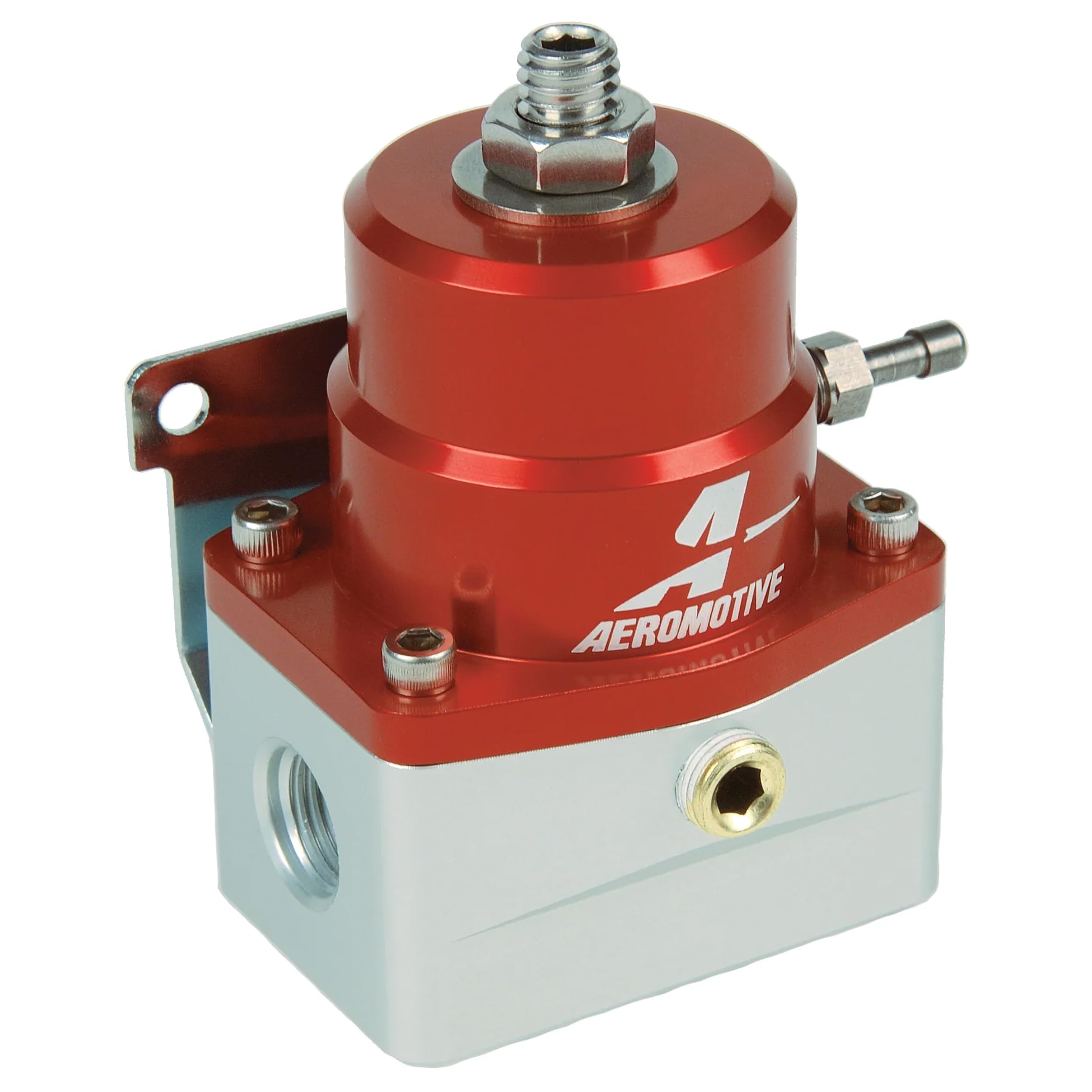
The Aeromotive A1000-6 is purpose-built for medium to high horsepower EFI applications that demand precise pressure control under load. Its dual ORB-06 inlet ports allow clean, organized plumbing for dual-feed fuel rails or complex return routing, while the single ORB-06 return port keeps the circuit simple. The regulator adjusts from 40 to 75 PSI, covering the majority of boosted and naturally aspirated EFI builds without requiring spacers or shims.
What sets this unit apart is the 1:1 boost reference capability. As manifold pressure rises, fuel pressure increases proportionally, maintaining a consistent pressure differential across the injectors. This is critical for turbocharged and supercharged engines that would otherwise lean out under boost. Aeromotive rates the A1000-6 as compatible with gasoline, ethanol, and alcohol-based fuels, making it a flexible choice for builders running E85 or methanol blends.
The regulator body is constructed from metal with a painted exterior, and it includes a 1/8-inch NPT gauge port for monitoring. Owner reports consistently highlight the consistency of pressure hold at high RPM and the durability of the internal diaphragm under sustained track use. For a builder who wants proven boost-referenced regulation without stepping up to industrial-scale hardware, this is the benchmark.
What works
- True 1:1 boost reference maintains injector delta under forced induction
- Dual ORB-06 inlets simplify dual-feed rail plumbing
- Compatible with E85 and alcohol fuels
What doesn’t
- Painted finish may not hold up as well as anodized alternatives in harsh engine bays
- Only includes the regulator body, no gauge or fittings in the box
2. AEM 25-300BK Black High Volume Adjustable Fuel Pressure Regulator

AEM designed the 25-300BK to handle high-volume fuel delivery without pressure drop, making it a strong candidate for builds that push beyond stock fuel system capacity. The regulator features a threaded AN inlet connection and is constructed from aluminum with components sourced to military aircraft material standards. That spec indicates a focus on dimensional consistency and fatigue resistance over long service intervals.
The adjustment range covers the typical EFI operating window, and the black anodized finish resists corrosion from fuel exposure and engine bay heat. AEM lists compatibility specifically for gasoline, so builders running high-ethanol blends should verify seal compatibility before committing. The unit is vehicle-specific fit, meaning it is designed to integrate with factory or near-factory fuel rail configurations rather than universal plumbing.
Owner feedback emphasizes the regulator’s ability to maintain stable pressure during high-rpm sustained runs and its straightforward installation on vehicles that match the fitment profile. The easy-to-access adjustment screw allows quick dialing without removing the unit. For a street-driven car that sees occasional track time, this regulator delivers reliable high-volume performance in a corrosion-resistant package.
What works
- High-volume flow capacity supports upgraded fuel pumps and injectors
- Military-spec material standards for long-term reliability
- Corrosion-resistant black finish resists engine bay contaminants
What doesn’t
- Vehicle-specific fit limits universal application
- Gasoline-only compatibility may require seal upgrades for E85
3. BBK Performance 1706 Fuel Pressure Regulator

The BBK Performance 1706 is a CNC-machined billet aluminum regulator engineered as a direct-fit upgrade for Ford Mustang 5.0 and 302/351 EFI applications. Rather than requiring universal brackets and custom hose routing, this unit bolts into the factory fuel rail location using the vehicle-specific quick-connect inlet fitting. That drastically reduces installation complexity for owners of Fox-body and SN-95 Mustangs looking to improve fuel pressure control.
The fully adjustable design allows fine-tuning of base pressure to match injector sizing and engine modifications. BBK uses a billet aluminum body for strength and heat dissipation, and the internal components are built to handle the flow demands of moderately built small-block Ford engines. The NPT connector type supports standard aftermarket gauges and fittings for monitoring.
Owner reports from the Mustang community consistently note the regulator’s ability to solve idle instability and part-throttle lean codes caused by aging factory regulators. The direct-fit nature eliminates guesswork with adapter fittings and reduces potential leak points. For a Ford EFI owner who wants improved adjustability without reinventing the fuel system plumbing, this is the most straightforward upgrade available.
What works
- Direct-fit installation for Ford 5.0 and 302/351 EFI engines eliminates custom plumbing
- CNC-machined billet aluminum body provides excellent durability
- Fine-tuning adjustment solves idle and part-throttle drivability issues
What doesn’t
- Application-specific design limits use to Ford small-block EFI platforms
- Quick-connect inlet may not suit builders using -AN hose and fittings
4. K-MOTOR Adjustable Fuel Pressure Regulator 6AN Return Style
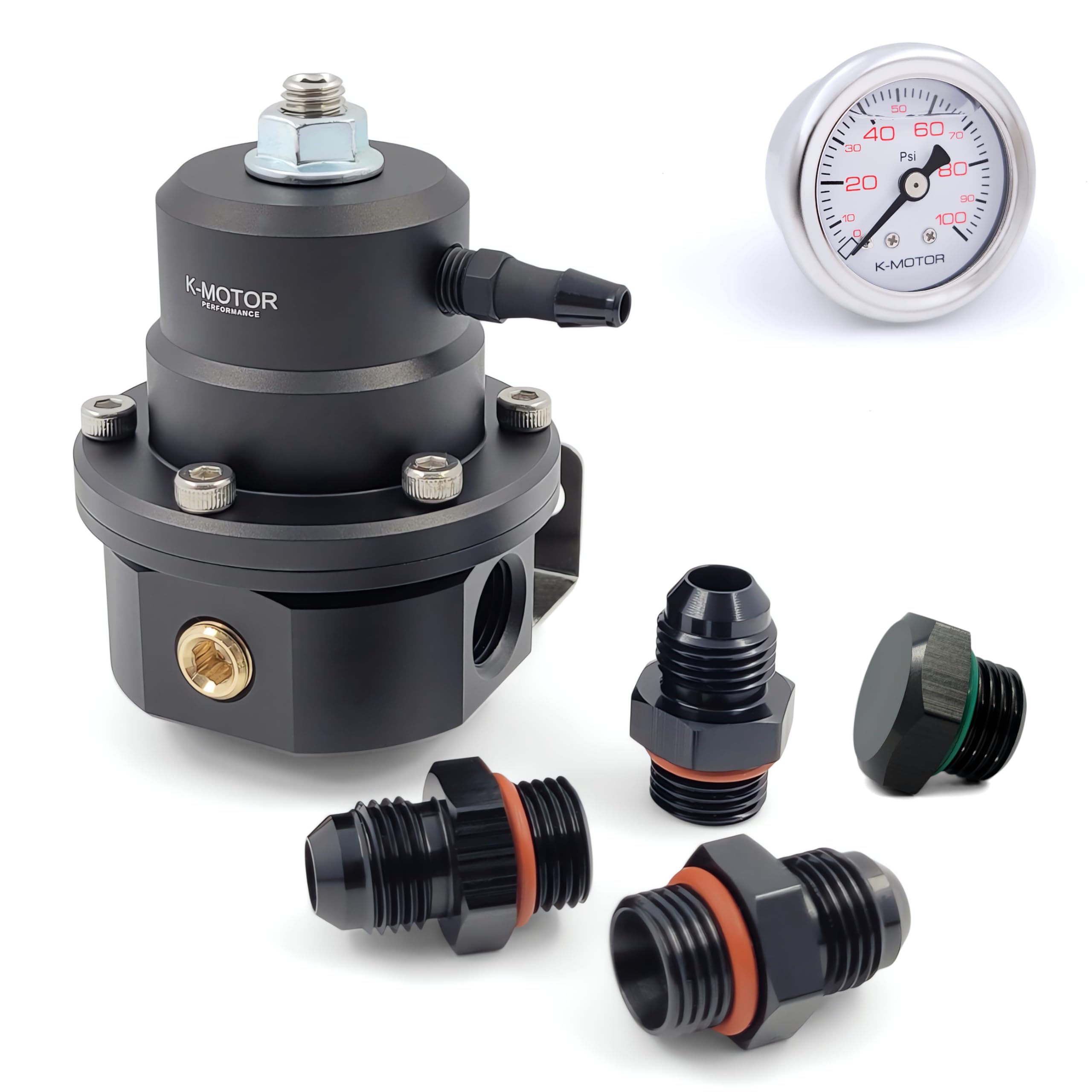
K-MOTOR’s universal regulator kit offers a generous adjustment window from 30 to 90 PSI, covering everything from stock EFI pressure to the higher base pressures required for large injectors and forced induction. The regulator is built from aluminum with a black anodized finish, which provides better chemical resistance than painted surfaces when exposed to ethanol-containing fuels. The kit includes three 6AN fittings, a mounting bracket, and a fuel pressure gauge, giving builders most of what they need in one purchase.
Port configuration includes two 6AN inlet ports, one 6AN return port, and a 1/8-inch NPT gauge port. That layout supports dual-feed rail setups while keeping the return path separate for clean plumbing. K-MOTOR lists compatibility with all fuel types, and the steel internal components are designed to resist wear from alcohol-based fuels over time.
Community feedback highlights the regulator’s stable pressure hold across the adjustment range and the value of receiving a gauge and fittings in the box. Some users note that the included bracket may require slight modification for specific chassis mounting points. For a builder assembling a custom EFI system from scratch and wanting a broad adjustment range without overspending, this kit delivers strong capability at a reasonable entry point.
What works
- Wide 30-90 PSI adjustment range suits naturally aspirated and boosted builds
- Includes gauge, bracket, and three 6AN fittings for a near-complete install
- Anodized black finish resists ethanol and corrosion better than paint
What doesn’t
- Included bracket may need modification for some chassis mounting points
- Steel internals, while durable, add weight compared to all-aluminum designs
5. Aeromotive EFI Fuel Pressure Regulator and Fitting Kit (13130)
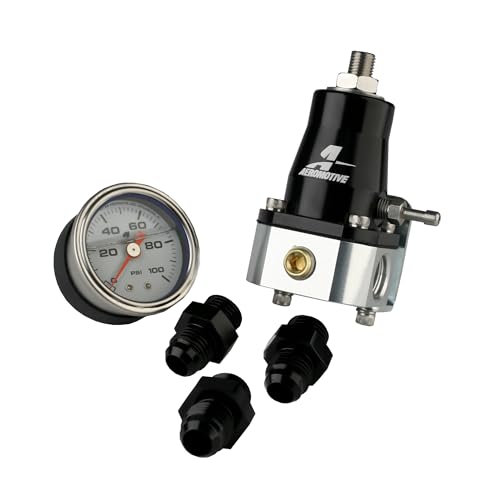
The Aeromotive 13130 is a complete fuel pressure regulation kit that bundles the 13129 adjustable EFI bypass regulator with a fuel pressure gauge and three 15606 fittings. This all-in-one approach eliminates the need to source individual components separately and ensures thread compatibility from the start. The regulator itself maintains stable pressure between 40 and 75 PSI and is built around Aeromotive’s proven bypass architecture used in professional racing applications.
The regulator body is constructed from aluminum with a black anodized finish, and the kit includes stainless steel components where strength and corrosion resistance are critical. Compatibility spans gasoline and ethanol fuels, and the dedicated 1/8-inch NPT gauge port allows accurate real-time pressure monitoring without adding T-fittings or adapters to the fuel line. The universal fitment design works with almost any aftermarket EFI fuel system.
Owner feedback emphasizes the convenience of a single-box solution that includes everything needed for a clean installation. The regulator’s internal bypass design keeps fuel circulating continuously, reducing heat soak in hot engine bays. For a builder who wants Aeromotive’s engineering and a complete fitting package without hunting down individual AN fittings and gauges, this kit delivers a streamlined path to a reliable fuel system.
What works
- Complete kit includes regulator, gauge, and three fittings for a single-purchase install
- Black anodized aluminum body with stainless steel components resists corrosion
- Bypass architecture keeps fuel cool during extended operation
What doesn’t
- Premium pricing reflects the all-in-one convenience and brand reputation
- Some builders may prefer to select their own gauge and fitting brands separately
6. EVIL ENERGY Fuel Pressure Regulator 6AN EFI Bypass Return Adjustable
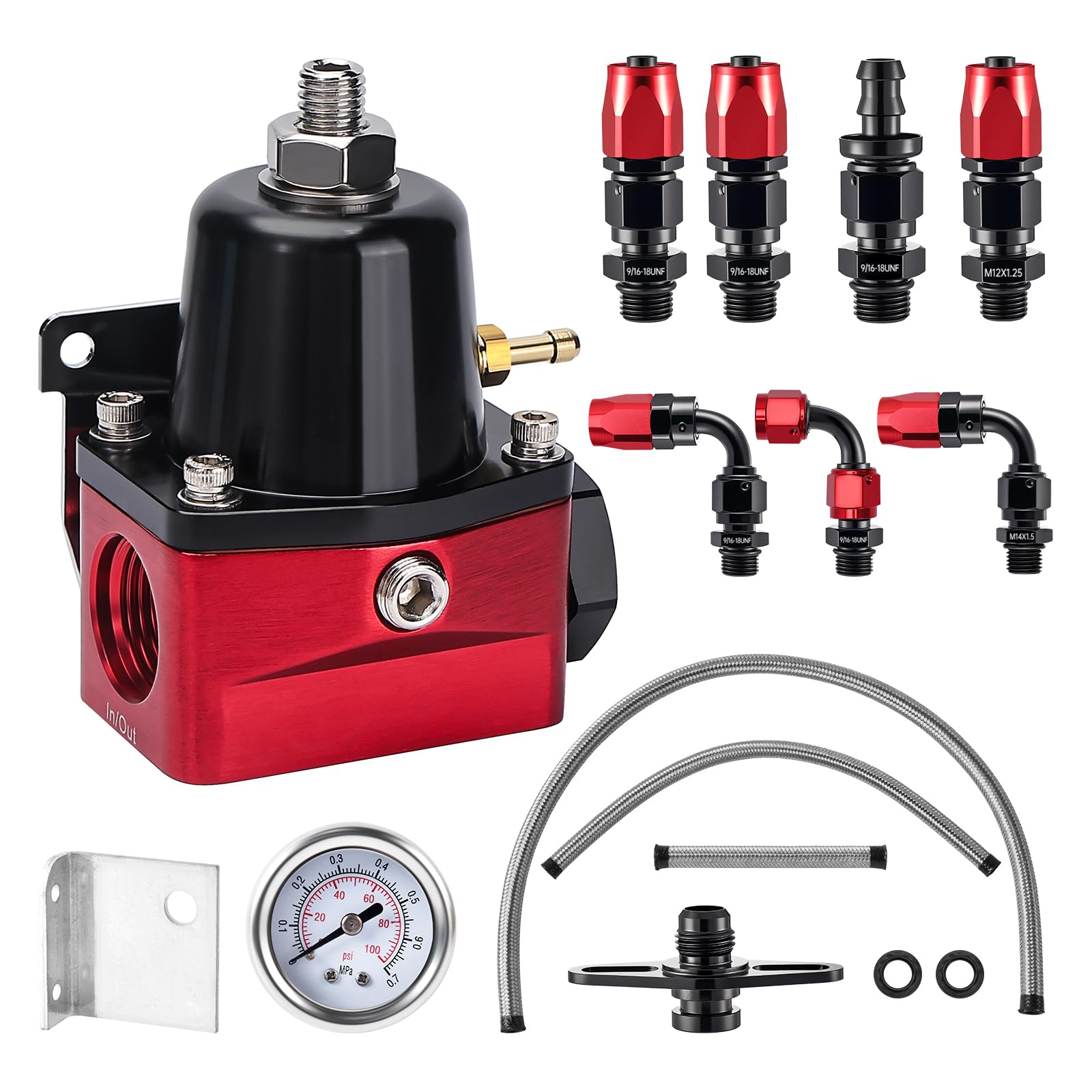
EVIL ENERGY positions this regulator kit as an affordable entry into adjustable EFI fuel pressure control, covering the 30 to 70 PSI range most commonly used in street and mild-performance builds. The kit ships with an impressive array of components: the regulator body, a pressure gauge, a mounting bracket, two AN6 port plugs, four 6AN-to-6AN ORB fittings, one 6AN ORB-to-6AN barb fitting, two 6AN-to-metric fittings, and three lengths of stainless steel braided CPE fuel line. That package gives a first-time builder almost everything needed to plumb a basic EFI system.
Fuel compatibility includes gasoline, E85, and alcohol blends, though the manufacturer specifically notes that nylon braided fuel line should not be used with E85. The regulator uses a bypass return design, keeping fuel flowing continuously to reduce vapor lock and temperature rise. Adjustment is handled via a set screw on top of the unit, accessible without removing the regulator from its mounting location.
Owner feedback focuses on the completeness of the kit and the regulator’s ability to hold stable pressure within its adjustment window. Some users caution that the included metric-to-AN fittings are intended for fuel rail connection only and should not be installed on the regulator ports, as this would cause leaks. For a budget-conscious builder assembling a first EFI system and wanting a full parts package in one shipment, this kit provides a functional foundation.
What works
- Comprehensive kit includes regulator, gauge, fittings, and fuel line sections
- Bypass return design reduces fuel heating and vapor lock risk
- E85 and alcohol fuel compatible for flex-fuel builds
What doesn’t
- Metric-to-AN fittings are fuel-rail-only and cannot be used on regulator ports
- Nylon braided line supplied is not E85-safe; builders need to substitute appropriate hose
7. ACDelco Gold 214-2156 Fuel Injection Pressure Regulator
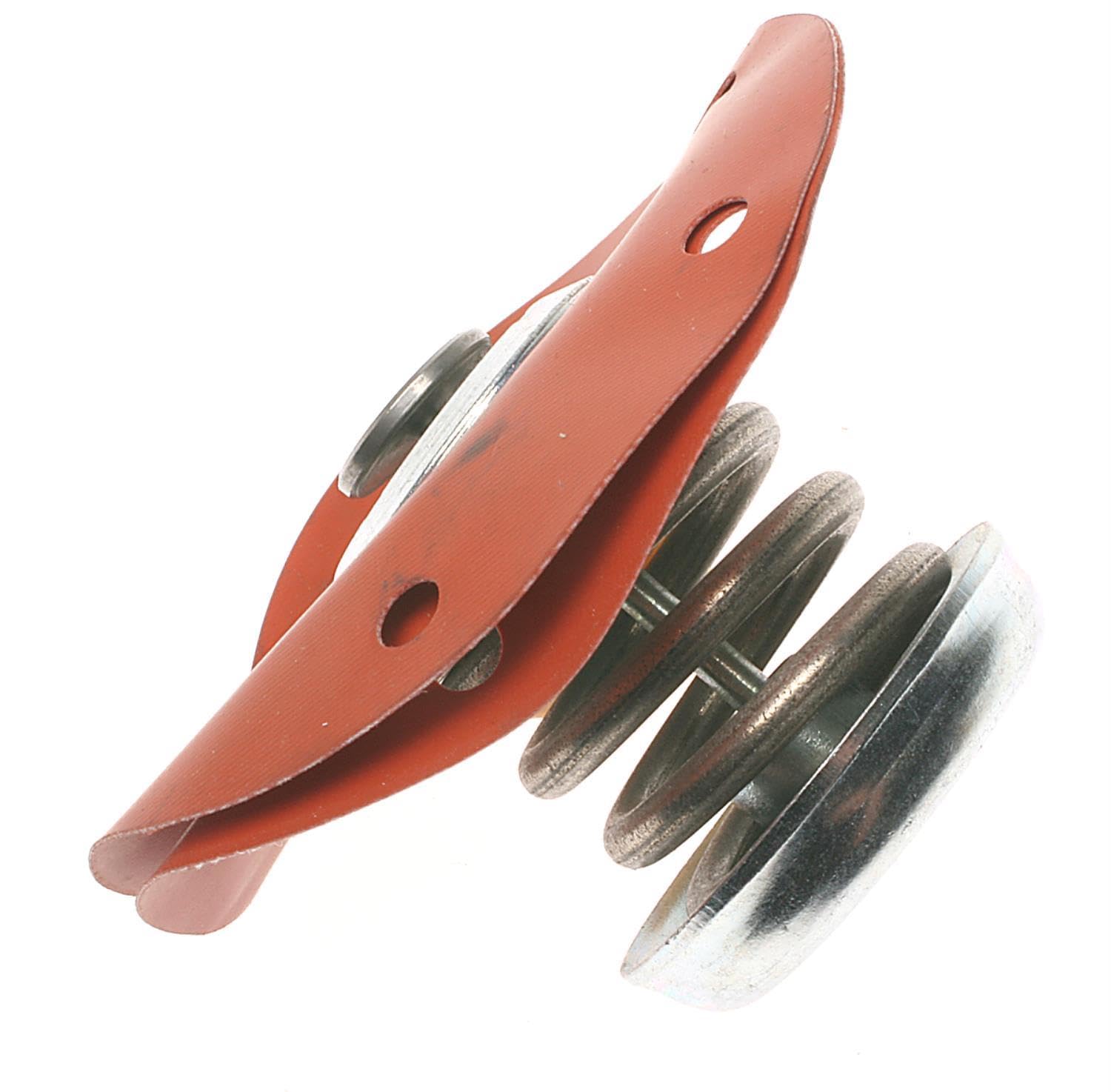
The ACDelco Gold 214-2156 is a premium aftermarket replacement regulator engineered to meet OEM specifications for fit, form, and function. Designed as a direct interchange for GM part number 19187371, this regulator is for owners who want factory-matched performance without stepping into the universal adjustable market. It is a fixed-pressure unit, not adjustable, making it appropriate for stock or near-stock engines where precise factory fuel pressure is required.
The regulator is painted and weighs just over two ounces, reflecting its compact, application-specific design. ACDelco Gold components are manufactured to expectations of fitment accuracy and longevity, which matters when the regulator lives inside or near the fuel rail on a daily-driven vehicle. The unit is sourced internationally, so buyers should confirm compatibility with their specific vehicle year and model before ordering.
Owner feedback from GM truck and sedan owners emphasizes the regulator’s ability to resolve hard-starting, erratic idle, and fuel smell issues caused by a failed factory unit. The direct-fit nature means no adapters, no adjustment, and no guesswork. For a restoration or reliability repair where adjustable tuning is not needed, this regulator restores fuel system performance to factory specification with minimal installation effort.
What works
- Direct OEM replacement for GM applications, no modification required
- Restores factory fuel pressure performance for drivability and emissions
- Lightweight, compact design fits in tight factory locations
What doesn’t
- Fixed pressure offers no adjustability for modified engines
- Application-specific fitment limits use to compatible GM vehicles
Hardware and Specs Guide
Bypass vs. Dead-Head Regulation
A bypass regulator, also called a return-style regulator, allows fuel to circulate continuously from the pump, through the regulator, and back to the tank. This keeps fuel temperatures lower and maintains stable injector pressure even at low flow demands. Dead-head regulators block flow once system pressure is reached, which can cause fuel to stagnate and heat up in the rail, leading to vapor lock and inconsistent injector performance. For any EFI system making more than stock power, a bypass regulator is the recommended architecture.
Boost Reference Technology
Boost-referenced regulators include a vacuum or boost port that reads intake manifold pressure. As boost increases, the regulator raises fuel pressure at a 1:1 ratio, keeping the pressure differential across the injector constant. This prevents the injector from seeing a smaller delta under boost, which would cause it to flow less fuel and create a lean condition. Naturally aspirated engines do not require boost reference, but any forced induction build should prioritize a regulator with this capability.
Materials and Fuel Compatibility
The regulator body material and internal seal composition determine long-term reliability with different fuels. Billet aluminum bodies with anodized finishes resist ethanol corrosion and fuel degradation better than painted castings. Internal diaphragms and O-rings should be compatible with alcohol-based fuels if you plan to run E85 or methanol. Stainless steel fittings and internals add corrosion resistance in high-humidity environments. Always verify material compatibility before installing a regulator in a flex-fuel vehicle.
Port Configuration and Flow Path
Port count and sizing dictate how the regulator integrates into your fuel system architecture. Dual inlet ports allow parallel feed to dual fuel rails or a single inlet with the second port serving as a pass-through. A dedicated return port ensures that bypass flow returns directly to the tank without restriction. Common thread sizes are -6 AN (3/8-inch line) and -8 AN (1/2-inch line). Matching port size to supply line diameter prevents pressure drop and ensures consistent fuel delivery at high flow rates.
FAQ
What is the difference between a bypass and a dead-head fuel pressure regulator?
Do I need a boost-referenced fuel pressure regulator for my engine?
What PSI range should I look for in an aftermarket fuel pressure regulator?
Can I use an aftermarket fuel pressure regulator with E85 or methanol fuel?
What fitting sizes are commonly used for fuel pressure regulator connections?
Final Thoughts: The Verdict
For most buyers, the best aftermarket fuel pressure regulator winner is the Aeromotive A1000-6 (13109) because it delivers proven 1:1 boost reference, dual ORB-06 port flexibility, and broad fuel compatibility in a package trusted by professional builders. If you want a complete component kit with a gauge and fittings included, grab the Aeromotive 13130 Kit. And for a direct-fit upgrade on Ford 5.0 and 302/351 EFI engines, nothing beats the BBK Performance 1706.

Certification: BSc in Mechanical Engineering
Education: Mechanical engineer
Lives In: 539 W Commerce St, Dallas, TX 75208, USA
Md Amir is an auto mechanic student and writer with over half a decade of experience in the automotive field. He has worked with top automotive brands such as Lexus, Quantum, and also owns two automotive blogs autocarneed.com and taxiwiz.com.