Brake noise, uneven pad wear, and seized caliper pins are often symptoms of one overlooked variable: the lubricant choice. A compound that handles extreme heat, resists water washout, and stays chemically stable against rubber components determines whether a brake job lasts 20,000 miles or 60,000.
I’m Amir — the founder and writer behind Four Wheel Ask. My research focuses on analyzing technical specifications, field failure reports, and long-term owner feedback across hundreds of brake-related product listings to identify which formulations deliver measurable durability advantages.
Whether you are servicing slide pins, pad abutments, or hardware clips, selecting the right best brake lubricant grease for your vehicle ensures your braking system stays quiet, smooth, and corrosion-free for thousands of miles.
How To Choose The Best Brake Lubricant Grease
Brake lubricants are not interchangeable with chassis grease or general-purpose anti-seize. The wrong formulation can swell rubber boots, liquefy under hard braking, or wash out after a single rain. Focus on three core attributes before making a choice.
Temperature Range and Thermal Stability
Disc brakes generate intense heat, especially during repeated stops or towing. A lubricant rated for at least 400°F continuous ensures the grease does not melt, run off, or carbonize inside the caliper bore. Ceramic and synthetic formulations generally outperform silicone greases in extreme heat, though silicone remains the safer choice for rubber contact points.
Rubber and Plastic Compatibility
Petroleum-based compounds can cause EPDM rubber boots, caliper piston seals, and slider bushings to swell or degrade over time. Silicone and synthetic blends are formulated to be neutral on elastomers, preserving seal integrity and preventing premature caliper seizure. Always verify that the lubricant specifies compatibility with the rubber type used in your braking system.
Application Method and Container Design
Brush-top cans, squeeze bottles, and cartridges each serve different workflows. A built-in brush allows direct, mess-free application to slide pins and pad shims, while a cartridge is better suited for grease gun injection into sealed fittings. Consider how often you perform brake work — an 8-ounce container with a brush lid is sufficient for multiple jobs without waste.
Quick Comparison
On smaller screens, swipe sideways to see the full table.
| Model | Category | Best For | Key Spec | Amazon |
|---|---|---|---|---|
| Permatex Ceramic Extreme | Ceramic | Ultra high-temp brake assembly | Ceramic solids, 28 g tube | Amazon |
| CRC Sta-Lube SL3303 | Synthetic | Multi-purpose brake & gas valve | 12 oz, 500°F flash point | Amazon |
| Versachem 26080 | Synthetic | Disc brake squeal prevention | 8 oz, brush-top, 500°F | Amazon |
| Ford Motorcraft XG-3-A | Silicone | OEM-grade slide pin lube | 3 oz, EPDM compatible | Amazon |
| AGS Automotive Silicone | Silicone | Full brake system assembly | 8 oz, 425°F rating | Amazon |
| Keze High Temp Ceramic | Ceramic | Slide pin & pad lubrication | 8 oz, 3000°F limit | Amazon |
| Red Line 80402 CV-2 | Synthetic | Wheel bearings & U-joints | 14 oz cartridge, -100° to 500°F | Amazon |
| Loctite Silver Anti-Seize | Petroleum | Spark plug & electrical threads | 8 oz, graphite/metallic flakes | Amazon |
| Berkland Dielectric Grease | Silicone | Electrical & rubber sealing | 8 oz, waterproof paste | Amazon |
| PJ1 Cable Lube | Calcium | Brake & throttle cables | 11 oz aerosol, penetrant | Amazon |
| Permatex Nickel Anti-Seize | Nickel | Exhaust & stainless threads | 8 oz, 2400°F rated | Amazon |
In‑Depth Reviews
1. Permatex Ceramic Extreme Brakes Lubricant
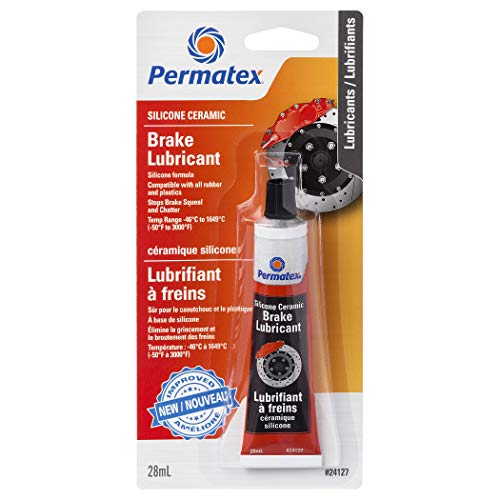
Permatex Ceramic Extreme uses a 100 percent synthetic base loaded with ceramic solids to resist liquefaction at temperatures that would break down conventional greases. The 28-gram tube is compact but sufficient for multiple brake jobs when applied sparingly to slide pins, pad shims, and caliper abutments. Owner reports consistently highlight the compound’s ability to eliminate noise and chatter even after extended heat cycles.
Unlike silicone-based alternatives, this formulation prioritizes thermal stability over broad rubber compatibility. It is best suited for metal-on-metal contact points where temperatures climb highest. Field feedback from DIY and professional users indicates that the grease stays put without running or drying out, contributing to consistent pedal feel and reduced brake dust accumulation over the life of the pads.
For those who demand a lubricant that holds up under severe-duty braking — towing, mountain driving, or track days — the Permatex Ceramic Extreme delivers predictable performance that justifies its mid-range position against cheaper silicone blends.
What works
- Ceramic solids resist extreme heat without liquefying
- Eliminates brake noise and chatter effectively
- Small tube lasts multiple brake jobs
What doesn’t
- Not recommended for rubber boot lubrication
- Tube size may feel small for heavy users
2. CRC Sta-Lube SL3303 Brake Caliper Synthetic Grease
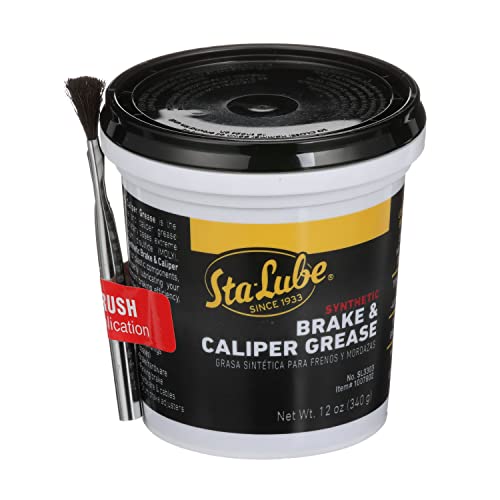
CRC Sta-Lube SL3303 is a full synthetic NLGI-grade grease engineered for disc brake caliper applications where longevity and water resistance are critical. The 12-ounce container provides ample volume for shop-level use, and the proprietary synthetic blend maintains consistent viscosity across a wide operating range. Owner feedback notes that it works equally well on brake hardware and rotary gas valves, reflecting the grease’s versatility.
The formulation includes PTFE and synthetic thickeners that resist water washout and oxidation. Users report that the grease remains pliable and effective after prolonged exposure to moisture and road salt, making it a strong choice for vehicles driven in winter climates. The flash point rating of 500°F ensures that it does not melt or drip during heavy braking events.
While the primary label targets brake caliper pins and bushings, HVAC professionals and pool equipment owners also rely on this grease for O-rings and gas valve stems due to its rubber-safe properties. This multi-application utility adds real value for those who maintain multiple machines.
What works
- Synthetic base resists water washout and oxidation
- High flash point handles severe braking heat
- Safe for rubber and plastic components
What doesn’t
- Container lacks a brush applicator
- Texture differs from OEM greases
3. Versachem 26080 Synthetic Caliper Grease

Versachem 26080 is a synthetic brake grease formulated specifically to prevent disc brake squeal while extending the service life of caliper hardware. The 8-ounce bottle includes an integrated brush-top lid that allows direct, accurate application to slide pins, pad shims, and abutment clips without cross-contamination. Owners describe the product as smooth and easy to work with, with a noticeable reduction in brake noise after application.
The synthetic base is rated for a temperature range from -5°F to 400°F, covering the typical operating window of passenger vehicle braking systems. Users who applied it to caliper slide pins report that the grease stays effective across heat cycles without gumming or drying out. The brush applicator also makes it convenient to reach tight spaces inside the caliper bracket.
Beyond brakes, Versachem can be used on spark plug boots, battery terminals, and electrical connections, giving it a secondary role as a dielectric protectant. The overall value is strong for DIYers who want a single product that covers both brake hardware and general underhood lubrication.
What works
- Brush-top applicator enables precise, clean application
- Synthetic formula resists heat and moisture
- Reduces brake noise effectively
What doesn’t
- 400°F rating lower than ceramic alternatives
- Not suitable for extreme-track use
4. Ford Motorcraft XG-3-A Silicone Brake Caliper Grease

Ford Motorcraft XG-3-A is the genuine OEM silicone compound used in Ford and Lincoln assembly plants for disc brake caliper slide pin lubrication. The 3-ounce bottle is compact, but the formulation is engineered to meet rigorous OE specifications for water resistance, heat stability, and EPDM rubber compatibility. Long-term owner feedback consistently praises its ability to prevent brake noise and rotor warping in hot weather driving.
The silicone base provides a high-voltage dielectric seal, which makes it effective for secondary ignition wire coating and distributor cap surface protection. Users who have relied on this product for years note that it retains its consistency without hardening or separating, even after extended storage. The compatibility with EPDM rubber ensures that caliper boots and piston seals remain pliable and intact.
For those who prefer a manufacturer-specified lubricant that mirrors the original assembly line fluid, the Motorcraft XG-3-A is the definitive choice. The small bottle size is a trade-off for the assurance of OEM-grade performance and chemical compatibility.
What works
- OEM Ford specification ensures exact rubber compatibility
- Dielectric properties protect ignition components
- Consistent long-term performance across heat cycles
What doesn’t
- Only 3 ounces per bottle
- Some units arrive without a cap
5. AGS Automotive Silicone-Based Brake Lubricant
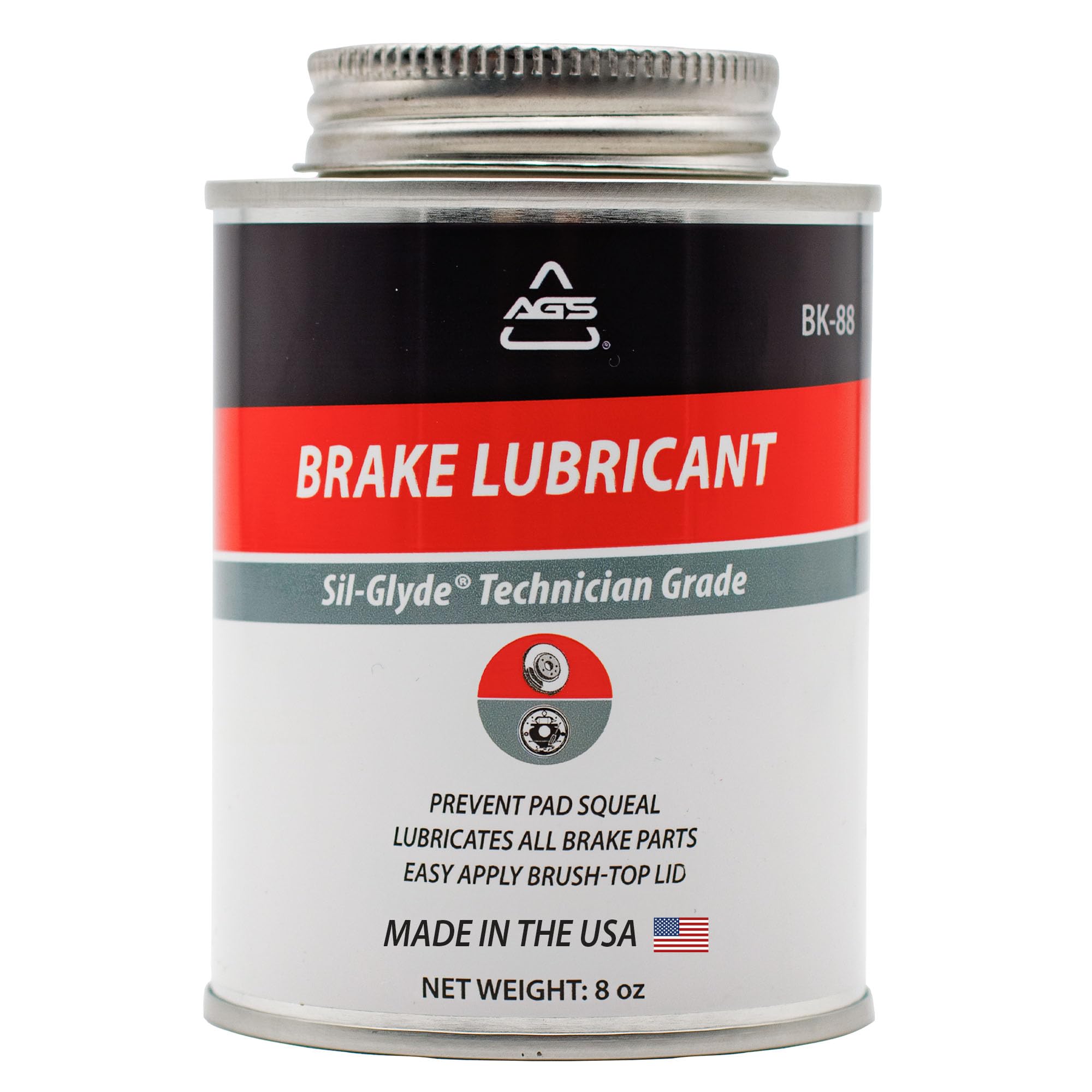
AGS Automotive Silicone Brake Lubricant is a dedicated silicone paste designed for full brake system assembly, including caliper slide pins, pad shims, and hardware clips. The 8-ounce brush-top can enables controlled application, and the silicone base is safe for plastic and rubber components throughout the braking system. Users report that the product clings well to vertical surfaces and retains lubrication through repeated heat cycles.
Rated for temperatures up to 425°F, this lubricant covers the needs of most passenger cars and light trucks. The formula dampens vibrations, which directly reduces brake squeal and extends pad life. Owner feedback highlights that the product does not gum up or dry out over time, and the company’s responsiveness to customer inquiries adds a layer of confidence.
For budget-conscious DIYers who want a silicone-based option that covers the entire brake assembly without the premium price point of niche sport compounds, the AGS lubricant delivers reliable performance and generous volume.
What works
- Silicone formula is safe for rubber and plastic parts
- Brush-top can provides clean application
- Clings well without running off
What doesn’t
- Difficult to access all product at the bottom of the can
- 425°F limit may not suit heavy track use
6. Keze High Temp Ceramic Brake Caliper Grease
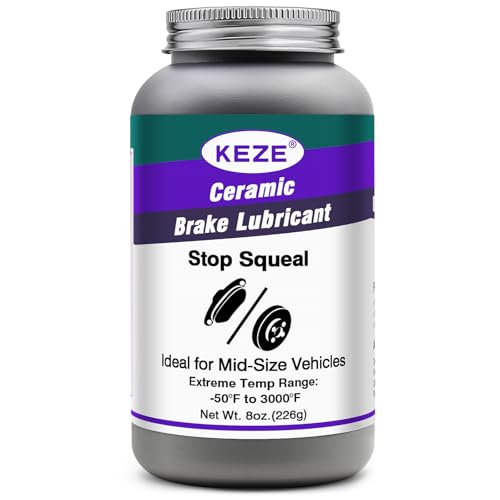
Keze High Temp Ceramic Brake Grease combines synthetic MCA (mixed calcium-aluminum complex) with ceramic powder to create a lubricant rated for extreme temperature exposure up to 3000°F. The 8-ounce brush-top can delivers a thick, purple-colored paste that clings aggressively to slide pins and caliper bores. Customer reviews emphasize that it eliminates sticky calipers and uneven pad wear after a single application.
The corrosion-resistant barrier formed by the ceramic particles helps prevent seizing in salt-belt environments. Users who disassembled and cleaned brake slides before application reported smooth operation and no noise. The product is specifically formulated for brake parts and is not intended as a general-purpose chassis grease, which keeps the chemistry focused on high-friction, high-heat scenarios.
For DIYers who want the thermal headroom of a ceramic formulation without moving to a premium brand, Keze offers a solid mid-range option that has earned repeat purchase loyalty from those who treat brake lubrication as a critical maintenance step.
What works
- Ceramic + MCA blend handles extreme heat
- Thick paste clings to vertical surfaces
- Corrosion-resistant formula ideal for wet climates
What doesn’t
- Not recommended for rubber components
- Purple color may stain hands and tools
7. Red Line 80402 High Performance CV-2 Synthetic Grease

Red Line 80402 CV-2 is a full synthetic grease fortified with red moly (molybdenum disulfide) and engineered for extreme pressure applications such as wheel bearings, U-joints, and high-angle CV joints. The 14-ounce cartridge is designed for grease gun use, making it ideal for sealed bearing packs and universal joint service. Owner reviews consistently describe it as the best grease available for applications where water washout and thermal breakdown are primary concerns.
The operating temperature range from -100°F to 500°F covers arctic winter starts and desert braking conditions alike. Users report that the grease does not bleed or separate in storage, and it maintains viscosity even when pumped through long grease gun hoses. The synthetic base also has minimal effect on rubber seals, which is critical for CV boot longevity.
While CV-2 is a multi-purpose synthetic grease rather than a dedicated brake caliper compound, its resistance to water washout and high shear stability make it a viable choice for brake hardware where extreme weather exposure is a concern.
What works
- Extreme temperature range from -100°F to 500°F
- Red moly additive withstands high pressure
- Does not bleed or separate during storage
What doesn’t
- Cartridge format requires a grease gun
- Overkill for basic caliper slide pin lubrication
8. Loctite Automotive Silver Anti-Seize Lubricant

Loctite Silver Anti-Seize is a petroleum-based compound fortified with graphite and metallic flakes that protect threaded fasteners and electrical connections from galling, rust, and seizure at temperatures up to 1600°F. The 8-ounce brushtop bottle allows direct application to spark plug threads, oxygen sensor bungs, and battery terminals. Customer reviews consistently note that the product performs exactly as expected for anti-seize applications.
While it is not a dedicated brake caliper grease, many owners use it on brake hardware components that require disassembly resistance, such as caliper bracket bolts and abutment clips. The high-temperature rating ensures that bolts do not seize after repeated heat cycling. Users report that a small amount spreads well and covers multiple fasteners.
The main limitation is that the petroleum base is not compatible with rubber components, so it should not be used on caliper slide pin boots or piston seals. As an anti-seize for threaded brake assembly fasteners, however, the Loctite Silver compound is a proven and affordable shop staple.
What works
- High-temperature rating protects threaded fasteners
- Brush-top bottle allows easy application
- Graphite and metallic additives prevent galling
What doesn’t
- Petroleum base harms rubber components
- Not a dedicated brake caliper lubricant
9. Berkland Silicone Paste Dielectric Grease

Berkland Silicone Paste Dielectric Grease is a pure silicone compound designed to seal out moisture, prevent oxidation, and protect electrical connectors, spark plug boots, and trailer harnesses. The 8-ounce tub includes a lid brush for direct application. Owner feedback highlights its effectiveness on brake caliper pins, O-rings, and weatherstripping, with particular praise for its ability to rejuvenate dried rubber seals.
The non-conductive silicone formula is safe for plastics and will not swell or degrade rubber components the way petroleum-based products can. Users who applied it to brake caliper slide pins report smooth operation and no noise. The product also serves as a plumber’s grease for faucet cartridges and pool equipment O-rings, adding versatility beyond automotive use.
Packaged by an American-owned family company, the grease is odorless and shelf-stable for years. The only noted drawback is that the container lid can loosen during shipping if not packed securely, but the product itself consistently meets user expectations for dielectric and lubricating performance.
What works
- Pure silicone formula is safe for all rubber and plastic
- Versatile for automotive, marine, and plumbing use
- Lid brush enables clean application
What doesn’t
- Container may leak if shipped without proper packing
- Not intended for extreme high-temperature brake use
10. PJ1 1-12 Cable Lube

PJ1 1-12 Cable Lube is an aerosol penetrant that cleans and lubricates wire-type brake, throttle, and clutch cables in a single application. The 11-ounce can delivers a thin, calcium sulfonate-based fluid that quickly penetrates cable housings to flush out dirt and old grease while depositing a protective lubricating film. Owner reviews confirm that it restores smooth operation to aged motorcycle and tractor cables.
The product is specifically formulated for cables with braided wire inner cores, which are common on older motorcycles, ATVs, and small engines. Users note that it works well on cables where traditional grease cannot be applied due to access constraints. The aerosol nozzle allows targeted injection into cable ends without disassembly.
For those who maintain machinery with exposed wire cables, the PJ1 Cable Lube is a targeted solution that addresses a specific lubrication need not covered by standard grease products. It is not suitable for brake caliper slide pins or pad shims, but it fills a distinct niche for cable-operated brake systems on vintage or utility vehicles.
What works
- Penetrates and cleans cable housings effectively
- Restores smooth operation to sticky cables
- Aerosol nozzle enables targeted application
What doesn’t
- Not designed for brake caliper hardware
- Not needed for modern Teflon-lined cables
11. Permatex 77124 Nickel Anti-Seize Lubricant

Permatex Nickel Anti-Seize is a premium nickel-based compound formulated for extreme-pressure, high-temperature applications where copper contamination must be avoided. Rated for 2400°F, it is specifically recommended for exhaust manifold bolts, exhaust system fasteners, muffler clamps, and tailpipe assemblies. The 8-ounce can provides enough product for extensive bolt protection across multiple vehicles.
The nickel formulation is compatible with stainless steel, titanium, and nickel alloys, making it the first choice for exhaust work and O2 sensor threads. Users who applied it to exhaust hardware report that bolts come out easily even after years of heat cycling. The paste applies smoothly and spreads thinly, with a small amount covering a large area.
While not a brake caliper grease in the traditional sense, this anti-seize is invaluable for brake system fasteners exposed to extreme undercar heat. It also serves as the go-to compound for anyone working with stainless steel fasteners that are prone to galling.
What works
- Nickel base prevents galling on stainless and titanium threads
- 2400°F rating handles exhaust-level heat
- Smooth paste spreads easily and goes a long way
What doesn’t
- Not designed for caliper slide pin lubrication
- Overkill for standard brake hardware
Hardware & Specs Guide
Ceramic vs Silicone Base
Ceramic-based greases use solid lubricant particles suspended in a synthetic carrier to withstand extreme temperatures above 1000°F without liquefying. They excel on metal-to-metal contact points like pad shims and abutment clips but should not contact rubber boots. Silicone greases remain pliable across a moderate temperature range and are chemically inert on EPDM rubber, making them the safe choice for caliper slide pin boots and piston seals.
NLGI Grade and Consistency
The National Lubricating Grease Institute (NLGI) grade indicates the firmness of a grease. NLGI #2 is the standard for automotive brake greases, providing a balance between adhesion and workability. Softer grades (#0 or #1) may drip at high temperatures, while harder grades (#3) resist flow but are difficult to apply to tight clearance areas such as caliper bores.
Anti-Seize Additives
Compounds containing graphite, metallic flakes (copper, nickel, silver), or ceramic solids provide secondary protection against galling and cold welding on threaded fasteners. These additives are critical for exhaust manifold bolts, caliper bracket bolts, and spark plug threads where repeated heat cycles can cause fasteners to seize. Nickel-based anti-seize is preferred for stainless steel to prevent galvanic corrosion.
Water Washout Resistance
Greases subjected to undercar water exposure must resist washout to maintain a protective film. Synthetic and calcium sulfonate formulations offer superior water resistance compared to conventional lithium-based greases. ASTM D1264 testing measures water washout resistance; values below 5 percent loss indicate excellent stability for brake hardware exposed to rain, snow, and pressure washing.
FAQ
Can I use regular chassis grease on brake hardware?
What is the difference between brake grease and anti-seize?
How often should brake lubricant be reapplied?
Is silicone grease safe for all brake system rubber parts?
Final Thoughts: The Verdict
For most buyers, the best brake lubricant grease winner is the Permatex Ceramic Extreme because its ceramic solids deliver unmatched thermal stability for both daily drivers and performance vehicles. If you want a rubber-safe silicone with OEM pedigree, grab the Ford Motorcraft XG-3-A. And for multi-purpose value that covers brakes, electrical connections, and rubber seals, nothing beats the AGS Automotive Silicone Brake Lubricant.

Certification: BSc in Mechanical Engineering
Education: Mechanical engineer
Lives In: 539 W Commerce St, Dallas, TX 75208, USA
Md Amir is an auto mechanic student and writer with over half a decade of experience in the automotive field. He has worked with top automotive brands such as Lexus, Quantum, and also owns two automotive blogs autocarneed.com and taxiwiz.com.