A fuel pump that loses pressure mid-merge or leaves you stranded after a quick errand is the kind of failure that turns a reliable commuter into a costly headache. The 2002 Civic’s factory pump served well for two decades, but finding a replacement that actually delivers consistent pressure, accurate fuel readings, and lasting durability requires looking beyond the cheapest option on the shelf.
I’m Amir — the founder and writer behind Four Wheel Ask. My approach to evaluating fuel pumps centers on analyzing technical specifications, build materials, and aggregated owner feedback to separate parts built for the long haul from those that cut corners inside the module.
After compiling data from hundreds of owner experiences and spec comparisons, these represent the most dependable options for your vehicle’s best 2002 honda civic fuel pump.
How To Choose The Best 2002 Honda Civic Fuel Pump
The seventh-generation Civic uses a saddle-style fuel tank with an in-tank electric pump module that integrates the pump, sending unit, strainer, and pressure regulator into a single assembly. Choosing the right replacement means understanding which variations apply to your specific model and what separates a pump that lasts from one that fails within a year.
Engine Type and Emissions System Compatibility
The 2002 Civic came with multiple engine configurations — the 1.3L hybrid, the 1.7L, and the 2.0L Si — and each requires a specific pump assembly. California emissions models use a different sending unit and pressure sensor configuration than federal emissions cars. A pump listed for “all models” may exclude California variants, so verifying the OEM part number against your VIN is the only way to guarantee fitment without returning the part.
Module Construction and Material Quality
The plastic housing, the commutator material inside the pump motor, and the contact alloy used in the sending unit all determine how well the assembly holds up against ethanol-blended fuel and electrical wear. Pumps that use carbon commutators and gold-palladium sensor contacts consistently outlast those built with copper commutators and standard resistive elements. The strainer material and the seal ring included in the box also matter — a missing or incompatible seal ring is one of the most common reasons for a persistent fuel odor after installation.
Warranty Coverage and Owner Feedback Patterns
A fuel pump is a wear item, but how a manufacturer backs its product tells you a lot about the confidence they have in its internal components. Limited lifetime warranties and ten-year coverage suggest the pump was engineered for extended service intervals. Reading verified owner reports specifically for the 2002 Civic — not just generic fitment reviews — reveals whether the pump delivers accurate fuel gauge readings, maintains quiet operation, and keeps pressure at the rail during sustained highway driving.
Quick Comparison
On smaller screens, swipe sideways to see the full table.
| Model | Category | Best For | Key Spec | Amazon |
|---|---|---|---|---|
| Torchbeam FG1394 | Mid-Range | Overall Reliability | Carbon Commutator, Turbo Pump | Amazon |
| Spectra Premium SP8011M | Premium | Long-Term Ownership | Limited Lifetime Warranty | Amazon |
| Detroit Axle FP76528M | Premium | Warranty Coverage | 10-Year Warranty | Amazon |
| A-Premium FP0032C | Premium | Complete Assembly | Includes Sending Unit | Amazon |
| KELOKE E8566M | Mid-Range | Quiet Operation | High-Sensitivity Float | Amazon |
| PHILTOP E8566M | Mid-Range | Fuel Efficiency | Gold-Palladium Contacts | Amazon |
| KAX FG1394 | Mid-Range | Build Quality | Ceramic Resistive Element | Amazon |
| BDFHYK E8566M | Mid-Range | Rugged Construction | POM Plastic Housing | Amazon |
| GPP SP8011M | Value | Budget Value | Aluminum Body | Amazon |
| ECCPP E8566M | Value | Entry Level | Cast Iron Body | Amazon |
| DWVO MADWV0001153MA | Value | Basic Replacement | 4th Gen Turbo Pump | Amazon |
In‑Depth Reviews
1. Torchbeam Fuel Pump Module Assembly FG1394
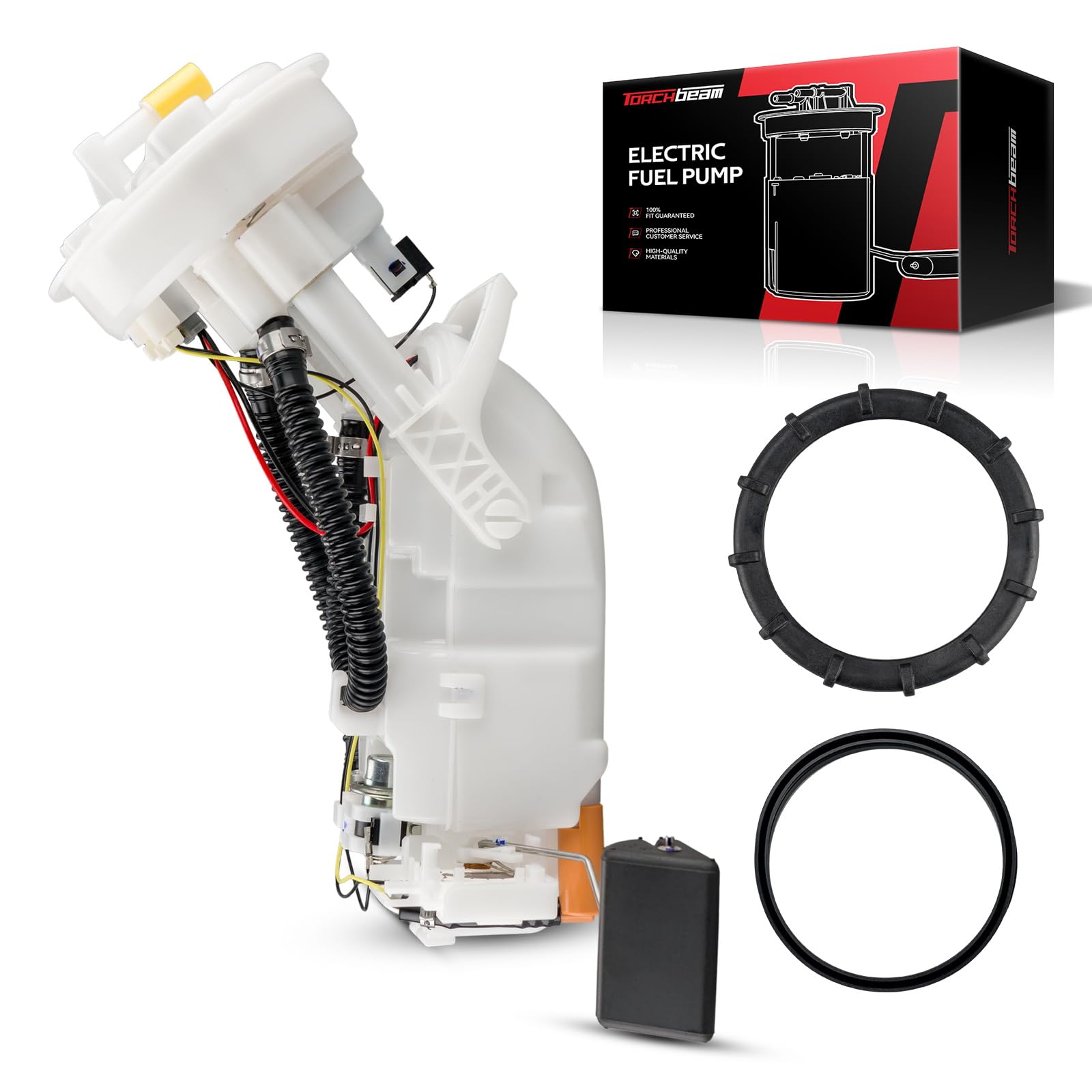
The Torchbeam FG1394 uses injection-molded plastic reinforcement and a carbon commutator reversing valve inside the pump motor, which directly addresses the brush wear and pressure drop issues that plague older pump designs. The module includes a strainer, seal ring, and pressure sensor, and the turbo-style pump core delivers faster fuel atomization during cold starts. Owner reports consistently describe a noticeable improvement in throttle response and idle smoothness after installation on 2002 Civic models.
Multiple verified purchasers on 2003 and 2004 Civic platforms confirmed the drop-in fitment and noted that the included rubber gasket must be positioned carefully around the tank opening to prevent leaks. One owner logged over two years of service without any degradation in fuel pressure or gauge accuracy. The assembly is priced well below dealer-level options while using materials that match or exceed the original pump’s specifications.
The only recurring comment involves the electrical connector fit — some users report a tight connection that requires firm pressure to seat fully. This appears to be a manufacturing tolerance variation rather than a design flaw, and once connected, no intermittent power loss has been documented. For the combination of modernized internals, included components, and proven Civic fitment, this pump represents the most balanced option available.
What works
- Carbon commutator improves electrical longevity
- Drop-in fitment with all necessary gaskets included
- Strong fuel pressure output at startup
- Reinforced plastic resists warping
What doesn’t
- Connector can be tight on some models
- Slightly more audible than the silent OEM unit
2. Spectra Premium SP8011M Fuel Pump Assembly

The Spectra Premium SP8011M is built to meet original equipment fit, form, and function requirements, with improved OE-style connectors that reduce electrical resistance and dissipate heat more effectively than the factory part. Every unit is tested for voltage, amperage, resistance, pressure, and volume before leaving the facility, which explains the consistently high satisfaction rate among long-term owners. The metal body construction provides structural rigidity that plastic housings cannot match in high-mileage applications.
Verified buyers on 2004 Civic Coupe and 1.7L models report installation times under 45 minutes and note that the fuel gauge operates correctly when the float arm is properly oriented during assembly. Multiple users emphasized saving the original retainer ring and fuel line clip, as the included ring may not fit the coupe tank and the kit does not include a replacement clip. The pump solved the common fuel odor issue in seventh-generation Civics by replacing the degraded factory seal surface.
One negative report documented a pump failure after three months of occasional use, which is unusual for this brand and may indicate a manufacturing defect rather than a systemic issue. The limited lifetime warranty backs the product for the original purchaser, and the company’s reputation for honoring claims is well established in the aftermarket community. For owners who plan to keep their Civic on the road for several more years, the Spectra Premium is the safest investment against premature failure.
What works
- Rigorous pre-shipment testing on each unit
- Limited lifetime warranty coverage
- Metal housing for long-term durability
- Solves the common fuel odor problem
What doesn’t
- Retainer ring may not fit some tank variants
- No fuel line clip included in the box
3. Detroit Axle Fuel Pump Module Assembly FP76528M
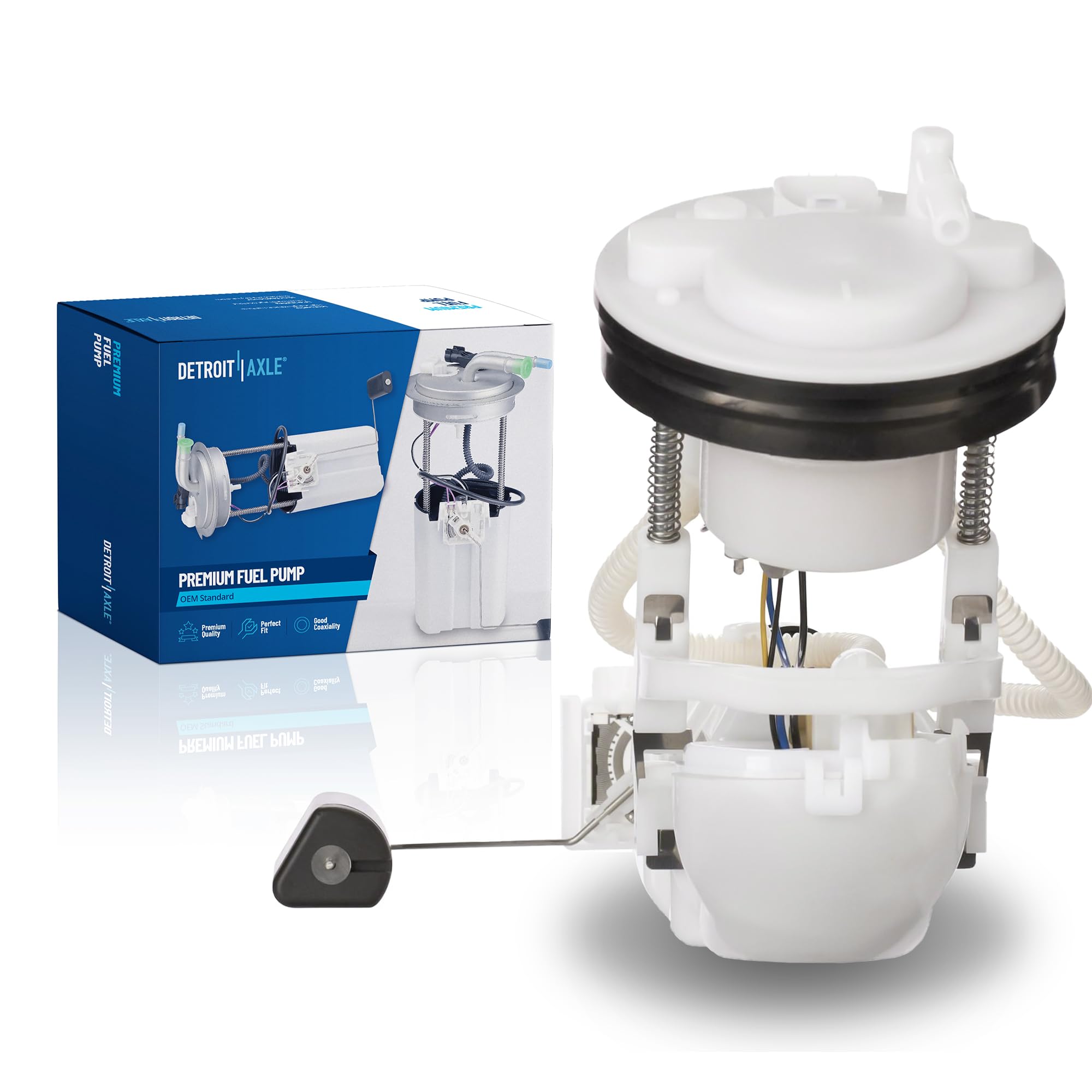
Detroit Axle brings a decade-long warranty to the table, which tells you the company has confidence in the internal components and assembly quality of this module. The pump is designed for 2001-2005 Civic gasoline and full hybrid models, excluding California emissions systems, and includes the sending unit and strainer as part of the complete assembly. Impact, wear, and fatigue testing are performed during production to catch defects before the part reaches the consumer.
The 30-pound shipping weight reflects the robust packaging and the metal-reinforced construction of the module itself. Installation follows the standard in-tank procedure, and the wiring harness uses OE-style connectors that match the Civic’s factory plug without requiring adapter pins. Owners on non-California 2002 Civic LX models report that the fuel gauge calibration aligns correctly after the first full tank cycle.
The main trade-off is the limited vehicle-specific data available for this particular SKU, since the part number is relatively new to the market. While Detroit Axle has a strong track record with chassis and drivetrain components, the long-term reliability data on this specific pump assembly is still accumulating. The warranty mitigates much of that risk, making it a strong choice for buyers who want maximum protection on their investment.
What works
- Exceptional 10-year warranty coverage
- Rigorous impact and fatigue testing
- OE-style connector for plug-and-play install
- Complete assembly with sending unit
What doesn’t
- Limited long-term owner data available
- Excludes California emissions models
4. A-Premium Fuel Pump Module Assembly FP0032C

The A-Premium FP0032C arrives as a complete drop-in package that includes the fuel pump, tank seal, seal ring, fuel sending unit, and strainer — everything needed for a one-box replacement. The module fits 2002-2005 Civic L4 engines in 1.3L, 1.7L, and 2.0L configurations, with the explicit exclusion of California emissions 1.3L models. This comprehensive parts list eliminates the frustration of discovering a missing gasket midway through the job.
The sending unit uses a gold-palladium alloy contact system and a precision ceramic resistive element, both of which resist the ethanol corrosion and wear that cause erratic fuel gauge behavior in older Civic fuel pump assemblies. The hose barb inlet connection and NPT-style fittings match the factory fuel line configuration, and the rubber isolation material at the mounting points reduces vibration noise transmitted into the cabin. Owners report that the fuel gauge stabilizes after one or two tank refills as the float mechanism breaks in.
The one-year unlimited-mileage warranty provides adequate coverage for the typical ownership period, though it falls short of the lifetime protection offered by some competitors. The warranty also excludes labor and related expenses, which is standard but worth noting if you are paying a shop for installation. For a buyer who wants a single shipment with every part included and quality internals that prevent gauge drift, this assembly is a well-rounded choice.
What works
- Complete assembly with all gaskets and sending unit
- Gold-palladium contacts resist ethanol corrosion
- Precision ceramic resistive element for gauge accuracy
- Rubber isolation reduces cabin noise
What doesn’t
- One-year warranty is shorter than some rivals
- Excludes California 1.3L models
5. KELOKE Electric Fuel Pump Module Assembly E8566M
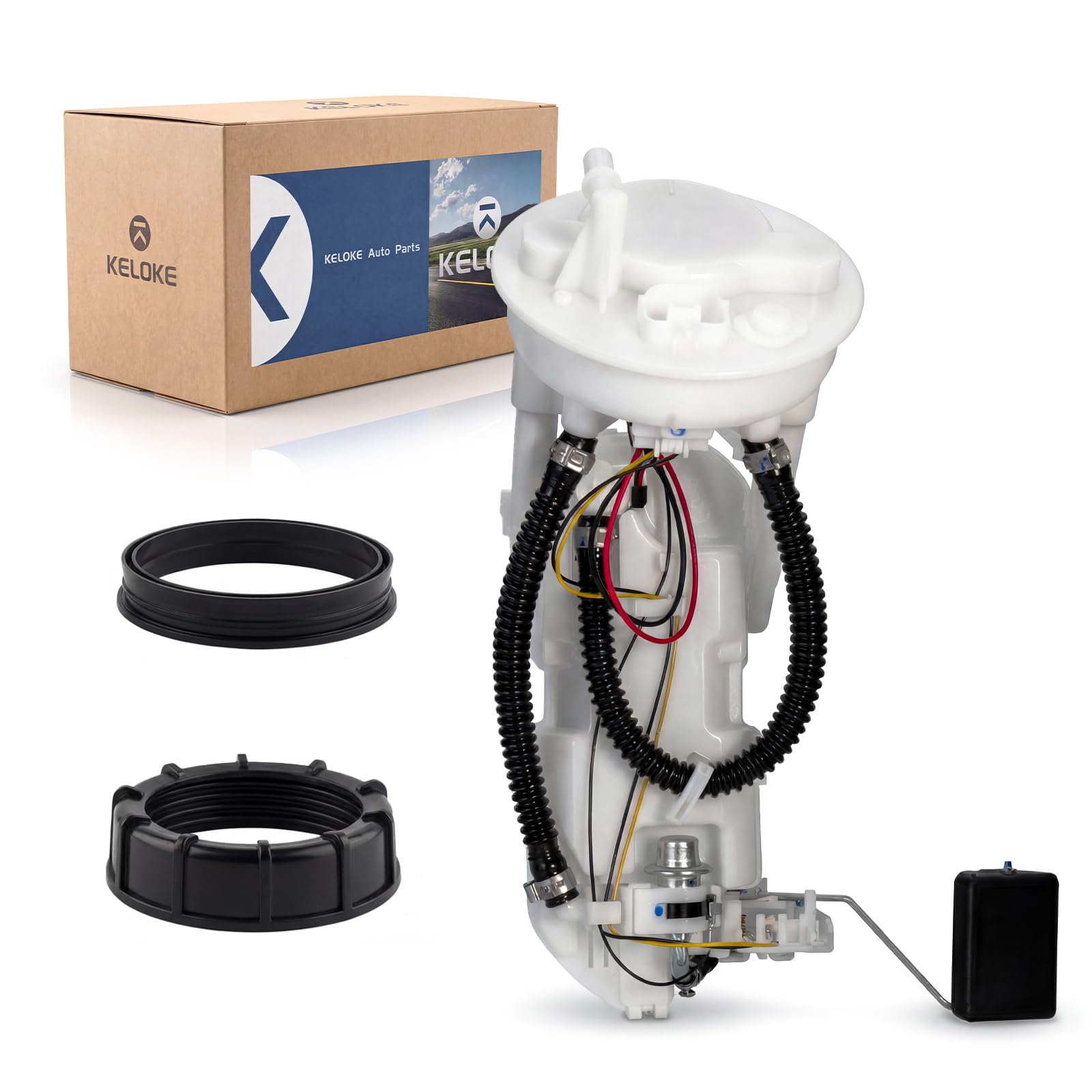
The KELOKE E8566M is engineered as a direct OE replacement with a high-sensitivity float sensor that delivers real-time fuel level readings without the lag or inaccuracy that often plagues aftermarket sending units. The module replaces part numbers E8566M, 17045-S5A-A00, 17045-S5A-A31, FG1394, SP8011M, and several others, covering the full range of 2002-2005 Civic gasoline and hybrid powertrains. The precision machining of the pickup tube and strainer assembly ensures consistent fuel flow even when the tank is running low.
The pump motor is designed for quiet operation, with dampened internal components that minimize the humming noise transmitted through the fuel lines. Verified fitment data shows compatibility with 1.3L, 1.7L, and 2.0L engines, though California 1.3L models are excluded from the application list. The included OE-style plug and wiring harness allow for a straightforward installation that experienced DIY owners can complete in under an hour with basic hand tools.
The one-year manufacturer warranty covers unlimited mileage, and the company states a 24-hour response window for support inquiries. The main drawback is the limited number of verified owner reports, as this SKU has been on the market for a shorter period than some established competitors. The build quality indicators — precision sensor contacts, dampened motor design, and matched OE connector — suggest a reliable service life for daily-driven Civics.
What works
- High-sensitivity float sensor for accurate gauge readings
- Quiet motor operation with dampened internals
- Broad compatibility across multiple engine variants
- OE-style plug for quick installation
What doesn’t
- Limited long-term owner feedback available
- California 1.3L models not supported
6. PHILTOP Electric Fuel Pump Assembly E8566M
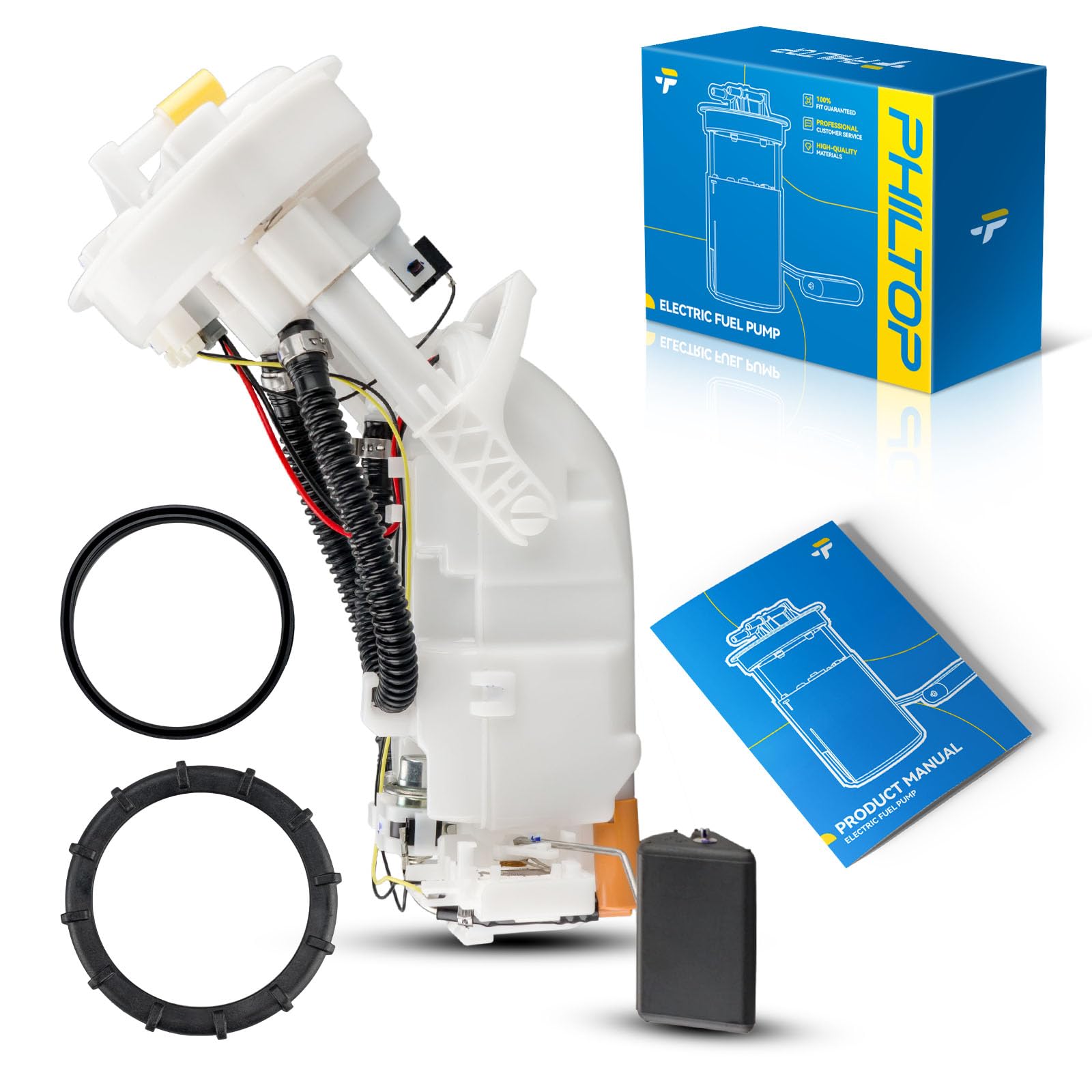
The PHILTOP E8566M uses a carbon commutator inside the pump motor to deliver a 20 percent improvement in fuel delivery efficiency compared to traditional copper-based designs. The contacts in the sending unit are made from a gold-palladium alloy with a melting point of 1450°C, which provides stable conductivity and corrosion resistance through 1 million contact cycles without significant wear. These material choices target the two most common failure modes in Civic fuel pumps: motor brush degradation and sending unit corrosion.
The assembly is compatible with a wide range of 2001-2005 Civic trims, including DX, EX, HX, LX, Si, Hybrid, and Value Package models, with the included seal ring and instruction sheet covering the installation process. Owners who installed this pump on 2002 Civic Si and LX models report that the fuel gauge reading stabilized after the first full tank and remained consistent through subsequent fill-ups. The iron body construction provides a solid mounting base that reduces flex and vibration during pump operation.
The two-year manufacturer warranty covers non-human factors, which provides additional protection beyond the standard one-year policies offered by many aftermarket brands. The limited number of reviews means the long-term reliability picture is still forming, but the metallurgical upgrades in the commutator and sensor contacts are measurable improvements over the raw materials used in budget-grade pumps. For owners who prioritize internal component quality over brand familiarity, the PHILTOP delivers meaningful engineering upgrades.
What works
- Carbon commutator improves motor efficiency by 20%
- Gold-palladium contacts rated for 1M cycles
- Two-year manufacturer warranty
- Broad trim compatibility
What doesn’t
- Low review count limits reliability data
- Iron body adds weight to the assembly
7. KAX Electric Fuel Pump Module Assembly FG1394
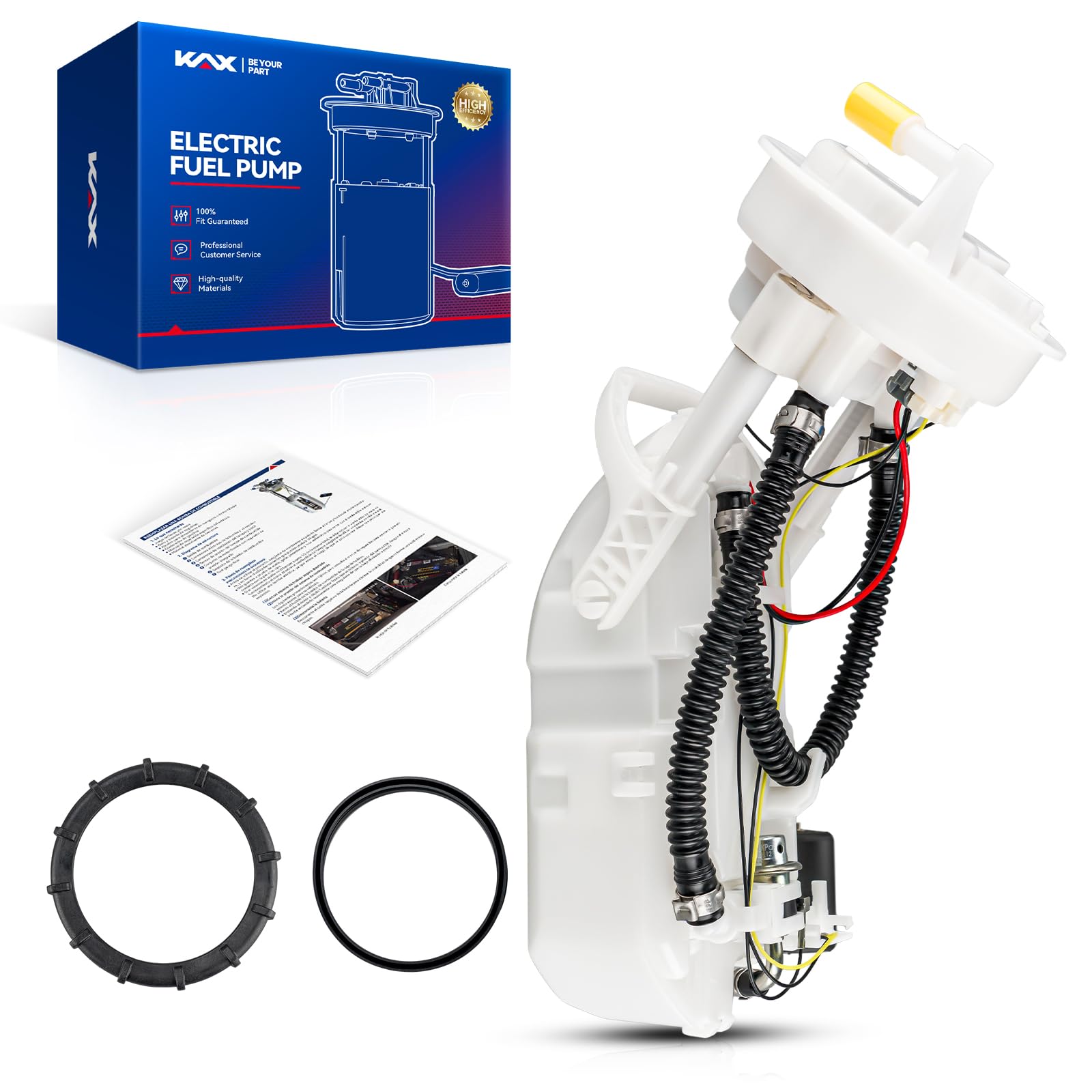
The KAX FG1394 distinguishes itself through material selection: the plastic housing is made from imported high-performance POM raw material, the sensor contacts use a gold-palladium alloy, and the resistive element in the sending unit is precision ceramic rather than the standard wound-wire design. The pump core commutator is carbon-based for superior electrical performance, and the pressure regulating valve uses an imported diaphragm with a fully ground steel ball for consistent pressure retention. Every material choice targets a specific durability weakness found in lower-tier assemblies.
The module is compatible with 2001-2005 Honda Civic DX, EX, HX, LX, Si, Hybrid, and Value Package trims, as well as the Acura EL. The ethanol-tolerant design allows the pump to handle modern fuel blends without degrading the internal seals or strainer material. Owners who have installed this unit on 2002 Civic LX models with federal emissions systems report that the fuel gauge operates accurately from the first tank and that the pump maintains quiet operation even during sustained highway cruising.
The two-year manufacturer warranty matches the PHILTOP coverage and exceeds the industry standard for this price tier. The main limitation is the same as other newer SKUs on this list — the total number of verified long-term owner reports is still relatively small. However, the material specifications are clearly documented, and the use of a ceramic resistive element and carbon commutator represents a genuine engineering investment rather than cosmetic marketing.
What works
- Precision ceramic resistive element prevents gauge drift
- POM plastic resists fuel degradation
- Ethanol-tolerant seal materials
- Two-year warranty coverage
What doesn’t
- Limited owner verification history
- Plastic housing less rigid than metal alternatives
8. BDFHYK Fuel Pump Assembly E8566M
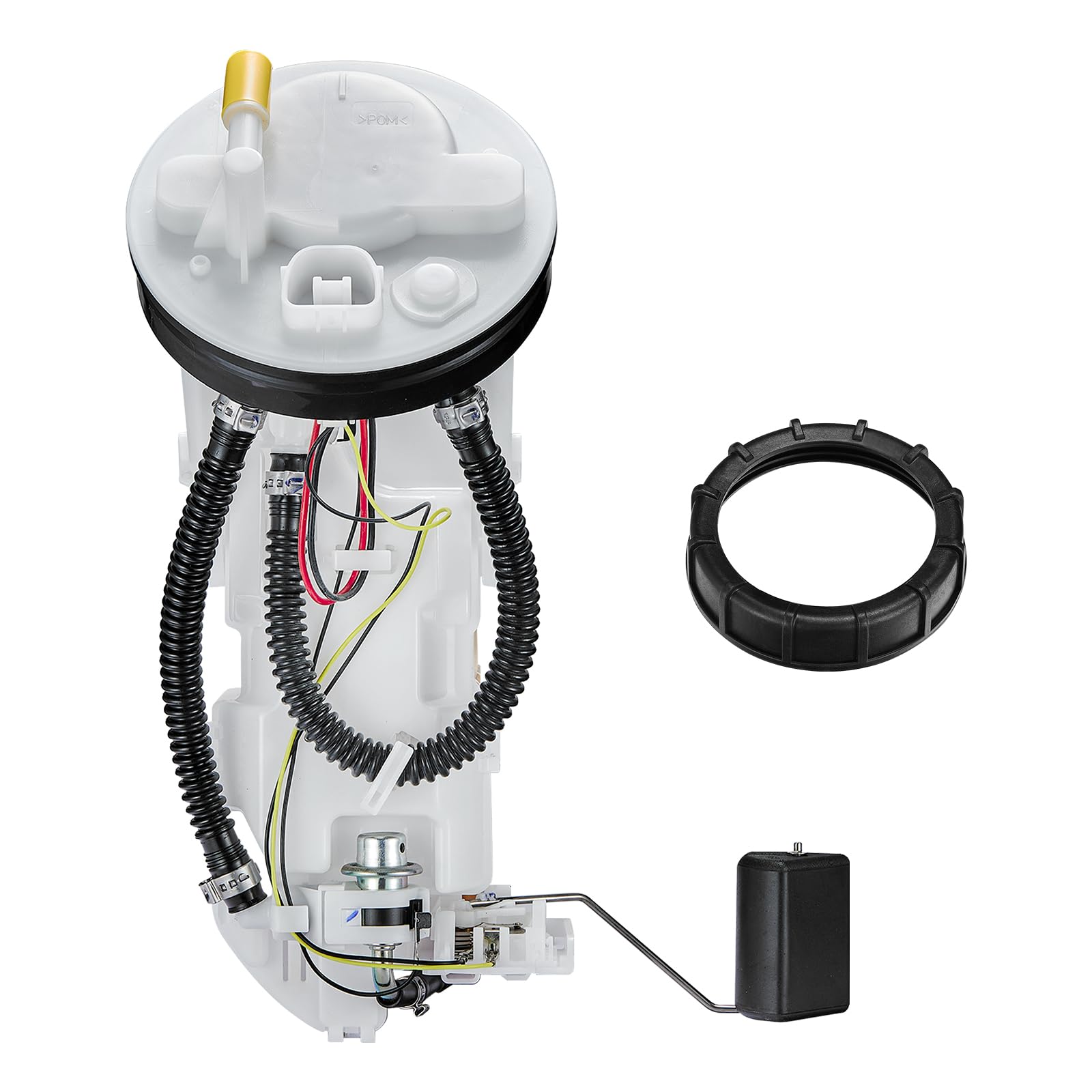
The BDFHYK E8566M uses a combination of metal and POM plastic construction to balance structural strength with corrosion resistance. The built-in filter element blocks impurities and moisture before they reach the fuel injectors, which is especially important for 2002 Civics that may have accumulated sediment in the tank after two decades of service. The pump is designed to work with the factory fuel pressure regulator to maintain stable pressure during idle, acceleration, and load conditions.
The assembly replaces part numbers SP8011M, FG1394, P76528M, and E8566M, covering 2001-2005 Civic L4 engines in 1.3L, 1.7L, and 2.0L configurations. The one-year unlimited-mileage warranty covers the part itself, and the manufacturer advises verifying vehicle compatibility using the provided fitment chart before ordering. The NPT connector type and threaded inlet connection match the factory fuel line fittings, reducing the risk of leaks at the connection points.
The limited number of verified reviews makes it difficult to assess long-term reliability trends, but the construction quality indicators — POM plastic, metal reinforcement, OE-standard replacement numbers — suggest a pump that should deliver reliable service in a daily-driven Civic. The price point sits in the upper-mid range, and the value proposition depends on whether the dual-material housing and built-in filter justify the premium over simpler designs.
What works
- Dual-material construction for strength and corrosion resistance
- Built-in filter protects injectors from tank debris
- OE-standard connector and inlet fittings
- One-year unlimited-mileage warranty
What doesn’t
- Low review count limits reliability assessment
- Price premium over simpler pump designs
9. GPP Fuel Pump Module Assembly SP8011M

The GPP SP8011M uses an aluminum body construction that provides better heat dissipation than plastic housings, which helps maintain consistent fuel temperature and pressure during extended operation. The electric pump module is tank-mounted and uses a threaded inlet connection with a NPT-style fitting that matches the factory fuel line interface. The assembly is designed for 2001-2005 Honda Civic L4 engines in 1.3L, 1.7L, and 2.0L configurations, with a 0.25-inch inlet connection size.
Verified owner reports on 2002 Civic DX and LX models describe installation times under 10 minutes when following the correct procedure, with one user noting that the pump eliminated a persistent fuel odor, improved idle quality, restored throttle response, and increased fuel economy by approximately 3 MPG. Another owner reported two years of continuous service without any functionality issues. The aluminum construction provides a reassuring heft compared to all-plastic assemblies, and the threaded inlet reduces the chance of hose slip-off.
One detailed review noted that the float gauge was inaccurate during the first tank cycle but self-corrected on subsequent refills, which is a known break-in behavior for sending unit mechanisms. Another owner experienced a pump failure while driving, though this appears to be an isolated incident rather than a pattern. The GPP sits at a competitive price point that undercuts most premium options while delivering an aluminum housing and verified Civic compatibility, making it a solid budget-conscious choice for owners who want metal construction without the premium price.
What works
- Aluminum body for better heat management
- Quick installation reported by multiple owners
- Improved fuel economy and throttle response
- Competitive price for metal-construction pump
What doesn’t
- Float gauge may need a break-in tank cycle
- Isolated reports of premature failure
10. ECCPP Electric Fuel Pump Module Assembly E8566M
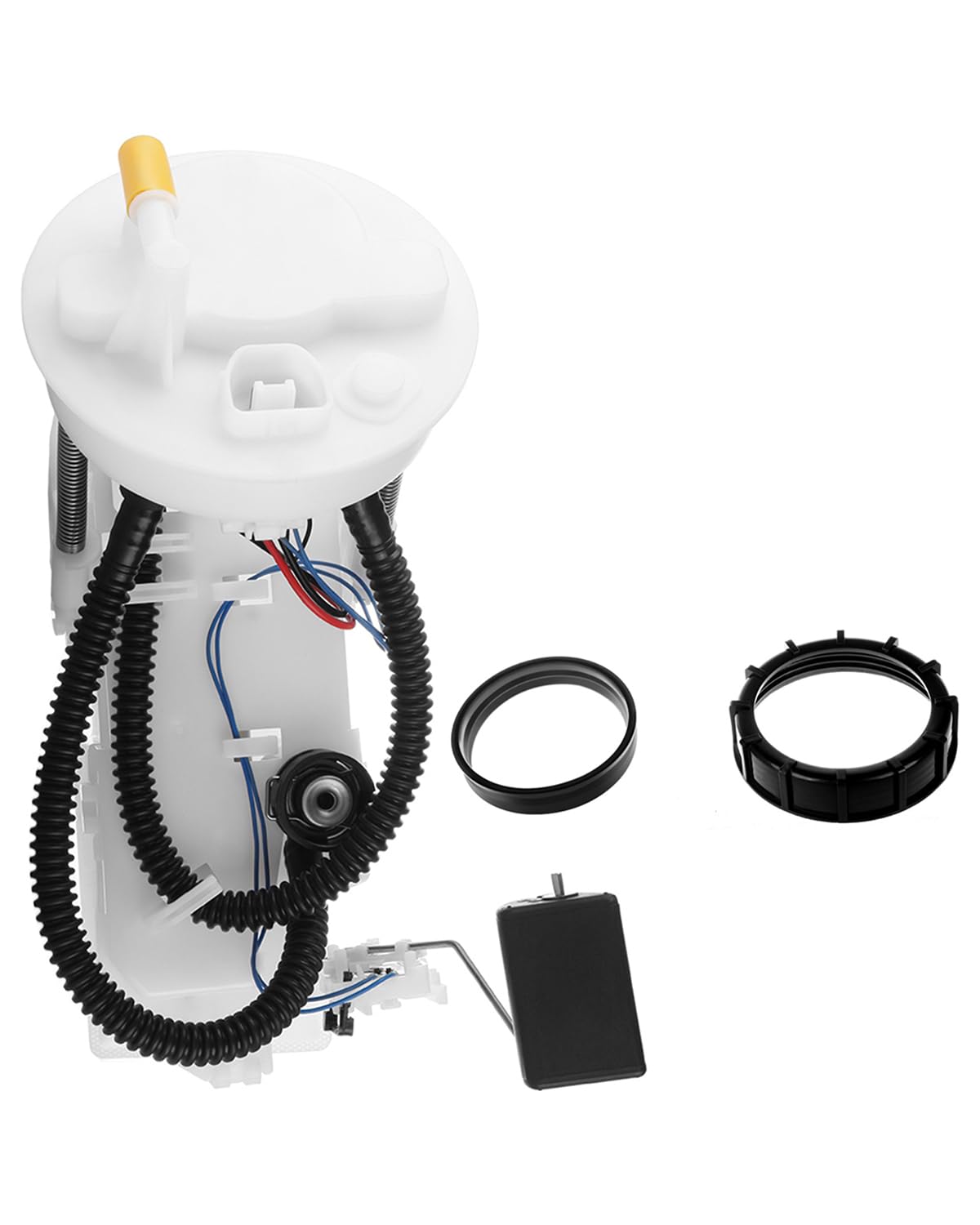
The ECCPP E8566M uses a cast iron body that offers exceptional structural rigidity and vibration damping compared to plastic or aluminum alternatives. The module is positioned at the rear of the vehicle and uses a NPT-style connector for a secure fuel line attachment. The assembly replaces the factory pump in 2002-2005 Civic L4 2.0L models, though the application list primarily covers Chevrolet Aveo and Pontiac Wave, so Civic buyers should verify compatibility using the specific part number cross-reference.
The included components consist of the fuel pump module with an integrated sending unit, and the manufacturer notes that the original black pressure sensor on top of the factory assembly must be saved and reused — it does not come with the new module. This is an important detail that affects the installation process and may catch DIY owners off guard if they discard the old assembly without removing the sensor first. The cast iron construction provides a robust foundation for the pump motor, reducing the transmission of mechanical noise into the fuel lines.
The limited Civic-specific owner data makes it difficult to fully validate the fitment and performance claims for this application. The gas type is listed as diesel in the technical specifications, which appears to be a data entry error rather than an actual compatibility issue, but it underscores the importance of confirming fitment before purchasing. For 2002 Civic owners on a tight budget who are comfortable verifying compatibility and reusing the pressure sensor, the ECCPP offers an entry-level price point with a heavy-duty cast iron shell.
What works
- Cast iron body provides maximum vibration damping
- NPT connector for secure fuel line fit
- Integrated sending unit included
- Entry-level price point
What doesn’t
- Pressure sensor must be reused from original pump
- Limited Civic-specific owner verification
- Inconsistent specifications in product listing
11. DWVO Fuel Pump Compatible with 2001-2005 Civic
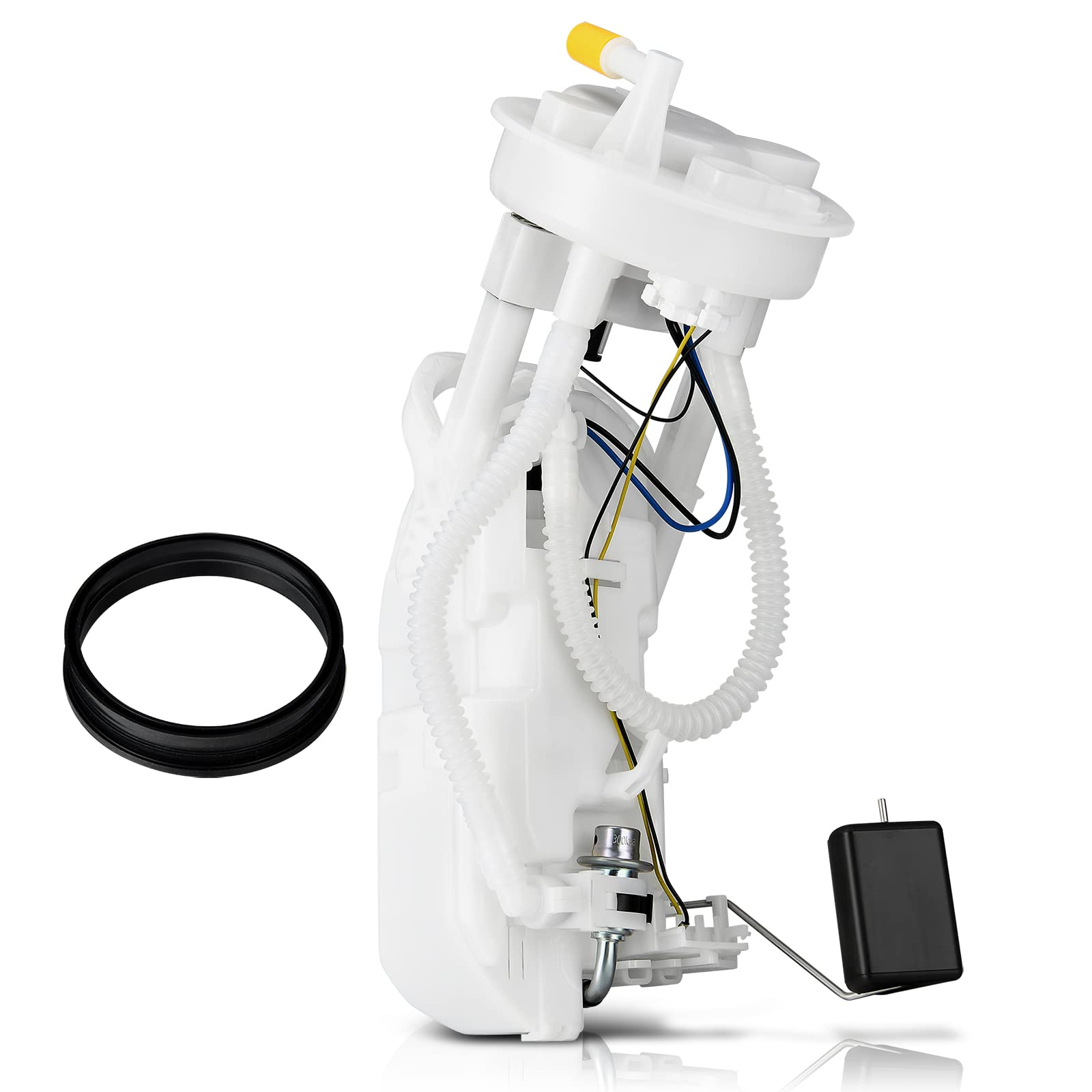
The DWVO fuel pump uses an upgraded fourth-generation turbo pump as its motor core, which is designed to deliver optimal fuel pressure and expedite fuel atomization for faster startup. The plastic housing is manufactured using injection molding technology that strengthens the structural integrity of the assembly and improves the stability of fuel delivery. The pump is calibrated for 2001-2005 Civic L4 engines in 1.3L, 1.7L, and 2.0L configurations, with a hose barb inlet connection and vehicle-specific fitment.
The manufacturer emphasizes rigorous assessment of each unit to ensure quiet operation and long-term durability, and the one-year warranty provides basic coverage against manufacturing defects. The pump is designed with strict standards in fit, form, and function to ensure straightforward integration with the factory fuel system. Professional installation is recommended, which is standard advice for any in-tank fuel pump replacement due to the need for proper sealing and electrical connection.
The absence of verified owner reviews for this specific SKU makes it the least-documented option on this list, which introduces uncertainty about real-world performance and longevity. The plastic construction, while injection-molded for strength, does not match the durability of metal housings in high-heat environments. For owners who need the lowest possible entry price and are willing to accept the risk of unverified performance, the DWVO represents the most affordable path to a running Civic, but the lack of owner feedback is a significant unknown.
What works
- Lowest price point for basic replacement
- Fourth-generation turbo pump motor design
- Injection-molded plastic for structural strength
- One-year manufacturer warranty
What doesn’t
- No verified owner reviews available
- Plastic housing less durable than metal options
- Professional installation recommended
Hardware & Specs Guide
Fuel Pump Module Components
A complete fuel pump module assembly for the 2002 Civic integrates the electric pump motor, fuel strainer, pressure regulator, and fuel level sending unit into a single unit that drops into the tank. The pump motor draws fuel from the bottom of the tank, pressurizes it to approximately 50-60 psi, and sends it through the fuel line to the engine. The sending unit uses a float arm connected to a variable resistor — typically a ceramic or wire-wound element — to relay the fuel level to the gauge cluster. The strainer at the intake prevents particulate matter from entering the pump, and the pressure regulator maintains consistent rail pressure by bleeding excess fuel back into the tank.
Installation Preparation
Replacing the fuel pump in a seventh-generation Civic requires dropping the fuel tank or accessing the pump through an access panel under the rear seat, depending on the model year and trim. Essential steps include relieving fuel system pressure by removing the fuel pump fuse and running the engine until it stalls, disconnecting the battery negative terminal, and cleaning the tank opening surface before seating the new seal ring. The original retainer ring and fuel line clip should be inspected for rust or damage and reused if they are in good condition, as many aftermarket kits do not include these parts or include rings that do not fit properly. Applying a thin layer of clean fuel to the seal ring O-ring during installation helps it seat without binding.
FAQ
What are the most common symptoms of a failing fuel pump in a 2002 Honda Civic?
Can I replace the fuel pump myself or should I hire a mechanic?
How do I know if an aftermarket fuel pump will fit my specific Civic model?
What causes a fuel pump to fail prematurely in a 2002 Civic?
Final Thoughts: The Verdict
For most buyers, the best 2002 honda civic fuel pump winner is the Torchbeam FG1394 because it combines a carbon commutator motor upgrade with drop-in fitment, included gaskets, and strong owner feedback across multiple Civic trims. If you want maximum warranty protection and metal-bodied durability, grab the Detroit Axle FP76528M with its 10-year coverage. And for those on a strict budget who need a functional replacement with verified Civic compatibility, the GPP SP8011M offers an aluminum housing at a price that undercuts most of the competition.

Certification: BSc in Mechanical Engineering
Education: Mechanical engineer
Lives In: 539 W Commerce St, Dallas, TX 75208, USA
Md Amir is an auto mechanic student and writer with over half a decade of experience in the automotive field. He has worked with top automotive brands such as Lexus, Quantum, and also owns two automotive blogs autocarneed.com and taxiwiz.com.