Picking the wrong window film turns a simple upgrade into a constant headache — bubbling edges, poor heat rejection, and a view that never looks right. The market is flooded with rolls that claim ceramic performance at vinyl prices, leaving buyers guessing which specs actually matter and which are just marketing noise.
I’m Amir — the founder and writer behind Four Wheel Ask. I spend my time studying material composition data, analyzing ultraviolet and infrared rejection rates, comparing adhesive durability reports, and sifting through verified owner experiences to separate legitimate film technology from overhyped claims.
This guide focuses on the factors that determine real-world performance: substrate quality, scratch resistance, heat rejection science, and visibility trade-offs. Through rigorous analysis of material science, heat rejection data, and verified owner feedback, this guide helps you find the ideal best car tint roll.
How To Choose The Best Car Tint Roll
Selecting the right roll requires understanding a handful of material and performance specs that directly affect comfort, visibility, and longevity. The sections below break down the key decision points so you can match a film to your driving environment, local regulations, and installation skill level.
Film Material: Ceramic vs. Carbon vs. Dyed Polyester
Ceramic films use nano-ceramic particles to block infrared heat without metal components that interfere with radio or GPS signals. Carbon films rely on a carbon layer for matte finish and good heat rejection at a lower cost. Dyed polyester is the most budget-friendly option but absorbs heat rather than reflecting it, which leads to faster adhesive breakdown and color fading over time.
Visible Light Transmission Percentage
VLT measures how much visible light passes through the film. Lower VLT numbers mean darker tint and more privacy but reduce nighttime visibility and may conflict with state laws. A 20% VLT offers a strong balance of daytime privacy and usable night vision, while 5% is best for rear and cargo windows only.
UV Rejection and Scratch Resistance
Premium films block 99% or more of UVA and UVB radiation, protecting the interior from fading and your skin from exposure. Scratch-resistant hard coatings add to daily durability, especially on side windows that roll up and down against weather stripping. Films without this coating show fine scratches within months.
Quick Comparison
On smaller screens, swipe sideways to see the full table.
| Model | Category | Best For | Key Spec | Amazon |
|---|---|---|---|---|
| YIFUOK Carbon 20% VLT | Carbon | DIY full-vehicle projects | 1.5mil 2-ply, 20x100ft, 9-pc tool kit | Amazon |
| LuxeShade Nano Carbon 5% VLT | Carbon | Maximum privacy and heat control | 24x100ft, 5% VLT, nano-carbon formula | Amazon |
| SOLARCONTROL 2PLY 35% VLT | Vinyl | Wide coverage on large vehicles | 40x100ft, 2-ply, 100% UV rejection | Amazon |
| T-View T2bk2036 20% VLT | PET | Large windows and curved glass | 36x100ft, pliable on curved surfaces | Amazon |
| HIDNY United Black 5% VLT | PET | Deep black shade on budget | 24x100ft, 1-ply dyed PET, 99% UV block | Amazon |
| XhuangTech Nano Ceramic 70% VLT | PET | Windshield or low-tint needs | 30x5ft, 70% VLT, chameleon blue finish | Amazon |
| IAQWE Nano Ceramic 20% VLT | Ceramic | Affordable ceramic heat rejection | 20x20ft, 5-layer, 99% UV block | Amazon |
| ARANA Ceramic 20% VLT | Ceramic | Long-term durability and support | 20x20ft, 99% UV block, 18-mo support | Amazon |
| PAMAGOO Ceramic 20% VLT | Ceramic | Entry-level ceramic upgrade | 20x20ft, 95%+ UV, 88% IR rejection | Amazon |
| Smilfuy PET 35% VLT | PET | Multi-surface home and auto use | 30×19.68ft, 35% VLT, includes tools | Amazon |
| Myuilor Polyester 25% VLT | Polyester | Quick accent or temporary tint | 20x10ft, 25% VLT, 97.5% light block | Amazon |
In‑Depth Reviews
1. YIFUOK 2PLY Premium Carbon 20% VLT 20x100ft
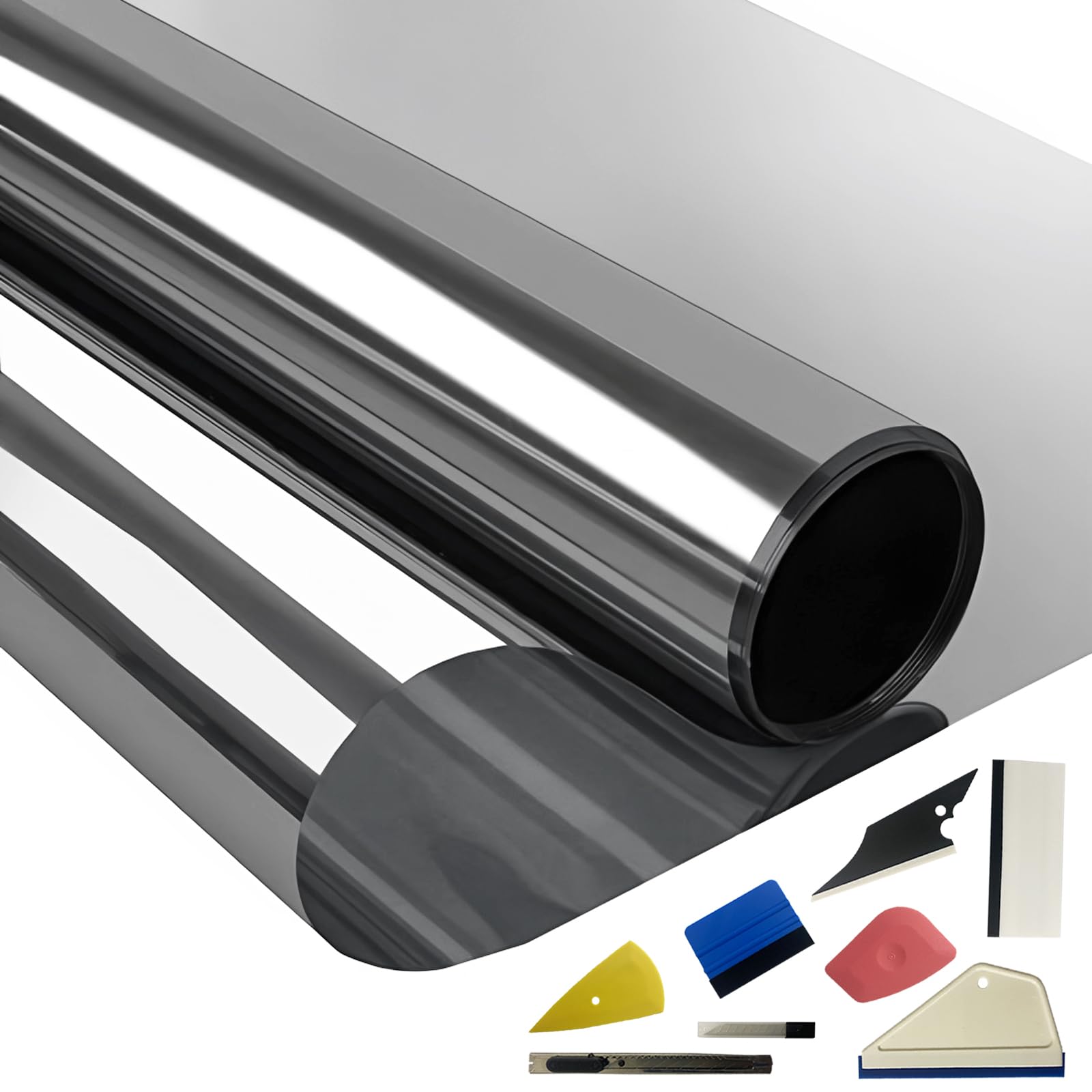
This roll stands out for its 1.5mil 2-ply carbon construction, which provides a denser film structure than single-ply alternatives. The added thickness contributes to better impact resistance and a more uniform appearance after installation. Carbon-based films like this one also resist fading better than dyed polyester because the pigment is embedded in the material rather than layered on top.
The 100-foot length paired with a 9-piece tool kit makes this a strong candidate for covering all side and rear windows on a sedan or SUV in one purchase. The 20% VLT strikes a practical balance between daytime privacy and usable visibility at night, though it remains on the darker side for drivers accustomed to factory glass. The film relies on a static-cling bond rather than adhesive, so careful surface preparation is essential for a bubble-free result.
Owner feedback consistently notes the film’s resistance to bubbling when installed with proper solution technique. The carbon material also helps reduce infrared heat without the metallic look that some drivers find unattractive. For buyers who want a single roll that can handle an entire vehicle with professional-grade results, this is the most complete package available in the mid-range segment.
What works
- 2-ply carbon construction adds durability and impact resistance
- 9-piece tool kit included saves additional purchase costs
- 100-foot length covers full vehicle in one roll
What doesn’t
- Static-cling install requires meticulous prep and solution
- 20% VLT may be too dark for some front-door legal limits
2. LuxeShade Nano Carbon 5% VLT 24x100ft
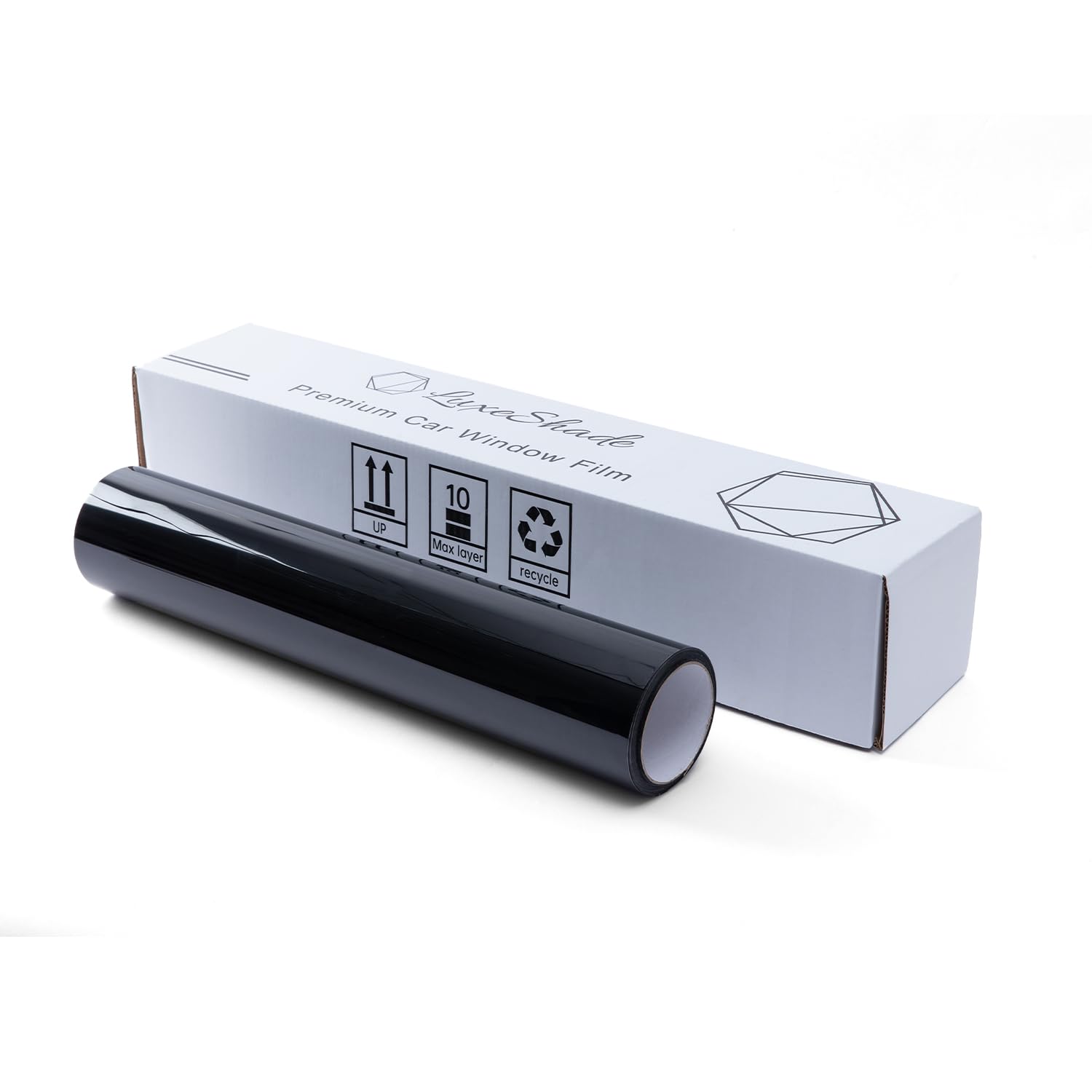
LuxeShade applies a nano-carbon formulation that targets heat rejection without relying on reflective metal particles. This approach keeps the film non-metallic, which avoids interference with GPS, cellular, and radio signals while still reducing solar heat buildup inside the cabin. The 5% VLT rating places this in the darkest legal category for most states, making it suitable for rear passenger and cargo windows where maximum privacy is the priority.
The 24-inch width and 100-foot length provide generous coverage for trucks, SUVs, and vans with large window areas. The peel-and-stick installation method simplifies the process for DIYers, though the dark film requires careful alignment because errors become more visible once applied. The film’s scratch-resistant hard coating adds daily durability against window channels and accidental contact.
Reports from owners highlight the film’s ability to maintain a consistent appearance across multiple windows without color variation. The nano-carbon layer also helps with glare reduction, which is useful in bright sun conditions even at this low VLT. For buyers seeking maximum privacy backed by a solid heat-blocking carbon formula, this roll delivers reliable performance at a reasonable price point.
What works
- Nano-carbon formula blocks heat without metal interference
- Scratch-resistant coating protects against daily wear
- 24-inch width covers large windows efficiently
What doesn’t
- 5% VLT reduces nighttime visibility significantly
- Dark film leaves little room for installation errors
3. SOLARCONTROL 2PLY Ceramic Carbon Pro 40x100ft
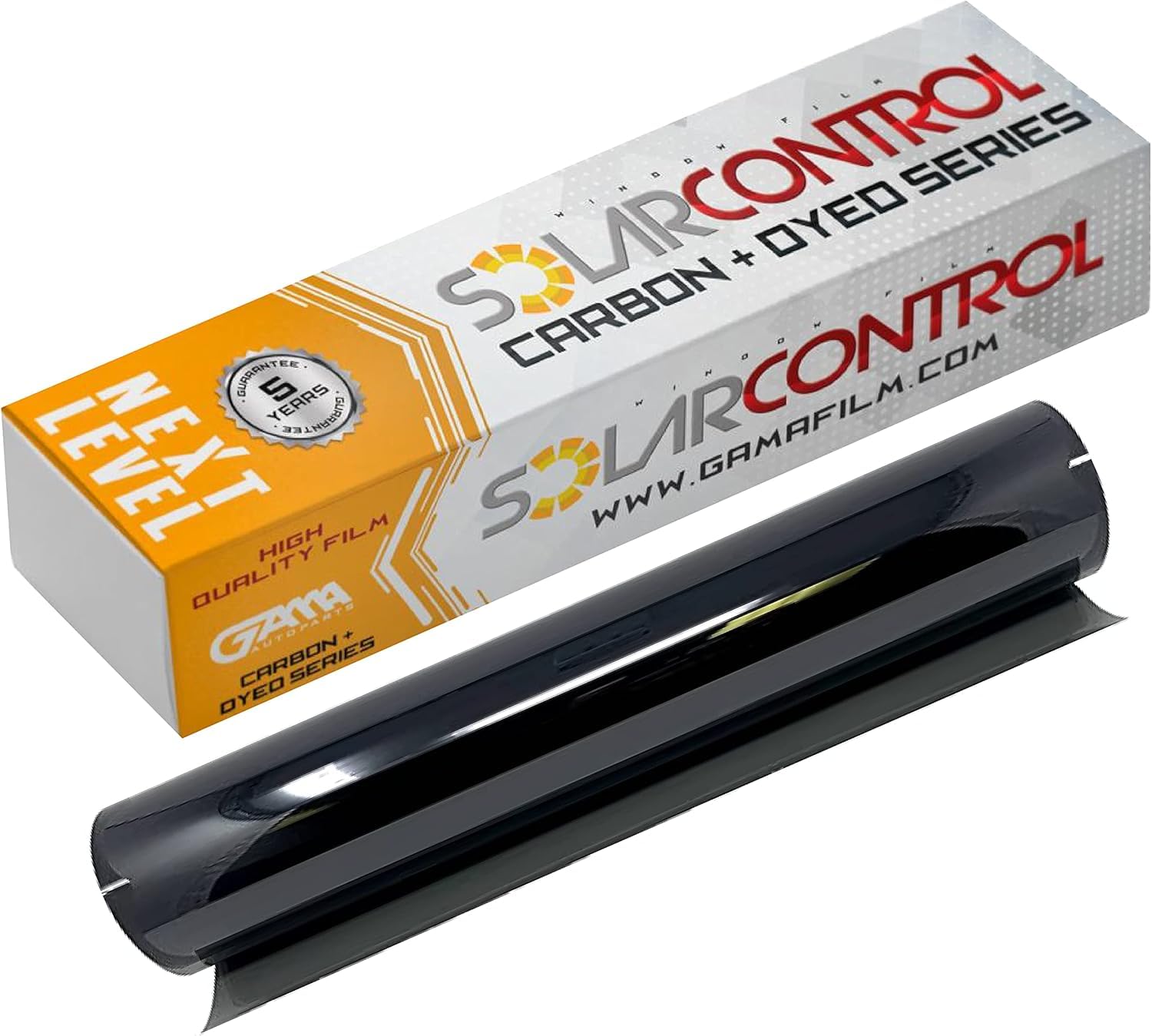
SOLARCONTROL brings a 40-inch-wide roll that drastically reduces the number of seams needed on larger vehicle windows. The 2-ply construction uses a 1.5mil black layer that provides consistent opacity and helps minimize light bleed at the edges. This film uses a heat-shrink installation method, which allows it to conform tightly to curved rear windows and complex glass shapes without lifting.
The 100% UV rejection claim positions this roll among the top performers for interior protection, and the 35% VLT option offers a moderate tint level that is legal in most jurisdictions for front side windows. The vinyl material provides good optical clarity with no foggy distortion, which is a common complaint with lower-cost films. The heat-shrink capability requires a heat source during installation, adding a step but improving final fit.
Buyers who have used this film on trucks and vans note that the extra width saves time and reduces waste compared to standard 20-inch rolls. The film also resists peeling along curved edges when proper shrinking technique is used. For those who prioritize wide coverage and professional-grade heat-shrink capability, this is one of the most versatile options in the premium category.
What works
- 40-inch width minimizes seams on large windows
- Heat-shrink capability for curved glass fitment
- 100% UV rejection protects interior and occupants
What doesn’t
- Heat-shrink install requires additional tools and skill
- Vinyl material may not have the same lifespan as ceramic
4. T-View T2bk2036 20% VLT 36x100ft

This roll from T-View offers a 36-inch width that bridges the gap between standard 20-inch consumer rolls and the wider professional-grade 40-inch options. The PET material is designed to resist bubbling and peeling over time, addressing two of the most common failure points in budget films. The 20% VLT provides a moderate dark tint that works well on rear windows and side glass without making nighttime driving overly difficult.
Owners who have used this film on vehicles with pronounced rear window curves report that the material stays pliable during installation and shrinks evenly with heat. The factory-original packaging and retail-grade quality control help ensure consistency across the entire roll. The film uses a peel-and-stick method but benefits from a wet application to allow positioning adjustments before final bonding.
Long-term user feedback suggests the film maintains its appearance well when installed on interior surfaces that do not experience frequent direct sunlight exposure. The PET substrate provides a good balance of flexibility and rigidity during handling. For buyers who need wider coverage than standard rolls but want to avoid the premium price of 40-inch options, this is a solid middle-ground choice.
What works
- 36-inch width reduces seams for larger windows
- Pliable material conforms well to curved glass
- Resists bubbling and peeling with proper install
What doesn’t
- PET material absorbs rather than reflects heat
- No scratch-resistant coating mentioned in specs
5. HIDNY United Universal Black 1Ply 5% VLT 24x100ft
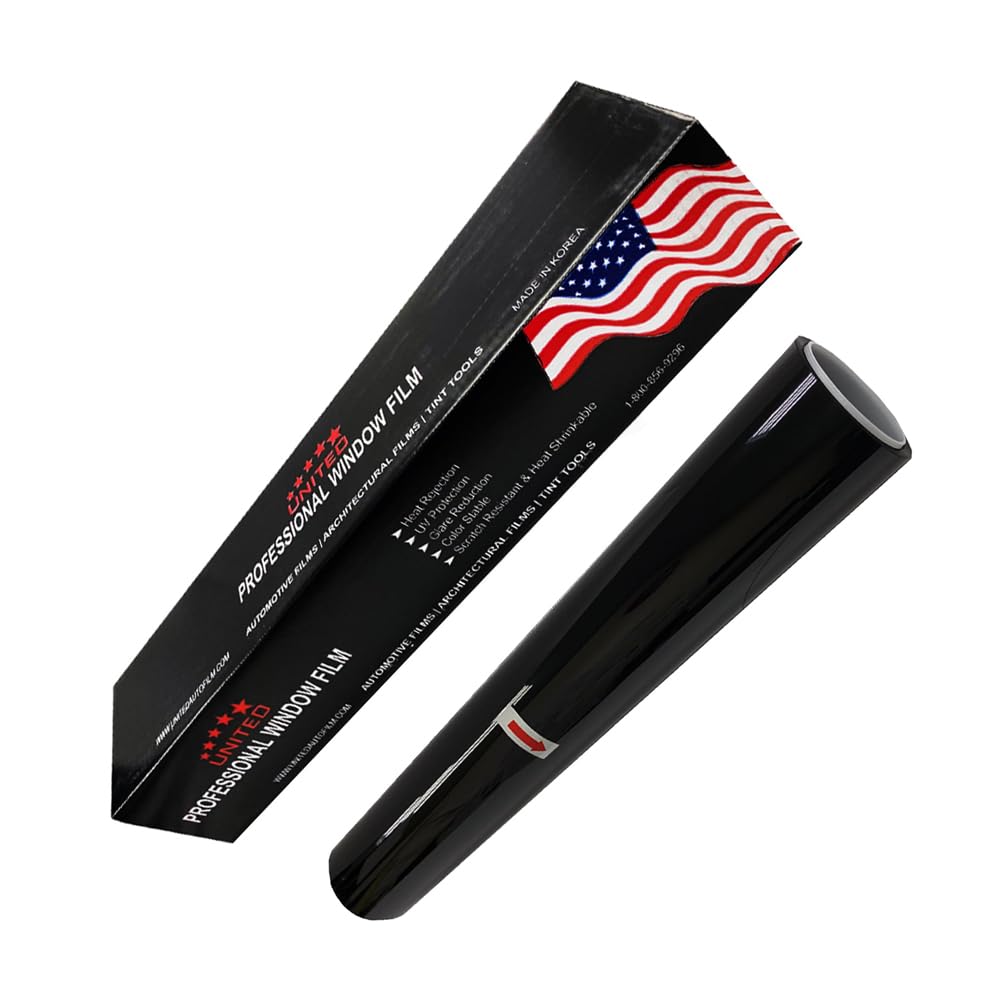
HIDNY’s United Black film uses a dyed 1-ply PET construction with a 5% VLT rating that delivers one of the darkest available shades. The low reflectivity and deep matte finish make it a strong choice for drivers who want a blackout look on rear windows without the glossy appearance that some films produce. The 99% UV rejection helps protect interior surfaces despite the single-ply construction.
The 24-inch width and 100-foot length provide generous material for multiple vehicles or one large installation. The film supports both wet and dry installation methods, with heat-shrink capability for curved glass. The dye-based color layer means the film may show subtle color shifts over years of direct sun exposure compared to carbon or ceramic alternatives, but at this price point the trade-off is reasonable.
User reports indicate that the film installs smoothly with a standard wet-application approach and adheres well once fully cured. The 5% VLT is best reserved for rear and cargo windows where visibility is less critical. For budget-conscious buyers who need maximum darkness and UV protection from a single roll, this film delivers the required performance without overpaying.
What works
- 5% VLT offers extreme privacy and dark appearance
- 99% UV rejection at an approachable price
- Wet-dry heat shrink flexibility for curved glass
What doesn’t
- 1-ply construction less durable than 2-ply options
- Dyed film may fade faster than carbon or ceramic
6. XhuangTech Nano Ceramic 70% VLT 30x5ft

This film from XhuangTech uses a chameleon blue finish that shifts color depending on the viewing angle, adding a distinctive aesthetic that standard black films cannot match. The 70% VLT rating makes it legal for front windshields in most states and provides minimal dimming, making it suitable for drivers who want UV and heat protection without changing how they see the road. The nano-ceramic material blocks 99% of UV rays while maintaining high optical clarity.
The 30-inch by 5-foot format limits this roll to smaller applications such as a single windshield or two side windows. The peel-and-stick installation is straightforward, and the one-way privacy effect works well during daytime conditions. The film’s blue tint adds a sporty accent to vehicles with lighter interiors or exterior paint schemes that complement the color shift.
Buyers who have applied this film to windshields report that it cuts noticeable glare without distorting vision or creating halos around headlights at night. The 70% VLT ensures that the driver’s view remains largely unaffected while still providing meaningful heat reduction. For those seeking a low-profile heat and UV solution with a unique visual twist, this roll offers a niche but effective option.
What works
- 70% VLT compliant for windshield use in most areas
- Chameleon blue finish adds distinctive styling
- 99% UV rejection with clear optical view
What doesn’t
- Short 5-foot roll limits application scope
- Blue tint may not suit all vehicle color schemes
7. IAQWE Nano Ceramic 20% VLT 20x20ft
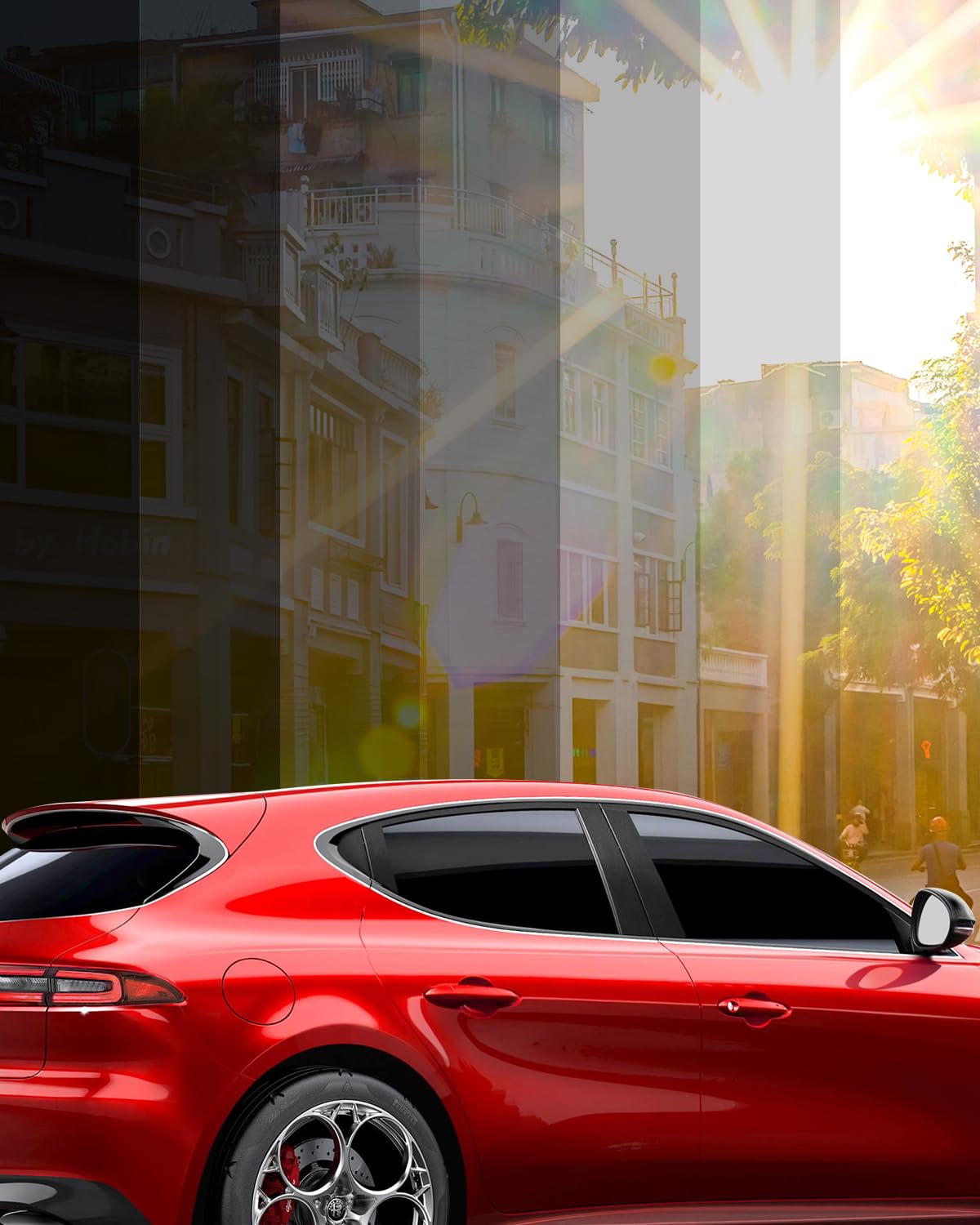
IAQWE constructs this film with a 5-layer safety design that includes shatterproof properties, meaning the film helps hold glass together on impact. This adds a layer of occupant protection that standard tint films do not offer. The nano-ceramic material blocks 99% of UV rays and provides infrared heat rejection that outperforms dyed or standard carbon films at a similar price point.
The 20-inch by 20-foot size provides enough material for a typical sedan’s side and rear windows, and the heat-shrink capability allows it to conform to curved glass surfaces without lifting. The 20% VLT offers a well-rounded balance of privacy and visibility that works in most driving conditions. The scratch-resistant coating helps maintain optical clarity through repeated window operation and cleaning.
Owner feedback frequently mentions the film’s professional-grade appearance after installation, with minimal orange-peel texture or distortion. The bubble-free adhesive design reduces the risk of air pockets during application, a common frustration with lower-tier films. For buyers who want ceramic-grade heat rejection and added safety features without moving to the premium price tier, this roll delivers a compelling value package.
What works
- 5-layer construction adds shatterproof safety
- Ceramic heat rejection at a mid-range price
- Bubble-free adhesive for easier DIY installation
What doesn’t
- 20-foot roll may be tight for larger SUVs
- 20% VLT legality varies by state for front windows
8. ARANA Ceramic 20% VLT 20x20ft
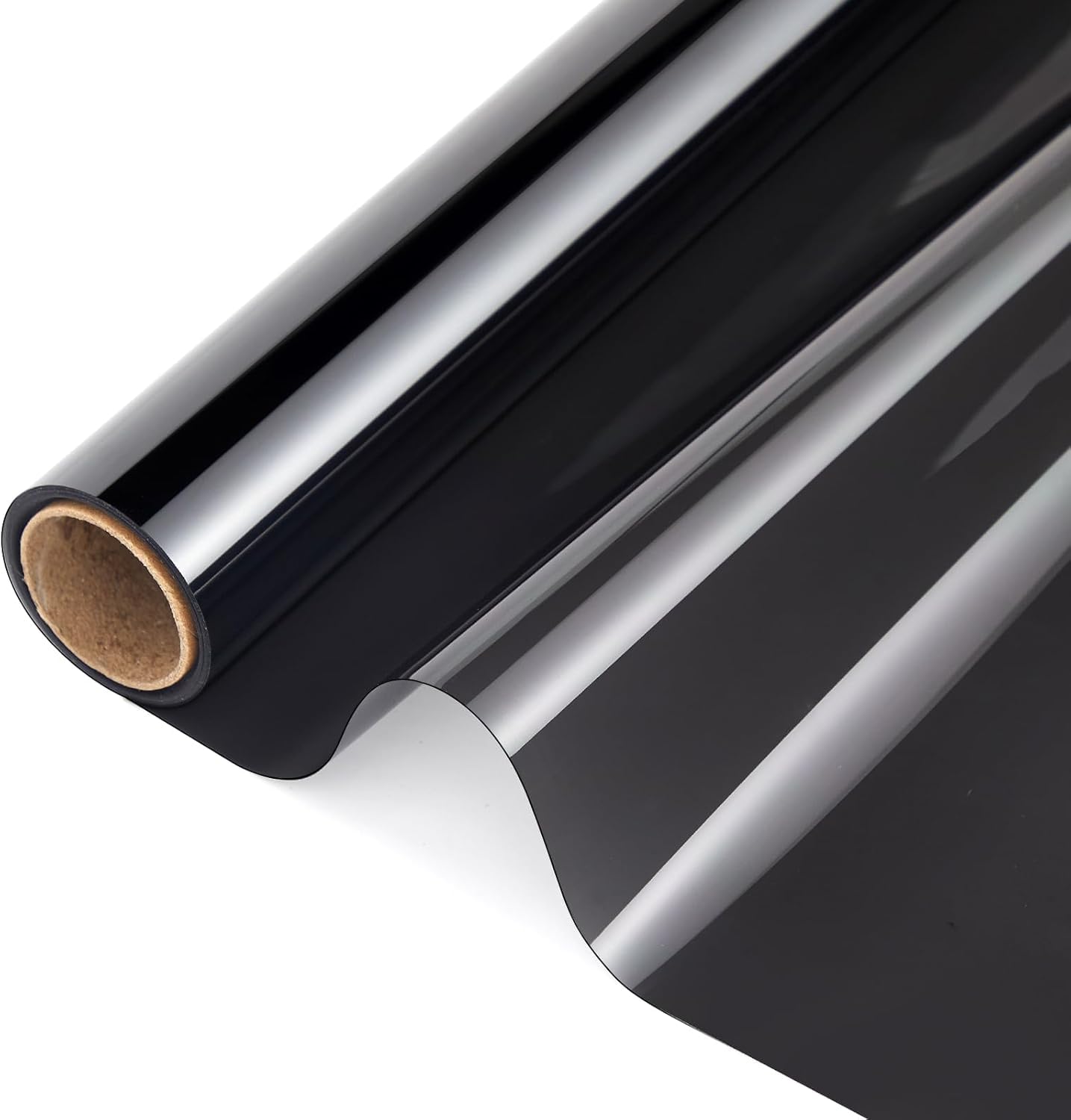
ARANA focuses on a stable adhesive formulation that resists bubbling, peeling, and yellowing over extended use. The nano-ceramic material blocks 99% of UVA and UVB radiation while reducing solar heat buildup, keeping the cabin cooler without overworking the air conditioning. The 20% VLT provides reliable one-way privacy during daylight hours while maintaining clear visibility from inside.
The 20-inch by 20-foot size fits most passenger vehicles, and the flexible film handles well during cutting and application without excessive curling. The scratch-resistant hard coating protects against daily wear from window channels and cleaning tools. ARANA also backs the product with an 18-month after-sales support period, which adds peace of mind for first-time installers.
Users report that the film adheres firmly to glass with no edge lifting after several months of daily driving and car washes. The stable adhesive technology seems to address the premature failure that plagues many budget films. For buyers who want ceramic performance and extended manufacturer support without a premium outlay, this roll represents a smart, low-risk entry point.
What works
- Stable adhesive resists peeling and yellowing
- 18-month after-sales support for peace of mind
- Ceramic heat rejection at an accessible price
What doesn’t
- 20-foot length may limit coverage on larger vehicles
- Scratch resistance good but not top-tier ceramic grade
9. PAMAGOO Ceramic 20% VLT 20x20ft

PAMAGOO uses a nano-ceramic coating technology designed to improve scratch and abrasion resistance compared to standard ceramic films. The 20% VLT blocks at least 95% of UV rays and 88% of infrared rays, providing meaningful heat and skin protection for daily commuters. The adhesive-free installation relies on a peel-and-stick method backed by detailed instructions and a video guide to help first-time users.
The 20-inch by 20-foot size suits compact to mid-size sedans, and the film reduces glare from oncoming traffic at night without washing out detail. The one-way privacy effect works during daytime conditions, allowing clear outward vision while obscuring cabin contents. PAMAGOO offers a 12-month plus one-month reliable support window, which is competitive for this price tier.
Buyers who have installed this film note that the scratch resistance holds up well against regular cleaning and incidental contact with window frames. The IR rejection data places it slightly below premium ceramic films, but the difference is marginal for most commuters. For drivers seeking an affordable ceramic upgrade with solid support and good UV/IR blocking, this roll checks the essential boxes without excess cost.
What works
- Nano ceramic coating resists scratches and abrasion
- UV and IR rejection suitable for daily commuting
- Detailed instructions and video aid first-time installers
What doesn’t
- IR rejection rate lower than premium ceramic films
- 20-foot roll limits coverage to smaller vehicles
10. Smilfuy PET 35% VLT 30×19.68ft
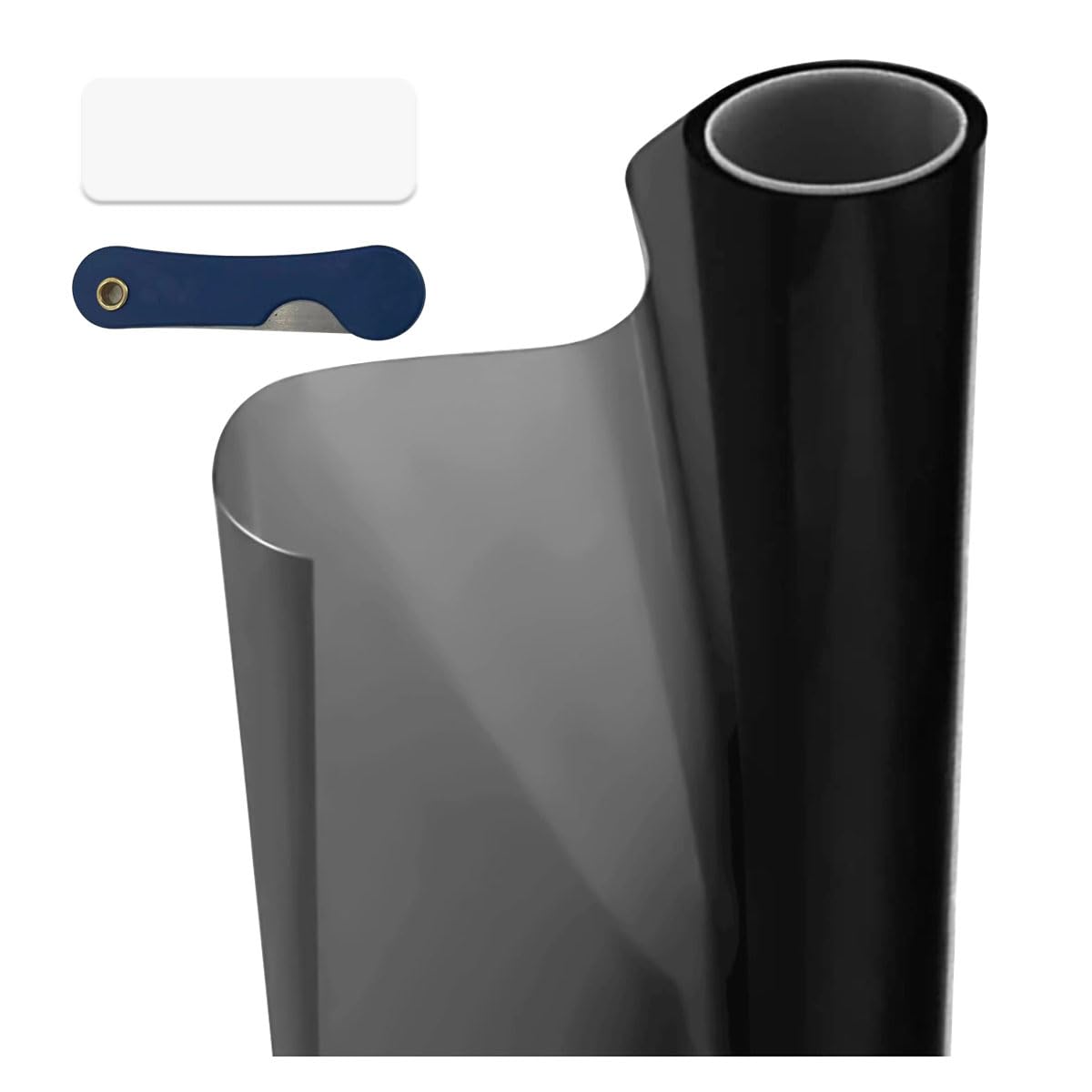
Smilfuy offers a 35% VLT PET film that occupies a lighter tint category, making it a strong candidate for front windows in states with strict VLT limits. The polyethylene terephthalate material is designed for clarity and glare reduction while maintaining a relatively subtle appearance. The 30-inch width is wider than most entry-level rolls, reducing the number of cuts needed for taller windows.
The roll comes with a squeegee and knife for immediate installation, eliminating the need for separate tool purchases. The 19.68-foot length provides enough material for two average sedan windows or one larger SUV rear window. The film is also marketed for non-automotive use in sunrooms, office partitions, and home glass, adding versatility beyond vehicle applications.
Owner reviews mention that the PET material cuts cleanly and does not curl excessively during handling. The one-layer film design keeps the profile thin, which helps with precise trimming around edges. For buyers who need a lighter tint for legal compliance or prefer a versatile film that works at home and in the car, this roll offers a practical dual-purpose solution.
What works
- 35% VLT suitable for front windows in strict states
- Includes squeegee and knife for immediate install
- Wide 30-inch roll reduces seams on tall glass
What doesn’t
- PET material absorbs heat rather than reflecting it
- 19.68-foot length limits coverage to smaller areas
11. Myuilor Polyester 25% VLT 20x10ft

Myuilor uses a polyester substrate with a 25% VLT rating that blocks 97.5% of incoming light, placing it among the darker options for a mid-range VLT number. The 20-inch by 10-foot size is the shortest roll in this lineup, designed for targeted applications rather than full-vehicle coverage. The film’s primary value is its simplicity for drivers who want to tint one or two windows without committing to a larger roll.
The peel-and-stick installation process is straightforward, though the 99% UV rejection claim is standard for this material category. The dark appearance works well for rear quarter windows or cargo area glass where visibility is less of a concern. The polyester material lacks the heat-reflecting properties of ceramic or carbon films, making it more suitable for privacy and glare reduction than thermal management.
Users note that the film separates easily from its backing when a toothpick or tape is used to lift the corner, which simplifies the initial peel step. The compact roll size also makes it a convenient option for test-fitting tint darkness before purchasing a larger roll. For buyers on a tight budget who need a small amount of tint for accent windows or temporary use, this roll provides the lowest entry cost in the lineup.
What works
- Extremely low entry cost for small projects
- 97.5% light block for strong privacy on accent windows
- Easy peel-and-stick installation for beginners
What doesn’t
- 10-foot roll only covers small or partial windows
- Polyester material absorbs heat rather than reflecting
Hardware & Specs Guide
Visible Light Transmission
VLT determines how much light passes through the film. Lower percentages create darker tint and more privacy but reduce nighttime visibility. A 5% VLT blocks 95% of visible light, while a 70% VLT allows most light through. Each state sets legal VLT limits for front side windows, typically between 35% and 70%, while rear windows often have no restriction.
Film Construction Layers
Single-ply films use one layer of dyed or coated polyester. Two-ply films bond a separate color layer with a protective top coat, which improves durability and scratch resistance. Multi-layer ceramic films can include five or more layers that combine UV blocking, infrared rejection, and shatter-resistant properties without added thickness that complicates installation.
UV and Infrared Rejection
Premium films block 99% or more of UVA and UVB rays, which prevents interior fading and reduces skin exposure. Infrared rejection rates indicate how well the film reduces heat from direct sunlight. Ceramic films typically achieve 80-95% IR rejection, while dyed films offer little to no IR performance because they absorb rather than reflect infrared energy.
Installation Method Compatibility
Peel-and-stick films use a pre-applied adhesive that activates with water. Heat-shrink films require a heat source to conform to curved glass. Static-cling films rely on electrostatic bonding and need meticulous surface preparation. The method directly affects installation difficulty, final appearance, and long-term adhesion performance on different window shapes.
FAQ
What VLT percentage should I choose for my car?
Is ceramic window film worth the extra cost?
Can I install car tint film myself?
How long does car window tint film typically last?
Does darker tint always mean better heat rejection?
Final Thoughts: The Verdict
For most buyers, the best car tint roll winner is the YIFUOK 2PLY Premium Carbon 20% VLT because it combines 1.5mil 2-ply construction with a 100-foot roll and a full tool kit, delivering professional-grade results at a mid-range investment. If you want maximum privacy and nano-carbon heat rejection, grab the LuxeShade Nano Carbon 5% VLT. And for wide-format coverage on large vehicles or curved glass, nothing beats the SOLARCONTROL 2PLY Ceramic Carbon Pro 40x100ft.

Certification: BSc in Mechanical Engineering
Education: Mechanical engineer
Lives In: 539 W Commerce St, Dallas, TX 75208, USA
Md Amir is an auto mechanic student and writer with over half a decade of experience in the automotive field. He has worked with top automotive brands such as Lexus, Quantum, and also owns two automotive blogs autocarneed.com and taxiwiz.com.