Choosing a torque converter that delivers the right stall speed without sacrificing street manners is one of the most overlooked decisions in a transmission build. A mismatch can turn a crisp-shifting setup into a frustrating mess, while the right converter makes power delivery seamless.
I’m Amir — the founder and writer behind Four Wheel Ask. I’ve spent years cross-referencing transmission component specifications, analyzing owner-reported data across forums and verified purchase records, and studying build quality differences to identify which converters genuinely hold up under real driving conditions.
After sorting through hundreds of verified owner reports and technical datasheets, I compiled this list of the best 3000 torque converter models by cross-referencing hundreds of verified owner reviews with detailed spec analysis across all major brands.
How To Choose The Best 3000 Torque Converter
Picking the right torque converter is about matching stall speed to your engine’s power band, transmission type, and intended use. A 3000 RPM stall converter can transform a lazy street car or truck into a responsive machine, but only if the rest of the drivetrain is compatible. The three factors below will guide your decision.
Stall Speed and Your Engine’s Power Band
Stall speed is the RPM at which the converter begins to transfer torque to the transmission. A 3000 RPM stall means the engine can rev to that point before the vehicle starts moving, which lets the engine stay in its power band during launch. Engines with aggressive camshafts, large duration, and high overlap need a higher stall to prevent stalling at stoplights. For a stock engine, a 3000 stall can feel loose and may generate excessive heat. Always match stall speed to your cam’s RPM range and rear axle ratio.
Spline Count and Bolt Pattern Compatibility
Torque converters are not universal. The input shaft spline count must match your transmission — TH350 and TH400 use a 27-spline input, while 4L60E and 4L65E use a 30-spline input. The flexplate bolt pattern is typically 10.75 inches for GM applications, but some converters use a 10-inch or 11.5-inch pattern. Measure your flexplate and verify the converter’s bolt circle before purchasing. A misaligned pilot or wrong spline count means the converter will not seat properly, causing pump damage.
Build Quality and Intended Use
Budget converters use stamped impeller fins and standard clutch materials, while premium units feature furnace-brazed fins, carbon fiber friction materials, and billet hubs. For a daily driver with occasional hard pulls, a mid-range unit with upgraded thrust washers and a lock-up clutch offers the best balance. For a dedicated track car or high-horsepower build, a billet converter with anti-ballooning plates is non-negotiable. The lock-up clutch matters for highway cruising — a non-lock-up converter generates more heat and kills fuel economy on long drives.
Quick Comparison
On smaller screens, swipe sideways to see the full table.
| Model | Category | Best For | Key Spec | Amazon |
|---|---|---|---|---|
| TTC 2800-3200 High Stall | High Stall | Aggressive Street/Strip | 2800-3200 RPM, 300mm, 30 Spline | Amazon |
| JEGS 555-60401 | Street Performance | Budget Performance Build | 2700-3000 RPM, TH350/TH400 | Amazon |
| TTC GM92SS1-4L60E | OEM Replacement | Stock Rebuilds | 1400-1600 RPM, 300mm, 30 Spline | Amazon |
| B&M 20400 Tork Master | Street Upgrade | Mild Street Rods | 1900-2100 RPM, TH350/TH400 | Amazon |
| TTC GM92-2200-2500 | High Stall | Cammed Trucks | 2200-2500 RPM, 300mm, 30 Spline | Amazon |
| Allstar ALL26900 | Performance | Street/Strip | 2700-3000 RPM, 10″, TH350/TH400 | Amazon |
| Hughes Performance GM25 | Premium Street | Performance Street | 2500 RPM, TH350/TH400 | Amazon |
| B&M 400001 | Race Oriented | High RPM Builds | 2700-3000 RPM, 10″, TH400 | Amazon |
In-Depth Reviews
1. TTC 2800-3200 High Stall 4L60E 4L65E 4L70E Torque Converter
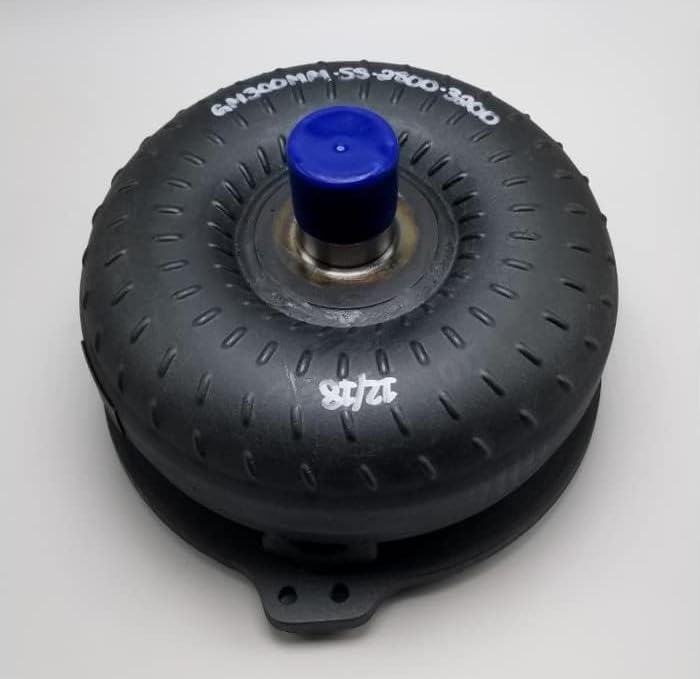
This TTC high-stall unit is built for LS-based GM trucks and cars running 4L60E, 4L65E, or 4L70E transmissions. The 2800-3200 RPM stall range places it firmly in the performance category, making it an ideal match for cammed 5.3L and 6.0L builds that need a higher flash point to stay in the power band. TTC remanufactures each converter in-house to OEM standards and applies updated components when available.
The converter includes a full rebuild kit with an upgraded thrust washer, mounting ring, flathead bolts, pilot, and lock-up clutch. The 300mm diameter and 30-spline input are direct-fit for most rear-wheel-drive GM platforms with LS engines. Owner feedback consistently reports that the stall is accurate and streetable, with lock-up functioning properly when paired with a tune. The weight of the unit reflects the upgraded internals and thicker materials used during remanufacturing.
Verified buyers running LQ4 and 5.3L combinations with stage 3 cams report that this converter transformed drivability, eliminating low-speed bucking and making stoplight behavior predictable. Multiple reviewers noted that the stall held consistently around 3000 RPM and that the unit delivered noticeable gains in acceleration feel. For anyone building a street-driven LS vehicle with a medium to aggressive cam, this converter offers the best blend of performance, quality control, and real-world feedback.
What works
- Accurate 2800-3200 stall matches cammed LS engines
- Includes upgraded thrust washer and lock-up clutch
- Consistent positive owner feedback across multiple builds
What doesn’t
- Requires tuning to dial in shift and lock-up points
- Heavier than budget alternatives due to upgraded internals
2. JEGS Torque Converter for TH350 and TH400
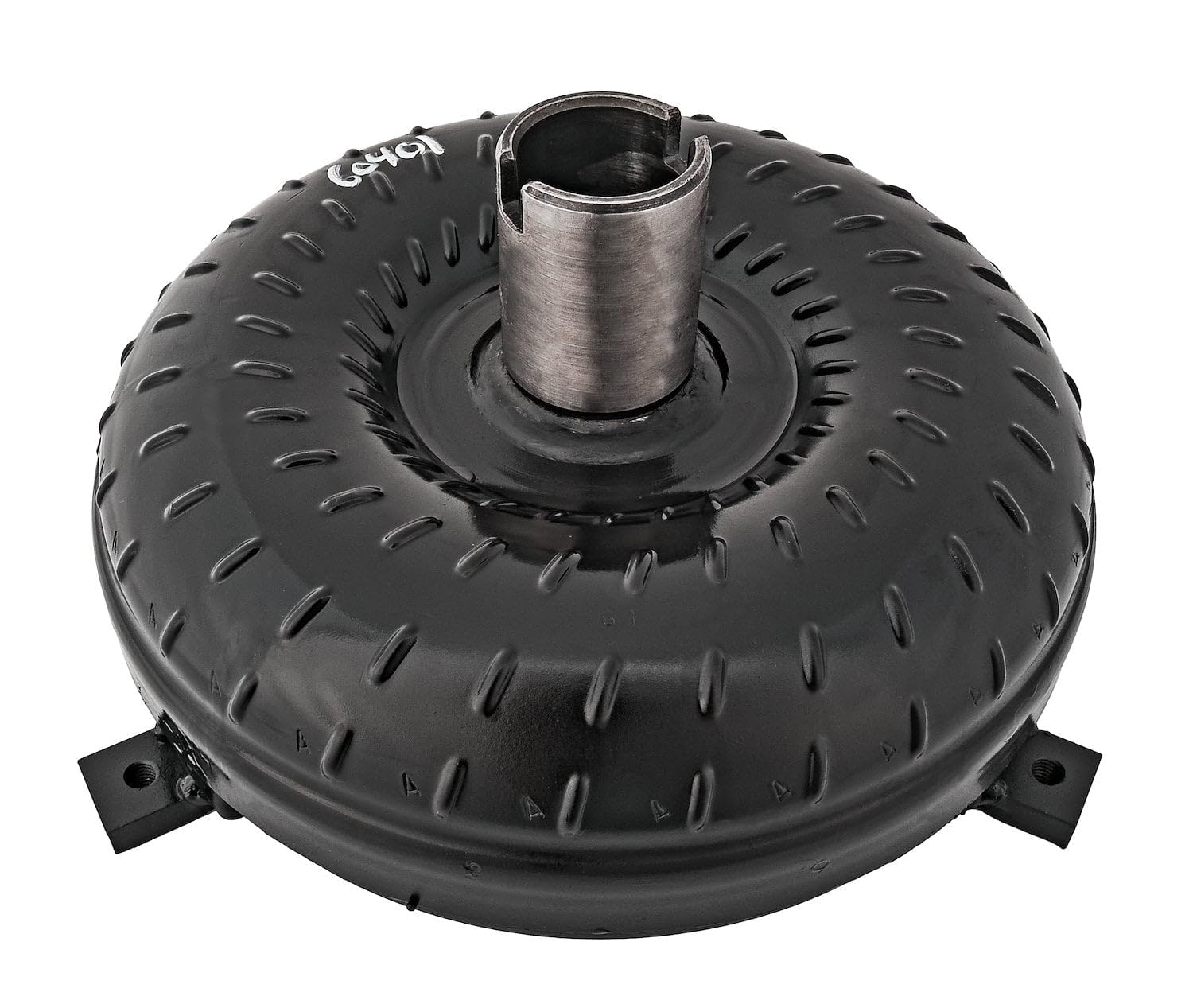
The JEGS 555-60401 is a performance torque converter designed for TH350 and TH400 transmissions in small block applications. It delivers a 2700-3000 RPM stall speed, making it a strong contender for street-and-strip vehicles with engines up to 500 horsepower. JEGS positions this unit as an economically priced option for performance builds on a budget, but the build quality and owner reception suggest it punches above its price class.
Made in the USA using high-quality materials, this converter uses a 10.75-inch flexplate bolt pattern and is intended for naturally aspirated small block engines without nitrous or forced induction. The stall speed range pairs well with moderate camshafts and rear gear ratios in the 3.50 to 4.10 range. Multiple owners running 350 and 327 small blocks with TH350 transmissions report that the converter flashes to around 2900 RPM and delivers minimal slippage during normal driving.
Owner reviews consistently highlight the absence of creeping at stoplights, even with large solid flat tappet cams and high compression. One long-term owner reported a successful second unit purchase, citing minimal slippage under normal driving and predictable flash characteristics. The converter ships with JEGS branding and includes promotional materials, but the real value is in the consistent performance and fitment accuracy that buyers have documented across multiple build configurations.
What works
- Consistent 2700-3000 RPM flash matches small block builds
- No creeping at stoplights even with aggressive cams
- Strong owner loyalty with multiple repeat purchases
What doesn’t
- Rated for naturally aspirated applications only
- Limited documentation on maximum torque capacity
3. TTC GM92SS1-4L60E 4L65E TMBX 300mm Torque Converter
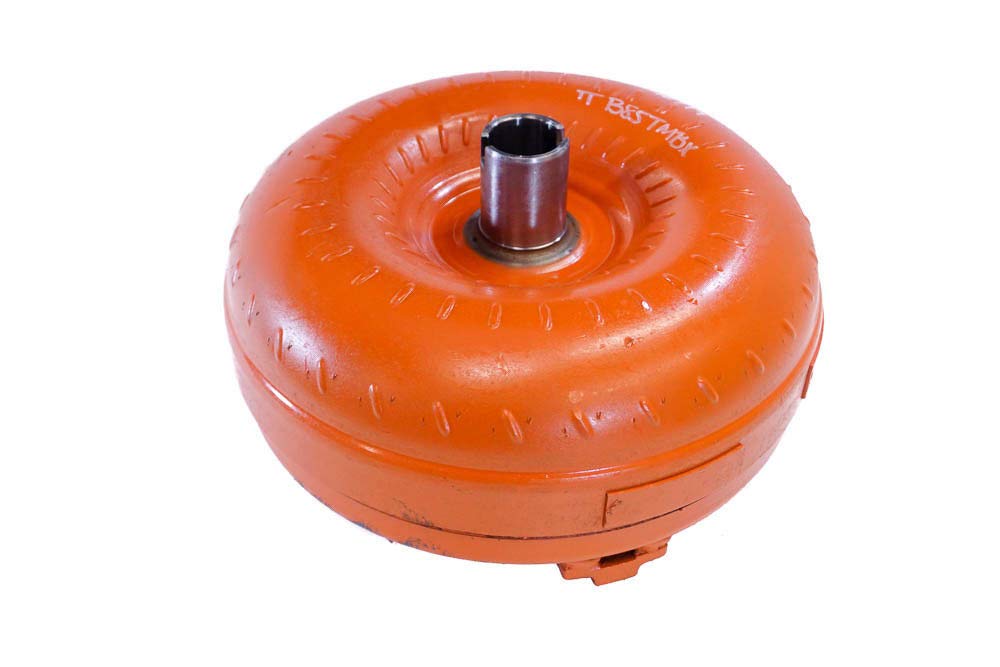
The TTC GM92SS1 is a remanufactured 300mm torque converter designed for 4L60E, 4L65E, and 4L70E transmissions in rear-wheel-drive Chevrolet and GM vehicles. It uses carbon fiber friction materials and carries OEM interchange codes including TMBX, TMAX, and TWBX. The stall range is 1400-1600 RPM, which places this unit in the stock replacement and mild upgrade category rather than high-performance territory.
This converter fits most GM trucks and cars with 4.8L, 5.3L, 6.0L, and 5.7L LS1 engines. The 30-spline input matches factory 4L60E specifications, and the 300mm diameter ensures proper fitment with the stock flexplate. Owners report that engagement is smooth, lock-up is tighter than the original factory converter, and highway fuel economy improved noticeably. One verified buyer documented an increase from 17 to 21 MPG on a 4L65E-equipped vehicle after 3000 miles.
Reviewers running built 4L70E transmissions behind Tahoe and Silverado platforms report no issues after thousands of miles. The most critical feedback involved minor flywheel bolt hole misalignment that required enlarging the flexplate holes, but the converter itself performed perfectly once installed. For a budget-conscious builder looking for a reliable stock replacement with slightly improved lock-up feel and fuel economy, this TTC unit delivers outstanding value with a two-year warranty.
What works
- Smooth engagement with improved lock-up over stock
- Highway MPG gains reported by multiple owners
- Two-year warranty at a budget-friendly price point
What doesn’t
- Low 1400-1600 stall unsuitable for aggressive cams
- Occasional flywheel bolt hole alignment issues
4. B&M 20400 Tork Master 2000 Torque Converter

The B&M 20400 Tork Master 2000 is a value-priced upgrade converter designed to replace stock units with a modest increase in stall speed and improved launch characteristics. It offers a stall speed of 1900-2100 RPM when paired with an engine producing 230 lb-ft of torque at 2500 RPM. This makes it a strong option for mild street rods, light trucks, and classic cars where a full race converter would ruin daily drivability.
Built as a high-quality remanufactured unit with a new precision pump drive tube, the Tork Master uses a 10.75-inch bolt circle that fits standard GM flexplates with 153 teeth. It is backed by a one-year limited warranty from B&M, a brand with decades of aftermarket transmission experience. The converter is compatible with TH350 and TH400 transmissions, making it a versatile drop-in upgrade for a wide range of GM vehicles from the 1960s through the 1980s.
ASE-certified owners have confirmed that the fitment is precise, with perfect bolt spacing and proper engagement to the front pump. Long-term reviews show the converter holding up well after four or five years of service behind modified 350 crate engines in El Caminos and Buick Skylarks. The paint finish can flake during installation, but this is cosmetic and does not affect function. For a mild performance build that needs better launch without sacrificing street comfort, the B&M Tork Master is a proven choice.
What works
- Proven long-term reliability with many years of service reported
- Precise fitment verified by ASE-certified technicians
- Modest stall increase improves launch without hurting drivability
What doesn’t
- Paint finish flakes off during installation
- Stall speed on the conservative side for aggressive builds
5. TTC GM92-2200-2500 High Stall 4L60E 4L65E Torque Converter
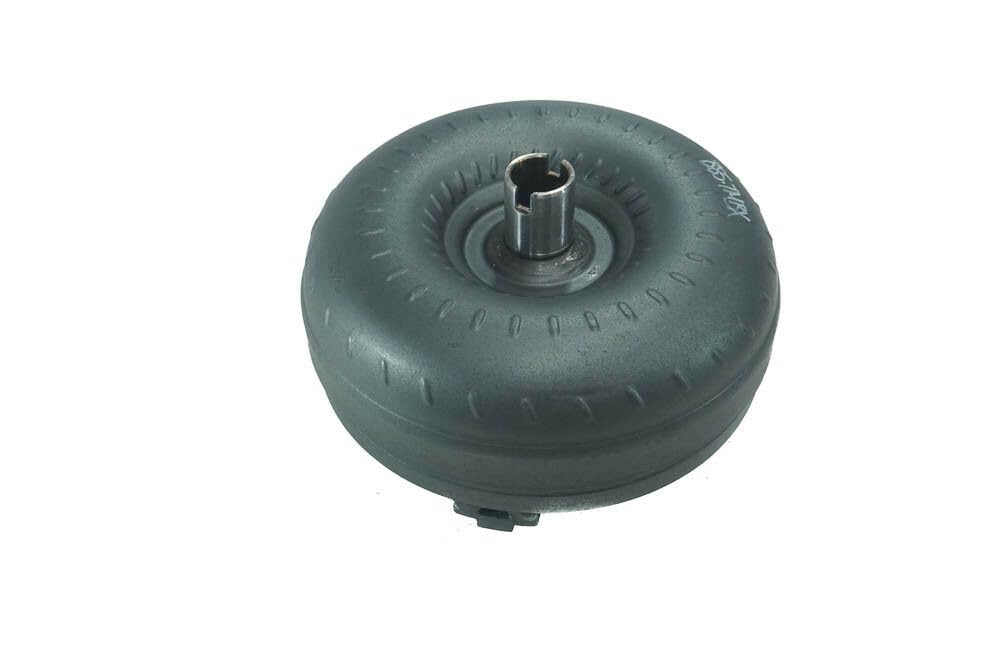
The TTC GM92-2200-2500 is a remanufactured high-stall torque converter designed for 4L60E and 4L65E transmissions in GM trucks and cars. It delivers a 2200-2500 RPM stall range, which sits in the sweet spot for mild to moderate camshaft upgrades. The converter fits the same 300mm, 30-spline configuration as the stock unit and carries OEM interchange codes TMBX, TMAX, and TWBX.
This converter is particularly well suited for LS-powered Silverados and Suburbans with cam upgrades. Owner feedback indicates that the stall feels tight for the price point, with engagement occurring around 2500 RPM and flash RPM reaching 3000-3100. The lock-up clutch functions correctly, though owners recommend using HP Tuners or similar software to dial in apply and shift points for optimal behavior. One reviewer running a Truck Norris cam reported excellent results after a month of daily driving.
The unit has received consistent praise for waking up stock 4.8L and 5.3L trucks, providing noticeably more pep without making the vehicle feel loose or unpredictable. Some owners noted that the converter hunts for lock-up under 60 MPH with 3.42 gears, suggesting that taller rear gears or a slightly lower stall would improve highway manners. For a budget-minded builder looking for a noticeable performance improvement with a cammed LS truck, this TTC converter offers strong value backed by a one-year warranty.
What works
- Tight, predictable feel for a budget high-stall converter
- Dramatic improvement in performance with cammed LS trucks
- Lock-up functions correctly with proper tuning
What doesn’t
- Hunts for lock-up under 60 MPH with stock 3.42 gears
- HP Tuners or equivalent tuning strongly recommended
6. Allstar Performance ALL26900 10″ Torque Converter

The Allstar Performance ALL26900 is a 10-inch diameter torque converter designed for TH350 and TH400 transmissions with a 2700-3000 RPM stall speed. The smaller 10-inch diameter reduces rotating mass compared to stock converters, which helps the engine rev more freely and improves throttle response. Allstar positions this as a performance-oriented unit for street and strip applications.
This converter uses a painted exterior finish and bolts to a standard GM flexplate. The stall range is suited for small block Chevrolet engines with moderate camshafts and compression ratios in the 10:1 range. Owner feedback is mixed but generally positive, with several buyers reporting excellent results behind small block 355 builds and big block 402 BBC engines producing up to 600 horsepower. The unit has held up well after months of hard use, with one reviewer noting that it brought a SBC 355-powered car to life.
The primary concern reported by a buyer was a defective unit that made noise during shifts, though this appears to be an isolated quality control issue rather than a pattern. Most reviewers confirm that the stall speed is accurate and that the converter performs well for the price point. The packaging during shipping has been criticized as inadequate, so buyers should inspect the unit immediately upon arrival. For a budget-oriented street/strip build needing a 10-inch converter with a 2700-3000 RPM stall, the Allstar unit is a functional choice with verified results.
What works
- 10-inch diameter reduces rotating mass for quicker revving
- Holds up well behind high-horsepower BBC builds
- Accurate stall speed for the claimed range
What doesn’t
- Occasional quality control issues with noisy units
- Inadequate packaging during shipping reported
7. Hughes Performance GM25 2500 Stall Series Torque Converter

The Hughes Performance GM25 is a 2500 RPM stall series torque converter designed for TH350 and TH400 transmissions. Hughes Performance is a well-established name in the automatic transmission aftermarket, and the GM25 reflects their engineering focus on streetable performance. The 2500 RPM stall is conservative enough for daily driving while providing a meaningful improvement in launch characteristics over a stock converter.
This converter uses a 10.75-inch bolt circle and is built with alloy steel construction. The black machined finish gives it a professional appearance, and the unit weighs approximately 24 pounds. Owner feedback indicates that the stall is conservative, with one verified buyer reporting a 2200 RPM stall against the brakes in a 375-400 horsepower 350. This makes the GM25 a good match for vehicles with mild cams that need a modest stall increase without sacrificing low-speed manners.
Reviewers have noted that the converter allows the engine to idle smoothly at stoplights, which is a critical benefit for vehicles with cams that previously caused stalling. However, one owner reported that their unit stalled at 3200 RPM instead of the advertised 2500, suggesting possible variability or incorrect part fulfillment. The packaging has also been criticized for arriving damaged with chipped paint. For a street-driven classic car or truck needing a mild stall upgrade from a reputable brand, the Hughes GM25 is a solid option.
What works
- Conservative 2500 RPM stall preserves street drivability
- Allows smooth idle at stoplights with mild cams
- Reputable aftermarket brand with long industry history
What doesn’t
- Stall speed variability reported in some units
- Packaging quality issues during shipping
8. B&M 400001 10″ 2700-3000 RPM Turbo Torque Converter

The B&M 400001 is a 10-inch diameter turbo torque converter with a claimed stall speed of 2700-3000 RPM, designed for TH400 transmissions. B&M is a legacy brand in the performance converter space, and this unit targets enthusiasts looking for a higher stall in a compact 10-inch package. The smaller diameter reduces rotating inertia, allowing the engine to rev more quickly during launches.
Weighing in at 23.4 pounds, this converter uses a 10.75-inch bolt pattern and is intended for small block and big block applications. The 2700-3000 RPM stall range places it in the street/strip category, suitable for vehicles with moderate to aggressive camshafts. However, owner reviews reveal significant concerns about stall accuracy and overall quality control. Multiple buyers reported that the actual stall speed exceeded 3600 RPM, making the converter unsuitable for street driving.
One verified buyer running a big block 402 with a TH400 reported severe slip at all RPM ranges, even at 5000 RPM, rendering the converter unusable. Another reviewer noted that their unit arrived looking used, with wear marks on the feet where it bolts to the flywheel. Packaging protection was also flagged as inadequate. While B&M has a strong reputation, this particular model has generated enough negative feedback that buyers should proceed with caution and verify stall speed immediately after installation.
What works
- Compact 10-inch diameter for reduced rotating mass
- Legacy brand name with wide availability
What doesn’t
- Stall speed often exceeds advertised 3000 RPM
- Quality control issues with slip and wear appearance
- Inadequate packaging during shipping
Hardware & Specs Guide
Stall Speed Fundamentals
Stall speed is the engine RPM at which the torque converter begins to transfer power to the transmission input shaft. A 3000 RPM stall converter allows the engine to rev to 3000 RPM before the vehicle starts moving, keeping the engine in its peak torque band during launch. Lower stalls (1400-2000 RPM) provide crisp low-speed response for stock engines, while higher stalls (2500-3500 RPM) suit aggressive camshafts that make power at higher RPM. Choosing the wrong stall speed results in either a sluggish launch or a converter that slips excessively and generates heat during normal driving.
Spline Count and Input Shaft Compatibility
The input shaft spline count is the first fitment check. TH350 and TH400 transmissions use a 27-spline input shaft, while 4L60E, 4L65E, and 4L70E transmissions use a 30-spline input. A 300mm torque converter is specific to the GM 4L60E family, while 10-inch and 10.75-inch converters are common for TH350 and TH400 applications. Installing a converter with the wrong spline count will not allow the transmission pump to engage, and forcing it can cause catastrophic internal damage. Always verify spline count against your transmission model before ordering.
Lock-Up vs Non-Lock-Up Converters
Lock-up torque converters contain a clutch that mechanically locks the turbine to the impeller at cruising speeds, eliminating slip and reducing transmission fluid temperatures. Non-lock-up converters, common in older TH350 and TH400 applications, rely entirely on fluid coupling and generate more heat during highway driving. For daily-driven vehicles, a lock-up converter improves fuel economy and extends transmission life. For pure race cars, non-lock-up converters are lighter and simpler. Many performance converters include a lock-up clutch that requires a transmission controller or aftermarket wiring to activate.
Build Quality and Material Differences
Budget converters typically use stamped steel impeller fins, standard paper-based clutch materials, and conventional thrust washers. Premium converters upgrade to furnace-brazed fins for strength, carbon fiber friction materials for heat resistance, and billet steel hubs for spline durability. Anti-ballooning plates prevent the converter from expanding under high RPM and are essential for builds exceeding 500 horsepower. The thickness of the cover material and the quality of the pump drive tube weld also separate budget units from converters that survive years of hard use.
FAQ
What does stall speed mean on a torque converter?
How do I know which transmission my converter fits?
Can I use a 3000 RPM stall converter for daily driving?
What is the difference between a lock-up and non-lock-up converter?
How do I choose the right stall speed for my engine and cam?
Final Thoughts: The Verdict
For most buyers, the 3000 torque converter winner is the TTC 2800-3200 High Stall because it delivers accurate stall speed, includes upgraded internals, and has consistently positive owner feedback across cammed LS builds. If you want a proven budget option with reliable performance, grab the JEGS 555-60401. And for a mild street upgrade that preserves daily drivability, nothing beats the B&M 20400 Tork Master.

Certification: BSc in Mechanical Engineering
Education: Mechanical engineer
Lives In: 539 W Commerce St, Dallas, TX 75208, USA
Md Amir is an auto mechanic student and writer with over half a decade of experience in the automotive field. He has worked with top automotive brands such as Lexus, Quantum, and also owns two automotive blogs autocarneed.com and taxiwiz.com.