A front-wheel-drive car in winter is only as capable as the rubber meeting the road. Without proper snow tires, even the best traction control system is just spinning wheels on ice. The difference between sliding through an intersection and stopping with confidence comes down to tread compound, siping density, and certification standards that separate true winter rubber from all-season compromises.
I’m Amir — the founder and writer behind Four Wheel Ask. My approach combines deep technical research with thousands of owner feedback points to evaluate winter tire performance across real-world snow, ice, and slush conditions.
After analyzing owner feedback and specs, this guide reveals the best winter tires for front wheel drive car for maintaining traction in harsh winter conditions.
How To Choose The Best Winter Tires For Front Wheel Drive Car
Front-wheel-drive vehicles place all acceleration, steering, and the majority of braking forces on the front axle. This makes winter tire selection especially critical because the front tires must simultaneously handle torque delivery and directional control on low-friction surfaces. The wrong choice means understeer and extended stopping distances.
Studless vs. Studdable Tread Designs
Studless winter tires use advanced silica-based compounds and dense siping to grip ice at a molecular level — the Bridgestone Blizzak WS90 is a prime example with its Multicell compound that wicks away water film. Studdable tires like the Hankook Winter i Pike X offer optional metal studs for regions with persistent ice and hardpack, but they generate more road noise on bare pavement.
Three-Peak Mountain Snowflake Certification
Look for the 3PMSF symbol molded into the sidewall. This certification requires a tire to achieve a minimum 110% acceleration traction index in snow compared to a standard all-season tire. Every tire on this list except the off-road specialty option carries this certification, ensuring baseline snow performance you can trust.
Load Range and Sidewall Construction
Standard Load (SL) tires are sufficient for most passenger cars, but Extra Load (XL) options provide higher inflation capacity for heavier vehicles and improved sidewall stiffness during cornering on packed snow. Pay attention to load index numbers — a 94 load index supports 1,477 pounds, which is ample for compact to mid-size FWD sedans.
Quick Comparison
On smaller screens, swipe sideways to see the full table.
| Model | Category | Best For | Key Spec | Amazon |
|---|---|---|---|---|
| Bridgestone Blizzak WS90 | Studless Ice & Snow | Ice traction and stopping confidence | 195/65R15 91H SL | Amazon |
| Hankook Winter i Pike X W429 | Studdable Winter | Severe ice and hardpack conditions | 205/55R16 94T XL | Amazon |
| Cooper Evolution Winter | Studdable Winter | Deep snow and variable winter conditions | 205/55R16XL 94H | Amazon |
| Firestone Winterforce 2 | Studdable Winter | Long-lasting tread life for work commutes | 195/65R15 91S | Amazon |
| Nexen Winguard Winspire 3 | Studdable Winter | Wet and slush evacuation | 205/55R16 94T | Amazon |
| Armstrong Ski-Trac HP | Performance Winter | Budget-friendly winter compliance | 215/60R17 96H SL | Amazon |
| SunF A033 Power.I AT | Off-Road All-Terrain | ATV/UTV winter trail use | 30x10R14 8-Ply | Amazon |
In‑Depth Reviews
1. Bridgestone Blizzak WS90

The Bridgestone Blizzak WS90 represents the benchmark for studless ice and snow performance in the passenger car segment. Its NanoPro-Tech Multicell compound uses microscopic particles that create a water-absorbing effect on ice, allowing the rubber to maintain direct contact with the frozen surface rather than hydroplaning on a thin water film. Owner feedback consistently highlights stopping confidence on glare ice that rivals studded alternatives.
The directional tread pattern features interlocking sipes that create additional biting edges during acceleration and braking. At 19.4 pounds per tire, the WS90 is notably lightweight for its size class, which reduces unsprung mass and helps maintain ride compliance on rough winter roads. The SL load range at 91 load index supports 1,356 pounds per tire — adequate for compact to mid-size FWD sedans.
Bridgestone engineers focused on progressive snow block stiffness to balance dry-road stability with snow-groove digging capability. The result is a tire that feels planted during highway driving yet digs aggressively when you need traction from a stop. The trade-off is that the soft compound wears faster on bare pavement compared to harder studdable alternatives.
What works
- Best-in-class ice braking performance among studless tires
- Lightweight construction reduces unsprung mass
- Excellent slush and water evacuation through directional tread
What doesn’t
- Softer compound wears faster on dry pavement
- Not studdable for extreme persistent ice regions
- Limited size availability for larger wheels
2. Hankook Winter i Pike X W429
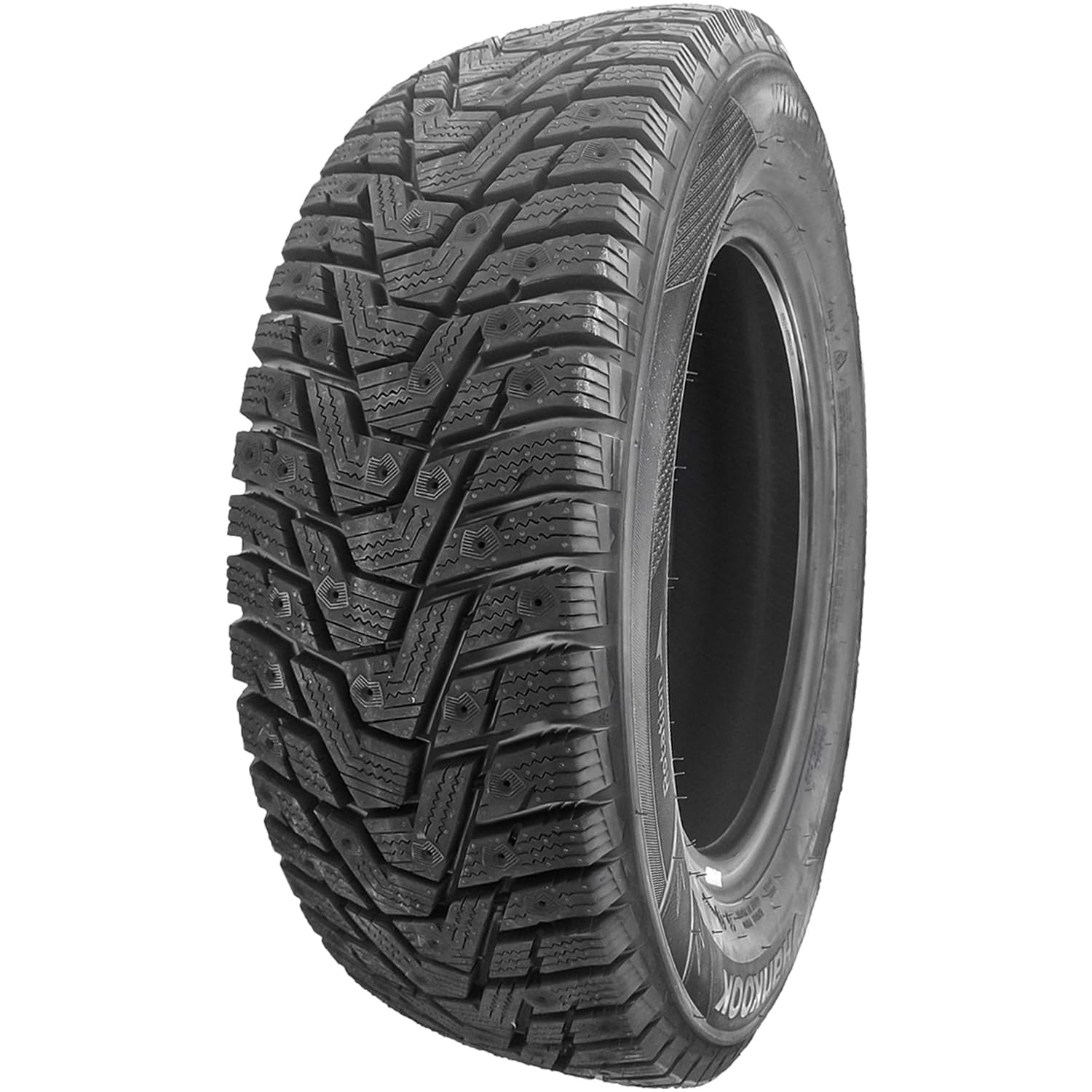
The Hankook Winter i Pike X W429 is engineered as a premium studdable winter tire that bridges the gap between studless refinement and maximum ice grip. Its directional tread pattern incorporates wide center blocks that provide a stable contact patch during straight-line acceleration — critical for FWD cars that need to transfer torque efficiently in snow. The tire accepts TSMI #11 studs for regions where metal traction aids are permitted.
Hankook developed a new rubber compound specifically for this generation that enhances low-temperature elasticity while maintaining block stiffness for dry-road cornering. The XL load range at 94 load index supports 1,477 pounds per tire, offering a higher safety margin for heavier FWD sedans and hatchbacks. At 21.1 pounds, the tire carries a modest weight penalty over studless competitors but gains durability from the stiffer carcass construction.
Owner reports indicate the W429 excels in the transitional period between fall and winter when roads alternate between wet pavement and early snow. The directional grooves channel slush effectively, reducing the risk of hydroplaning at highway speeds. The three-peak mountain snowflake certification confirms its snow traction meets the strictest standards.
What works
- Premium studdable design with TSMI #11 compatibility
- XL load range for heavier FWD vehicles
- Excellent transitional wet-to-snow performance
What doesn’t
- Higher road noise when studs are installed
- Heavier than comparable studless options
- Limited to passenger car sizes
3. Cooper Evolution Winter
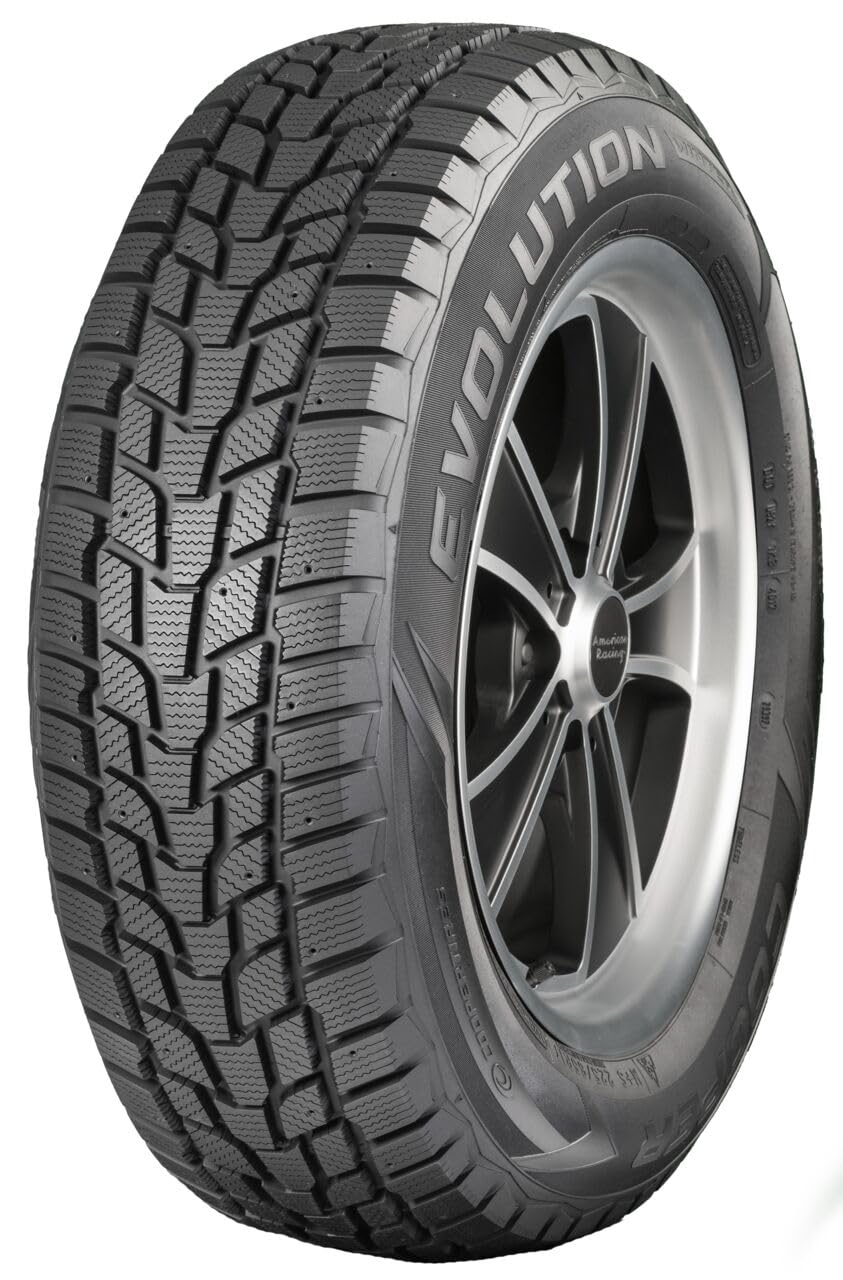
The Cooper Evolution Winter delivers proven deep-snow traction at a mid-range price point that appeals to value-conscious FWD owners. Its aggressive tread pattern features wide circumferential grooves and deep lateral notches that allow the tire to power through unpacked snow without hesitation. The tire is studdable, giving drivers the option to add ice traction when needed.
At 35.38 pounds, the Evolution Winter is noticeably heavier than competitors in the same size — the extra mass comes from a robust XL carcass rated at 94 load index. This construction provides excellent impact resistance when encountering hidden potholes and frost heaves common in winter driving. The severe weather rating with three-peak mountain snowflake certification ensures the tire meets stringent snow traction standards.
Cooper engineered the tread compound with a high silica content that remains flexible in sub-zero temperatures, maintaining grip when all-season tires turn rock-hard. Owner feedback in Canadian and northern US markets consistently praises the tire’s ability to maintain forward progress in deep snow conditions where lesser tires stop climbing.
What works
- Outstanding deep snow traction and self-cleaning tread
- XL load range for durability and impact resistance
- Studdable for optional ice grip enhancement
What doesn’t
- Heavy construction affects fuel economy and ride comfort
- Higher road noise on dry pavement
- Limited size selection for smaller wheels
4. Firestone Winterforce 2

The Firestone Winterforce 2 is built around a simple philosophy — deliver reliable winter traction that lasts multiple seasons without premature wear. Its studdable design features a dense siping pattern that creates hundreds of biting edges on every rotation, while the robust tread compound resists chunking on abrasive snow and ice. Owner reports from fleet operators indicate the Winterforce 2 consistently outlasts softer winter tires by one to two seasons.
At 25.1 pounds per tire with an SL load range at 91 load index (1,356 pounds capacity), the Winterforce 2 strikes a reasonable balance between durability and weight. The tire is designed specifically for passenger cars and smaller crossovers, making it a natural fit for FWD sedans and hatchbacks. The standard manufacturer warranty provides coverage against defects in materials and workmanship.
Firestone positions the Winterforce 2 as a working tire for drivers who need consistent performance across variable winter conditions without the premium price of flagship studless models. The trade-off is that while the tire performs well in snow and slush, its ice braking performance doesn’t quite match the Blizzak’s Multicell technology.
What works
- Extended tread life compared to softer winter compounds
- Studdable for severe ice conditions
- Reasonable weight for SL construction
What doesn’t
- Ice braking lags behind premium studless designs
- Not 3PMSF certified on all sizes
- Firm ride on bare pavement
5. Nexen Winguard Winspire 3
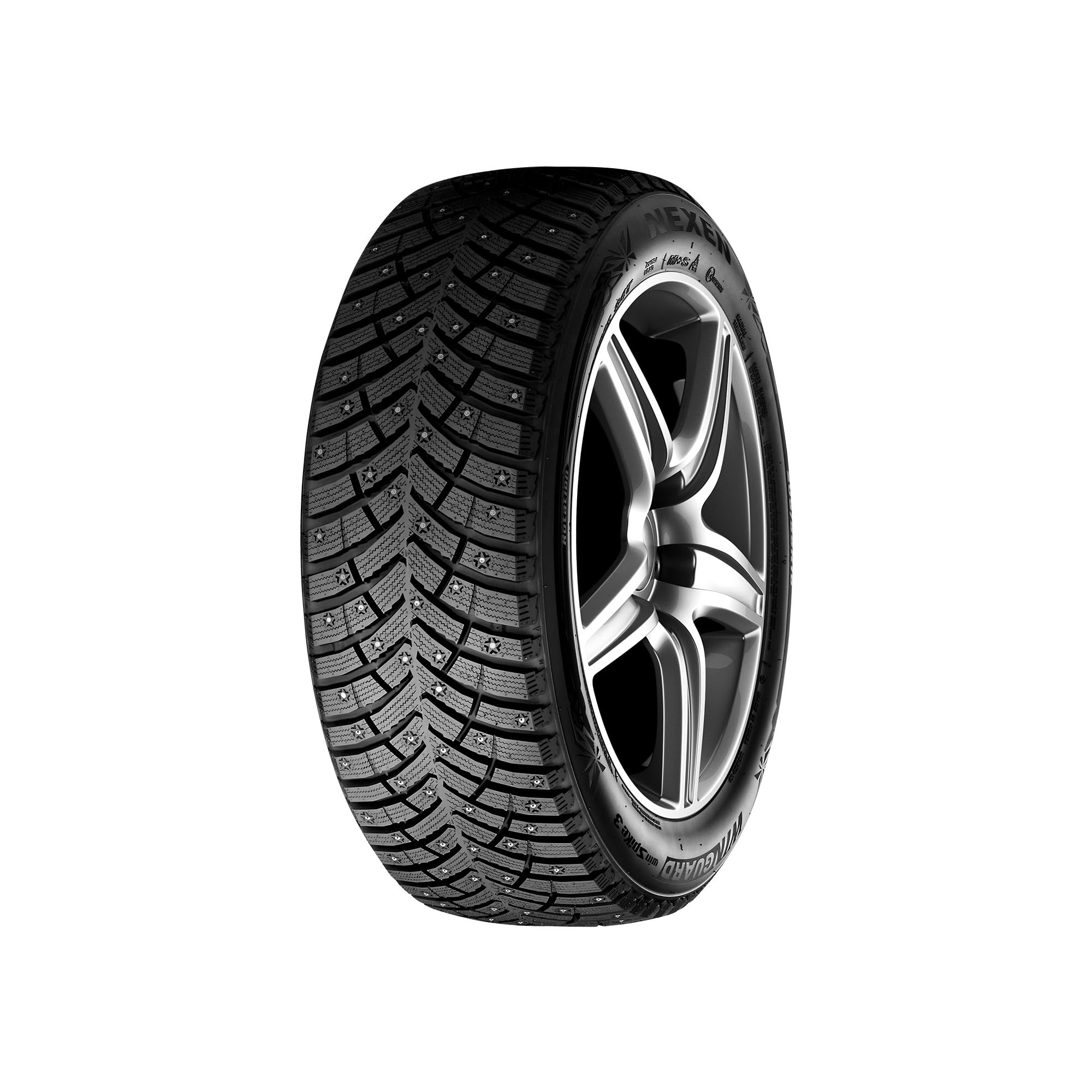
The Nexen Winguard Winspire 3 is engineered with a directional tread pattern that prioritizes water and slush evacuation — a critical factor for FWD cars that experience hydroplaning at the front axle during winter rain and melting snow. The deep grooves and dense siping work together to maintain road contact in mixed conditions where temperatures hover around freezing.
Nexen backs this tire with a Total Coverage Warranty that includes 36 months of roadside assistance, a benefit rarely seen at this price tier. The XL load range at 94 load index supports 1,477 pounds, providing a substantial safety margin for loaded vehicles. At 21.2 pounds, the Winspire 3 is competitively lightweight, which helps maintain steering response and fuel efficiency.
The tire accepts optional TSMI #12 studs for drivers who need enhanced grip on ice and hardpack. Three-peak mountain snowflake certification confirms its snow traction meets the industry standard. Owner feedback highlights the tire’s predictable handling during rapid temperature swings, a common challenge in late fall and early spring driving.
What works
- Excellent slush and water evacuation from directional tread
- 36 months roadside assistance included
- Lightweight XL construction at 21.2 pounds
What doesn’t
- Directional tires require careful rotation planning
- Snow depth performance trails more aggressive treads
- Limited to 205/55R16 and similar sizes
6. Armstrong Ski-Trac HP
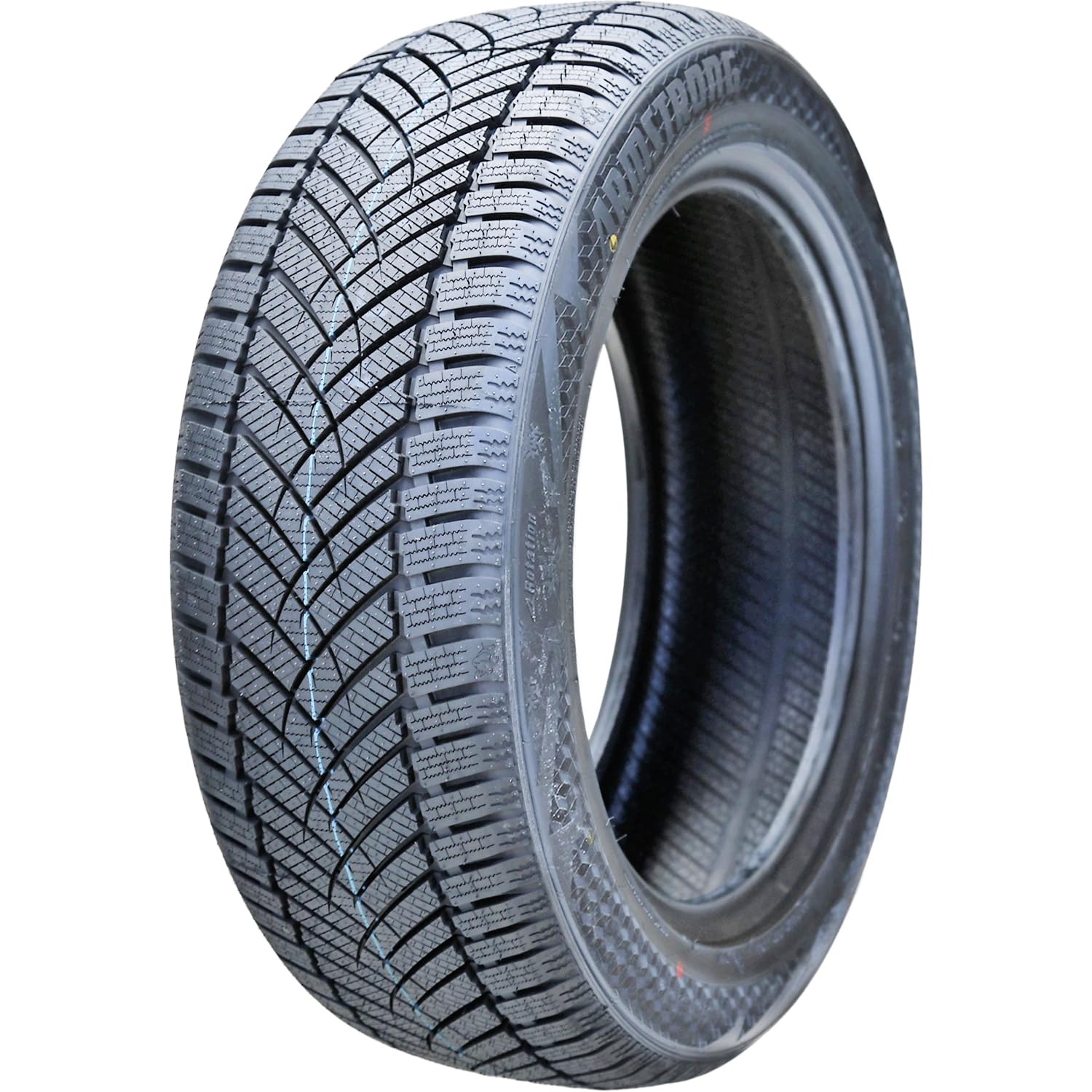
The Armstrong Ski-Trac HP enters the winter tire segment as a performance-oriented option aimed at FWD drivers who want winter capability at an accessible investment. With a 215/60R17 fitment, this tire targets mid-size sedans and crossovers that need a balance between winter traction and dry-road handling characteristics.
Built with a radial construction and SL load range at 96 load index (1,565 pounds capacity), the Ski-Trac HP offers a generous weight rating for its class. The 4-ply rated (4-PR) casing provides reasonable durability for everyday winter driving, though it doesn’t match the puncture resistance of XL-rated competitors. The tire weighs 24 pounds, sitting in the middle of the weight spectrum.
Armstrong positions this as a performance winter tire, meaning the tread compound prioritizes dry-road stability and handling feel compared to dedicated ice-and-snow designs. This makes it a reasonable choice for drivers in regions that see moderate snowfall rather than extreme winter conditions. Owner feedback is limited given recent market introduction, so long-term wear data remains forthcoming.
What works
- Attractive entry point for winter tire adoption
- High load capacity for mid-size vehicles
- Performance-oriented handling on dry roads
What doesn’t
- Limited ice and deep snow capability versus dedicated winter designs
- No 3PMSF certification confirmed
- Limited long-term owner feedback available
7. SunF A033 Power.I AT
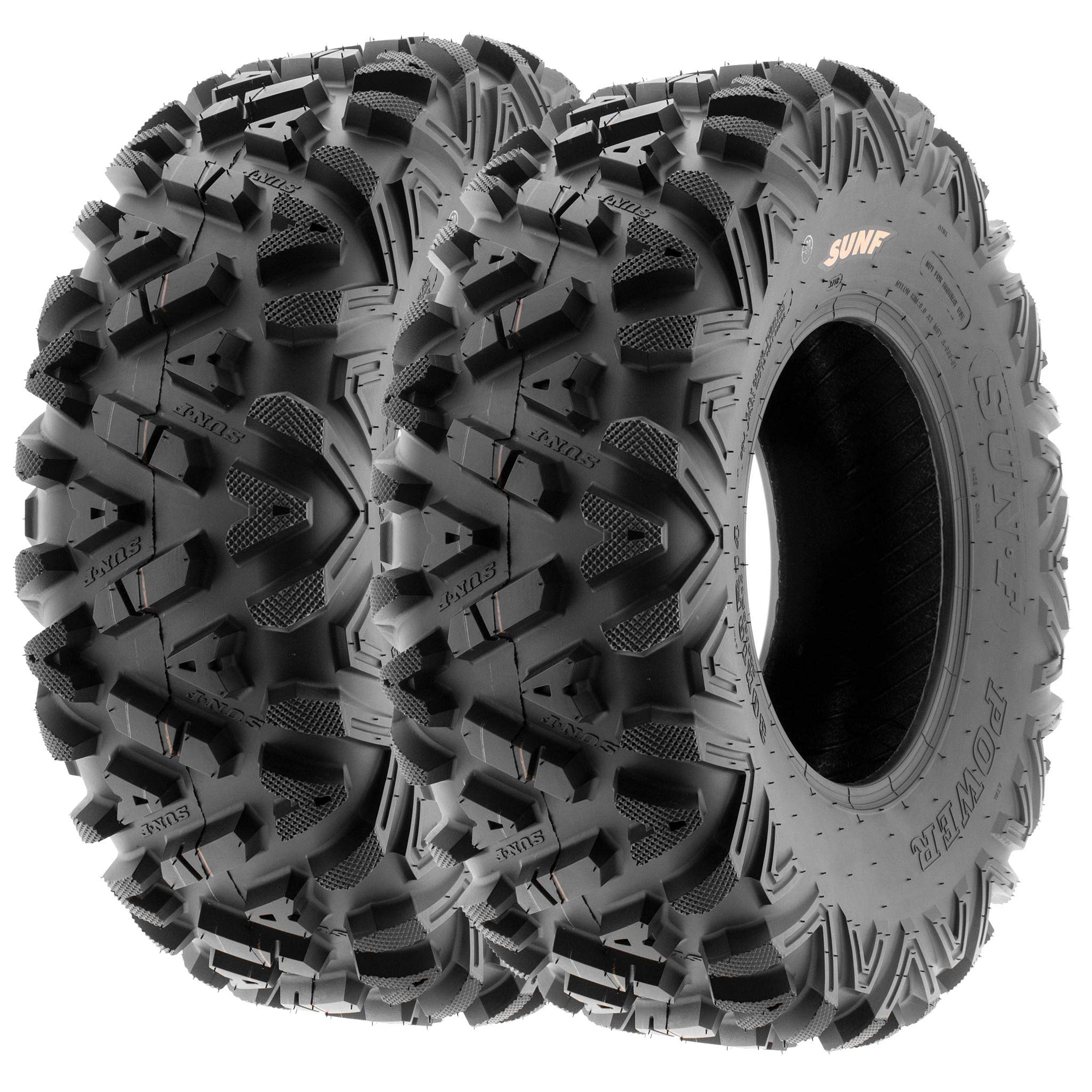
The SunF A033 Power.I AT is an off-road all-terrain tire designed for ATV, UTV, and SxS applications rather than passenger car use. Its 30x10R14 sizing and 8-ply construction target recreational vehicles operating in mud, sand, and rocky terrain. This tire is not intended for FWD car winter driving and lacks the siping, compound technology, and certification required for on-road snow performance.
With a massive 70.4 pounds per tire and an 18 PSI maximum pressure rating, the A033 is engineered for low-speed off-road traction rather than highway stability. The shoulder traction enhancement technology improves grip during tight turns on loose surfaces, and the 8-ply casing resists punctures from sharp rocks and debris. Rim diameter compatibility is limited to 14-inch wheels.
This tire fills a completely different niche than the winter tires required for FWD car operation. If you need winter traction for a passenger car, select one of the road-legal winter tires reviewed above. The SunF A033 is included here for reference in the off-road and recreational vehicle context where all-terrain winter capability is needed.
What works
- Extremely durable 8-ply construction for off-road use
- Excellent traction in mud, sand, and rocky terrain
- Shoulder blocks enhance turning grip on loose surfaces
What doesn’t
- Not designed or certified for on-road car use
- No winter-specific siping or 3PMSF certification
- Extremely heavy at 70.4 pounds per tire
Hardware & Specs Guide
3PMSF Certification Standards
The Three-Peak Mountain Snowflake symbol indicates a tire meets or exceeds a 110% snow traction index compared to a standard all-season reference tire. This certification is required for winter tires in many Canadian provinces and provides quantifiable assurance that the tire can handle snow-covered roads. Tires carrying this mark undergo standardized testing in specific snow conditions, making it the most reliable indicator of winter capability.
Load Index and Range Explained
Load index numbers correspond to the maximum weight a tire can carry at its rated pressure. For example, a 94 load index supports 1,477 pounds. Load range (SL, XL, etc.) indicates the ply rating and maximum inflation pressure. XL (Extra Load) tires feature stiffer sidewalls and higher load capacity, which can improve cornering stability on snow-packed roads but may result in a firmer ride.
Studdable vs. Studless Winter Design
Studdable winter tires accept metal studs that protrude from the tread to bite into ice. They excel on persistent ice and hardpack but generate more road noise. Studless tires use advanced rubber compounds and dense siping to grip ice at a molecular level without metal hardware. Studless designs generally offer better dry-road manners and quieter operation, while studdable tires provide superior ice braking in extreme cold.
Tread Pattern Directionality
Directional tread patterns feature V-shaped grooves that channel water and slush outward from the contact patch, reducing hydroplaning risk at highway speeds. These tires rotate in a single direction and must be mounted accordingly. Nondirectional patterns offer more flexibility in rotation patterns but may not evacuate water as efficiently in high-speed wet conditions.
FAQ
Can I use all-season tires on a front wheel drive car in winter?
What is the minimum tread depth for safe winter driving?
Should I buy four winter tires or just two for my FWD car?
How do I know if a winter tire fits my front wheel drive car?
What does XL mean on a winter tire specification?
Final Thoughts: The Verdict
For most buyers, the best winter tires for front wheel drive car winner is the Bridgestone Blizzak WS90 because it delivers unmatched ice and snow stopping confidence through proven Multicell compound technology. If you prioritize maximum ice grip with optional studs, grab the Hankook Winter i Pike X W429. And for deep snow capability at a value-driven price, nothing beats the Cooper Evolution Winter.

Certification: BSc in Mechanical Engineering
Education: Mechanical engineer
Lives In: 539 W Commerce St, Dallas, TX 75208, USA
Md Amir is an auto mechanic student and writer with over half a decade of experience in the automotive field. He has worked with top automotive brands such as Lexus, Quantum, and also owns two automotive blogs autocarneed.com and taxiwiz.com.