A failing fuel pump in a 2001 Jeep Cherokee XJ doesn’t announce itself politely — it leaves you cranking for five seconds before firing, or worse, stranded on the trail with 4.0 liters of iron block and zero pressure at the rail. The diagnostic path is straightforward: check pressure at the Schrader valve, listen for a two-second prime cycle at key-on, and rule out the fuel pump relay before condemning the module itself. Once you’ve confirmed the pump is the culprit, the real question becomes which replacement delivers reliable pressure without forcing you to drop the tank twice in a year.
I’m Amir — the founder and writer behind Four Wheel Ask. My approach to evaluating fuel pump assemblies combines cross-referencing OE part numbers against aftermarket specifications, analyzing customer-reported failure patterns across thousands of miles of use, and assessing build quality indicators such as commutator materials and connector sealing to separate durable designs from short-lived imitations.
After sifting through owner reports and specification sheets across price tiers, a clear hierarchy emerges: premium units with silver-alloy contacts and carbon commutators consistently hold pressure longer, while budget modules often fail within months due to degraded rubber components or poor electrical tolerances. Choosing the best 2001 jeep cherokee fuel pump means balancing initial cost against the labor you will not want to repeat.
How To Choose The Best 2001 Jeep Cherokee Fuel Pump
Selecting a replacement fuel pump for the XJ Cherokee requires more than matching a part number. The 4.0L engine relies on precise fuel pressure between 49 and 58 PSI, and the pump assembly includes the sending unit, strainer, and seal ring — each component must meet OE specifications to avoid repeat labor. Below are the critical factors that separate a one-and-done repair from a frustrating do-over.
Connector Configuration & Pin Count
Early 1997–1998 Cherokees use a 7-pin electrical connector, while 1999–2001 models typically use an 8-pin connector. Ordering the wrong version means the harness will not latch, and rigging a connection invites voltage drop and intermittent prime failures. Verify your existing pump’s connector style before purchasing, and confirm the replacement includes the correct pigtail or plug.
Commutator & Contact Materials
The electric motor’s commutator and the sending unit’s contact points directly influence reliability. Carbon commutators reduce arc duration and energy loss compared to traditional copper, while gold-palladium or silver alloy contacts resist corrosion from ethanol-blended fuels. Units specifying these materials typically survive multiple years of daily driving, whereas bare-copper designs show wear within 12 to 18 months.
Strainer & Seal Ring Quality
The strainer (sock filter) prevents debris from entering the pump, and a high-density gradient design traps finer particles without restricting flow. The seal ring (lock ring gasket) must be pliable enough to form a tight seal yet durable enough to resist fuel degradation. Several budget assemblies ship with seals that harden or leak within weeks, forcing a second tank drop.
Quick Comparison
On smaller screens, swipe sideways to see the full table.
| Model | Category | Best For | Key Spec | Amazon |
|---|---|---|---|---|
| Delphi FG1076 | Premium | OE-level reliability | 80-year OE heritage; 54 PSI output | Amazon |
| A-Premium E7121MN | Premium | Balanced value & fit | 1-year warranty; direct OE fitment | Amazon |
| Carter P75040M | Performance | Corrosion resistance | Solid silver contacts; Clean Screen strainer | Amazon |
| Detroit Axle FP75041M | Design | 10-year warranty coverage | Turbine pump technology; impact tested | Amazon |
| TOPSCOPE FP7121MN | Value | Budget-friendly direct swap | Includes tank seal; spring-loaded pump | Amazon |
| KAX FG1076 | Value | Ethanol-tolerant design | Gold-palladium contacts; ceramic resistor | Amazon |
| Torchbeam FG1076 | Mid-Range | Reinforced plastic housing | Injection-molded; turbo pump core | Amazon |
| PHILTOP FG1076 | Mid-Range | Fuel delivery efficiency | Carbon commutator; 1M contact cycles | Amazon |
| ECCPP E7121M | Budget | Rock-bottom entry price | Quick-connect outlet; plastic housing | Amazon |
| PHILTOP FG0918 | Budget | Grand Cherokee compatibility | Gold-palladium contacts; tank-mount design | Amazon |
| OCPTY E7121MN | Entry-Level | Minimal upfront cost | Metal, plastic & rubber construction | Amazon |
In‑Depth Reviews
1. Delphi FG1076 Fuel Pump Module

Delphi brings eight decades of OE manufacturing experience into the FG1076 assembly, and that pedigree shows in the fitment precision and testing rigor. The module is validated, tested, and matched specifically to the 1997–2001 Cherokee application, with particular attention to extreme-temperature durability that aftermarket no-name units often overlook. Owners report a healthy 54 PSI reading straight out of the box, which sits right in the 4.0L engine’s preferred pressure window and eliminates extended crank issues immediately.
Where the Delphi distinguishes itself is in the consistency of its fuel level sensing. Multiple long-term owners note the gauge reads accurately and the low-fuel light activates at the proper quarter-tank threshold — a detail that cheaper assemblies frequently get wrong, leaving drivers stranded with a false reading. The packaging includes clear instructions that stress tank cleaning before installation, and failure to do so can void the warranty, which underscores Delphi’s confidence that contamination, not the pump, causes most premature failures.
The trade-off is a notable price premium and some variability in reported longevity. One owner experienced sending unit failure after three years, while others report flawless daily driving past six months with no pressure drop. Given that Bosch has discontinued its XJ pump, the Delphi FG1076 stands as the highest-quality OE-tier replacement currently available, and for owners who plan to keep their Cherokee on the road for years, the labor savings of a single reliable install justify the upfront investment.
What works
- OE heritage with 80 years of validation and extreme-temperature testing
- Consistent 54 PSI output and accurate fuel level sensing
- Direct fitment with no modifications required
What doesn’t
- Premium pricing well above mid-range alternatives
- Some units show sending unit wear after three years
- Tank cleaning required to maintain warranty coverage
2. A-Premium E7121MN Fuel Pump Assembly

The A-Premium E7121MN strikes a compelling balance between cost and confidence, offering a one-year unlimited-mileage guarantee that exceeds what most budget-tier manufacturers provide. The assembly replaces OE numbers E7121MN, P75040M, SP7121M, and FG1076, making it a straightforward drop-in for both the 2.5L four-cylinder and the 4.0L six-cylinder Cherokees from 1997 through 2001. Owners of 1998 and 1999 XJs report that the connector matches the factory harness perfectly and the included tank seal eliminates the need to track down a separate gasket.
Real-world feedback from a 1999 Cherokee XJ owner highlights the value proposition clearly: the A-Premium unit saved over one hundred dollars compared to dealer pricing while delivering identical performance in starting behavior and fuel pressure retention. The same owner noted that the tank drop process is the most physically demanding part of the job — the strap bolts often seize — and recommended siphoning fuel through the vent hole and enlisting a second person for reassembly. The pump itself, once installed, resolved the hard-start condition immediately.
The primary concern among long-term users is durability past the one-year mark. One owner reported the pump began showing signs of failure after six months, leading to a second replacement and the associated labor of dropping the tank again. While the warranty covers the part, it does not cover the installation effort, so buyers in rust-belt states or with limited DIY time should weigh the potential for repeat work against the lower upfront price. For well-maintained Cherokees in moderate climates, the A-Premium remains a strong mid-premium contender.
What works
- One-year unlimited-mileage warranty for peace of mind
- Direct OE fitment verified by multiple XJ owners
- Resolves hard-start issues immediately after installation
What doesn’t
- Some units fail shortly after the warranty period ends
- Tank drop labor not covered by warranty if part fails
- Seal ring quality reported as average compared to OE
3. Carter P75040M Electric Fuel Pump Module

Carter Fuel Systems has built a reputation on OEM-level quality, and the P75040M exemplifies that standard with a solid silver fuel sender contact design that provides superior conductivity and resists corrosion from ethanol and other aggressive fuel blends. The patented Clean Screen strainer offers up to forty percent greater dirt-holding capacity than standard strainers, which translates to longer pump life in dusty or poorly maintained fuel systems. Every unit undergoes factory testing before shipment, ensuring that pressure and flow specifications meet the Cherokee’s requirements out of the box.
Owner reports consistently highlight the fix for hard-starting and extended crank problems. One owner with a 2001 Cherokee noted that the pump resolved a condition requiring three key cycles before firing, and the fuel gauge accuracy was spot-on after installation — a common failure point on lower-tier assemblies. The wiring harness and tank seal are included in most applications, providing a complete kit that requires no additional parts sourcing. The unit fits both the 2.5L and 4.0L models across the 1997–2001 range.
Criticism centers on intermittent quality control. One owner reported pump failure within three months, accompanied by a fuel gauge that stopped functioning after just weeks of use, describing the build quality as uncharacteristically poor for the Carter brand. Another owner noted that the wiring harness latch differed slightly from the factory connector and required zip ties to secure. At a price point that sits above budget options but below OE dealers, the Carter P75040M is a calculated risk: the materials and design are excellent, but the variability in recent production runs suggests checking the unit thoroughly before installation.
What works
- Solid silver sender contacts for corrosion resistance and conductivity
- Clean Screen strainer with 40% higher dirt-holding capacity
- Factory-tested pressure and flow before shipment
What doesn’t
- Inconsistent quality control with some early failures reported
- Wiring harness latch may differ slightly from OE connector
- Premium pricing without consistent long-term reliability guarantee
4. Detroit Axle FP75041M Fuel Pump Module Assembly
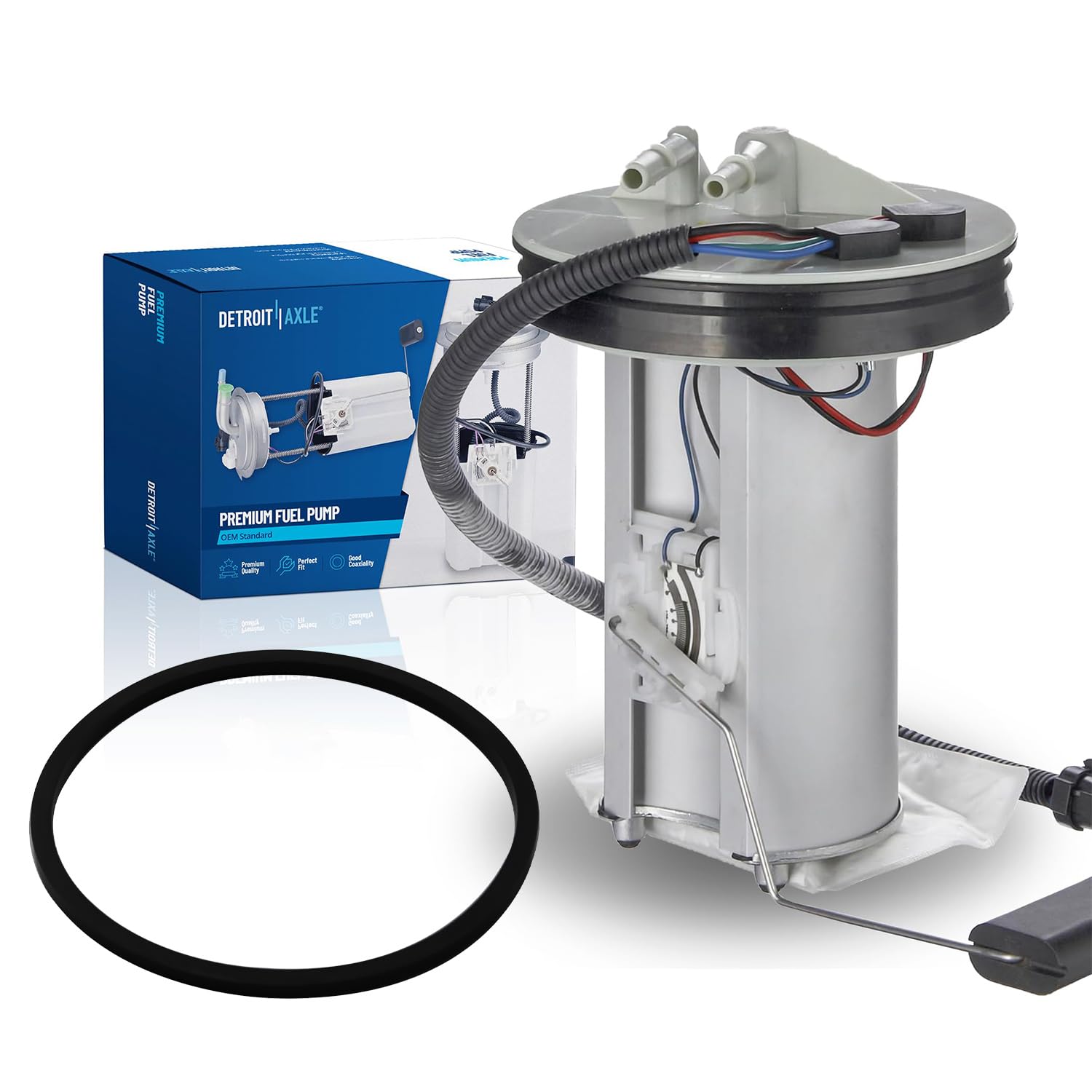
Detroit Axle brings turbine pump technology to the Cherokee replacement market with the FP75041M, a design that prioritizes consistent fuel delivery and reduced pulsation compared to conventional vane-style pumps. The module undergoes impact, wear, and fatigue testing during development, and the company backs the unit with a ten-year warranty — an industry-leading commitment that signals confidence in the underlying build quality. While primarily listed for the 1999–2004 Grand Cherokee, multiple owners have successfully installed it in XJ Cherokees with matching fuel system configurations.
Owner feedback from a Jeep TJ owner confirms that the pump operates flawlessly once installed, with the caveat that the supplied o-ring is noticeably stiffer than the factory seal, making it difficult to achieve a leak-free fit without reusing the original ring or applying o-ring lubricant. The pump itself runs quietly and delivers immediate pressure on key-on, eliminating the extended prime cycles that plague aging stock pumps. The turbine design also contributes to steady pressure under load, which benefits the 4.0L’s fuel curve during towing or off-road climbs.
The trade-off is fitment specificity: this assembly is engineered for the Grand Cherokee platform, and while it works in many XJ applications, buyers should verify the bolt pattern and connector configuration before ordering. The ten-year warranty is an exceptional safety net, but it requires proper documentation and adherence to installation guidelines. For owners willing to confirm compatibility and invest in a quality o-ring lubricant, the Detroit Axle module offers long-term protection that few competitors match.
What works
- Turbine pump technology for steady pressure and reduced pulsation
- Ten-year warranty provides exceptional long-term coverage
- Quiet operation and immediate prime on key-on
What doesn’t
- Primarily designed for Grand Cherokee; XJ fitment requires verification
- Supplied o-ring is too stiff for reliable sealing
- Warranty requires strict documentation and installation compliance
5. TOPSCOPE FP7121MN Fuel Pump Module Assembly

TOPSCOPE positions the FP7121MN as a direct OE replacement that includes the tank gasket and strainer, giving installers everything needed for a complete swap without additional trips to the parts store. The assembly is compatible with the 1997–2000 Cherokee 2.5L and the 1997–2001 Cherokee 4.0L, and the metal construction provides better structural rigidity than all-plastic budget alternatives. A 1997 Cherokee SE owner confirmed the fitment was exact and noted that the spring-loaded pump design requires firm pressure to seat correctly against the tank — a detail that signals proper engineering rather than a flaw.
Long-term feedback from a 2001 Cherokee Sport owner with the 4.0L engine is particularly instructive. The vehicle required five to eight prime cycles before starting prior to replacement, and the TOPSCOPE module restored immediate starting with the first key turn. A mechanic installed the unit without complications, and the owner reported continued reliable operation through several months of daily driving. The inclusion of a new seal ring is a practical bonus, as reusing an old gasket often leads to EVAP leaks or fuel odor.
Reliability concerns surface in a minority of cases. One owner reported complete pump failure exactly two weeks after installation, with no manufacturer contact information available and Amazon’s return window already closed. Another owner experienced an EVAP leak code after installation and traced the issue to the seal ring not seating correctly, requiring a second attempt. These reports suggest that while the FP7121MN delivers excellent value for most buyers, the quality control batch variation means testing pressure immediately after installation is advisable to catch a potential early failure before the tank is fully reassembled.
What works
- Includes tank gasket, strainer, and all necessary components
- Exact OE fitment confirmed by multiple XJ owners
- Resolves extended crank issues with immediate prime response
What doesn’t
- Some units fail within weeks with no manufacturer support
- Seal ring may require careful re-seating to avoid EVAP leaks
- Spring-loaded design can be tricky to align during installation
6. KAX FG1076 Electric Fuel Pump Module Assembly
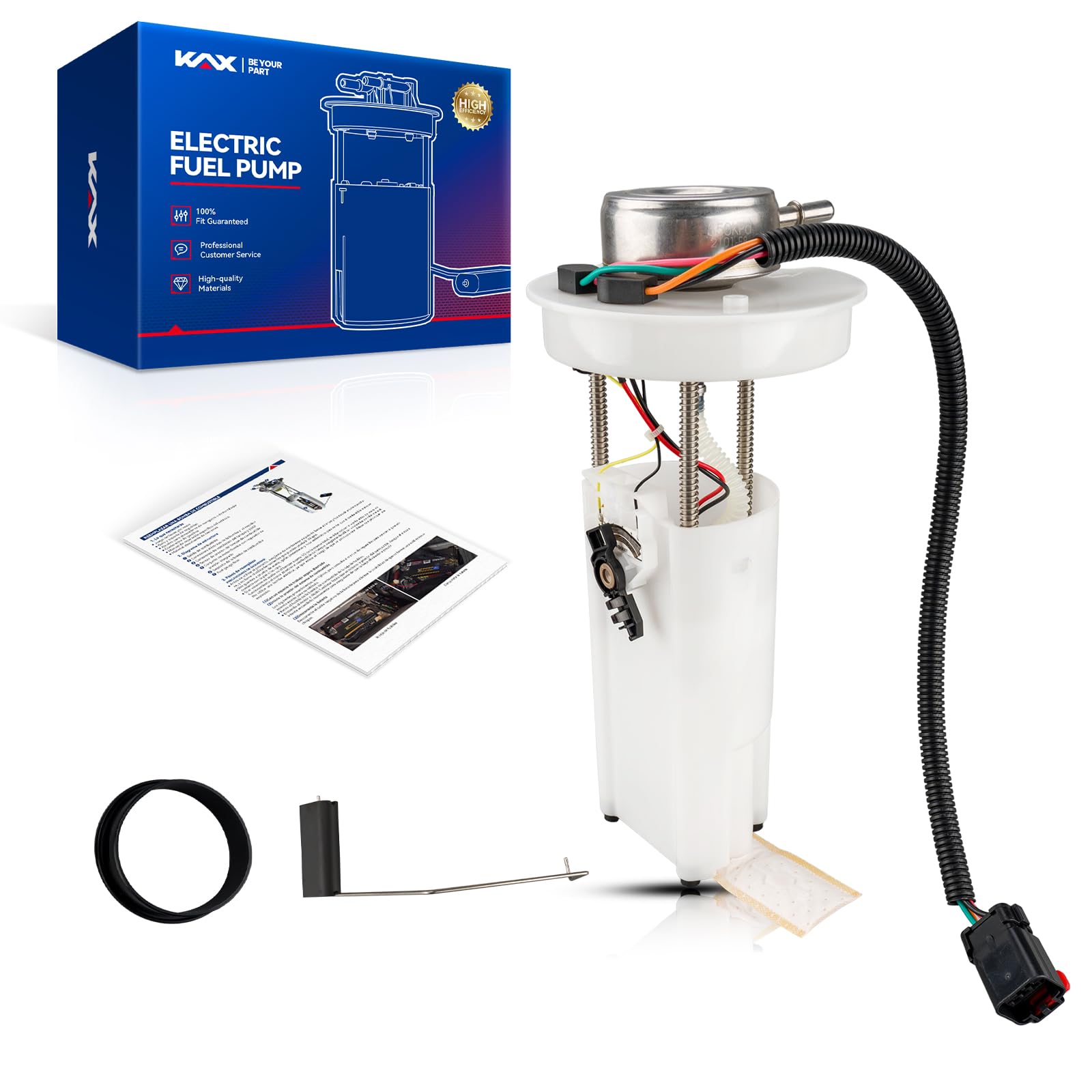
KAX differentiates the FG1076 assembly through material specification that rivals pumps costing significantly more. The sensor contacts use gold-palladium alloy, and the resistive element is precision ceramic, which together deliver accurate fuel gauge readings and enhanced wear resistance against ethanol-blended gasoline. The commutator employs carbon material for superior electrical performance and reduced energy consumption, while the pressure regulating valve incorporates an imported diaphragm and fully ground steel ball for consistent pressure retention. These are the exact material upgrades that typically separate long-lasting pumps from early failures.
Owner reports confirm the fitment is straightforward for the 1997–2001 Cherokee, with the assembly including the seal ring and strainer. One owner installed the unit in a 2004 Infiniti G35 coupe and noted it functioned flawlessly as a budget-friendly alternative to a six-hundred-dollar OE assembly, highlighting the cross-platform utility of the FG1076 specification. For Cherokee owners, the pump delivers immediate pressure restoration and resolves hard-start conditions with no modifications required.
The primary risk is inconsistency: one buyer received a unit that failed to work at all, and after selling the vehicle, the new owner discovered a replacement pump resolved the issue — confirming the initial unit was defective. While KAX emphasizes premium materials in their marketing, the lack of a long-term warranty means buyers absorb the labor cost if a defective unit slips through. Pre-installation bench testing is strongly recommended, and those without a test rig should consider purchasing from a source with a flexible return policy.
What works
- Gold-palladium contacts and ceramic resistor for accuracy and durability
- Carbon commutator reduces energy loss and extends motor life
- Includes seal ring and strainer for complete installation
What doesn’t
- Inconsistent quality control with some DOA units reported
- No long-term warranty to cover premature failure labor
- Bench testing recommended before full installation
7. Torchbeam FG1076 Fuel Pump Module Assembly
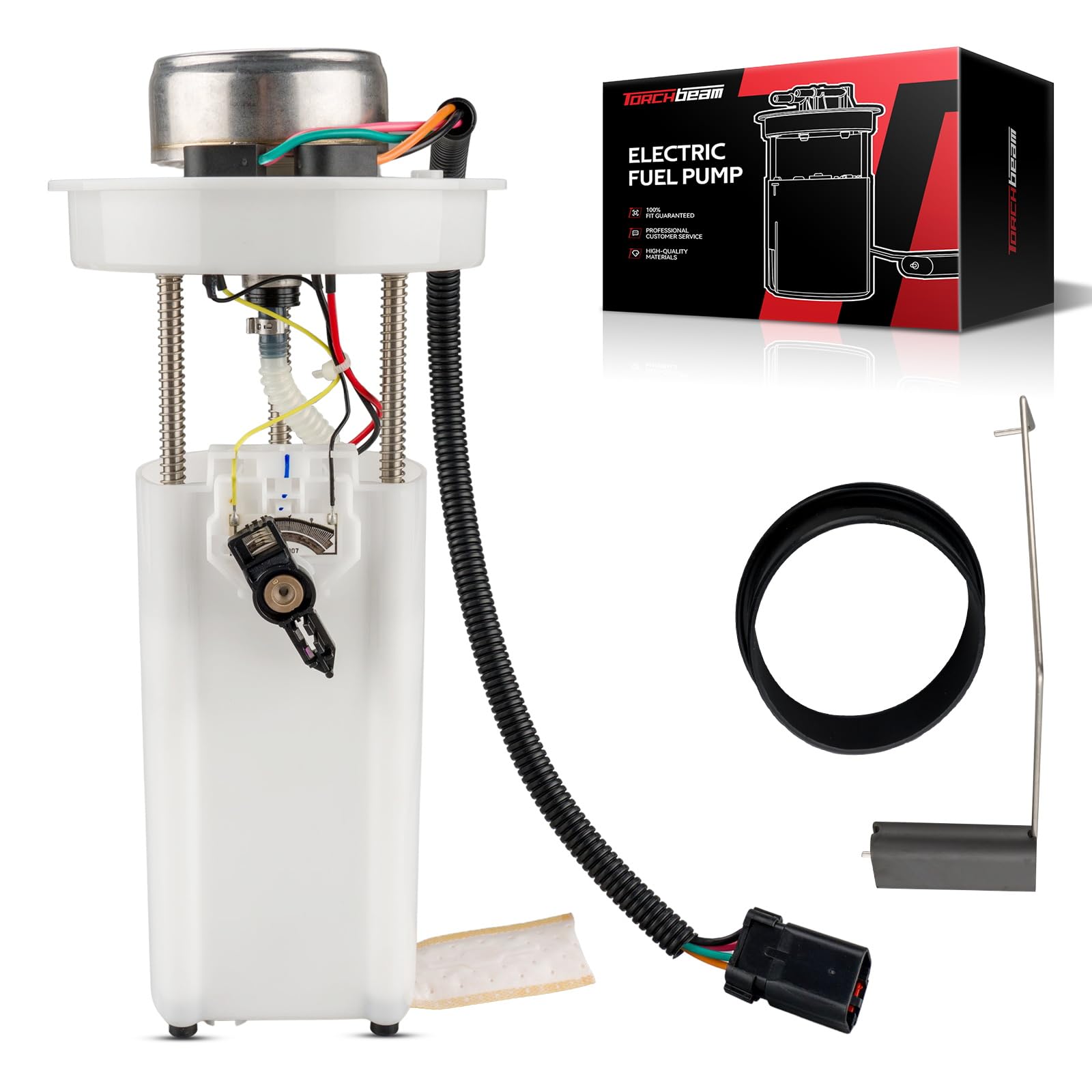
Torchbeam employs injection-molding technology to reinforce the plastic housing of the FG1076 assembly, addressing a common failure point where budget pump housings crack or warp under fuel saturation and thermal cycling. The built-in turbo pump core is designed to deliver stable fuel pressure with reduced noise, and the pressure regulating valve uses an imported diaphragm with a fully ground steel ball — the same configuration found in premium OE-spec modules. Owners report the unit feels solid and well-constructed during handling, with the connector latching securely and the mounting points aligning without persuasion.
Installation feedback from multiple owners emphasizes that the Torchbeam unit resolves poor acceleration, stalling, and fuel tank rattle — symptoms that indicate the original pump is delivering inconsistent pressure or cavitating at low fuel levels. One owner noted the price was roughly one-third of the local parts store quote, and the vehicle started and ran correctly immediately after installation. The included strainer and seal ring complete the package, eliminating the need for additional purchases.
However, a small but notable number of owners report failure within weeks of installation, with one describing the experience as a false economy after replacing the Torchbeam unit with a two-hundred-dollar Autozone pump that fixed the issue permanently. These reports suggest that while Torchbeam has improved the mechanical structure, the pump motor itself may still have variability in winding quality or brush longevity. For owners on a tight budget who are comfortable performing the labor twice if necessary, the Torchbeam represents a calculated gamble; for those prioritizing one-and-done reliability, a higher-tier option may be worth the additional investment.
What works
- Injection-molded housing resists cracking and warping
- Turbo pump core delivers stable pressure with reduced noise
- Complete kit with strainer, seal ring, and proper connector
What doesn’t
- Some units fail within weeks, requiring repeat labor
- Motor brush and winding quality appears inconsistent
- No long-term reliability data available for the design
8. PHILTOP FG1076 Fuel Pump Assembly with Sending Unit
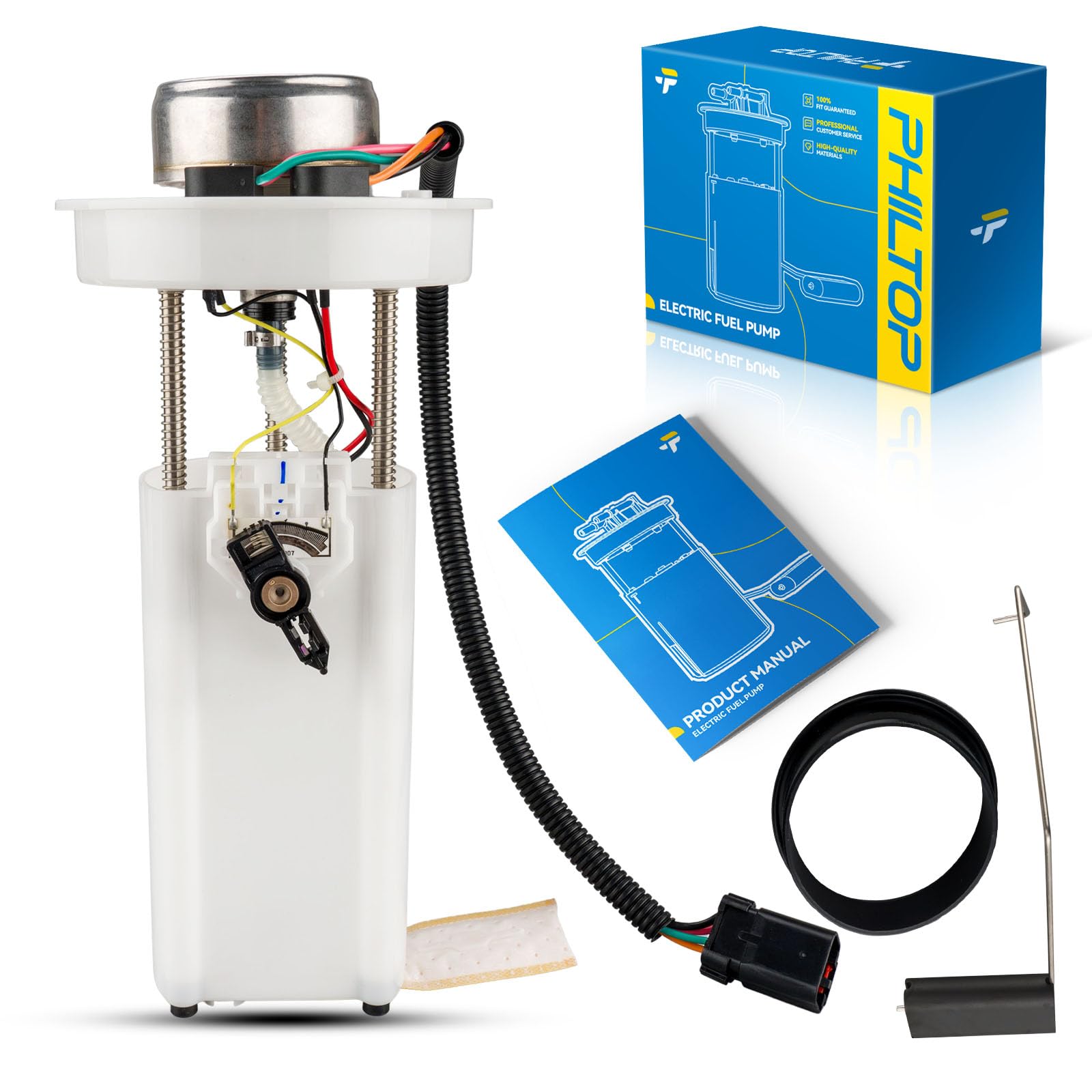
PHILTOP markets the FG1076 assembly with a focus on material science: a carbon commutator that delivers twenty percent improved fuel delivery efficiency compared to traditional copper designs, and gold-palladium alloy contacts rated for one million contact cycles without obvious wear. The melting point of the contact alloy is rated at 1450 degrees Celsius, which provides stable conductivity and exceptional corrosion resistance in high-ethanol fuel environments. These specifications align with the demands of the 4.0L engine, which requires consistent pressure across varying load conditions from idle to wide-open throttle.
Owner reports confirm that the unit fits the 1997–2001 Cherokee correctly and includes the necessary seal ring and strainer. One owner with a 2004 Suburban 5.3L successfully installed the unit via a floor cut under the middle-row seats, noting that the total installation time was approximately three and a half hours — a testament to the assembly’s adaptability across platforms. For Cherokee owners, the pump restores normal prime behavior and resolves pressure-related lean codes when the original unit has weakened over time.
The critical concern is a documented failure mode where the pump produced only 40 PSI static pressure and dropped to 30 PSI under throttle, triggering P0171 and P0174 lean codes and stalling. The owner reported that the warranty period was limited to thirty days and that the seller offered no recourse after that window closed. This failure pattern — low pressure under load — is particularly dangerous because it can cause engine damage if driven in that state. Owners should verify pressure at the rail both at idle and under load immediately after installation to confirm the unit meets the 49–58 PSI specification before closing up the tank access panel.
What works
- Carbon commutator improves efficiency and reduces motor energy consumption
- Gold-palladium contacts rated for one million cycles
- Includes seal ring, strainer, and complete assembly
What doesn’t
- Some units produce only 30–40 PSI under load, causing lean codes
- Limited 30-day warranty window with no post-period support
- Pressure testing strongly recommended before final assembly
9. ECCPP E7121M Fuel Pump Replacement
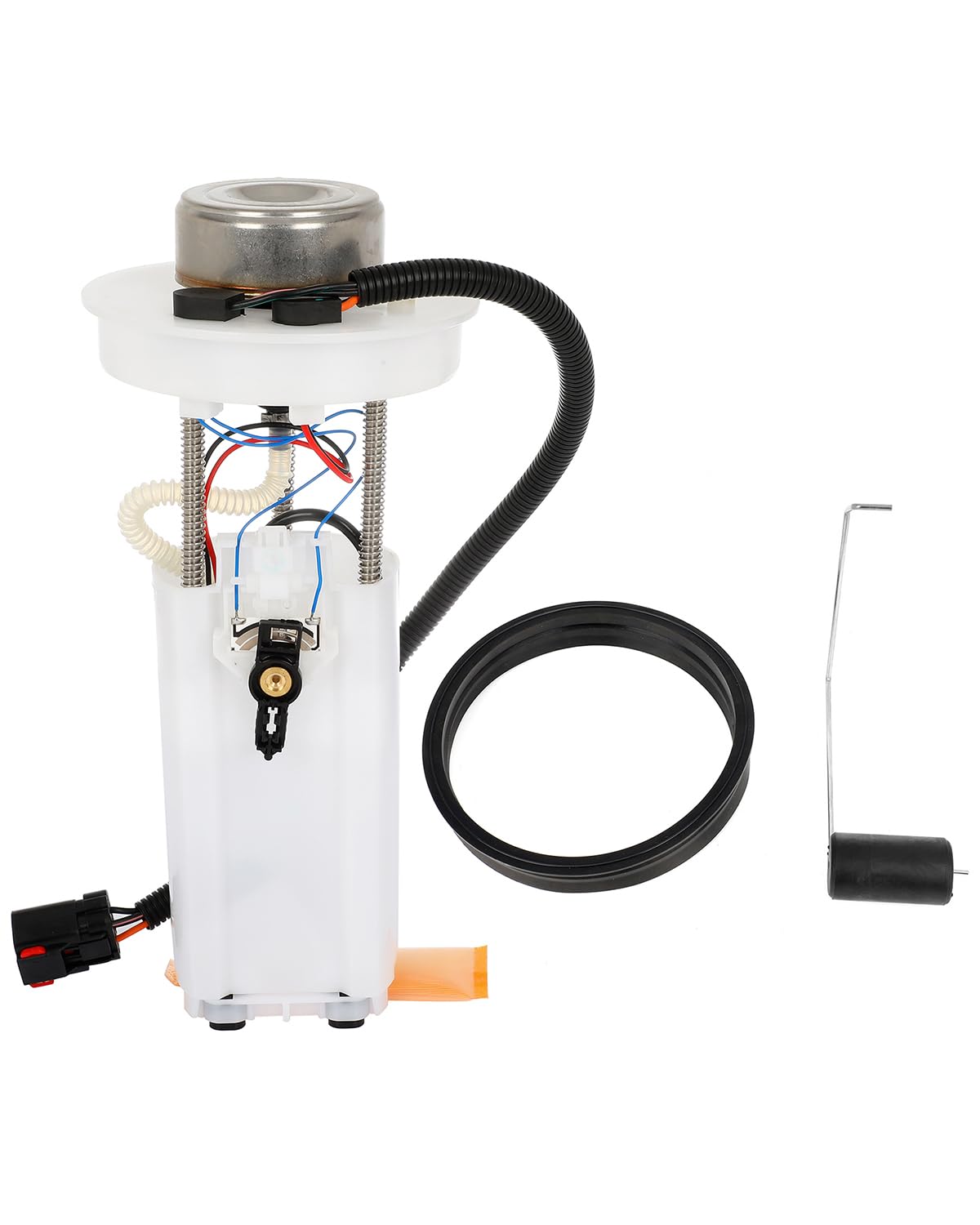
ECCPP positions the E7121M as a budget-conscious solution for Cherokee owners who need a functional pump at the lowest possible entry price. The assembly replaces OE number E7121M and fits both the 2.5L and 4.0L engines across the 1997–2001 model years, with a quick-connect outlet fitting that simplifies the fuel line attachment. The plastic housing keeps weight and cost down, and the unit is advertised as meeting OEM standards in fit, form, and function.
The most positive owner report comes from a 2001 Cherokee XJ 4.0L owner who described the product as an awesome perfect fit at a great price, with the pump resolving the vehicle’s fuel pressure issues immediately. Another owner with a 1998 Cherokee confirmed the fitment and expressed satisfaction with the purchase. For owners whose Cherokee is a secondary vehicle or a project car where immediate reliability is less critical, the low upfront cost can make financial sense.
The risk, however, is severe and documented. One owner reported that the rubber components inside the fuel pump turned to mush after just two months of use with fresh gasoline, clogging the entire fuel system and requiring a complete system flush in addition to pump replacement. The failure occurred after only thirty minutes of estimated runtime, indicating a fundamental material incompatibility with modern fuel formulations. This is not a gradual wear issue but a catastrophic material failure that can leave the vehicle stranded and cause collateral damage to injectors and the fuel pressure regulator. For daily drivers or anyone who relies on their Cherokee for regular transportation, the labor cost of a second tank drop far outweighs the initial savings.
What works
- Lowest entry price among 2001 Cherokee fuel pump options
- Quick-connect outlet simplifies fuel line attachment
- Direct OE replacement for 2.5L and 4.0L engines
What doesn’t
- Rubber components can degrade into mush within two months
- Catastrophic failure mode clogs entire fuel system
- Plastic housing less durable than metal-composite designs
10. PHILTOP FG0918 Electric Fuel Pump Assembly
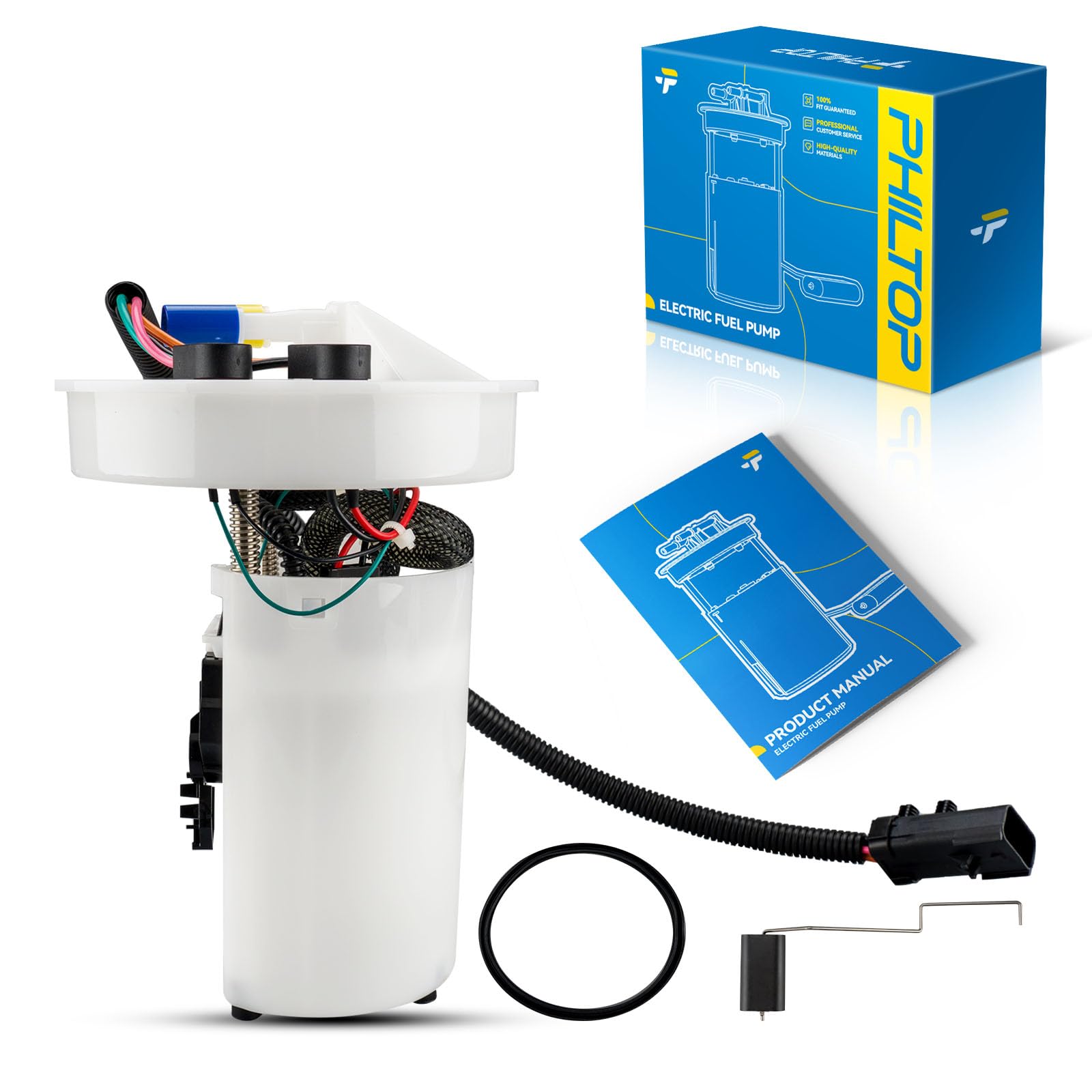
The PHILTOP FG0918 is engineered primarily for the 1999–2004 Jeep Grand Cherokee 4.0L and 4.7L, but its design principles overlap significantly with the XJ Cherokee’s fuel system architecture. The assembly features the same gold-palladium alloy contacts and carbon commutator found in the FG1076 variant, along with a pressure regulating valve that uses an imported diaphragm and ground steel ball. The unit is tank-mounted and operates electrically, drawing fuel through a strainer and delivering it to the engine at controlled pressure.
Owner reports from non-Cherokee applications demonstrate the pump’s basic functionality. A 2009 Infiniti G37 owner reported that the pump worked great with accurate fuel gauge readings and quiet operation, while a 2006 BMW 325i owner noted that the build quality felt solid for the price and that the round gasket design was serviceable. These cross-platform success stories suggest the pump core itself is competent when paired with the correct vehicle-specific mounting hardware.
The most troubling report comes from a 2006 Mazda 3 owner who experienced pump failure within the first 200 miles, with fuel pressure dropping to approximately 20 PSI and causing power loss and sputtering under load. This failure mode mirrors the low-pressure issue seen in the PHILTOP FG1076 and raises questions about consistency in the pump motor winding or brush quality across the PHILTOP product line. For Cherokee owners considering this unit, verifying compatibility with the XJ’s fuel tank depth and connector configuration is essential, and bench testing pressure before installation is strongly advised.
What works
- Gold-palladium contacts and carbon commutator for efficiency
- Includes strainer and seal ring in the assembly
- Quiet operation and accurate fuel level sensing when functional
What doesn’t
- Primarily designed for Grand Cherokee; XJ fitment not guaranteed
- Some units fail within 200 miles with low pressure under load
- Quality control inconsistency across production batches
11. OCPTY E7121MN Fuel Pump Electric Replacement Module Assembly
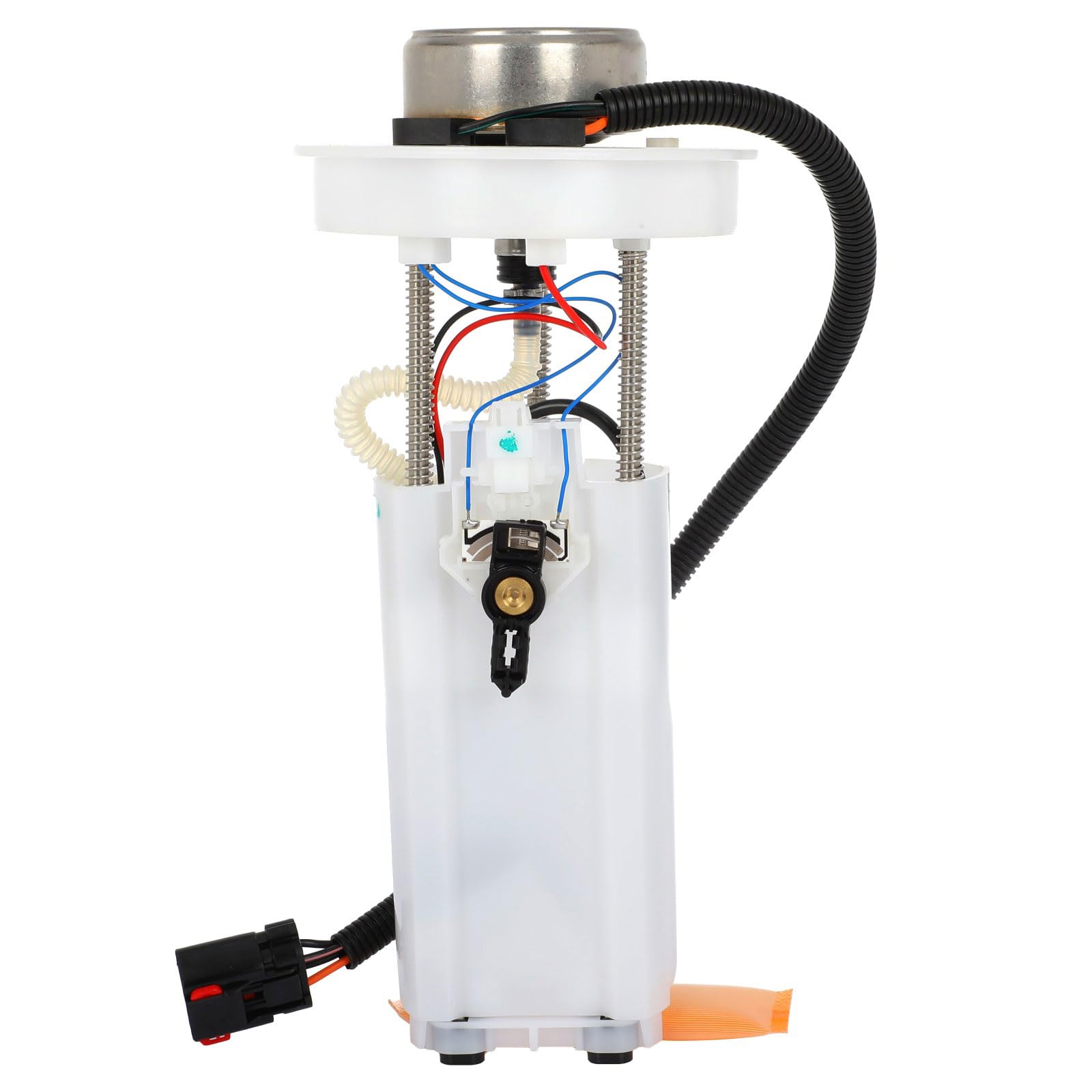
OCPTY offers the E7121MN as a bare-bones replacement module for the 1997–2001 Cherokee, covering both the 2.5L four-cylinder and the 4.0L six-cylinder with a single SKU. The assembly is constructed from metal, plastic, and rubber, and it replaces OE numbers including E7121MN, E7121M, P75040M, 4874173, and 5012953AB. The unit includes the sending unit, strainer, and all necessary components, making it a complete drop-in package at the lowest price point available.
Owner feedback is surprisingly positive given the entry-level positioning. Multiple buyers report perfect fitment and immediate resolution of drivability issues, with one owner describing the Cherokee running like a champion after installation. Another owner specifically noted that this was the cheapest online option and that the installation was straightforward. For a vehicle that is used sparingly or as a weekend trail rig, the OCPTY unit can restore functionality at minimal cost, and several owners confirm it works as intended out of the box.
The limitations emerge in the details. One owner noted that the pump does not include new fuel line clips, requiring the installer to reuse the originals, and that the color of the unit is silver rather than the red shown in the product photos — a cosmetic discrepancy that does not affect function but indicates attention to detail. More importantly, among budget options, the OCPTY unit has a higher proportion of positive reports relative to its price compared to the ECCPP or PHILTOP entry-level alternatives, and no reports of catastrophic rubber degradation have surfaced. For owners who understand the risk profile of an entry-level pump and are prepared to replace it again if needed, the OCPTY E7121MN represents the safest bet at the lowest end of the market.
What works
- Lowest price point with positive fitment feedback from owners
- Complete assembly including sending unit and strainer
- Multiple OE cross-references ensure broad compatibility
What doesn’t
- No new fuel line clips included; originals must be reused
- Product color differs from marketing photos
- Entry-level materials may not match OE longevity expectations
Hardware & Specs Guide
Fuel Pressure Range
The 2001 Jeep Cherokee 4.0L engine requires 49–58 PSI at the fuel rail with the engine idling and the vacuum line attached to the pressure regulator. Pressure below 45 PSI causes lean misfires, extended crank times, and potential catalytic converter damage. Always verify pressure with a mechanical gauge at the Schrader valve before condemning the pump, and test under load by revving the engine to confirm the diaphragm holds steady pressure.
Connector Pin Configurations
Early XJ Cherokees (1997–1998) use a 7-pin electrical connector at the fuel pump module, while 1999–2001 models transitioned to an 8-pin connector. The pin count governs the fuel level sending unit signal and the pump ground circuit. Ordering the wrong configuration prevents the harness from latching securely, which can cause intermittent pump operation or inaccurate fuel gauge readings. Visually confirm your existing pump’s connector before purchasing.
Commutator & Contact Metallurgy
The pump motor commutator is the primary wear interface. Carbon commutators reduce arc duration and electrical resistance compared to traditional copper, extending motor life in ethanol-blended fuels. The sending unit contacts benefit from gold-palladium or silver alloys that resist oxidation and maintain accurate resistance values across the float arm’s range. These material choices are the strongest predictor of long-term reliability in an aftermarket pump.
Strainer Density & Seal Ring Fitment
The strainer’s filtration rating determines how much debris reaches the pump. High-gradient density strainers trap particles down to 10–20 microns without restricting flow, while budget strainers use coarse mesh that passes contaminants. The seal ring (lock ring gasket) must be pliable enough to compress evenly against the tank flange. Aftermarket gaskets that are too stiff or too thin often cause EVAP leaks and fuel odor.
FAQ
What are the symptoms of a failing fuel pump in a 2001 Jeep Cherokee?
What fuel pressure should my 2001 Jeep Cherokee 4.0L have?
Can I replace the fuel pump without dropping the fuel tank?
How do I know if I need a 7-pin or 8-pin fuel pump connector?
Will a Grand Cherokee fuel pump fit my 2001 Cherokee XJ?
Final Thoughts: The Verdict
For most buyers, the 2001 jeep cherokee fuel pump winner is the Delphi FG1076 because it delivers OE-validated pressure, accurate fuel level sensing, and the longest track record of reliable daily driving in the XJ community. If you want precise material specifications and strong ethanol resistance at a moderate price, grab the A-Premium E7121MN. And for budget-conscious owners who understand the risk of a second installation, nothing beats the price-to-positive-feedback ratio of the OCPTY E7121MN.

Certification: BSc in Mechanical Engineering
Education: Mechanical engineer
Lives In: 539 W Commerce St, Dallas, TX 75208, USA
Md Amir is an auto mechanic student and writer with over half a decade of experience in the automotive field. He has worked with top automotive brands such as Lexus, Quantum, and also owns two automotive blogs autocarneed.com and taxiwiz.com.